Our verdict
Set in a restored weigh house in the small Pärnu County settlement of Vihtra, Kuur occupies a category of Estonian rural dining where provenance and place do most of the talking. The setting alone positions it outside the conventional restaurant circuit, drawing visitors who treat the drive from Pärnu as part of the experience. For context on what the wider region offers, see our full Vihtra restaurants guide.

Pearl is the En Primeur Club membership app, where members save venues, book tables and use the concierge.
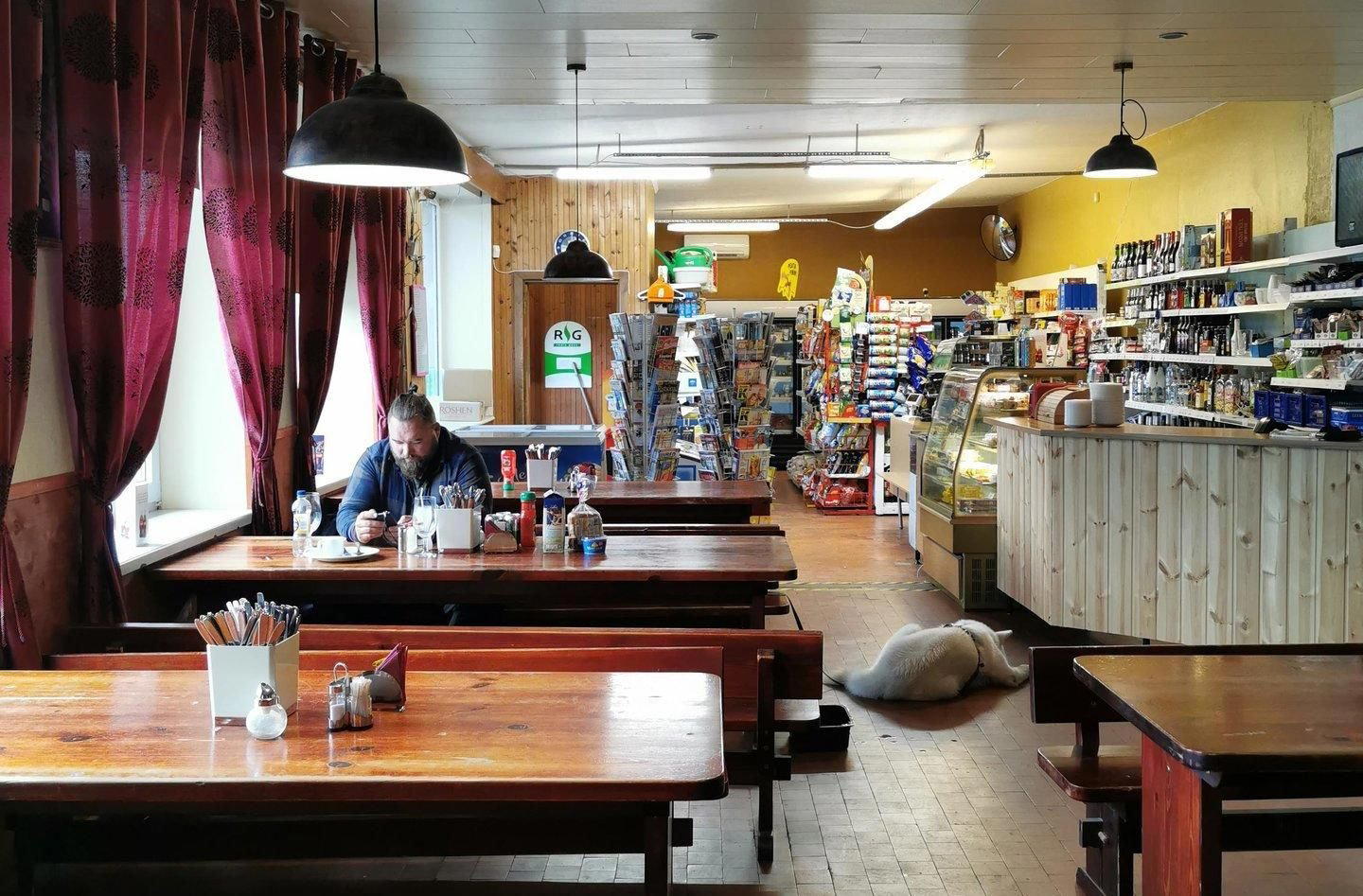
A Weigh House at the Edge of the Pärnu Plain
The word kuur in Estonian means a shed or outbuilding, the kind of utilitarian structure that has always stood at the edge of farmyards and market grounds across the Baltic countryside. That etymology is not incidental. The venue occupies the Kaalumaja, a historic weigh house in the small Pärnu County settlement of Vihtra, and the choice of building sets the terms for everything that follows. Where much of contemporary Estonian fine dining has migrated toward Tallinn's polished interiors, venues like 180° by Matthias Diether operate at the capital's highest price tier, Kuur sits in a different register entirely: rural, grounded, and rooted in a landscape that actually produces the food being served.
Arriving at Vihtra, visitors encounter a Pärnu County that most itineraries skip. The settlement is small enough that the weigh house itself functions as an architectural landmark. The building carries the logic of its original purpose: a place where things were measured and accounted for, where the agricultural economy made itself legible. Running a restaurant inside that frame is either a heavy symbolic burden or a natural alignment, and the evidence from Estonian dining culture suggests the latter. The country's most compelling rural tables have consistently drawn authority from their physical context rather than despite it.
Where the Ingredients Come From, and Why the Distance Matters
Estonian culinary identity in the 2020s has been shaped, more than anything else, by a serious reckoning with what the land actually produces. The brackish coastline of Pärnu Bay, the birch forests of the interior, the bog landscapes of Soomaa to the east, these are not decorative backdrops but active supply chains for kitchens that have chosen to work with them honestly. At the level of ingredient sourcing, Pärnu County is one of Estonia's more productive rural zones: the county accounts for significant portions of the country's fish catch, its dairy output, and its foraged seasonal produce.
A venue positioned in Vihtra is, logistically, closer to those supply chains than any Tallinn address. Compare this to the situation facing, say, Everest Thai/Nepalese Restaurant in Pärnu, which operates on a cuisine model that by definition depends on imported ingredients and regional interpretation rather than local sourcing.
The tradition of Estonian farmhouse cooking, smoked fish, rye-based dishes, preserved root vegetables, dairy from small herds, has been undergoing a sustained critical reassessment since roughly 2015, when a cohort of younger Estonian chefs began treating these ingredients as material worth serious technique rather than nostalgic footnoting. That reassessment has largely played out in Tallinn, but its most honest expression may belong to rural venues where the ingredients in question are not trucked in from a distance. Venues like Kohvik in Viljandi and Kolm. Restoran in Võru have demonstrated that provincial Estonian towns can sustain serious food culture on exactly this basis.
The Rural Dining Format in Estonian Context
Rural destination restaurants occupy a specific position in Estonian dining culture that has no direct equivalent in larger European markets. Because the country's geography is low-density outside Tallinn and Tartu, a restaurant in a village like Vihtra is not competing with a dense local market, it is, by necessity, drawing visitors willing to make the trip as a deliberate choice. This selectivity shapes the guest profile and, by extension, the format. The model tends toward slower-paced meals, longer tables, and a hospitality rhythm that suits the setting rather than fighting it.
This contrasts with the coastal leisure dining model found further along the Pärnu County shoreline. Valgeranna Veinitall in Audru draws on the wine-and-leisure traffic of the Pärnu coast, while KABE Beach in Kaberneeme anchors itself to summer beach culture. Kuur's Vihtra position implies a different audience logic: the draw is the place and its productive countryside, not proximity to a resort strip. Visitors who make the drive are, in most cases, making a considered decision rather than a convenient one.
For the Estonian rural dining category more broadly, the reference points worth tracking include Wana Kala Kõrts in Neeme, which works the traditional kõrts format with seasonal fish, and Ilmaveere in Obinitsa, which operates in Setomaa cultural territory. Each of these venues demonstrates that provincial Estonian dining carries its own logic, one that rewards visitors who approach it on those terms rather than importing urban expectations.
Planning a Visit to Vihtra
Vihtra sits within Pärnu County, making Pärnu the natural base for visitors arriving from outside the region. The town of Pärnu is well connected by road and rail from Tallinn, and the drive to Vihtra from Pärnu is a short rural transit through flat agricultural land. For visitors assembling a wider Pärnu County itinerary, the county offers dining range across several price tiers and formats, from the coastal leisure tables already mentioned to more workaday local spots in Pärnu town itself. As with most Estonian rural destinations, seasonal timing matters: the summer months, when Pärnu County is at its most active, represent the window of highest visitor traffic, while the late autumn and winter months shift the landscape and the produce available to kitchens working with it.
Visitors to Vihtra who want broader regional context should consult our full Vihtra restaurants guide. Those building a wider Estonian dining itinerary will find points of comparison across the country's provincial dining circuit, from Kraft in Keila in Harju County to Kärme Küülik in Haapsalu on the western coast. For a sharper sense of what the capital's leading end looks like by contrast, Atomix in New York City and Le Bernardin serve as useful international reference points for the fine dining tier that Tallinn venues like 180° by Matthias Diether are positioning against.
Frequently asked questions
Does Kuur work for a family meal?
Kuur sits in a converted outbuilding in Vihtra, Pärnu County, which places it firmly in destination-restaurant territory rather than casual family dining infrastructure. The rural setting and format suit adults and older children with an interest in where food comes from, but it is worth confirming the current setup directly before arriving with young children, as operational details are not publicly listed.
What kind of setting is Kuur?
Kuur occupies a Kaalumaja, a historic weigh house, on the edge of the Pärnu plain in Vihtra, a small settlement in Pärnu County. The building type signals the venue's character: utilitarian Estonian agricultural heritage repurposed for considered cooking. Expect a rural, unshowy environment that foregrounds the food and the landscape around it rather than interior spectacle.
Is Kuur worth the drive from Pärnu for a single meal?
Vihtra sits in Pärnu County, making Pärnu the logical departure point, the drive is short enough to be straightforward but deliberate enough that Kuur functions as a genuine destination rather than an incidental stop. The venue's positioning in a Kaalumaja weigh house, shaped by Estonian agricultural tradition, is the draw: it represents a strand of rural Estonian dining that has no direct urban equivalent. For anyone already based in or passing through Pärnu County, the detour is a direct extension of that regional food story.
What should I eat at Kuur?
Kuur's identity is tied to Estonian land-to-table cooking shaped by what Pärnu County's farms, forests, and coastline produce seasonally. The menu follows that logic, so the most defensible answer is: whatever reflects the current season and the shortest supply chain available. Confirm the current offering directly with the venue before visiting, as no fixed menu details are published.
What part of town is Kuur in?
Kuur is located at Kaalumaja, Vihtra, 87603 Pärnu maakond, Estonia, Vihtra.
Do they take walk-ins at Kuur?
Kuur is a rural destination restaurant in Vihtra, roughly within reach of Pärnu as a base, which means it operates at a scale and in a location that rarely leaves capacity for unplanned arrivals. No booking policy is publicly documented, but making contact before the trip is the practical approach for any visit to a venue of this type in rural Estonia.
| Venue | Cuisine | Price | Awards | Notes |
|---|---|---|---|---|
| KuurThis venue (the venue you are viewing) | Fast Food | Not listed | Not listed | Not listed |
| NOA | Modern International | $50–100 | Michelin Bib Gourmand · White Guide Baltic Restaurants - Very Fine Level | Not listed |
| 180° by Matthias Diether | Modern Creative Fine Dining | $300–500 | 2 Michelin Stars · La Liste Top Restaurants | Estonian Fusion |
| NOA Chef’s Hall | Modern European Fine Dining | $150–200 | 1 Michelin Star · La Liste Top Restaurants | Creative |
| Alexander | Nordic Islands’ Cuisine | $150–200 | Michelin Plate · La Liste Top Restaurants | Not listed |
| Fellin | European Café-Bistro | Not listed | Michelin Bib Gourmand · White Guide Baltic Restaurants - Fine Level | Not listed |
Continue exploring
More in Vihtra
Restaurants in Vihtra
All restaurants in Vihtra →
Hotels in Vihtra
Browse all →
Details
- Rustic
- Cozy
- Family
- Casual Hangout
- A La Carte
Rustic seating in glass pavilions and among bales of straw, nicely decorated.