Our verdict
Ilmaveere sits in Obinitsa, a small settlement in Estonia's Võru County deep in the Seto cultural heartland. The surrounding Põlva and Võru region has long shaped a distinct food identity rooted in rye, lake fish, and foraged forest produce. Visitors making the journey south from Tartu will find a dining scene that reflects the land more directly than anything in the capital.

Pearl is the En Primeur Club membership app, where members save venues, book tables and use the concierge.
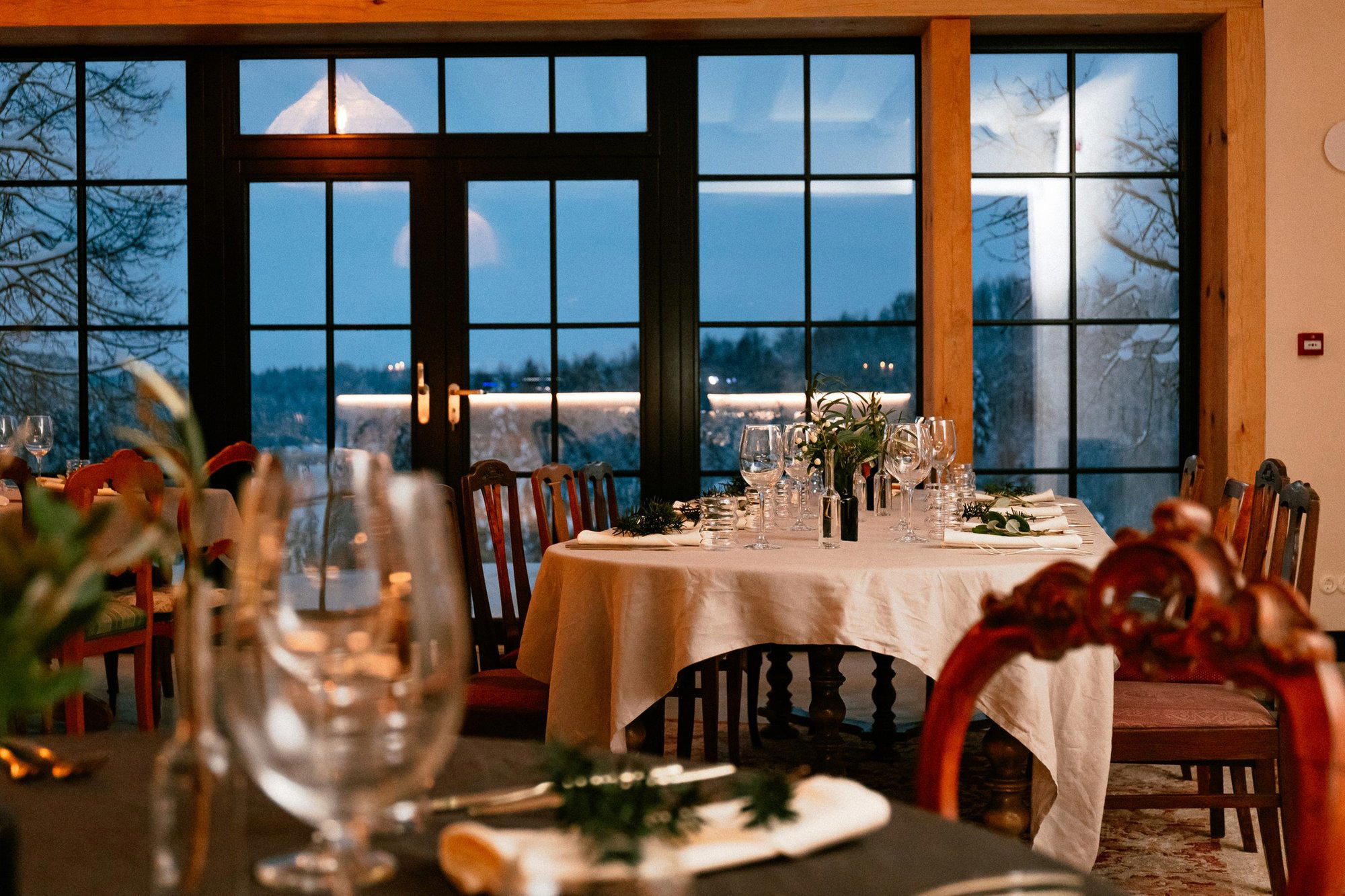
Dining at the Edge of the Seto World
Obinitsa is not a place most travellers pass through by accident. The village sits in Võru County, in the far southeastern corner of Estonia, close to the Russian border and at the cultural centre of the Seto people, a community with their own language, Orthodox traditions, and food customs that diverge meaningfully from the broader Estonian mainstream. When a dining address appears in this context, it operates inside one of the country's most geographically and culturally specific food zones, not as a footnote to urban Estonian cuisine but as a continuation of a parallel tradition that predates the restaurant as a format.
The address for Ilmaveere, Kooli tn 2, places it on what translates as School Street, a detail that says something about the scale of Obinitsa itself. Venues in settlements this small tend to serve as community anchors as much as they serve individual diners, and the food sourcing patterns in such places often reflect a much shorter supply chain than urban kitchens can access. In southeastern Estonia, that means proximity to the lakes, forests, and smallholdings that have supplied this corridor for generations. Pike-perch from Lake Pihkva, wild mushrooms from the spruce forests around Haanja, rye grown on Võru County farms: these are the raw materials that define what eating in this region actually means at its most direct.
The Ingredient Geography of Southeastern Estonia
Estonia's broader culinary conversation in recent years has leaned heavily on New Nordic framing, with Tallinn restaurants referencing foraged and fermented produce as a point of contemporary identity. But in Võru and Põlva counties, that framing is less a trend than a description of how food has always moved from land to table in the absence of the import networks that urban kitchens rely on. The distance from Obinitsa to the nearest significant food wholesale hub is substantial, and that constraint shapes menus in ways that no design philosophy can replicate. Sourcing is local not because it signals premium intent but because the geography makes it the default.
That distinction matters when assessing what a venue in Obinitsa is likely to offer versus what an equivalent address in Tartu or Tallinn provides. Restaurants in the capital, including formally recognised addresses like 180° by Matthias Diether in Tallinn, operate within a cosmopolitan supply chain and can reference Estonian produce as one input among many. A village kitchen in Seto country has a different relationship with its ingredients: the sourcing radius is smaller, the seasonal rhythm is harder, and the dishes that result carry a different kind of provenance. That is not a claim about quality in either direction; it is a structural observation about how geography determines the character of what ends up on the plate.
For visitors who have explored the Estonian dining scene more broadly, the contrast is legible. Kolm. Restoran in Voru, the nearest sizeable town, operates within Võru County but with the supply access that a town of that size enables. Obinitsa operates differently, and Ilmaveere's position on School Street places it squarely inside that smaller, more constrained, and in some respects more direct food economy.
Seto Food Tradition as Context
Seto cuisine is not a codified restaurant format in the way that, say, a tasting menu or a regional French tradition is. It is a domestic tradition with a strong identity around preserved and fermented foods, dairy, and freshwater fish, shaped by Orthodox fasting calendars that created a more complex relationship with meat and dairy than the Lutheran Estonian mainstream. The practical consequence of that calendar is a food culture with a broader repertoire of vegetable and fish preparations than most non-Seto Estonian cooking, and a comfort with sour, preserved, and fermented flavours that pre-dates the Nordic fermentation revival by centuries.
Understanding that context does not tell you precisely what Ilmaveere serves, but it tells you something about the culinary tradition the venue inhabits. Whether a kitchen in Obinitsa leans into that tradition explicitly or operates as a general-purpose local dining room, the Seto food environment is the surrounding condition. That gives any meal in this village a specificity of place that is difficult to engineer in a larger, more commercially connected setting.
Getting to Obinitsa and Planning Around It
Obinitsa is roughly 250 kilometres southeast of Tallinn and sits outside the main tourist circuits that connect the capital to Tartu and the western islands. The most practical approach is by car from Võru, which is approximately 30 kilometres to the northwest. Public transport connections to Obinitsa are limited, and the village's size means that dining options are few; Ilmaveere should be treated as a planned destination rather than a walk-in discovery. Visitors spending time in the region are advised to confirm hours and availability in advance through whatever local contact channels are accessible, given that village-scale venues in this part of Estonia operate on schedules that do not always align with conventional restaurant hours.
For travellers building a wider itinerary through southeastern and southern Estonia, the region rewards patience. Kohvik in Viljandi and Valgeranna Veinitall in Audru represent the kind of regionally anchored dining that characterises this tier of the Estonian food scene, distinct in character from the more internationally inflected addresses in Tallinn or the coastal resort belt. Kuur in Vihtra and Wana Kala Kõrts in Neeme similarly occupy the countryside-anchored end of Estonia's dining spectrum, where the relationship between place and plate is most direct. For a fuller map of what to eat across the country, our full Obinitsa restaurants guide covers the local context in more depth.
The broader Estonian dining conversation also stretches to addresses with very different profiles, from Eva Sushi in Tartu and Everest Thai/Nepalese Restaurant in Parnu to Franzia in Narva Joesuu and Kohvik Kaar in Narva. At the international reference end of the spectrum, Le Bernardin in New York City and Atomix in New York City represent what formal dining looks like when resource depth and critical infrastructure converge. Obinitsa sits at the opposite end of that axis, and that positioning is its defining characteristic. Further afield in Estonia, Burger Bros in Rakvere, KABE Beach in Kaberneeme, Kalana ÄÄR in Kalana, Kärme Küülik in Haapsalu, and Kraft in Keila each anchor a different geographic pocket of the country's food scene.
Frequently asked questions
Is Ilmaveere okay with children?
Obinitsa is a small village in Võru County rather than a high-footfall urban dining destination, and the setting at Kooli tn 2 suggests a community-oriented environment rather than a formal or nightlife-facing one. That context generally suits families with children.
Is Ilmaveere better for a quiet night or a lively one?
Given its location in Obinitsa, a rural village in the far southeast of Estonia with a small permanent population, Ilmaveere almost certainly runs at a quieter register than anything you would find in Tallinn or Tartu. This is a destination for deliberate travellers, not a drop-in spot on a busy evening circuit. Expect measured pace and local atmosphere over high-energy dining.
Is Ilmaveere the right base for exploring Seto cultural sites around Obinitsa?
Obinitsa is one of the principal villages of the Seto region, and the address at Kooli tn 2 places Ilmaveere within walking distance of the Seto Museum and the cultural landmarks that draw visitors to this corner of Võru County. For travellers making the 250-kilometre trip from Tallinn specifically to engage with Seto heritage, pairing a meal here with the surrounding sites is a logical approach. No cuisine type is formally confirmed, but the Seto context of the location strongly frames what to expect.
What's the must-try dish at Ilmaveere?
The broader Seto food tradition of southeastern Estonia draws on preserved meats, rye, dairy, and foraged ingredients shaped by centuries of domestic practice in the Võru region. Any visit is likely to reflect that larder rather than a contemporary tasting-menu format.
At-a-Glance Comparison
Comparable venues nearby, for context on price, style, and recognition.
| Venue | Cuisine | Awards | Notes |
|---|---|---|---|
| IlmaveereThis venue (the venue you are viewing) | Estonian Local Farm-to-Table | Not listed | Not listed |
| Tulivee | Estonian Coastal Seafood | White Guide Baltic Restaurants - Fine Level | Liimala |
| Kolm Sõsarat | Modern Estonian Cuisine | Michelin Plate | Lüllemäe |
| Kohvik-Resto Ajatu | Authentic Estonian | Not listed | Türi |
| Kolm. Restoran | Modern Fusion with French, European, and Asian Influences | Not listed | Võru linn |
| Namm | Local Estonian Flavors | Not listed | Voru |
Continue exploring
More in Obinitsa
Restaurants in Obinitsa
All restaurants in Obinitsa →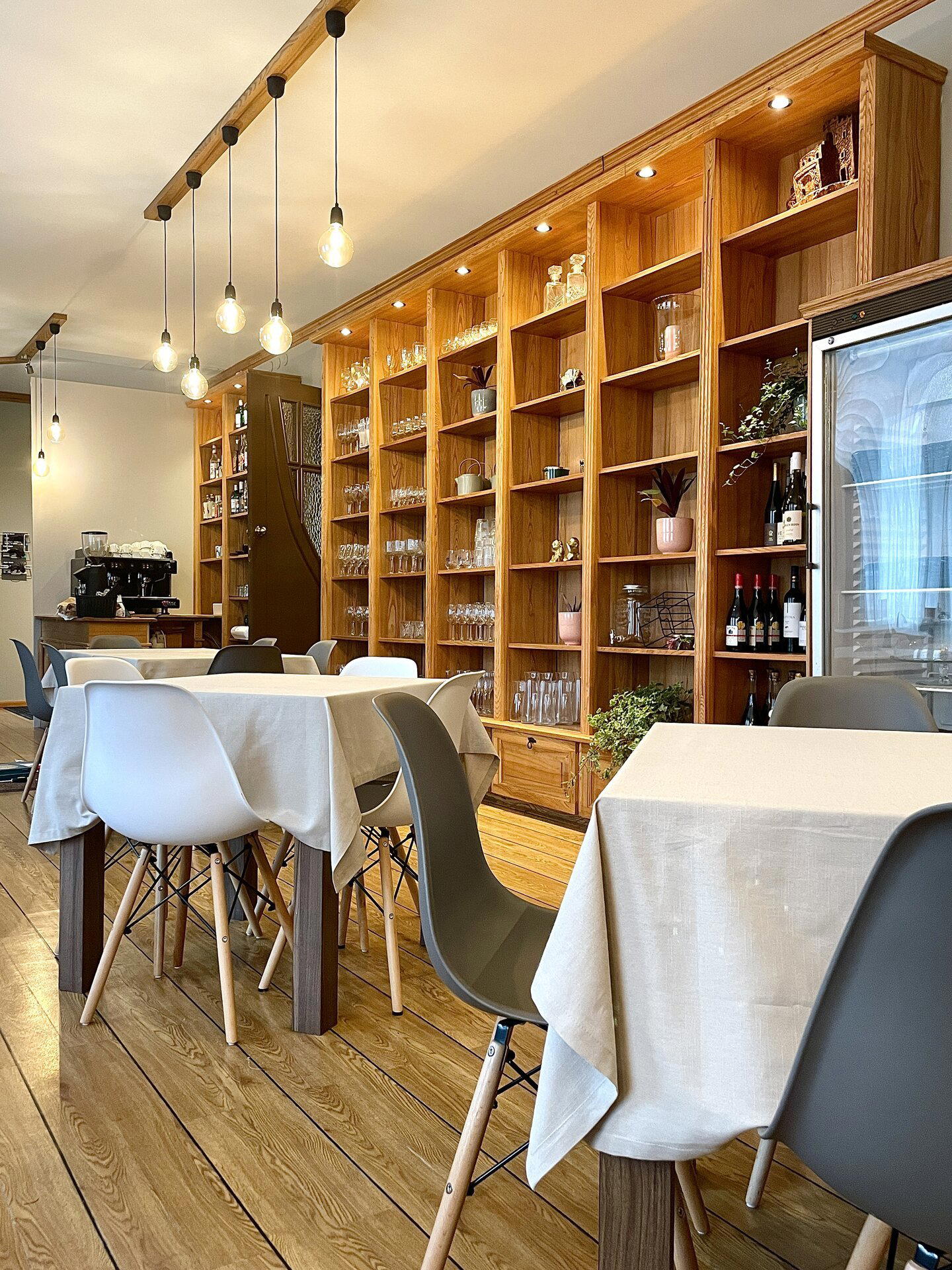
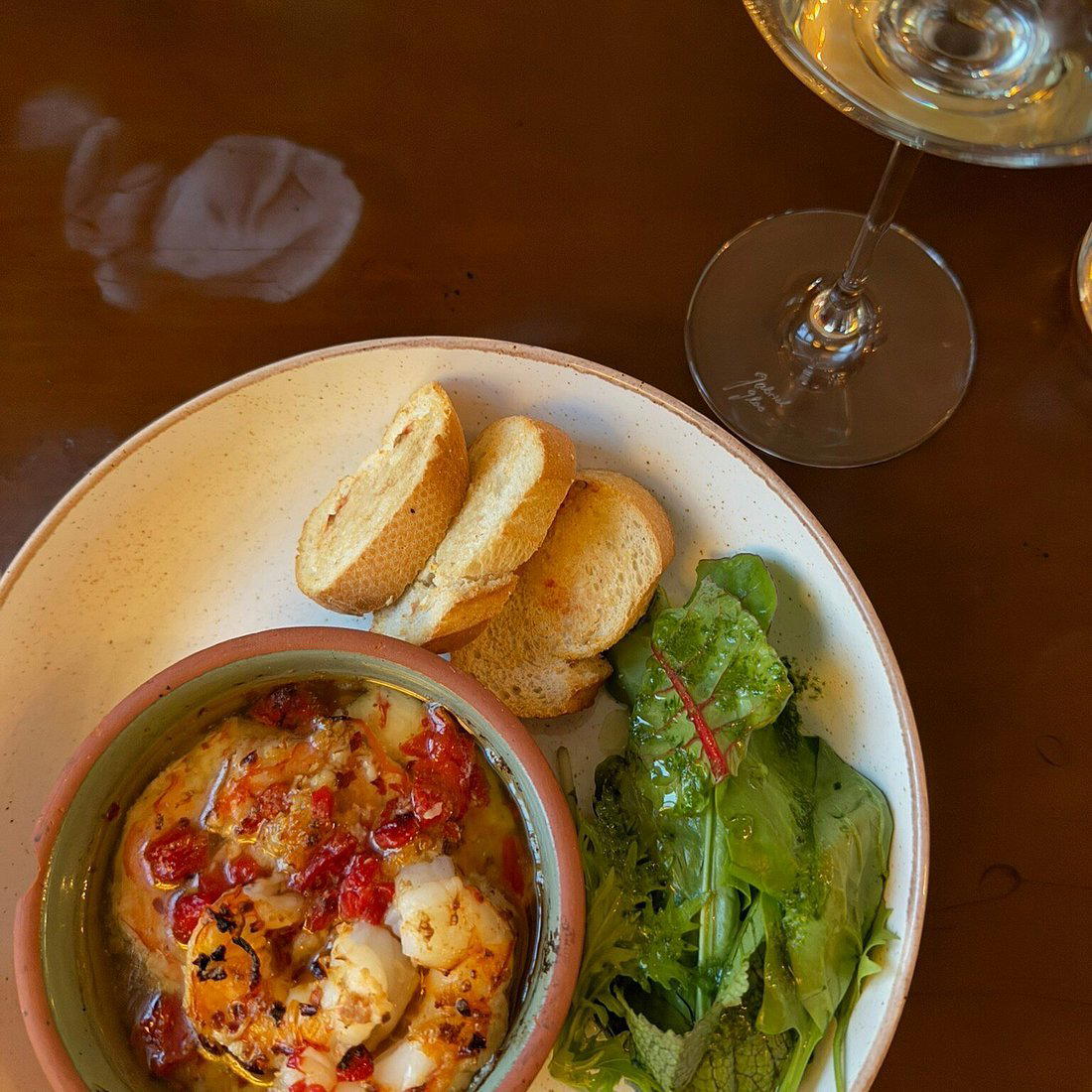
Details
- Cozy
- Rustic
- Scenic
- Intimate
- Special Occasion
- Date Night
- Waterfront
- Farm To Table
- Local Sourcing
- Zero Waste
- Waterfront
- Set Menu
Cozy setting with beautiful lake views and serene natural atmosphere.