



Alexander sits at the end of a long manor road on Muhu Island, operating as the fine dining anchor of the Pädaste estate and holding consecutive Michelin Plate recognition since 2024. With La Liste scores placing it in the 76-point tier alongside Estonia's most decorated tables, it represents the clearest argument that serious modern cuisine has taken root well beyond Tallinn's city limits.
Pearl is the En Primeur Club membership app — saves, bookings, and concierge access live there. Same editors, same standards.
- Address
- Muhu Island, Pädaste, 94716 Saare maakond, Estonia
- Phone
- +372 454 8800
- Website
- padaste.ee
- Directions
- Get directions
 Saves & bookings on Pearl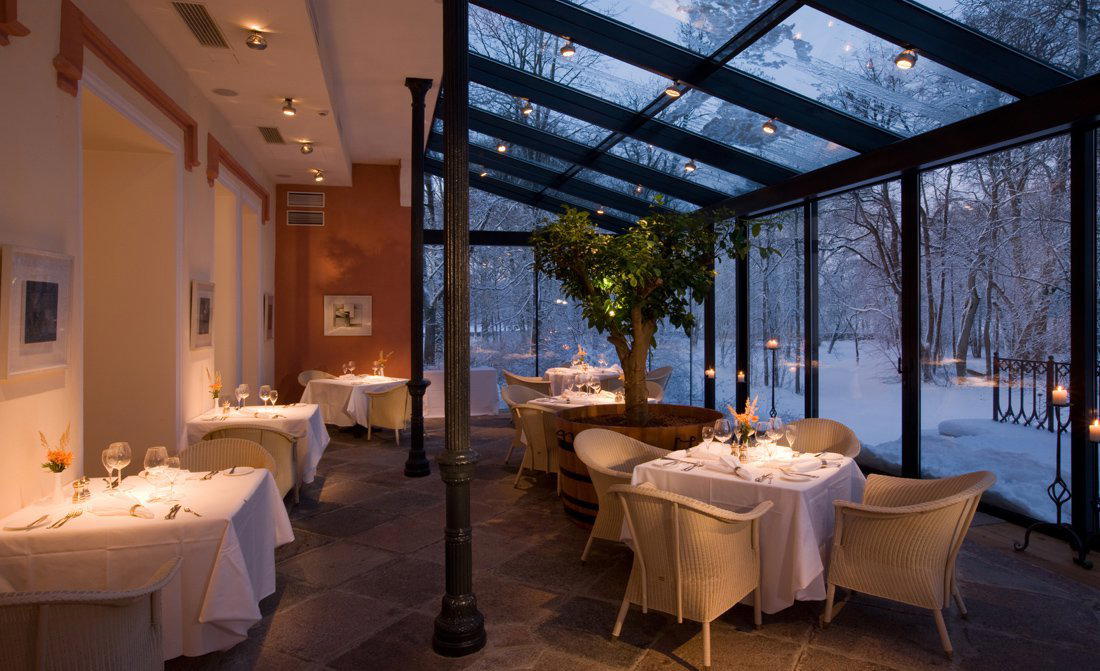
Arriving at the Edge of the Baltic
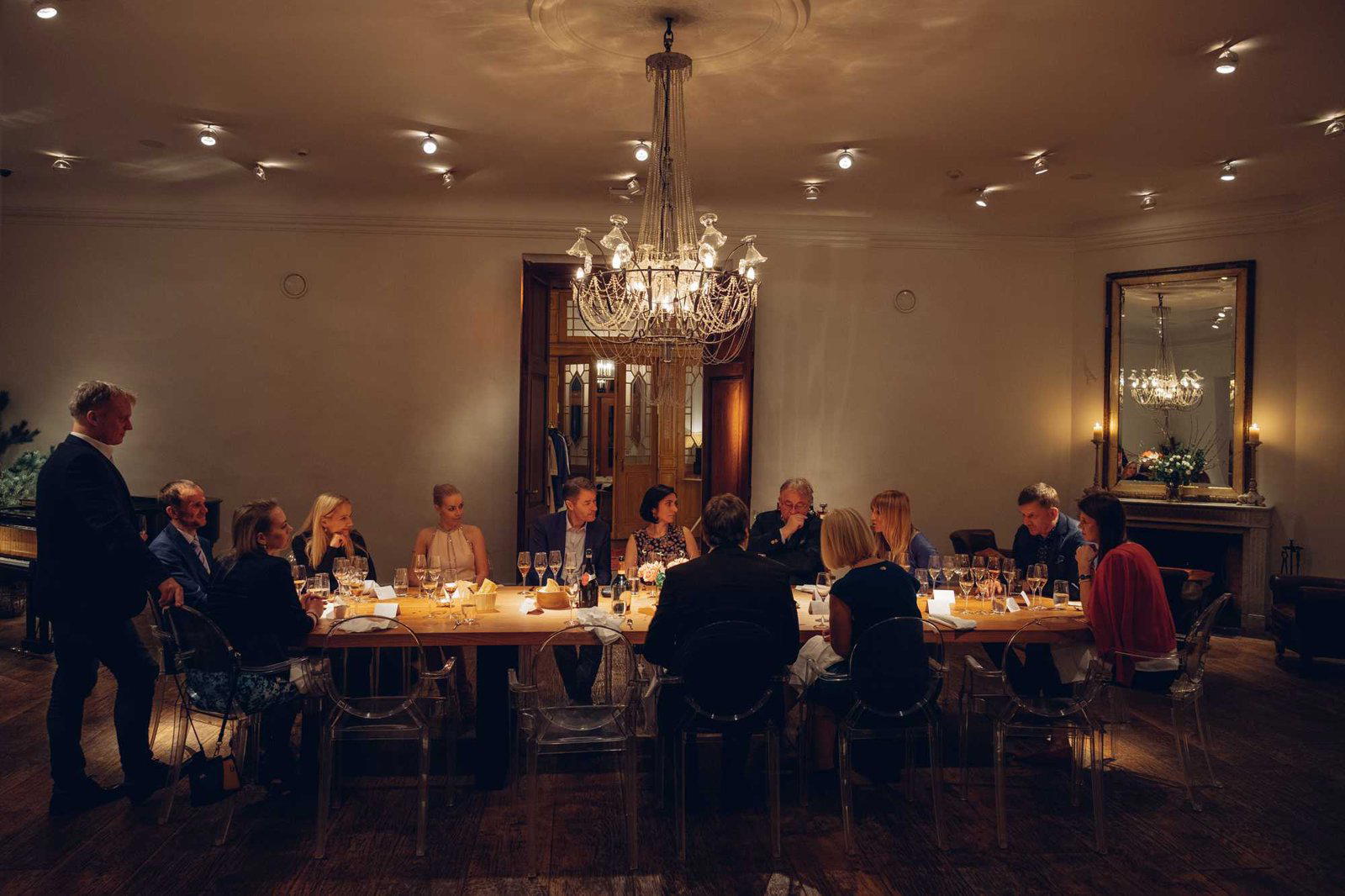
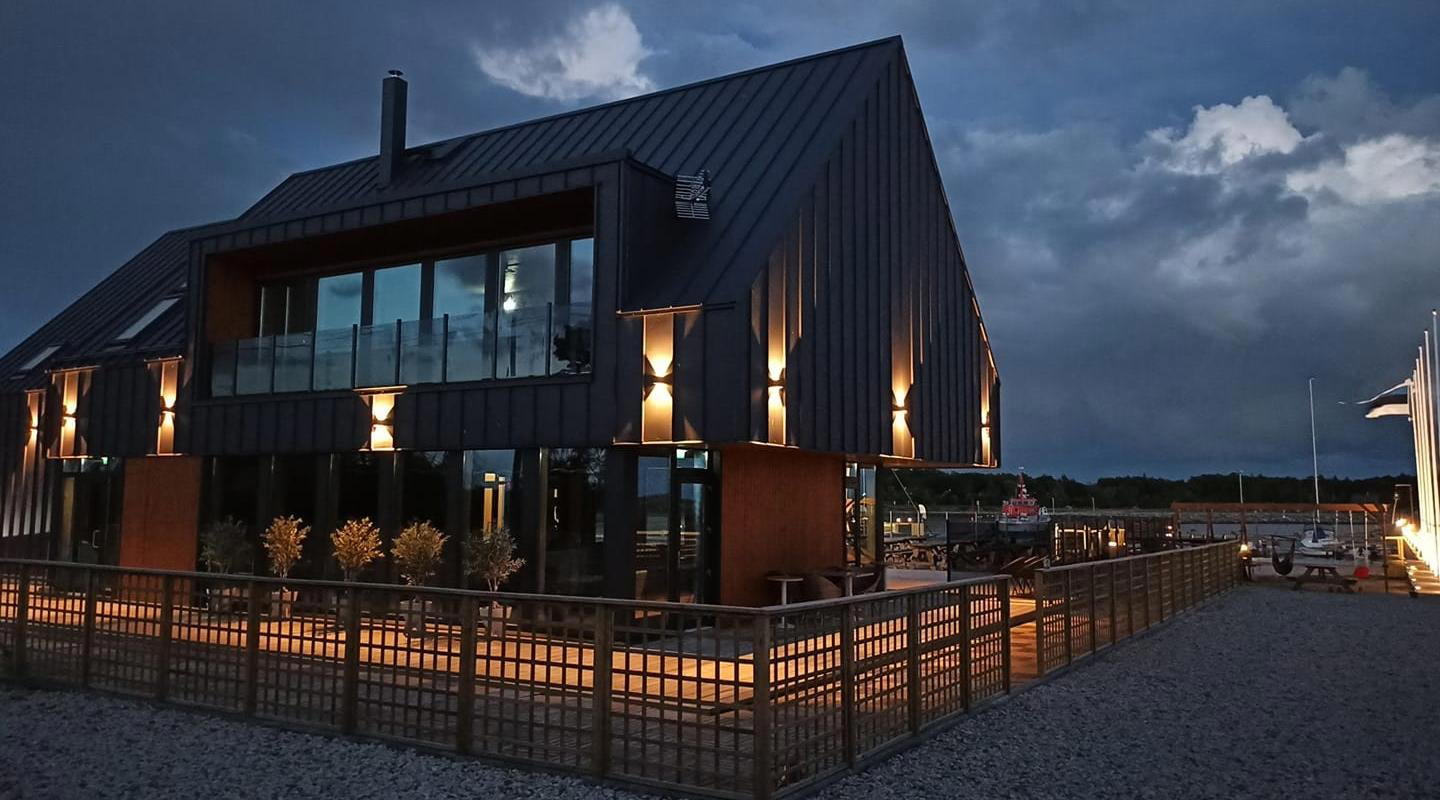
The approach to Pädaste Manor sets conditions before a single dish arrives. Muhu Island is reached by ferry from the Estonian mainland, and the manor itself sits at the end of a tree-lined drive that signals deliberate remoteness. This is a destination built around the premise that serious cooking can anchor a place worth travelling to on its own terms. The dining room at Alexander inherits that logic, placing guests inside a restored 16th-century manor house where the physical weight of the building does a great deal of the atmospheric work before the kitchen begins.
That combination of geographic isolation and architectural seriousness has become a familiar format in Nordic and Baltic fine dining. Alexander belongs to a small cohort of European manor-house restaurants where the journey is factored into the meal itself.
Where Alexander Sits in Estonia's Fine Dining Picture
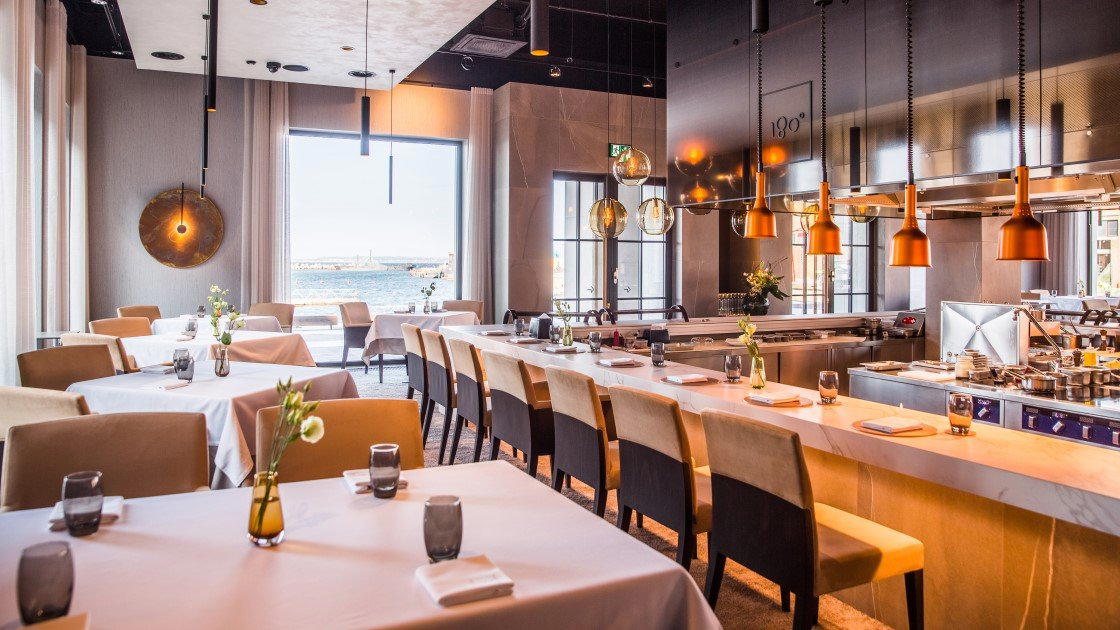
Estonia's restaurant scene has developed a credible upper tier over the past decade, with most of the critical attention concentrated in Tallinn. 180° by Matthias Diether in Tallinn holds two Michelin stars and operates at the highest documented level in the country. Alexander's position is different: it is especially recognised table operating entirely outside the capital, holding a Michelin Plate in both 2024 and 2025 and scoring 76.5 points on the 2025 La Liste ranking, with a marginal adjustment to 75 points in 2026. Those numbers place it in the same broad recognition band as Estonia's serious regional restaurants without claiming parity with the starred city addresses.
The comparison matters because it defines what Alexander is competing for. It is not positioning itself against Tallinn's leading tables; it is making the case that Muhu Island is worth a dedicated trip for food-motivated travellers. Within the Estonian regional tier, that is a category of one. Restaurants like Fellin in Viljandi, Hõlm in Tartu, and Hiis in Manniva represent the country's serious provincial cooking, but none carry the same combination of international award recognition and dedicated destination-hotel infrastructure that Pädaste provides.
For a broader sense of how Estonian fine dining compares across the country, our full Pädaste restaurants guide covers the local picture in more detail. Comparable rural manor-format fine dining across Europe can be tracked through addresses like Maison Lameloise in Chagny, which has operated on a similar destination-estate model in Burgundy for generations.
The Chef and the Kitchen's Direction
Daniel Garwood leads the kitchen through the Acru group connection, bringing an international frame of reference to the manor setting. Daniel Garwood, credited through the Acru group connection, brings a frame of reference that extends well beyond Estonia's culinary borders. In the Baltic fine dining context, this matters: the region's most credible restaurants have consistently drawn on international training while working with the specific ingredient palette of the Estonian coast and countryside. The tension between external technical rigour and local material is where one interesting cooking in this part of Europe tends to happen.
Alexander's cuisine classification as Modern Cuisine rather than New Nordic or Estonian Fusion is a deliberate signal. It positions the kitchen as technique-forward and international in orientation while remaining anchored to the manor estate's setting and the West Estonian archipelago's produce. That approach has become a recognisable model at serious Scandinavian and Baltic destination restaurants, where the menu reads as a conversation between classical training and hyper-local sourcing rather than a declaration of national identity.
For context on how this approach plays out at comparable modern cuisine addresses beyond the region, Frantzén in Stockholm and FZN by Björn Frantzén in Dubai illustrate how the same broad tradition operates at higher Michelin tiers.
The Wider Pädaste Context
Alexander does not operate in isolation from the estate around it. Pädaste Manor functions as a hotel and hospitality complex, which means the restaurant sits within a broader guest experience rather than serving as a standalone city address. For guests staying on the property, dinner at Alexander is the centrepiece of an overnight or multi-night visit. For day visitors, the logistics of reaching Muhu Island by ferry mean that a meal here typically becomes the occasion itself.
The West Estonian archipelago has a clear seasonal rhythm, with summer bringing the longest days and accessible weather for island travel. Travellers planning a visit during peak season should treat advance booking as non-negotiable at this level of recognition. The combination of limited capacity in a manor-house dining room and a destination that requires meaningful travel to reach creates the conditions for a restaurant that fills on intent rather than impulse.
Those planning a broader West Estonian itinerary can reference our full Pädaste hotels guide for accommodation context, alongside bars, wineries, and experiences guides for the surrounding area. Other serious Estonian addresses worth knowing across the country include Kolm Sõsarat in Lüllemäe, Lahepere Villa in Kloogaranna, Mere 38 in Võsu, Rado Haapsalu in Haapsalu, SOO in Maidla, and Wicca in Laulasmaa.
Planning a Visit
Alexander carries a €€€€ price designation, placing it at the summit of the Estonian pricing tier and in line with what destination manor restaurants charge across Northern Europe. Getting to Muhu Island requires a ferry crossing from Virtsu on the Estonian mainland to Kuivastu, a crossing that takes roughly 25 minutes and runs frequently enough to be workable but still demands advance scheduling around meal times. The manor address is Muhu Island, Pädaste, 94716 Saare maakond, Estonia. Given the estate's remote character, arriving by car is the practical option for most guests.
Side-by-Side Snapshot
Comparable venues nearby, for context on price, style, and recognition.
| Venue | Cuisine | Price | Awards | Notes |
|---|---|---|---|---|
| AlexanderThis venue — the venue you are viewing | Nordic Islands’ Cuisine | $$$$ | Michelin Plate | Not listed |
| Noarootsi Lokaal | Modern Estonian Country Fare | $$ | Not listed | Pürksi |
| Kolm Sõsarat | Modern Estonian Cuisine | $$$ | Michelin Plate | Lüllemäe |
| Härg | Modern Chargrilled Steakhouse | $$$ | Bib Gourmand | Kesklinn |
| Horisont | Modern European Fine Dining | $$$$ | Michelin Plate | Kesklinn |
| Lahepere Villa | Modern Estonian Fine Dining | $$$$ | Michelin Plate | Kloogaranna |
Recognition history
Dated appearances from independent guides and award organizations, with the underlying list record or original source where available.
Falstaff Restaurant - 95 Falstaff Points
Falstaff
La Liste Top Restaurants
La Liste
White Guide Baltic Restaurants - Masters Level
White Guide
La Liste Top Restaurants
La Liste
Michelin Plate
Michelin
Michelin Plate
Michelin
Continue exploring
More in Pädaste
At a Glance
- Elegant
- Sophisticated
- Intimate
- Scenic
- Special Occasion
- Date Night
- Private Dining
- Hotel Restaurant
- Chefs Counter
- Extensive Wine List
- Sommelier Led
- Farm To Table
- Local Sourcing
- Garden
Elegant high-ceilinged room opening to a spectacular winter garden with sweeping views of ancient parkland, creating a sophisticated and memorable atmosphere.