Our verdict
Eva Sushi brings Japanese-style sushi to Kastani tn 44 in Tartu, Estonia's compact university city where international dining formats have steadily widened over the past decade. As one of the few dedicated sushi addresses in a city better known for its Nordic and modern European tables, it occupies a distinct position in Tartu's dining mix. For visitors tracking the city's evolving food scene, it represents the category's local foothold.

Pearl is the En Primeur Club membership app, where members save venues, book tables and use the concierge.
The menu
What to order
- Classic Philadelphia
- Kana tempura
- Sushisalat krõbeda krevetiga
Sushi in a Nordic University City
Tartu's restaurant scene has developed along a recognisable pattern common to mid-sized European university cities: a dense cluster of modern European and Nordic-inflected tables at the upper end, a growing tier of international formats in the middle, and a handful of specialist addresses that serve cuisines otherwise absent from the city entirely. Sushi falls into that last category. Japan's raw-fish traditions arrived late in Estonia relative to the major Scandinavian capitals, and in a city of Tartu's scale, dedicated sushi venues remain rare enough that each one carries a representational weight that it would not bear in Helsinki or Stockholm.
Eva Sushi, located on Kastani tn 44 in the southern residential belt that edges toward Tartu's university district, sits inside that context. The Kastani corridor is not the city's primary dining strip, that distinction belongs to the historic centre around Raekoja plats, but it is a neighbourhood with an established local character, the kind of area where residents eat rather than tourists seek out. A sushi address here signals a local customer base rather than a passing visitor trade, which tends to produce menus calibrated to repeat diners rather than first-timers.
The Ingredient Question in a Landlocked Country
Any serious assessment of sushi outside Japan's coastal cities, or the major port hubs that receive daily fish deliveries, has to reckon with one structural challenge: distance from the source. Estonia is a Baltic country with its own seafood traditions rooted in the cold-water species of the Baltic Sea and the Gulf of Finland, herring, pike-perch, sprat, but these are not the species that anchor a traditional Japanese sushi format. The fish required for a conventional omakase or even a mid-tier sushi menu, particularly the fatty tuna cuts and warm-water shellfish, travel considerable distances before reaching a kitchen in Tartu.
This is not unique to Estonia. Copenhagen, Amsterdam, and Zurich all host credible sushi operations despite similar sourcing distances. The critical variable is the cold chain: the reliability of the logistics connecting Japanese and Norwegian fisheries to the kitchen. Norway's aquaculture sector has made high-quality Atlantic salmon one of the most globally consistent sushi ingredients of the past two decades, and it is often the species that anchors the sushi menus of Northern European cities where tropical alternatives are harder to source freshly. For Tartu specifically, proximity to Tallinn, a two-hour drive, gives access to better-connected import channels than Estonia's smaller towns would have.
For comparison, Tartu's more ambitious modern tables, including Hõlm (Modern Cuisine) at the €€€ tier, have demonstrated that high-quality sourcing is achievable in this city when the kitchen is structured around it. Joyce (Modern Cuisine) at the €€ level has similarly built a following on ingredient fidelity rather than format novelty. Whether Eva Sushi approaches sourcing with the same rigour is something a visit would need to confirm directly.
Where Eva Sushi Sits in Tartu's Dining Mix
To understand Eva Sushi's position, it helps to map Tartu's restaurant tier structure. The city's upper bracket is anchored by modern European addresses. The middle tier contains a widening range of international formats, pizza, pan-Asian, Middle Eastern, that have expanded as Tartu's student and expat population has grown. Venues like Ihamaru Pizza and Humal operate in this broadening middle register, each serving a specific format with consistency. Sushi occupies a similar space: a defined cuisine type filling a gap rather than competing directly with the Nordic fine-dining tables.
That gap-filling function matters for how a venue should be evaluated. Eva Sushi is not in direct competition with Cafe Truffe, nor does it sit in the same critical frame as a destination restaurant. Estonia's sushi category, across the country, ranges from supermarket grab-and-go formats to sit-down counters in Tallinn that approach the format with more technical investment. For context on what the upper end of that national range looks like, 180° by Matthias Diether in Tallinn illustrates the kind of technical ambition that the Estonian capital can sustain at its apex, though that is a different format and price tier entirely.
Internationally, the distance between a casual neighbourhood sushi restaurant and a counter like Atomix in New York City or the precise sourcing discipline of Le Bernardin in New York City illustrates why ingredient provenance and kitchen rigour define how sushi venues are judged at a serious level. Eva Sushi does not operate in that tier, nor should it be expected to, but those reference points clarify what distinguishes a serious sushi operation from a casual one when interrogating any venue in the category.
Estonia's Broader Dining Geography
Tartu functions as Estonia's second city and its intellectual centre, and its restaurant density reflects that role. Visitors who have tracked Estonia's other regional dining scenes, from Everest Thai/Nepalese Restaurant in Parnu to Kolm. Restoran in Voru or Kohvik in Viljandi, will recognise Tartu as the node with the most concentrated international dining offer outside Tallinn. That context makes Eva Sushi's presence in the city less surprising than it might appear in a smaller Estonian town. The student population sustains a demand for varied international formats that would not exist at the same level in, say, Kohvik Kaar in Narva or Franzia in Narva Joesuu.
For a fuller picture of what Tartu's dining scene covers across price points and formats, our full Tartu restaurants guide maps the city's options with the same level of editorial context. Elsewhere in Estonia, venues like Valgeranna Veinitall in Audru, KABE Beach in Kaberneeme, Wana Kala Kõrts in Neeme, and Kuur in Vihtra show how Estonia's smaller coastal and rural addresses have developed their own distinct identities separate from the urban dining circuits.
Planning a Visit
Eva Sushi is located at Kastani tn 44, 50410 Tartu, placing it in a residential quarter south of the city centre that is accessible on foot from the university district in roughly fifteen to twenty minutes, or a short ride from Raekoja plats by taxi or local bus. Given the limited data available on hours, booking policy, and pricing at this address, the most reliable approach is to check current operating details directly at the venue or via current local listings before visiting. Tartu's dining scene, like those of most smaller European cities, operates with tighter hours than visitors from larger capitals might expect, particularly on weekday lunches and Sunday evenings.
Frequently asked questions
Where exactly is Eva Sushi?
Eva Sushi is located at Kastani tn 44, 50410 Tartu, Estonia, Tartu.
Is Eva Sushi suitable for visitors staying near Tartu's city centre?
The address at Kastani tn 44, 50410 Tartu places Eva Sushi in a residential quarter south of the old town, reachable on foot from the university area. Tartu is compact enough that no neighbourhood is prohibitively far from the centre by foot or a short taxi ride. No specific hours are publicly documented, so confirming opening times before visiting is advisable.
What dish is Eva Sushi famous for?
Given that Tartu is a landlocked city with no direct coastal fish supply, the menu almost certainly reflects ingredient availability across the Baltic region rather than the daily-catch model of coastal sushi counters. Visiting in person or contacting the restaurant at Kastani tn 44 is the most reliable way to confirm current offerings.
What's the best way to book Eva Sushi?
Walk-in is likely viable given Tartu's restaurant scale, though contacting them through local listing platforms or showing up directly at the Kastani address would be the practical approach. University-city venues in this size bracket typically operate without advance booking requirements outside peak periods.
What makes Eva Sushi worth seeking out?
In a city where the upper dining bracket is dominated by modern European addresses, a dedicated sushi restaurant represents a distinct format within Tartu's restaurant mix. Eva Sushi at Kastani tn 44 sits in a residential quarter south of the centre, which puts it slightly outside the main cluster of tourist-facing venues. For visitors tracking Estonia's broader dining geography beyond Tallinn, it represents a category that is genuinely sparse across the country's second city.
Quick Comparison
Comparable venues nearby, for context on price, style, and recognition.
| Venue | Cuisine | Price | Notes |
|---|---|---|---|
| Eva SushiThis venue (the venue you are viewing) | Japanese Sushi & Poke | $10–20 | Not listed |
| Restoran Pööripäev | Modern Estonian | Not listed | Estonian National Museum |
| Humal | French-inspired Bistro | Not listed | central Tartu |
| Pazzo Restoran | Authentic Italian Soul Food | $20–30 | Tartu linn |
| Kebab Master | Middle Eastern Kebab | $1–10 | Riia street |
| Viru Burger | Modern Burgers | $10–20 | Not listed |
Continue exploring
More in Tartu
Restaurants in Tartu
All restaurants in Tartu →
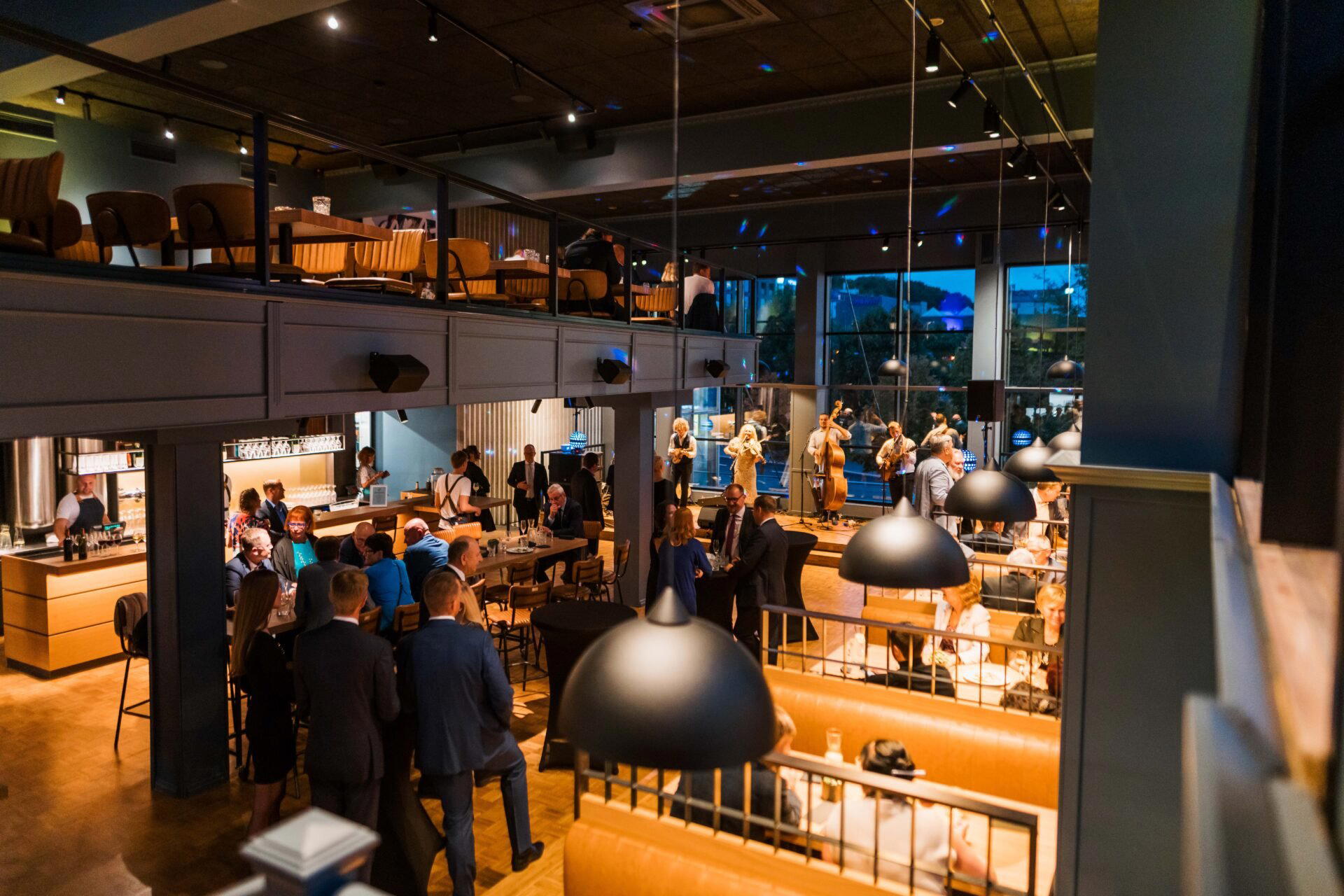
Hotels in Tartu
All hotels in Tartu →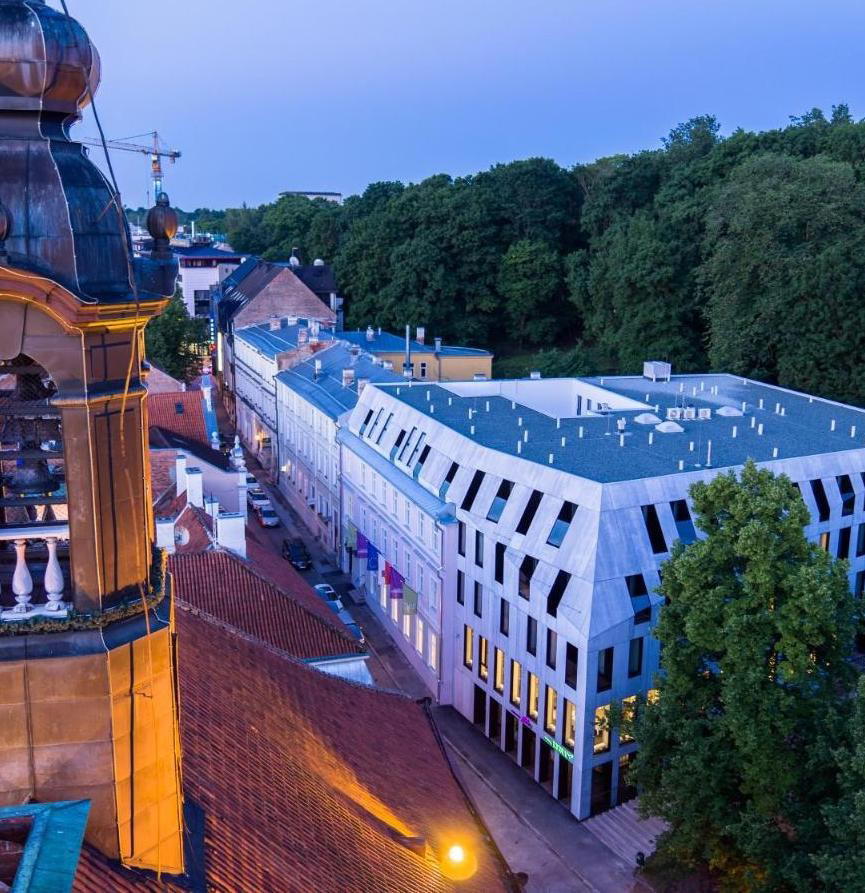
Details
- Cozy
- Modern
- Casual Hangout
- Date Night
- Open Kitchen
- Sake Program
- A La Carte
- Small Plates
- Vegetarian Friendly
Current opening hours
- Monday
- 11 AM–8 PM
- Tuesday
- 11 AM–8 PM
- Wednesday
- 11 AM–8 PM
- Thursday
- 11 AM–8 PM
- Friday
- 11 AM–9 PM
- Saturday
- 11 AM–9 PM
- Sunday
- 11 AM–8 PM
Hours can change for holidays and private events. Hours as of .
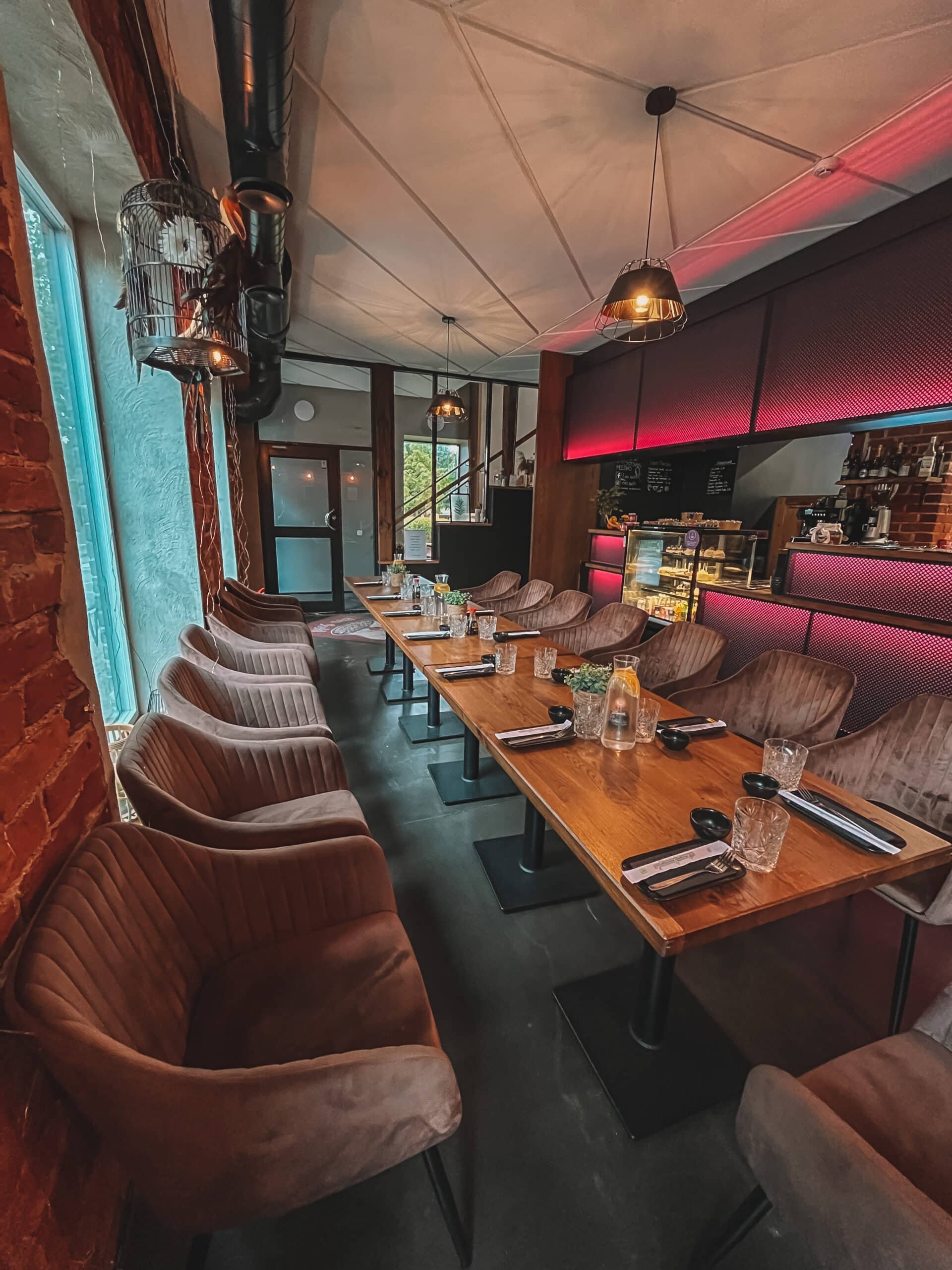
Cozy and welcoming with emphasis on visually appealing, artfully presented fresh sushi and salads.