Our verdict
Wana Kala Kõrts serves Authentic Estonian food in Neeme, with local fish dishes, local sourcing, and a quiet setting suited to dinner.

Pearl is the En Primeur Club membership app, where members save venues, book tables and use the concierge.
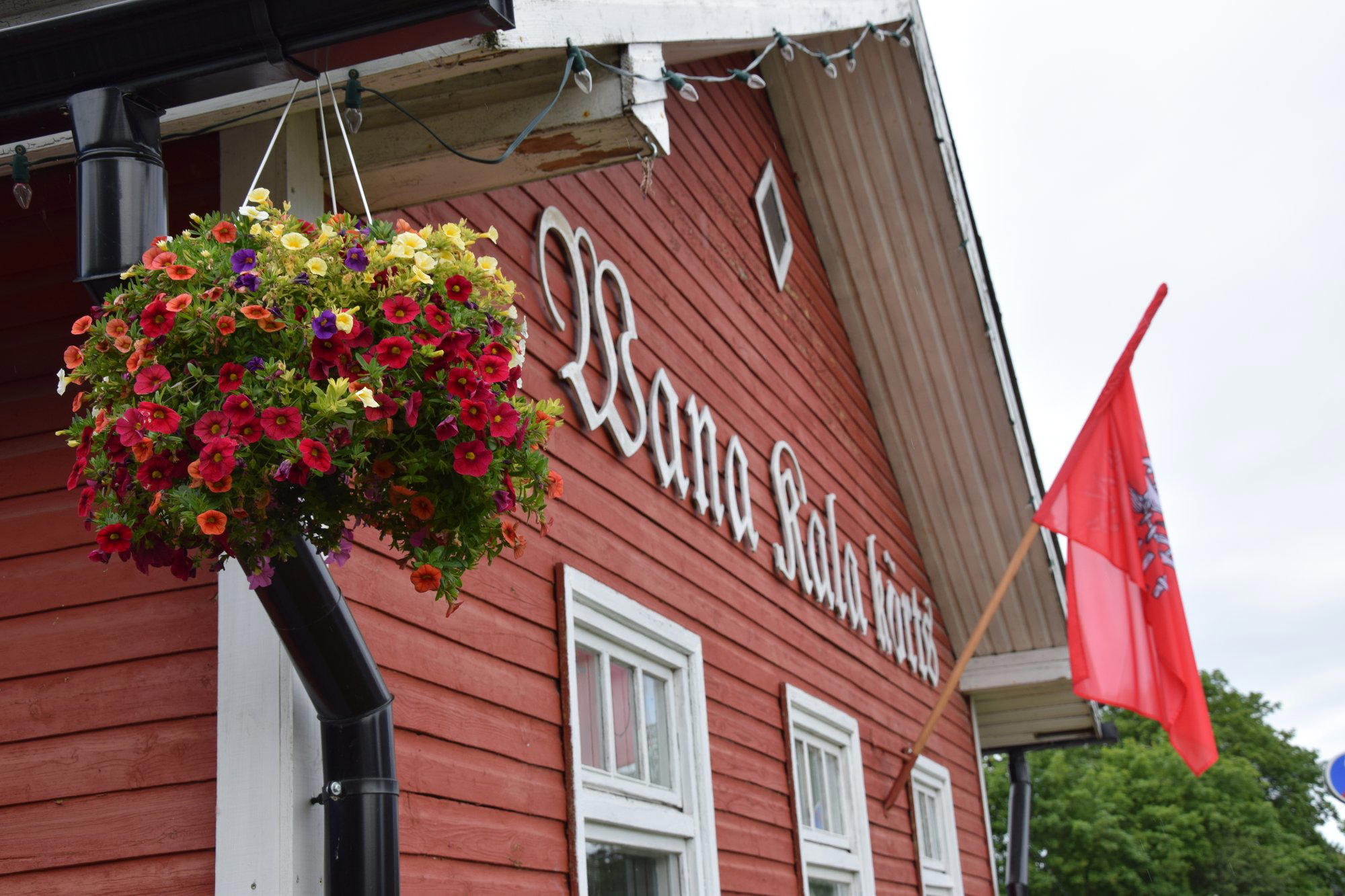
Where the Harju Coast Meets the Old Tavern Tradition
The Estonian word kõrts carries centuries of meaning: a roadside inn, a gathering place, a building that once served travellers moving between villages along the northern coast. In Neeme, the small Harju County peninsula community that pushes into the Gulf of Finland east of Tallinn, Wana Kala Kõrts occupies that tradition at Neeme tee 2, a short drive from the capital but a considerable remove from its restaurant culture. The building sits at the edge of a working coastal community, and the geography matters here more than any award or accolade. This part of Estonia has historically organised its eating around what the land and water produce, not around imported culinary frameworks.
Rural Estonian tavern culture developed around proximity to ingredients in ways that urban restaurants rarely replicate. Fishing communities on the Harju coast have long centred their tables on the Baltic catch, foraged forest produce, and preserved goods that extended the short growing season. A place like Wana Kala Kõrts operates within that inherited logic, where the sourcing radius is not a marketing position but a geographic reality. Neeme is not large enough to sustain a supply chain disconnected from its surroundings.
The Ingredient Geography of the Harju Coast
Estonian food culture divides roughly between the modernist kitchens of Tallinn, where chefs like Matthias Diether at 180° by Matthias Diether apply technical European frameworks to local produce, and the quieter, tradition-anchored tables of the coast and countryside. Wana Kala Kõrts sits in the second category, where the competitive set is not Michelin-listed urban restaurants but the handful of tavern-format spots scattered across Estonia's rural municipalities.
Across this tradition, the sourcing logic follows a consistent pattern. Freshwater and Baltic sea fish, rye-based preparations, foraged mushrooms and berries, and cured or smoked proteins have defined coastal Estonian eating for generations. The smoking tradition in particular holds strong on the Harju peninsula, where fish and meat both pass through smoke as a preservation and flavour technique with roots predating modern refrigeration. Elsewhere in Estonia, venues like Kuur in Vihtra and Kalana ÄÄR in Kalana operate in similar ingredient frameworks, each anchored to local water and land rather than to imported produce categories.
The broader comparison set for understanding Wana Kala Kõrts also includes venues like Kohvik in Viljandi and Kolm. Restoran in Voru, both of which operate in smaller Estonian towns and position themselves around traditional formats rather than urban fine-dining conventions. The shared thread is a sourcing philosophy that treats regional produce as a structural requirement rather than a selling point.
The Physical Setting and What It Signals
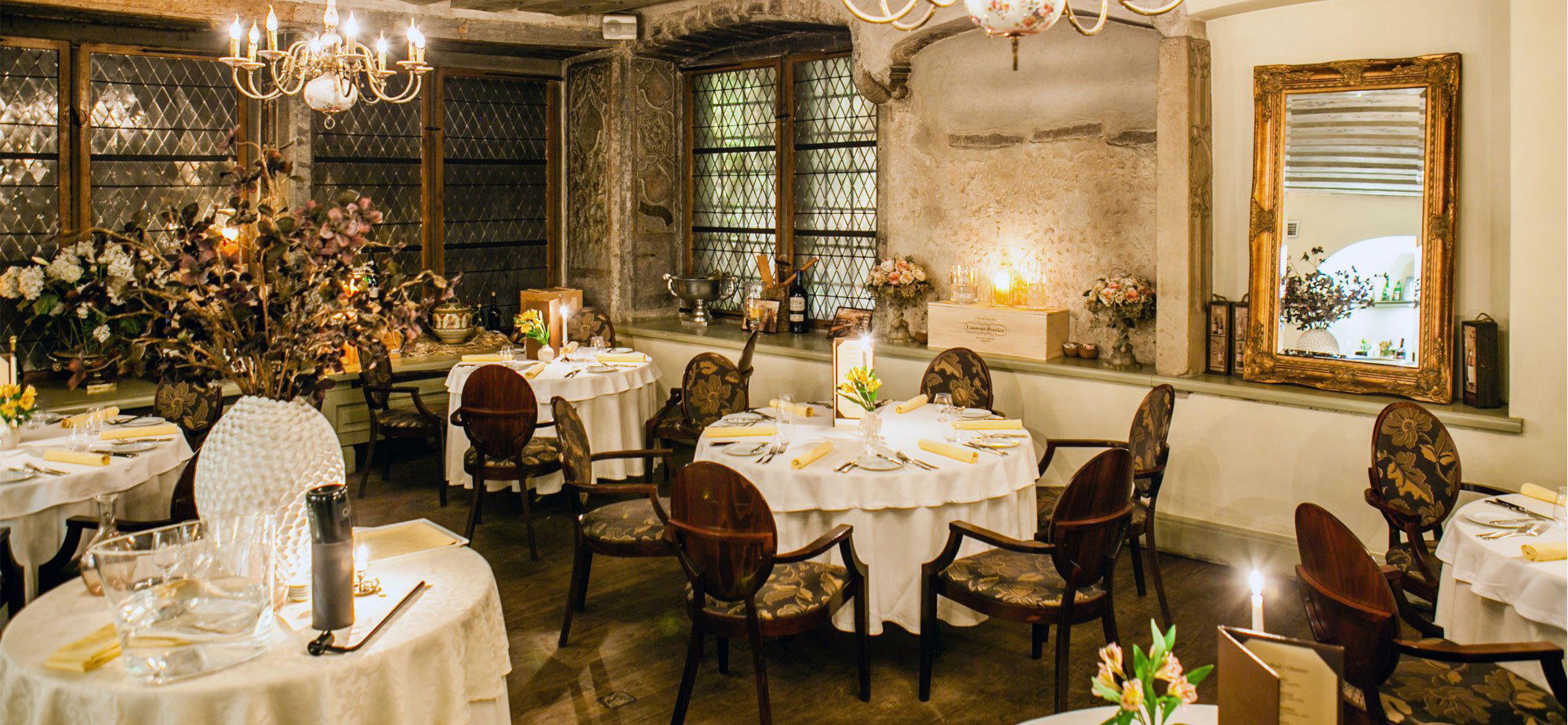
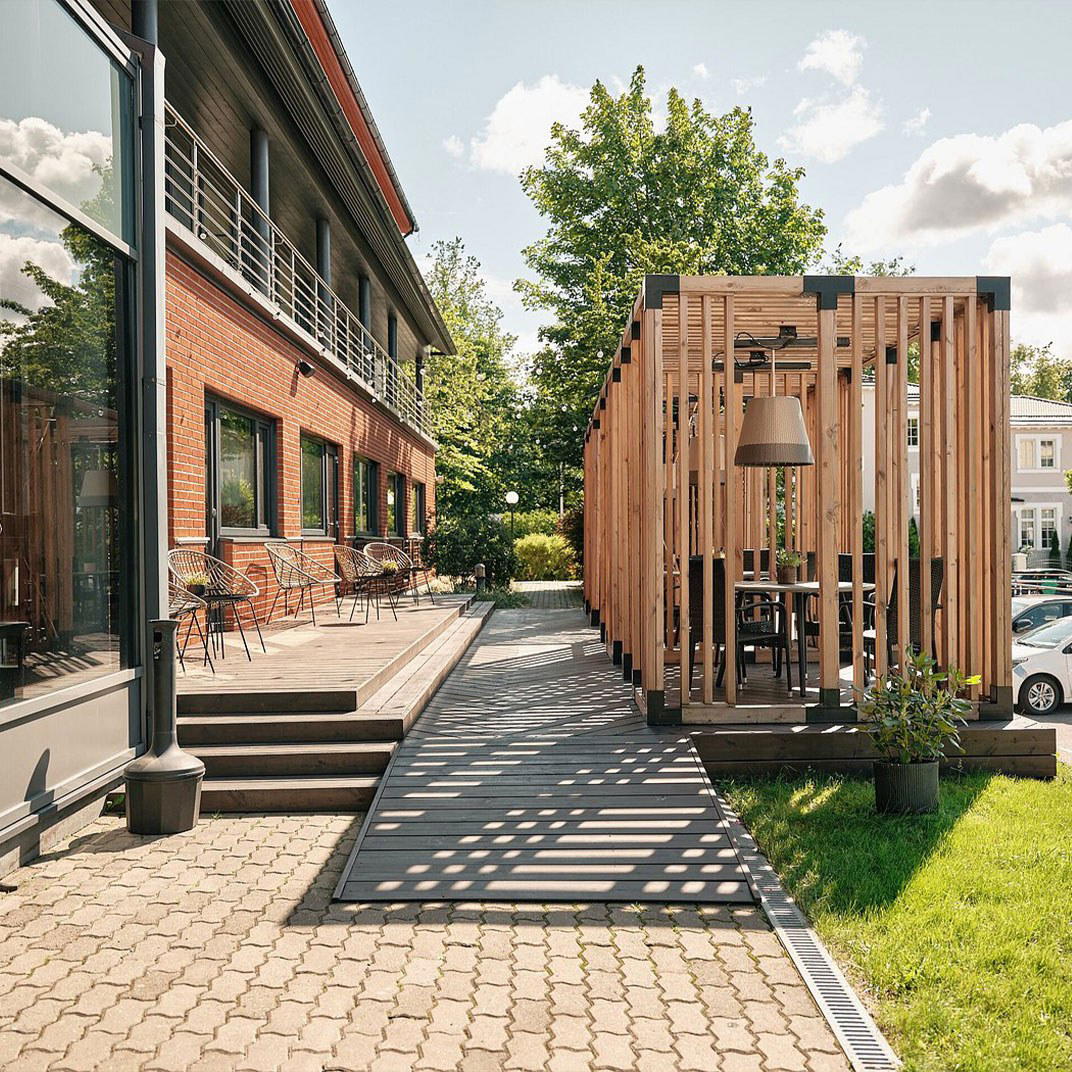
Tavern buildings in Estonia's coastal villages were designed for function first: thick walls against Baltic winters, practical interiors that could accommodate farmers and fishermen alongside occasional travellers. The aesthetic legacy of that tradition tends toward the unfussy, a contrast to the design-forward interiors that characterise Tallinn's newer restaurants. The address at Neeme tee 2 places the venue at the edge of a community small enough that the building itself is a landmark within it.
That physical context shapes the experience in ways that no interior renovation can undo. Dining here is not removed from the community it serves. The nearshore geography, the proximity to the Gulf of Finland, and the scale of Neeme itself all press against the glass, so to speak, in a way that larger towns cannot replicate. Nearby, KABE Beach in Kaberneeme offers another point of reference for what coastal Harju dining looks like when the setting is foregrounded as part of the offer.
Placing Neeme in Estonia's Dining Map
Travellers arriving from Tallinn typically encounter the Estonian capital's layered restaurant scene first, from the Michelin-tracked tasting menus to the mid-range European bistros of Kalamaja. Wana Kala Kõrts represents a different axis of Estonian dining, one that requires leaving the city and accepting the logistical terms of rural travel. There is no metro stop, no delivery app coverage, and no cluster of comparable venues within walking distance. The effort of getting there is part of the proposition.
That pattern repeats across Estonia's smaller communities. Ilmaveere in Obinitsa and Valgeranna Veinitall in Audru both require deliberate travel from their nearest cities. The reward, in each case, is a degree of specificity to place that urban venues cannot manufacture. Our full Neeme restaurants guide maps the options for visitors planning a longer stay in the Harju peninsula area.
For context on how rural Estonian venues compare to the more technically ambitious end of the spectrum, the contrast with Kraft in Keila or Kärme Küülik in Haapsalu is instructive. Both operate in small Estonian towns but with slightly more urban-facing formats. Wana Kala Kõrts occupies a more purely local register.
Planning a Visit
Neeme is accessible by car from Tallinn, with the drive following the northern coast road through Harju County. Public transport connections to Neeme are limited, making private transport the practical default for most visitors. Given the rural setting and small community, it is advisable to check opening status before travelling, as tavern-format venues in Estonia's smaller municipalities often adjust hours seasonally or operate on reduced schedules outside peak summer months. The Gulf of Finland coast sees the strongest visitor traffic between June and August, when longer daylight hours and better road conditions align. For those travelling across multiple Estonian destinations, venues like Franzia in Narva Joesuu and Burger Bros in Rakvere sit along routes that could connect a Neeme visit to a broader northern Estonian itinerary. Further afield, Everest in Parnu and Eva Sushi in Tartu or Kohvik Kaar in Narva represent other points on Estonia's regional dining map worth building into a longer trip. Those with appetite for a global frame of reference will note that the sourcing discipline common to places like Wana Kala Kõrts finds its high-end counterpart in venues like Le Bernardin in New York and the produce-first rigour visible at Atomix, though the register here is considerably more grounded.
Frequently asked questions
Does Wana Kala Kõrts work for a family meal?
The kõrts format has historically been a communal, all-ages gathering place in Estonian village culture, and Wana Kala Kõrts sits within that tradition at Neeme tee 2 in Neeme. The coastal village setting outside Tallinn makes it a practical stop for families driving the northern Harju coast road. check the venue's official channels to confirm current seating arrangements before arriving with a group.
What's the vibe at Wana Kala Kõrts?
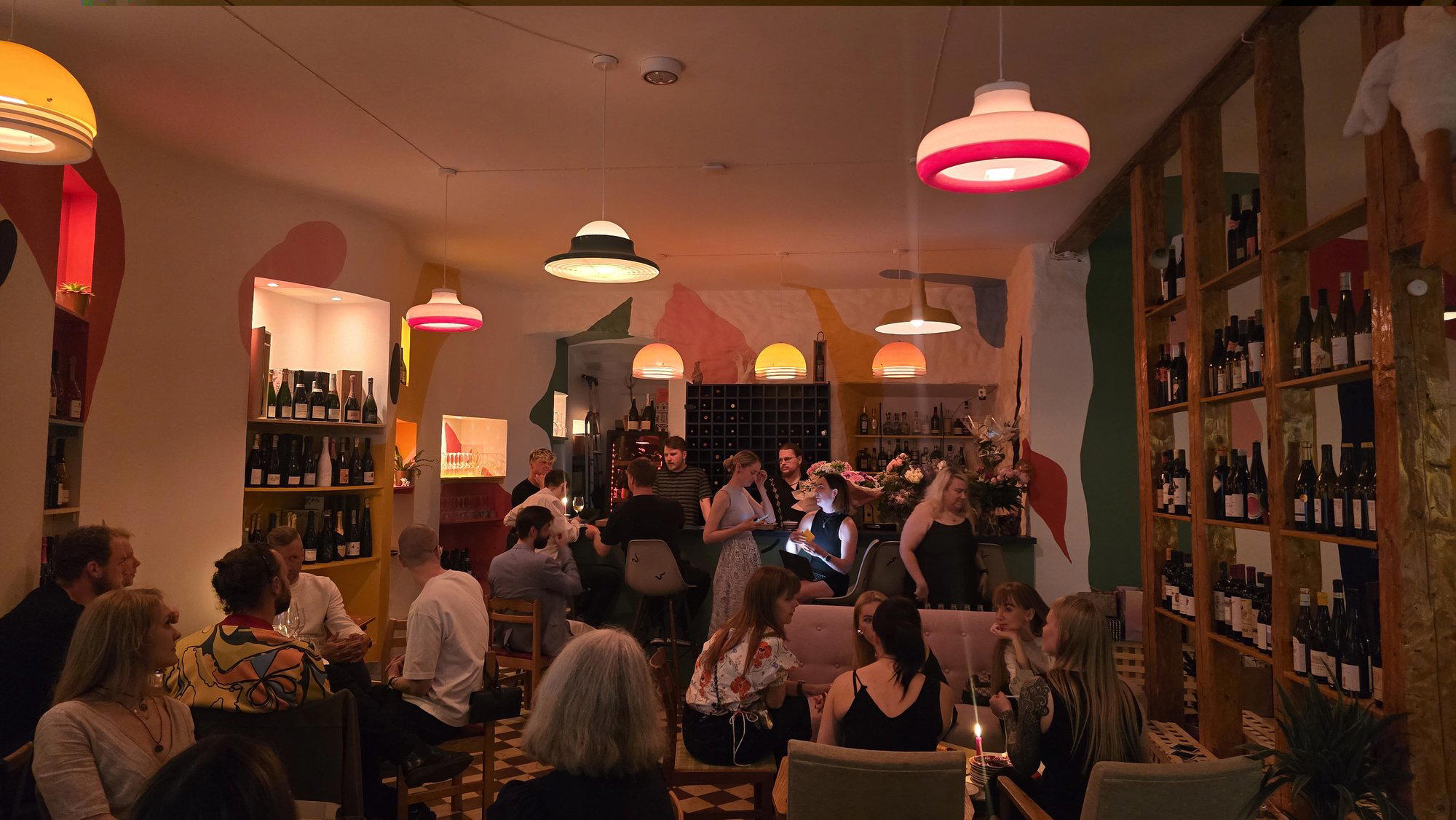
Wana Kala Kõrts draws on the Estonian kõrts tradition: thick-walled tavern buildings designed for Baltic winters, built around function rather than atmosphere as a stated goal. In Neeme, that translates to a working coastal village setting, distinct from the tasting-menu dining rooms of Tallinn. Expect a grounded, unfussy register rather than a polished restaurant experience.
How far is Wana Kala Kõrts from Tallinn, and is it worth the drive?
Wana Kala Kõrts is located at Neeme tee 2 in Neeme, Harju County, on Estonia's northern coast road north of Tallinn. The drive follows the Harju coast and passes through a stretch of countryside largely absent from standard Tallinn restaurant guides, making it a practical anchor for a half-day coastal route. Public transport connections to Neeme are limited, so a car is the realistic option.
Where is Wana Kala Kõrts located?
Wana Kala Kõrts is located at Neeme tee 2, Neeme, 74226 Harju maakond, Estonia, Neeme.
Do they take walk-ins at Wana Kala Kõrts?
Given that Neeme is a small coastal village in Harju County rather than a high-footfall urban dining district, walk-in capacity may be more flexible than at city restaurants, but verifying ahead of travel is advisable given the drive from Tallinn.
What is Wana Kala Kõrts known for?
Wana Kala Kõrts is rooted in the kõrts tradition, the Estonian roadside inn that served travellers between villages for centuries. Located in Neeme on the Harju coast, it occupies a part of Estonia where local ingredients and coastal geography shape the cooking, sitting well outside Tallinn's modernist restaurant circuit. The name itself, referencing an old fish tavern, signals a focus on place and provenance over culinary spectacle.
Comparable Venues
Comparable venues nearby, for context on price, style, and recognition.
| Venue | Cuisine | Price | Notes |
|---|---|---|---|
| Wana Kala KõrtsThis venue (the venue you are viewing) | Authentic Estonian | Not listed | Not listed |
| Habaja Viinavabriku | Pizza and Local Fruit Wines | $20–30 | Habaja |
| Sushi Guru | Sushi and Japanese Delivery | $20–30 | Lasnamäe |
| Diner | American Diner Burgers | $10–20 | Vabaduse pst |
| Freya Foodbar | Sustainable Healthy Fast Food | $10–20 | Lasnamäe |
| Mona Venüü | Wood-fired Pizza & Street Food | $10–20 | Not listed |
Continue exploring
More in Neeme
Restaurants in Neeme
All restaurants in Neeme →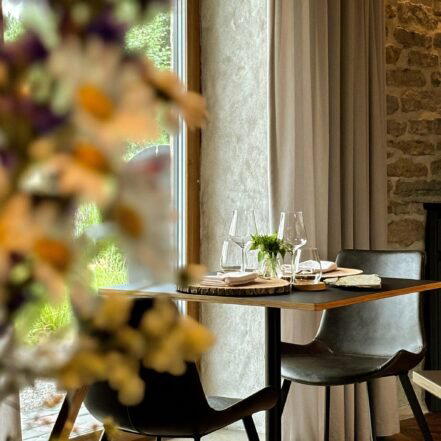
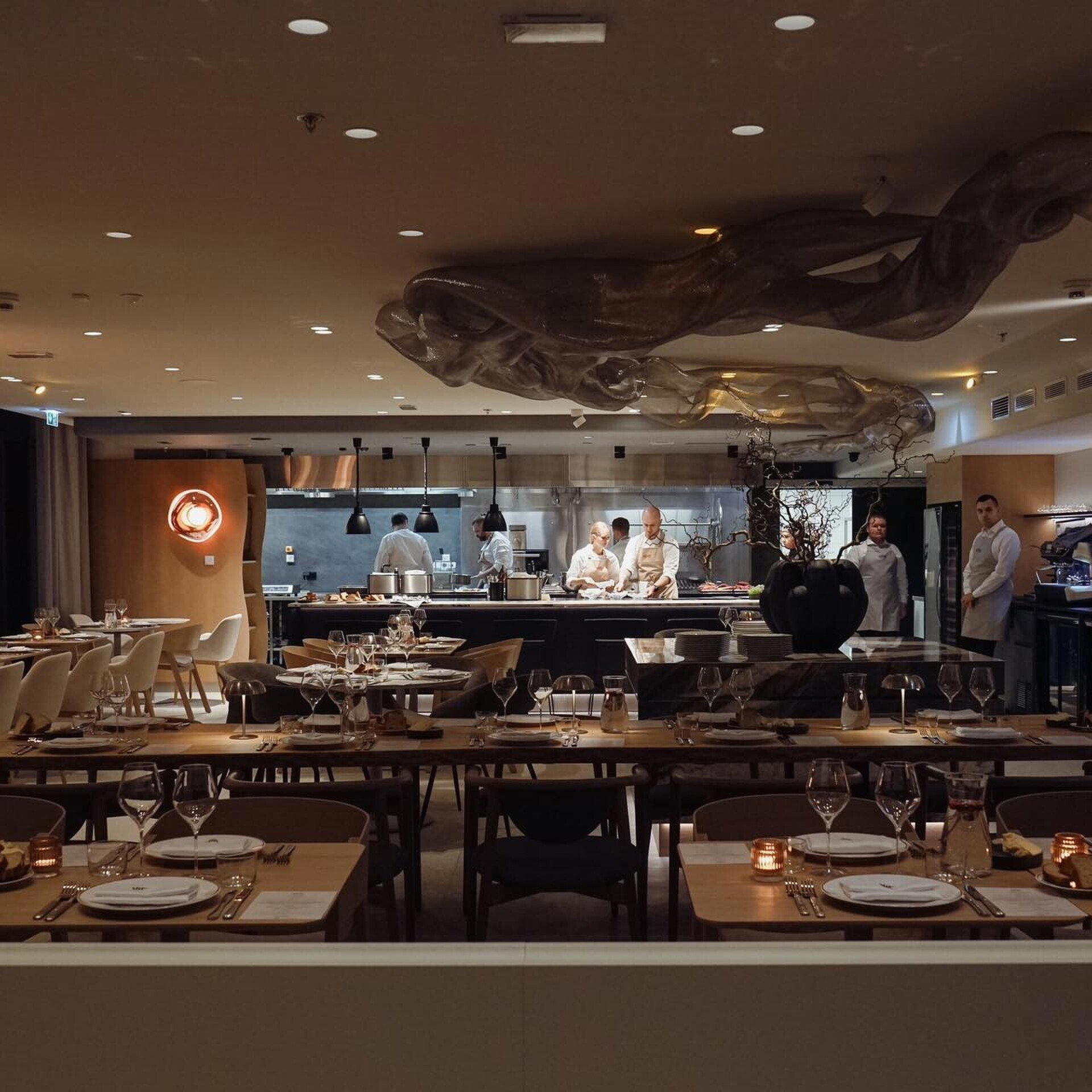
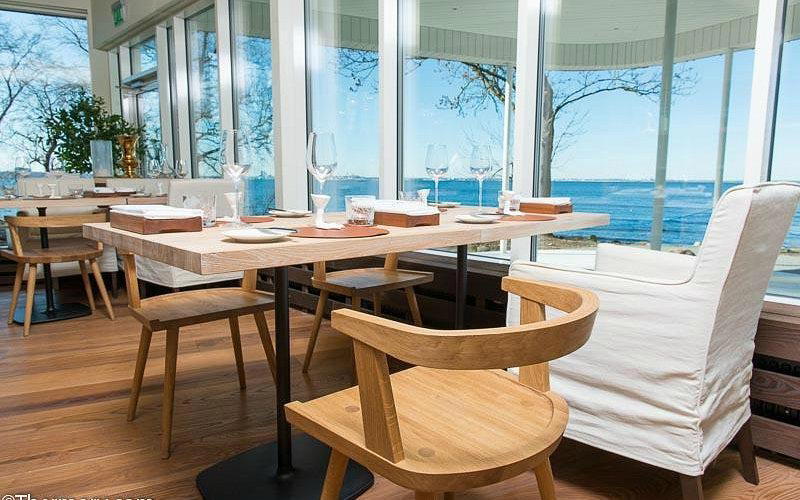
Bars in Neeme
Browse all →
Details
- Cozy
- Rustic
- Casual Hangout
- Family
- Standalone
- Beer Program
- Local Sourcing
- A La Carte
- Local Craft Beers
Current opening hours
- Monday
- Closed
- Tuesday
- Closed
- Wednesday
- Closed
- Thursday
- Closed
- Friday
- Closed
- Saturday
- 12–8 PM
- Sunday
- 12–7 PM
Hours can change for holidays and private events. Hours as of .
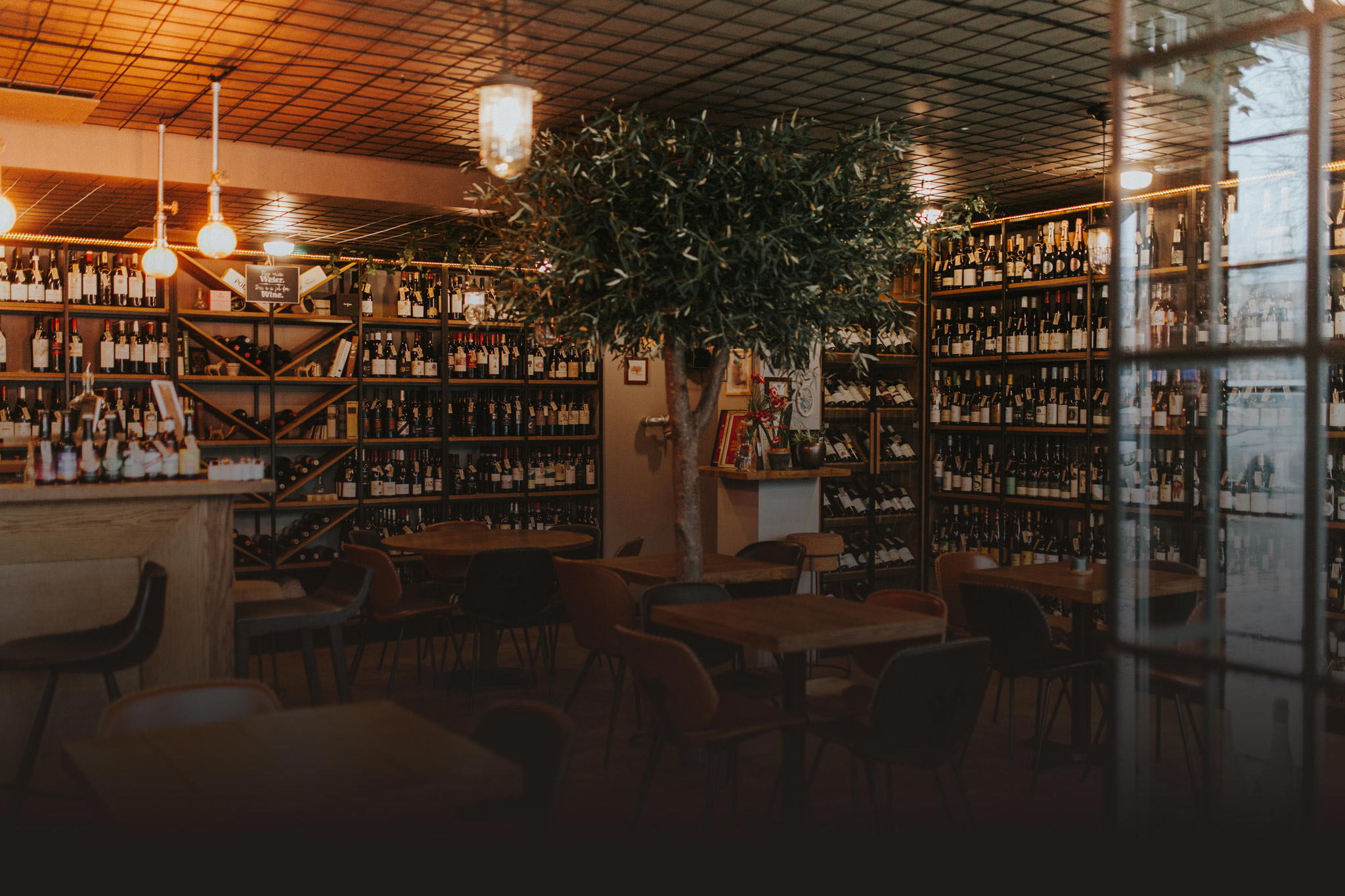
Warm and inviting with crackling fireplace, tasteful decor, and twinkling lights creating a magical cozy setting.