Franzia

White Guide Baltic Restaurants - Fine Level
Our verdict
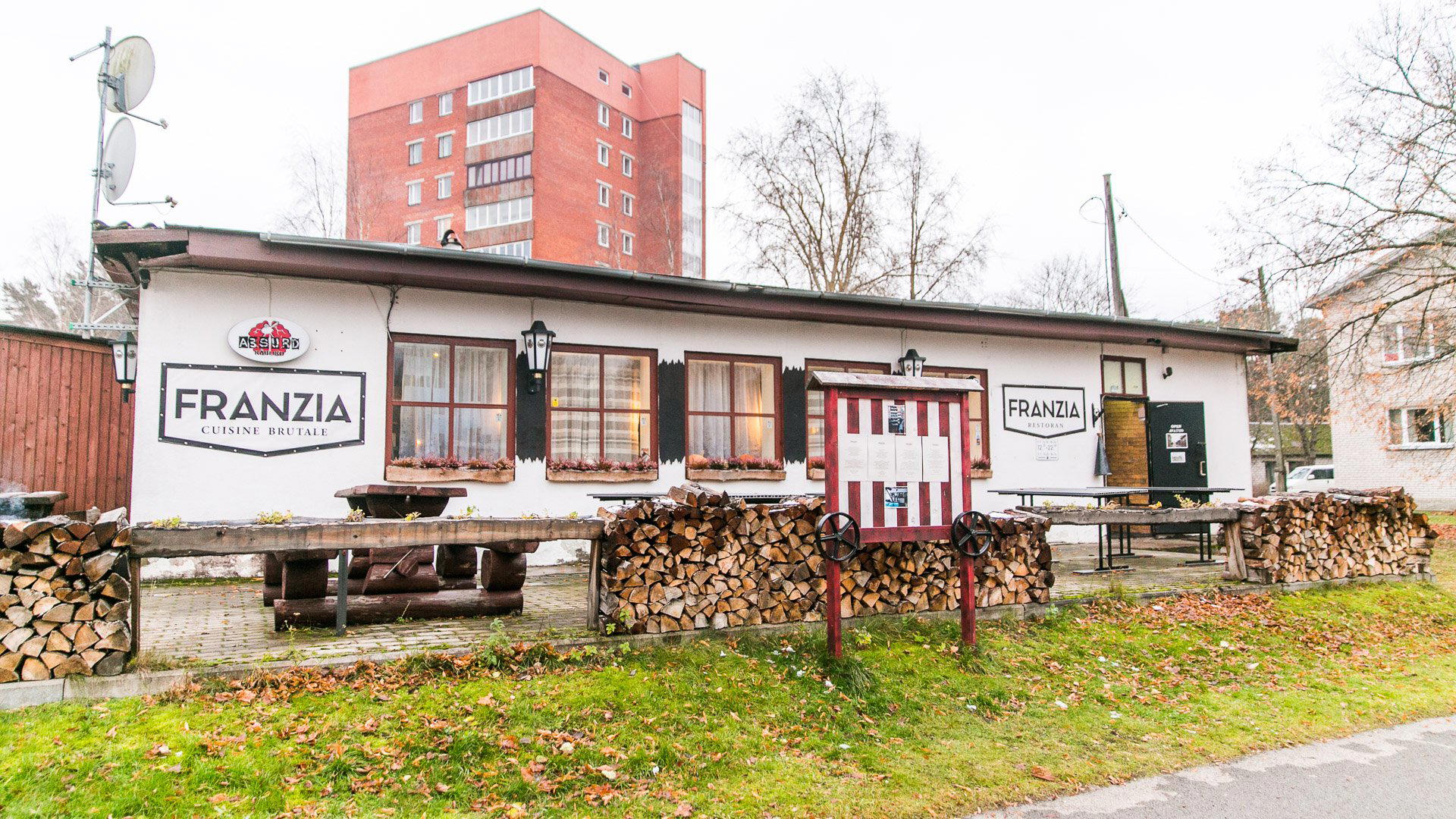
Franzia sits on Koidu Street in Narva-Jõesuu, the spa-town resort strip along Estonia's northeastern Baltic coast, where the Narva River meets the Gulf of Finland. The venue occupies a part of Estonia's dining scene that receives far less scrutiny than Tallinn's starred counters, making it a useful reference point for understanding what regional cooking looks like at the country's edges. Visitors passing through Ida-Viru County on the way to or from the Russian border region will find it on the residential side of the resort district.

Pearl is the En Primeur Club membership app, where members save venues, book tables and use the concierge.
The menu
What to order
- Pork ribs
- Kidneys with sauerkraut
- Pike-perch
Narva-Jõesuu and the Question of Where Estonian Cooking Happens
Most Estonian dining coverage concentrates on Tallinn's old town or the university city of Tartu, where restaurants like Joyce in Tartu anchor a recognisable modern Estonian scene. Narva-Jõesuu sits outside that conversation almost by geography alone. The town occupies Estonia's northeastern tip in Ida-Viru County, a region better associated with Soviet-era industrial legacy and the Narva River border crossing than with any culinary identity. What persists does so on local repeat business and the summer tourist flow that the resort's pine-shaded sandy beach reliably generates.
Franzia, addressed at Koidu tn 10, is part of that summer-resort economy. The street sits on the quieter residential fringe of the resort district, away from the more trafficked promenade, which shapes the pace and register of any venue operating there. Narva-Jõesuu functions as a seasonal escape for residents of both Narva and Tallinn, and the dining options that survive year-round do so by reading that rhythm correctly.
Ingredient Geography in Estonia's Northeast
The editorial angle on Franzia cannot be separated from the ingredient geography of Ida-Viru County, because in this part of Estonia, sourcing is not a branding choice so much as a logistical reality. The northeast sits at some remove from the farm networks and artisan producers that supply Tallinn's modern kitchens. The Peipus lake system to the south contributes freshwater fish, particularly perch and pike-perch, that appear across the region's cooking as a practical staple rather than a menu statement. The Gulf of Finland to the north adds a coastal layer: small-scale Baltic fishing still operates out of the area, and the proximity to the sea shapes what a kitchen at this latitude can reasonably put on a plate with any claim to freshness.
This contrasts with what kitchens further west can access. Alexander in Pädaste on Muhu Island operates with direct access to West Estonian archipelago producers and a supply chain that has been cultivated deliberately over years. Hiis in Manniva and SOO in Maidla both lean into hyper-local foraging and farm relationships that the rural west of the country enables. In the northeast, the ingredient story is less curated and more contingent on what the land and water immediately offer, which can produce cooking that is honest precisely because it is not performing locavore credentials.
The Resort Dining Format and What It Implies
Resort-town restaurants in Estonia occupy a format that sits between the year-round urban restaurant and the seasonal pop-up. They tend to serve a broader menu range than city venues of comparable size, because their clientele arrives with varied expectations: families on summer holidays, couples from Tallinn looking for a slower weekend, cross-border visitors from the Narva side of the river. The format rewards accessibility over ambition, which is not a criticism so much as an observation about what the context demands.
This is different from what you find at, say, Mere 38 in Võsu or Lahepere Villa in Kloogaranna, both of which have carved out more defined culinary identities within their respective coastal resort settings. Those venues benefit from proximity to Tallinn's day-trip radius, which draws a more food-literate weekend crowd. Narva-Jõesuu's position at the opposite end of the country means its resort dining operates with a different pull: more self-contained, less influenced by capital-city trend cycles.
For visitors with a wider itinerary, Rado Haapsalu in Haapsalu and Wicca in Laulasmaa represent the more developed end of Estonian coastal dining. At the far end of ambition and price, 180° by Matthias Diether in Tallinn is the reference point for what Estonian-inflected fine dining looks like when built on a fully resourced sourcing program and international credentials. Franzia is not competing in that register, nor is it trying to.
Planning a Visit to Narva-Jõesuu
Narva-Jõesuu is roughly two and a half hours by road from Tallinn, following the E20 northeast through Rakvere, where Burger Bros in Rakvere marks a useful stop on the route. The town is also accessible by bus from Narva, which is itself connected to Tallinn by regular coach service. The summer season, running broadly from June through August, is when the resort sees its heaviest use, and dining options across the town will be operating at fuller capacity during those months. Shoulder season visits in May or September offer a quieter read on what the town looks like outside its peak window. Koidu tn 10 is on the residential street grid of the resort, which means arrival by car is the most practical option; the address sits away from the pedestrianised beach-front zone. No booking contact details are currently listed for Franzia through EP Club's database, so visitors are advised to check local directories or present in person, particularly outside peak season when hours may vary.
For a broader survey of what the region offers, our full Narva-Jõesuu restaurants guide maps the available options across price points and formats. Those building a longer northeastern Estonia itinerary might also consider Fellin in Viljandi or Kolm Sõsarat in Lüllemäe as markers of what regional cooking looks like elsewhere in the country. For context on how Estonian ingredient-driven cooking compares to international benchmarks for produce-led seafood restaurants, Le Bernardin in New York City and Lazy Bear in San Francisco represent the kind of sourcing-first programs that set the reference frame for the category globally.
Frequently asked questions
Does Franzia work for a family meal?
Narva-Jõesuu's resort-town setting shapes the kind of restaurant that operates here, broadly accessible rather than narrowly specialist, which suggests Franzia fits mixed-group dining reasonably well. The address on Koidu tn 10 places it within the town's resort core, where summer visitors and local families form the primary audience.
Is Franzia formal or casual?
No dress code or formality tier is confirmed for Franzia. Resort-town restaurants in Estonia's northeast generally operate on relaxed terms, serving both day-trippers from Tallinn and summer residents along the Narva-Jõesuu coast.
Is Franzia open year-round or only during the summer season in Narva-Jõesuu?
Restaurants in this format often run reduced schedules or close entirely outside June through August. Before planning a visit from Tallinn, roughly two and a half hours northeast via the E20, confirming current operating dates directly with the venue at Koidu tn 10 is advisable.
What dish is Franzia famous for?
Restaurants operating in Ida-Viru County frequently draw on the region's specific ingredient geography, river fish, foraged produce, and local dairy, though whether Franzia follows that pattern is unconfirmed. The clearest way to establish what the kitchen emphasises is to check directly with the restaurant at Koidu tn 10, Narva-Jõesuu.
Where is Franzia in Narva Joesuu?
Franzia is located at Koidu tn 10, Narva-Jõesuu, 29023 Ida-Viru maakond, Estonia, Narva Joesuu.
Do they take walk-ins at Franzia?
In Narva-Jõesuu, summer months bring a concentration of visitors to the resort strip, which can tighten table availability at smaller venues during peak weekends. Arriving without a reservation mid-summer carries more risk than in the quieter shoulder months of May or September.
How It Stacks Up
Comparable venues nearby, for context on price, style, and recognition.
| Venue | Cuisine | Price | Awards | Notes |
|---|---|---|---|---|
| FranziaThis venue (the venue you are viewing) | European Grill with Local Fusion | Not listed | White Guide Baltic Restaurants - Fine Level | Not listed |
| Supelsaksad | European Café | Not listed | White Guide Baltic Restaurants - Fine Level | Old Town |
| Viru Burger | Modern Burgers | $10–20 | Not listed | Kesklinna linnaosa |
| Mack Bar-B-Que Beachclub | American BBQ Beach Club | $20–30 | Not listed | Beach Area |
| NARVA DINER | American Diner | $10–20 | Not listed | Not listed |
| Pazzo Restoran | Authentic Italian Soul Food | $20–30 | Not listed | Tartu linn |
Recognition history
Dated appearances from independent guides and award organizations, with the underlying list record or original source where available.
White Guide Baltic Restaurants - Fine Level
White Guide
Continue exploring
More in Narva Joesuu
Restaurants in Narva Joesuu
All restaurants in Narva Joesuu →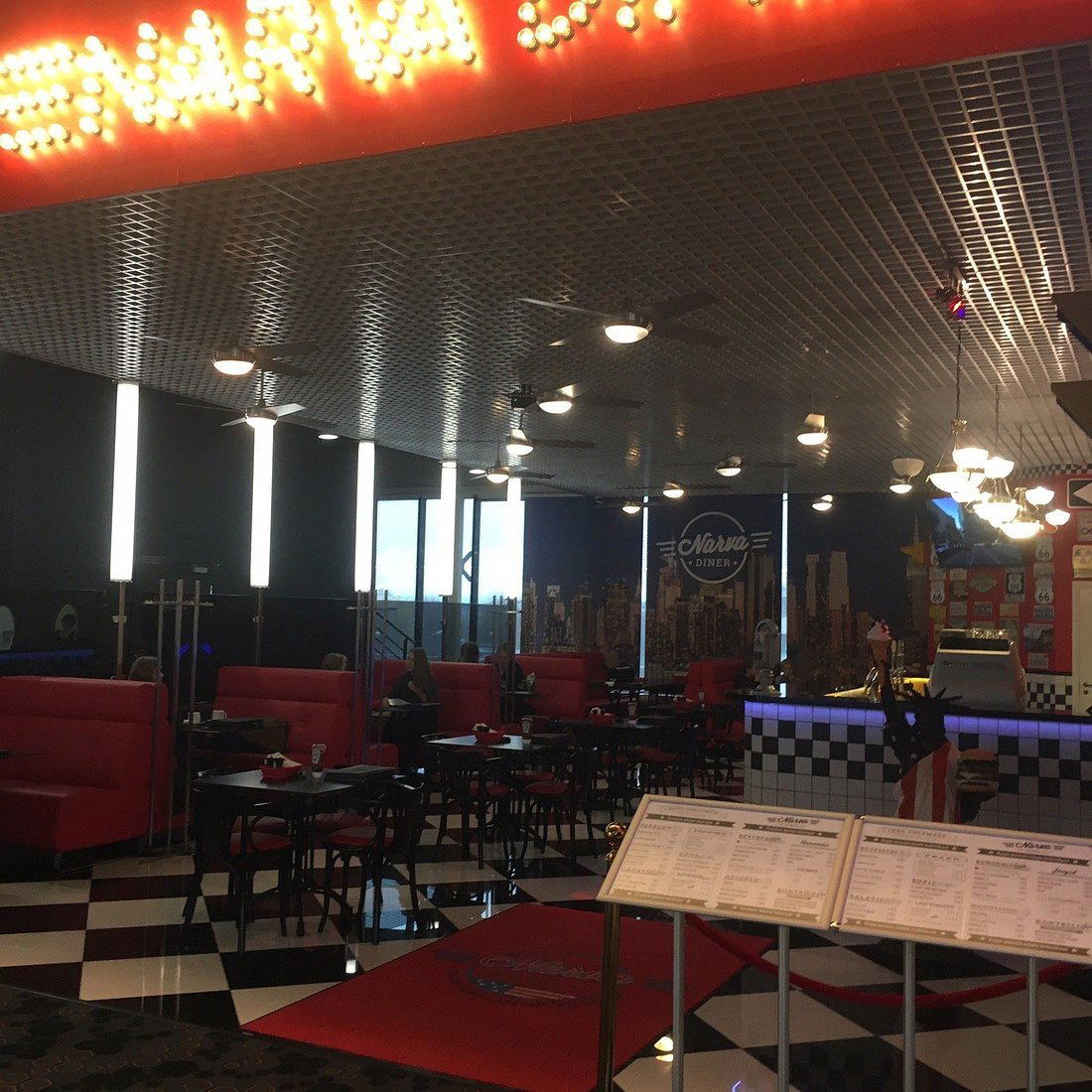
Details
- Cozy
- Warm
- Intimate
- Family
- Casual Hangout
- Local Sourcing
- A La Carte
- Craft Beer
- Vegetarian Friendly
Current opening hours
- Monday
- Closed
- Tuesday
- Closed
- Wednesday
- 6–10 PM
- Thursday
- 6–10 PM
- Friday
- 6–10 PM
- Saturday
- 12–10 PM
- Sunday
- 12–6 PM
Hours can change for holidays and private events. Hours as of .
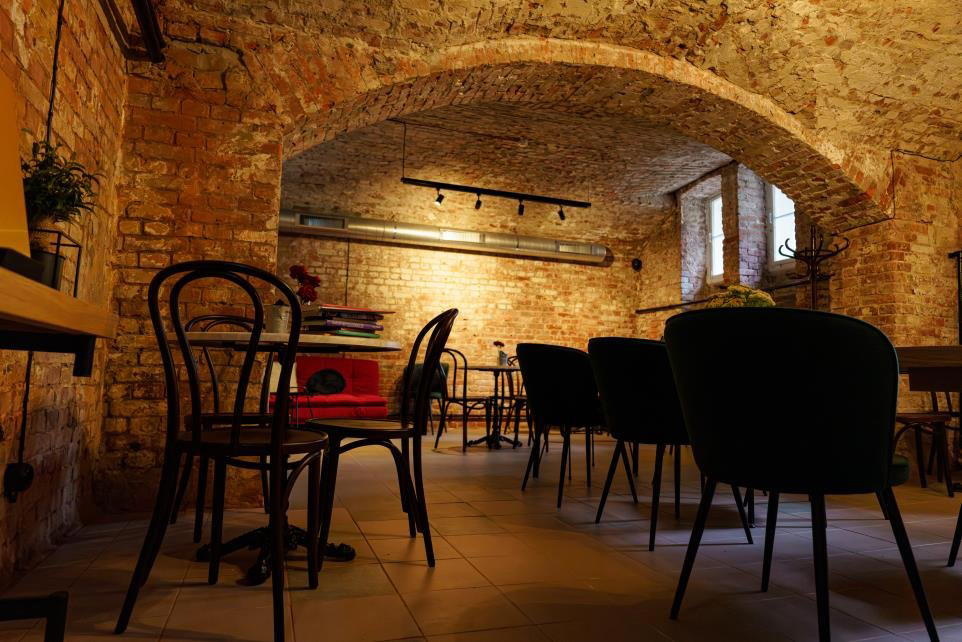
Warm and cozy with fireplace, creating a comforting atmosphere praised as a little pearl.