Mala Mora
Mala Mora sits on the Adriatic waterfront in Kaštel Lukšić, a small town along the Kaštela Riviera between Split and Trogir. The address places it directly on the coastal strip where Dalmatian fishing tradition and local agriculture have shaped what ends up on the plate for generations. For travellers moving between Split and Trogir, it represents a quieter alternative to both cities' more frequented dining scenes.
Pearl is the En Primeur Club membership app — saves, bookings, and concierge access live there. Same editors, same standards.
- Address
- Mala Mora 5, 21215, Kaštel Lukšić, Croatia
- Phone
- +385 91 622 1438
- Website
- malamora.com
- Directions
- Get directions
 Saves & bookings on Pearl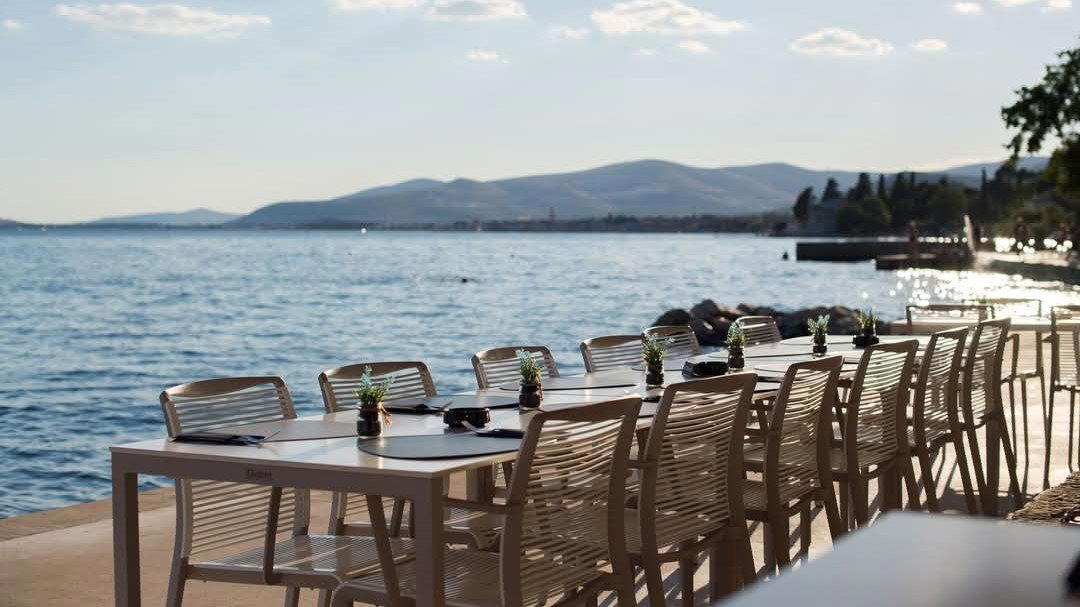
The Kaštela Riviera and What the Coast Provides
The stretch of Adriatic coastline running between Split and Trogir is one of the more overlooked dining corridors in central Dalmatia. The Kaštela Riviera, seven castle-towns strung along a shallow bay, sits close enough to Split to draw day visitors but far enough to retain the rhythms of a working fishing and agricultural community. Kaštel Lukšić, especially historically intact among the seven, still organises its daily life around the waterfront, the old fortified tower, and the small boats that supply what the sea offers each morning. Mala Mora is a restaurant in Kaštel Lukšić, Croatia, serving modern Mediterranean seafood. Mala Mora, addressed at Mala Mora 5 on that same waterfront, sits inside this pattern rather than against it.
Across Dalmatia, coherent dining propositions tend to be those that treat geography as a supply chain rather than a marketing angle. The distance from field to kitchen in a town like Kaštel Lukšić is short in a way that larger resort destinations cannot replicate. Local catches from the Kaštela Bay, olive oil from the Dalmatian hinterland, and seasonal vegetables from plots that have supplied coastal kitchens for centuries form the material basis of what serious cooking here looks like. This is the context in which the restaurant operates, and the context that gives its address meaning beyond a pin on a map.
Sourcing on the Adriatic: What the Bay Gives and When
The ingredient story along this part of the coast is specific to its geography. The Kaštela Bay is a semi-enclosed body of water, warmer and shallower than the open Adriatic, which produces fish and shellfish with distinct characteristics, sea bream, sea bass, octopus, and various small reef fish that appear on market stalls in Split's Pazar fish market by early morning. Restaurants that connect directly to those supply lines, rather than through centralised distributors, typically show it in what they can offer and when.
Dalmatian cooking traditions do not ask much of imported ingredients. The canon relies on olive oil, local white wines (Pošip, Grk, Debit), fresh herbs like rosemary and sage that grow wild in the karst, and protein from the sea and from inland pastures. The leading versions of this tradition appear in places where the kitchen has access to producers rather than to wholesale catalogues. Along the Kaštela Riviera, that access is a function of proximity: the fields and waters are close, and the relationships between those who fish or farm and those who cook tend to be direct. For context on how this sourcing-led approach plays out at higher price points across Croatia, Pelegrini in Sibenik and Agli Amici Rovinj in Rovinj both illustrate what Dalmatian and Istrian ingredients can sustain at a high level.
The Setting: Waterfront Dalmatia Without the Tourist Premium
Arriving at the Kaštel Lukšić waterfront, the pace is noticeably different from Split's Riva or Trogir's old town. The bay is quiet enough that you hear water against stone. The fortified tower of Kaštel Lukšić sits above the shoreline, and the promenade is narrow enough to feel residential rather than commercial. This is Dalmatian coastal life at its lower register, functional, unhurried, local in the actual sense of the word rather than the hospitality marketing sense.
Restaurants that occupy this kind of setting tend to draw a different kind of diner than those on the tourist circuits of Dubrovnik or Split. The crowd here is more likely to be Croatian families, regional visitors, and travellers who have moved beyond the main itineraries. That shift in clientele often correlates with a shift in the kitchen's priorities: less spectacle, more precision about what is actually on the plate. For visitors who have spent time at places like Restaurant 360 in Dubrovnik or Krug in Split and want to understand what Dalmatian dining looks like away from the tourist circuits, the Kaštela Riviera offers a different answer.
Croatia's broader dining geography has been shifting for some years now. The concentration of recognised restaurants in Zagreb, Dubrovnik, and Split has given way, gradually, to a wider spread of serious cooking along the coast and islands. Boskinac in Novalja, LD Restaurant in Korčula, Alfred Keller in Mali Losinj, and Nebo by Deni Srdoč in Rijeka all represent that diffusion, quality moving into smaller towns and islands that would not have appeared on serious dining itineraries a decade ago. The Kaštela area sits within this broader pattern, drawing interest partly because the main coastal destinations have grown expensive and crowded enough to push attentive diners outward.
Planning a Visit to Kaštel Lukšić
Kaštel Lukšić sits approximately 15 kilometres northwest of Split along the coastal road, making it accessible by local bus or car in under 30 minutes from the city centre. It is also a stop on the local train line that connects Split to Trogir, which makes it a practical half-day excursion without requiring a vehicle. The summer months bring longer days and warmer evenings suited to waterfront dining, while the shoulder seasons, May, June, and September, offer cooler temperatures and smaller crowds along the Kaštela promenade. Visitors combining the stop with Trogir, a UNESCO-listed town roughly 10 kilometres further west, can structure a day along the riviera without significant logistical complexity.
For those building a wider Croatian itinerary, our full Kastel Luksic restaurants guide covers the local dining context in more detail. Elsewhere along the coast and inland, Dubravkin Put in Zagreb, Korak in Jastrebarsko, Burin in Crikvenica, Cubo in Opatija, BioMania Bistro Bol in Bol, Bodulo in Pag, and Cantilly Garden Restaurant in Samobor represent the range of what Croatian cooking looks like across different regions and price points. For international reference points, Le Bernardin in New York City and Atomix in New York City show how ingredient-led discipline operates in the global market.
How It Stacks Up
Comparable venues nearby, for context on price, style, and recognition.
| Venue | Cuisine | Price | Notes |
|---|---|---|---|
| Mala MoraThis venue — the venue you are viewing | Modern Mediterranean Seafood | $$$ | Not listed |
| Bajamonti POP | Dalmatian Coastal | $$$ | Trg Republike |
| Zora Bila | Modern Dalmatian Mediterranean | $$$ | Bačvice |
| Sedmo nebo | Authentic Dalmatian Seafood | $$$ | Kaprije (Otok Kakan) |
| Štajun | Seasonal Mediterranean Seafood | $$$ | Hvar Old Town |
| Štorija | Modern Dalmatian Fine Dining | $$$ | Old Town |
Continue exploring
More in Kastel Luksic
Restaurants in Kastel Luksic
Browse all →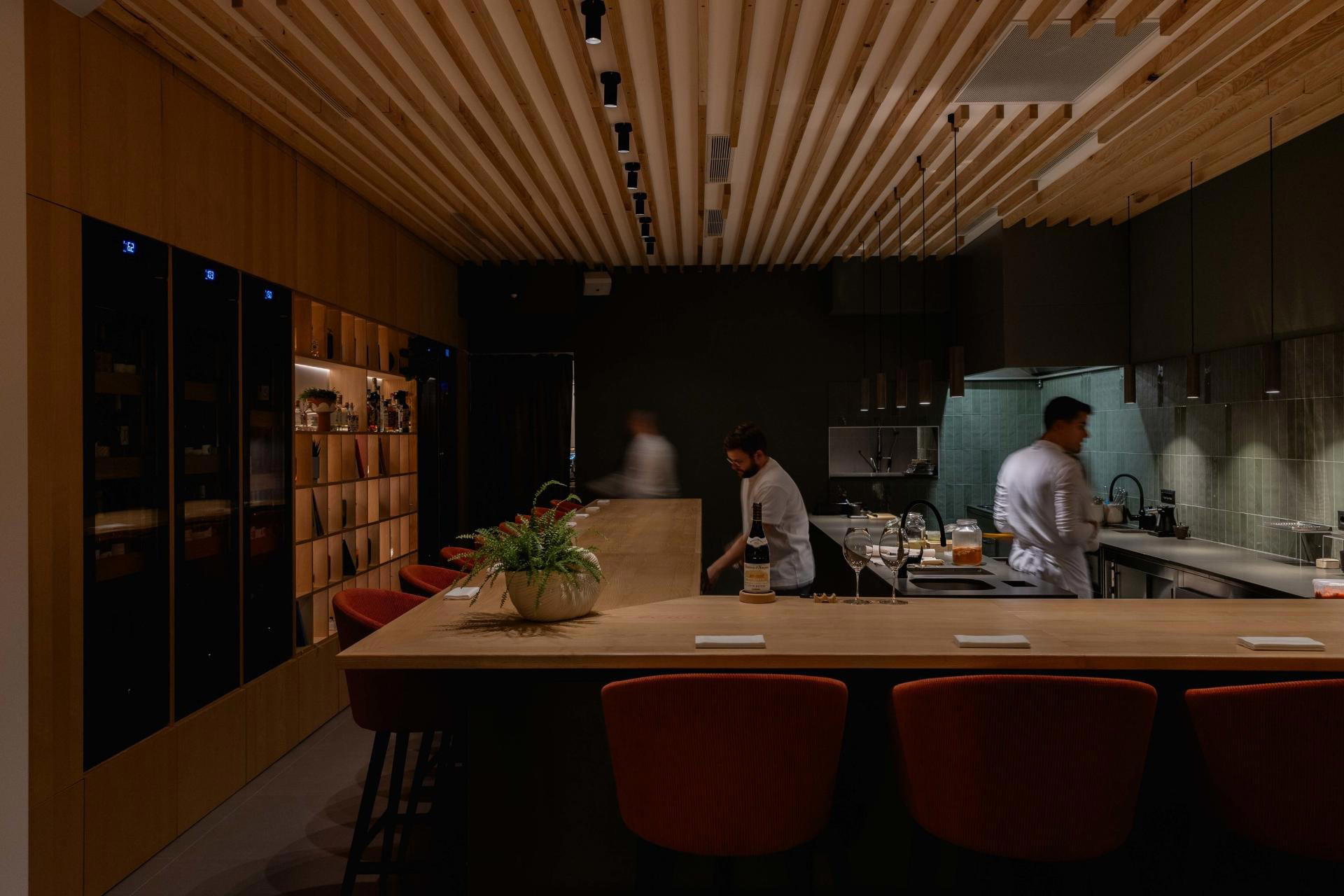
Bars in Kastel Luksic
Browse all →
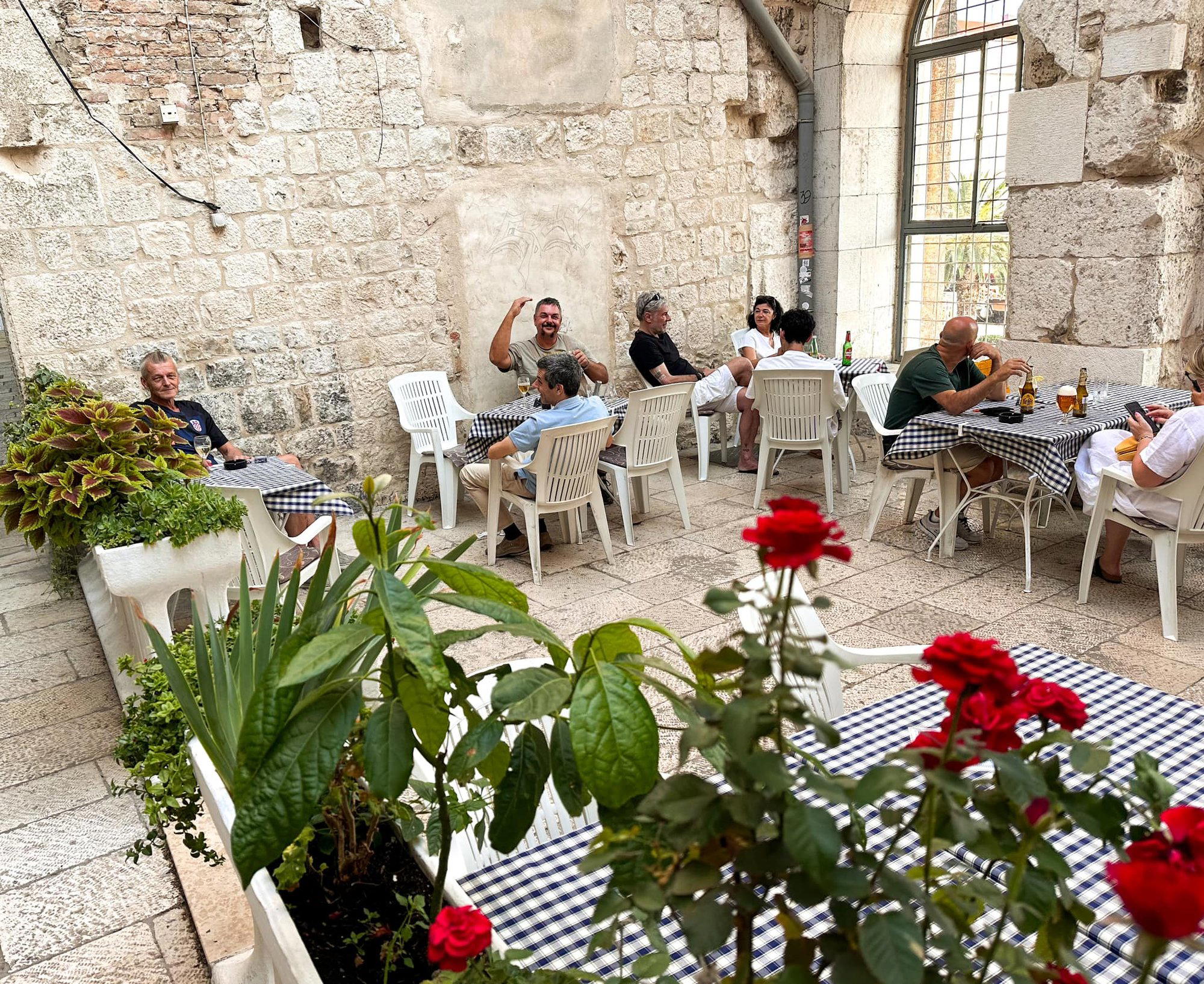
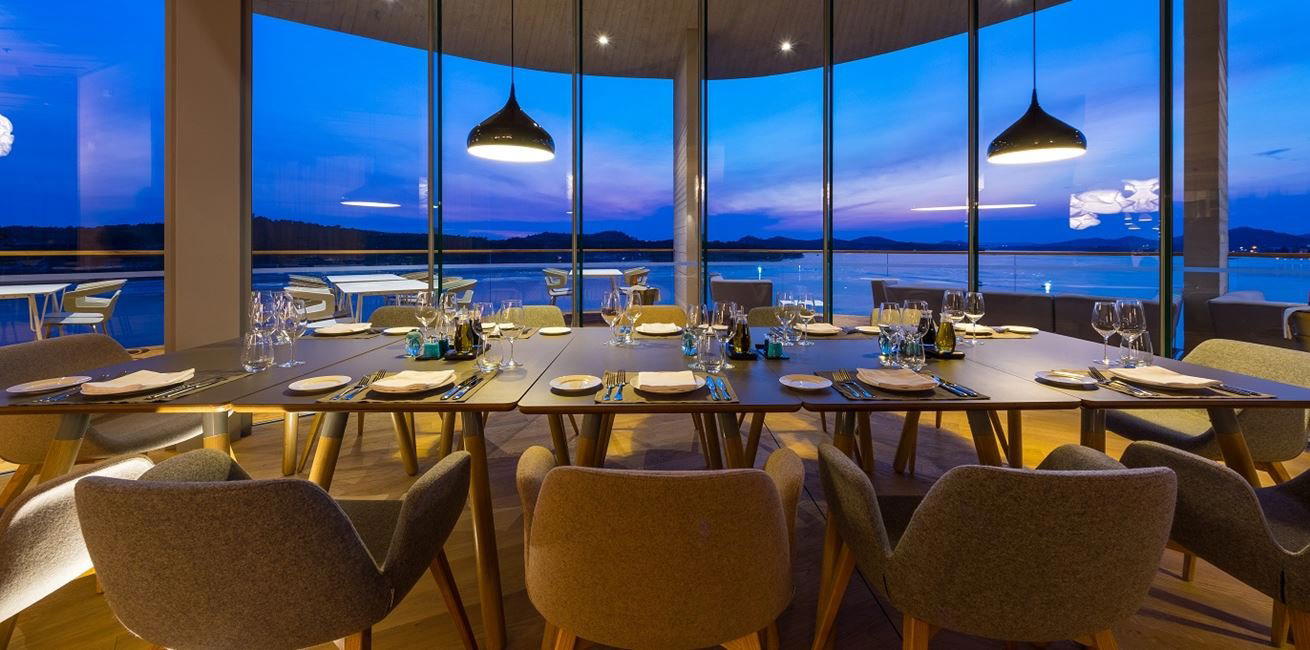
Hotels in Kastel Luksic
Browse all →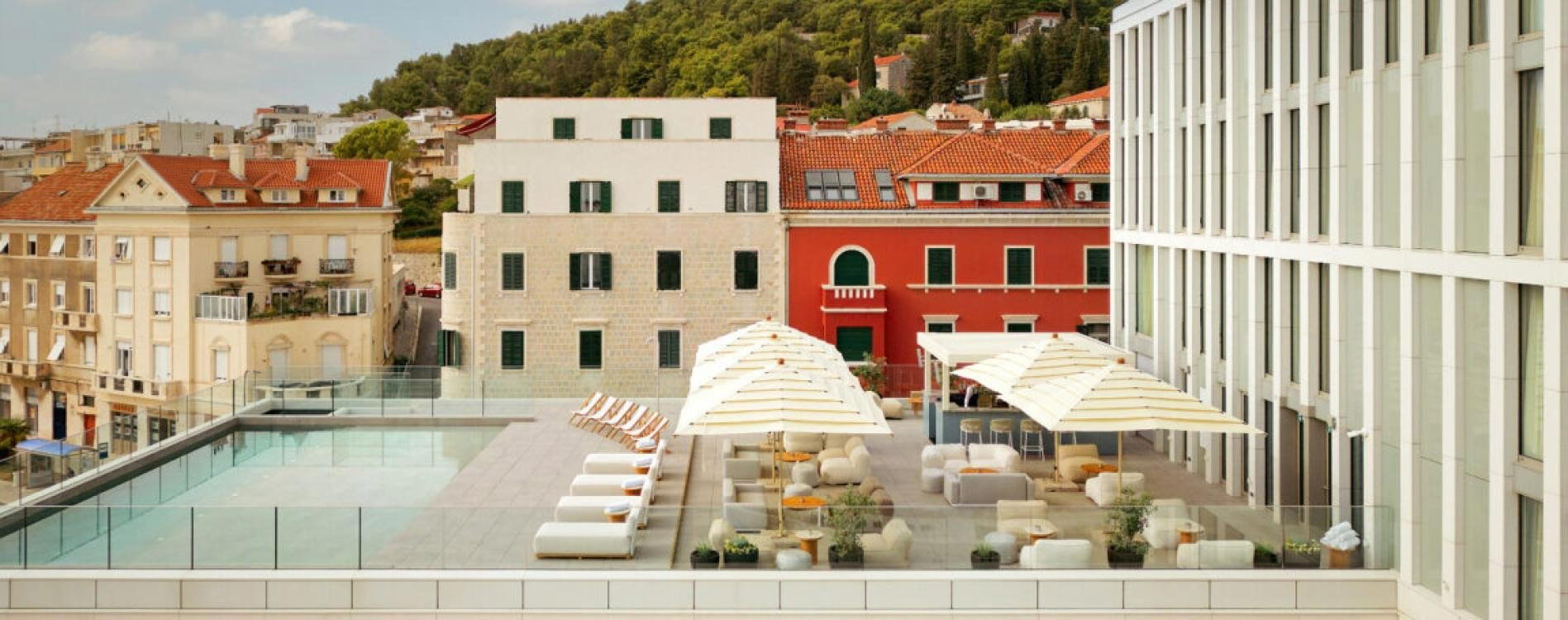
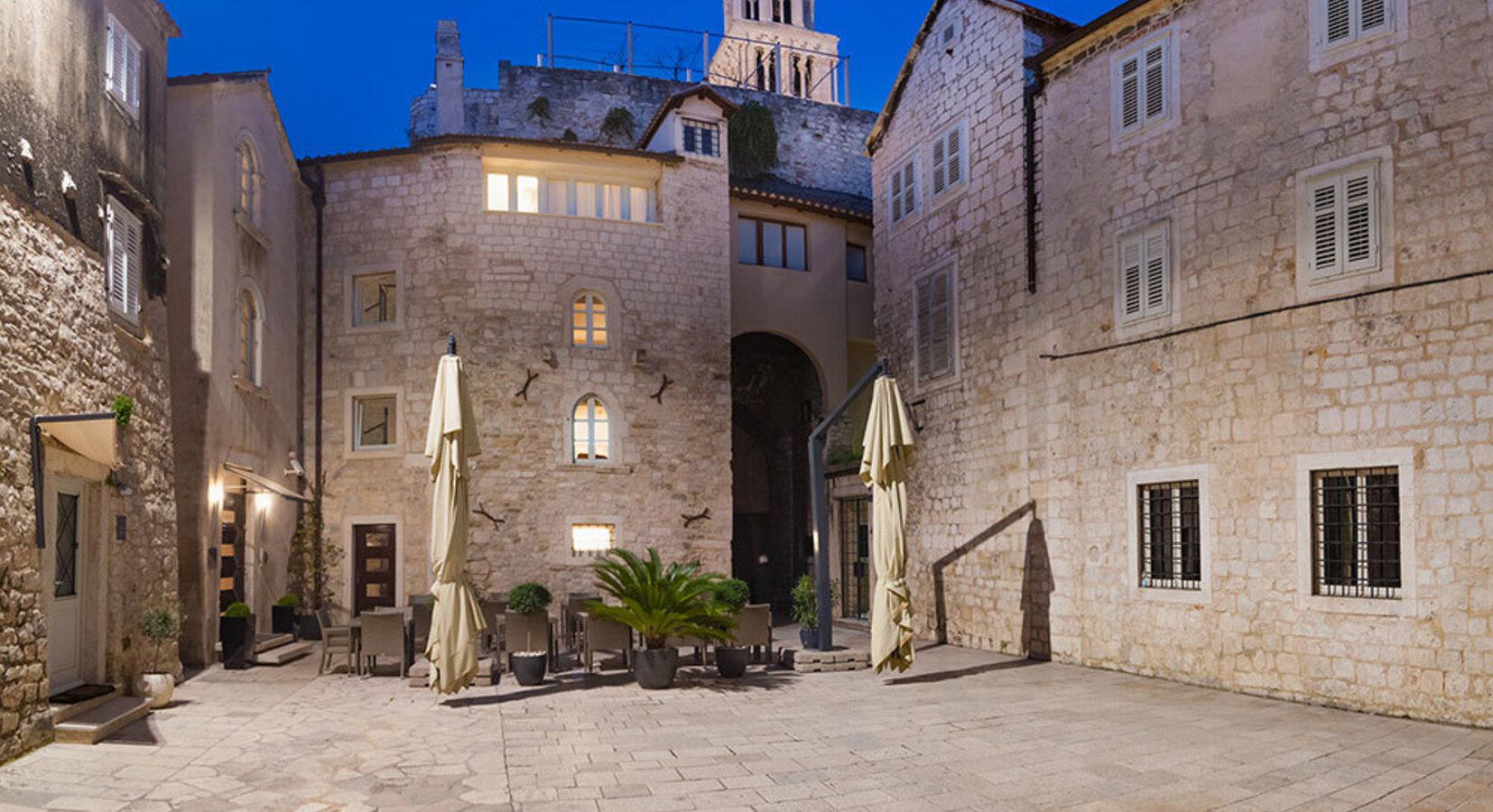

At a Glance
- Scenic
- Romantic
- Quiet
- Modern
- Cozy
- Date Night
- Casual Hangout
- Celebration
- Family
- Waterfront
- Terrace
- Standalone
- Craft Cocktails
- Extensive Wine List
- Local Sourcing
- Waterfront
Current opening hours
- Monday
- 12–11 PM
- Tuesday
- 12–11 PM
- Wednesday
- 12–11 PM
- Thursday
- 12–11 PM
- Friday
- 12–11 PM
- Saturday
- 12–11 PM
- Sunday
- 6–11 PM
Hours can change for holidays and private events. Last verified .
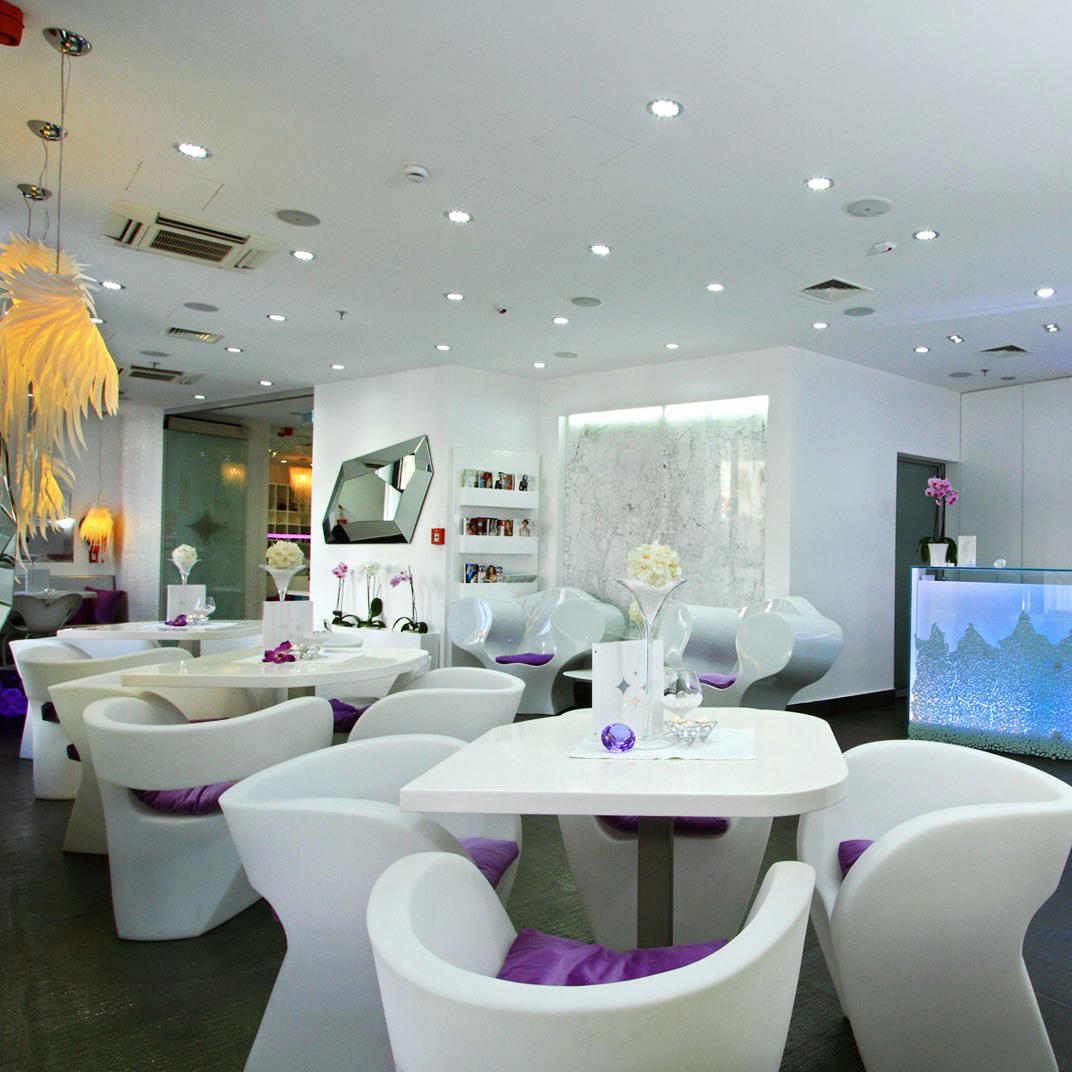
Relaxed and calm, with a charming terrace by the sea, romantic views, and a polished contemporary interior designed to frame the dining experience.