Our verdict
Sedmo nebo sits on the island of Kakan in the Šibenik archipelago, one of the more remote dining addresses in the Dalmatian island chain. The venue's name translates as 'seventh heaven,' placing it in a category of destination restaurants that trade on isolation as much as on food. Practical details are sparse, making direct contact the only reliable route to a reservation.

Pearl is the En Primeur Club membership app, where members save venues, book tables and use the concierge.

The menu
What to order
- Octopus gulas
- Lamb cutlets
- Scampi
- Black risotto
Dining at the Edge of the Šibenik Archipelago
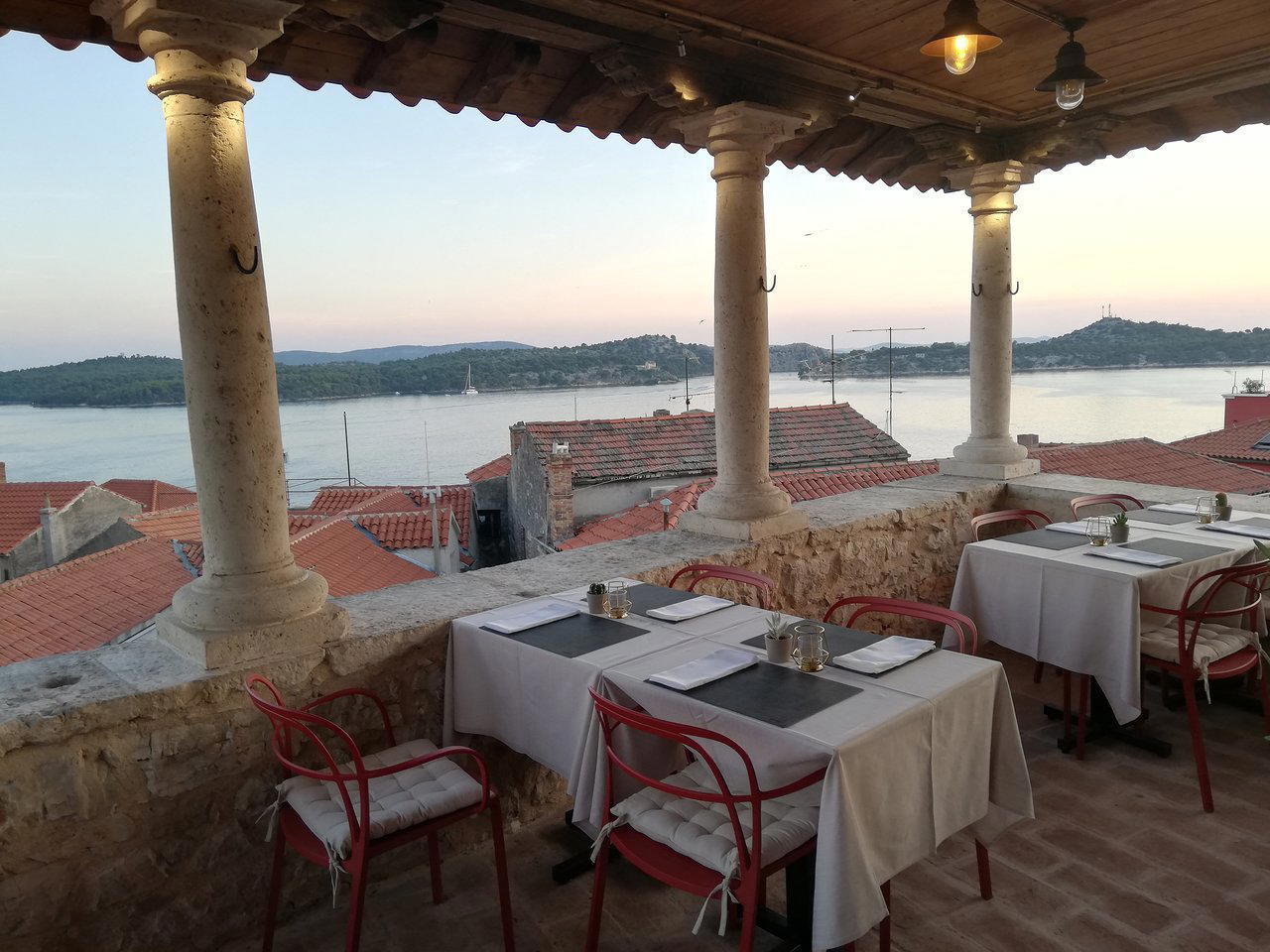
The Dalmatian coast has two registers of restaurant. The first is the urban konoba tradition, anchored in Šibenik's old town, where places like Pelegrini and Bronzin have built reputations on provenance-led cooking within walking distance of the Cathedral of St. James. The second is the island format: restaurants that require a boat, reward the effort with seclusion, and operate on terms almost entirely dictated by the sea and the season. Sedmo nebo belongs to the second category, located on Kakan, a small island roughly four kilometres southwest of Šibenik by water. The name translates as 'seventh heaven,' which in this context reads less as hyperbole and more as a description of the physical remove.
Island dining in the Šibenik channel has particular character. The archipelago here is dense, the water shallow enough in places to see the Posidonia meadows beneath the hull, and the light in the afternoon hours carries the specific quality of the Adriatic at this latitude: warm, direct, and without the diffusion you find further south. Arriving at Kakan by boat already places a guest in a different frame of mind from pulling up to a pavement table in Šibenik's harbour. That psychological shift is part of what island restaurants sell, and the better ones understand that the journey is a constituent part of the meal, not a precondition for it.
The Collaborative Logic of Remote Hospitality
At this type of isolated venue, the working relationship between kitchen, floor, and front-of-house takes on logistical weight that urban restaurants rarely face. Supply chains to islands like Kakan run on boat schedules and seasonal availability; the kitchen cannot send someone to a market at eleven in the morning. This creates a tighter operational dependency between whoever is running the kitchen and whoever is managing the dining room. Timing, communication, and the reading of guests who have already committed significant effort to arrive all fall to the floor team in ways that differ from a city context. Across Croatian island restaurants, the properties that hold repeat clientele tend to be those where this collaboration is visible in practice, where the front-of-house can speak to provenance and preparation with the same fluency as the kitchen, and where the guest feels the whole operation is coherent rather than siloed. For context, this same discipline defines some of the stronger regional programmes across the Adriatic: Agli Amici Rovinj in Istria and LD Restaurant in Korčula both operate within island or peninsula contexts and have built consistency through exactly that kind of integrated team approach.
The absence of publicly available details about Sedmo nebo's kitchen, chef, and service team reflects a reality common to smaller island operations in Croatia: they function through local networks and word of mouth rather than through press infrastructure. This is not unusual in the Šibenik archipelago, where several of the most visited spots have no formal online presence and remain effectively invisible to anyone not connected to the local boating and fishing community. Konoba Marenda and Konoba Ronilac operate within a similar register of informal, relationship-driven access in the wider Šibenik area.
What the Dalmatian Island Format Typically Offers
Croatian island konobas in this part of the coast work from a relatively consistent template: grilled fish pulled from the surrounding water that morning, lamb or pork slow-cooked under a peka (the cast-iron bell that functions as a low-technology oven), local olive oil, and seasonal vegetables from island gardens or nearby mainland smallholdings. Wine programmes at this scale tend to draw from Dalmatian indigenous varieties, Pošip and Grk from Korčula, Plavac Mali from the Pelješac peninsula, and Babić from the Šibenik hinterland itself. The food at its finest is inseparable from the location: this is cuisine that would read differently in a city setting because the ingredients, the timing, and the context are all place-specific in ways that cannot be replicated.
For guests comparing options across the Croatian coast at a similar price point and format, the reference set is relatively clear. Boskinac in Novalja on Pag operates as a hotel-restaurant hybrid with a serious wine programme and a more formal structure. Alfred Keller in Mali Lošinj sits at the more refined end of the Kvarner island dining scene. Sedmo nebo, by contrast, appears to operate closer to the informal island konoba model, where the experience is as much about access and atmosphere as it is about tasting menu precision. That comparison matters for setting expectation: guests arriving looking for the technical rigour of Restaurant 360 in Dubrovnik or the progressive approach of Nebo by Deni Srdoč in Rijeka will find a different proposition here.
Planning a Visit
Reaching Kakan requires boat transport from Šibenik or the surrounding channel, which means that visit planning at Sedmo nebo involves logistics that most restaurant bookings do not. No phone number, website, or booking platform is publicly listed at the time of writing, which places this squarely in the category of venues leading approached through local marina contacts, accommodation staff, or the Šibenik tourism network. Guests based in Šibenik should ask at their hotel or at the ACI marina, where knowledge of functioning island restaurants tends to be current and reliable. Summer months, roughly June through September, represent the operational window for the vast majority of Dalmatian island venues; outside that window, access and service are uncertain. For a broader orientation to the Šibenik dining scene before or after an island excursion, the full Šibenik restaurants guide covers the range from old-town fine dining to neighbourhood konoba formats. Il-palazzo Galbiani represents another Šibenik option worth considering as part of the same trip.
Frequently asked questions
Where exactly is Sedmo nebo?
Sedmo nebo is located at 43.691007, 15.673201, 22235, Kakan, Croatia, Sibenik.
How do you get to Sedmo nebo on Kakan island from Šibenik?
Kakan is a small island in the Šibenik channel, reachable by private or hired boat from Šibenik town or nearby points along the coast. There is no regular public ferry service connecting Kakan to the mainland. Most visitors to Sedmo nebo arrange transport as part of their visit planning, either through local boat operators or as part of a chartered day on the water in the surrounding archipelago.
What do people recommend at Sedmo nebo?
Sedmo nebo sits on Kakan, a small island in the Šibenik channel, which shapes what the kitchen can reliably offer. Croatian island konobas in this part of Dalmatia typically centre their menus on that morning's catch, grilled simply and served with local vegetables and olive oil. Given the remote location, dishes tied directly to the surrounding water are almost always the reason visitors make the boat journey.
Do they take walk-ins at Sedmo nebo?
Reaching Sedmo nebo requires boat transport from Šibenik, which makes spontaneous walk-in visits structurally difficult. The isolated position on Kakan means the kitchen has to plan provisions around expected covers. Contacting the venue before travelling is advisable; arriving without any prior arrangement risks finding the restaurant unable to accommodate additional guests on short notice.
What's Sedmo nebo best at?
The venue's strongest credential is its setting: a working restaurant on a small Dalmatian island reachable only by water, in the Šibenik channel. That geography puts it in a different category from the urban konoba tradition of Šibenik's old town. The format rewards guests who value the experience of eating close to the source, in a place where the logistics of supply are visible in what ends up on the table.
Can Sedmo nebo accommodate dietary restrictions?
Island konobas operating in remote locations like Kakan typically have limited ability to source diverse substitute ingredients at short notice. Because Sedmo nebo depends on boat supply routes from the mainland around Šibenik, the kitchen's flexibility is constrained by what can be reliably delivered. Guests with specific dietary needs should communicate these well in advance, rather than assuming on-site alternatives will be available.
Does Sedmo nebo justify its prices?
No pricing data for Sedmo nebo is publicly documented, which is common for small Croatian island venues that operate seasonally without a fixed online presence. In comparable Dalmatian island settings, the cost of boat logistics and remote supply typically pushes prices above mainland konoba equivalents. The value calculation here is less about price-per-dish and more about what it costs to eat fresh-caught fish in a place accessible only by water in the Šibenik archipelago.
Price and Positioning
Comparable venues nearby, for context on price, style, and recognition.
| Venue | Cuisine | Price | Notes |
|---|---|---|---|
| Sedmo neboThis venue (the venue you are viewing) | Authentic Dalmatian Seafood | Not listed | Not listed |
| Nostalgija | Traditional Dalmatian Seafood | Not listed | Old Town, Traditional Dalmatian Seafood |
| Il-palazzo Galbiani | Modern Croatian Seafood & Mediterranean | $30–50 | Sibenik Old Town, Modern Croatian Seafood & Mediterranean |
| Marenda 2 | Traditional Dalmatian Home Cooking | $20–30 | Historical Center, Traditional Dalmatian Home Cooking |
| Bronzin | Traditional Croatian Mediterranean Grill | $20–30 | Old Town, Traditional Croatian Mediterranean Grill |
| Pjat | Dalmatian Mediterranean Grill | Not listed | Šibenik riva, Dalmatian Mediterranean Grill |
Continue exploring
More in Sibenik
Restaurants in Sibenik
All restaurants in Sibenik →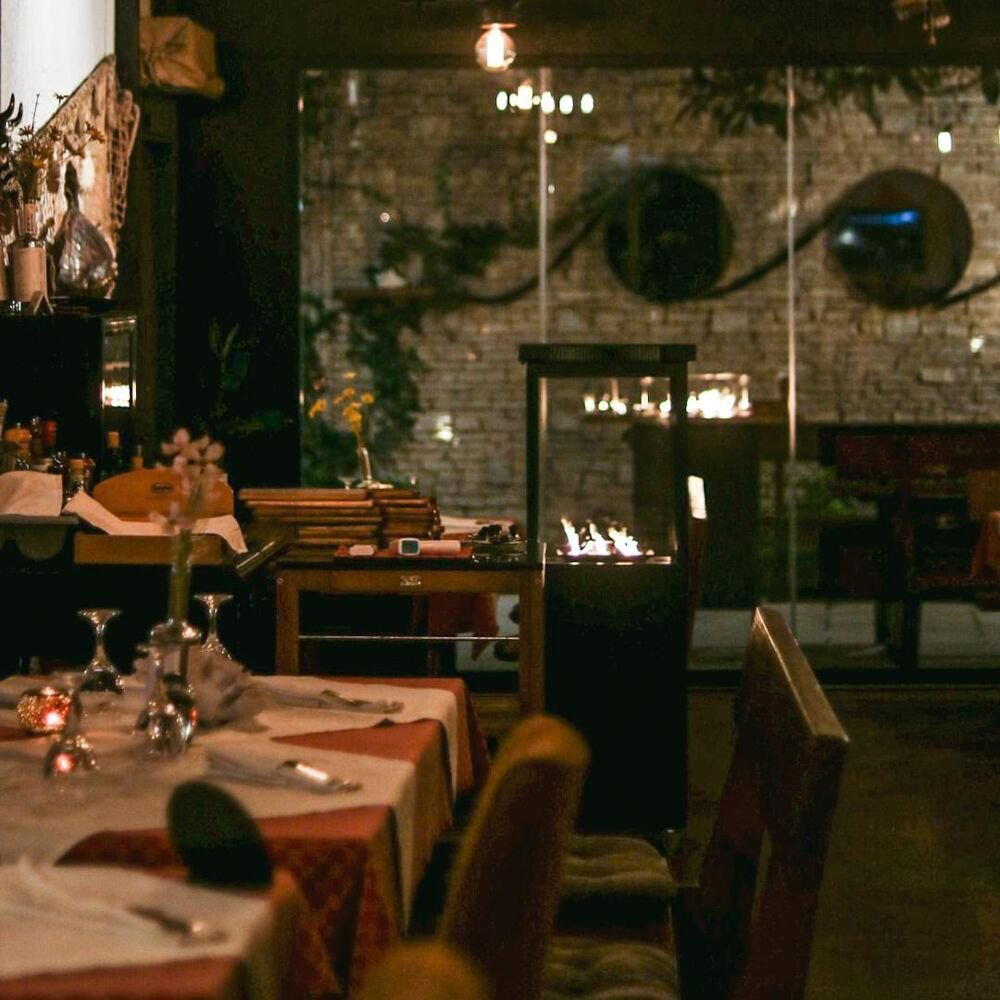
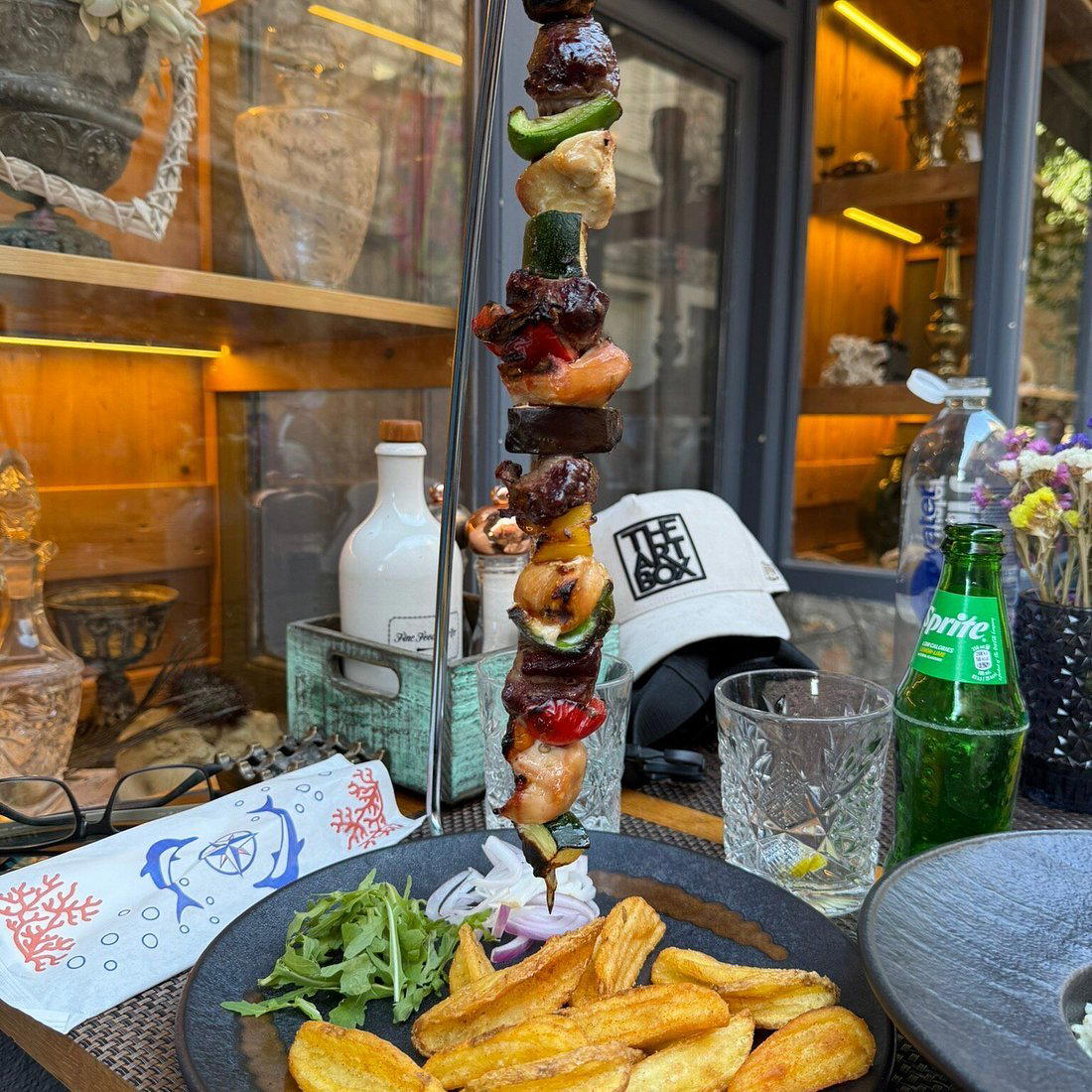
Bars in Sibenik
All bars in Sibenik →

Details
- Rustic
- Cozy
- Scenic
- Family
- Group Dining
- Special Occasion
- Waterfront
- Standalone
- Local Sourcing
- Waterfront
- A La Carte
- Family Style
- Vegetarian Friendly
- Vegan Options
Current opening hours
- Monday
- 10 AM–11:30 PM
- Tuesday
- 10 AM–11:30 PM
- Wednesday
- 10 AM–11:30 PM
- Thursday
- 10 AM–11:30 PM
- Friday
- 10 AM–11:30 PM
- Saturday
- 10 AM–11:30 PM
- Sunday
- 10 AM–11:30 PM
Hours can change for holidays and private events. Hours as of .
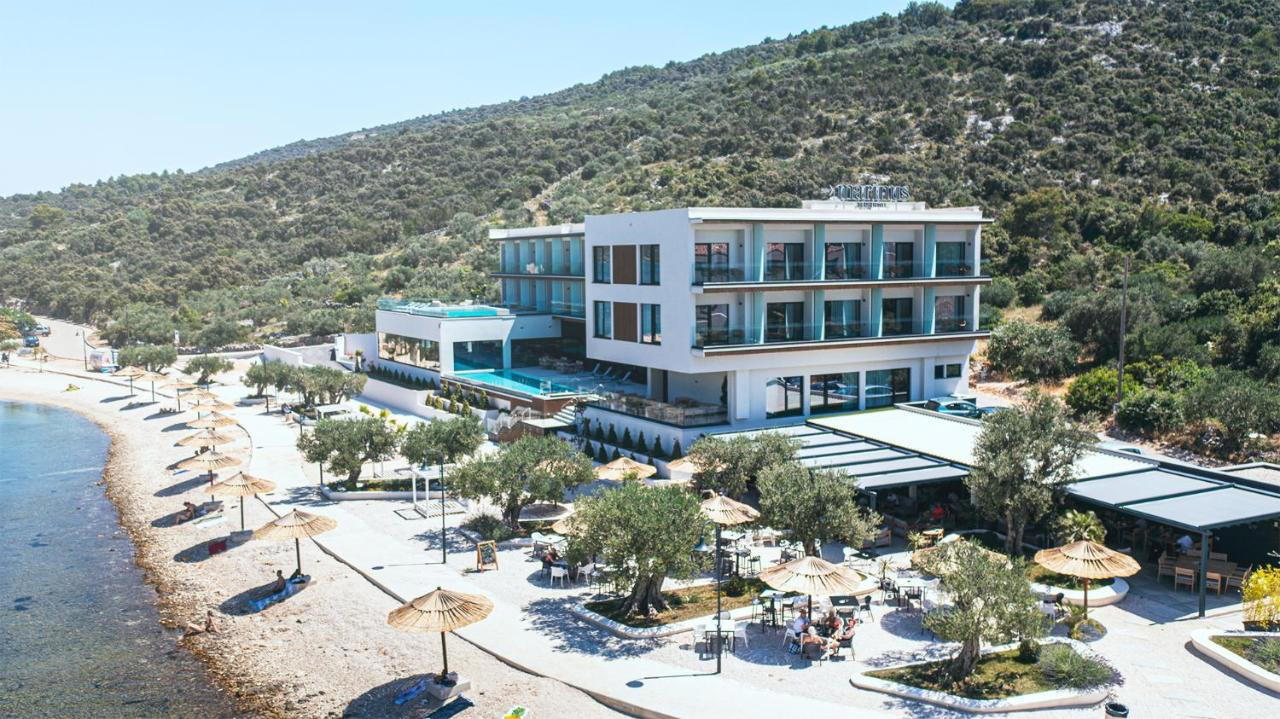
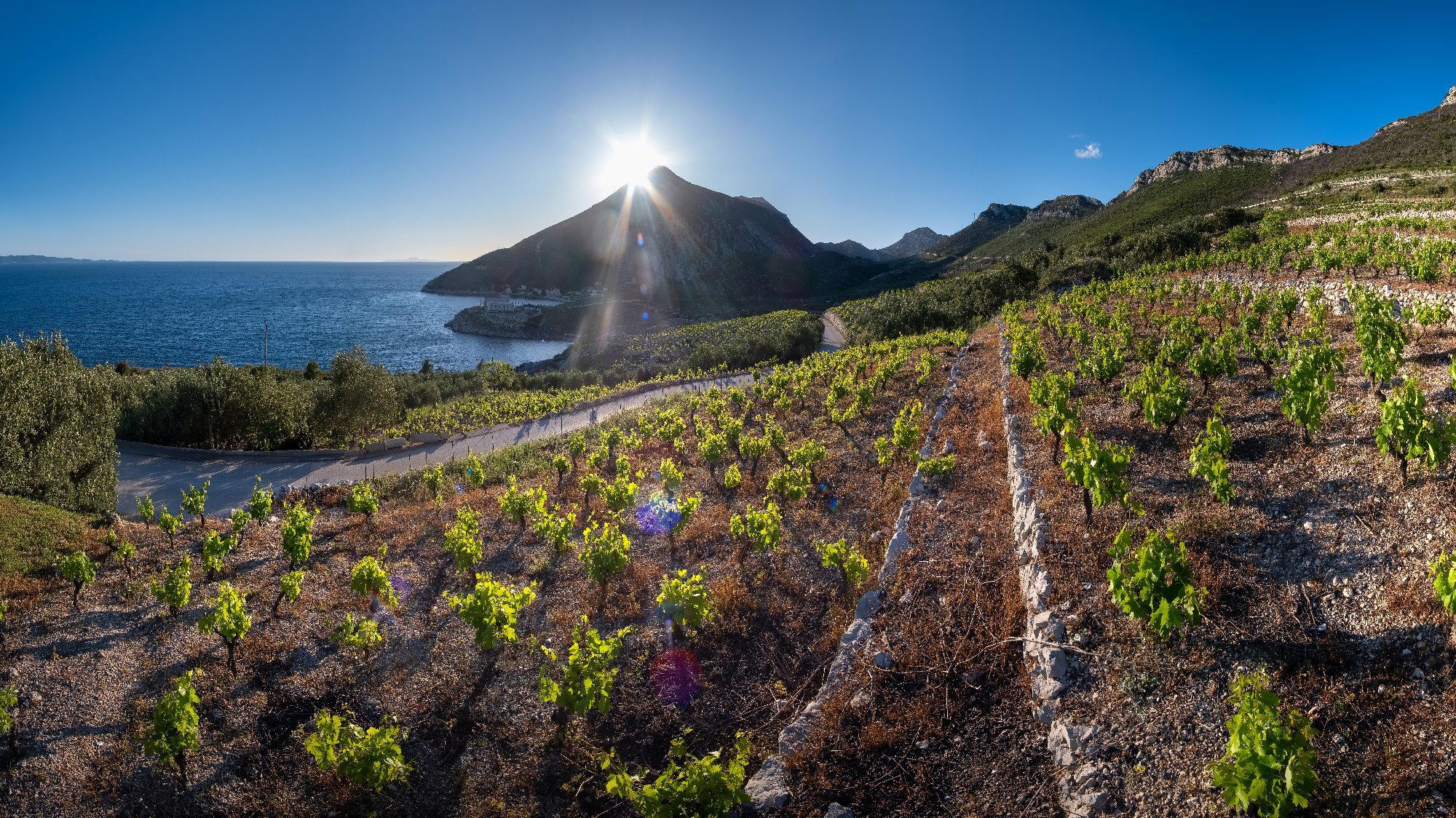
Rustic and relaxed with a home-like, chill atmosphere amid olive groves and sea views, praised for its beautiful and authentic setting.