Above the Marina: Sibenik's Rooftop Bar Scene in Context Croatia's Dalmatian coast has developed two distinct modes of bar culture. The first is the cliff-and-sea format, leading represented by venues like Buža Bar in Dubrovnik, where the physical drama of the location does most of the work. The second is a more interior-focused, technique-led approach that has quietly taken hold in cities like Zagreb, where Peaches & Cream Bar sits as a reference point for programme depth over spectacle. Art Bar, positioned on the highest floor of Sibenik's Mandalina marina at Obala Jerka Šižgorića 1, sits closer to the first tradition in setting but reaches toward the second in ambition. Sibenik itself occupies an unusual position in Croatian coastal tourism. Smaller than Split, less internationally marketed than Dubrovnik, it holds a UNESCO-listed cathedral in a medieval core that most visitors pass through rather than stay in. The marina at Mandalina has changed that calculation for a segment of the yachting and sailing crowd, creating a mooring point that now draws a more cosmopolitan audience than the old town alone would generate. A bar at the top of that complex addresses a specific need: somewhere that serves both the arriving sailor and the curious visitor willing to take the stairs or lift for a view that puts the full Šibenik channel in frame. The View as Editorial Argument Height matters differently in different port cities. In some, a rooftop bar is a branding exercise with mediocre drinks attached. In others, the elevation genuinely restructures how you read a place. Sibenik from the leading floor of Mandalina reads as a working relationship between stone and water, with the old town's cathedral towers visible above the marina infrastructure. That visual argument, where history and contemporary marina development coexist in the same sightline, is the setting Art Bar occupies. The atmospheric proposition here is not manufactured: the position on the highest floor of a marina complex on the edge of the Adriatic is a geographic fact, not a design gesture. For comparison, Edivo Wine Bar in Drace builds its identity almost entirely around the relationship between wine and the sea, using underwater ageing as its central narrative. Art Bar's equivalent anchor is spatial rather than viticultural: it is the height, the panorama, and the specific quality of the Adriatic light at dusk that frames the experience. Cocktail Programme: What the Format Signals Bars attached to marina developments typically skew toward long drinks, international spirits recognisable to transient guests, and service speed calibrated for high turnover. The more interesting question with any bar in this category is whether the drinks programme has depth beyond that baseline. Along the Croatian coast, the bars that hold attention across multiple visits tend to be those that engage with local ingredient logic: Dalmatian herbs, regional spirits, citrus from nearby groves, or wine-based formats that reference the Adriatic production belt running through Hvar and Pelješac. The bars in the Hvar archipelago, including those at Stari Grad and Lesina, operate within that island wine culture almost by default. Art Bar, on the mainland side of the channel in Sibenik, has a different relationship to those reference points but draws from the same regional ingredient logic. Dalmatian coastal bar programmes that succeed in this environment typically use local provenance as a differentiator rather than a marketing note, building drinks around what is available and seasonally coherent rather than importing a cocktail list from a different hemisphere. For broader context on what programme depth looks like in different registers, the range runs from the Latin-heritage cocktail formalism at Café La Trova in Miami to the research-led precision of Jewel of the South in New Orleans or the ingredient-forward discipline at Bar Leather Apron in Honolulu. Art Bar does not occupy the same competitive tier as those programmes, but the question of how a rooftop marina bar structures its offer, and how seriously it treats the drinks as objects of interest rather than transaction vehicles, is the same question regardless of geography. Sibenik's drinking and dining scene is smaller and less stratified than Split's. Zinfandel Food & Wine Bistro in Split operates in a city with enough critical mass to support a dedicated wine programme with depth. Sibenik does not yet have that volume, which means individual venues carry more weight in shaping visitor expectation. Art Bar, by virtue of its position at the marina's highest point and its accessibility to incoming yacht traffic, functions as something close to a first impression of what contemporary Sibenik bar culture offers. That position carries responsibility. The physical address at Mandalina places it at a natural arrival and departure point for many visitors, which is logistically significant: those arriving by sea will encounter it before they encounter the old town's bar options. Those exploring the cathedral quarter and waterfront promenade may arrive here at the end of a day's walking, looking for a drink with a view that earns the climb. Both uses are supported by the rooftop format. Further along the Croatian coast, Ul. Sv. Križa 24 in Rovinj shows how a bar in a smaller, historically significant city can develop a distinct identity without scale. The Istrian and Dalmatian contexts differ considerably, but the underlying challenge is shared: how to build bar culture in a city where tourism is seasonal and the resident population alone cannot sustain year-round ambition. Art Bar's marina location means its primary audience is concentrated in the sailing season, which in this stretch of the Adriatic runs from late spring through early autumn. Visiting outside that window means a significantly different atmosphere, potentially a quieter and more local one. Practical planning: Mandalina marina is accessible by road from Sibenik's old town, and the bar's position on the highest floor of the complex means arrivals should allow time for the ascent. For a fuller account of where Art Bar sits within the city's options, our full Sibenik restaurants guide maps the scene across categories. And for those travelling the coast with a cocktail-led itinerary, Superbueno in New York City offers a useful reference point for what serious programme thinking looks like at the sharper end of the bar world, even if the context is entirely different. Frequently Asked Questions How would you describe the overall feel of Art Bar? Art Bar occupies the highest floor of Sibenik's Mandalina marina, and the feel is shaped primarily by that geographic fact. The view takes in the Adriatic and Sibenik's old town in the same sightline, which gives the bar a setting that is harder to replicate than any interior design choice. Within Croatia's coastal bar scene, it sits closer to the location-led tradition of venues like Buža Bar in Dubrovnik than to the interior programme depth of Zagreb's cocktail bars. The atmosphere shifts with the season: peak sailing months bring a cosmopolitan marina crowd; quieter periods lean local. What should I drink at Art Bar? Dalmatian coastal bars with an eye on the surrounding ingredient belt typically lean toward drinks that use local citrus, regional wines, or herb-based spirits from the Adriatic hinterland. Given Art Bar's marina position and the audience it draws, the most coherent approach is to ask what is made in-house or sourced regionally, then work from there rather than ordering from a default international spirits list. The view argues for something cold and long at dusk. Is Art Bar suitable for visitors arriving by boat at Mandalina marina? The address at Obala Jerka Šižgorića 1 places Art Bar directly within the Mandalina marina complex, on the highest floor, making it a natural first stop for those arriving by yacht or charter. The bar's position at the marina's uppermost level means the approach from the berths involves a vertical climb, but the payoff in sightlines over the Šibenik channel is considerable.
Pearl is the En Primeur Club membership app — saves, bookings, and concierge access live there. Same editors, same standards.
- Address
- Obala Jerka Šižgorića 1, 22000, Mandalina, Šibenik (highest floor)
- Directions
- Get directions
 Saves & bookings on Pearl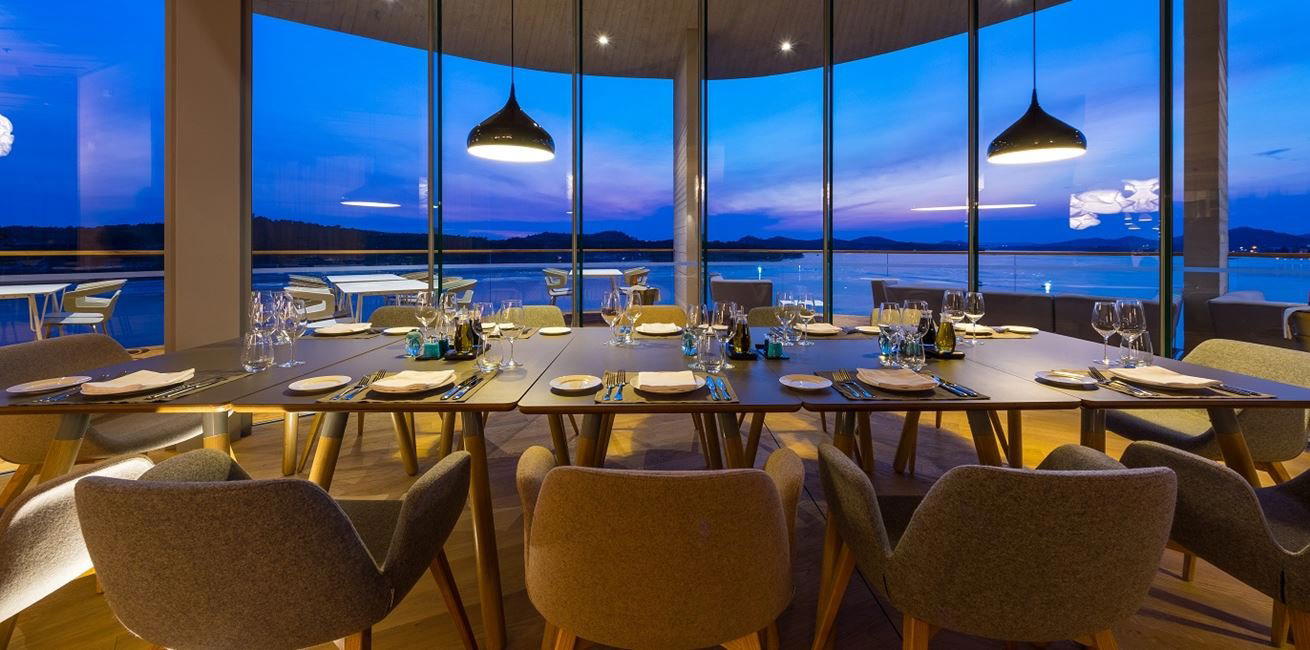
Above the Marina: Sibenik's Rooftop Bar Scene in Context
Croatia's Dalmatian coast has developed two distinct modes of bar culture. The first is the cliff-and-sea format, leading represented by venues like Buža Bar in Dubrovnik, where the physical drama of the location does most of the work. The second is a more interior-focused, technique-led approach that has quietly taken hold in cities like Zagreb, where Peaches & Cream Bar sits as a reference point for programme depth over spectacle. Art Bar, positioned on the highest floor of Sibenik's Mandalina marina at Obala Jerka Šižgorića 1, sits closer to the first tradition in setting but reaches toward the second in ambition.
Sibenik itself occupies an unusual position in Croatian coastal tourism. Smaller than Split, less internationally marketed than Dubrovnik, it holds a UNESCO-listed cathedral in a medieval core that most visitors pass through rather than stay in. The marina at Mandalina has changed that calculation for a segment of the yachting and sailing crowd, creating a mooring point that now draws a more cosmopolitan audience than the old town alone would generate. A bar at the top of that complex addresses a specific need: somewhere that serves both the arriving sailor and the curious visitor willing to take the stairs or lift for a view that puts the full Šibenik channel in frame.
The View as Editorial Argument
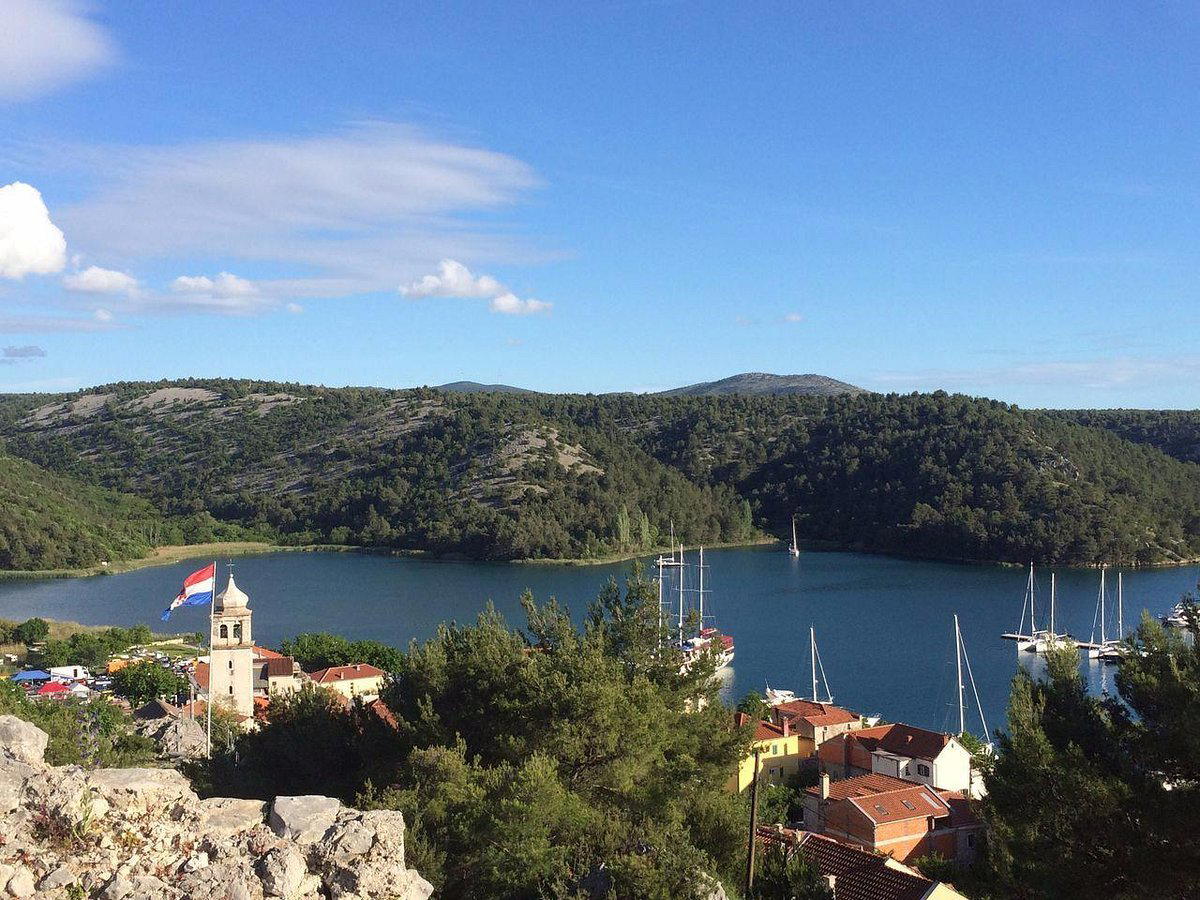
Height matters differently in different port cities. In some, a rooftop bar is a branding exercise with mediocre drinks attached. In others, the elevation genuinely restructures how you read a place. Sibenik from the leading floor of Mandalina reads as a working relationship between stone and water, with the old town's cathedral towers visible above the marina infrastructure. That visual argument, where history and contemporary marina development coexist in the same sightline, is the setting Art Bar occupies. The atmospheric proposition here is not manufactured: the position on the highest floor of a marina complex on the edge of the Adriatic is a geographic fact, not a design gesture.
For comparison, Edivo Wine Bar in Drace builds its identity almost entirely around the relationship between wine and the sea, using underwater ageing as its central narrative. Art Bar's equivalent anchor is spatial rather than viticultural: it is the height, the panorama, and the specific quality of the Adriatic light at dusk that frames the experience.
Cocktail Programme: What the Format Signals
Bars attached to marina developments typically skew toward long drinks, international spirits recognisable to transient guests, and service speed calibrated for high turnover. The more interesting question with any bar in this category is whether the drinks programme has depth beyond that baseline. Along the Croatian coast, the bars that hold attention across multiple visits tend to be those that engage with local ingredient logic: Dalmatian herbs, regional spirits, citrus from nearby groves, or wine-based formats that reference the Adriatic production belt running through Hvar and Pelješac.
The bars in the Hvar archipelago, including those at Stari Grad and Lesina, operate within that island wine culture almost by default. Art Bar, on the mainland side of the channel in Sibenik, has a different relationship to those reference points but draws from the same regional ingredient logic. Dalmatian coastal bar programmes that succeed in this environment typically use local provenance as a differentiator rather than a marketing note, building drinks around what is available and seasonally coherent rather than importing a cocktail list from a different hemisphere.
For broader context on what programme depth looks like in different registers, the range runs from the Latin-heritage cocktail formalism at Café La Trova in Miami to the research-led precision of Jewel of the South in New Orleans or the ingredient-forward discipline at Bar Leather Apron in Honolulu. Art Bar does not occupy the same competitive tier as those programmes, but the question of how a rooftop marina bar structures its offer, and how seriously it treats the drinks as objects of interest rather than transaction vehicles, is the same question regardless of geography.
Sibenik's drinking and dining scene is smaller and less stratified than Split's. Zinfandel Food & Wine Bistro in Split operates in a city with enough critical mass to support a dedicated wine programme with depth. Sibenik does not yet have that volume, which means individual venues carry more weight in shaping visitor expectation. Art Bar, by virtue of its position at the marina's highest point and its accessibility to incoming yacht traffic, functions as something close to a first impression of what contemporary Sibenik bar culture offers.
That position carries responsibility. The physical address at Mandalina places it at a natural arrival and departure point for many visitors, which is logistically significant: those arriving by sea will encounter it before they encounter the old town's bar options. Those exploring the cathedral quarter and waterfront promenade may arrive here at the end of a day's walking, looking for a drink with a view that earns the climb. Both uses are supported by the rooftop format.
Further along the Croatian coast, Ul. Sv. Križa 24 in Rovinj shows how a bar in a smaller, historically significant city can develop a distinct identity without scale. The Istrian and Dalmatian contexts differ considerably, but the underlying challenge is shared: how to build bar culture in a city where tourism is seasonal and the resident population alone cannot sustain year-round ambition. Art Bar's marina location means its primary audience is concentrated in the sailing season, which in this stretch of the Adriatic runs from late spring through early autumn. Visiting outside that window means a significantly different atmosphere, potentially a quieter and more local one.
Practical planning: Mandalina marina is accessible by road from Sibenik's old town, and the bar's position on the highest floor of the complex means arrivals should allow time for the ascent. For a fuller account of where Art Bar sits within the city's options, our full Sibenik restaurants guide maps the scene across categories. And for those travelling the coast with a cocktail-led itinerary, Superbueno in New York City offers a useful reference point for what serious programme thinking looks like at the sharper end of the bar world, even if the context is entirely different.
Continue exploring
More in Sibenik
Bars in Sibenik
Browse all →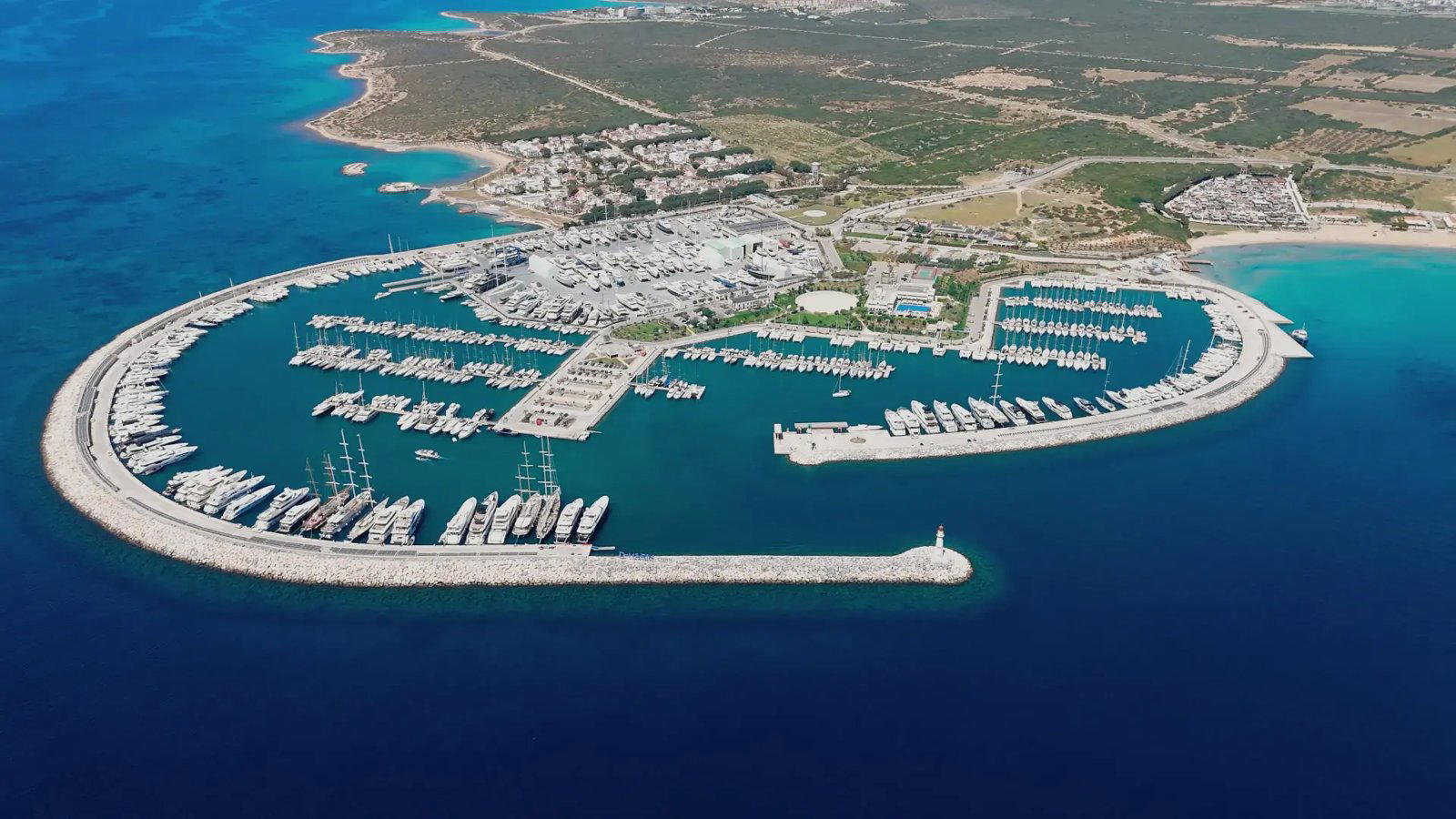
Restaurants in Sibenik
Browse all →
Hotels in Sibenik
Browse all →

At a Glance
- Sophisticated
- Scenic
- Intimate
- Elegant
- After Work
- Date Night
- Special Occasion
- Solo
- Hotel Bar
- Panoramic View
- Design Destination
- Lounge Seating
- Seated Bar
- Classic Cocktails
- Craft Cocktails
- Whiskey
- Skyline
Current opening hours
- Monday
- 5 AM–12 AM
- Tuesday
- 5 AM–12 AM
- Wednesday
- 6–6:19 AM, 5:15–11:10 PM
- Thursday
- 6 AM–12 AM
- Friday
- 5:15 AM–12 AM
- Saturday
- 5–6:30 AM, 7:15 AM–5:20 AM
- Sunday
- 7 AM–10 PM
Hours can change for holidays and private events. Last verified .
Sophisticated, panoramic, and lounge-like, with a high-floor setting that emphasizes Šibenik views and an after-dinner atmosphere for cocktails, aged liquor, and cigars.
Know Before You Go
- Getting there
- Obala Jerka Šižgorića 1, 22000, Mandalina, Šibenik (highest floor)