Restavracija Majerca

A Michelin Bib Gourmand recipient in the Bohinj valley village of Stara Fužina, Restavracija Majerca delivers regional Slovenian cooking at a price point that sits well below the country's fine-dining tier. It represents the kind of grounded, ingredient-led cooking that defines alpine Slovenia at its most honest. For visitors to Lake Bohinj, it is a serious meal worth planning around.
Pearl is the En Primeur Club membership app — saves, bookings, and concierge access live there. Same editors, same standards.
- Address
- Stara Fužina 19, 4265 Bohinjsko jezero, Slovenia
- Phone
- +386 40 249 352
- Website
- majerca.si
- Directions
- Get directions
 Saves & bookings on Pearl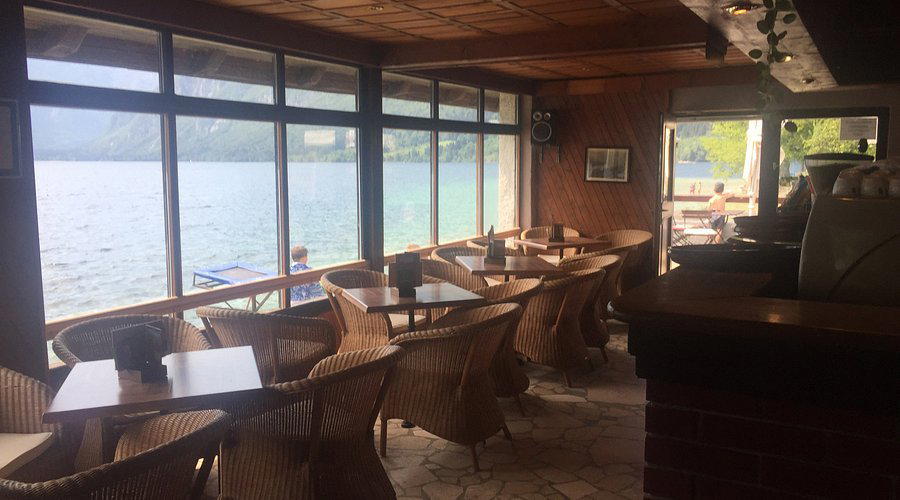
Where the Valley Feeds Itself
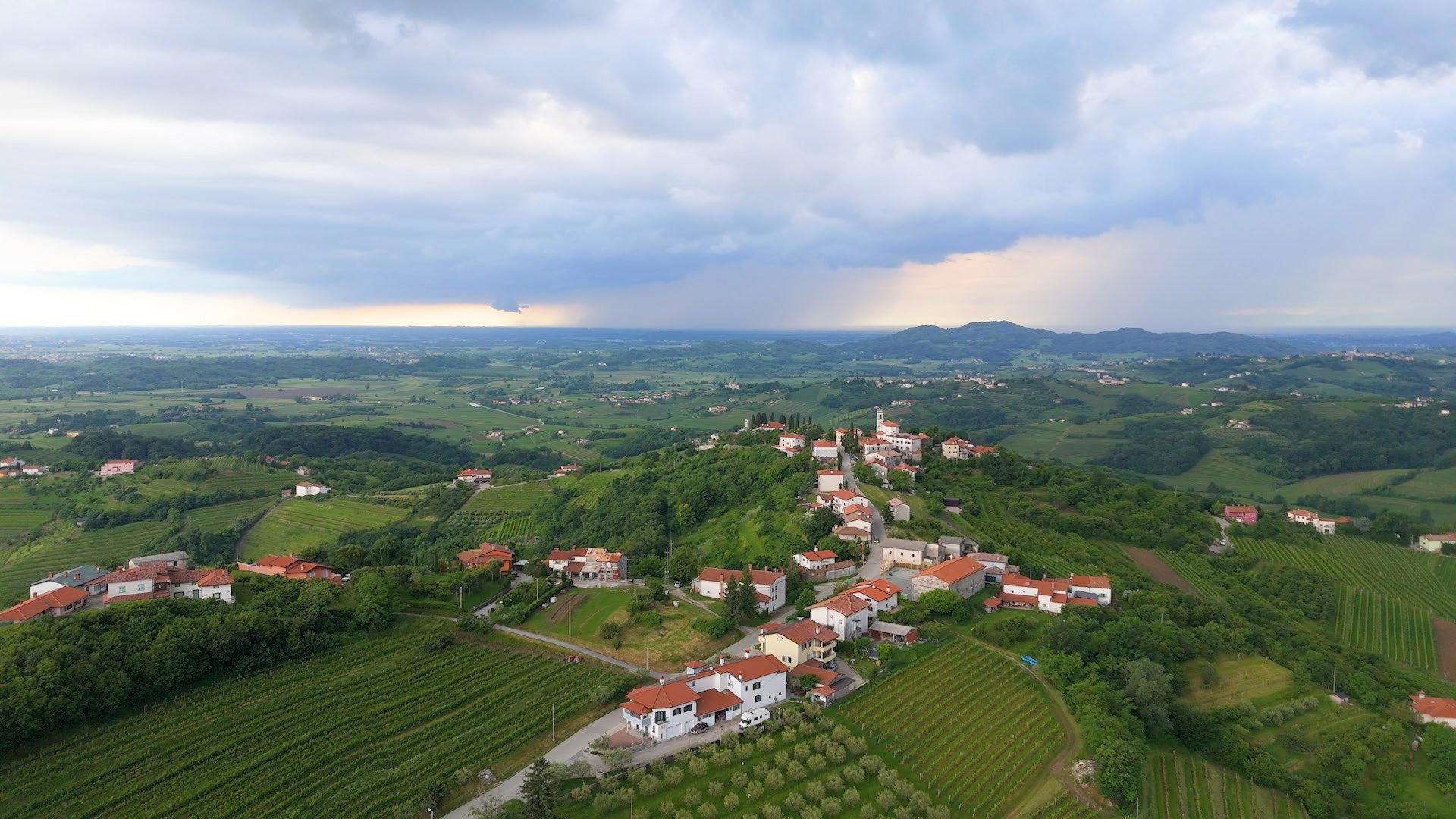
Stara Fužina is a small agricultural and pastoral settlement at the eastern end of Lake Bohinj, where the Triglav National Park presses in on three sides and the working rhythms of the valley, haymaking, cattle grazing, small-scale dairy farming, have changed less than almost anywhere else in Slovenia. This is not a resort village in the conventional sense. There are no ski lifts overhead and no pedestrian zones lined with souvenir shops. What exists instead is a place that still grows and raises a significant portion of what it eats, and that structural fact shapes every serious meal served here. Restavracija Majerca at Stara Fužina 19 is the address that draws visitors with genuine culinary intent.
The Bib Gourmand Standard in an Alpine Context
Michelin's Bib Gourmand designation, awarded to Majerca in 2025, marks a specific category of recognition: good cooking at a price that does not require justification. It is a credential that separates a kitchen from the broader mass of regional restaurants without placing it in the rarefied air of starred dining. For context, Slovenia's Michelin-recognised tier now includes properties like Hiša Franko in Kobarid and Milka in Kranjska Gora, both operating at the €€€€ price level and positioning their cuisine within a contemporary European framework. Majerca sits at €€, and its recognition is earned on different terms: not transformation or invention, but fidelity to regional ingredients and tradition executed with enough discipline to satisfy Michelin's inspectors. That is a harder standard to meet than it sounds.
The alpine arc from Bohinj to Kobarid to Kranjska Gora contains a cluster of Michelin-recognised kitchens that is proportionally dense for a country of Slovenia's size. Other Bib Gourmand and starred addresses in the broader region include Hiša Linhart in Radovljica and Gostilna Pri Lojzetu in Vipava. Majerca belongs to that recognised network, though its position in a working farming village rather than a market town gives it a different kind of rootedness.
Ingredients as the Story
Regional cuisine in the Bohinj valley is not an editorial construct. The area has a documented tradition of alpine dairy production, the Bohinj plateau cheeses and the curd-based dishes associated with pastoralism at altitude, alongside trout from the Sava Bohinjka river, foraged mushrooms and herbs from Triglav National Park's edges, and game from the surrounding forests. A kitchen operating at Majerca's price point and with its level of recognition is almost certainly drawing on these local supply chains, because in this part of Slovenia the alternatives are more expensive and less consistent, not the other way around.
This is the structural logic that makes ingredient sourcing the right lens for reading Majerca. The Bohinj valley's farming calendar drives what is available: dairy-heavy dishes through winter and spring, river fish in season, foraged ingredients in late summer and autumn, game through the hunting calendar. A restaurant earning Michelin recognition in this context is not doing so by importing technique from elsewhere and applying it to generic produce. It is doing so by understanding what the valley produces and cooking it with sufficient skill and care to meet an international standard. That relationship between place and plate is what the Bib Gourmand signals here, more than innovation.
For comparison, regional kitchens in similarly specific alpine locations, Gannerhof in Innervillgraten in the Austrian Tyrol and Fahr in Künten-Sulz, demonstrate how the alpine central European tradition of hyper-local, terroir-defined cooking operates across different national contexts. Majerca sits within that tradition rather than departing from it.
A 4.6 Rating Across 296 Voices
Michelin recognition. The fact that the rating holds at 4.7 despite that breadth of expectation suggests the kitchen performs reliably across different contexts, not just for guests attuned to its register. That kind of consistency is a more demanding test than pleasing a narrow audience of dedicated food travellers.
Placing Majerca in Slovenia's Wider Dining Picture
Slovenia's restaurant scene has developed a small but coherent upper tier over the past decade, anchored by addresses like Restavracija Strelec in Ljubljana, Dam in Nova Gorica, and Hiša Denk in Zgornja Kungota. Below that tier, the Bib Gourmand category represents one accessible point of entry into Michelin-recognised quality. Majerca shares that bracket with several other Slovenian addresses, including Pavus in Laško, Grič in Šentjošt nad Horjulom, A3 in Brestanica, and City Terasa in Maribor. What distinguishes Majerca within that group is its setting: a farming village inside a national park, with ingredients that arrive via short supply chains rather than distribution networks.
Planning a Visit
Stara Fužina is reached by road from Bohinjska Bistrica or from the main Lake Bohinj tourist hub at Ribčev Laz, a short drive east along the lake shore. The village has no rail connection; the nearest station is Bohinjska Bistrica, and a car or taxi is the practical option for the final stretch. Given the Bib Gourmand recognition and the limited number of serious dining options in the immediate area, booking ahead is advisable, particularly during the peak summer season (July to August) when the Bohinj valley draws significant visitor numbers, and during autumn weekends when the combination of foliage and hunting-season menus attracts regional visitors. The €€ price point makes Majerca accessible without pre-trip financial planning of the kind required for Slovenia's starred addresses.
Comparable Spots, Quickly
Comparable venues nearby, for context on price, style, and recognition.
| Venue | Cuisine | Price | Awards | Notes |
|---|---|---|---|---|
| Restavracija Majerca | Modern Slovenian | $$$ | Bib Gourmand | Stara Fužina |
| Jaz by Ana Roš | Modern Slovenian Bistro | $$$ | Michelin Plate | Center |
| Grad Štanjel Restaurant & Lounge Bar | Modern Karst Regional Cuisine | $$$ | Michelin Plate | Štanjel |
| JB Restavracija | Modern Slovenian Fine Dining | $$$ | Michelin Plate | Ljubljana center |
| Plesnik | Regional Slovenian Fine Dining | $$$ | Michelin Plate | Logarska Dolina |
| Hiša Krasna | Modern Slovenian with Karst-Istrian influences | $$$ | Michelin Plate | Lokev |
Recognition history
Dated appearances from independent guides and award organizations, with the underlying list record or original source where available.
Michelin Bib Gourmand
Michelin
Michelin Bib Gourmand
Michelin
Continue exploring
More in Stara Fužina
Restaurants in Stara Fužina
Browse all →
Bars in Stara Fužina
Browse all →
Hotels in Stara Fužina
Browse all →
At a Glance
- Cozy
- Rustic
- Elegant
- Scenic
- Intimate
- Date Night
- Special Occasion
- Family
- Garden
- Terrace
- Extensive Wine List
- Local Sourcing
- Farm To Table
- Mountain
- Garden
Current opening hours
- Monday
- 5:30–9 p.m.
- Tuesday
- 5:30–9 p.m.
- Wednesday
- 5:30–9 p.m.
- Thursday
- 5:30–9:30 p.m.
- Friday
- 5:30–9:30 p.m.
- Saturday
- 1–9:30 p.m.
- Sunday
- 1–9:30 p.m.
Hours can change for holidays and private events. Last verified .
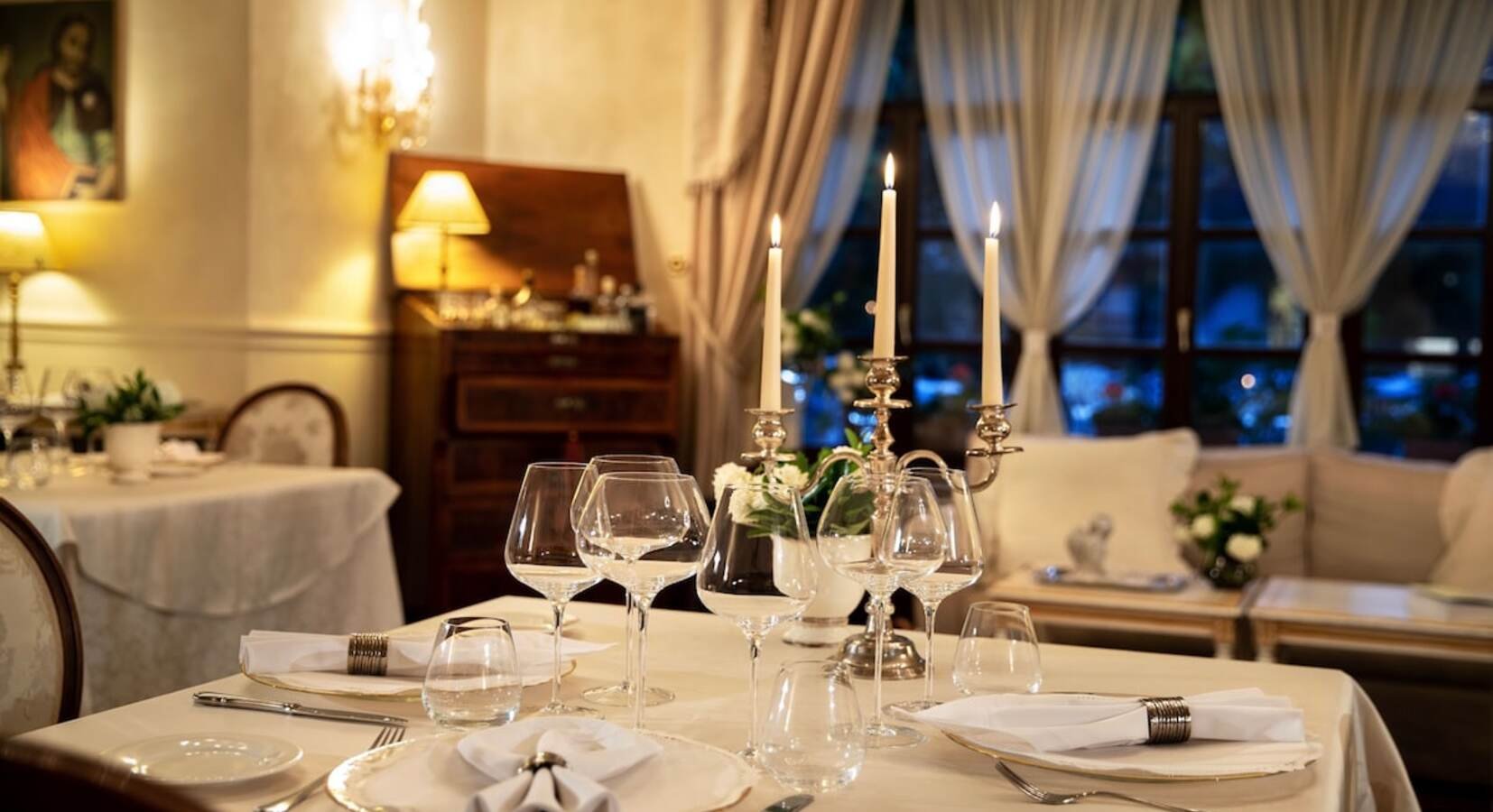
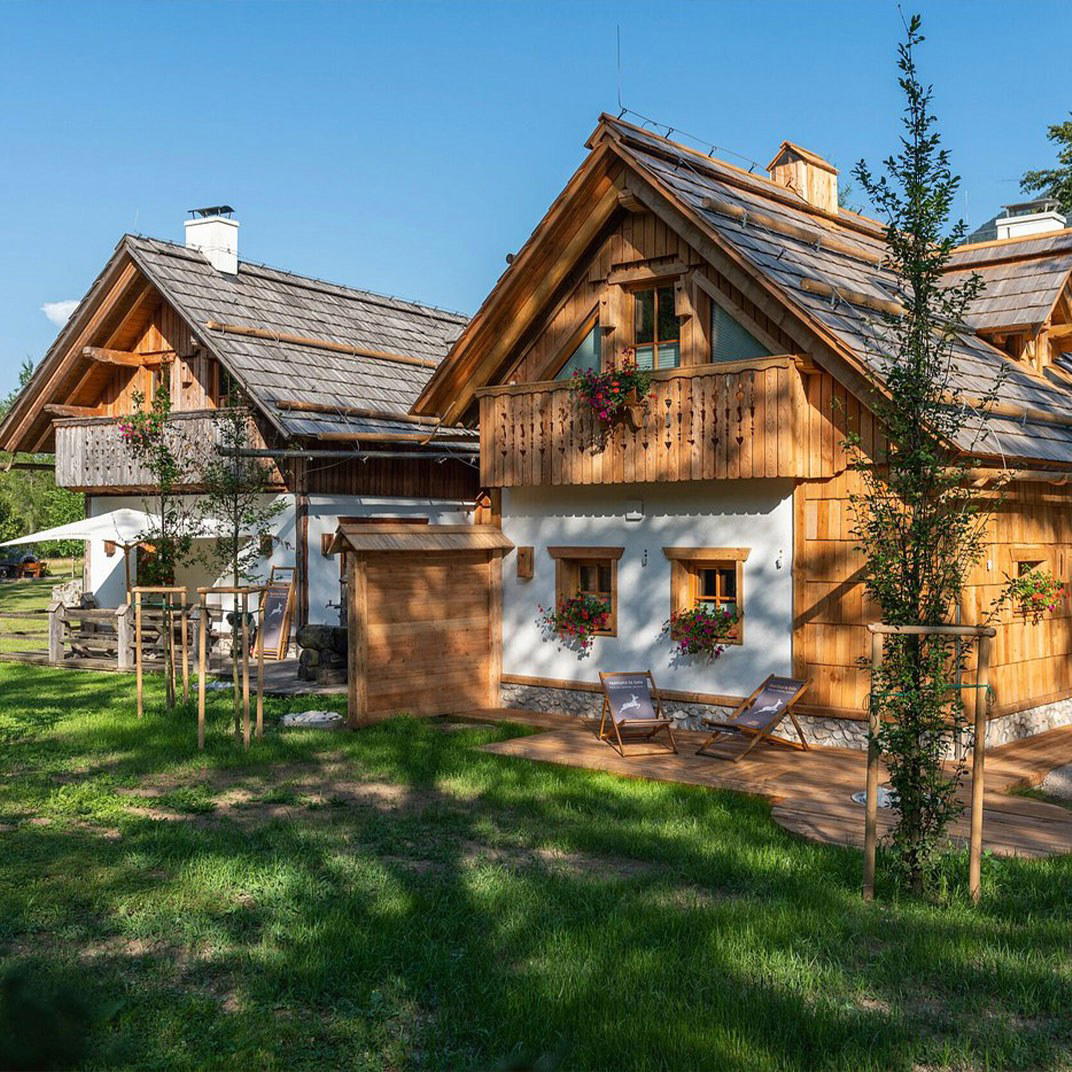
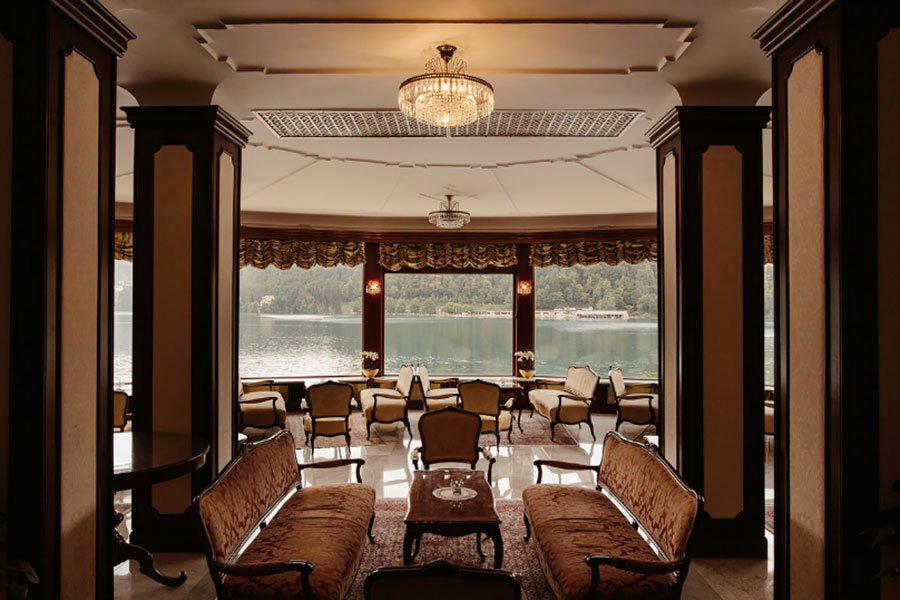
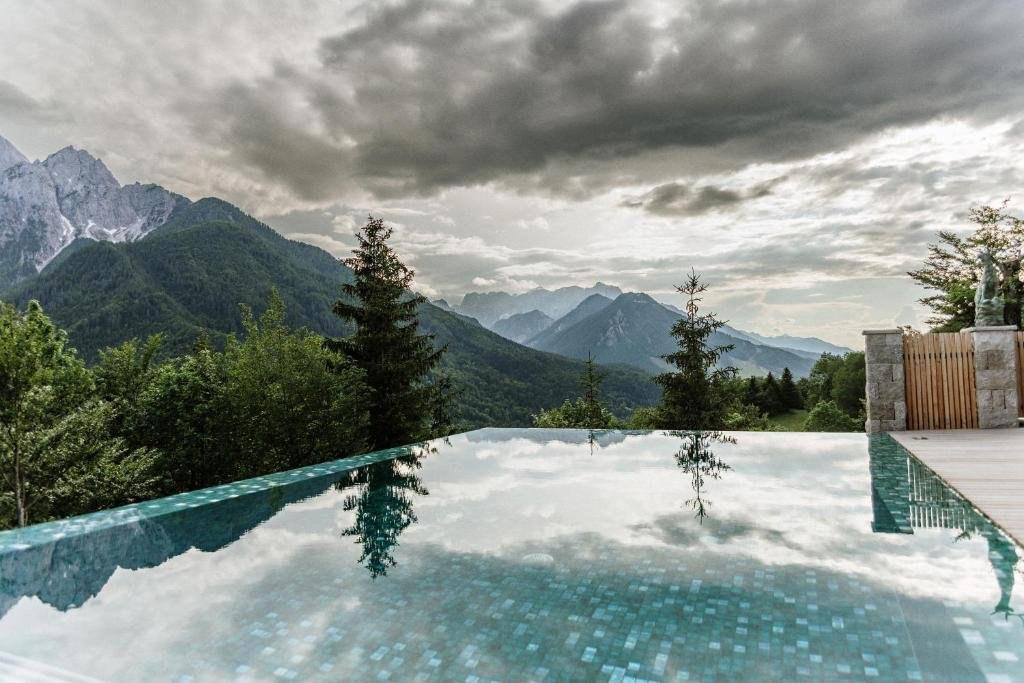
Cozy and elegant with wood and modern elements, warm lighting from fireplace, relaxed atmosphere with mountain views.