In Bohinjska Bistrica, the market town that anchors the Bohinj valley, Gostilnica Štrudl operates as a gostilnica in grounded Slovenian sense: a place where the food reflects its immediate geography rather than reaching beyond it. The Julian Alps and the farmland pressing against Triglav National Park define what ends up on the plate, placing Štrudl firmly within a regional cooking tradition that the country's more celebrated dining rooms have only recently begun to take seriously.
Pearl is the En Primeur Club membership app — saves, bookings, and concierge access live there. Same editors, same standards.
- Address
- Triglavska cesta 23, 4264 Bohinjska Bistrica, Slovenia
- Phone
- +38641541877
- Website
- strudl.si
- Directions
- Get directions
 Saves & bookings on Pearl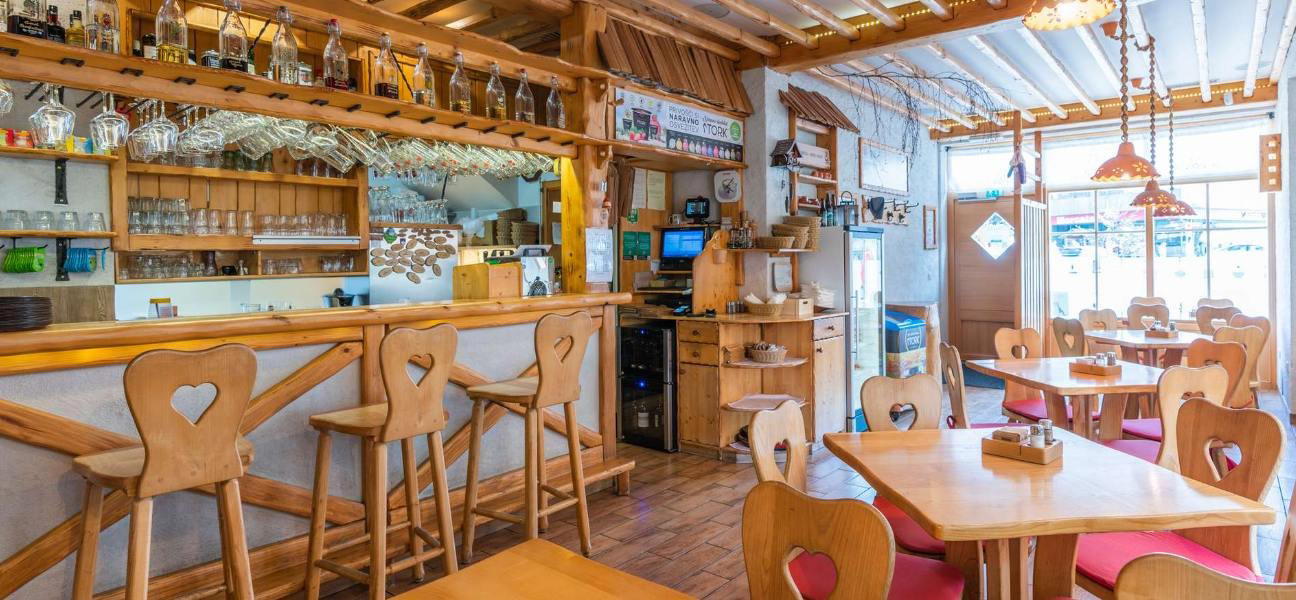
Where the Valley Sets the Menu
Bohinjska Bistrica sits at the eastern end of the Bohinj valley, a market settlement rather than a resort, and that distinction matters when reading its food. The Soča headwaters run nearby, the Sava Bohinjka cuts through the lower slopes, and the high pastures of Triglav National Park begin almost at the edge of town. This is not a landscape arranged for tourism, it is a working Slovenian mountain community, and the kitchens here have historically fed farmers, loggers, and seasonal herders rather than hotel guests. Gostilnica Štrudl, a casual Traditional Slovenian Bohinj Inn at Triglavska cesta 23 in Bohinjska Bistrica, operates inside that tradition. It is a gostilnica in the original sense: a place rooted in what the surrounding land and season provide, not a restaurant built around a concept imported from somewhere else.
That distinction carries weight in a region where the gap between a gostilnica doing things correctly and one coasting on tourist traffic has widened considerably over the past decade. The Julian Alps corridor, running from Bohinj through Kranjska Gora and across to Kobarid, has attracted serious culinary investment, with addresses like Hiša Franko in Kobarid and Milka in Kranjska Gora pushing Slovenian alpine cooking into international reference conversations. Against that backdrop, the gostilnica format occupies a different register, less architectural, less composed, but no less connected to place.
Alpine Sourcing and What It Actually Means
Slovenia's northwest corner is one of the country's densest concentrations of small-scale food producers. The pastures above Bohinj yield dairy that has carried protected designation of origin status, Bohinjski sir, the aged cheese produced here, belongs to a cheesemaking lineage stretching back centuries on these same high meadows. The rivers supply freshwater fish, particularly trout and grayling, that appear on virtually every serious kitchen's menu in the valley. Wild forage, mushrooms, herbs, berries, follows the altitudinal calendar strictly, meaning what arrives at a kitchen in late August looks nothing like what a cook can work with in October.
The gostilnica format, at its most functional, is built to absorb this kind of seasonal variability. Rather than engineering a fixed menu around supplier relationships managed months in advance, a well-run gostilnica follows what is actually available from the farms, rivers, and forests within reach. This is the sourcing model that more celebrated Slovenian kitchens, Gostilna Pri Lojzetu in Vipava, Grič in Šentjošt nad Horjulom, have formalised into tasting menu frameworks. At the gostilnica level, the same logic operates without the formal scaffolding. The food arrives from the same direction; the presentation simply makes less of it.
Neighbouring tables at this type of establishment often tell the story most clearly. Local families eating on a Tuesday evening, hikers stopping after a descent from the Vogel cable car terminus, tradespeople from Bistrica itself, these are not audiences for a composed three-hour dinner. They are eating the food that the region has produced for generations, in a format that has not required external validation to persist.
Bohinj's Dining Register and Where Štrudl Sits
The Bohinj valley eating scene operates across two reasonably distinct tiers. The lake area, Ribčev Laz, Stara Fužina, concentrates tourist-facing restaurants and hotel dining, with pricing and menus calibrated to international visitors arriving via Ljubljana or the Bled interchange. Bohinjska Bistrica, by contrast, functions as a local service town, and its eating establishments tend to price and cook accordingly. Gostilnica Štrudl, addressed on the main Triglavska road through town, sits within this latter tier.
For context within the broader EP Club network of Slovenian dining, the country's most formally recognised kitchens, Restavracija Strelec in Ljubljana, Hiša Denk in Zgornja Kungota, Hiša Linhart in Radovljica, operate at price points and formats that place them in an entirely different competitive set. Closer in character and price register to Štrudl are the valley's own options: Majerca and Pension Resje Restaurant serve similar constituencies. For the full picture of eating and drinking across the valley,
Across western Slovenia more broadly, the pattern of small-town gostilnice anchoring local food culture, rather than destination restaurants, holds from the Soča valley through the Vipava corridor and across to the Karst. Gostilna Mlinar in Idrija and Gostišče Karavla 297 in Trzic represent comparable formats in their respective towns, each rooted in the food traditions of its immediate territory. On the coast, Gostišče Neptun in Piran applies a parallel logic to Adriatic sourcing, while Turistična Kmetija Breg in Brda anchors its menu in the wine-country agriculture of the Goriška Brda hills. Further afield, Pavus in Lasko and Dam in Nova Gorica show how the region's cooking evolves toward more Mediterranean register as the geography shifts south and west. Even in a global context, the question of how to source with genuine geographic fidelity, something that preoccupies kitchens as different as Le Bernardin in New York City and Atomix in New York City, is answered here with rather less ceremony and rather more practicality.
Planning a Visit
Bohinjska Bistrica is reached most directly from Bled, roughly 20 kilometres east, either by car along the Bohinj road or by the narrow-gauge Bohinj railway, among the more scenic rail approaches in the eastern Alps. The gostilnica sits on Triglavska cesta, the principal road through town, which makes it direct to locate without advance navigation. As with most gostilnice operating in market towns rather than tourist centres, arriving during conventional local meal times, midday through early afternoon, or from early evening, is the practical approach. The restaurant is open daily from 8 AM to 10 PM, and walk-ins are welcome.
Side-by-Side Snapshot
Comparable venues nearby, for context on price, style, and recognition.
| Venue | Cuisine | Price | Notes |
|---|---|---|---|
| Gostilnica ŠtrudlThis venue — the venue you are viewing | Traditional Slovenian Bohinj Inn | $$ | Not listed |
| Majerca | Modern Regional Slovenian | $$$ | Stara Fužina |
| Pension Resje Restaurant | Traditional Slovenian | $$ | Nemški Rovt |
| Gostilna Avguštin | Traditional Slovenian | $$ | Linhartov trg |
| Luda restaurant | Innovative Slovenian | $$ | Poljanska |
| Gostilna Pr. Matičku | Slovenian Game & Local Cuisine | $$ | suburbs |
Continue exploring
More in Bohinj
Restaurants in Bohinj
Browse all →
Bars in Bohinj
Browse all →
Hotels in Bohinj
Browse all →
At a Glance
- Cozy
- Rustic
- Classic
- Family
- Casual Hangout
- Terrace
- Local Sourcing
Current opening hours
- Monday
- 8 AM–10 PM
- Tuesday
- 8 AM–10 PM
- Wednesday
- 8 AM–10 PM
- Thursday
- 8 AM–10 PM
- Friday
- 8 AM–10 PM
- Saturday
- 8 AM–10 PM
- Sunday
- 8 AM–10 PM
Hours can change for holidays and private events. Last verified .
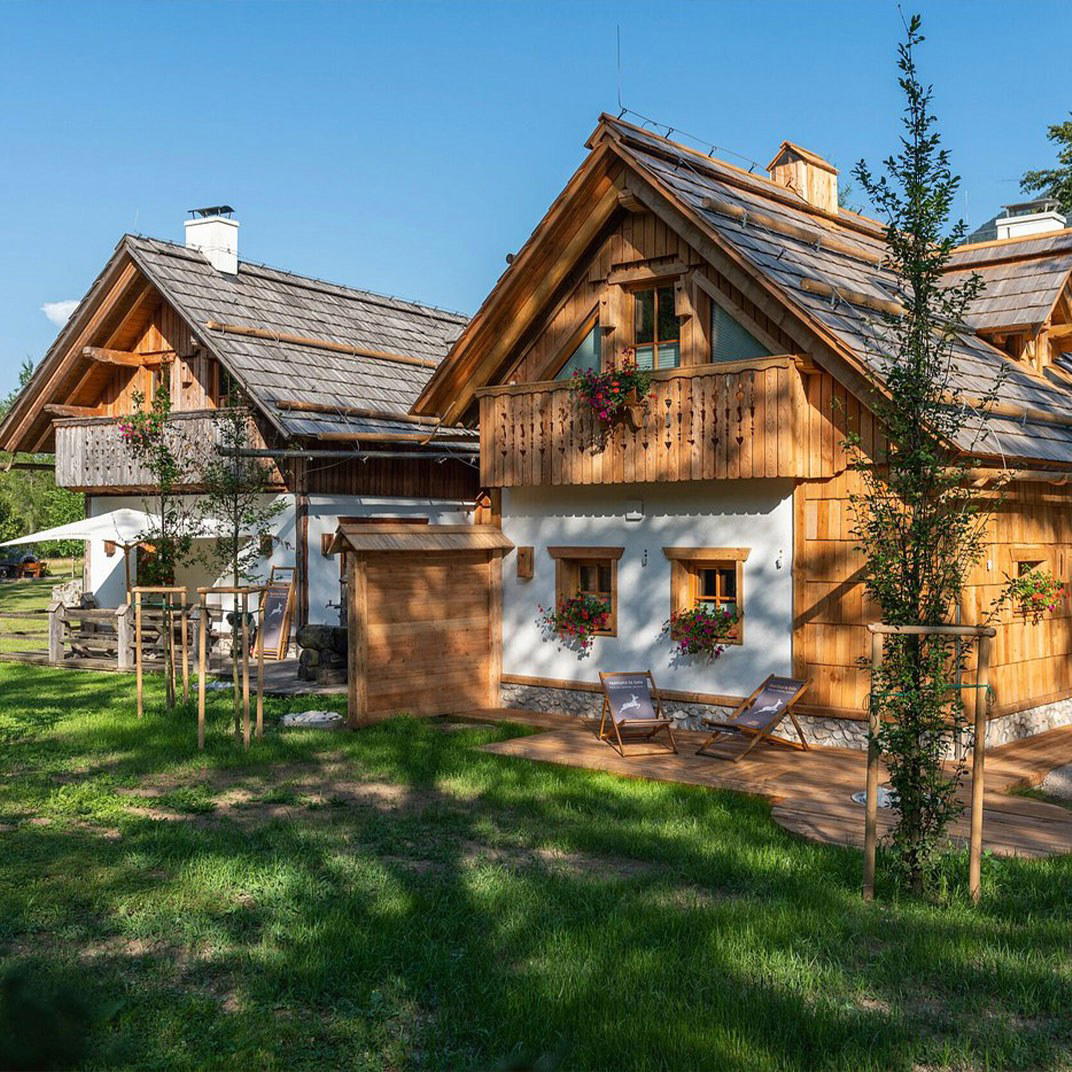
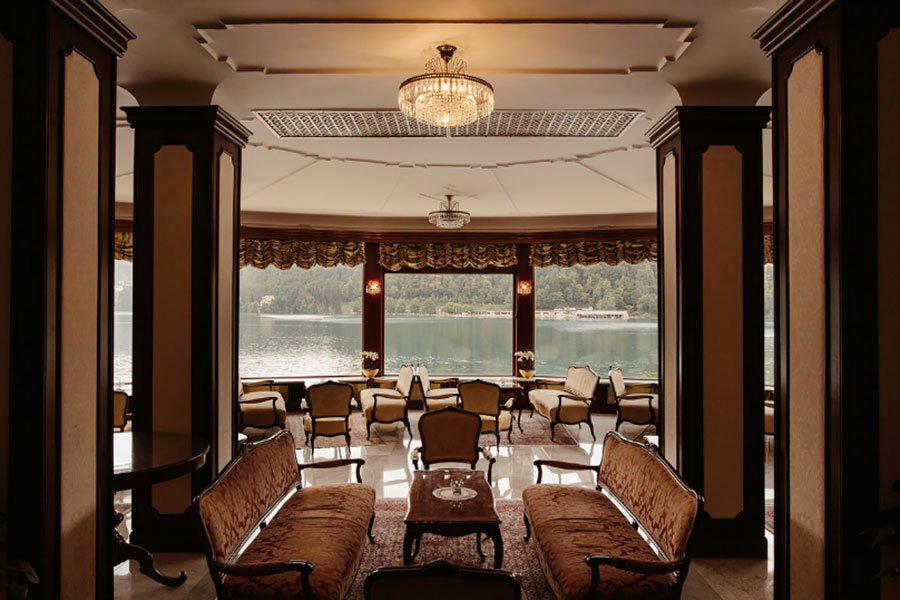
Cozy alpine hut atmosphere with warm, homely interior that evokes a mountain cottage, praised for its pleasant and inviting setting.