Maisha's Kitchen occupies a quiet address in Munich's 81539 postal district, a part of the city where neighbourhood dining operates at a remove from the tourist-facing centre. The restaurant sits in a segment of Munich's broader dining scene that rewards deliberate discovery, positioned away from the high-profile Michelin corridors that define the city's fine dining reputation.
Pearl is the En Primeur Club membership app — saves, bookings, and concierge access live there. Same editors, same standards.
- Address
- Werner-Schlierf-Straße 6, 81539 München, Germany
- Phone
- +491754021508
- Website
- maishas-kitchen.de
- Directions
- Get directions
 Saves & bookings on Pearl
Munich's Southern Neighbourhoods and the Case for Deliberate Discovery
Munich's dining identity is largely narrated through a handful of addresses clustered in the city's centre and inner districts: the grand rooms of Tantris, the Franco-creative precision of Atelier, the Japanese-German synthesis at Tohru in der Schreiberei, and the heritage-institutional weight of Alois - Dallmayr Fine Dining. That concentration at the summit end of the market shapes how visitors and local diners alike understand the city's restaurant culture. What it can obscure is the layer of neighbourhood dining that operates further out, on residential streets where the audience is primarily local and the proposition is built around regularity rather than occasion.
Maisha's Kitchen is a Latin American Fusion restaurant in Munich, Germany. Maisha's Kitchen sits on Werner-Schlierf-Straße in the 81539 postal district, in Munich's southern reaches. This is not a part of the city that appears in fine dining shortlists or generates significant press coverage, which means the dining room's audience self-selects: the people who find it are, almost by definition, the people who were looking.
What the Address Tells You
Location in a city like Munich carries immediate signal value. The 81539 district falls within Obergiesing-Fasangarten, a residential neighbourhood that sits south of the Isar and east of the more design-conscious Haidhausen. The area is defined less by restaurant culture than by apartment blocks, parks, and the kind of local infrastructure that sustains daily life. A restaurant here is not trading on foot traffic from tourists or on proximity to cultural anchors. It is trading on reputation within a community, which is a different and in some respects more demanding proposition.
For the visiting diner, the address also means a specific kind of approach is required. You arrive by deliberate intention: the U-Bahn's U2 line connects this part of the city to the centre, with Innsbrucker Ring serving the broader Giesing area, but the final stretch to Werner-Schlierf-Straße is a walk through residential streets rather than a dining district. That framing matters. The experience begins before you reach the door.
Positioning Within Munich's Broader Restaurant Spectrum
Munich's full-service fine dining tier, represented by venues like JAN, operates at a different price register and with a different set of expectations around the wine program, service formality, and tasting menu depth. The city's upper-tier cellars at those addresses are typically built around German Riesling from the Mosel and Rheingau alongside classic French regional selection, with sommeliers who hold formal qualifications and manage allocation-level stock.
Neighbourhood restaurants in Munich occupy a different position on that spectrum. Their wine programs, where they exist, tend to reflect the owner's personal relationships with producers and importers rather than institutional cellar-building.
For a visitor who has already made a reservation at one of Munich's formal dining rooms and wants to balance the itinerary with something less structured, a neighbourhood address can serve that role precisely because it does not try to replicate what the city's flagship restaurants do.
The Wine Question in Munich's Neighbourhood Tier
Germany's position in European wine culture is frequently misread by international visitors. The country's serious wine program is extensive: Riesling from the Mosel and Rhine regions, Spätburgunder (Pinot Noir) from Baden and the Pfalz, and a growing natural wine scene concentrated in cities like Berlin, where CODA Dessert Dining has built a distinct program around pairing unconventional formats with unconventional producers. Munich's neighbourhood restaurants, by contrast, tend to offer shorter, less curatorial lists, often anchored by Bavarian producers and direct Austrian imports given the city's proximity to the Austrian border.
For a restaurant like Maisha's Kitchen, the cuisine type is Latin American Fusion, and the wine list's character is inseparable from the food program. In neighbourhood settings across Munich, the pattern tends toward lists that complement a specific regional or international cuisine rather than standing as independent statements.
How to Approach This Venue
Practical information about the restaurant is limited in the page record. The restaurant is recommended for reservations and follows regular evening service. The restaurant is open Tuesday through Sunday from 5 to 10 PM and is closed on Monday.
Restaurants without a significant digital footprint in a city like Munich, where the high-visibility tier maintains active reservation systems and press presence, are typically operating at a scale and with an audience that does not require digital marketing. That can mean a small, locally embedded dining room that runs primarily on word of mouth. It can also mean a venue in transition. Both readings are plausible without additional verified data.
For those planning a Munich dining itinerary with confirmed reservations as anchors, the broader German fine dining context extends well beyond the city. Schwarzwaldstube in Baiersbronn, ES:SENZ in Grassau, and Schanz in Piesport represent regional destinations that reward the kind of deliberate travel planning that a visit to the restaurant also requires, even if the register is entirely different.
For context on what formally recognised wine programs look like at Germany's highest level, Waldhotel Sonnora in Dreis, Victor's Fine Dining by Christian Bau in Perl, and Restaurant Haerlin in Hamburg maintain cellars and sommelier programs that function as benchmarks for the category. Bagatelle in Trier offers a different angle on German wine culture given its proximity to the Mosel. For international comparison points on what wine-first dining looks like at the highest level, Le Bernardin in New York City and Atomix in New York City each demonstrate how serious programs are built around a coherent culinary identity.
Comparison Snapshot
Comparable venues nearby, for context on price, style, and recognition.
| Venue | Cuisine | Price | Notes |
|---|---|---|---|
| Maisha's KitchenThis venue — the venue you are viewing | Latin American Fusion | $$ | Not listed |
| Yummy Bowl | Healthy Customizable Bowls | $$ | Schwabing |
| Zen Panasia Cuisine | Pan-Asian Sushi | $$ | Au |
| Magari by Geisha | Modern Asian Fusion | $$$ | Haidhausen |
| Restaurant Merhaba | Traditional Turkish | $$ | Haidhausen |
| Tahdig | Authentic Persian | $$ | Lehel |
Continue exploring
More in Munich
Restaurants in Munich
Browse all →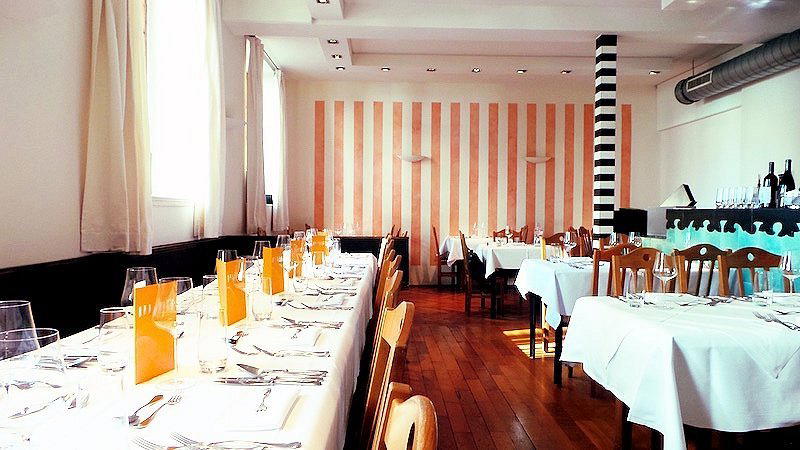
At a Glance
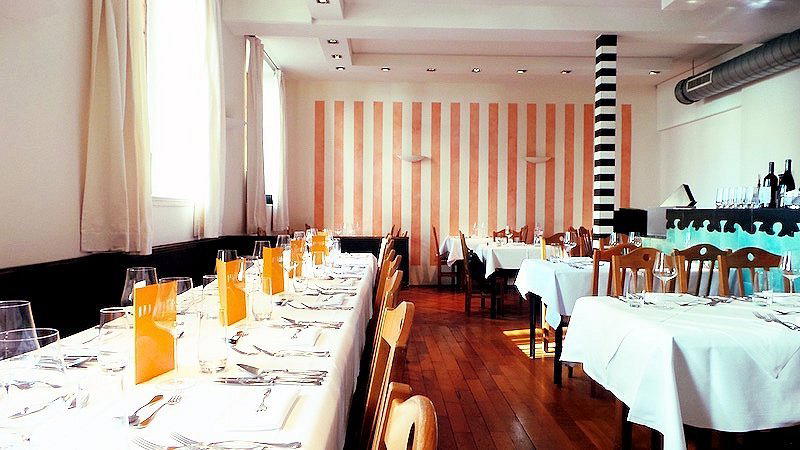
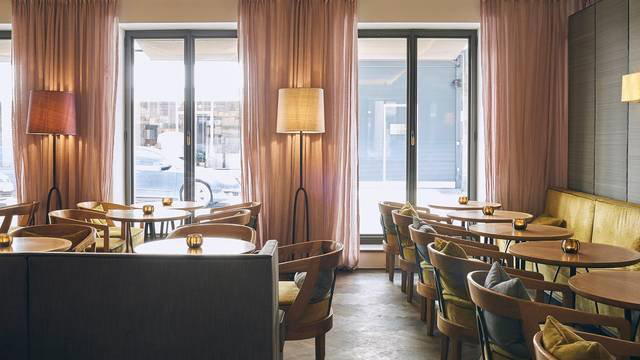
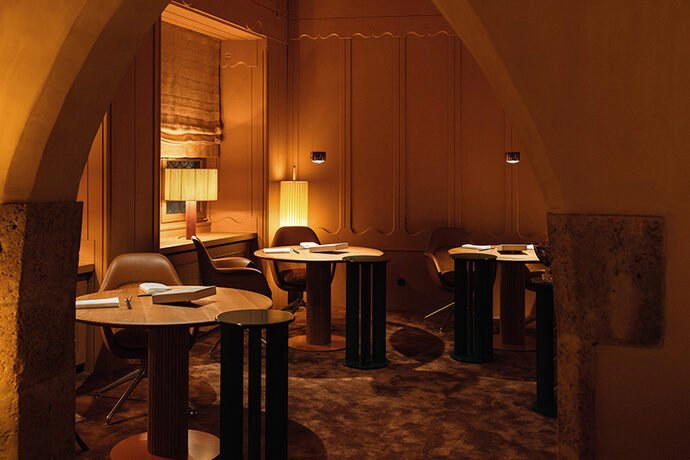
- Cozy
- Trendy
- Lively
- Casual Hangout
- Date Night
- Open Kitchen
Current opening hours
- Monday
- Closed
- Tuesday
- 5–10 PM
- Wednesday
- 5–10 PM
- Thursday
- 5–10 PM
- Friday
- 5–10 PM
- Saturday
- 5–10 PM
- Sunday
- 5–10 PM
Hours can change for holidays and private events. Last verified .
Warm and welcoming atmosphere with Latin music, attentive service, and a cozy vibe.