Yummy Bowl occupies a corner of Munich's Maxvorstadt quarter, a neighbourhood where plant-forward eating has gained serious traction among locals who treat lunch as a considered decision rather than a convenience. The address on Barer Strasse places it within walking distance of the Pinakothek museums, positioning it as a daytime anchor in a culturally dense part of the city.
Pearl is the En Primeur Club membership app — saves, bookings, and concierge access live there. Same editors, same standards.
- Address
- Barer Str. 46, 80799 München, Germany
- Phone
- +498937916360
- Website
- yummy-bowl.de
- Directions
- Get directions
 Saves & bookings on Pearl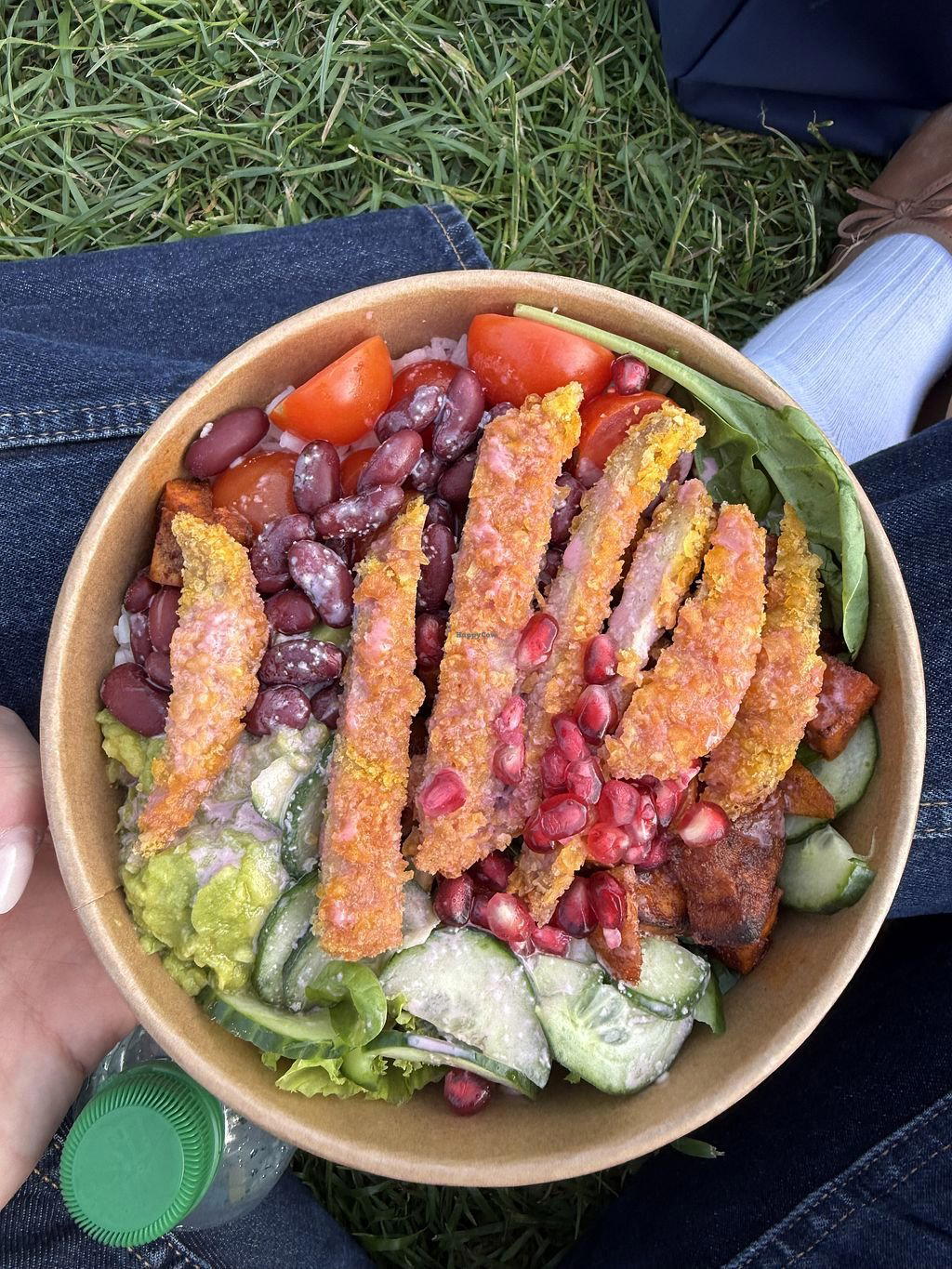
Maxvorstadt and the Rise of Considered Casual Dining
Munich's Maxvorstadt has long been shaped by its proximity to the city's museum corridor, the Alte Pinakothek, the Neue Pinakothek, and the Pinakothek der Moderne sit within a few blocks of each other along Barer Strasse. What that concentration of cultural infrastructure produces, over time, is a specific kind of neighbourhood restaurant culture: lunch-oriented, returning-customer heavy, and increasingly attentive to what goes into the bowl rather than just what appears on the plate. Yummy Bowl is a restaurant on Barer Str. 46 in Munich, serving Healthy Customizable Bowls at about $12 per person, and it sits inside that pattern. Its address is not incidental; Maxvorstadt has become one of the districts where Munich's growing appetite for plant-forward, ingredient-conscious eating has found a foothold outside the city's fine-dining tier.
This matters because Munich's casual dining scene has historically lagged behind Berlin in adopting sustainability-led formats. While Berlin venues like CODA Dessert Dining in Berlin have built recognition around unconventional, ingredient-driven thinking, Munich's middle market has been slower to move away from conventional Central European comfort formats. The bowl-and-grain category represents a structural shift in that market, and Barer Strasse is one of the streets where that shift is most visible at street level.
The Sustainability Framing in Munich's Bowl Format
Across Germany's major cities, the bowl-format restaurant has become a proxy for a broader set of values: reduced meat dependency, shorter supply chains, lower food waste through modular assembly, and portion-controlled cooking that limits over-production. The model works particularly well in urban lunch markets where customers are making repeat visits and want variation within a known framework. Munich's version of this trend has developed more quietly than Hamburg's or Berlin's, but the infrastructure, organic suppliers in the surrounding Bavarian countryside, strong regional vegetable growing, proximity to Alpine dairy, gives the city genuine sourcing advantages that a sustainability-conscious kitchen can actually use.
Germany's farm-to-table positioning has historically been strongest at the high end. Restaurants like JAN and Alois - Dallmayr Fine Dining operate in a tier where sourcing credentials are expected and financially supported by tasting-menu price points. The challenge for casual formats is applying the same sourcing rigour at a price point accessible to a daily lunch customer. That is the structural tension the bowl category is attempting to resolve, and it is the lens through which Yummy Bowl's position in Maxvorstadt is worth reading.
What the Bowl Format Actually Means for Waste Reduction
Modular bowl construction, base grain or leaf, protein or legume, roasted or pickled vegetables, sauce, is one of the more waste-efficient formats a casual kitchen can operate. Because components are prepared in batches and assembled to order, over-production is easier to monitor than in à la carte kitchens where dishes require dedicated prep cycles. Vegetable-forward menus also benefit from the full use of produce that traditional kitchens might trim aggressively: roots, skins, and stems that would be discarded in a conventional French-influenced mise en place become functional components in a bowl format.
Across Europe, this category has attracted genuine scrutiny from food journalists assessing whether the sustainability framing is substantive or cosmetic. The distinction typically comes down to supply chain transparency, whether a restaurant can name its producers, and operational discipline around batch sizing and end-of-day use of remaining inventory.
Maxvorstadt as a Dining Neighbourhood
Barer Strasse runs through one of Munich's most walkable stretches, connecting the Königsplatz area in the south to the Schwabing border in the north. The street supports a range of independent operators across multiple categories, and its daytime foot traffic, students from the nearby Ludwig Maximilian University, museum visitors, and professionals from the surrounding offices, creates a customer base that is diverse in origin but consistent in one respect: it is eating lunch deliberately rather than opportunistically. That demographic pattern rewards restaurants that offer genuine variation and a reason to return, which aligns directly with what the bowl format is designed to deliver.
For context on what the higher end of Munich dining looks like, the city's fine-dining tier is well-documented. Tantris has defined the upper register of modern French cooking in the city for decades, while Tohru in der Schreiberei represents the more recent generation of cross-cultural precision cooking that has earned international attention. Atelier sits in that same peer group. These are not Yummy Bowl's competitive references, they operate in an entirely different price tier and format, but they establish that Munich has a serious dining culture at its upper end, and the casual tier is increasingly being held to higher standards of ingredient quality and environmental accountability as a result.
Beyond Munich, Germany's restaurant scene has produced serious sustainability-forward thinking at the fine-dining level. Aqua in Wolfsburg, Schwarzwaldstube in Baiersbronn, and ES:SENZ in Grassau each represent a high-recognition approach to German produce and technique. Vendôme in Bergisch Gladbach, Victor's Fine Dining by Christian Bau in Perl, Waldhotel Sonnora in Dreis, Restaurant Haerlin in Hamburg, Schanz in Piesport, and Bagatelle in Trier round out a broader picture of where serious cooking is happening across the country. Internationally, the level of technique and sourcing rigour applied at venues like Le Bernardin in New York City or Atomix in New York City sets a reference point for what ingredient-first thinking looks like when it is fully resourced. The casual tier in any city is measured, ultimately, against what the serious tier has established as possible.
Awards and Standing
Comparable venues nearby, for context on price, style, and recognition.
| Venue | Cuisine | Price | Notes |
|---|---|---|---|
| Yummy BowlThis venue — the venue you are viewing | Healthy Customizable Bowls | $$ | Not listed |
| RYU – Fusion Kitchen | Japanese-Vietnamese Fusion | $$ | Neuhausen |
| Magari by Geisha | Modern Asian Fusion | $$$ | Haidhausen |
| Daddy Longlegs | Açaí Café & Superfood Bowls | $$ | Schwabing |
| PhoYou | Vietnamese Pho Specialist | $$ | Schwabing |
| HANS IM GLÜCK - MÜNCHEN Türkenstrasse | Gourmet Smash Burgers | $$ | Schwabing |
At a Glance
- Trendy
- Cozy
- Casual Hangout
- Local Sourcing
Current opening hours
- Monday
- 11:30 AM–8 PM
- Tuesday
- 11:30 AM–8 PM
- Wednesday
- 11:30 AM–8 PM
- Thursday
- 11:30 AM–8 PM
- Friday
- 11:30 AM–8 PM
- Saturday
- 11:30 AM–5 PM
- Sunday
- 12–8 PM
Hours can change for holidays and private events. Last verified .
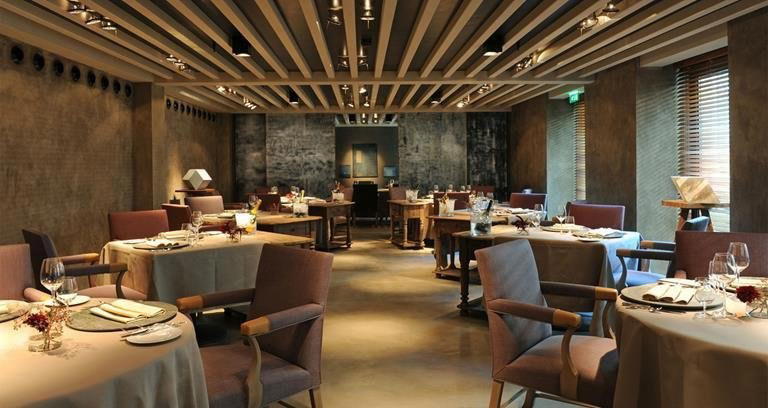
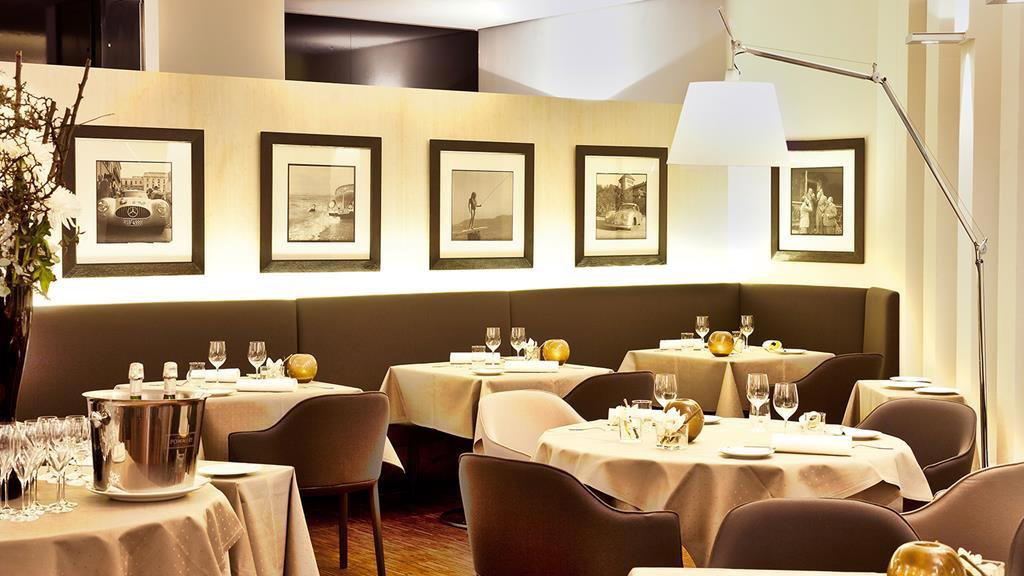
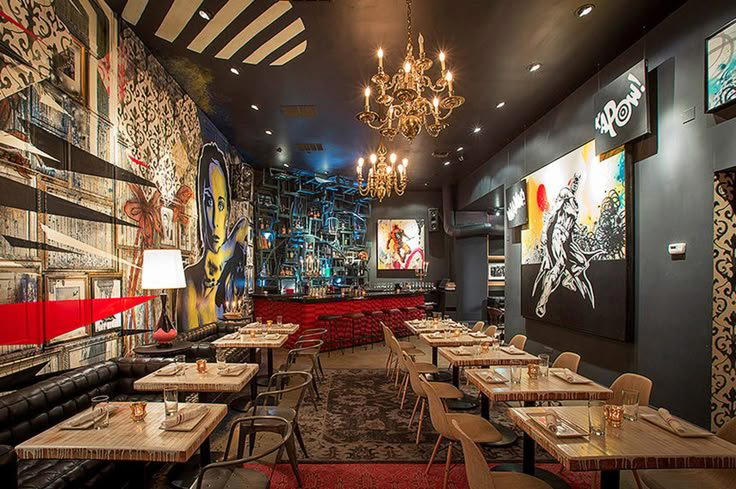
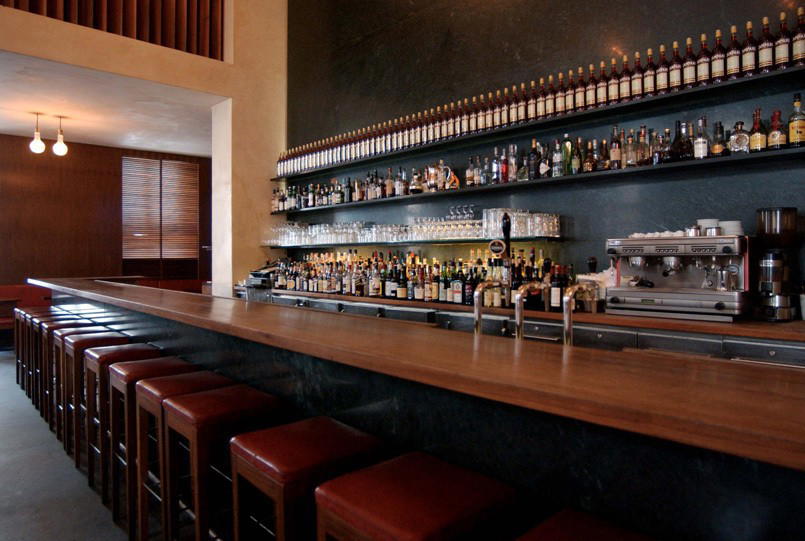
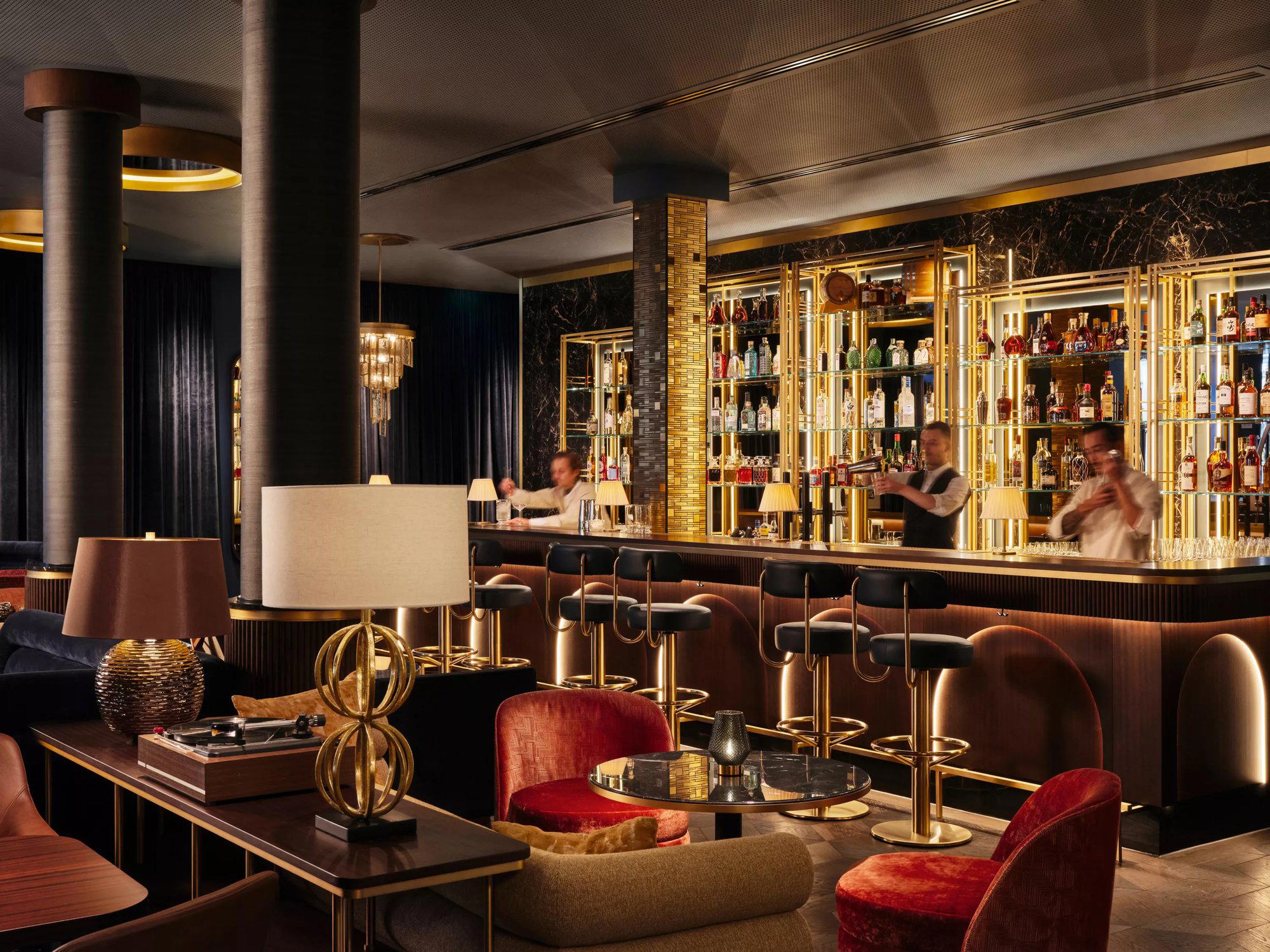
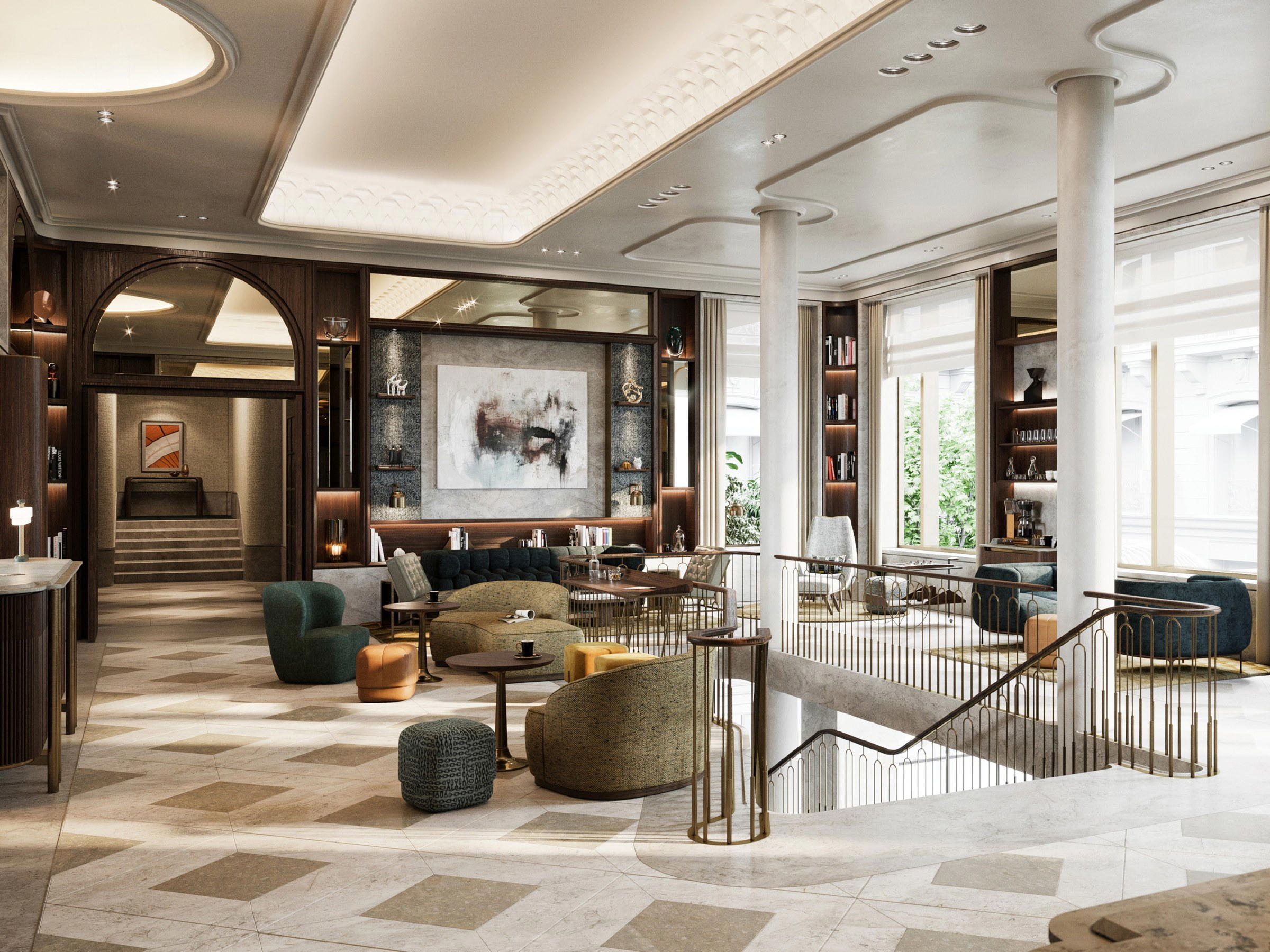
Inviting and lively with a casual, energetic atmosphere focused on fresh and healthy dining.