Magna Kainan
Magna Kainan occupies a address at 1350 40th St in Denver's RiNo corridor, drawing on Filipino culinary roots in a city where that tradition has rarely commanded serious dining attention. The name itself signals intent: 'magna kainan' translates loosely to 'great eating' in Filipino, framing the experience around communal abundance rather than fine-dining restraint. Denver's growing appetite for culturally specific cuisine makes this an address worth tracking.
- Address
- 1350 40th St, Denver, CO 80205
- Phone
- +17205248684
- Website
- magnadenver.com
- Directions
- Get directions
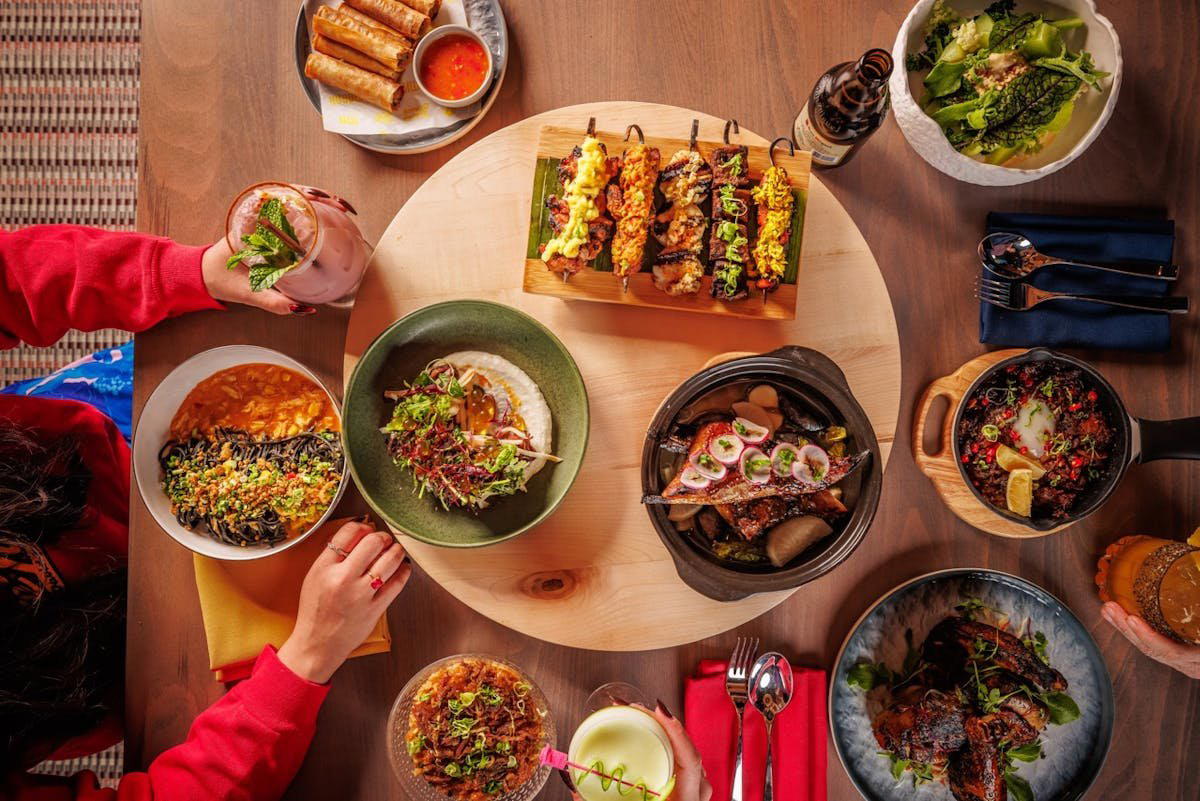
Filipino Dining and the City That Is Learning to Pay Attention
Denver's restaurant scene spent most of the last decade consolidating around a familiar set of references: New American tasting menus, farm-to-table frameworks, and the occasional international format imported wholesale from a coastal city. What has emerged more recently is a quieter shift toward cuisines with genuine cultural specificity, where the food is shaped by tradition rather than trend. Filipino cuisine sits near the center of that shift nationally, and Magna Kainan, at 1350 40th St in Denver's RiNo district, is one of the clearest local expressions of it.
RiNo itself has become contested block of Denver's dining map. It is where Brutø operates its technically ambitious contemporary tasting menu at the summit of the price tier, and where The Wolf's Tailor has built a reputation for grain-forward New American cooking with serious wine credentials. Magna Kainan enters that neighborhood not by competing on the same terms but by operating from a different set of assumptions about what a meal is supposed to do.
What Filipino Food Actually Is, and Why Denver Needed More of It
Filipino cuisine is among the more misread of Southeast Asia's major food traditions. Outside of the Philippines and its diaspora communities, it tends to be reduced to a handful of dishes, adobo, sinigang, lechon, without much acknowledgment of the breadth underneath those headlines. The cooking draws on Malay, Spanish colonial, Chinese, and American influences accumulated across centuries, producing a food culture that is simultaneously acidic, sweet, savory, and fatty in ways that resist easy categorization. Vinegar and sour tamarind broth appear alongside slow-braised pork and rice-forward plates. The structure of eating is often communal: dishes arrive together, portions are shared, and the meal is understood as a social act before it is understood as an aesthetic one.
That last point matters for how Filipino restaurants position themselves. The communal format runs counter to the tasting-menu logic that dominates the premium end of American dining at places like Beckon in Denver or, at the national level, at Alinea in Chicago and The French Laundry in Napa. Filipino dining, even at its most considered, tends to resist the sequential, single-portion format. Magna Kainan's name, which translates to something close to 'great eating', signals this explicitly. The emphasis is on abundance and sharing rather than on curation and restraint.
The Address and What It Says About the Scene
1350 40th St places the restaurant in a stretch of RiNo that has absorbed a significant amount of Denver's dining energy over the past several years. The neighborhood's industrial bones, wide streets, converted warehouses, high ceilings, create a particular kind of atmosphere that suits both the casual and the considered ends of the market. Alma Fonda Fina, which operates a serious Mexican kitchen at the accessible end of the price spectrum, and Annette, with its neighborhood-restaurant sensibility, both demonstrate that RiNo can hold multiple registers at once.
Filipino food fits that register well. It has a natural informality that does not require elaborate staging to work, but it also has enough technical complexity, in the fermentation, the slow cooking, the layering of sour and sweet, to reward the kind of attention that food-serious diners in this part of Denver are prepared to give. Nationally, Filipino restaurants have started to command that attention in earnest. Atomix in New York has demonstrated how Korean cuisine can operate at the highest tier of fine dining; Filipino cuisine is navigating a similar trajectory, though along a different path that leans into communal abundance rather than austere precision.
Denver's Broader Shift Toward Culturally Grounded Dining
The emergence of Filipino dining in Denver is part of a pattern visible in several American cities. As the tasting-menu format has matured and, in some markets, stalled, diners and restaurateurs alike have turned toward cuisines where the cultural frame does significant work. A bowl of sinigang, tamarind-soured broth with pork ribs and vegetables, carries context that a deconstructed amuse-bouche does not. The meal arrives with a story that does not need to be explained by a server.
This is where Denver's dining scene is finding some of its most interesting ground right now. The city has produced technically accomplished cooking at places with national profiles, The Wolf's Tailor being the clearest example in its peer tier, but the more durable development may be the growing number of restaurants that bring genuine cultural specificity to their format. That category includes Alma Fonda Fina on the Mexican side and, increasingly, the restaurant on the Filipino side.
For context on how Filipino cuisine is evolving at the national level, it is worth looking at how other underrepresented traditions have found their footing in American fine dining. Providence in Los Angeles and Le Bernardin in New York each built their reputations by treating a specific culinary tradition with technical seriousness over many years. Blue Hill at Stone Barns in Tarrytown and Single Thread Farm in Healdsburg have shown how place-specific ingredients can anchor a dining identity. Filipino cuisine is at an earlier stage of that process nationally, and restaurants like Magna Kainan are part of how that process unfolds in individual cities.
Accolades, Compared
Comparable venues nearby, for context on price, style, and recognition.
| Venue | Cuisine | Price | Notes |
|---|---|---|---|
| Magna KainanThis venue — the venue you are viewing | Modern Filipino | $$$ | Not listed |
| Prelude + Post | Modern American Small Plates | $$$ | Central Business District |
| Mother Other | Modern Vegan Supper Club | $$$ | Baker |
| Former Saint Craft Kitchen and Taps | Contemporary Colorado American | $$$ | Central Business District |
| Dumplin' | Italian-Asian Dumpling Fusion | $$$ | West Highland |
| Jax Fish House & Oyster Bar | Sustainable Seafood & Oyster Bar | $$$ | LoDo |
Continue exploring
More in Denver
Restaurants in Denver
Browse all →
Bars in Denver
Browse all →
Hotels in Denver
Browse all →


At a Glance
- Lively
- Trendy
- Modern
- Date Night
- Group Dining
- Special Occasion
- Open Kitchen
- Craft Cocktails
- Sake Program
Current opening hours
- Monday
- Closed
- Tuesday
- Closed
- Wednesday
- 4–9 PM
- Thursday
- 4–9 PM
- Friday
- 4–10 PM
- Saturday
- 4–10 PM
- Sunday
- 4–9 PM
Hours can change for holidays and private events. Last verified .
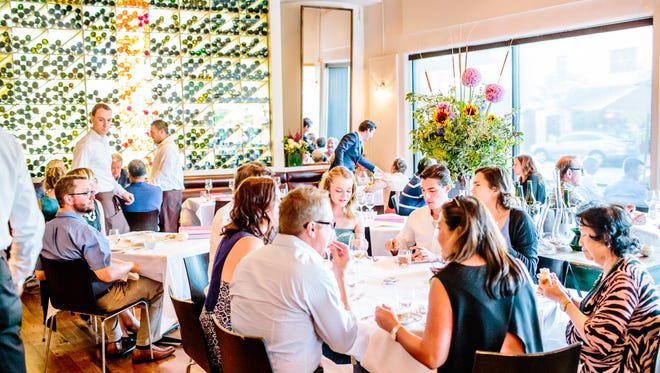
Warm and lively atmosphere with moderate noise, praised for its fun and energetic vibe.