Mother Other
Our verdict
Mother Other brings an all-plant menu and serious cocktail program to Denver's dining scene, operating in a tier where vegan fare moves well past substitution cooking into its own culinary logic. The format suits a city increasingly comfortable with ingredient-led menus that don't center protein, and the cocktail pairing philosophy gives the experience genuine depth. Check our full Denver restaurants guide for broader context.

Pearl is the En Primeur Club membership app — saves, bookings, and concierge access live there. Same editors, same standards.
- Address
- 675 S Broadway, Denver, CO 80209
- Directions
- Get directions
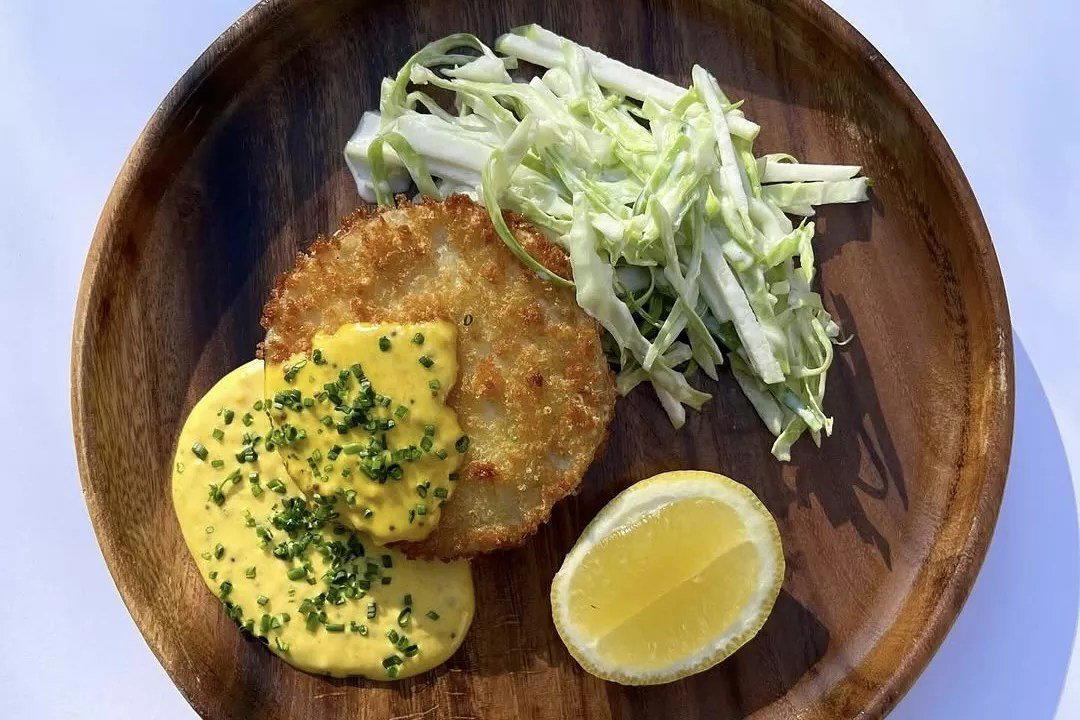
The menu
What to order
- Broccoli cheddar arancini
- Vegetable schnitzel
Plant-Forward in a Meat-Heavy City
Denver has long carried a reputation as a steak-and-brewery town, which makes the emergence of serious plant-based dining rooms here more telling, not less. Across the country, vegan restaurants have split into two distinct tiers: fast-casual formats built around familiar comfort food, and higher-ambition operations where the absence of meat is a starting point for technique rather than a constraint on it. Mother Other belongs to the second category. In a city where Brutø and The Wolf's Tailor have demonstrated that Denver diners will engage with demanding, format-driven tasting menus, a plant-based room with an integrated cocktail program reads as a logical next step rather than a curiosity.
The broader Denver dining moment matters here. Alongside Alma Fonda Fina and Beckon, the city has developed a cluster of restaurants that operate on clear culinary convictions rather than broad-appeal menus. Mother Other fits that pattern: it is not attempting to appeal to everyone, and that specificity is part of what makes it worth tracking.
The Room and What It Signals
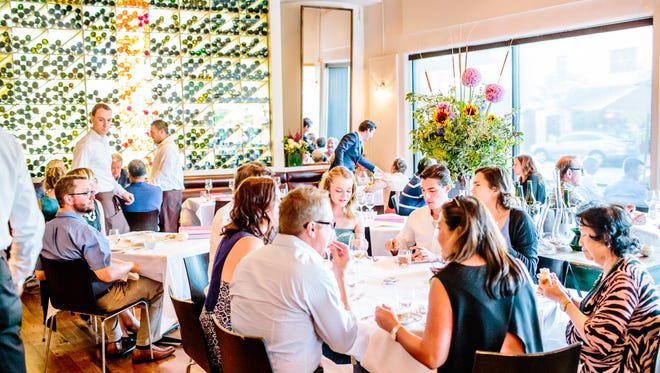
Plant-based restaurants that aim above the casual tier tend to invest in atmosphere as seriously as menu development, because the room has to carry the argument that this is a destination in its own right. The most successful examples avoid the aesthetic tropes of health-food culture — bare wood, chalkboard menus, sprout-heavy tablescapes — in favor of environments that read as genuinely grown-up dining spaces. The room functions as the first signal of intent, telling a diner whether the kitchen is operating in a specialist register before the first course arrives.
At this level, front-of-house discipline becomes inseparable from the overall impression. In the higher-ambition plant-based tier, service teams carry more explanatory weight than in conventional restaurants, because guests often arrive with less frame of reference for what they're eating. That requires fluency across the menu and the ability to guide without lecturing, a skill set closer to what you'd expect at Lazy Bear in San Francisco or Alinea in Chicago than at a neighborhood vegan café. Whether Mother Other's floor team operates at that standard is the kind of detail that determines whether a meal here becomes a reference point or just a pleasant evening.
Cocktails as a Structural Element
The pairing of plant-based food with a serious cocktail program is one of the more interesting format decisions in contemporary dining. Wine pairing logic was built around animal proteins and the fat structures that come with them; a plant-forward menu has different acidity, texture, and flavor profiles that can make conventional pairing recommendations feel approximate. Cocktails, where a skilled bartender controls sweetness, bitterness, acidity, and dilution precisely, offer more flexibility as a pairing vehicle against vegetable-led dishes.
The leading examples of this format treat the bar not as an amenity but as a co-equal department. That requires genuine collaboration between the kitchen and the bar team: the kind of cross-functional alignment that produces, say, a bitter amaro-based drink designed around fermented vegetable courses, rather than a cocktail list that simply exists alongside the food. At operations like Single Thread Farm in Healdsburg, beverage programs are built to track the menu's seasonal logic precisely. The question for Mother Other is whether its bar operates with that degree of integration or functions more independently.
Denver's cocktail culture has matured considerably over the past decade, and the city now supports bar programs that go well beyond standard spirit-and-mixer thinking. See our full Denver bars guide for a broader map of what the city's drink scene currently looks like.
Team Dynamics and the Collaboration Model
In restaurants where a single charismatic chef carries the public identity of the kitchen, the front-of-house and bar teams often play supporting roles in the narrative. Mother Other's plant-based and cocktail format structurally resists that model: the menu's success depends on alignment between whoever is driving the kitchen's vegetable sourcing and technique decisions, whoever is designing the drink pairings, and the floor team that communicates both to guests. That three-way dynamic is harder to execute than a conventional chef-led room, but when it works, it produces a more coherent dining experience because no element of the meal is operating in isolation.
The restaurants where this model has worked most convincingly tend to share a few characteristics: small teams with long tenure, menus that change frequently enough to force ongoing communication between departments, and a service philosophy that treats explanation as hospitality rather than performance. Among Denver's current cohort, Annette offers a useful comparison point for how tight team discipline shapes a dining room's overall feel. At Mother Other, the integration of food, cocktails, and service into a single coherent argument is ultimately the thing worth evaluating on any given visit.
Where Mother Other Sits in Denver's Dining Tier
Denver's restaurant market has developed a visible mid-to-upper tier over the past several years, with a cluster of serious independent rooms sitting between casual neighborhood dining and the full fine-dining format. Brutø, with its tasting menu format and sourcing rigor, anchors one end of that band. Plant-based operations have generally sat lower in the price and ambition hierarchy, which means Mother Other is attempting something less common: a plant-forward room that competes in the same tier as meat-centered tasting menus rather than positioning below them.
Globally, the precedents for this exist. Le Bernardin in New York built its reputation around a single protein category, fish, and never apologized for the constraint. The argument at Mother Other is structurally similar: that restriction, applied with enough technique and intention, produces more focused and interesting cooking than an all-encompassing menu. Whether Denver's dining public accepts that argument on the terms Mother Other proposes is the central question the restaurant is answering, table by table, service by service. Our full Denver restaurants guide maps the broader competitive field if you want to calibrate expectations before booking.
For those planning a wider Denver trip, our Denver hotels guide, Denver wineries guide, and Denver experiences guide cover the rest of the city's hospitality infrastructure in the same register.
Planning Your Visit
Given the format and the city's growing appetite for this tier of dining, booking ahead is advisable rather than optional. Plant-based rooms at this level tend to run smaller services than volume-driven restaurants, which means availability can tighten quickly around weekends. Current hours, reservation method, and pricing are best confirmed directly with the venue before visiting, as these details can shift with menu cycles. If you're approaching Denver as a multi-day dining trip, Mother Other pairs naturally in sequence with Beckon or The Wolf's Tailor for a useful cross-section of how the city's serious independent rooms are currently thinking about format and ingredient sourcing.
Frequently asked questions
Is Mother Other in Denver worth visiting if you're not vegan?
Mother Other's plant-based format is increasingly attracting guests who don't identify as vegan but are interested in what skilled kitchens can do without animal products. In a city better known for steakhouses and breweries, a serious vegan dining room with a structured cocktail program is a genuinely different kind of restaurant to put against the rest of Denver's upper-tier independent scene.
What should I order at Mother Other?
Because Mother Other's plant-based menu operates without a conventional protein centerpiece, the cocktail pairings are worth treating as part of the meal rather than an afterthought. Denver's vegan dining rooms at this level of ambition tend to build their strongest statements through composed vegetable courses and bar-driven pairings, so ordering across both sides of the menu gives the full picture of what the kitchen and bar are doing together.
Do I need a reservation for Mother Other?
Booking ahead is advisable. Plant-based restaurants with this level of cocktail programming in Denver run smaller services than casual restaurants, and the format draws both vegan diners and curious non-vegans, which compresses available seats.
Comparable Options
Comparable venues nearby, for context on price, style, and recognition.
| Venue | Cuisine | Price | Awards | Notes |
|---|---|---|---|---|
| Mother OtherThis venue — the venue you are viewing | Modern Vegan Supper Club | $100–150 | Not listed | Not listed |
| The Corner Beet | Vegetarian Cafe | $10–20 | Not listed | Capitol Hill |
| range | New American West | Not listed | Wine Spectator Award of Excellence | Central Business District |
| OK Yeah | Contemporary Korean-American Cocktails & Hand Rolls | $30–50 | Not listed | Berkeley |
| Ellyngton's | Classic American Breakfast & Brunch | Not listed | Not listed | Central Business District |
| The Plimoth | Modern American with European Influences | $50–100 | Not listed | Skyland |
Continue exploring
More in Denver
Restaurants in Denver
Browse all →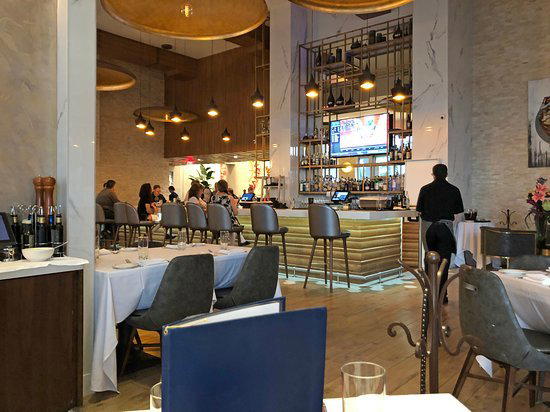
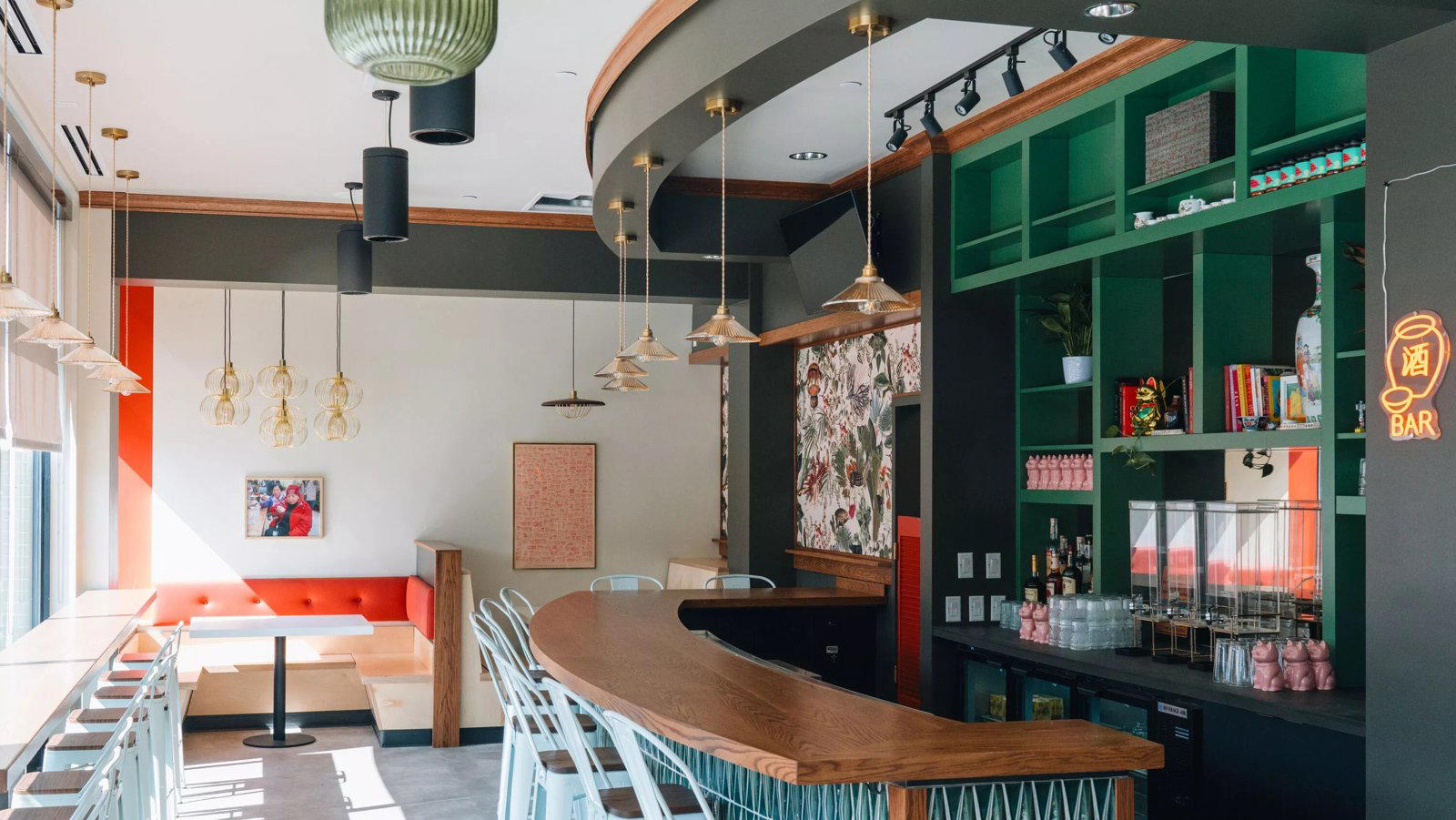
Bars in Denver
Browse all →
Hotels in Denver
Browse all →



Details
- Intimate
- Cozy
- Modern
- Special Occasion
- Chefs Counter
- Open Kitchen
- Byob
- Local Sourcing
- Farm To Table
- Prix Fixe
- Vegan Options
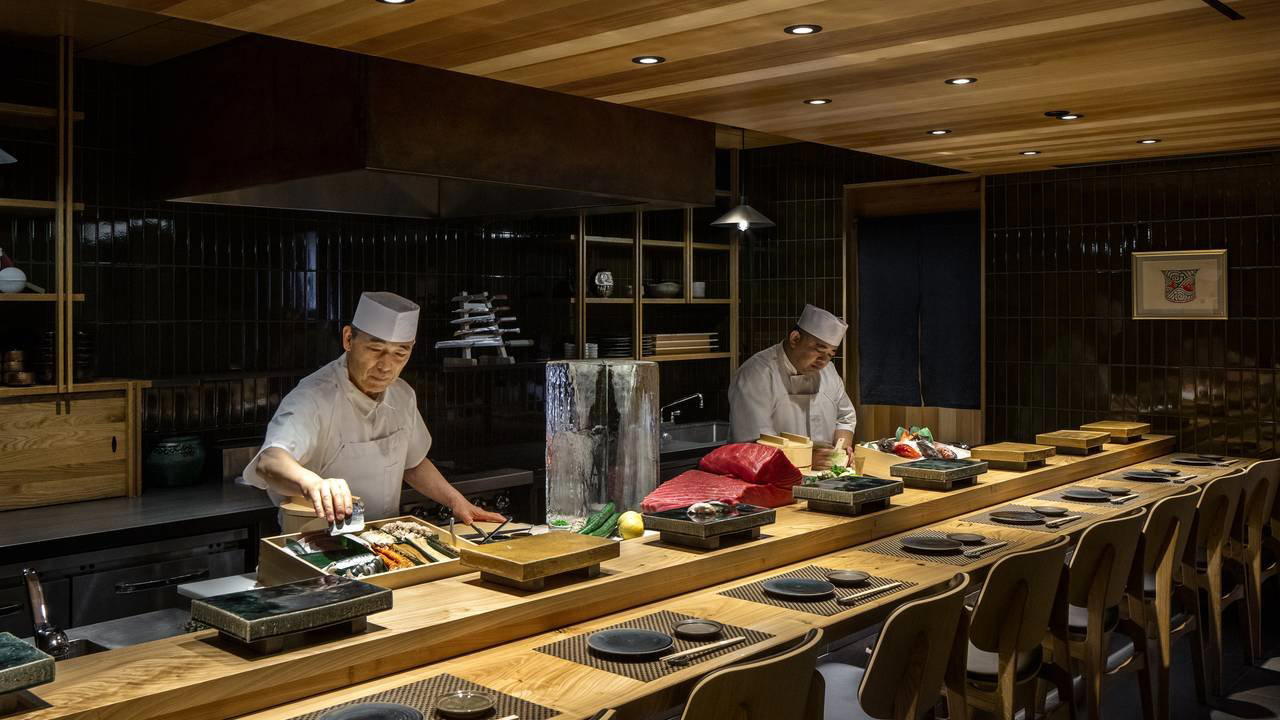
Dimly-lit room fostering a home-like, intimate atmosphere where guests watch the chef prepare dishes.