
madras meals gives Kawasaki a serious South Indian address rather than a generic curry stop. The draw is a vegetable-forward, spice-led menu with vegetarian options, halal food, English menu support, and repeated Tabelog 100 recognition across curry and Asian・Ethnic categories.
Pearl is the En Primeur Club membership app — saves, bookings, and concierge access live there. Same editors, same standards.
- Address
- 神奈川県川崎市中原区上丸子八幡町816 山本ビル1F
- Phone
- +81447500438
- Website
- tabelog.com
 Saves & bookings on Pearl
Shin-Maruko’s side streets change quickly: commuter rhythm near the station, then modest ground-floor restaurants whose cooking has more personality than the frontage suggests. Here, madras meals represents an increasingly visible Kawasaki and Musashi-Kosugi strand: regional Asian cooking for regular local use, not occasion dining. It is a compact South Indian kitchen speaking through spice, vegetables, curry, rice, and drink-friendly plates, with dietary structure that makes it more useful than many casual Indian restaurants in Japan.
Kawasaki’s restaurant map is often read through ramen, yakiniku, izakaya, and station convenience. That misses a quieter Toyoko Line pattern: small specialist restaurants serving neighborhoods between central Tokyo and Yokohama. For context, our full Kawasaki restaurants guide tracks the area from bakeries and curry counters to higher-spend dining. Nearby Belmatine, Boulangerie Metier Pa-ku shiti musashi kosugi za ga-den, Buta Boshi, and C'EST UNE BONNE IDEE! show the immediate dining radius’s variety.
South Indian cooking with vegetables at the center
South Indian restaurants in Japan have often had to define themselves against the default image of North Indian curry, naan, and butter-rich gravies. The distinction matters. Traditions associated with Tamil Nadu, Kerala, Karnataka, Andhra Pradesh, and Telangana use rice, lentils, fermented batters, coconut, tamarind, curry leaves, mustard seed, and dried chilli in a different grammar. Vegetable dishes are not afterthoughts; they are part of the meal’s architecture.
That is madras meals’ clearest editorial case. Its categories are Indian, Indian curry, and vegetable dishes, and its food notes include vegetarian options, allergy information, and a health-and-wellness menu. In Japan, where vegetarian clarity can be inconsistent outside major hotel restaurants and specialist counters, those details move the restaurant beyond a curry listing into practical regional cooking. Halal food is also listed, widening the audience without diluting the format.
The sourcing story is less about named farms than ingredient priorities. A vegetable-led South Indian format depends on pulses, grains, fresh and cooked vegetables, dairy or coconut elements, and spice sequencing rather than the large protein centerpiece common to many Western dining templates. The meal structure is flexible: suitable for diners avoiding meat, useful for mixed groups, and able to carry heat and acidity without luxury produce. It also explains why the restaurant sits comfortably in Asian・Ethnic, not merely curry.
Tabelog recognition reinforces that distinction. The restaurant was selected for Tabelog Asian cuisine・Ethnic cuisine EAST “Tabelog 100” in 2024, 2023, and 2022, after earlier selections for Tabelog Curry EAST “Tabelog 100” in 2020 and 2019. Recognition began through curry, then moved into the broader Asian and ethnic category, mirroring Japanese diners’ growing fluency in regional South Asian formats.
A small room built for neighborhood frequency, not ceremony
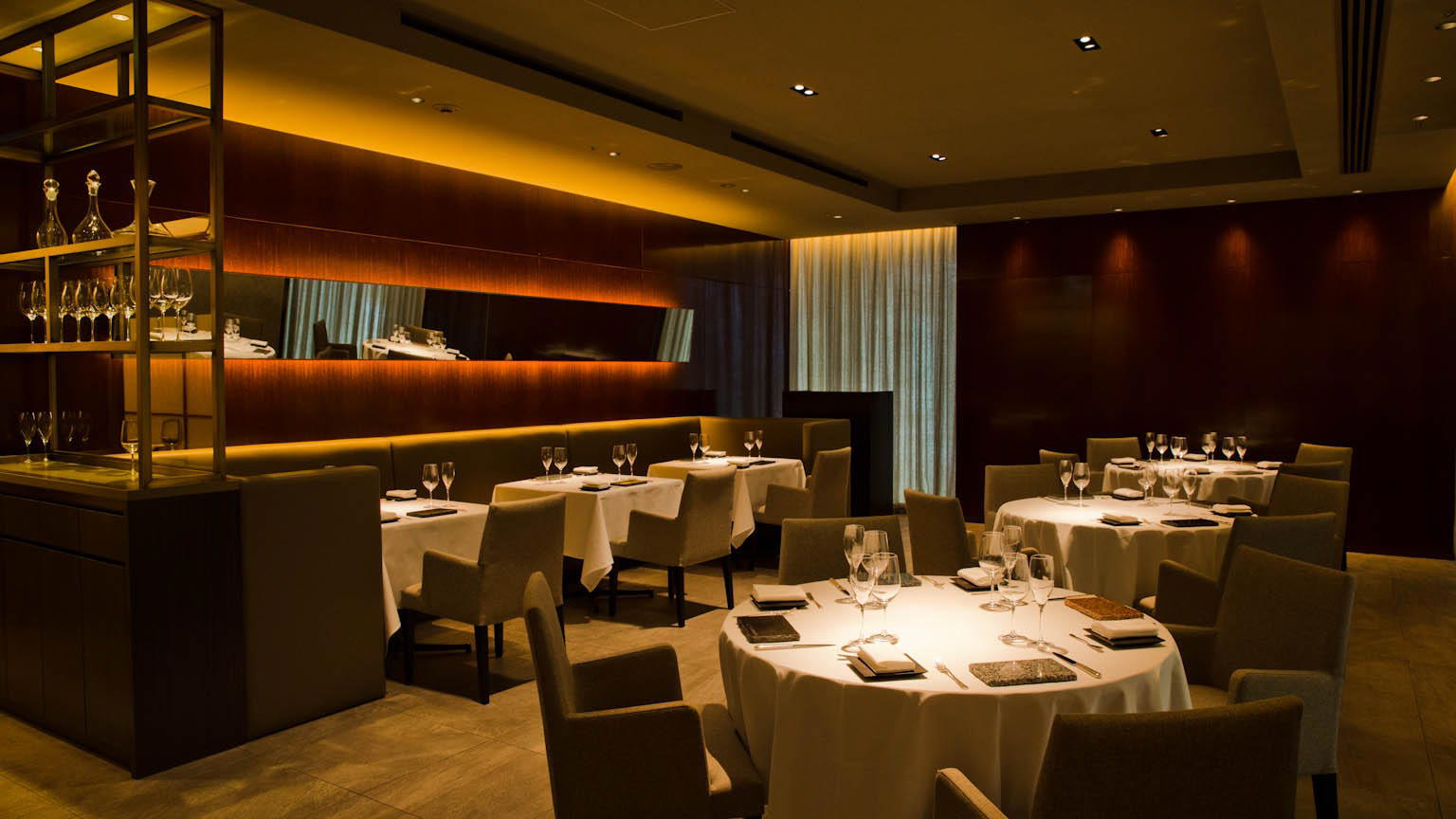
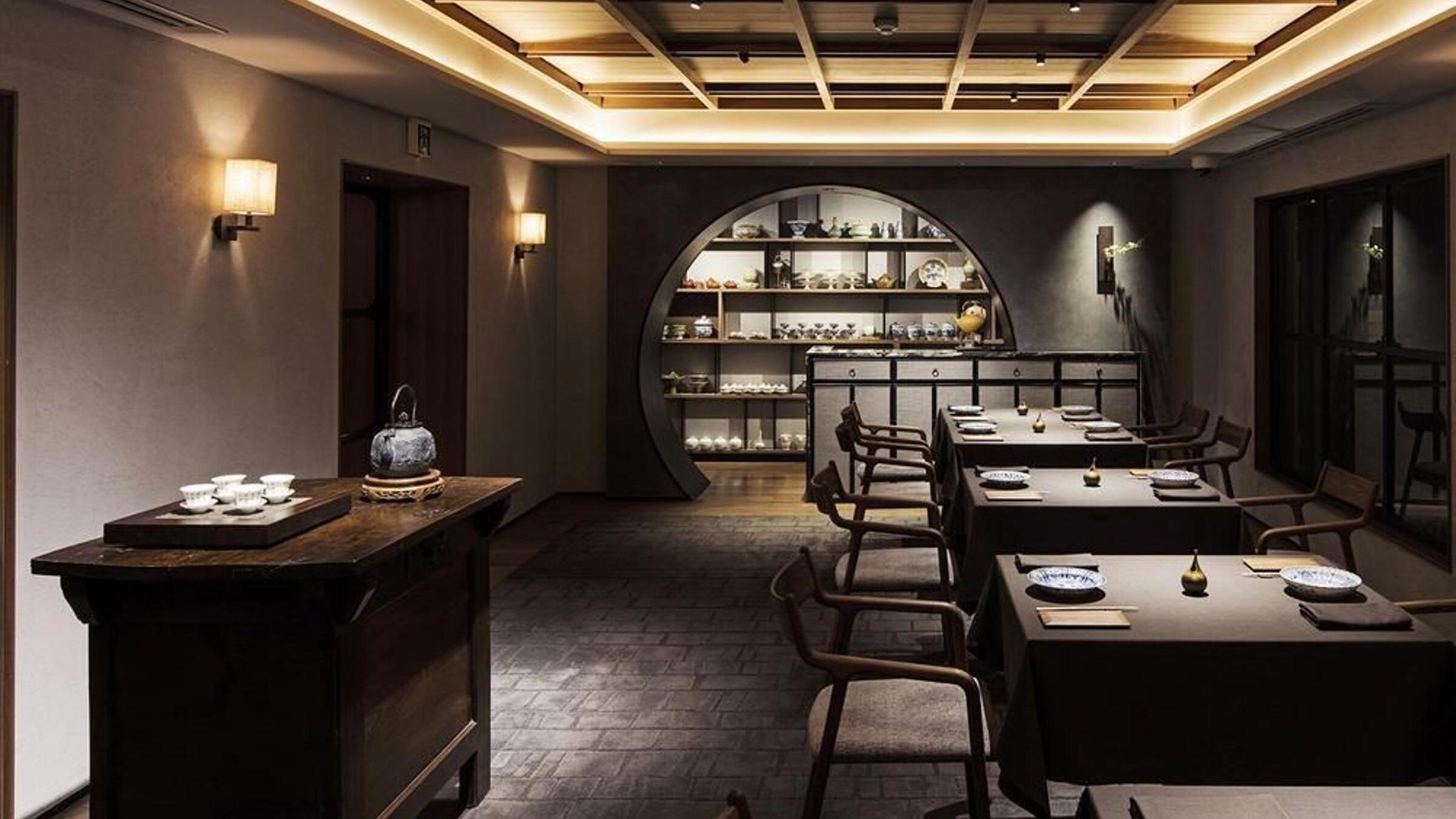
The room is compact: 22 seats, with counter seating, sofa seating, and a raised tatami area described as semi-private rather than a sealed private room. The scale suits the cooking. South Indian food rewards repeat visits, with combinations adjusted to appetite, heat tolerance, and dietary preference. A 22-seat room feels like a neighborhood specialist, not a downtown destination built around long menus and formal service choreography.
Compared with Kawasaki peers, the positioning is clear. (Shoku) Vietnam points to the city’s wider appetite for regional Asian cooking, while KOSUGI CURRY and Kerala Kitchen sit closer to the everyday curry lane. Krua Prik Thai occupies another Southeast Asian register, and UCHIDA‐TEI sits in a higher-spend bracket. madras meals competes not on luxury signals, but on specificity, dietary breadth, and repeated external recognition.
Drink service matters. Wine and cocktails are listed, with particular attention to wine, placing dinner closer to a casual spice-and-drinks format than a quick lunch-only curry shop. In Kawasaki, neighborhood restaurants are judged by usefulness across occasions: solo counter meal, family dinner, friends’ night out, or a low-key stop before moving on. The restaurant is family friendly, with school-age children welcome and a kids menu, though stroller space is not part of the setup.
For travelers using Kawasaki as a base rather than a day-trip footnote, the surrounding EP Club city pages help frame the stay: our full Kawasaki hotels guide, our full Kawasaki bars guide, our full Kawasaki wineries guide, and our full Kawasaki experiences guide. The geographic point is simple: Kawasaki rewards diners who move beyond main station zones and treat smaller rail stops as part of the eating map.
Where it fits in a Japan-wide curry conversation
Japan’s curry culture contains school-lunch curry rice, katsu curry, spice-curry shops, Nepali-Indian restaurants, Sri Lankan plates, and South Indian meals. The more interesting recent development is segmentation. Diners no longer treat “Indian curry” as one category; they notice dosas, meals, biryani, regional thali structures, and vegetable cooking with more precision. Restaurants like this benefit from that literacy.
The Kawasaki address also avoids central-city hype distortion. Tokyo and Osaka draw the loudest queues, but suburban and satellite-city specialists often show what a cuisine looks like when integrated into weekly life. For comparison across Japan’s wider casual and specialist spectrum, EP Club’s restaurant archive ranges from [Curry Senmon Ten] Maruyama Kyoju. in Sapporo to [ki:] in Kyoto.cafe in Osaka.know in Kumamoto, -Grilled beef Sukiyaki- KAMAKURA TANUKIAN 鎌倉 たぬき庵 in Kamakura, and. 鮪と炭火焼き うお炭 秋葉原店 in Tokyo.
There is a diaspora echo too. Japanese food abroad is often discussed through sushi and ramen, but casual specialist formats now travel both ways: rice balls, sake bars, curry counters, and regional Asian cooking all shape how diners read comfort and precision. Jōdo Saké Bar in Los Angeles and Onigiri Time in Pasadena sit far from Kawasaki, yet underline the same point: focused everyday formats can carry serious cultural information without formal dining codes.
The editorial read is simple. For a diner looking at Kawasaki through ingredients rather than status, the restaurant has the stronger claim when the brief calls for South Indian spice, vegetable-led options, halal flexibility, and a small-room neighborhood pace. The repeated Tabelog 100 selections give it a verifiable signal; the more persuasive argument is how neatly it fits the Toyoko Line’s regular regional Asian dining life.
A Quick Peer Check
Comparable venues by cuisine and price in the same metro.
| Venue | Cuisine | Price | Notes |
|---|---|---|---|
| madras mealsThis venue — the venue you are viewing | South Indian curries and veg meals | $$ | Not listed |
| Kerala Kitchen | Authentic South Indian / Kerala cuisine | $$ | Nakahara-ku (Musashi-Kosugi / Shin-Maruko) |
| Kayu Nabou | Traditional Cantonese congee & dim sum | $$ | Musashi-Kosugi |
| Ramen Marusen | Traditional Ramen Shop | $ | Musashi-Kosugi |
| Match Bo Mizonokuchi ten | Wakayama-style ramen | $ | Takatsu-ku |
| Krua Prik Thai | Authentic Isaan Thai & Curry | $$ | Musashi-Kosugi / Shin-Maruko |
Recognition history
Dated appearances from independent guides and award organizations, with the underlying list record or original source where available.
Tabelog 100 #38 · No. 38
Tabelog · Tabelog 100 - Asian cuisine / Ethnic cuisine - EAST - 2024












At a Glance
- Cozy
- Lively
- Casual Hangout
- Family
- Group Dining
- After Work
- Solo
- Standalone
- Extensive Wine List
- Craft Cocktails
Current opening hours
- Monday
- 11:30 AM–2:30 PM, 5:30–9:30 PM
- Tuesday
- Closed
- Wednesday
- 11:30 AM–2:30 PM, 5:30–9:30 PM
- Thursday
- 11:30 AM–2:30 PM, 5:30–9:30 PM
- Friday
- 11:30 AM–2:30 PM, 5:30–9:30 PM
- Saturday
- 11:30 AM–2:30 PM, 5:30–9:30 PM
- Sunday
- 11:30 AM–2:30 PM, 5:30–9:30 PM
Hours can change for holidays and private events. Last verified .
Small, non-smoking hideaway with counter, sofa, and tatami seating, a relaxed and friendly atmosphere, and a casual neighborhood feel suited to families, friends, and solo diners.