
Krua Prik Thai brings Kawasaki’s Thai-and-curry category into a tighter, more serious register: small scale, evening service, and Tabelog 100 Asian cuisine / Ethnic cuisine EAST recognition in 2022, 2023, and 2024. Its reputation sits less on luxury cues than on the Japanese dining ritual of committing to a focused room, a defined cuisine, and a price tier that rewards repeat local use.
Pearl is the En Primeur Club membership app — saves, bookings, and concierge access live there. Same editors, same standards.
- Address
- 1 Chome-1401 Kamimarukosannocho, Nakahara Ward, Kawasaki, Kanagawa 211-0002, Japan
- Phone
- +81 44-433-6363
- Website
- erx2.suki-ari.net
 Saves & bookings on Pearl
Approach this part of Nakahara Ward and the rhythm changes from central Tokyo’s performance dining to something more local and compact. Around Musashi Kosugi and Shin-Maruko, dinner often happens in small rooms rather than grand dining rooms: tables set close, groups arriving after work, and meals built around pacing rather than spectacle. Krua Prik Thai belongs to that Kawasaki register, where Thai cooking and curry sit inside the everyday restaurant culture of the Tokyu corridor rather than being treated as a special-occasion import.
That matters because Thai food in Japan often splits into two tracks. One side is quick lunch curry, efficient and price-sensitive. The other is an evening format where the meal is slower, table-led, and better suited to ordering across several dishes. This address is clearly in the second camp. The listed dinner spend sits at JPY 3,000 to JPY 3,999, which places it above the casual curry bracket represented by KOSUGI CURRY and madras meals, but far below Kawasaki’s more formal dining tier such as UCHIDA‐TEI. That middle band is where regulars can order with range without turning the meal into ceremony.
Thai and curry in Kawasaki's middle-price dining ritual
The useful way to read the room is not as a chef-driven destination, but as evidence of how ethnic dining has matured in commuter cities around Tokyo. Kawasaki’s restaurant culture absorbs office workers, residents, and rail-line diners; it rewards places that can be casual without feeling disposable. Thai and curry menus fit that pattern because they allow a table to move between shared plates, rice-based comfort, spice, and drinks without the rigid sequence of a tasting menu.
Krua Prik Thai’s Tabelog 100 Asian cuisine / Ethnic cuisine EAST selection in 2024 gives that local format a measurable signal. The same recognition appears for 2022 and 2023, which matters more than a single-year flash: repeat selection suggests consistency inside a competitive category that covers a broad eastern Japan field. Its Tabelog score is 3.57, a number that reads differently in Japan than on international platforms; diners should treat it as a marker of steady local approval rather than a luxury ranking.
The cuisine category is listed as Thai and curry, a pairing that makes sense in Japan’s dining vocabulary. Curry is not a side note here; it is one of the languages through which non-Japanese food has been domesticated, compared, and revisited across the country. For readers mapping Kawasaki through that lens, the city offers several price points and moods: bakery culture at Boulangerie Metier Pa-ku shiti musashi kosugi za ga-den, casual meat-led comfort at Buta Boshi, French-leaning neighborhood dining at C'EST UNE BONNE IDEE!, and lower-priced everyday options such as Belmatine. The Thai-and-curry table sits between these poles: less snack-driven than bakery or café dining, less formal than a multi-course Western meal.
A small table-only room changes how the meal works
Scale shapes the ritual. The restaurant lists 18 seats, arranged as four four-seat tables and two two-seat tables. That configuration pushes the experience toward groups and pairs rather than counter solo dining. It also changes ordering behavior: a table can share across the menu, pace the meal with drinks, and avoid the single-bowl logic of a faster curry stop. The absence of private rooms keeps the format public and compact, while private use is listed as available, a detail that makes sense for a room of this size.
The room is also non-smoking, a practical but meaningful distinction in Japan’s small-restaurant scene. Shochu appears among the drinks, which places the meal inside Japanese drinking habits rather than a strictly Thai beverage frame. Karaoke is listed among the space and facilities, another reminder that local dining rooms in Japan often blur the boundary between restaurant, social room, and after-work gathering. None of this turns the meal into nightlife; it simply locates it in Kawasaki’s habit of making dinner social without requiring a formal bar sequence.
Readers coming from Tokyo should recalibrate expectations. This is not the architecture of Ginza dining, nor the reservation theatre of a counter omakase. It is a neighborhood-scale restaurant with national-category recognition, a combination that often carries more practical value than polish. The useful comparison is not with luxury Thai dining, but with the dependable ethnic restaurants that anchor residential rail hubs: the places that become part of weekly life because the bill, room size, and pacing all allow return visits.
How to place it within a Kawasaki food itinerary
For a broader read on the city, start with Our full Kawasaki restaurants guide, then build around the rail corridor rather than treating Kawasaki as a single dining district. Musashi Kosugi and Shin-Maruko have their own cadence: commuters, families, compact independent rooms, and restaurants that work harder on repeatability than spectacle. Krua Prik Thai fits that map as an evening Thai-and-curry option with recognized standing inside the Asian and ethnic category.
That makes it useful before or after a wider Kawasaki itinerary, especially for travelers who prefer a meal that reflects local dining behavior rather than a heavily staged destination. Visitors comparing categories can also scan Our full Kawasaki hotels guide, Our full Kawasaki bars guide, Our full Kawasaki wineries guide, and Our full Kawasaki experiences guide to understand how the city works beyond dinner.
Within Japan’s wider restaurant map, the reference points become more varied. Vietnamese cooking appears nearby in the broader EP Club archive through (Shoku) Vietnam, while regional and international comparisons stretch from -Grilled beef Sukiyaki- KAMAKURA TANUKIAN 鎌倉 たぬき庵 in Kamakura to. 鮪と炭火焼き うお炭 秋葉原店 in Tokyo.cafe in Osaka.know in Kumamoto, [Curry Senmon Ten] Maruyama Kyoju. in Sapporo, and [ki:] in Kyoto. Across the Pacific, Japanese-inflected drinking and casual food culture continue through Jōdo Saké Bar in Los Angeles and Onigiri Time in Pasadena. The restaurant’s role in that spread is precise: a Kawasaki table where Thai and curry cooking are treated as part of regular urban dining, not as novelty.
Category Peers
Nearby venues at a similar price tier for orientation.
| Venue | Cuisine | Price | Notes |
|---|---|---|---|
| Krua Prik ThaiThis venue — the venue you are viewing | Authentic Isaan Thai & Curry | $$ | Not listed |
| FUJIMORI Saginuma ten | Japanese Bakery Café | $$ | Saginuma |
| Curry House Delhi | Japanese curry house | $$ | Mizonokuchi |
| Menya Deko | Niboshi Ramen & Tsukemen | $$ | Shin-Maruko / Musashi-Kosugi |
| Yakiniku Horumon Beef Boss | Omakase Wagyu & Horumon Yakiniku | $$$ | Kawasaki-ku |
| Teuchi Chuka Soba Sakata | Handmade Chuka Soba Ramen | $ | Kawasaki-ku |
Recognition history
Dated appearances from independent guides and award organizations, with the underlying list record or original source where available.
Tabelog 100 #27 · No. 27
Tabelog · Tabelog 100 - Asian cuisine / Ethnic cuisine - EAST - 2024











At a Glance
- Cozy
- Intimate
- Group Dining
- Casual Hangout
- After Work
- Late Night
- Solo
- Standalone
Current opening hours
- Monday
- 5 PM–12 AM
- Tuesday
- Closed
- Wednesday
- 5 PM–12 AM
- Thursday
- 5 PM–12 AM
- Friday
- 5 PM–12 AM
- Saturday
- 5 PM–12 AM
- Sunday
- 5 PM–12 AM
Hours can change for holidays and private events. Last verified .
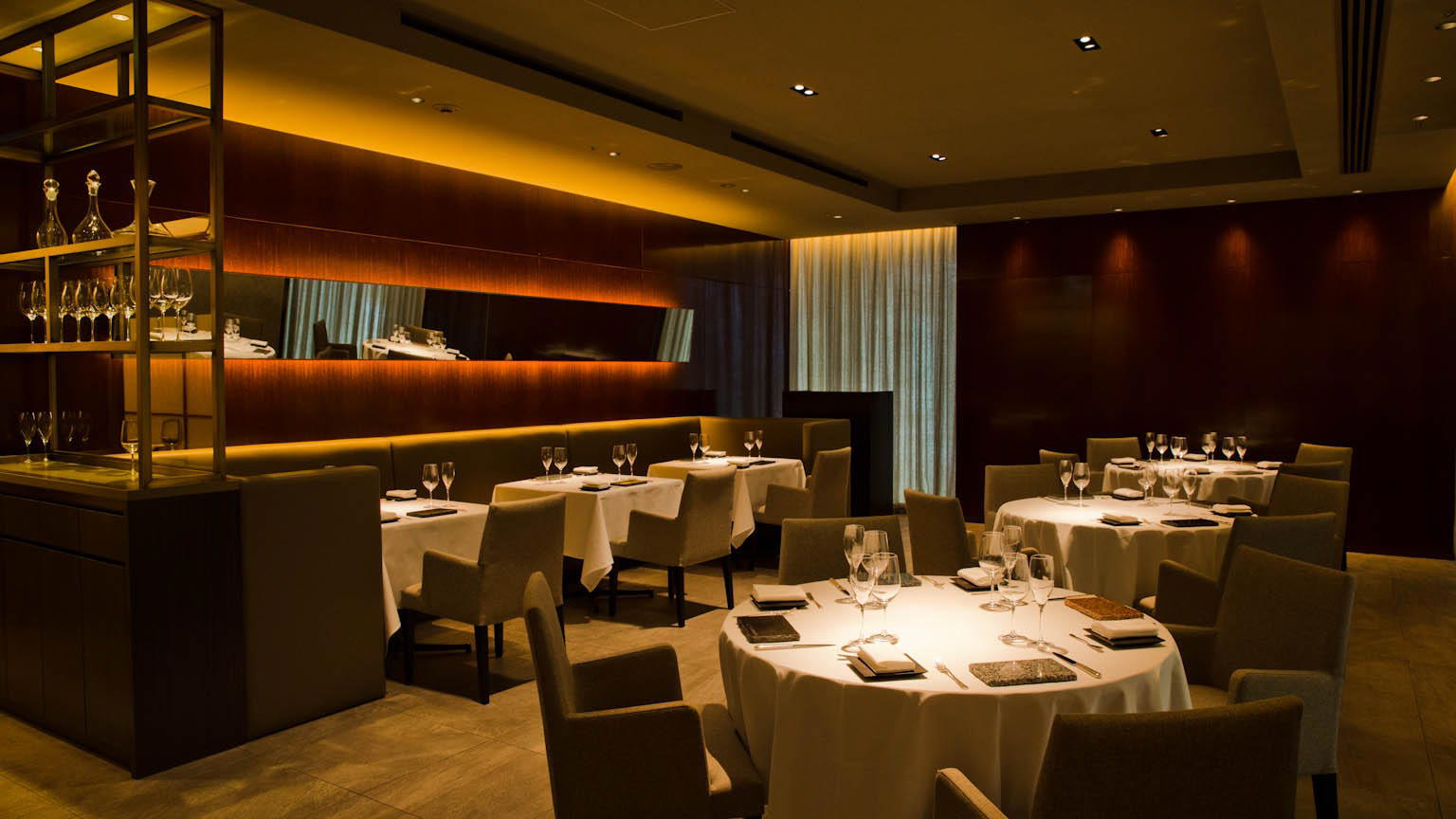
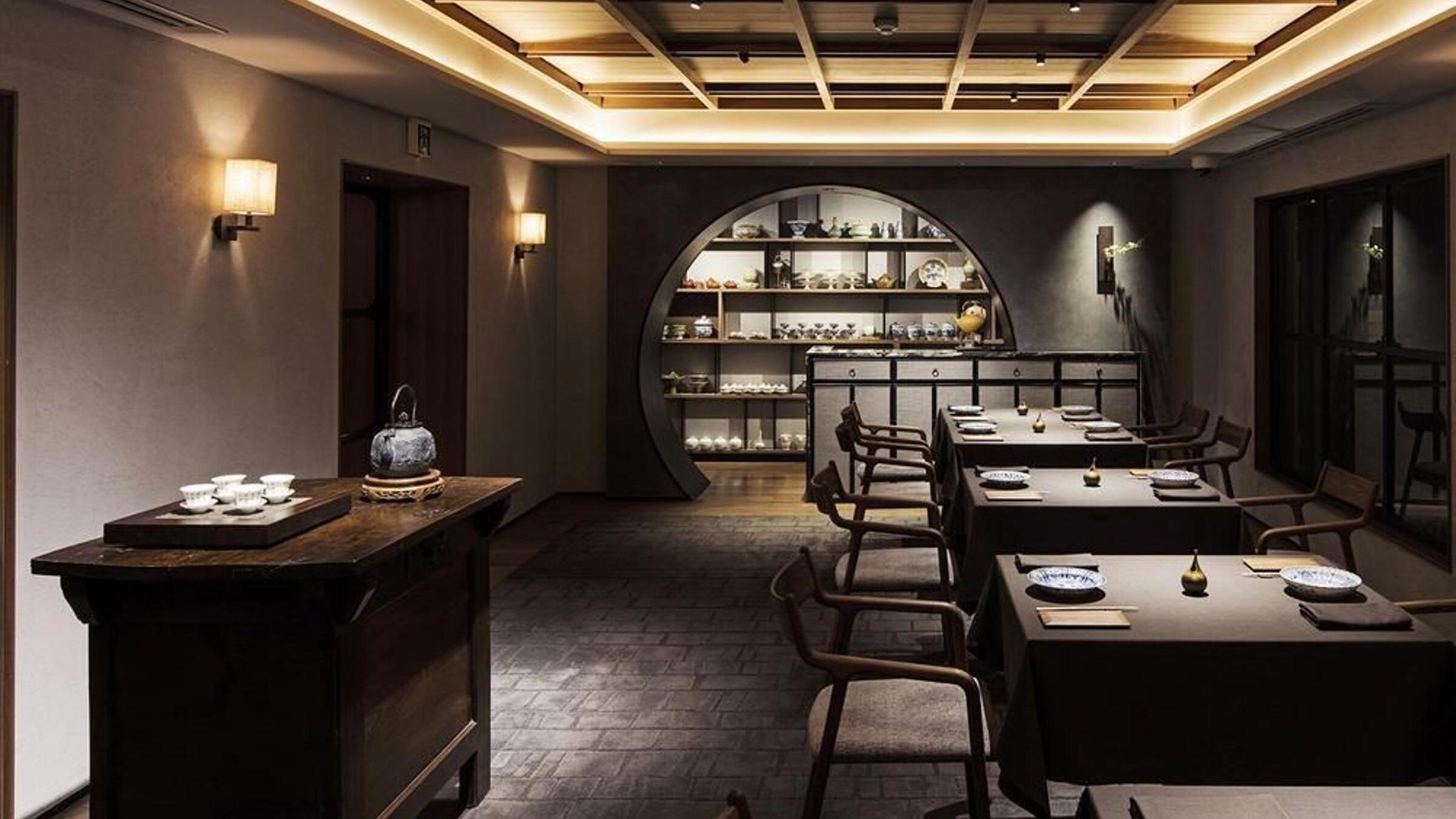
A compact, no‑smoking neighborhood Thai restaurant with a cozy, unpretentious interior, drawing serious Thai‑food fans for its authentic flavors rather than for design or decor.