
Kayu Nabou is a compact Musashi Kosugi Chinese restaurant with Cantonese, dim sum and rice-porridge roots, selected for Tabelog Chinese EAST 100 in 2021, 2023, 2024 and 2026. The appeal is cultural as much as culinary: a small Kawasaki room treating congee, vegetables and Chinese tea as serious dining rather than side notes.
Pearl is the En Primeur Club membership app — saves, bookings, and concierge access live there. Same editors, same standards.
- Address
- Japan, 〒211-0064 Kanagawa, Kawasaki, Nakahara Ward, Imaiminamicho, 4−12 フローラハイム
- Phone
- +81 44-733-7538
- Website
- kayunabou.com
 Saves & bookings on Pearl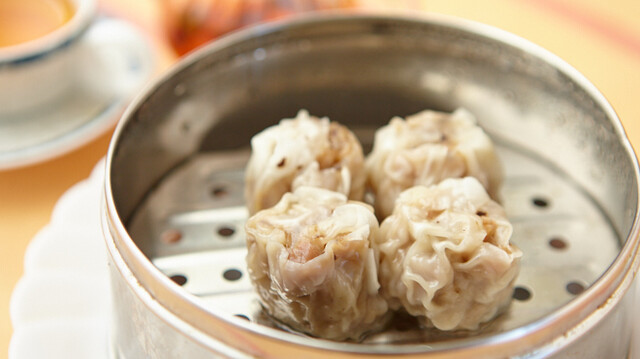
In the side streets around Musashi Kosugi, the dining rhythm shifts from station-front speed to smaller rooms where regulars know exactly what kind of meal they want. Chinese cooking in Japan often splits between banquet rooms, ramen-adjacent counters and neighborhood kitchens; Kayu Nabou belongs to the last group, with a narrower Cantonese-leaning vocabulary of dim sum, Chinese rice porridge, vegetables and tea. That matters in Kawasaki, a city better known to many visitors as a commuter hinge between Tokyo and Yokohama than as a place to slow down over Chinese comfort cooking.
The restaurant’s Tabelog Chinese EAST 100 selections in 2021, 2023, 2024 and 2026 give it a public credential beyond local habit. More revealing is the category mix: Chinese, dim sum and yum cha, and Chinese rice porridge. In Japan, congee can be treated as recovery food or breakfast food; here it sits inside a fuller Cantonese frame, closer to the Hong Kong and Guangdong tradition of light dishes, tea, vegetable-led plates and shared small-format eating. That gives the room a different register from the richer, sauce-heavy image many travelers bring to Chinese restaurants in Japan.
Congee and yum cha as Kawasaki neighborhood dining
Kawasaki’s stronger casual food identity usually shows up in ramen, bakeries, curry shops and station-area lunch counters. Comparison helps place the point: Ramen Marusen and Menya Deko sit in the city’s lower-cost noodle lane, while L’atelier Hiro Wakisaka and Pan Jabi Daba occupy different everyday niches. Kayu Nabou works at a slightly more composed pace, not because it chases formality, but because Cantonese tea-and-small-dish culture asks for a different tempo.
That cultural root is the useful lens. Yum cha is not only a dim sum checklist; it is a social format built around tea, pacing and multiple small decisions. Chinese rice porridge brings another strand, one tied to texture, restraint and digestibility rather than spectacle. The restaurant’s emphasis on vegetables, wellness-minded choices and vegetarian options puts it in a lane that feels current without needing to mimic Tokyo’s tasting-menu economy. For travelers mapping Kawasaki’s food culture, this is a reminder that the city’s strongest meals are not always clustered around a single grand dining district.
The small scale sharpens the experience. Fourteen seats change the stakes of a casual meal: service, timing and table turnover matter more than in a larger dining room, and a party has less margin for drifting in without a plan. Private rooms are not part of the format, so this is better understood as a compact neighborhood Chinese room than a business-entertaining address. The no-smoking interior and wheelchair access broaden its practical usefulness, while the pet-friendly outside-table policy, by reservation, reflects a local, residential kind of hospitality rather than destination-restaurant theater.
Recognition without the luxury script
Tabelog’s Hyakumeiten lists can be blunt but useful signals in Japan: they often capture places with deep local support that do not fit Michelin-style international dining narratives. Selection for Chinese EAST 100 across multiple editions places Kayu Nabou among a narrower field of Chinese restaurants in eastern Japan, yet the format remains grounded in accessible neighborhood dining. That tension is the point. Kawasaki is close enough to Tokyo for diners to compare across prefectural lines, but its better casual rooms often avoid the posture and pricing of central-city destination restaurants.
The score, 3.68 on Tabelog, should be read in Japanese context rather than through international review-site inflation. On Tabelog, movement above the mid-threes can indicate sustained diner confidence, particularly for small independent restaurants outside central Tokyo. Awards, score and repeat list inclusion together make a stronger case than any single number. They also suggest why a congee-and-dim-sum specialist can earn attention in a region crowded with flashier Chinese dining formats.
There is also a useful contrast within Musashi Kosugi itself. The area’s redevelopment has brought towers, retail complexes and a larger commuter audience, but its dining value often appears in smaller addresses that serve residents as much as visitors. A bakery such as Boulangerie Metier Pa-ku shiti musashi kosugi za ga-den points to one side of that everyday food culture; the restaurant points to another, where Chinese tea, dim sum and rice porridge become the organizing grammar of a meal. Nearby Kawasaki listings such as (Shoku) Vietnam, Belmatine, Buta Boshi and C'EST UNE BONNE IDEE! show how broad the city’s mid-scale dining field has become.
How to place it in a wider Japan itinerary
For a visitor already building meals around Tokyo or Yokohama, Kawasaki can look secondary on paper. That is the wrong way to read the corridor. Musashi Kosugi is part of a dense suburban-urban belt where good restaurants often serve locals first and destination diners second. The restaurant is useful precisely because it does not demand a special-occasion script: it gives a cultural angle on Chinese cooking in Japan through rice porridge, yum cha, vegetables and tea, with enough recognition to justify a detour for diners who care about regional lists.
The broader editorial decision is simple. Choose it when the trip needs a quieter Chinese meal rather than another ramen counter, izakaya crawl or department-store dining floor. Skip it if the aim is a large group banquet or a private-room business dinner. The small room, repeat Hyakumeiten recognition and Cantonese-leaning categories make the restaurant more compelling as a focused neighborhood study than as a grand night out.
For more city planning, use Our full Kawasaki restaurants guide, alongside Our full Kawasaki hotels guide, Our full Kawasaki bars guide, Our full Kawasaki wineries guide and Our full Kawasaki experiences guide. To widen the Japan and Japanese-food map, compare different formats at -Grilled beef Sukiyaki- KAMAKURA TANUKIAN 鎌倉 たぬき庵 in Kamakura. 鮪と炭火焼き うお炭 秋葉原店 in Tokyo.cafe in Osaka.know in Kumamoto, [Curry Senmon Ten] Maruyama Kyoju. in Sapporo, [ki:] in Kyoto, Jōdo Saké Bar in Los Angeles and Onigiri Time in Pasadena.
- Cantonese congee
- Herbal brown rice congee
- Shumai (authentic style)
- Oyster Chinese okonomiyaki
- Pork cartilage with black bean sauce
- Poached shrimp
Pricing, Compared
Comparable venues by cuisine and price in the same metro.
| Venue | Cuisine | Price | Notes |
|---|---|---|---|
| Kayu NabouThis venue — the venue you are viewing | Not listed | $$ | Not listed |
| Matsu no Ki | Not listed | $$ | Kawasaki Ward, Traditional Sichuan Chinese with signature tantanmen |
| Lilien Berg | Not listed | $$ | Asao-ku, Dessert Shop / European-Style Bakery Cafe |
| Yakiniku Horumon Beef Boss | Not listed | $$$ | Kawasaki-ku, Omakase Wagyu & Horumon Yakiniku |
| Menya Deko | Not listed | $$ | Shin-Maruko / Musashi-Kosugi, Niboshi Ramen & Tsukemen |
| Ramen Jiro Ikuta ekimae ten | Tama-ku, Jiro-style Ramen Shop | $ | Not listed |
Recognition history
Dated appearances from independent guides and award organizations, with the underlying list record or original source where available.
Tabelog 100 #66 · No. 66
Tabelog · Tabelog 100 - Chinese cuisine - EAST - 2026











At a Glance
- Cozy
- Quiet
- Intimate
- Solo
- Casual Hangout
- Group Dining
- After Work
- Family
- Standalone
Current opening hours
- Monday
- Closed
- Tuesday
- 11:30 AM–2 PM, 6–9 PM
- Wednesday
- 11:30 AM–2 PM, 6–9 PM
- Thursday
- Closed
- Friday
- 11:30 AM–2 PM, 6–9 PM
- Saturday
- 11:30 AM–3 PM, 5–9 PM
- Sunday
- 11:30 AM–3 PM, 5–9 PM
Hours can change for holidays and private events. Last verified .
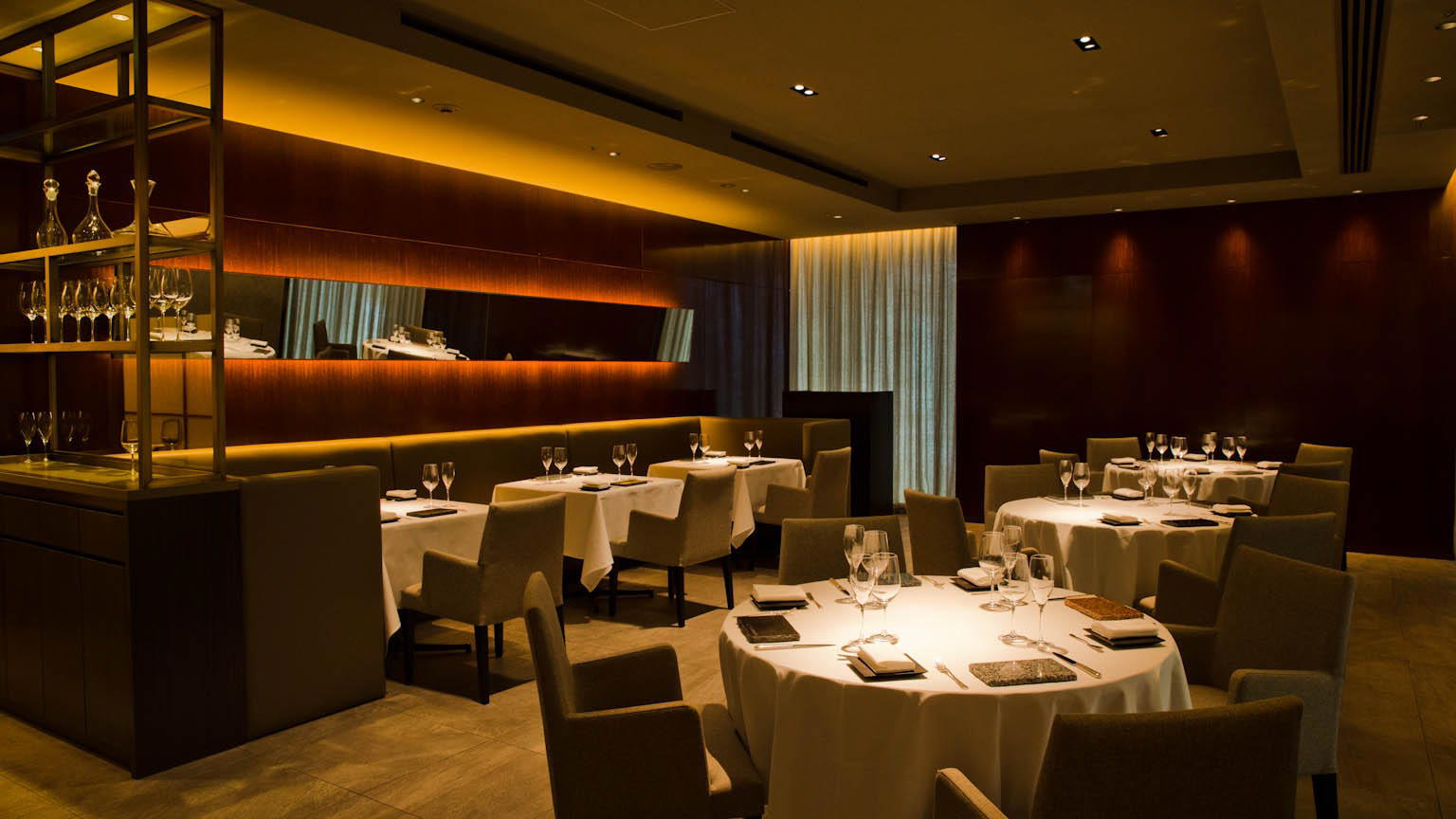
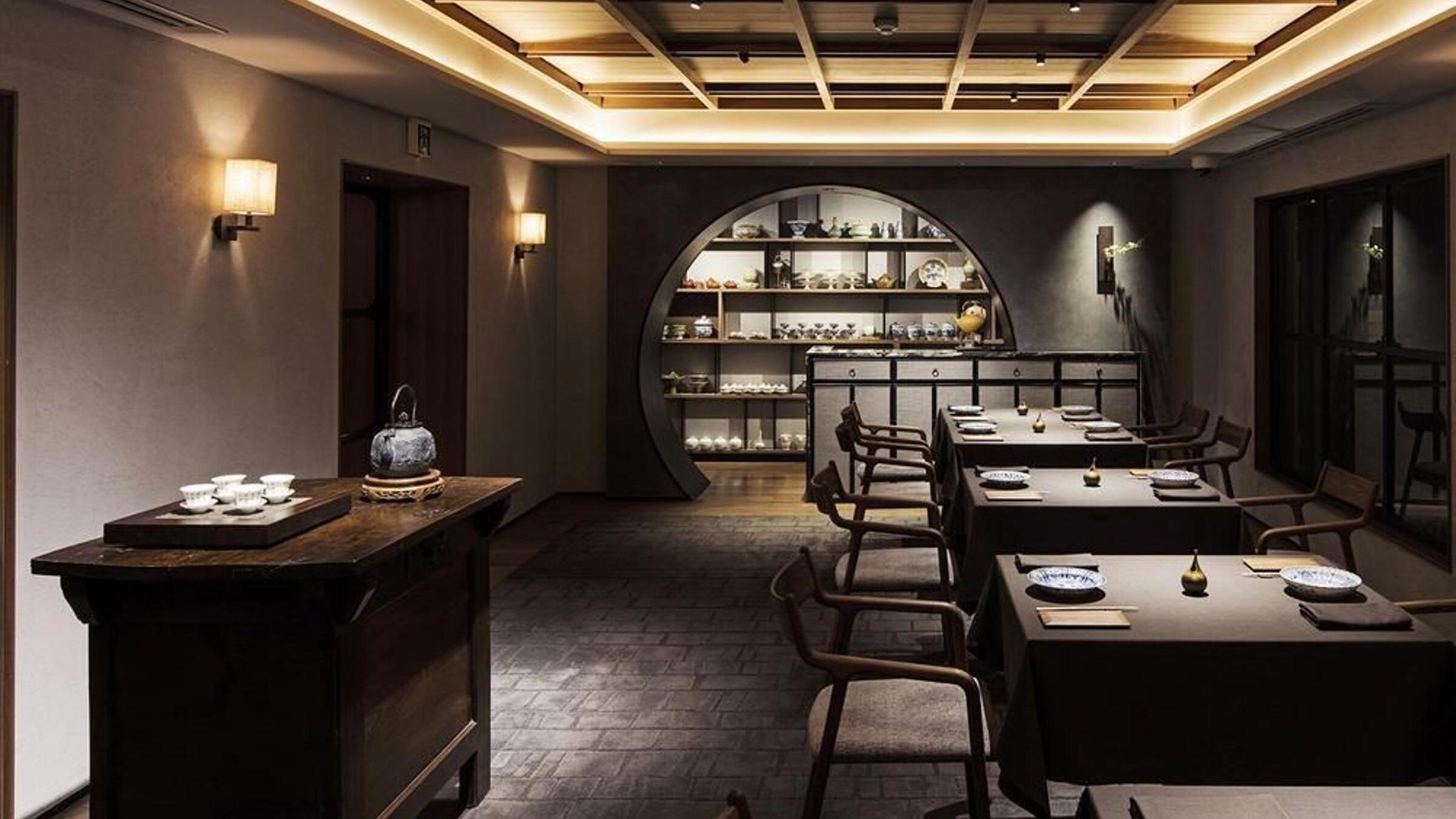
A small, low-key neighborhood Cantonese spot with a calm, unhurried atmosphere where guests linger over congee, dim sum, and Chinese tea; the mood is more restorative than flashy, emphasizing comfort and a homely feel rather than design spectacle.