
Tabelog 100 #17
Our verdict
A house-style Chinese and Sichuan restaurant near Jingu Marutamachi, Madam Koran belongs to Kyoto’s quieter value tier: serious cooking, Tabelog 100 Chinese WEST recognition, private rooms, and a lunch-to-dinner spread that keeps the bill far below the city’s kaiseki ceiling. It works for travelers who want Kyoto dining with local rhythm rather than ceremony.

Pearl is the En Primeur Club membership app, where members save venues, book tables and use the concierge.
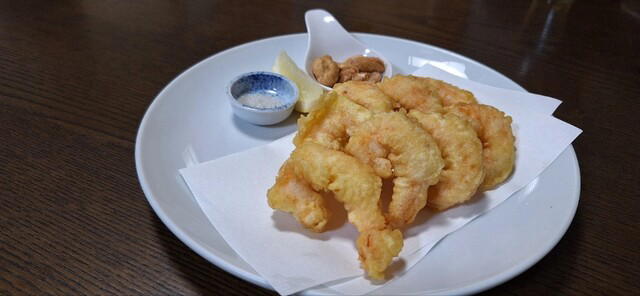
In Kyoto, the restaurant mood can shift quickly from formal destination dining to something more practical: modest scale, measured traffic, and a meal that feels closer to an everyday stop than a room built for spectacle. In a city where visitors often equate quality with counter kaiseki, sushi choreography, or hotel dining rooms, Madam Koran occupies a useful lane: Chinese, Sichuan, and tantan-men cooking, Tabelog Hyakumeiten recognition, practical pricing, and enough informality to leave room for a second serious meal elsewhere.
Kyoto has long absorbed outside food cultures without surrendering its tempo. Chinese restaurants here do not have to be read only through the loud banquet model of larger commercial districts; many travelers will find the appeal in meals that are easier to fit around lunch, errands, or another reservation. Madam Koran’s inclusion in the Tabelog Hyakumeiten recognition for 2026 places it in that conversation, not just a casual neighborhood list. Its Tabelog score of 3.66 reinforces the point: a recognized Kyoto address in a city where diners have many options across price levels and formats.
Kyoto Chinese cooking with value built into the format
Value is the central argument. Kyoto’s prestige dining can make dinner feel like a financial commitment before the first tea; Chinese cooking at this listed level offers another calculation. Madam Koran is categorized as Chinese, Sichuan, and tantan-men, signaling a restaurant that can work for guests seeking spice, noodles, and a less ceremonial meal rather than a single tasting-menu path. That flexibility suits travelers who have booked a formal Japanese dinner and want substance, heat, and a different pace.
The listed budget also shapes the experience. Dinner is indicated at JPY 5,000 - JPY 5,999, while lunch is indicated at JPY 1,000 - JPY 1,999, which makes the restaurant easier to place within a broader Kyoto itinerary. Rather than demanding the emotional weight of a once-per-trip booking, Madam Koran can function as a practical, satisfying meal between more formal reservations. For travelers trying to balance quality, budget, and variety, that is the point.
Compared with Kyoto peers in other lanes, the appeal sharpens. Kappo Shinatomi belongs to Japanese kappo, le 14e to the city’s compact French-bistro thread, and MISSLIM Tea Place to a lighter café-and-tea register. Madam Koran fills another need: a credible Chinese meal between daytime plans and a later reservation, without turning the day into formal courses. For a broader dining map, Our full Kyoto restaurants guide is the better planning frame, while sleep, drinking, wine, and cultural programming sit in Our full Kyoto hotels guide, Our full Kyoto bars guide, Our full Kyoto wineries guide, and Our full Kyoto experiences guide.
Why the recognition matters more than the room's modesty
Tabelog’s Hyakumeiten lists reward category depth rather than international gloss, which suits the way many travelers should approach Kyoto dining. A restaurant can be straightforward in presentation and still be materially useful for an itinerary. The 2026 recognition gives Madam Koran a measurable trust signal in a field where many visitors lack reference points. Michelin-style comparison is not the useful frame; the better question is whether a restaurant has enough listed recognition to justify time in a short itinerary. A Hyakumeiten listing answers more forcefully than polished décor alone.
The practical appeal is the way the category works in a Kyoto schedule. Chinese, Sichuan, and tantan-men cover more than one dining mood: a quick lunch, a fuller dinner, a noodle-led stop, or a meal that brings spice and comfort into a trip otherwise dominated by formal Japanese formats. Those details do not make the meal by themselves, but they reduce friction. In Kyoto, that kind of usefulness is part of value.
The Kyoto setting adds advantage without needing to be treated as a landmark hunt. This is not only about dramatic scenery or nightlife energy; it is about having a recognized restaurant that can sit naturally within a day of walking, shopping, museum time, or quieter wandering. Nearby planning can branch toward other Kyoto dining, cafés, bars, or sweets depending on whether the day calls for Chinese, bakery-café ease, French, or old Kyoto treats.
A smart second booking for a Kyoto food trip
Strongest use of Madam Koran is not as the sole dining anchor, but as an intelligent counterweight. Many itineraries already include one expensive Japanese meal; adding another formal room can dull both. A recognized Chinese address with Sichuan and tantan-men in the mix gives the week another register: spice, noodles, and budget discipline. That is not a compromise; it is how experienced travelers can keep a Kyoto trip from becoming monotonous.
Broader Japan context helps calibrate expectations without forcing direct comparison. Travelers moving between cities quickly learn that regional dining is not only about famous luxury rooms; it is also about how everyday formats can become serious in local hands. Kyoto is especially good for this kind of planning. A restaurant like Madam Koran can be useful precisely because it does not ask to replace kappo, sushi, tea, or French-bistro meals; it gives the itinerary another flavor, another pace, and another spending level.
Madam Koran earns its place through proportion. The recognition is serious, the category useful, and the spend friendlier than Kyoto’s high-ceremony dining. For travelers who measure value by how well a meal fits the day, not how loudly it announces itself, this is the kind of Kyoto booking that quietly improves an itinerary.
Frequently asked questions
Is Madam Koran in Kyoto?
Kyoto.
What is the atmosphere like at Madam Koran?
Expect a practical Kyoto restaurant rather than a high-ceremony dining room. The useful draw is its listed Chinese, Sichuan, and tantan-men focus, supported by Tabelog Hyakumeiten recognition for 2026.
What does dinner at Madam Koran typically cost?
Dinner at Madam Koran is listed at JPY 5,000 - JPY 5,999. Lunch is listed at JPY 1,000 - JPY 1,999.
What are the operating hours at Madam Koran?
Operating hours were not provided in the verified venue facts. Check Madam Koran's official channels before visiting.
Credentials Lens
Comparable venues at a glance for context.
| Venue | Cuisine | Price | Awards | Notes |
|---|---|---|---|---|
| Madam KoranThis venue (the venue you are viewing) | Kyoto-style Chinese in a traditional machiya | $50–100 | Tabelog 100 #17 | Not listed |
| å®ä¹ | Seasonal Kaiseki | $300–500 | Tabelog Bronze | Higashiyama |
| Din Tai Fung (鼎泰豊) | Taiwanese Dim Sum | $20–30 | Not listed | Shimogyo-ku |
| 京、静華 | Modern Chinese Fine Dining | $200–300 | Not listed | Sakyō |
| Maeshiro | Modern Kyoto Kaiseki | $100–150 | Michelin Plate | Nakagyō |
| Hachikian Marutamachi honten | Traditional Kyoto poultry and sukiyaki cuisine | $50–100 | Tabelog 100 #3 | Sakyō |
Recognition history
Dated appearances from independent guides and award organizations, with the underlying list record or original source where available.
Tabelog 100 #17 · No. 17
Tabelog · Tabelog 100 - Chinese cuisine - WEST - 2026
Continue exploring
More in Kyoto
Restaurants in Kyoto
All restaurants in Kyoto →
Bars in Kyoto
All bars in Kyoto →

Hotels in Kyoto
All hotels in Kyoto →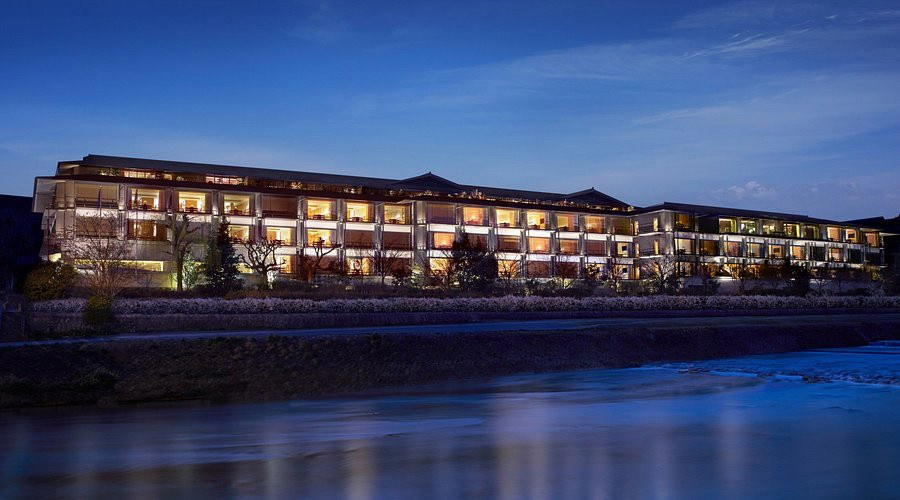
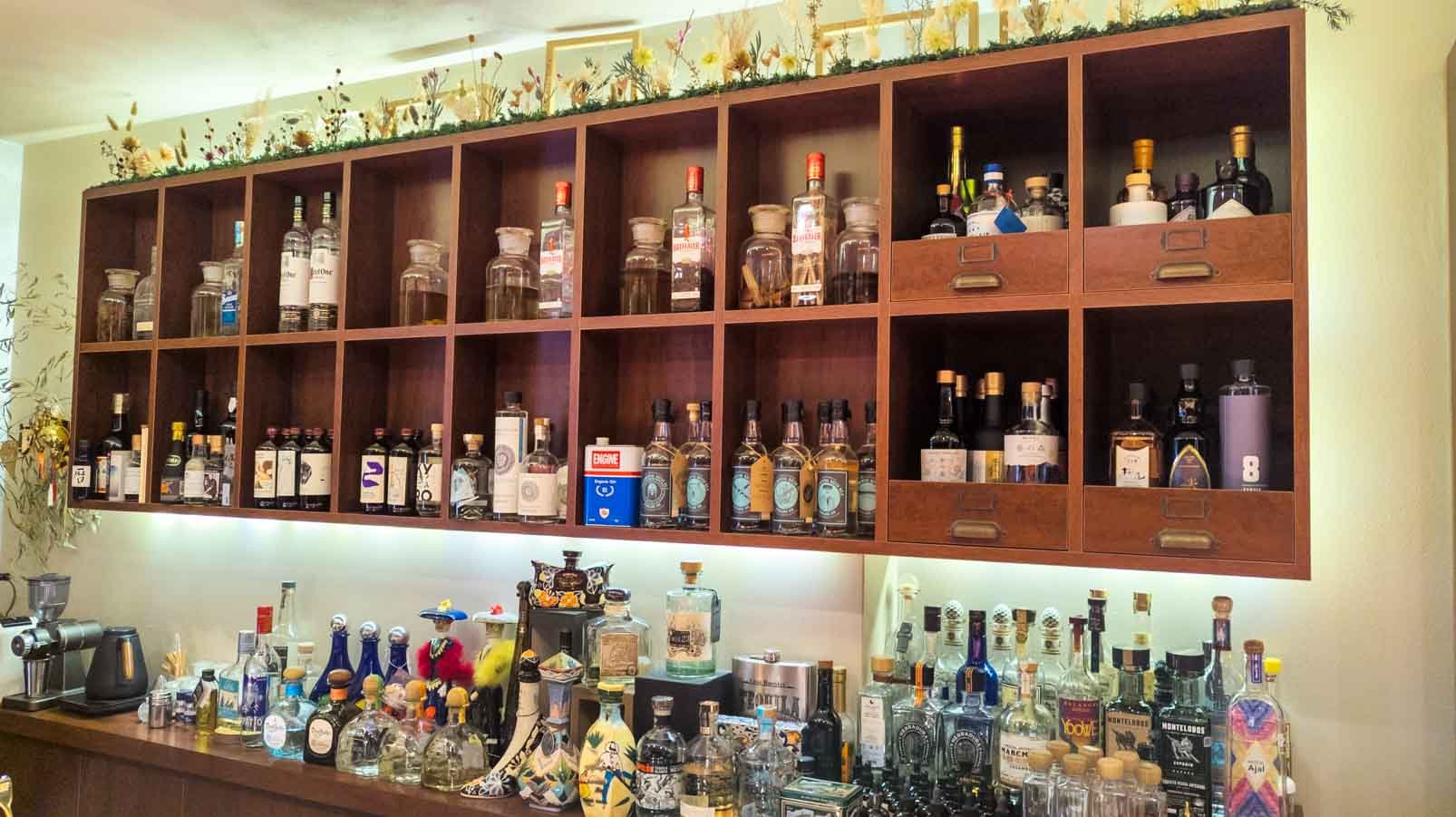
Wineries in Kyoto
Browse all →
Details
- Cozy
- Elegant
- Quiet
- Classic
- Date Night
- Business Dinner
- Group Dining
- Family
- Special Occasion
- Historic Building
- Design Destination
- Standalone
- Private Dining
- Street Scene
- A La Carte
- Set Menu
Current opening hours
- Monday
- Closed
- Tuesday
- 11:30 AM–2:30 PM
- Wednesday
- 11:30 AM–2:30 PM
- Thursday
- 11:30 AM–2:30 PM
- Friday
- 11:30 AM–2:30 PM
- Saturday
- 11:30 AM–2:30 PM
- Sunday
- 11:30 AM–2:30 PM
Hours can change for holidays and private events. Hours as of .
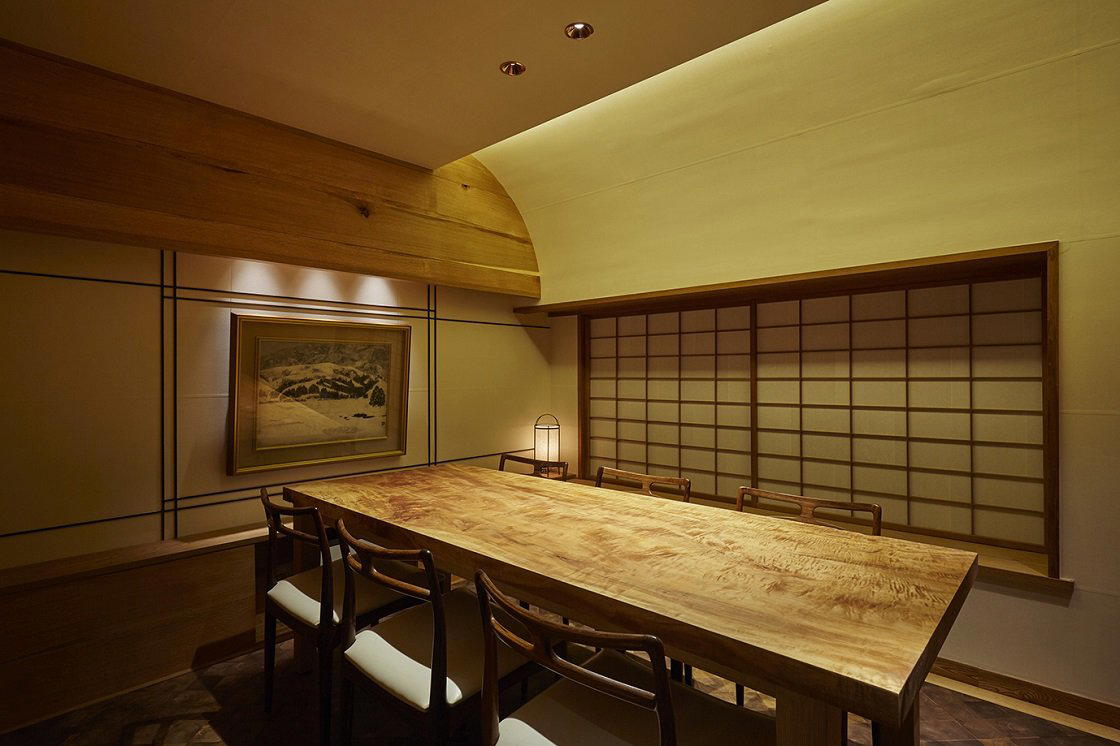
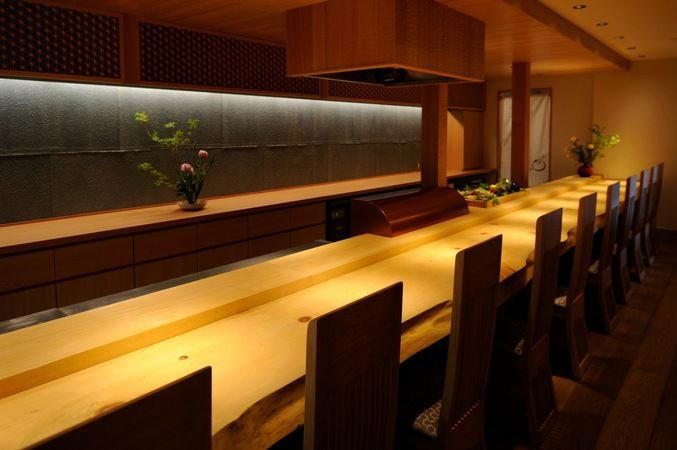
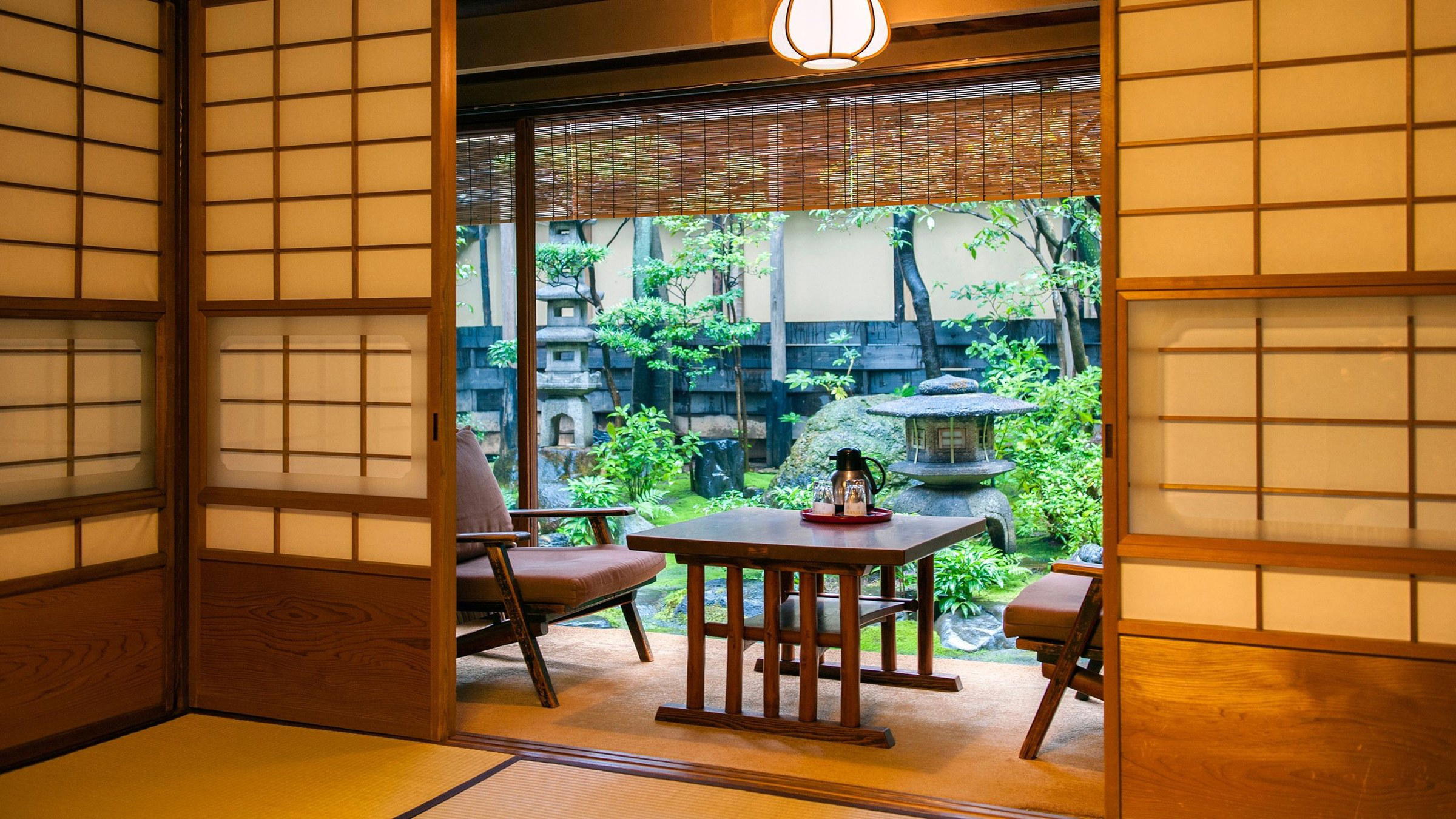
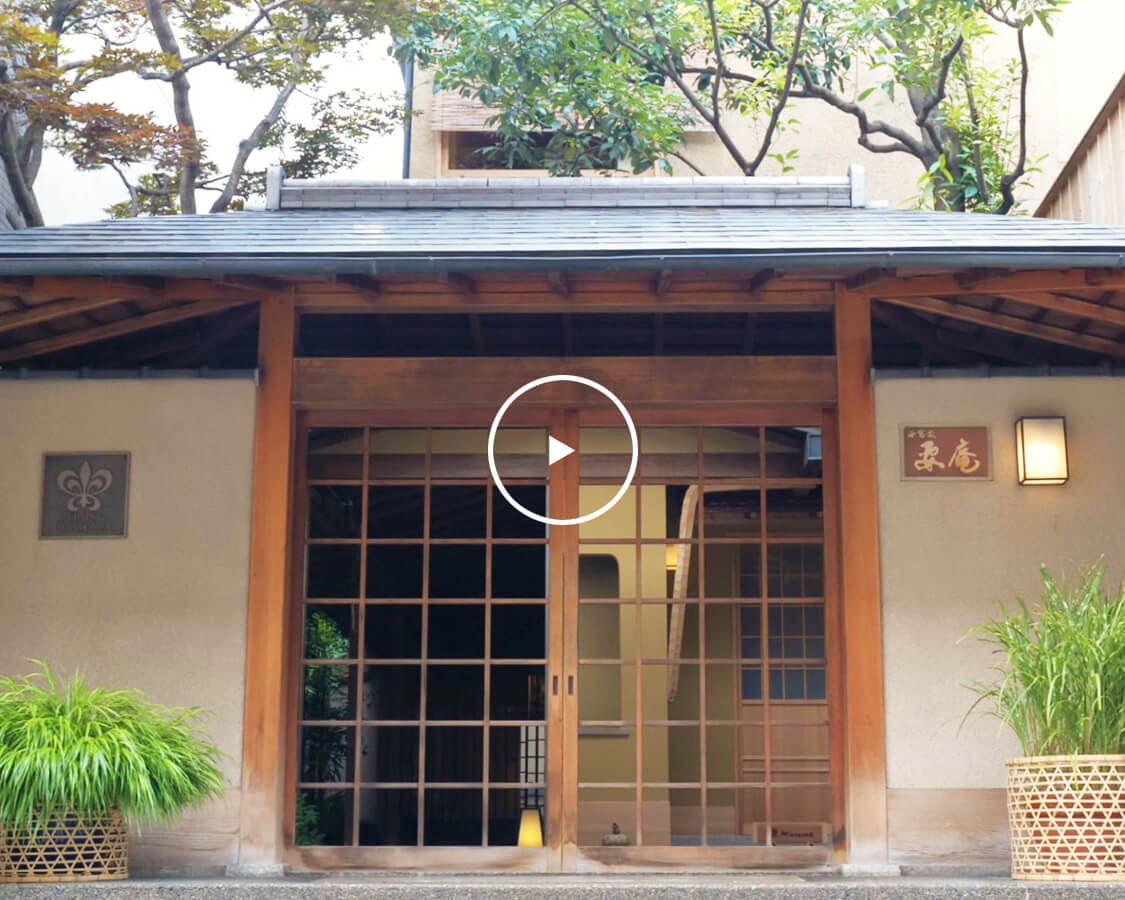
The atmosphere is calm and refined, with a solemn, slightly nostalgic feel of a historic Kyoto townhouse; lighting is soft, the dining room is small and quietly elegant, creating a relaxed, hidden‑away retreat near the Imperial Palace.