
Tabelog 100 #58
Our verdict
Machi no Parlor gives Tokyo’s bread culture a suburban counterpoint to station-mall bakeries and luxury hotel pâtisserie. In Kotakecho, its bread, café and sandwich format, 22-seat scale, take-out service and repeated Tabelog Bread 100 selections place it in a serious bakery-café tier without the formality of central Tokyo dining.

Pearl is the En Primeur Club membership app, where members save venues, book tables and use the concierge.
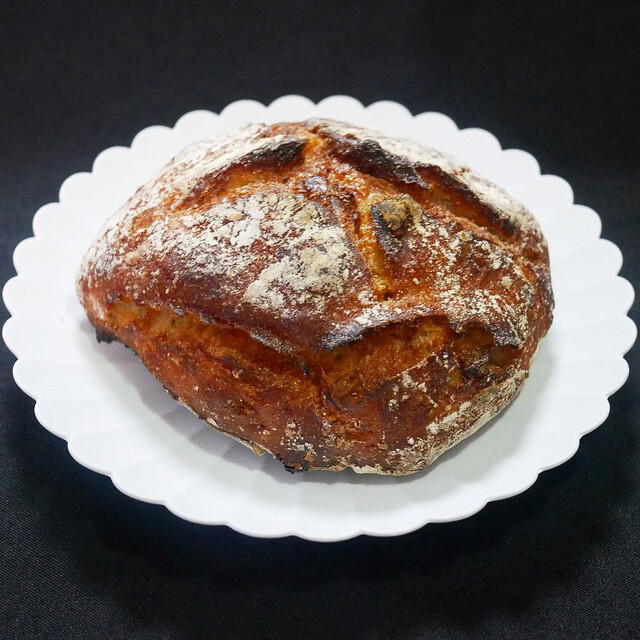
Approaching Machi no Parlor, Tokyo changes register: restaurant theatre softens into everyday routines and the slower pace of a bakery-café visit. That is the point. Tokyo bread culture is not confined to department-store basements or polished pâtisserie counters near major stations. Machi no Parlor belongs to a quieter city tradition, where a bakery-café can be a bread stop, sandwich room and café address without changing costume.
That breadth matters in a city that often separates categories precisely. Tokyo has specialist bakeries, kissaten, sandwich counters, family cafés and many other dining formats; here, the appeal is in overlap. Listed across bread, café and sandwich, its appeal is not a chef-as-author narrative but a format coordinated for multiple daily uses, from bread runs to seated café time.
A Tokyo bakery-café with recognised bread credentials
Tokyo’s bread scene is judged less by grand dining codes than repeat use: regulars, cross-town visitors and shoppers carrying bags home. Tabelog’s bread selections are a useful signal because they identify bakeries and bakery-led cafés across Tokyo rather than folding them into general restaurant rankings. Machi no Parlor was recognised in Tabelog’s 2022 bread-focused listings. That places it among venues with recognised local demand, not simply a passing mention.
The price tier tells a second story. A JPY 2,000 to JPY 2,999 range sits above many everyday bakery purchases but below Tokyo tasting-menu dining. Among listed comparisons, Parlor Ekoda, Golden time, CRIOLLO Honten, Chonan Hosono Takashi and L'AUTOMNE Nakano ten help frame the broader bread-and-café landscape. Machi no Parlor therefore sits in a bakery-café lane where seated use and sandwich-café appeal matter as much as the bread counter.
The category also shows why centrality is not the only measure of value. Major Tokyo shopping and dining areas draw international attention because they map easily into luxury itineraries, but Tokyo bread culture rewards more than the obvious restaurant circuit. The advantage is ordinary urban life: local customers, small businesses, transit habits and a rhythm that supports café visits alongside bread buying.
The room works because the format is disciplined
Small mixed-use rooms fail when they try to be everything at once. The stronger version has division of labor: bread gives the reason to exist, the café format gives visitors time to stay, and front-of-house keeps the room moving without reducing it to queue management. Machi no Parlor’s strength is that balance. In a compact-feeling bakery-café format, service discipline matters more than decoration.
The setting adds to the civic quality. Many Tokyo restaurants perform exclusivity through access, silence and rules. This kind of address reads more as part of daily city life: a place where bread, café use and sandwiches can serve different customers at different moments. That does not mean careless casualness. It makes the team dynamic more exposed. A bakery-café serving take-out customers and seated guests has fewer hiding places than a formal counter with one fixed script.
The broad category matters. Bread, café and sandwich may sound modest beside Tokyo’s more theatrical dining formats, but the combination asks for consistency. For travellers, that separates two kinds of demand: the bread may justify planning ahead, while the café format offers another use case. In Tokyo, where visitors often misread cafés and bakeries as interchangeable, this distinction can save a wasted trip.
Access and planning should be understood through the scale of the format rather than through luxury-dining expectations. Treat any practical frictions less as failure than evidence of scale: not a hotel-lobby operation built around international convenience, but a Tokyo bakery-café with a serious citywide bread reputation and a listed Tabelog score of 3.79.
How to place it in a Tokyo food itinerary
Machi no Parlor works well as a corrective to a Tokyo schedule overloaded with omakase counters, department-store sweets and late-night bars. It gives the day a slower, more local anchor. The smarter pairing is not another bakery in the same hour, but a broader view of how Tokyo eats across formats: curry, yakitori, seafood, cafés and bars all occupy different social tempos.
For citywide planning, use Our full Tokyo restaurants guide as the main map, then compare different dining registers through other Tokyo dining rooms, cafés and casual counters. For the rest of the trip, keep the city in view through Our full Tokyo hotels guide, Our full Tokyo bars guide, Our full Tokyo wineries guide and Our full Tokyo experiences guide.
Outside this specific stop, compare how casual Japanese formats travel and mutate by city in a more general way: sukiyaki, café culture, contemporary dining, Vietnamese cooking, curry, minimalist dining and Japanese drinking-and-snack culture all show how everyday formats can become destination experiences without needing the ceremony of fine dining.
The editorial case is simple: Tokyo’s serious food culture is not only where the bill is high and the counter silent. A bread café in Tokyo, recognised by a specialist bread source and built around bread, café use and sandwiches, says as much about the city’s dining intelligence as many formal rooms. It rewards travellers who give time to quieter parts of the city rather than treating Tokyo as a sequence of famous neighbourhoods.
Frequently asked questions
Where do I go for Machi no Parlor?
Tokyo.
What price level is Machi no Parlor?
Pricing at Machi no Parlor is listed as JPY 2,000 - JPY 2,999 View spending breakdown.
What's the best way to book Machi no Parlor?
Plan ahead as you would for a recognised Tokyo bakery-café, especially for a place recognised in Tabelog’s 2022 bread-focused listings.
What do critics highlight about Machi no Parlor?
The most concrete signal is its 2022 recognition from Tabelog’s bread-focused source. The listed categories also define the appeal clearly: bread, café and sandwich in Tokyo.
Quick Comparison
Comparable venues in the metro at similar price points.
| Venue | Cuisine | Price | Awards | Notes |
|---|---|---|---|---|
| Machi no ParlorThis venue (the venue you are viewing) | Japanese Bakery Café | $10–20 | Tabelog 100 #58 | Not listed |
| Tenfusa (天房) | Tempura | $20–30 | Not listed | Toyosu |
| Kaneko Hannosuke (金子半之助) | Edo-style Tempura Rice Bowls (Tendon) | $10–20 | Not listed | Nihonbashi |
| 赤坂 島袋 | Japanese Robatayaki | Not listed | Tabelog 100 #86 | Minato |
| HAGI CAFE | Seasonal Japanese cafe with hand-drip coffee | $10–20 | Tabelog 100 #34 | Taitō |
| Teuchi Soba Narutomi | Traditional Ginza soba & tempura | $20–30 | Tabelog 100 #51 | Chūō |
Recognition history
Dated appearances from independent guides and award organizations, with the underlying list record or original source where available.
Tabelog 100 #58 · No. 58
Tabelog · Tabelog 100 - Bread - TOKYO - 2022
Continue exploring
More in Tokyo
Restaurants in Tokyo
All restaurants in Tokyo →



Bars in Tokyo
All bars in Tokyo →







Details
- Cozy
- Classic
- Casual Hangout
- Solo
- Family
- Brunch
- Standalone
- Beer Program
- Street Scene
- A La Carte
- Coffee
- Beer
A modest, homey neighborhood spot with a small house-restaurant feel and a relaxed, everyday atmosphere.