
Tabelog 100 #51
Our verdict
Teuchi Soba Narutomi sits in Ginza’s quieter soba bracket, where hand-cut buckwheat noodles, a compact room, and drinks chosen around sake, shochu, and wine matter more than ceremony. Its Tabelog Soba EAST “Tabelog 100” 2025 selection places it among a serious regional peer group, while the format remains closer to a disciplined neighborhood soba-ya than a luxury tasting counter.

Pearl is the En Primeur Club membership app, where members save venues, book tables and use the concierge.
The menu
What to order
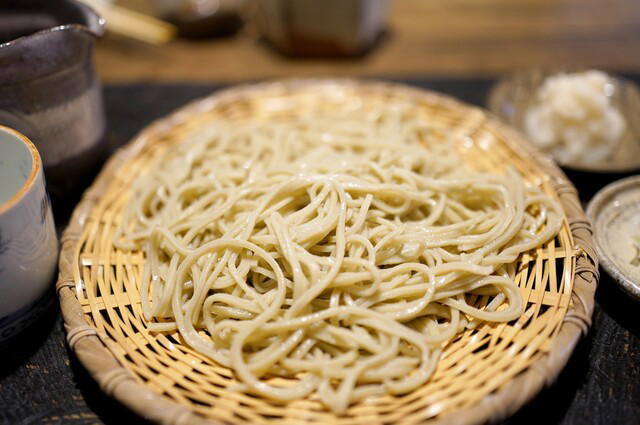
- Hand-made zaru soba
- Tempura moriawase
- Kake soba
- Seasonal sansai soba
Tokyo changes character from block to block. The department-store polish gives way to quieter streets, and restaurants can begin to read less like stage sets and more like working addresses for people who know what they came for. That setting suits soba. Tokyo’s serious soba rooms rarely announce themselves through spectacle; the format is built on restraint, repetition, and the small decisions that separate a casual bowl from a meal worth crossing town for.
Teuchi Soba Narutomi belongs to that quieter register. The category is clear: soba, with the focus placed on buckwheat noodles rather than on luxury signals or theatrical staging. In a city where premium dining often means omakase choreography or French-Japanese dégustation pacing, this is a different kind of seriousness: short-form, craft-led, and resistant to over-explanation.
Soba in Tokyo's disciplined low-theatre tier
Tokyo’s soba culture has always carried a split personality. On one side are everyday counters built for speed; on the other are seated soba-ya where buckwheat, water, cutting, boiling, dipping sauce, and timing form the whole argument. The second category does not need luxury signals to be demanding. A soba specialist can be judged by texture, temperature control, noodle length, aroma, and how cleanly the meal moves from first plate to final sip of sobayu.
That makes recognition meaningful when it comes from a category-specific list rather than a general dining ranking. Teuchi Soba Narutomi is listed in the 2025 Tabelog Hyakumeiten context for soba, with a Tabelog score of 3.73 and published budget guidance of Dinner: JPY 6,000 - JPY 7,999; Lunch: JPY 1,000 - JPY 1,999. The signal is not that it competes with Tokyo’s grander restaurants on spend or theatricality. It competes inside a soba-specific field, where consistency and specialization carry more weight than novelty.
The surrounding city sharpens that point. Tokyo can absorb almost every dining format, from steak rooms such as Gorio to Japanese restaurants like Ginza Asami, French rooms such as TROIS VISAGES, Chinese dining at Choyo, and hybrid high-end formats including Ginza Yonemura. A soba specialist is not trying to outshine those categories. It offers a narrower promise: a meal structured around buckwheat, quiet service rhythms, and the kind of precision that becomes apparent only when there are fewer distractions.
A compact soba format rather than a quick-only noodle stop
The frame around soba matters because the category is often misunderstood by visitors as only a quick lunch option. Tokyo regulars know the older pattern: a compact sequence, a restrained pace, then noodles at the end. The useful reading is curation rather than volume. A soba specialist is at its best when the table can be paced as a focused meal, not just a bowl-and-exit stop.
That matters in Tokyo, where dining details can become status objects. In a soba room, the better question is not abundance but compatibility. Buckwheat has a dry, grain-led profile; dipping sauce brings soy, mirin, and dashi; clean supporting elements usually make more sense than weight or perfume. The point is to keep the soba house’s center of gravity intact, with anything around it acting in support rather than taking over.
This is also where the venue separates itself from many casual noodle shops. The meal can be approached as a compact Japanese dining format: order lightly, keep the pace restrained, finish with soba. The editorial case is strongest for travelers who already have sushi, tempura, and kaiseki marked on a Tokyo itinerary and want another angle on Japanese craft. Soba is less photographed than nigiri and less ceremonial than kaiseki, but it is one of the city’s clearest tests of repetition, ingredient handling, and timing.
How to place it in a Tokyo dining plan
The practical appeal is its scale and focus. A specialist soba room functions differently from a large restaurant: it rewards smaller parties, focused ordering, and a willingness to let the format stay compact. Lunch and dinner serve different roles in the Tokyo soba circuit. Lunch tends to suit a precise noodle stop during a day in the city; dinner gives the format more room to make sense, especially for guests treating soba as the final course of a broader Japanese meal.
There are etiquette details worth respecting in this genre. Soba loses force when the room becomes distracted; the meal is usually brief enough that attention is not an unreasonable demand. Rather than looking for spectacle, the better approach is to let the sequence stay simple and to judge the restaurant on texture, aroma, temperature, and timing.
For a broader Tokyo food map, place this alongside rather than beneath the city’s more obvious luxury categories. Readers building a casual-to-serious itinerary can use Our full Tokyo restaurants guide for the wider dining spread, then compare how specialist formats differ from other Tokyo dining rooms, counters, casual noodle shops, and compact restaurants across the city. The wider city planning layer sits in Our full Tokyo hotels guide, Our full Tokyo bars guide, Our full Tokyo wineries guide, and Our full Tokyo experiences guide.
Japan’s regional dining map adds useful perspective without needing to turn every meal into a direct comparison. The same traveler comparing highly specific formats might look beyond Tokyo to other regional specialists, casual counters, cafe formats, curry shops, and Japanese drinking rooms. Abroad, Japanese drinking and rice-based formats take different shapes in other cities as well. Against that larger field, Teuchi Soba Narutomi is valuable because it keeps the argument narrow: buckwheat first, any supporting elements in support, and Tokyo stripped of performance.
A Credentials Check
Comparable venues to calibrate price, style, and recognition.
| Venue | Cuisine | Price | Awards | Notes |
|---|---|---|---|---|
| Teuchi Soba NarutomiThis venue (the venue you are viewing) | Traditional Ginza soba & tempura | $20–30 | Tabelog 100 #51 | Not listed |
| Tempura Kurokawa | Traditional Tempura & Tendon | $20–30 | Tabelog 100 #13 | Chūō |
| TAKEUCHI Chiyoda kanda jinbou honten | Japanese Curry | $10–20 | Tabelog 100 #59 | Chiyoda |
| Teuchi Shimada | Udon & soba izakaya with handmade noodles | $20–30 | Tabelog 100 #16 | Minato |
| Hamburg Will | Japanese Hamburg steak & yoshoku | $30–50 | Tabelog 100 #29 | Shinjuku |
| Wakadori Yaki Mobara | Traditional Japanese chicken izakaya & yakitori | $30–50 | Tabelog 100 #41 | Shinagawa |
Recognition history
Dated appearances from independent guides and award organizations, with the underlying list record or original source where available.
Tabelog 100 #51 · No. 51
Tabelog · Tabelog 100 - Soba - EAST - 2025
Continue exploring
More in Tokyo
Restaurants in Tokyo
All restaurants in Tokyo →

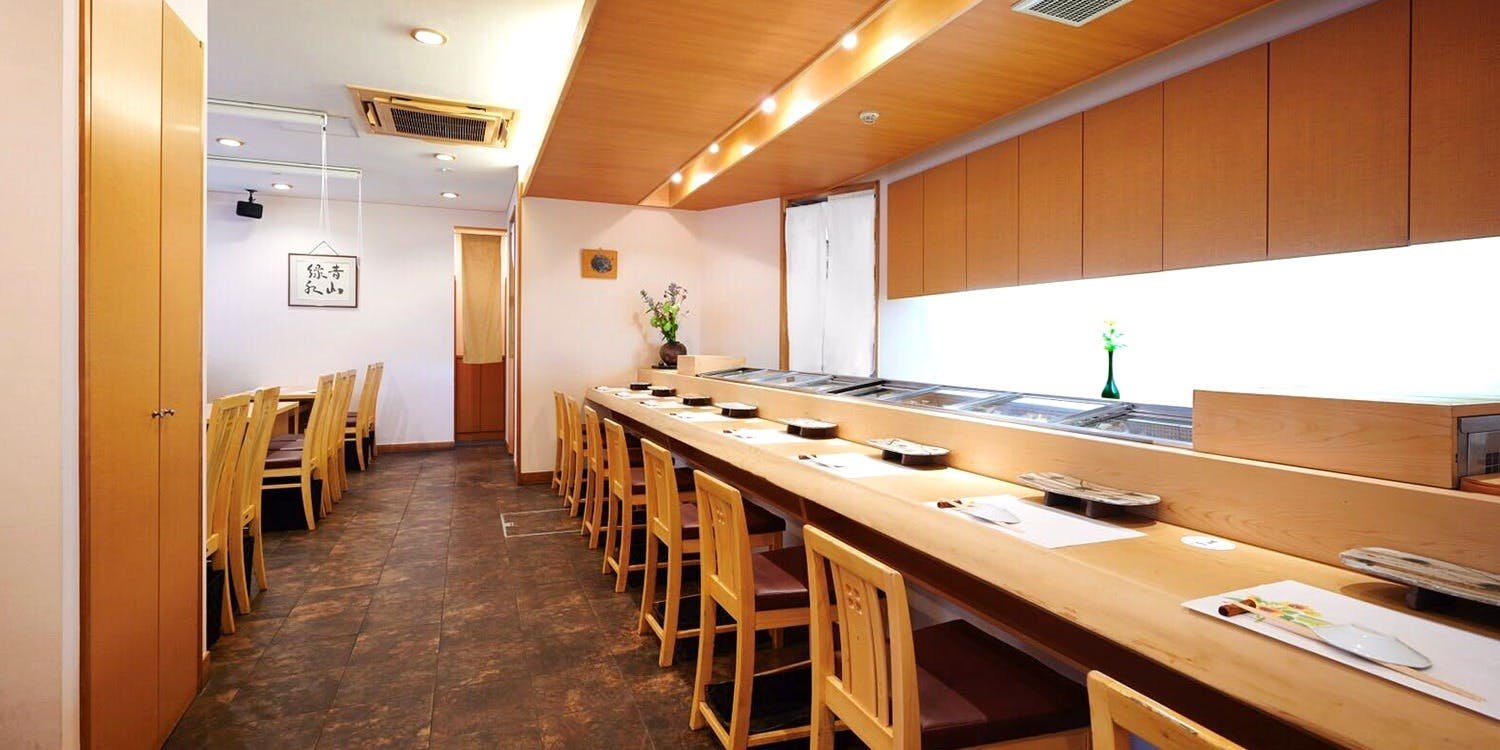
Bars in Tokyo
All bars in Tokyo →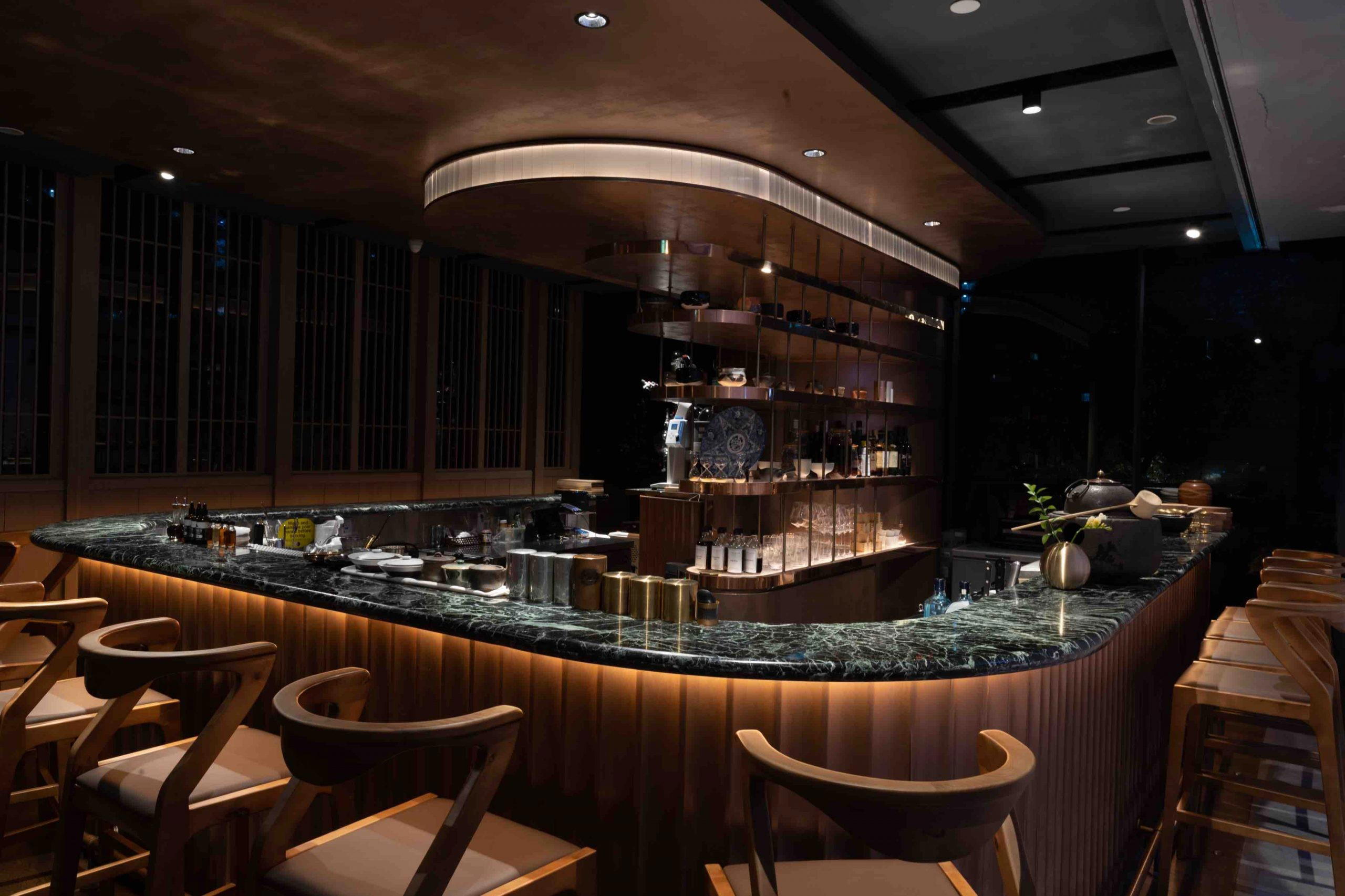
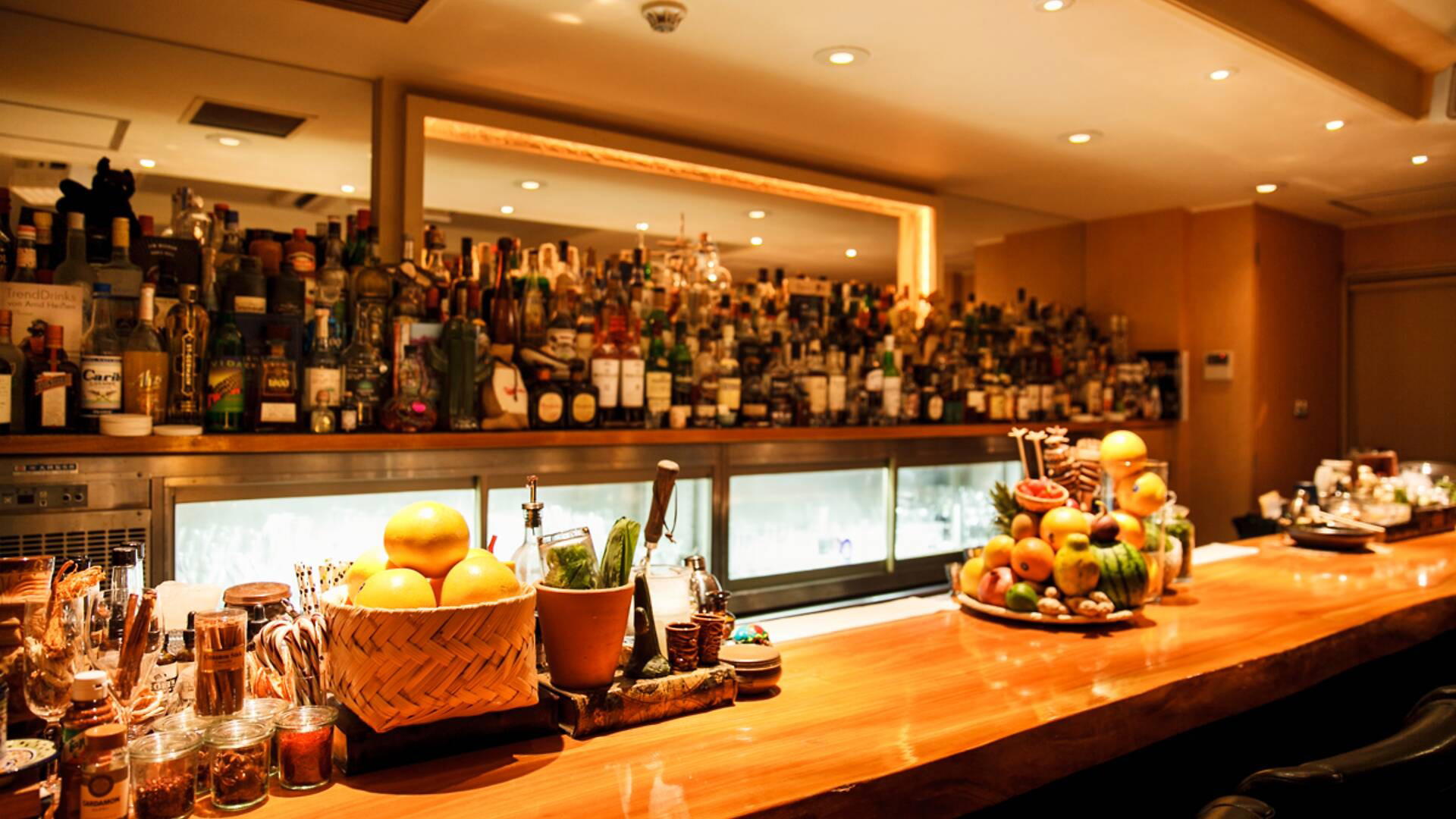
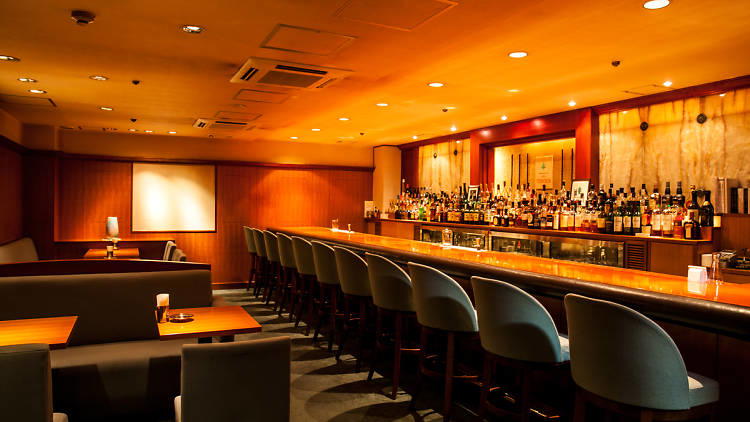
Details
- Quiet
- Classic
- Intimate
- Solo
- After Work
- Casual Hangout
- Standalone
- Sake Program
- A La Carte
- Counter Dining
- Sake
Current opening hours
- Monday
- 11:30 AM–2 PM, 6–8:30 PM
- Tuesday
- 11:30 AM–2 PM, 6–8:30 PM
- Wednesday
- 11:30 AM–2 PM, 6–8:30 PM
- Thursday
- 11:30 AM–2 PM, 6–8:30 PM
- Friday
- 11:30 AM–2 PM, 6–8:30 PM
- Saturday
- Closed
- Sunday
- Closed
Hours can change for holidays and private events. Hours as of .
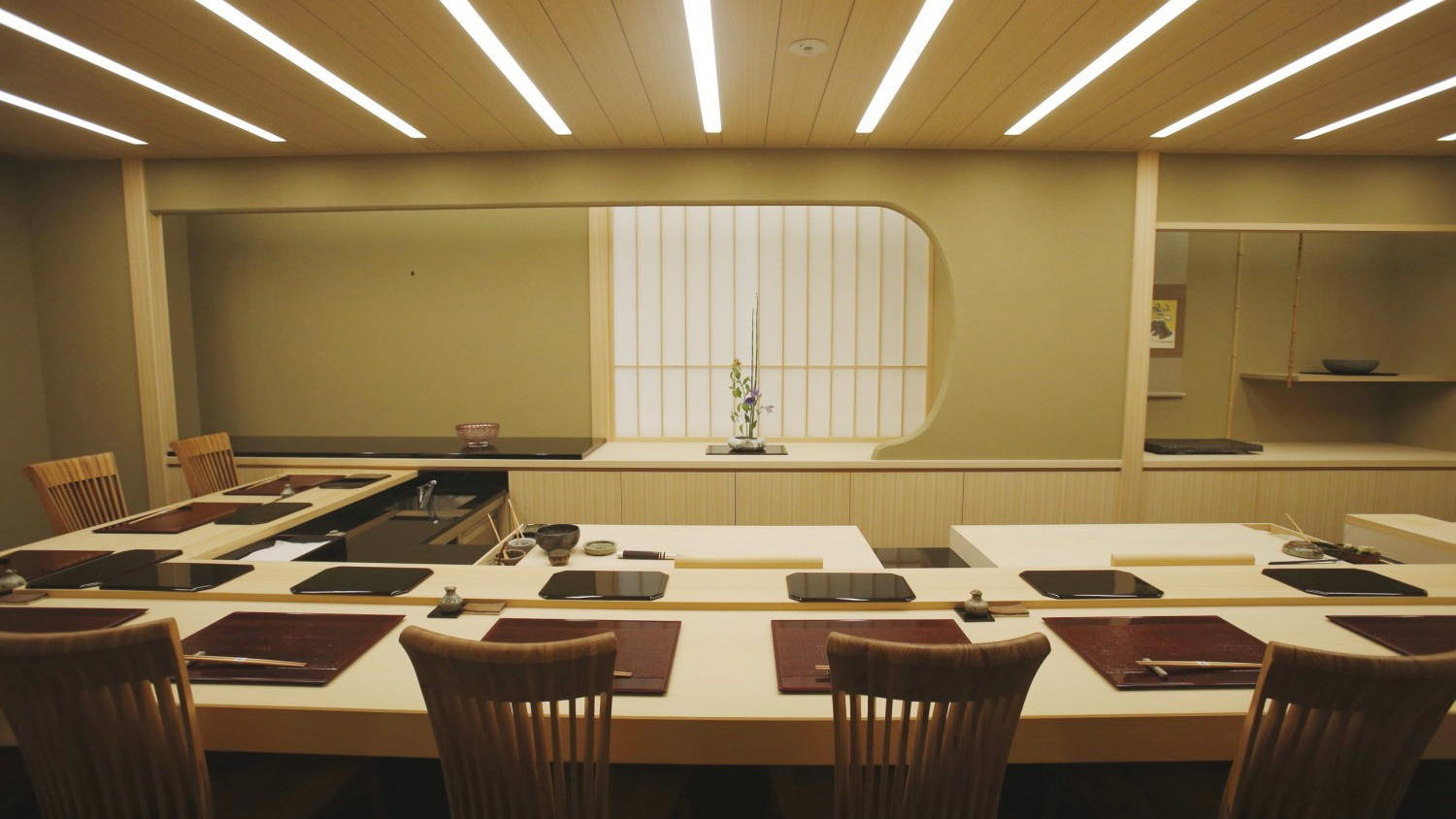
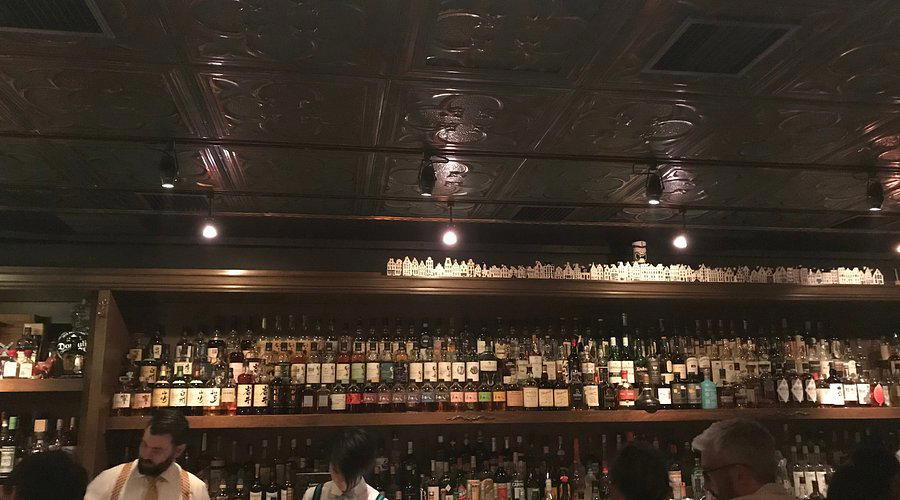
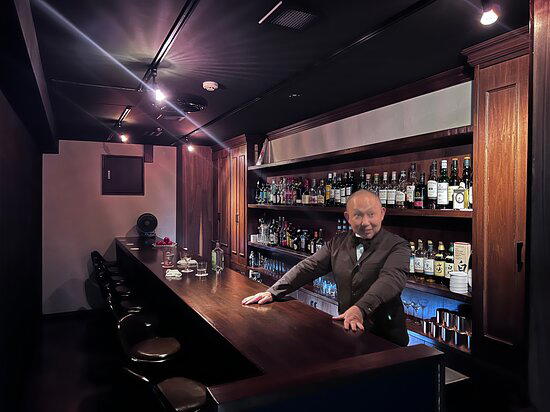
A small, serene soba shop with understated decor, limited seating, and a calm, almost reverential atmosphere focused on the craft of noodles and seasonal tempura rather than design flourishes.