Macelleria Motta


Michelin Plate
Our verdict
A Michelin Plate-recognised macelleria-restaurant in Bellinzago Lombardo, Motta sources Piedmontese beef from farms in the region, dry-ages select cuts on-site, and produces its own salumi in-house.

Pearl is the En Primeur Club membership app, where members save venues, book tables and use the concierge.
The menu
What to order
- Beef tartare
- Fiorentina steak
Where the Butcher Shop and the Restaurant Become the Same Thing
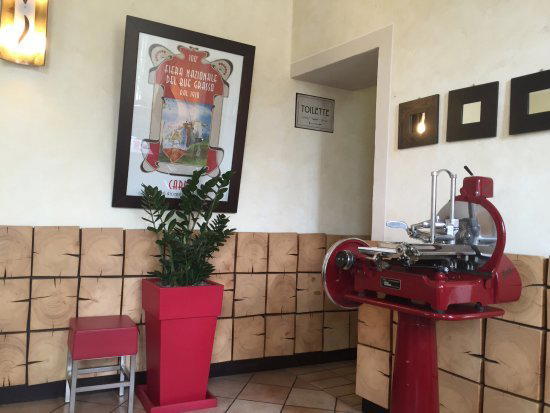
Along the Strada Padana Superiore in Bellinzago Lombardo, a stretch of road that connects Milan's eastern suburbs to the agricultural flatlands of the Po Valley, there is a category of eating that doesn't translate neatly into fine dining or casual trattoria. The macelleria-ristorante occupies its own register: part working butcher, part dining room, with the sourcing and the cooking under the same roof and the supply chain visible to anyone who walks through the door. Macelleria Motta operates in that tradition, and the large aging refrigerator near the entrance, stocked with cuts and the house-produced salumi, functions as both display case and editorial statement about what matters here.
The format is not unique to this address. Across northern Italy, the hybrid butcher-restaurant has a long lineage, particularly in regions where livestock farming defines the local economy. What distinguishes the better operators in this category is sourcing discipline and the ability to treat the cut as the primary text, with cooking technique as secondary annotation. Motta's decision to draw its beef from Piedmont rather than source generically reflects that discipline: Piedmontese cattle, a breed known for its double-muscling genetics and lean, fine-grained meat, require a relationship with specific farms rather than a commodity supplier.
The Cut as the Point: What Piedmontese Beef Actually Means
The editorial angle at this kind of restaurant begins and ends with the animal and the cut. Piedmontese beef occupies a particular position in Italy's regional meat culture. The breed's double-muscling trait, the result of a myostatin gene mutation that became fixed in the population over centuries of selective breeding, produces carcasses with a higher proportion of muscle to fat than conventional breeds. The flavour profile leans toward a cleaner, more mineral expression rather than the fatty richness that drives, for instance, Wagyu's appeal. Grilling is the appropriate technique: high heat, minimal intervention, the cut carrying the flavour on its own terms.
Motta works with multiple cuts from this breed, offering them grilled on the barbecue or, in the Piedmontese tradition, served boiled. The boiled preparation, bollito misto in its full regional form, is one of the least appreciated techniques in Italian cooking outside the regions that practice it seriously. Done correctly, the slow poaching in aromatics concentrates the meat's flavour and produces a texture that grilling cannot replicate. Both preparations sit on the menu here, which suggests a kitchen that understands the breed's range rather than defaulting to a single cooking method.
The 300g hamburger, made from the same sourced beef, topped with Aosta Valley Toma cheese, barbecue sauce, and caramelised onions, served in a sesame-seed bun, represents the modern-touch element in what is otherwise a classically oriented program. Aosta Valley Toma is a semi-soft, lightly aged cheese from the northwest Alpine region, and its mild acidity provides a counterpoint to the fat in the patty. The detail matters: using a geographically specific cheese rather than a generic melting cheese reflects the same sourcing logic applied to the beef itself.
Salumi, Aging, and the In-House Production Question
The house-produced salumi at Motta is worth pausing on. In Italy, the gap between a restaurant that buys commercial salumi and one that produces and cures its own is significant, not just as a quality signal but as an indicator of how seriously the operation treats the full arc from raw product to table. Curing requires space, temperature control, time, and knowledge of salt ratios, fat content, and microbial management. The fact that Motta produces and cures its own salumi, displayed alongside the aging cuts near the entrance, places it in a category of serious meat-focused establishments where the production itself is part of what you are eating.
On-site dry-aging of select cuts completes that picture. Dry-aging is a process that concentrates beef's flavour through moisture evaporation and tenderises the muscle through enzymatic breakdown. The large refrigerator near the entrance isn't decoration, it's infrastructure, and the transparency of its placement reflects a confidence in the process that some restaurants prefer to keep back-of-house.
Recognition and Where Motta Sits in Italy's Wider Dining Context
Michelin's Plate designation, awarded consecutively in 2024 and 2025, signals that inspectors consider the cooking at Motta to be of consistent quality, a baseline acknowledgement in a system where the full star hierarchy is reserved for a different register of ambition. The Opinionated About Dining ranking (657th in Casual Europe for 2024, recommended in 2023) adds independent corroboration from a platform whose methodology is based on aggregated expert opinion rather than a single inspector's visit.
For context, the Italian restaurants on EP Club's wider coverage that carry multiple Michelin stars, Osteria Francescana in Modena, Enrico Bartolini in Milan, Dal Pescatore in Runate, Enoteca Pinchiorri in Florence, and Le Calandre in Rubano, operate in the €€€€ tier and at a fundamentally different level of ambition and format. Motta is priced at €€, which means the comparison set is the serious casual meat restaurant rather than the tasting-menu circuit. Within that set, Plate recognition and a sustained OAD presence represent a meaningful position. For the European grills-focused frame, Carcasse in Sint-Idesbald and Damini Macelleria & Affini in Arzignano operate in an overlapping peer category, different geographies, the same essential argument about letting the quality of the animal carry the menu.
The Setting and When to Go
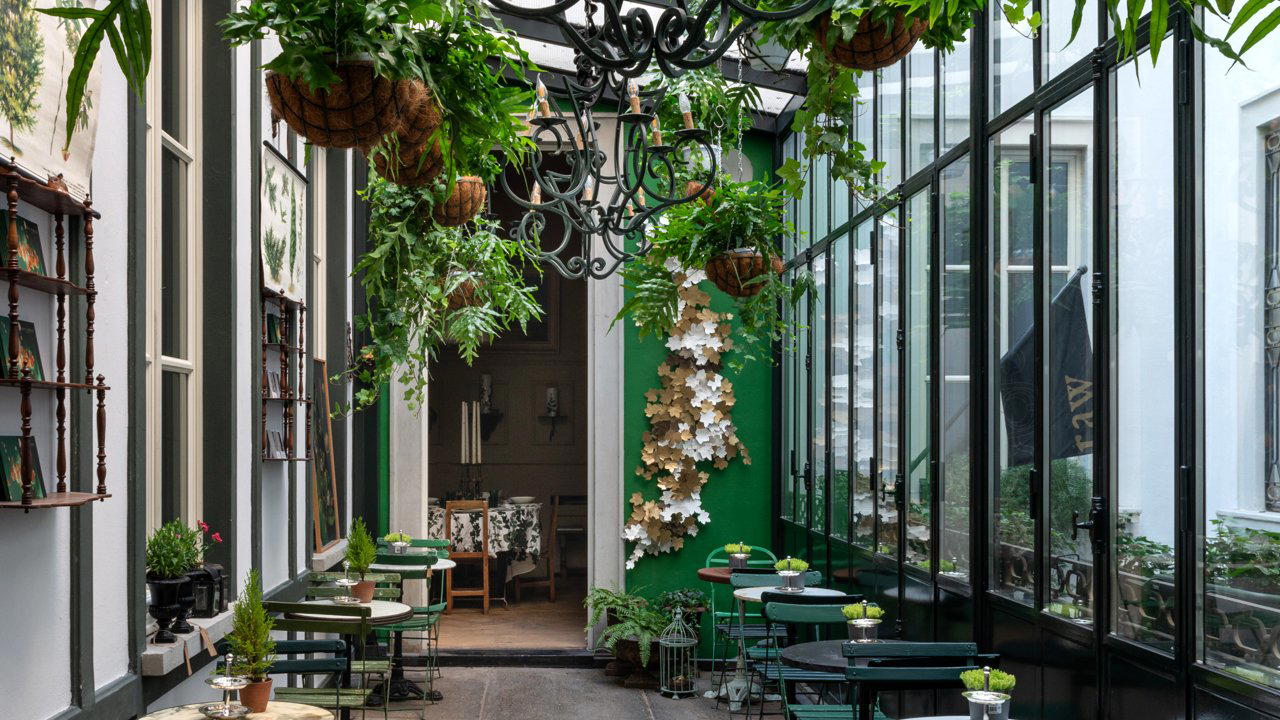
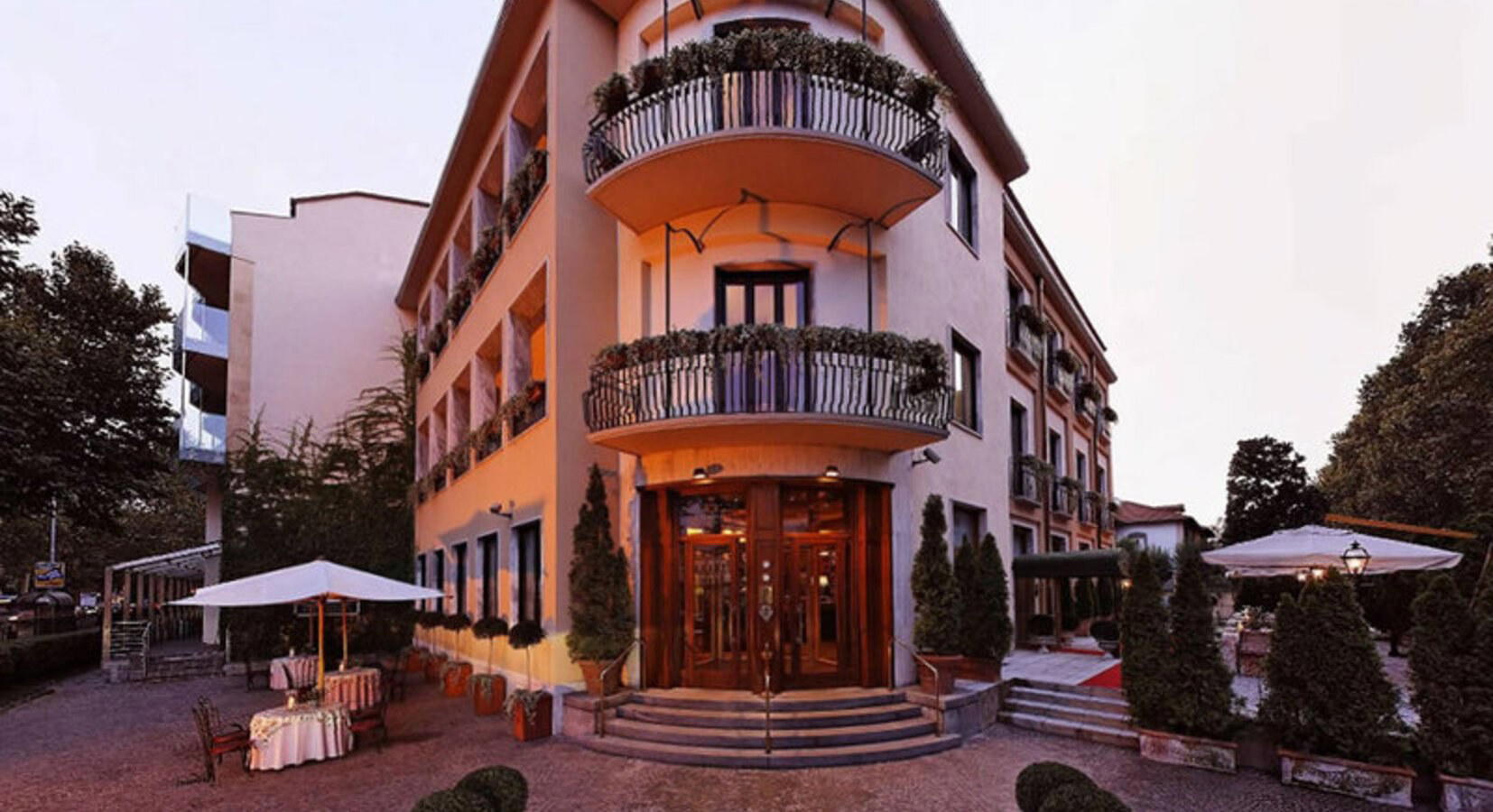
Summer alfresco dining in a Lombardy courtyard shifts the experience register noticeably. The courtyard format, common in agricultural and semi-rural Lombardy, where former farmstead architecture has been adapted for hospitality use, provides a spatial context that a conventional urban dining room cannot replicate. The combination of open air, the smell of the grill, and the proximity to the butcher counter makes the sourcing logic of the meal physically coherent in a way that it wouldn't be indoors.
On the practical side: Motta is open for lunch and dinner Monday through Saturday, with lunch service running 12 to 2:30 pm and dinner 7:30 to 10 pm. The kitchen is closed on Sundays. The mid-range price point and the accessible format make it appropriate for a range of party compositions, including families with children, where the direct grill-focused menu provides clear options without requiring familiarity with tasting menus or formal service conventions. Bellinzago Lombardo sits in Milan's eastern hinterland; visitors combining a trip here with wider Milanese dining should note that the east-of-Milan corridor offers a different register from the city's urban restaurant scene. See our full Bellinzago Lombardo restaurants guide for the broader context, along with guides to hotels, bars, wineries, and experiences in the area. Other highly regarded Italian addresses elsewhere in the country that appear in EP Club's coverage include Atelier Moessmer Norbert Niederkofler in Brunico, Quattro Passi in Marina del Cantone, Uliassi in Senigallia, Piazza Duomo in Alba, Reale in Castel di Sangro, and Casa Perbellini 12 Apostoli in Verona.
Frequently asked questions
Is Macelleria Motta okay with children?
The format, grilled meats, house salumi, and a Lombardy courtyard for summer dining, is straightforward enough that families are unlikely to feel out of place. At €€ pricing, there is no formal fine-dining atmosphere that would create tension with younger guests. That said, Motta is first and foremost a serious meat restaurant rather than a family trattoria, so meal times (noon to 2:30 pm and 7:30 to 10 pm, Monday through Saturday) are structured around a sit-down lunch or dinner.
What's the overall feel of Macelleria Motta?
Motta operates at the intersection of butcher shop and restaurant: the aging cabinet near the entrance displays cuts alongside house-cured salumi, setting the tone before you sit down. The €€ price band places it firmly in the neighbourhood-serious category rather than destination dining, and the Michelin Plate recognition in both 2024 and 2025 confirms consistent cooking quality without the ceremony of a starred room. In summer, the courtyard shifts the experience toward something more relaxed and agricultural, in keeping with the semi-rural stretch of road it sits on.
Is Macelleria Motta award-winning?
Macelleria Motta has received recognition including: Motta has established a reputation for quality, especially for its meat which is carefully sourced from farms in the Piedmont region. Some of the excellent options on the menu are aged in a large fridge near the entrance, along with differe….
What do people recommend at Macelleria Motta?
Piedmontese beef is the editorial focus, with cuts grilled over barbecue or served boiled in the classic Lombard tradition. The 300g hamburger with Aosta Valley Toma cheese, BBQ sauce, and caramelised onions on a sesame-seed bun draws specific attention as a menu anchor. The house-produced salumi, cured on-site and displayed near the entrance, is also worth ordering as a starting point, the in-house production is a meaningful distinction in a country where most restaurants source commercially.
Quick Comparison
| Venue | Cuisine | Price | Awards | Notes |
|---|---|---|---|---|
| Macelleria MottaThis venue (the venue you are viewing) | Italian Steakhouse Specializing in Piedmontese Beef | $50–100 | Michelin Plate | Not listed |
| Atelier Moessmer Norbert Niederkofler | Modern Alpine Fine Dining | $300–500 | 3 Michelin Stars · World's 50 Best #20 | Italian, Creative |
| Dal Pescatore | Classic Italian Fine Dining | $200–300 | 3 Michelin Stars · World's 50 Best #38 | Italian, Italian Contemporary |
| Enoteca Pinchiorri | Contemporary Italian Fine Dining | $200–300 | 3 Michelin Stars · World's 50 Best #32 | Italian - French, Italian Contemporary |
| Enrico Bartolini | Modern Italian Fine Dining | $300–500 | 3 Michelin Stars · World's 50 Best #85 | Creative |
| Osteria Francescana | Avant-Garde Italian Contemporary | $300–500 | 3 Michelin Stars · World's 50 Best #1 | Progressive Italian, Creative |
Recognition history
Dated appearances from independent guides and award organizations, with the underlying list record or original source where available.
Michelin Plate
Michelin
Opinionated About Dining Casual in Europe Recommended
Opinionated About Dining
Full recognition history (6 entries)
Michelin Plate
Michelin
Michelin Plate
Michelin
Opinionated About Dining Casual in Europe Ranked #657
Opinionated About Dining
Opinionated About Dining Casual in Europe Recommended
Opinionated About Dining
Continue exploring
More in Bellinzago Lombardo
Restaurants in Bellinzago Lombardo
All restaurants in Bellinzago Lombardo →
Bars in Bellinzago Lombardo
Browse all →

Details
- Rustic
- Elegant
- Special Occasion
- Business Dinner
- Open Kitchen
- Extensive Wine List
- Local Sourcing
- A La Carte
- Wine
- Gluten Free Options
Current opening hours
- Monday
- 12–2:30 PM, 7:30–10 PM
- Tuesday
- 12–2:30 PM, 7:30–10 PM
- Wednesday
- 12–2:30 PM, 7:30–10 PM
- Thursday
- 12–2:30 PM, 7:30–10 PM
- Friday
- 12–2:30 PM, 7:30–10 PM
- Saturday
- 12–2:30 PM, 7:30–10 PM
- Sunday
- Closed
Hours can change for holidays and private events. Hours as of .
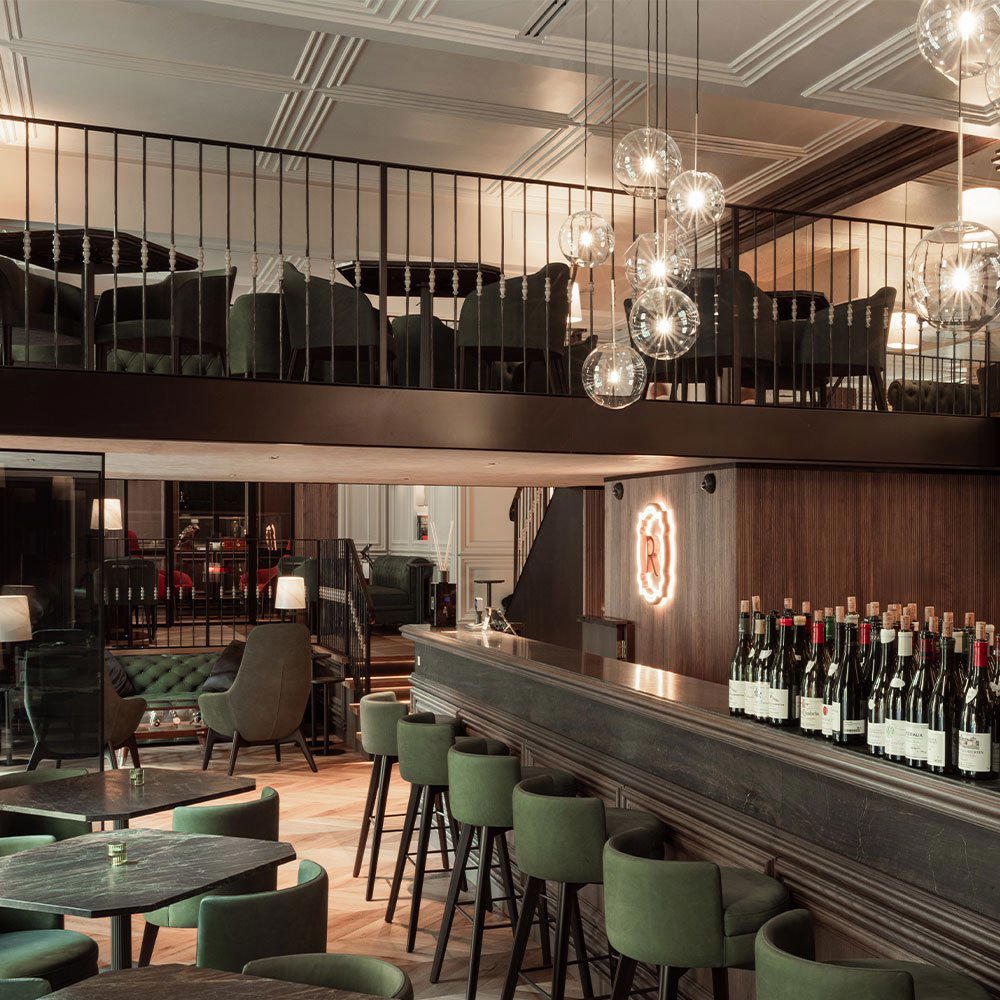
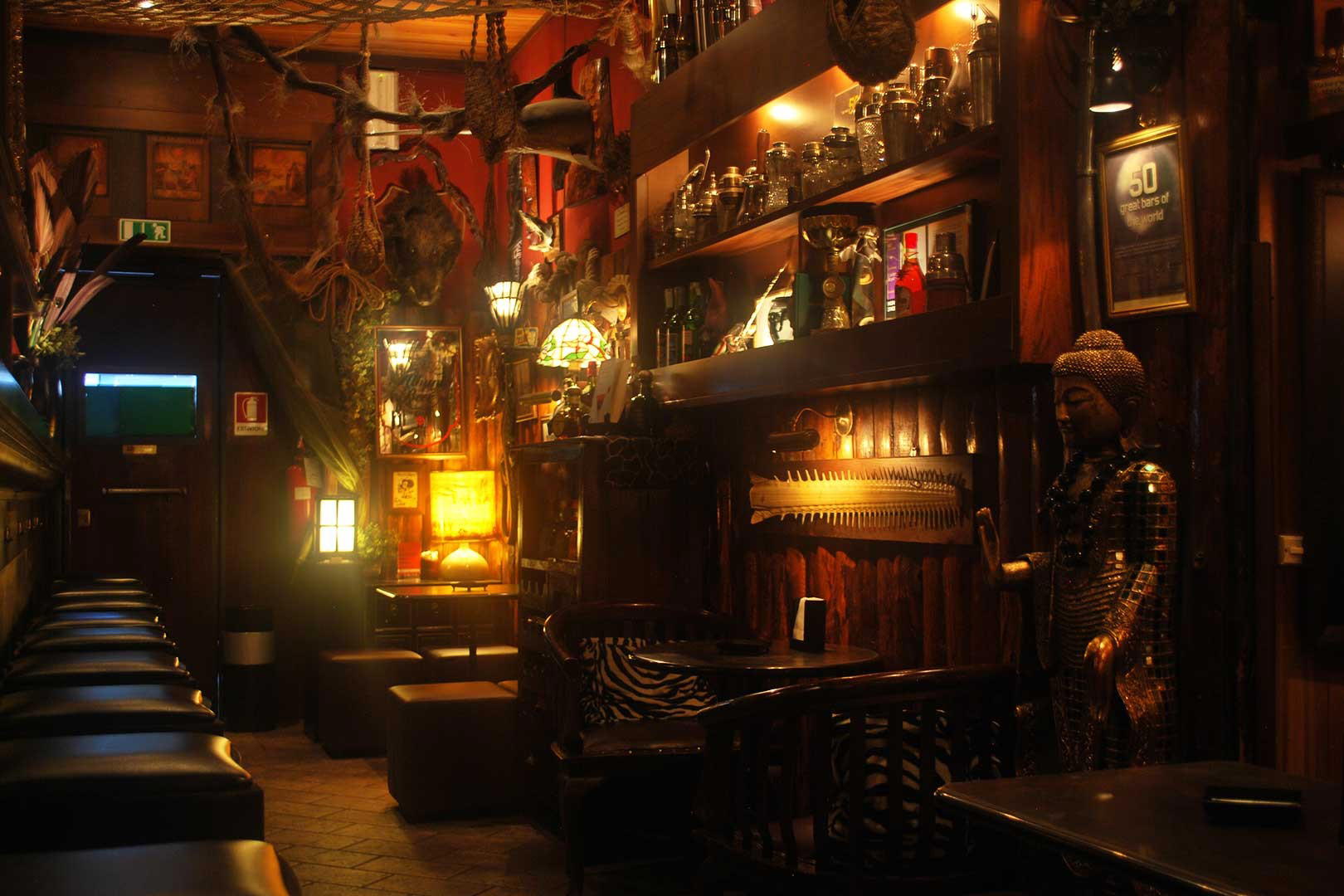
Maximalist design with visible dry-aging fridge displaying premium meat cuts, creating a rustic yet sophisticated meat-centric atmosphere.