
Michelin Plate
Our verdict
Occupying the old stables of the Castello di San Gaudenzio in the Bassa Lomellina, Dama holds a Michelin Plate and consecutive Opinionated About Dining rankings through 2025. The menu moves between rooted Lomellina produce — baked onion, 24-month Grana Padano — and more creative constructions, backed by a wine list weighted toward the Oltrepò Pavese appellation a short drive south.

Pearl is the En Primeur Club membership app — saves, bookings, and concierge access live there. Same editors, same standards.
- Address
- Via Mulino, 2, 27050 San Gaudenzio PV, Italy
- Phone
- +39 0383 3331
- Hours
- Mon–Wed ClosedThu–Fri 7:30–10 PMSat 12:30–2 PM, 7:30–10 PMSun 12:30–2 PM
- Website
- damaristorante.it
- Directions
- Get directions
- Booking
- Book on TheFork
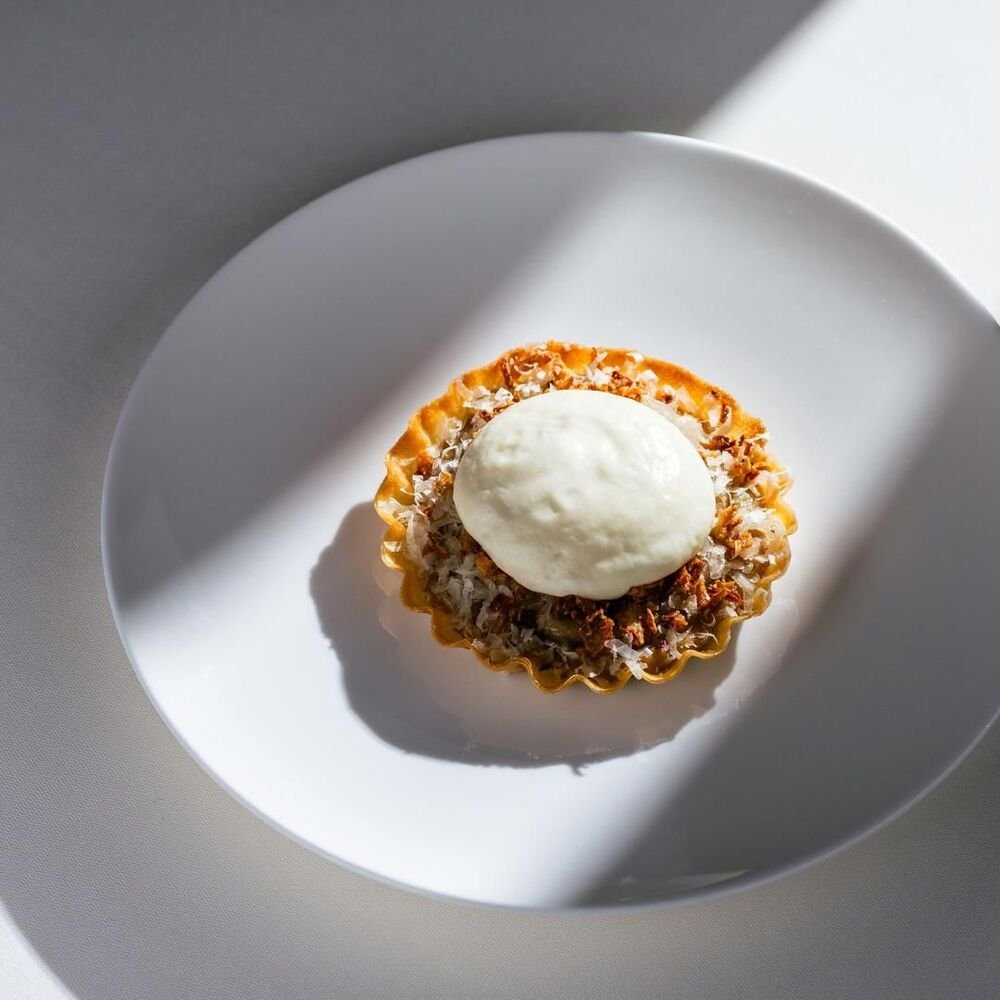
The menu
What to order
- Golden Onion from Voghera with Grana Padano
- Agnolotti del Plin
- Bacio di Dama
A Castle's Stables, Repurposed for Serious Eating
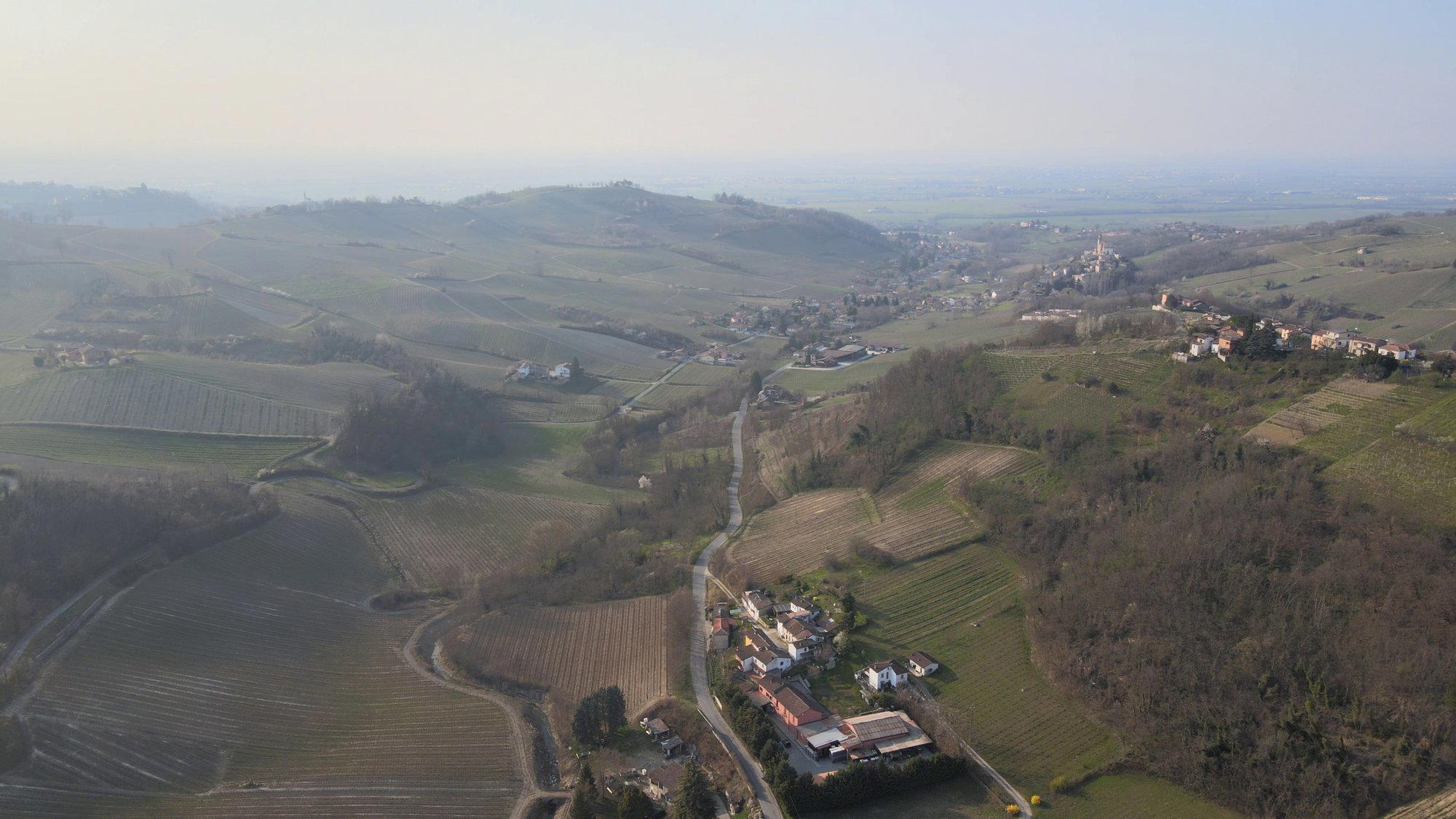
The Bassa Lomellina is rice-paddy country: flat, quiet, and largely off the map for travellers routing between Milan and the Ligurian coast. Cervesina sits in this stretch of southern Lombardy, close enough to Voghera to reach without drama but far enough from any obvious tourist pull that arriving here requires intention. The restaurant that has drawn that intention is Dama, positioned inside the old stables of the Castello di San Gaudenzio on Via Mulino — a setting where thick stone walls and the bones of an agricultural building replace the designed-from-scratch interiors that newer city restaurants favour. The architecture does part of the atmospheric work before the meal begins.
This kind of conversion — estate outbuilding to gourmet table, has precedent across northern Italy, where agrarian heritage and culinary ambition have long found each other naturally. What makes Dama worth the detour is not the building alone, but what is being served inside it, and the consistent external recognition that cooking has attracted since the restaurant opened under a young chef's direction.
Where Dama Sits in the Italian Fine-Dining Conversation
Italy's premium restaurant tier is dominated by a well-documented set of multi-Michelin-starred establishments: Dal Pescatore in Runate, Enoteca Pinchiorri in Florence, Le Calandre in Rubano, Osteria Francescana in Modena, and Enrico Bartolini in Milan among them. These are three-star operations with international waiting lists and price points that reflect it. Dama operates in a different register: a Michelin Plate holder priced at the €€€ tier, which in practical terms means a serious kitchen producing food that has earned the guide's acknowledgment without yet crossing into the rarified altitude of full-star recognition.
That position is worth reading carefully. The Michelin Plate signals a kitchen that Michelin inspectors believe is cooking good food, not a consolation marker, but a meaningful early-tier credential in a country where the inspectorate is demanding. Alongside that, Dama has accumulated consecutive Opinionated About Dining recognition: recommended in 2023, ranked at #500 in the Casual category for 2024, and rising to #484 in 2025. OAD rankings are generated from the responses of frequent restaurant-goers and travelling food professionals, making consistent upward movement in that list a signal worth noting. The trajectory over three years suggests a kitchen that is tightening, not resting.
For broader context on where creative Italian cooking at this tier sits globally, Frantzén in Stockholm and FZN by Björn Frantzén in Dubai represent the upper end of modern tasting-menu ambition for comparison. Dama operates closer to what might be called the productive middle ground of Italian fine dining: technically serious, regionally anchored, and not yet subject to the booking difficulty that three-star kitchens generate.
The Menu: Lomellina Produce and a Creative Register
The culinary identity at Dama is built on a productive tension that runs through several of northern Italy's more interesting restaurants. On one side, there is the discipline of cooking with what the local territory actually produces, in the Lomellina, that means rice, river fish, aged dairy, and alliums that have been central to the Po Valley table for generations. Baked onion and 24-month Grana Padano cheese appear as local anchors on the menu, two ingredients that require no invention to justify: the Grana Padano at that age is a technically demanding product with a crystalline, complex texture that stands on its own.
That framing is deliberate: the creativity is not arbitrary, but grounded in the logic of the cuisine it departs from. This approach has become a meaningful strand in northern Italian cooking at the post-Michelin-Plate level, neither slavish reproduction of tradition nor untethered experimentation, but a dialogue between the two registers. Restaurants like Piazza Duomo in Alba and Reale in Castel di Sangro have built significant reputations on similar foundations, though at higher star levels and correspondingly different price points.
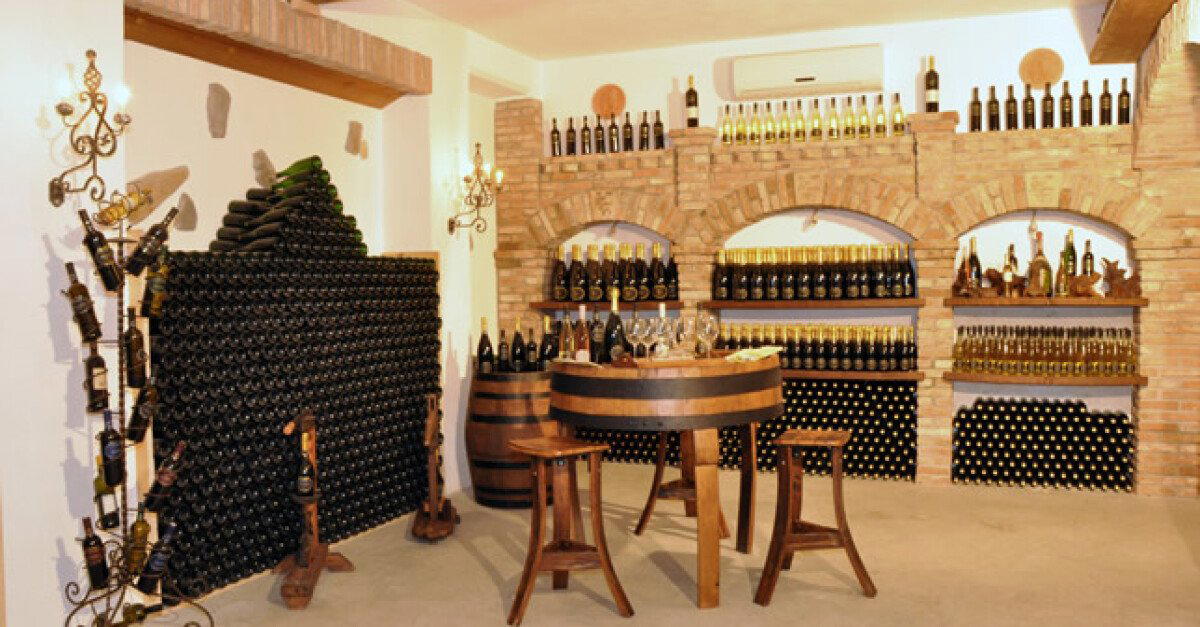
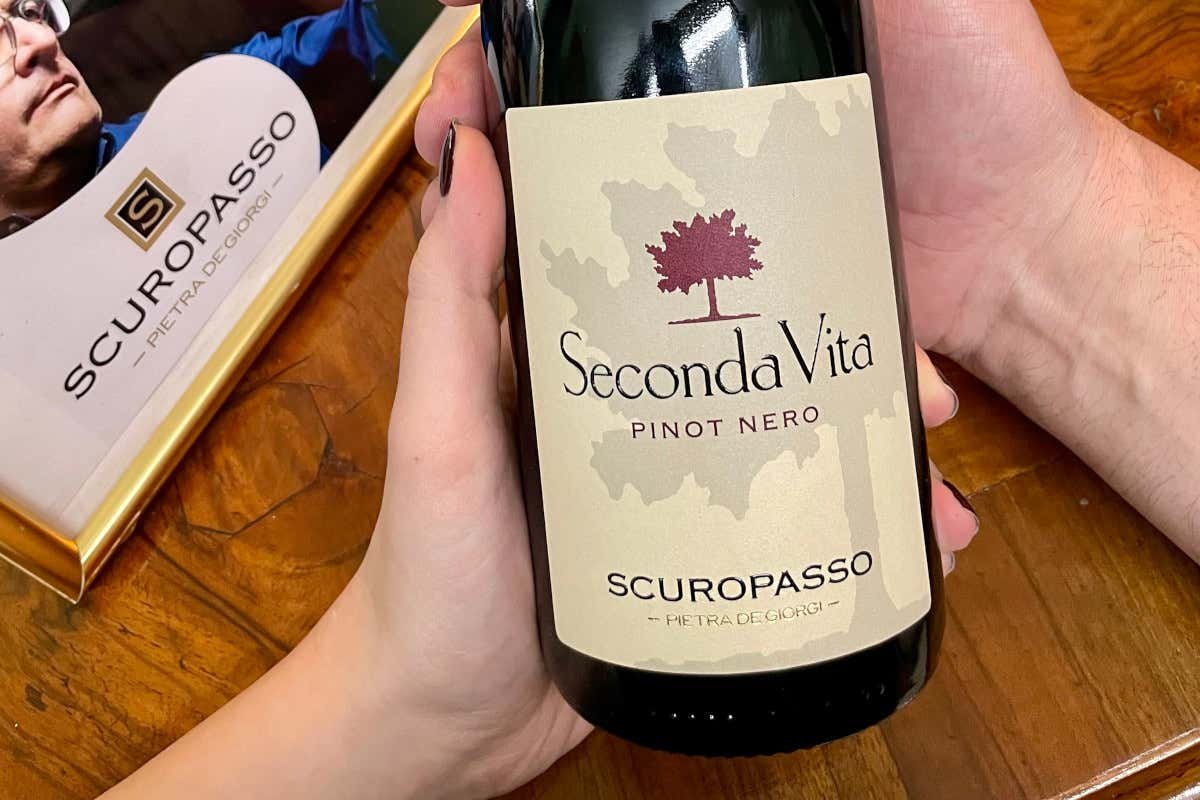
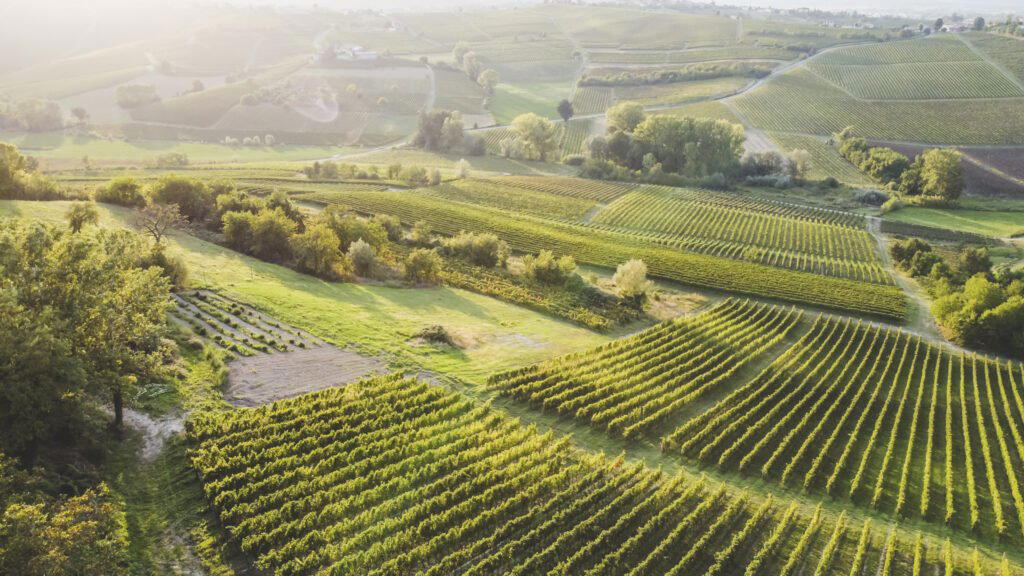
The wine list extends that regional commitment into the glass. The Oltrepò Pavese, which sits a short distance south of Cervesina across the Po, is one of Lombardy's more underappreciated wine zones, a hilly area producing Pinot Nero, Bonarda, Riesling Italico, and several varieties that receive considerably less international attention than the region merits.
Chef Antonia Lofaso and the Case for Young-Kitchen Ambition
The broader pattern in Italian regional cooking is that kitchens run by younger chefs in non-capital cities tend to generate a specific kind of energy: less institutional inertia, more willingness to take the local ingredient seriously on its own terms rather than through the prism of what the major city market expects. Dama fits that pattern. Chef Antonia Lofaso leads a kitchen that the Michelin guide and OAD's travelling respondents have now placed on record three years running, not a fluke result, but a sustained signal. For further comparison of how Italian chefs at this career stage translate regional discipline into recognised form, Uliassi in Senigallia, Quattro Passi in Marina del Cantone, Atelier Moessmer Norbert Niederkofler in Brunico, and Casa Perbellini 12 Apostoli in Verona represent different points on that spectrum, each at higher recognition tiers.
Planning a Visit
Dama is addressed at Via Mulino 2, inside the Castello di San Gaudenzio estate in the San Gaudenzio locality of Cervesina (province of Pavia). It sits a few kilometres from Voghera, which is reachable by train from Milan Centrale in under an hour on the main line toward Genoa; from there, Cervesina is a short drive. Pricing at the €€€ tier places Dama above the casual trattoria range but below the multi-course tasting-menu expense of three-star peers. For a fuller picture of the area's dining, drinking, and accommodation options, see our full Cervesina restaurants guide, our full Cervesina hotels guide, our full Cervesina bars guide, our full Cervesina wineries guide, and our full Cervesina experiences guide.
Frequently asked questions
Would Dama be comfortable with kids?
Dama holds a Michelin Plate and draws a clientele focused on regional produce and creative cooking inside a historic castle stable — a setting that reads more as an occasion restaurant than a family-casual one. Nothing in the venue's documented profile rules children out, but the atmosphere and price range (€€€) suggest it is better suited to adult-oriented meals.
Is Dama better for a quiet night or a lively one?
The setting — the old stables of the Castello di San Gaudenzio in the flat, rice-paddy country of Bassa Lomellina — points firmly toward a quiet evening. Dama's OAD Casual ranking and Michelin Plate recognition describe a kitchen that rewards attention, not a backdrop for a loud celebration.
Is Dama Michelin-listed?
Dama has received recognition including: Situated just a few kilometres from Voghera in the Bassa Lomellina area, this gourmet restaurant run by a young chef occupies the old stables of the Castello di San Gaudenzio. Alongside local specialities such as baked onion and 24-month-ol….
What dish is Dama famous for?
The venue's documented menu anchors include baked onion and 24-month-old Grana Padano cheese alongside more creative dishes drawn from authentic local recipes. Those two preparations represent the kitchen's stated identity: Lomellina produce treated with enough technique to earn consistent OAD recognition since 2023.
What's the price range at Dama?
Pricing at Dama is listed as €€€.
What part of town is Dama in?
Dama is located at Via Mulino, 2, 27050 San Gaudenzio PV, Italy, Cervesina.
At-a-Glance Comparison
| Venue | Cuisine | Price | Awards | Notes |
|---|---|---|---|---|
| DamaThis venue — the venue you are viewing | Modern Italian Fine Dining | Not listed | Michelin Plate | Not listed |
| Atelier Moessmer Norbert Niederkofler | Italian, Creative | Not listed | Michelin 3 Star | Not listed |
| Dal Pescatore | Italian, Italian Contemporary | Not listed | Michelin 3 Star | Not listed |
| Enoteca Pinchiorri | Contemporary Italian Fine Dining | $200–300 | 3 Michelin Stars · World's 50 Best #32 | Italian - French, Italian Contemporary |
| Enrico Bartolini | Creative | Not listed | Michelin 3 Star | Not listed |
| Osteria Francescana | Avant-Garde Italian Contemporary | $300–500 | 3 Michelin Stars · World's 50 Best #1 | Progressive Italian, Creative |
Recognition history
Dated appearances from independent guides and award organizations, with the underlying list record or original source where available.
Michelin Plate
Michelin
Full recognition history (2 entries)
Michelin Plate
Michelin
Continue exploring
More in Cervesina
Restaurants in Cervesina
Browse all →
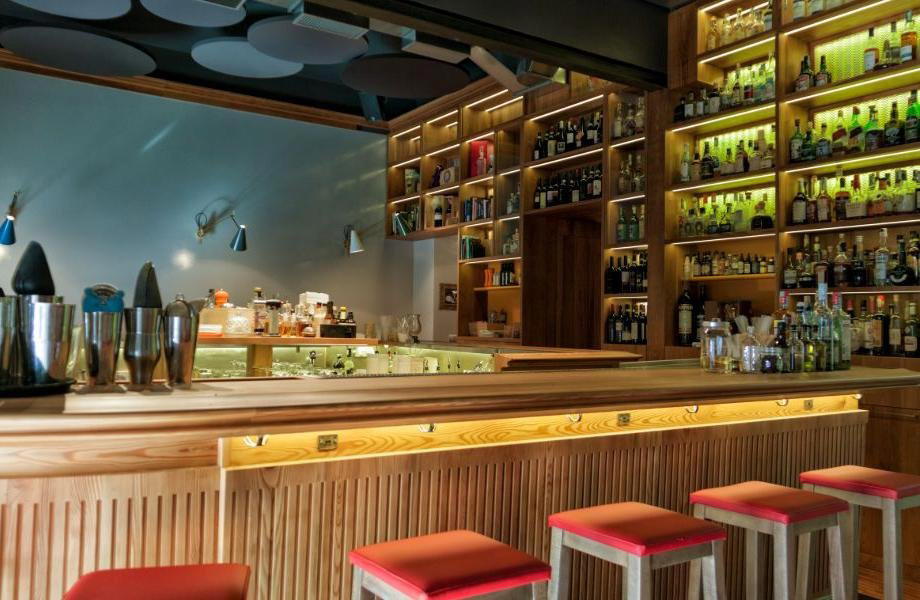
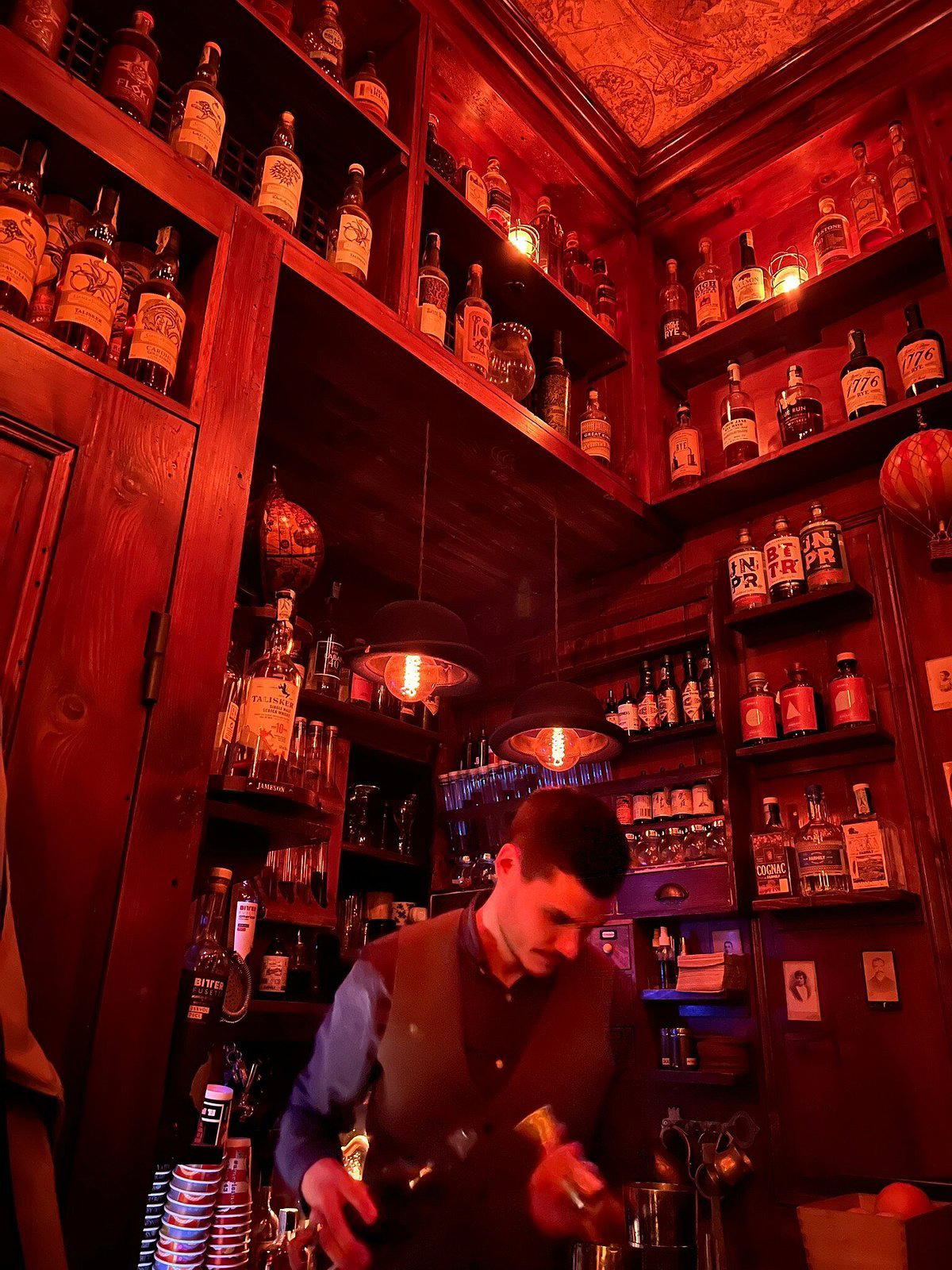
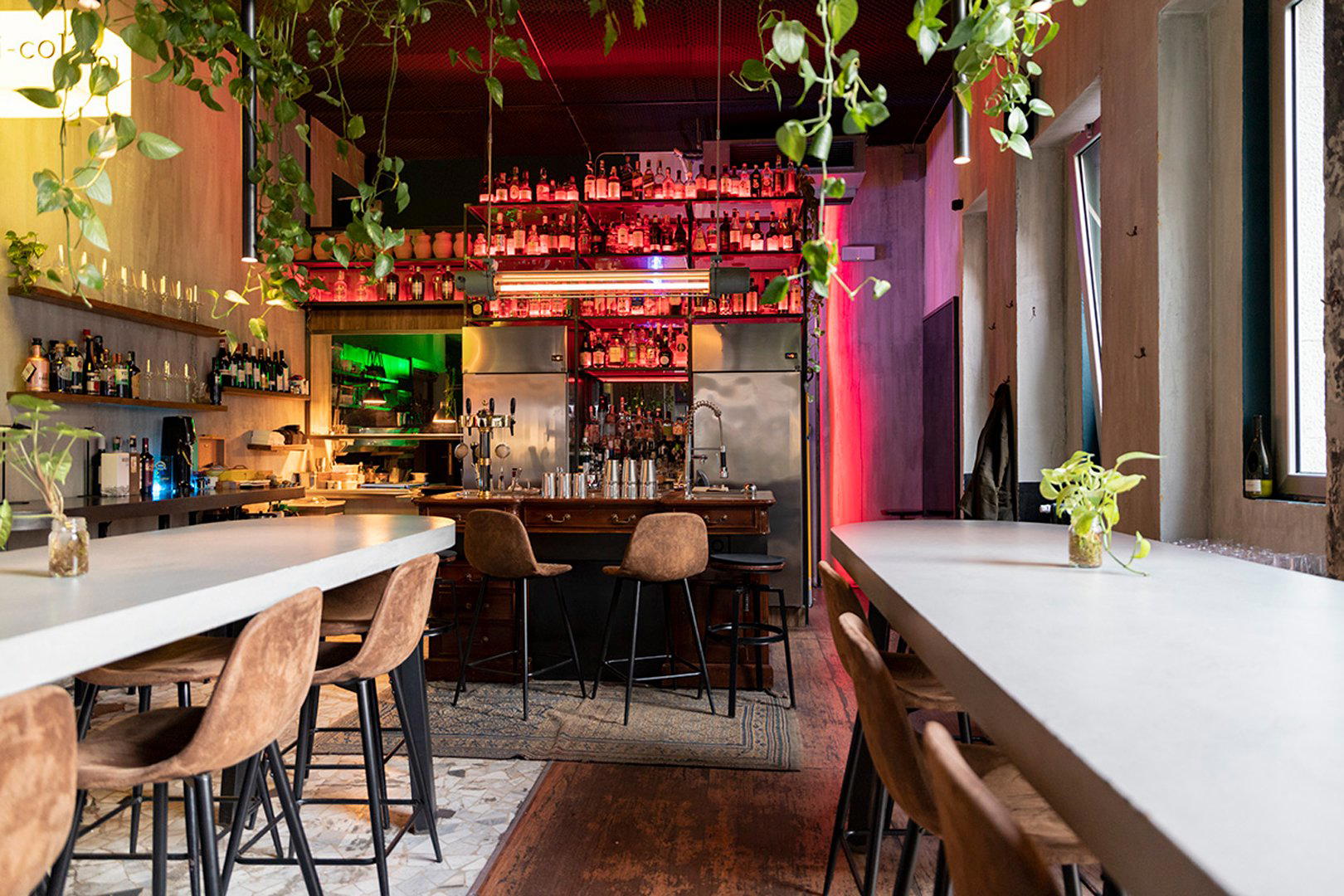
Bars in Cervesina
Browse all →
Hotels in Cervesina
Browse all →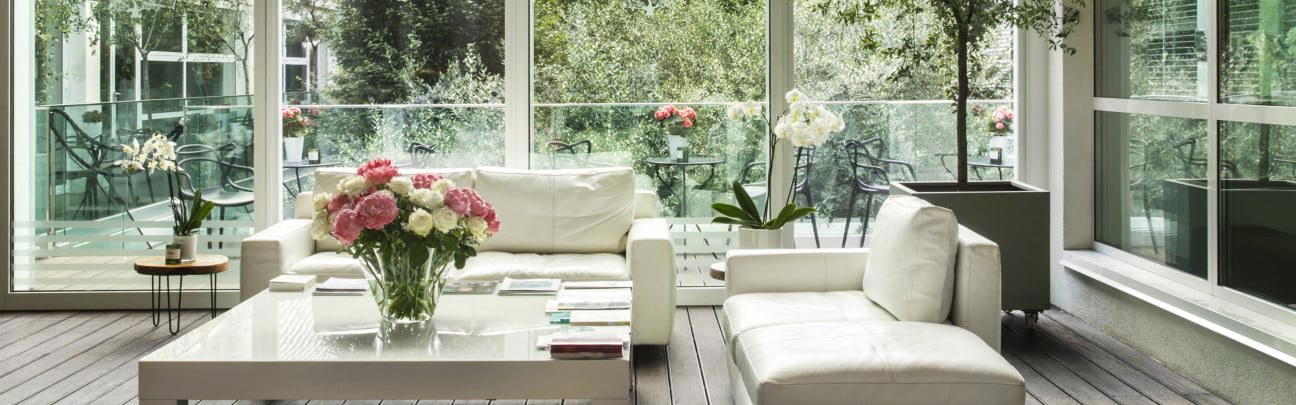

Dama
The wine
- Wine program
- Curated wine list
- Extensive wine list
- Sommelier-led
Details
- Elegant
- Sophisticated
- Romantic
- Classic
- Date Night
- Special Occasion
- Business Dinner
- Historic Building
- Open Kitchen
- Private Dining
- Extensive Wine List
- Sommelier Led
- Local Sourcing
- Garden
- Tasting Menu
- Prix Fixe
- Wine
Current opening hours
- Monday
- Closed
- Tuesday
- Closed
- Wednesday
- Closed
- Thursday
- 7:30–10 PM
- Friday
- 7:30–10 PM
- Saturday
- 12:30–2 PM, 7:30–10 PM
- Sunday
- 12:30–2 PM
Hours can change for holidays and private events. Last verified .
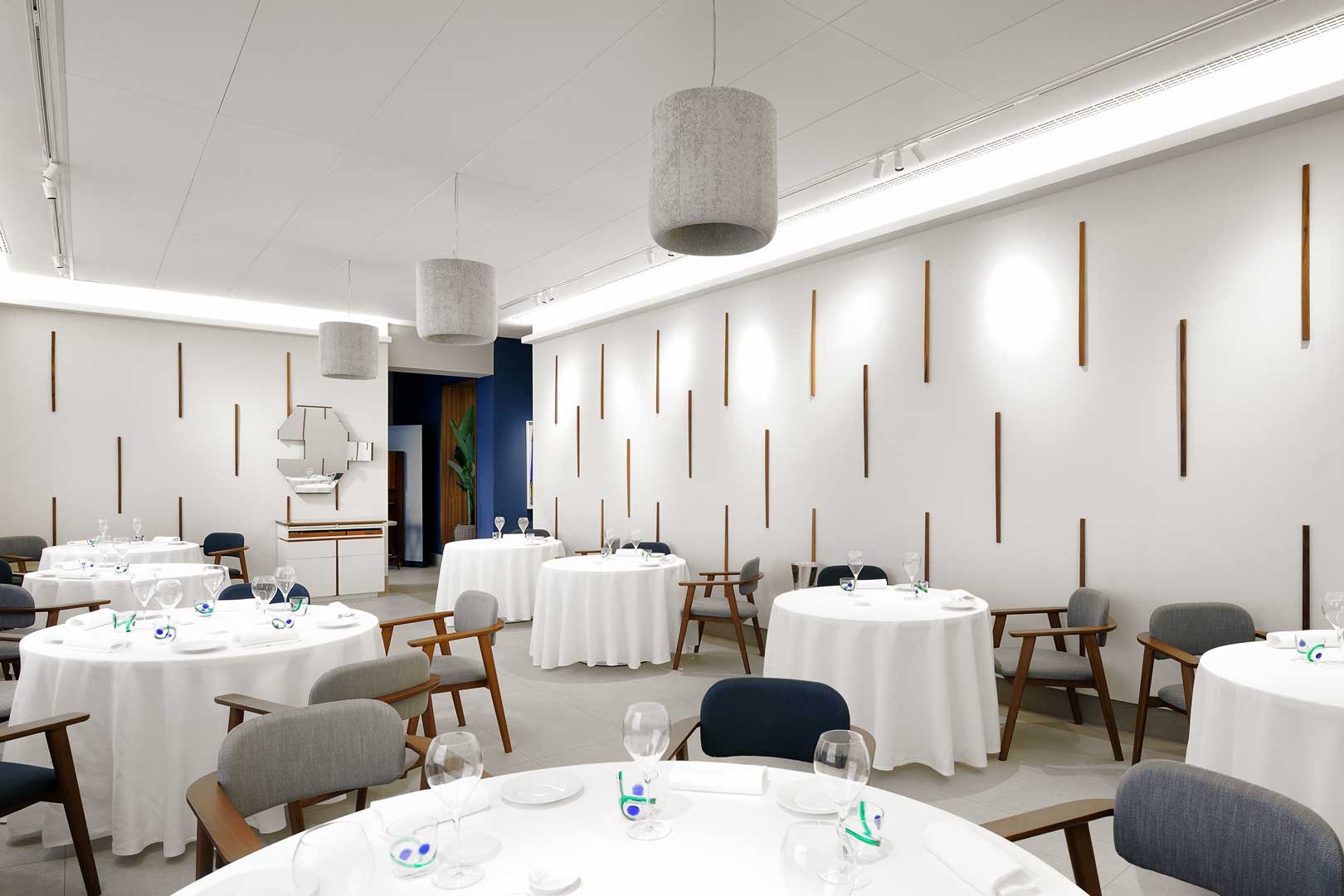
Elegant and sophisticated setting with refined presentation, housed in a historic castle farmhouse with ornate medieval architecture.