
Michelin Plate · Star Wine List
Our verdict
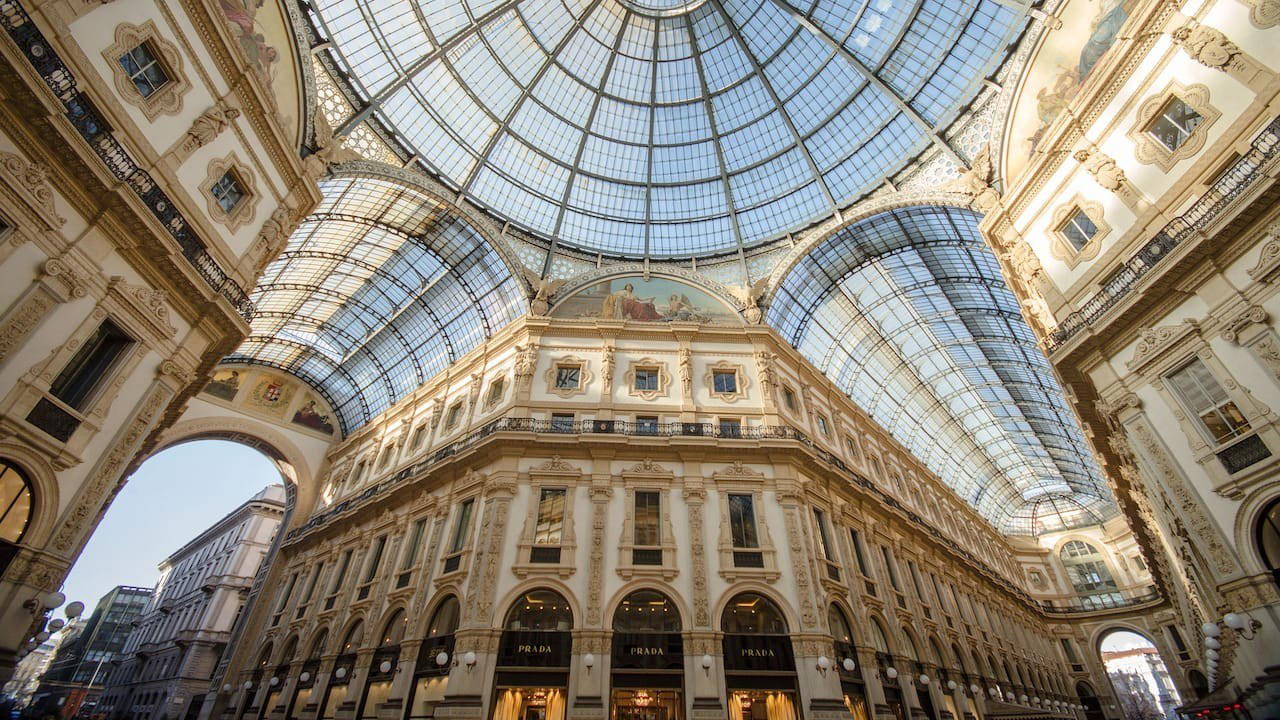
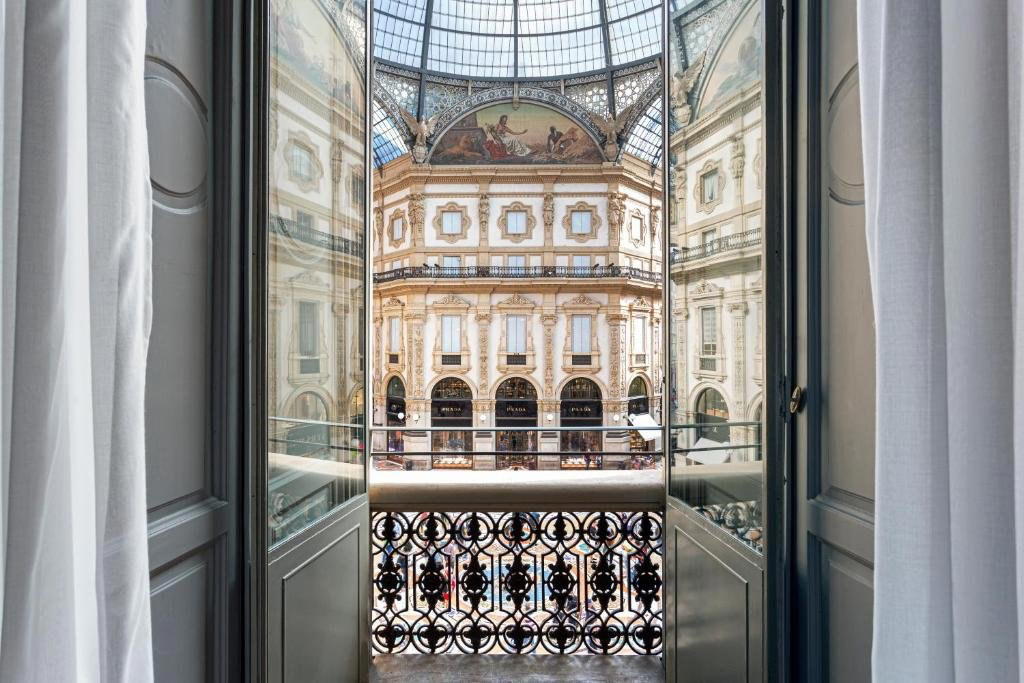
The fine dining restaurant inside Park Hyatt Milan sits a short walk from the Duomo and Galleria Vittorio Emanuele, operating at the €€€€ tier with a 2025 Michelin Plate. The kitchen draws on French technique and Mediterranean produce, producing seasonal, occasionally complex plates that read as quietly ambitious within Milan's competitive luxury-hotel dining set.

Pearl is the En Primeur Club membership app, where members save venues, book tables and use the concierge.

Dining at the Center of Milan's Luxury Core
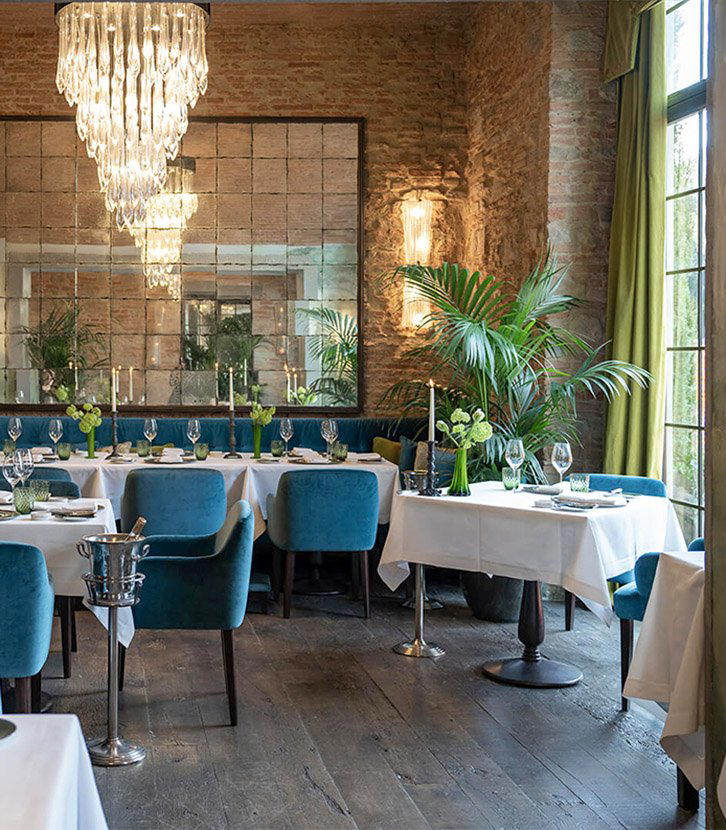
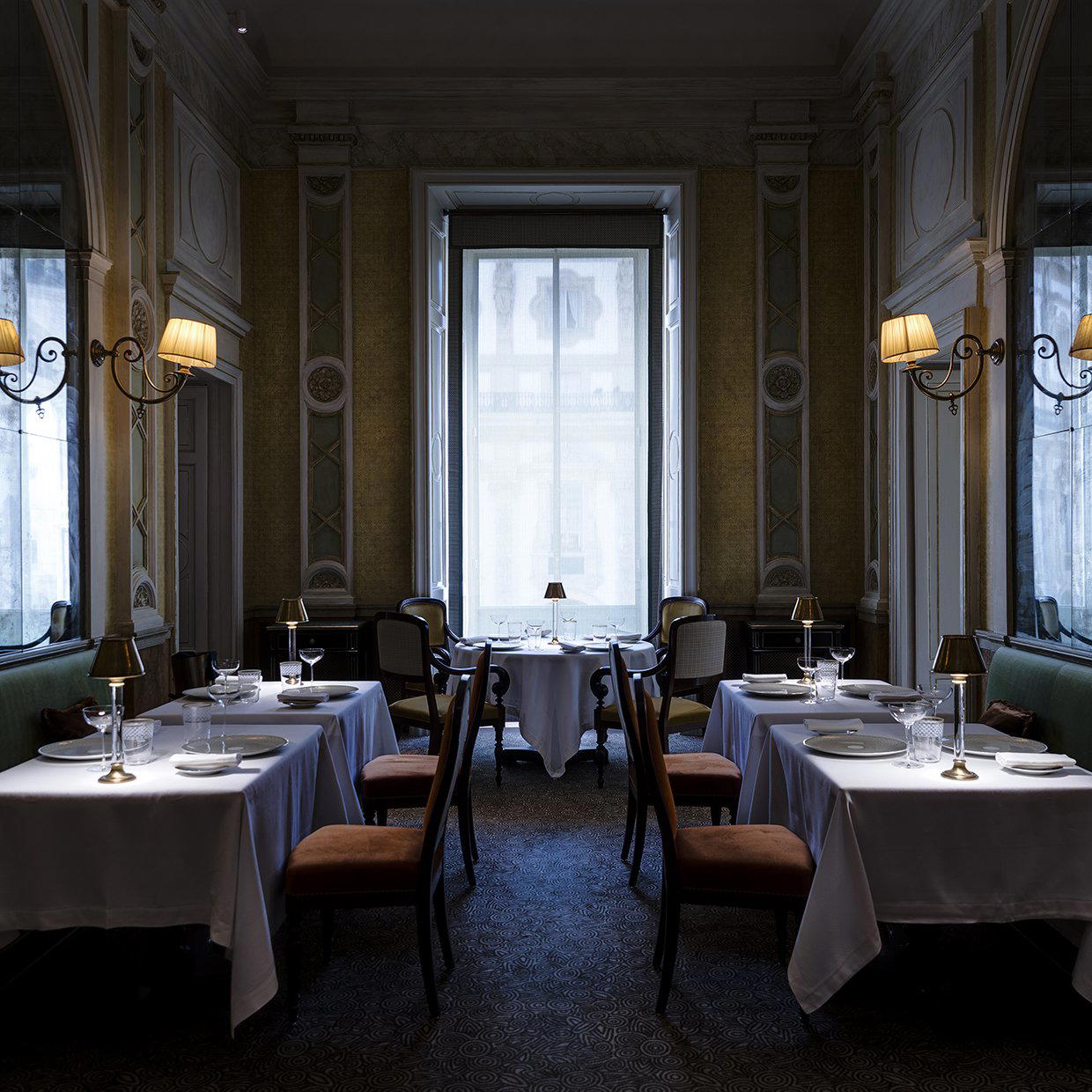
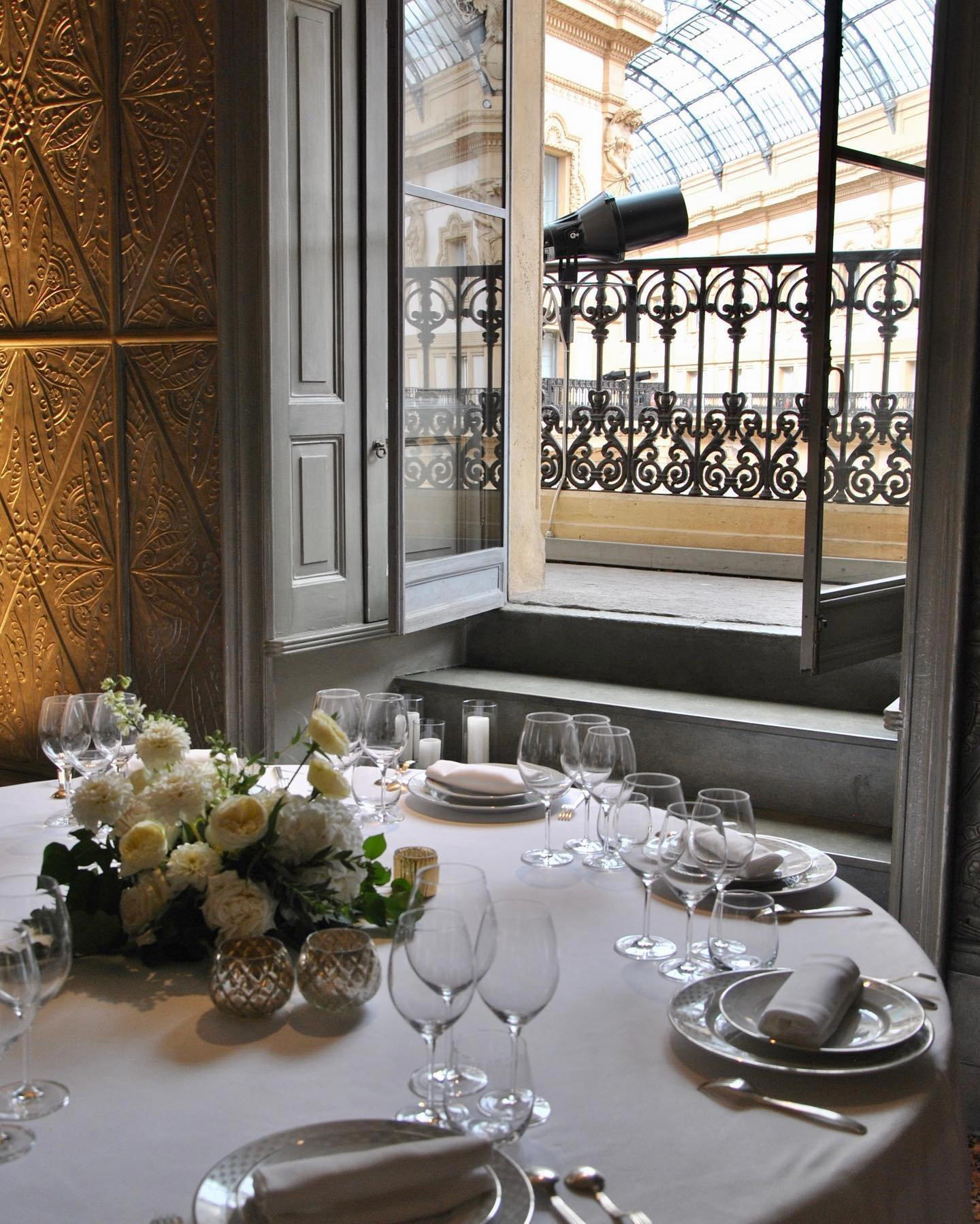
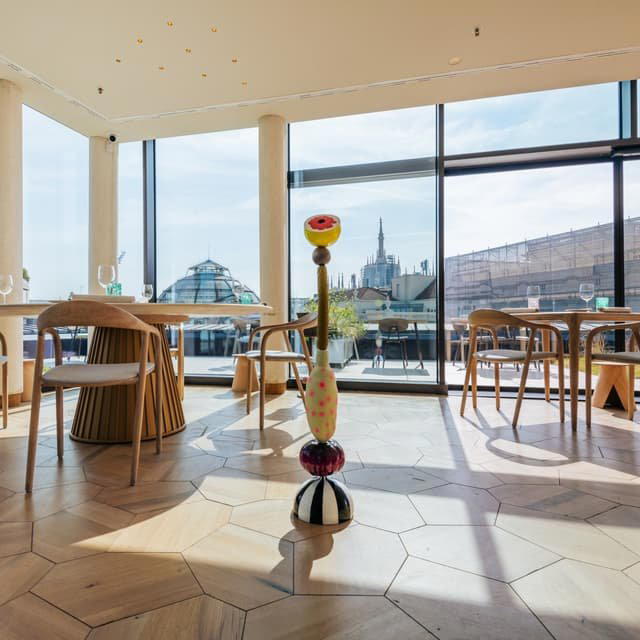
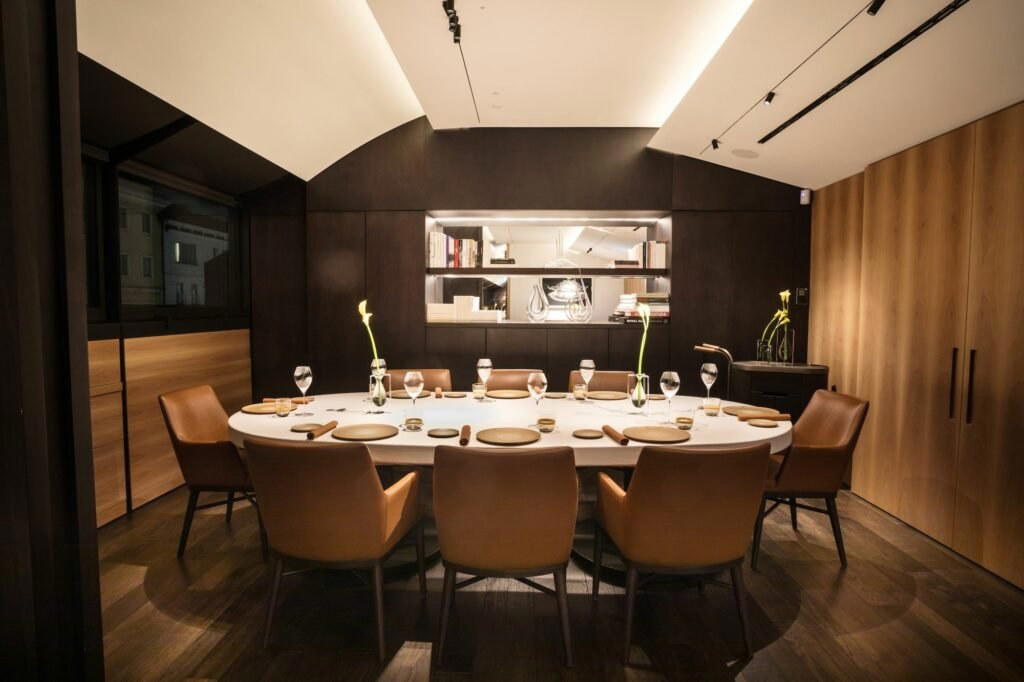
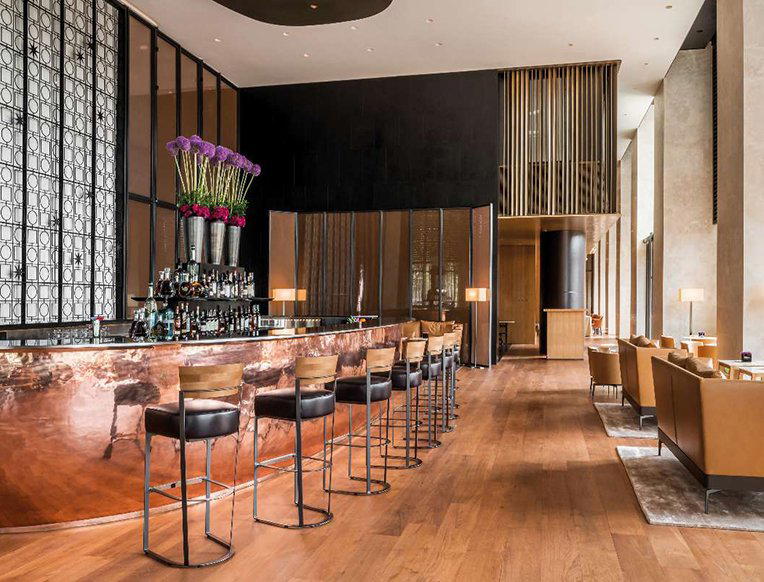
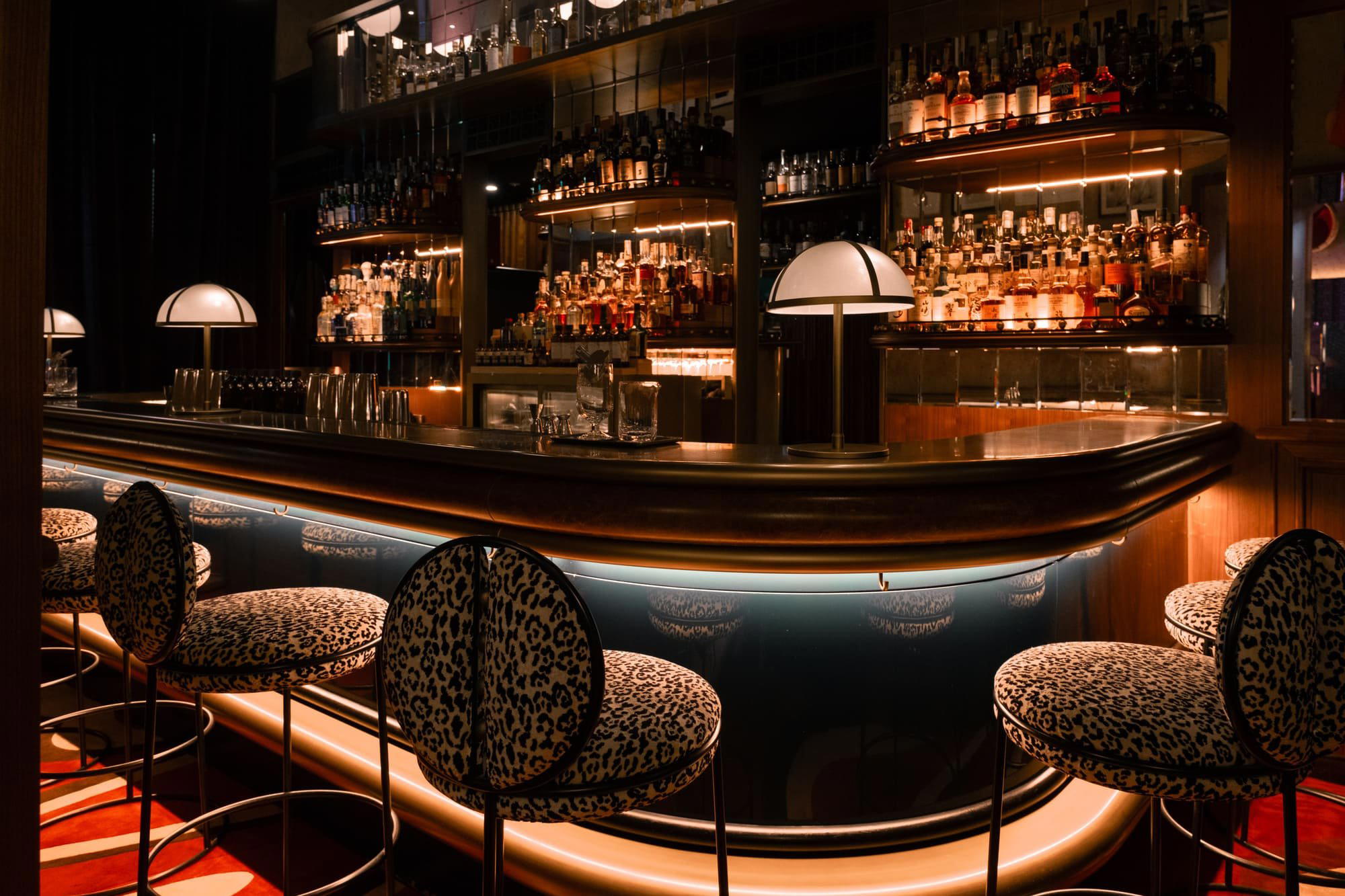
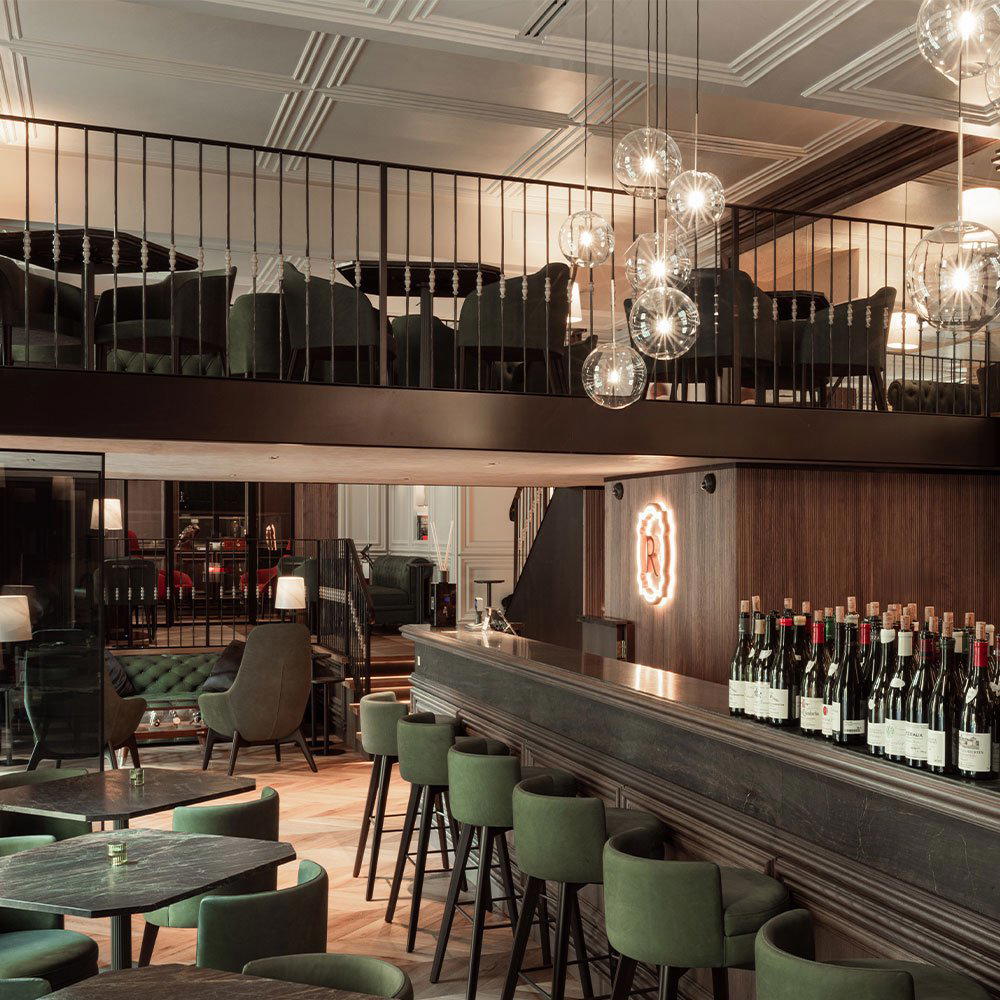
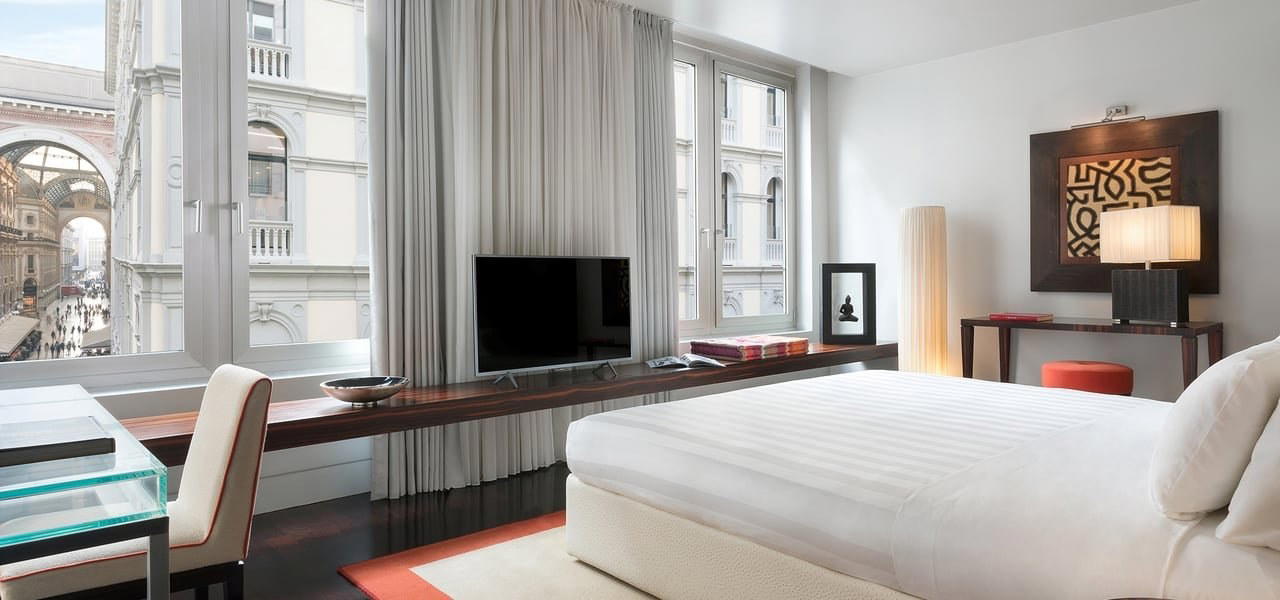
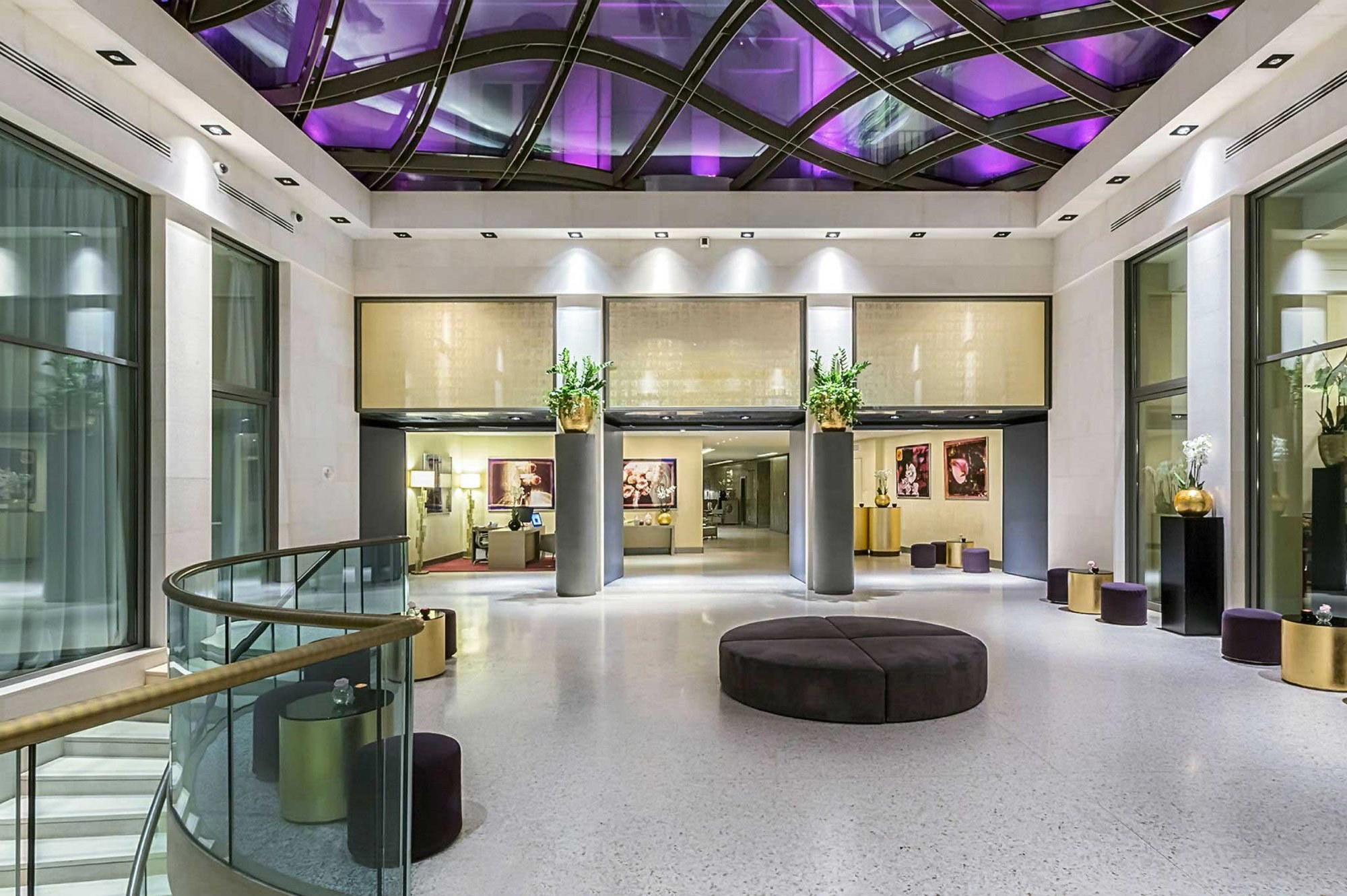
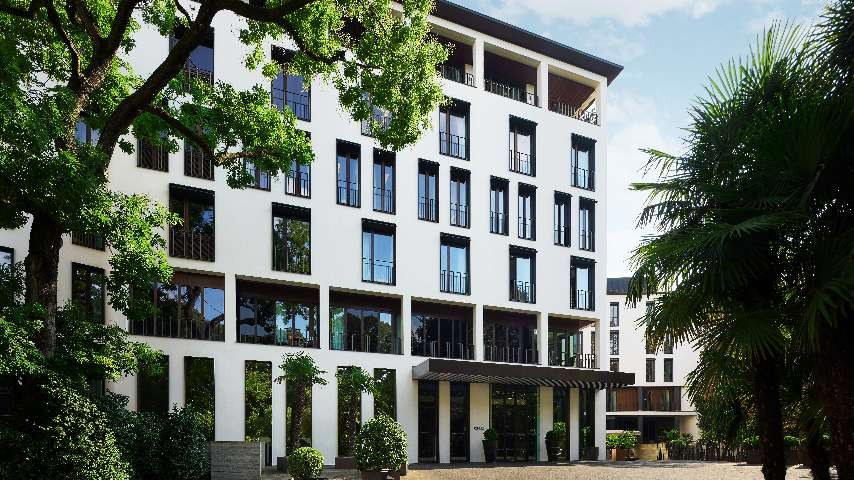
The stretch of central Milan between the Duomo and Galleria Vittorio Emanuele functions as the city's most concentrated zone of institutional luxury: heritage boutiques, the Park Hyatt, and a handful of restaurants that price and position against each other rather than against the broader Milanese dining scene. Via Silvio Pellico runs directly through this corridor, and Pellico 3, the Park Hyatt's fine dining address, occupies a position that is less about hotel-guest convenience and more about credentialing itself within that competitive tier. The room reflects the hotel's broader register: sober, precise, with the kind of architectural restraint that does not need to announce itself.
What separates individual venues within this tier is usually kitchen philosophy rather than format, and Pellico 3's kitchen draws its vocabulary from two distinct traditions: French technique and Mediterranean produce. That combination is not unusual in northern Italian fine dining, but the French training is applied with enough specificity, in sauce work, in structure, to give the menu a different weight from the more Italy-centric kitchens in the same price band.
Kitchen Philosophy: French Foundations, Mediterranean Produce
Milan's luxury fine dining has long operated at the intersection of French formalism and Italian produce culture. The city's geographic position, its fashion and finance identity, and its historical appetite for northern European technique have made French-influenced cooking at this tier feel genuinely local rather than imported. Pellico 3 fits inside that tradition. The kitchen works with seasonal ingredients and Mediterranean references, while the structural approach to dishes, particularly in sauce and composition, reflects time spent working in France. The result is a menu that reads as neither purely Italian nor French-in-Italy, but as a fluent combination of both.
The emphasis on vegetables alongside classical sauce traditions is consistent with a broader shift visible across Italian fine dining in the last decade. Kitchens at this level, from Osteria Francescana in Modena to Uliassi in Senigallia, have moved toward produce-driven menus where the kitchen's technical signature is most visible in how a vegetable is transformed rather than how a protein is treated. At Pellico 3, the Mediterranean influence supplies the seasonal produce logic, while the French training supplies the transformation framework.
The menu's complexity is described as occasional rather than systematic, which positions this kitchen at a different point on the restraint spectrum from more aggressively progressive addresses in Milan such as 28 Posti or Altriménti. The ambition here is precision and elegance rather than conceptual provocation, which suits the room and the hotel context.
The Wine Dimension at Pellico 3
Hotel fine dining in the luxury tier carries specific expectations around wine. A serious cellar and competent sommelier service are table stakes for properties at the Park Hyatt's level, and the wine program at Pellico 3 needs to hold its position against what peer addresses across Milan's €€€€ tier can offer. The Italian wine canon is broad enough to sustain considerable depth at this price point: Barolo and Barbaresco from Piedmont, aged Brunello from Tuscany, Amarone from the Veneto, and the growing body of serious white wine from Friuli and Alto Adige all provide a sommelier with material for a program that rewards sustained attention rather than casual selection.
The French training in the kitchen also creates a natural argument for French wine on the list. A menu built around classical sauce structures pairs differently from a purely ingredient-led Italian approach, and the integration of French technique suggests a list that does not treat Burgundy or Bordeaux as foreign additions but as logical complements to what the kitchen is doing. For context on how Italian fine dining cellars have developed this dual-canon approach, the wine program at Enoteca Pinchiorri in Florence represents the most historically documented example of an Italian restaurant treating French and Italian wine as equal pillars rather than a hierarchy. Pellico 3 operates at a different scale, but the kitchen philosophy creates similar conditions for that kind of curation.
Modern fine dining wine programs at the €€€€ tier increasingly position the sommelier as the connective tissue between kitchen logic and cellar selection. The French-Mediterranean duality at Pellico 3 gives a sommelier genuine intellectual material to work with, and the hotel context, with guests arriving from across Europe and beyond, creates an audience that expects considered recommendations rather than reflexive default toward the obvious Italian marquee names. For comparison within the global modern cuisine category, the approach at Frantzén in Stockholm and FZN by Björn Frantzén in Dubai illustrates how contemporary fine dining increasingly treats the wine program as an extension of kitchen philosophy rather than a parallel service.
Position Within Milan's Fine Dining Map
Milan's serious restaurant scene has diversified considerably over the past decade. The Michelin-rated tier now spans everything from multi-starred creative addresses to single-plate recognition for kitchens that deliver consistent technical quality without conceptual ambition. The 2025 Michelin Plate awarded to Pellico 3 places it in the latter category: recognized for kitchen quality and consistency, but not yet in the starred conversation alongside Ceresio 7 or the more decorated addresses in the city. The Plate is a credible signal within the hotel fine dining context, where the competitive frame is narrower than the full Milanese scene.
For travelers whose itineraries extend beyond Milan, the northern Italian and broader Italian fine dining context is substantial. Dal Pescatore in Runate, Quattro Passi in Marina del Cantone, and Atelier Moessmer Norbert Niederkofler in Brunico each represent distinct regional expressions of Italian fine dining that provide useful contrast with the urban hotel-restaurant model that Pellico 3 represents. See the full Milan restaurants guide for additional context on where Pellico 3 sits within the city's current dining map, alongside guidance on Milan hotels, Milan bars, Milan wineries, and Milan experiences.
Know Before You Go
| Location | Via Silvio Pellico, 3, 20121 Milano, inside the Park Hyatt Milan, a short walk from the Duomo and Galleria Vittorio Emanuele |
|---|---|
| Price Range | €€€€ (Milan luxury fine dining tier) |
| Recognition | |
| Cuisine | Modern cuisine drawing on French technique and Mediterranean seasonal produce |
| Booking | Contact the Park Hyatt Milan directly; hotel guests and walk-in diners both accommodated, though advance booking is advisable at this price tier |
| Dress Code | Smart attire consistent with luxury hotel fine dining is appropriate; the room's register is sober and formal |
Frequently asked questions
What dish is Pellico 3 famous for?
No specific signature dish is documented in the public record for Pellico 3. What the kitchen is recognized for, in aggregate, is its combination of French-trained sauce work and Mediterranean produce within a seasonal menu. The Michelin Plate recognition in 2025 reflects consistent technical execution across the menu rather than a single standout preparation. Guests drawn to specific dish styles, such as sauce-led French-Italian combinations or vegetable-forward contemporary plates, are likely to find the menu coherent with those preferences. For a broader view of how Pellico 3's kitchen approach compares with other Milan fine dining addresses, the EP Club Milan restaurants guide provides comparative context alongside entries for peer venues including Cracco in Galleria and Acanto.
Price and Recognition
| Venue | Cuisine | Price | Awards | Notes |
|---|---|---|---|---|
| Pellico 3This venue (the venue you are viewing) | Modern Italian Mediterranean Fine Dining | $150–200 | Michelin Plate · Star Wine List | Not listed |
| Enrico Bartolini | Modern Italian Fine Dining | $300–500 | 3 Michelin Stars · World's 50 Best #85 | Creative |
| Cracco in Galleria | Modern Italian Fine Dining | $150–200 | 1 Michelin Star · World's 50 Best #33 | Modern Cuisine |
| Andrea Aprea | Modern Italian Fine Dining | $200–300 | 2 Michelin Stars · La Liste Top Restaurants | Modern Italian, Italian Contemporary |
| Seta | Modern Italian Fine Dining | $150–200 | 2 Michelin Stars · La Liste Top Restaurants | Modern Italian |
| Contraste | Modern Italian Fine Dining | $150–200 | 1 Michelin Star · La Liste Top Restaurants | Progressive Italian, Modern Cuisine |
Recognition history
Dated appearances from independent guides and award organizations, with the underlying list record or original source where available.
Michelin Plate
Michelin
Star Wine List
Star Wine List
Opinionated About Dining Top Restaurants in Europe Recommended
Opinionated About Dining
Full recognition history (4 entries)
Michelin Plate
Michelin