Set inside a late-sixteenth-century imperial hunting lodge on the edge of the Prater's horse-racing ground, Lusthaus occupies one of Vienna's most architecturally arresting dining rooms. The octagonal pavilion and its surrounding parkland place the restaurant in a category of its own among city dining destinations, a venue where the address does as much work as the kitchen. Plan ahead: tables fill well in advance, particularly at weekends.
Pearl is the En Primeur Club membership app — saves, bookings, and concierge access live there. Same editors, same standards.
- Address
- Freudenau 254, 1020 Wien, Austria
- Phone
- +434317289565
- Website
- lusthaus-wien.at
- Directions
- Get directions
 Saves & bookings on Pearl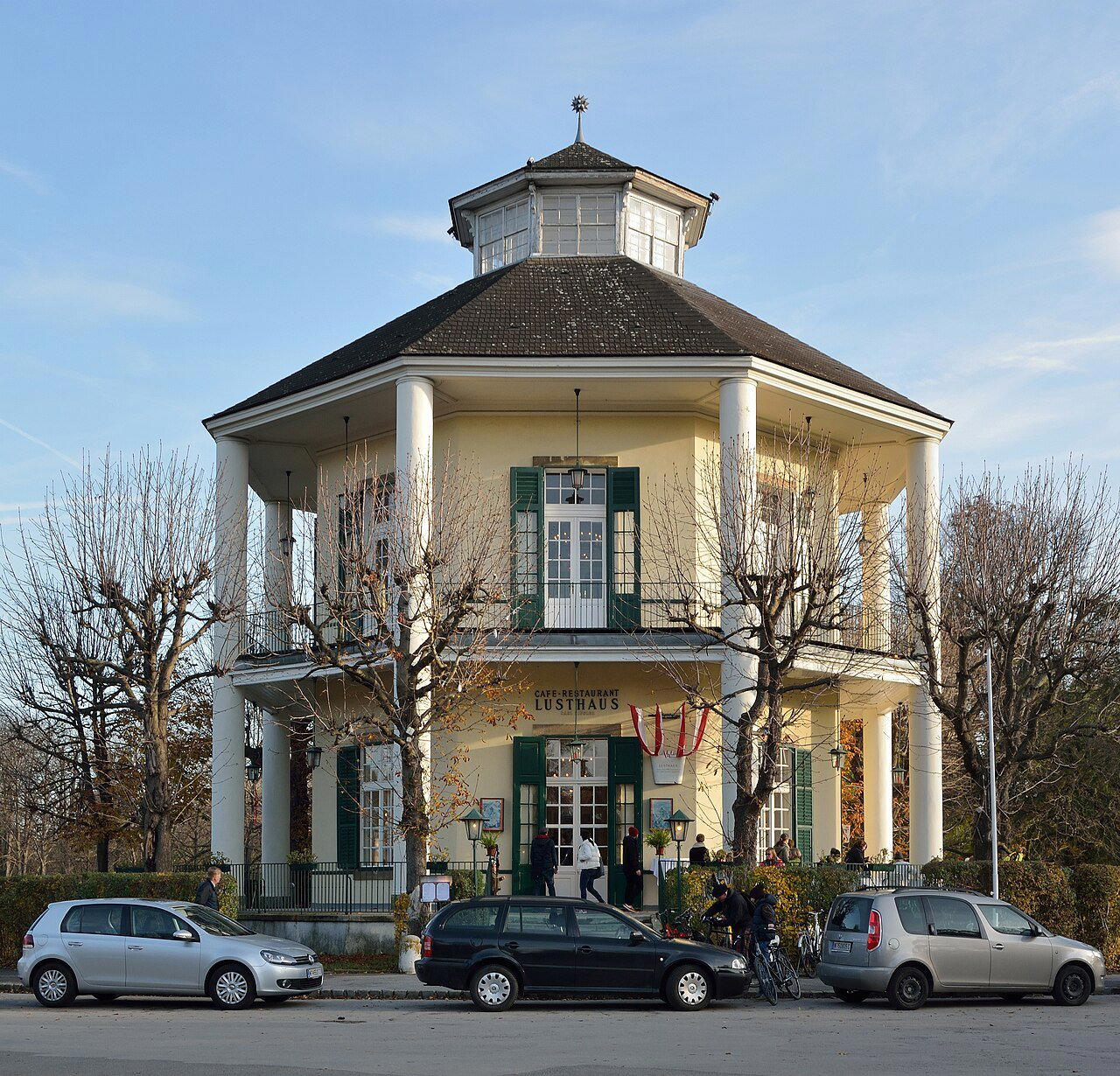
A Pavilion at the Edge of the Prater
Vienna has many historic dining rooms, but few carry the physical drama of Lusthaus. The octagonal pavilion at Freudenau 254 dates to the late sixteenth century, built as an imperial hunting lodge on the far eastern edge of the Prater, the vast green belt that stretches from the Ringstrasse toward the Lobau wetlands. To arrive here is to pass through several kilometres of chestnut-lined allée, the Hauptallee cutting straight through parkland that Emperor Joseph II opened to the public in 1766. The building appears at the end of that approach like a stage set: pale rendered walls, arched windows, and a circular rotunda that has changed little in silhouette since it was commissioned by Emperor Maximilian II in the 1560s. Architecture of that provenance is commonplace in Vienna's inner districts; finding it functioning as a restaurant, in working parkland, at the edge of a racecourse, is considerably less so.
The Freudenau racecourse immediately to the south provides a seasonal frame that shapes the dining calendar. On flat-racing weekends between spring and autumn, the surrounding roads fill and the whole site takes on an atmosphere distinct from its quieter midweek character. That dual identity, parkland retreat through the week, race-day institution at weekends, positions Lusthaus differently from Vienna's concentrated fine-dining corridor around the first and third districts, where restaurants like Steirereck im Stadtpark, Konstantin Filippou, and Mraz & Sohn cluster within a relatively compact geography.
How Lusthaus Fits Vienna's Dining Spectrum
Vienna's premium restaurant tier has become more segmented over the past decade. At one end sit the creative tasting-menu houses, Amador, Doubek, and the aforementioned Steirereck, where the cooking itself is the primary proposition and the room serves that ambition. At the other end sit the Viennese Kaffeehaus and Beisl traditions, where the room and the ritual carry as much weight as the food. Lusthaus occupies a specific position between those poles: a historic space with serious culinary intent, where the address and architecture are not incidental to the experience but central to it.
That positioning has parallels elsewhere in Austria. The country has developed a pattern of destination restaurants embedded in landscapes or heritage buildings, where the journey and the setting amplify the meal. Landhaus Bacher in Mautern an der Donau and Obauer in Werfen represent that tradition in the broader Austrian context, as do mountain-adjacent rooms like Griggeler Stuba in Lech and Gourmetrestaurant Tannenhof in Sankt Anton am Arlberg. In each case, the restaurant's identity is inseparable from where it sits. Lusthaus follows the same logic, except the landscape in question is urban parkland rather than alpine terrain.
Planning Your Visit: What the Booking Experience Requires
The editorial angle that matters most for Lusthaus is practical: getting there requires more planning than most Vienna dining. The address, Freudenau 254 in the second district, sits well beyond walkable range from the city's hotel core. The Hauptallee is accessible by bicycle from Praterstern U-Bahn station, and cycling the full length of the allée to arrive at the pavilion is an experience in itself, particularly in late spring when the chestnut canopy closes overhead. By car or taxi, the route through the park is direct. Neither approach is complicated, but both require deliberate arrangement rather than a casual impulse visit.
Tables at Lusthaus are in meaningful demand, particularly on weekends aligned with the Freudenau racing calendar. The race season at Freudenau runs primarily from April through November, and dining during race meetings carries a different energy from the quieter midweek service. If the goal is the parkland atmosphere and the pavilion's architecture without the race-day crowd, a weekday lunch in late spring or early autumn tends to offer the clearest version of what the setting provides. Those planning around a specific race date should account for that in their reservation timeline.
For visitors constructing a broader Vienna itinerary around serious dining, Lusthaus serves best as an afternoon anchor rather than a late-evening destination, given the journey back into the city centre. Combining it with a late-afternoon walk along the Hauptallee before returning for dinner at one of the inner-city restaurants, Amador or Doubek in the evening, for instance, creates a logical day structure that uses the Prater location as a midday or early-afternoon experience rather than asking it to compete with the city's concentrated creative fine-dining offer on those terms.
The Broader Austrian Table
Understanding Lusthaus within the wider Austrian dining conversation requires acknowledging that Vienna's restaurant scene interacts continuously with a national tradition that extends well beyond the capital. Döllerer in Golling an der Salzach, Ikarus in Salzburg, Kräuterreich by Vitus Winkler in Sankt Veit im Pongau, Ois in Neufelden, Restaurant 141 by Joachim Jaud in Mieming, and Schwarzer Adler in Hall in Tirol together illustrate how serious Austrian cooking distributes itself across the country rather than concentrating entirely in Vienna. Lusthaus participates in that distributed identity from the unusual vantage point of an imperial-era pavilion inside Europe's largest urban parkland. The setting alone gives it a position no restaurant in the inner city can replicate.
For those building a comparative frame across continents, the logic of destination dining, where arrival is part of the point, operates at comparable addresses internationally. Le Bernardin in New York City and Atomix in New York City illustrate how a premium city dining room can carry strong identity through culinary program alone. Lusthaus takes the complementary approach: the building and its park do significant contextual work.
At-a-Glance Comparison
Comparable venues nearby, for context on price, style, and recognition.
| Venue | Cuisine | Price | Notes |
|---|---|---|---|
| LusthausThis venue — the venue you are viewing | Traditional Austrian | $$ | Not listed |
| Panoramaschenke | Traditional Austrian & Bohemian | $$ | Per Albin Hansson Siedlung |
| die Feinkosterei Neuer Markt | Austrian Tapas | $$ | Innere Stadt |
| Schlipf & Co | Austrian Dumplings (Schlipfkrapfen & Kasnudeln) | $$ | Josefstadt |
| Kärntnerei Kasnudel | Carinthian Kasnudeln | $$ | Hernals |
| Am Nordpol 3 | Authentic Bohemian-Viennese | $$ | Brigittenau |
At a Glance
- Classic
- Cozy
- Well Known
- Historic
- Brunch
- Family
- Celebration
- Terrace
- Historic Building
- Garden
- Street Scene
Current opening hours
- Monday
- 12–9 PM
- Tuesday
- 12–9 PM
- Wednesday
- Closed
- Thursday
- Closed
- Friday
- 12–9 PM
- Saturday
- 12–5 PM
- Sunday
- 12–5 PM
Hours can change for holidays and private events. Last verified .
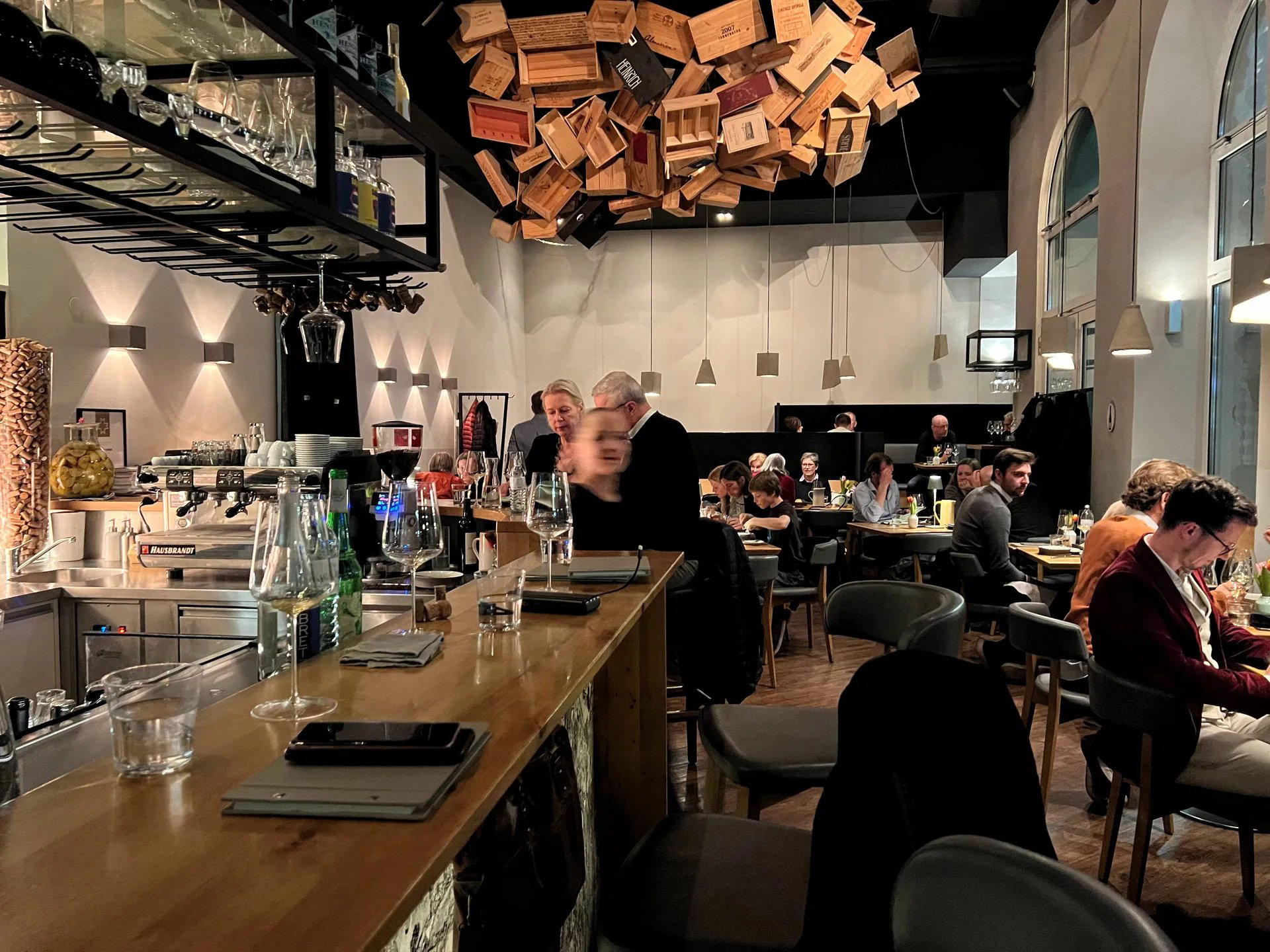
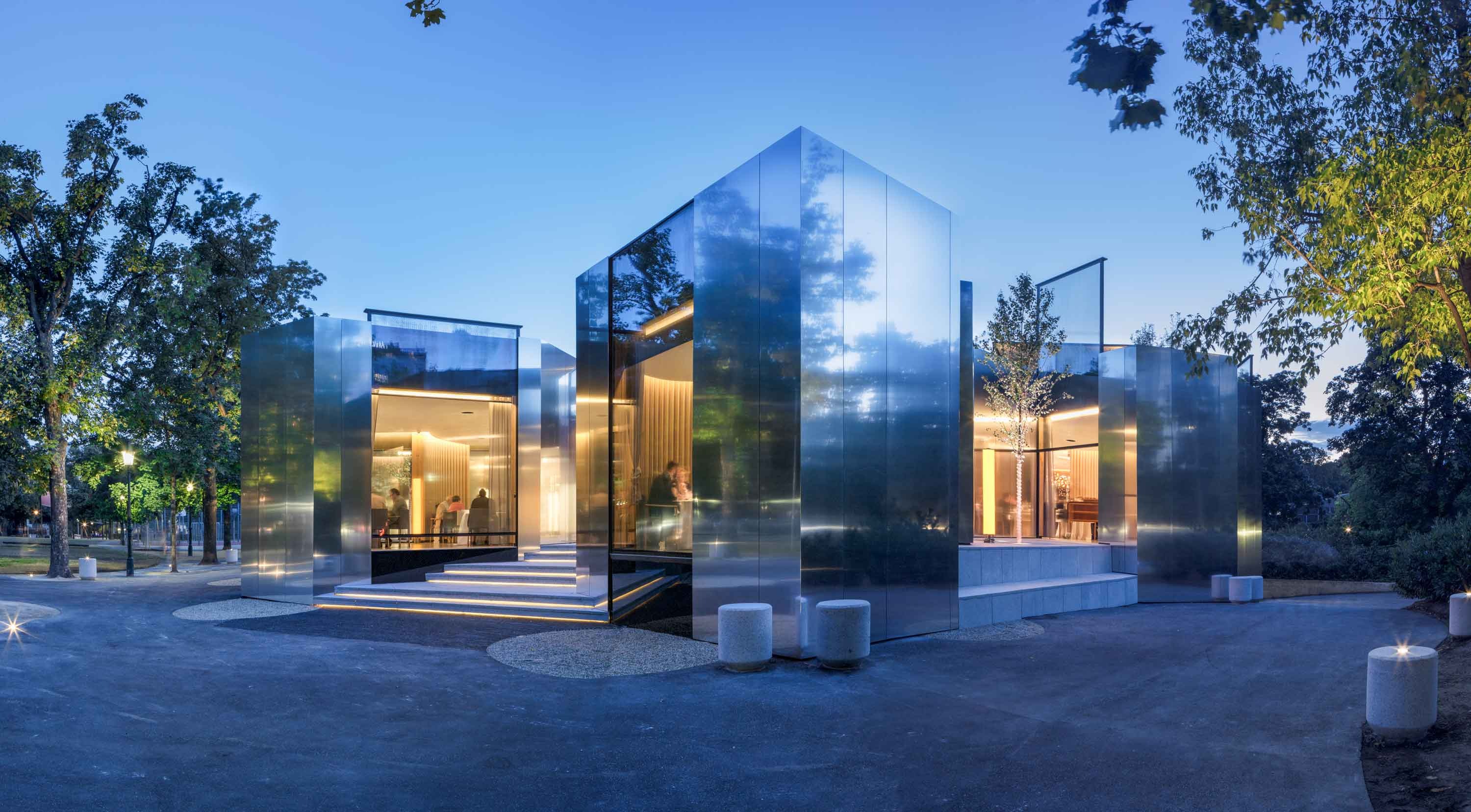
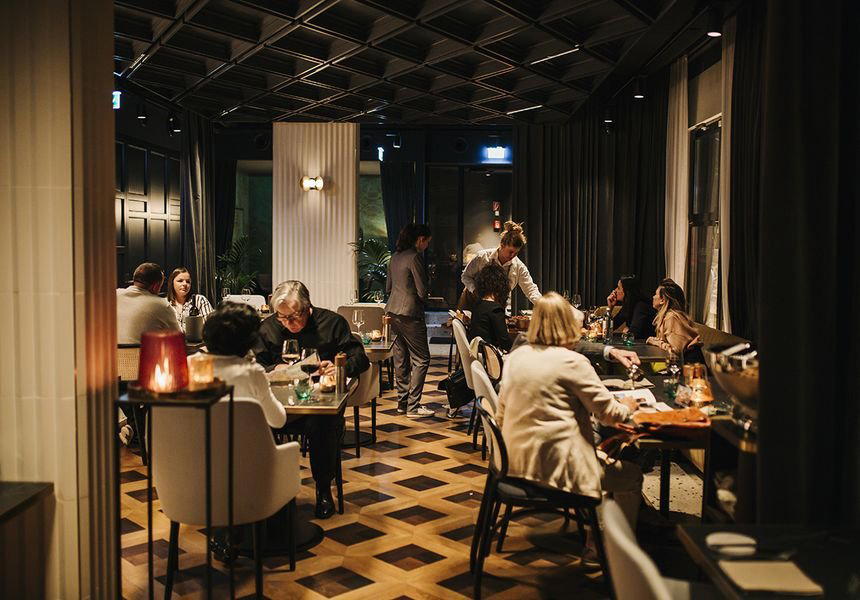
Charming imperial ambiance with cozy veranda and terrace, evoking old Viennese elegance and inviting for lingering.