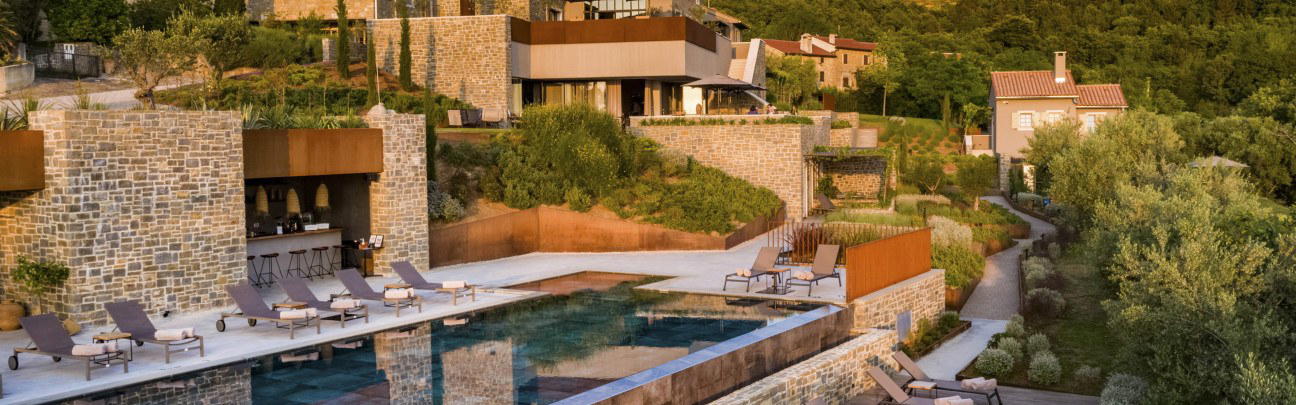
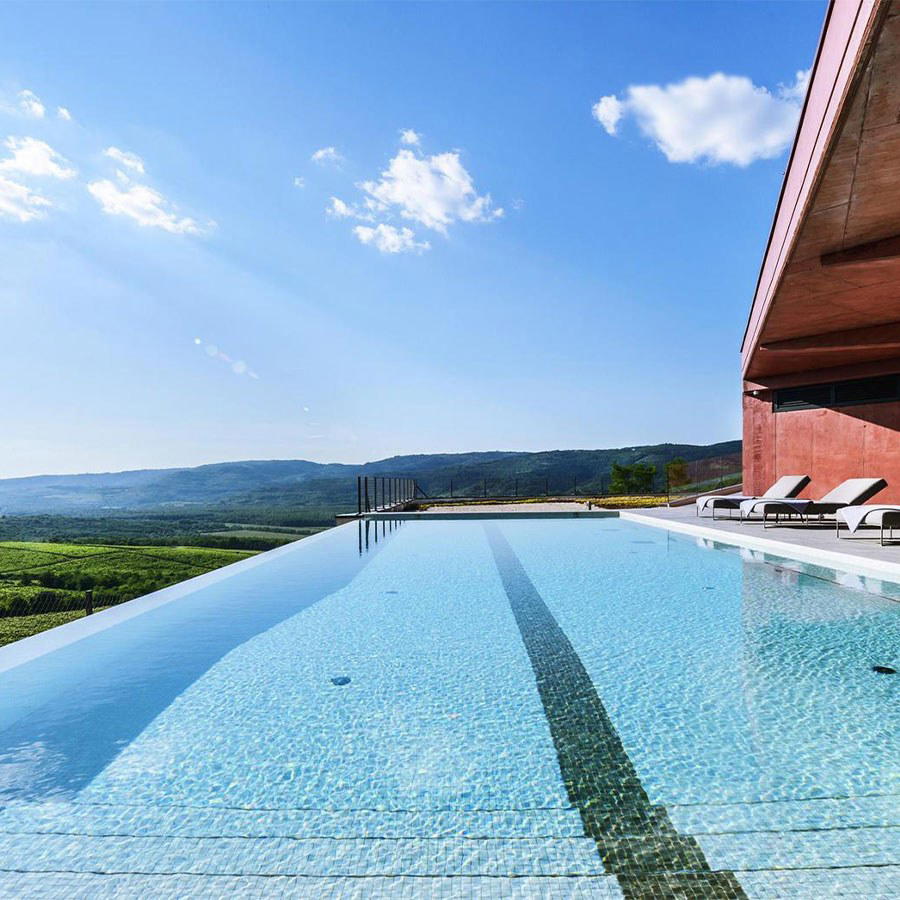
Stone house with elegant pool and refined flair
 Discover on Pearl
Pearl is the En Primeur Club membership app — saves, bookings, and concierge access live there. Same editors, same standards.
- Address
- Mužolini Donji 7, 52460, Buje, Croatia
- Phone
- +38517776515
- Website
- san-canzian.hr
Where Istrian Soil Meets the Table
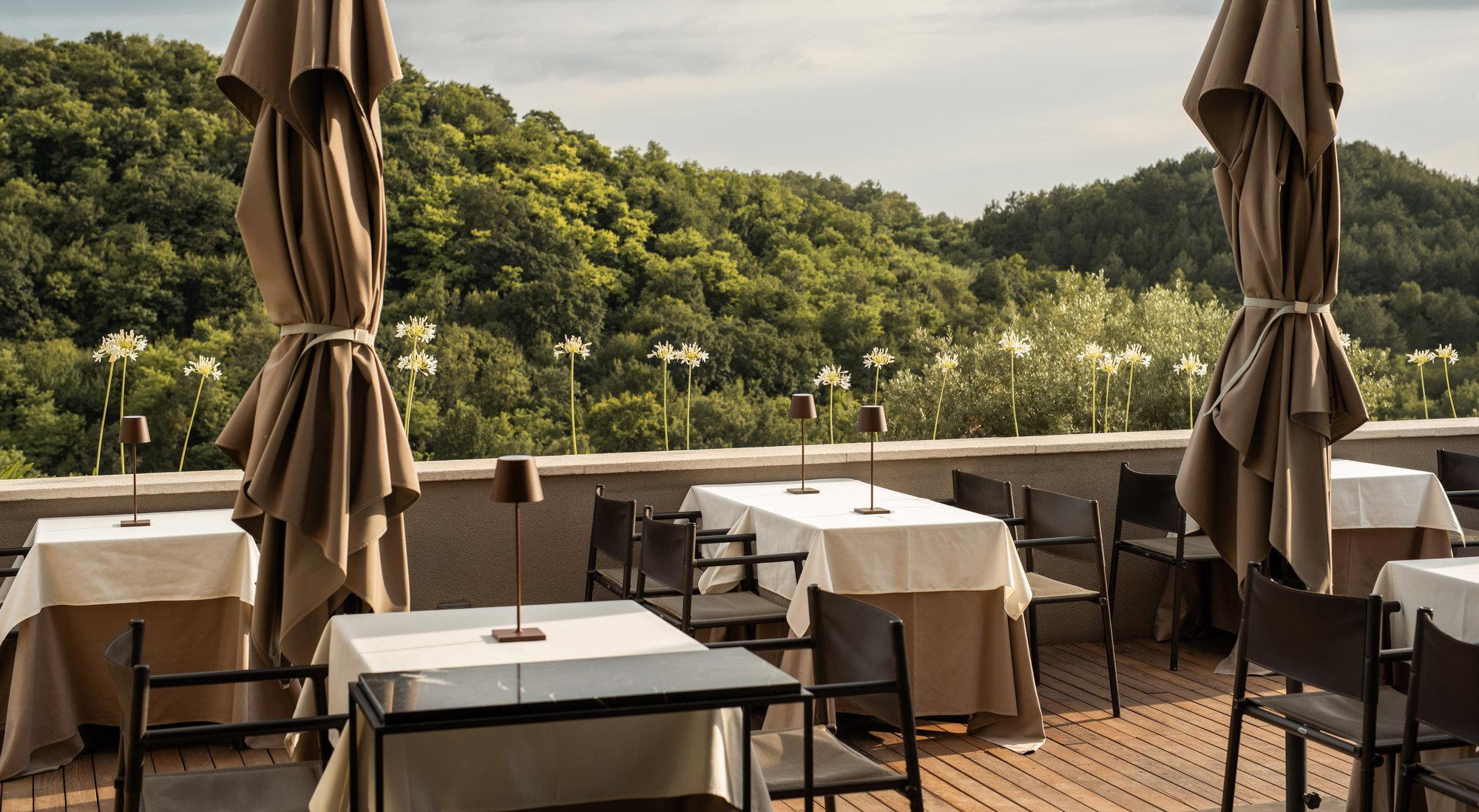
The road to Krasica passes through a countryside shaped by vines and olives. Stone walls border plots of vines. Truffle oak forests press close to the track. By the time you reach the San Canzian Village estate and the restaurant it anchors, Luciano im San Canzian Village, the setting has already made the case for its cooking. That context is not decorative. It is the operating principle of the kitchen.
Istria occupies a particular position in Croatian fine dining. It is the region where the most concentrated ingredient base sits closest to a long Italian culinary inheritance, producing a table tradition that draws on both without being reducible to either. Restaurants here, from Agli Amici Rovinj in Rovinj to a growing number of estate-based kitchens, share a sourcing-first approach built around truffles, local olive oil, Malvazija and Teran wines, and produce that rarely travels far before it reaches the plate. Luciano sits inside that tradition, in a setting where the sourcing story is literally visible through the dining room.
An Ingredient Argument Made in Stone and Vine
The San Canzian Village estate positions the restaurant within a wider hospitality concept, but the kitchen's logic is grounded in the land surrounding it. Istrian cuisine at this register is less about technique display and more about restraint applied to exceptional primary material. Black and white truffles from the Motovun forest, roughly twenty kilometres inland, have defined Istrian cooking for decades. Olive oil from Buje's surrounding groves ranks among the most decorated in Croatia. Wild asparagus in spring, game in autumn, and shellfish from the northern Adriatic fill out a seasonal rhythm that serious Istrian kitchens follow as a matter of course rather than marketing strategy.
That approach is also evident at places like Pelegrini in Sibenik and Restaurant 360 in Dubrovnik, where precise technique meets regional product. In Krasica, proximity changes the equation. The estate format shortens the distance between source and plate in ways urban restaurants cannot replicate. When the kitchen garden and the olive grove are within walking distance of the stove, the sourcing argument becomes a physical fact.
The Istrian Estate Dining Model
Across Europe, a specific format has consolidated around wine estates and agriturismi that graduate from accommodation side projects into serious culinary destinations. Some stop feeling like hotel restaurants. They develop their own dining identity, one shaped by the land they sit on rather than the menu conventions of the nearest city. Luciano im San Canzian Village follows that model within the Istrian context, where the peninsula's compact geography means that a kitchen in Buje's hinterland operates within range of the Adriatic coast, the truffle forests, and the wine-producing terrain of the Buje-Umag corridor simultaneously.
That range matters for sourcing. Northern Istrian kitchens can access sea, forest, and agricultural produce within a short radius, which produces menus of considerable variety without requiring the kitchen to reach far outside its region. Compare this to restaurants in Split, like Krug, or Rijeka, like Nebo by Deni Srdoč, which draw on strong regional traditions but operate in urban contexts where the supply chain is necessarily more distributed. The estate model in rural Istria represents a different relationship with ingredient origin, and Luciano im San Canzian Village is positioned to make the most of it.
How It Sits in the Croatian Fine Dining Field
Croatia's serious restaurant tier has expanded and diversified over the past decade. The concentration once limited to Dubrovnik and Zagreb has spread into Dalmatia, the Kvarner coast, and Istria. Venues like Boskinac in Novalja, Alfred Keller in Mali Lošinj, and Dubravkin Put in Zagreb represent different expressions of what Croatian fine dining looks like when it takes itself seriously. Luciano im San Canzian Village enters that conversation from the Istrian estate end, where the combination of setting, local ingredient access, and an Italian-inflected cooking tradition gives it a comparable set distinct from coastal urban restaurants.
For comparative context, the Adriatic fine dining tier that includes LD Restaurant in Korčula and Korak in Jastrebarsko demonstrates how regional identity can anchor a kitchen without limiting its ambition. Luciano's estate context in the Buje hinterland places it in a similar position: specific enough to have a clear sense of place, accomplished enough to draw guests who would otherwise look to better-known Adriatic destinations. For reference points beyond Croatia, the sourcing discipline here is not unlike what drives destination kitchens at the level of Le Bernardin in New York City, where ingredient primacy shapes every decision, or the focused precision of Atomix, albeit expressed through a completely different culinary tradition. Closer to home, the farm-adjacent dining model shares DNA with venues like BioMania Bistro Bol in Bol and Bodulo in Pag, which foreground local product as the primary editorial argument.
Planning Your Visit
Krasica sits in the Buje municipality of northern Istria, reachable from Poreč in under an hour and from Pula in roughly ninety minutes by car. The estate address at Mužolini Donji 7 places it in the agricultural interior, away from the coastal tourist circuit. That distance is the point: the restaurant draws guests willing to make a deliberate journey, which shapes both the crowd and the pacing of service. Visitors from Rovinj, a natural base for exploring Istrian restaurants, can reach the estate comfortably in an hour. Given the rural setting and the estate-dining format, an advance reservation is advisable; reservations are recommended, particularly during the truffle season.
For a fuller picture of where Luciano fits among the restaurants working this part of Croatia, our full Krasica restaurants guide maps the wider field. Restaurants like Burin in Crikvenica, Cantilly Garden Restaurant in Samobor, and Cubo in Opatija offer additional reference points for the kind of Croatian dining that takes local produce seriously without losing sight of hospitality.
Side-by-Side Snapshot
Comparable venues nearby, for context on price, style, and recognition.
| Venue | Cuisine | Price | Awards |
|---|---|---|---|
| Luciano im San Canzian VillageThis venue — the venue you are viewing | |||
| Pelegrini | Mediterranean, Modern Cuisine | €€€€ | Michelin 1 Star |
| Restaurant 360 | International, Modern Cuisine | €€€€ | Michelin 1 Star |
| Foša | Croatian, Classic Cuisine | €€€ | |
| Nautika | Modern European, Classic Cuisine | €€€€ | |
| Agli Amici Rovinj | Italian Contemporary | €€€€ | Michelin 2 Star |
At a Glance
- Elegant
- Sophisticated
- Rustic
- Intimate
- Date Night
- Special Occasion
- Terrace
- Wine Cellar
- Hotel Restaurant
- Extensive Wine List
- Sommelier Led
- Farm To Table
- Local Sourcing
- Garden
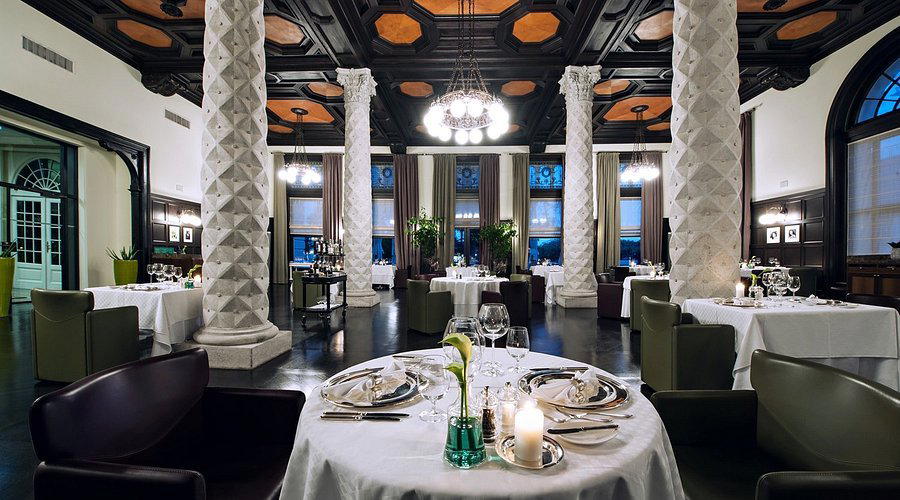
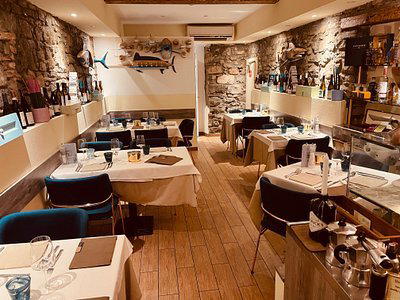
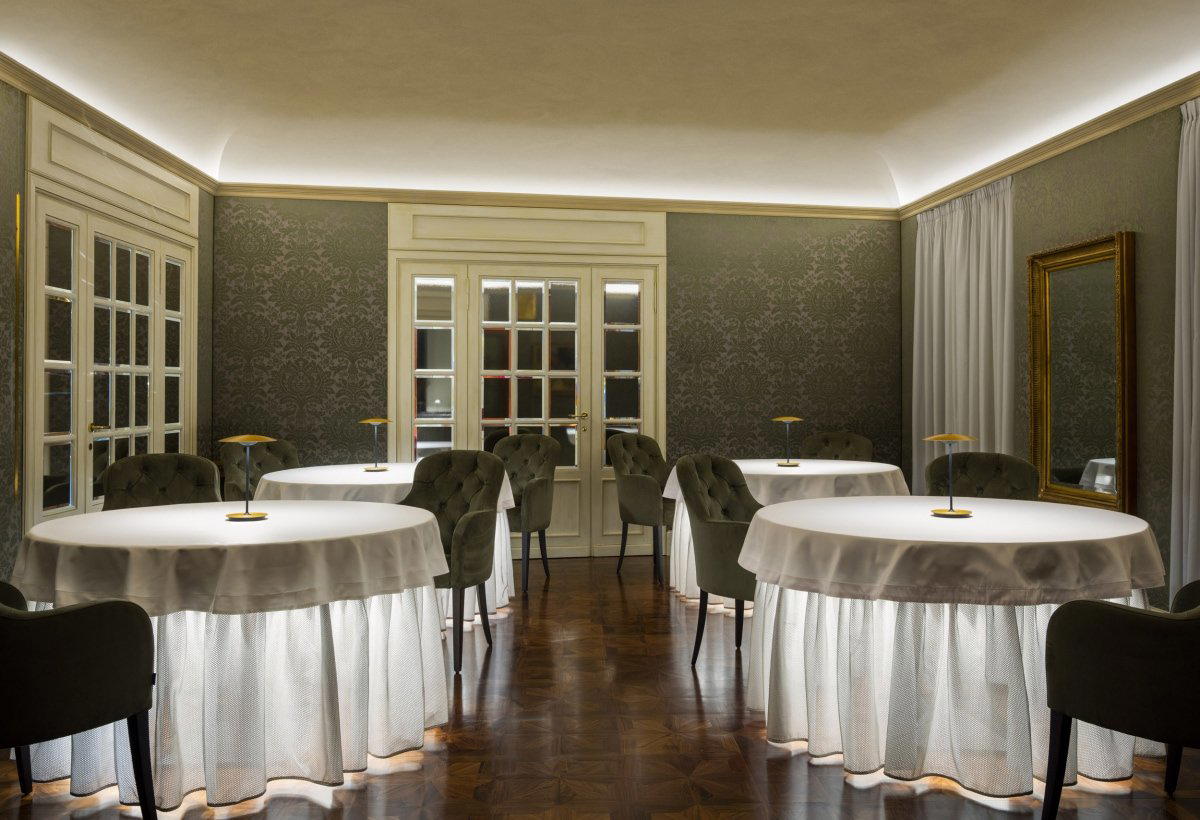
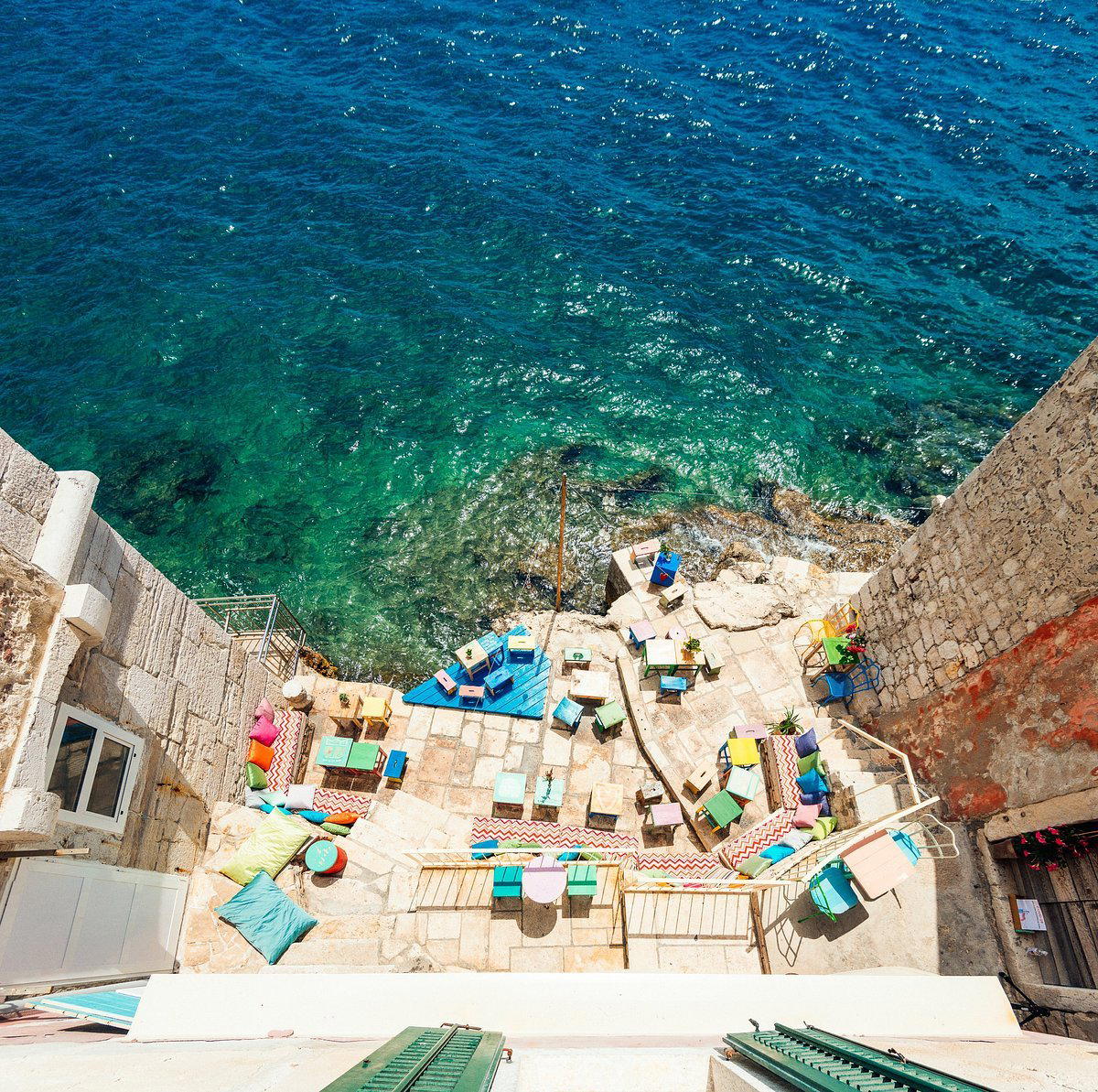
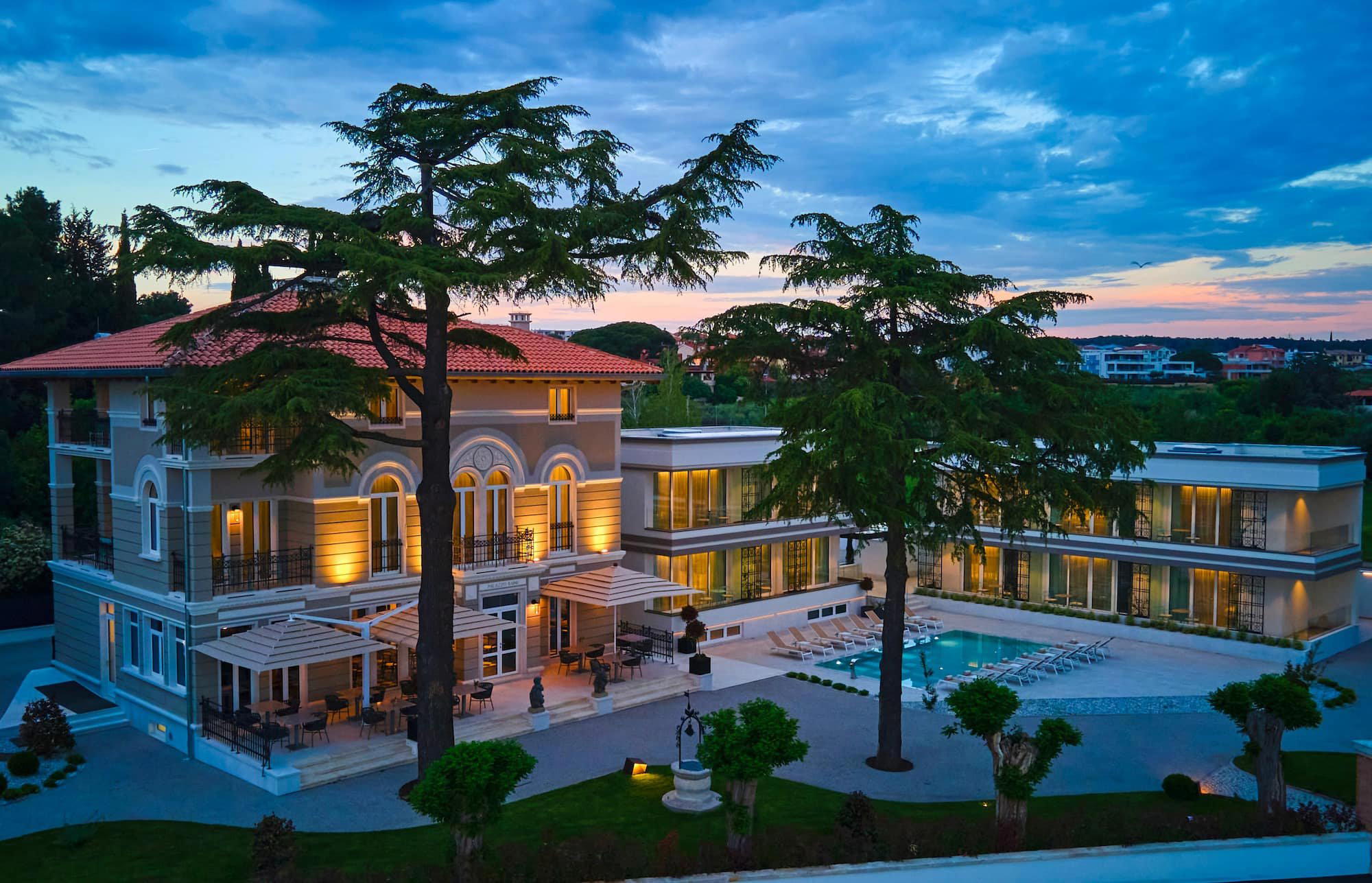
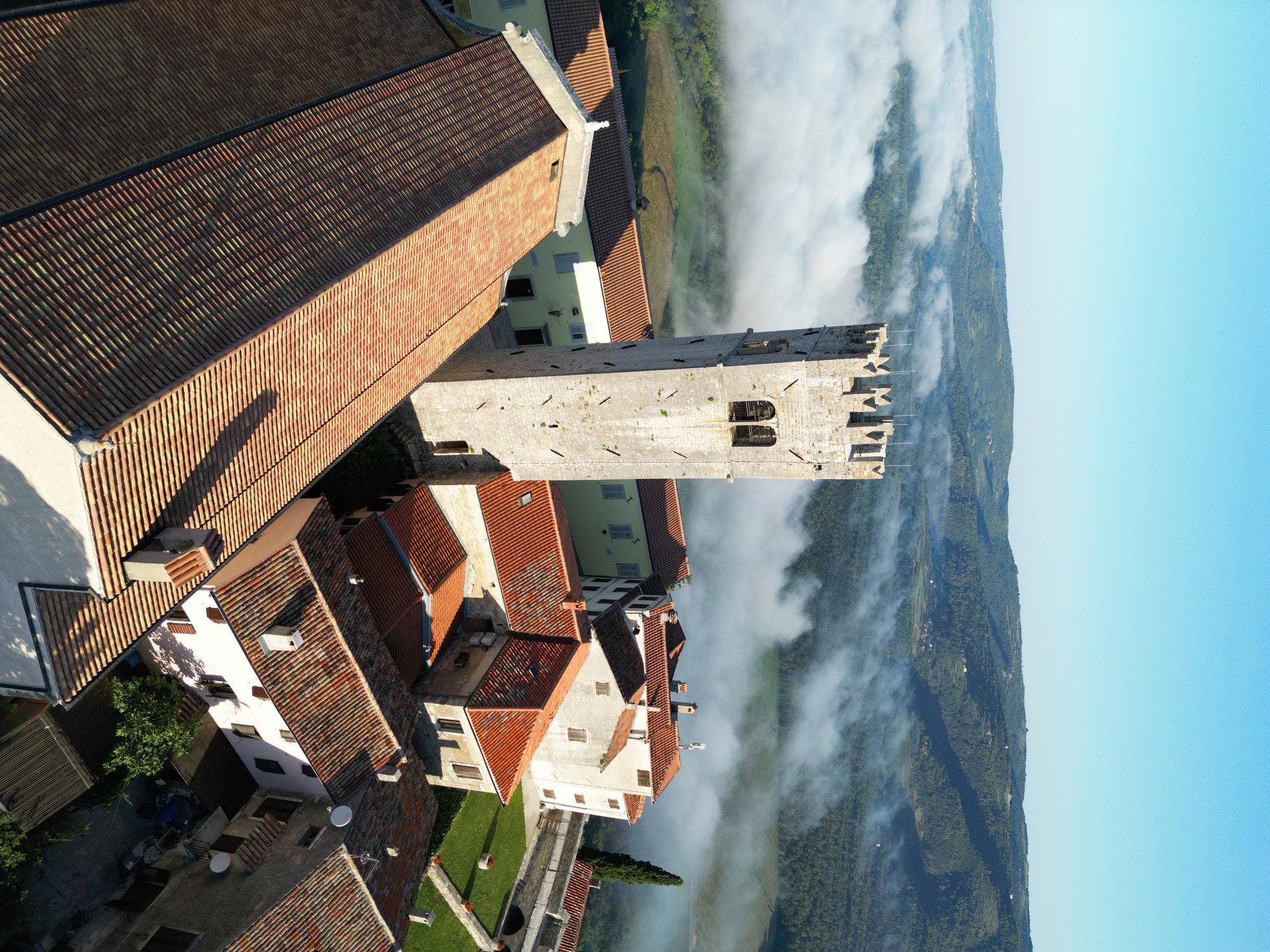
Luxurious and discreet atmosphere blending medieval village charm with modern design, featuring terraces fragrant with local lavender and wine-soaked evenings.