

Michelin Plate
Our verdict
Ranked #430 in Europe by Opinionated About Dining in 2024 and holding a Michelin Plate, it represents the serious end of Zadar's restaurant scene under chef Saša Began. Open daily from noon until 1am at €€€ pricing.

Pearl is the En Primeur Club membership app, where members save venues, book tables and use the concierge.
The menu
What to order
- Scampi tartar spaghetti
- Grilled Adriatic sea bream
- Truffle spaghetti
A Medieval Gate, a Working Harbour, and the Weight of Place
The Adriatic coast is lined with restaurants that claim harbour views, but few dining rooms carry the structural authority of Foša. The restaurant occupies the Foša gate, one of the surviving medieval fortifications of Zadar's old town, where the stone walls that once defended the city now frame a terrace sitting directly over the water. Before you consider the menu, the physical setting has already made an argument: this is a city with deep layers, and the food is expected to meet that context.
Zadar's dining scene has developed more quietly than Split or Dubrovnik's, which gives it a different texture. The tourism pressure is lower, the clientele more mixed between locals and visitors, and the competitive set of serious restaurants smaller but increasingly focused. Foša has been part of that focus since it entered European recognition lists, recommended by Opinionated About Dining as a leading new European restaurant in 2023, ranked #430 in their European rankings in 2024, and moving to #496 in 2025, alongside a Michelin Plate in 2024. For a city of Zadar's size, that is a meaningful concentration of external validation in a single address. See our full Zadar restaurants guide for how it sits within the broader local picture. One follows the modernist template: reduction sauces replaced by broths, protein portions shrinking, local ingredients framed in the spare vocabulary of contemporary European tasting menus. Venues like Pelegrini in Sibenik and Krug in Split sit in that current. The other direction holds to classical technique, French-influenced preparations, more structured plate compositions, sauces built with time and fat, applied to Dalmatian ingredients. Foša occupies this second territory.
That is a meaningful choice in the current climate. Classical cuisine carries risks in a dining culture that often rewards novelty and conceptual positioning. It requires the technique to be genuinely present, not just invoked. The result is a menu that rewards diners who want to taste the ingredient directly, without the mediation of elaborate conceptual framing.enprimeurclub.com/restaurants/agli-amici-rovinj-rovinj-restaurant">Agli Amici Rovinj brings a two-Michelin-star Italian contemporary approach to Istria, while Alfred Keller in Mali Lošinj works a modern cuisine format at the same price tier. Each represents a different answer to the same question of how Adriatic and Mediterranean ingredients should be treated at the serious end of the market. Foša's answer is the most classically rooted of the three.
The Chef's Formation and What It Means for the Plate
The editorial angle here is not a biographical portrait, it is what a chef's formation tells you about what arrives at the table. Kitchens shaped by classical European training, particularly French technique, produce a specific kind of disciplined consistency. Sauces are made properly. Protein cookery is precise. Timing is structural rather than improvisational. These are not glamorous qualities to describe, but they are exactly what distinguishes a meal you remember for its coherence from one you remember for a single striking dish surrounded by filler.
Saša Began's name appears alongside the recognitions Foša has accumulated, suggesting a kitchen with continuity of direction. The OAD recognition across three consecutive years (2023, 2024, 2025) supports the reading that this is a kitchen maintaining standards rather than coasting on a single strong season.enprimeurclub.com/restaurants/le-bernardin">Le Bernardin in New York City, a very different scale and price point, but the same underlying conviction that classical technique applied to exceptional fish is the most direct path to a satisfying plate.
Where Foša Sits in the Zadar Context
Zadar is not a city that has been comprehensively mapped by international food media. That works in the diner's favour: the serious addresses here are not yet operating under the booking pressure or price inflation that comes with sustained global attention. At €€€ pricing, Foša sits in the same bracket as Alfred Keller and a tier below the €€€€ houses like Restaurant 360 in Dubrovnik and Pelegrini.
Within Zadar specifically, Kaštel represents the Mediterranean end of the local fine-dining register. Between the two, the city offers more range than its modest international profile would suggest.
Visitors planning time across the Dalmatian coast will find the drive from Zadar connects naturally to the restaurant clusters around Sibenik, Split, and further south.enprimeurclub.com/restaurants/boskinac-novalja-restaurant">Boskinac in Novalja on Pag island to the north, Dubravkin Put in Zagreb for a different inland register, and Nebo by Deni Srdoč in Rijeka for the northern Adriatic. Korak in Jastrebarsko and LD Restaurant in Korčula extend the map further.
Planning a Visit
Foša is open daily from noon until 1am, which makes it one of the more flexible bookings in the city, a late reservation is possible on any night of the week, and the waterside terrace in summer operates at the cooler end of the evening more comfortably than the midday sun would allow. The address is Ul. For accommodation context, see our full Zadar hotels guide. For broader planning across the city's drinking and wine scene, our Zadar bars guide, wineries guide, and experiences guide cover the rest of the picture.
Frequently asked questions
What does dinner at Foša typically cost?
Pricing at Foša is listed as €€€.
Fast Comparison
| Venue | Cuisine | Price | Awards | Notes |
|---|---|---|---|---|
| FošaThis venue (the venue you are viewing) | Modern Seafood | $50–100 | Michelin Plate | Not listed |
| Pelegrini | Modern Dalmatian Fine Dining | $100–150 | 1 Michelin Star · La Liste Top Restaurants | Mediterranean, Modern Cuisine |
| Restaurant 360 | Modern Mediterranean with Asian and French Influences | $200–300 | 1 Michelin Star · La Liste Top Restaurants | International, Modern Cuisine |
| Nautika | Traditional Mediterranean Seafood | $100–150 | Michelin Plate · Star Wine List | Modern European, Classic Cuisine |
| Agli Amici Rovinj | Modern Mediterranean Fine Dining | $200–300 | 2 Michelin Stars · La Liste Top Restaurants | Italian Contemporary |
| Alfred Keller | Modern Mediterranean Fine Dining | $100–150 | 1 Michelin Star · La Liste Top Restaurants | Modern Cuisine |
Recognition history
Dated appearances from independent guides and award organizations, with the underlying list record or original source where available.
Michelin Plate
Michelin · 2026 Michelin Plate
Opinionated About Dining Top Restaurants in Europe Recommended
Opinionated About Dining
Full recognition history (6 entries)
Opinionated About Dining Top Restaurants in Europe Ranked #496
Opinionated About Dining
Michelin Plate
Michelin
Opinionated About Dining Top Restaurants in Europe Ranked #430
Opinionated About Dining
Opinionated About Dining Top New Restaurants in Europe Recommended
Opinionated About Dining
Continue exploring
More in Zadar
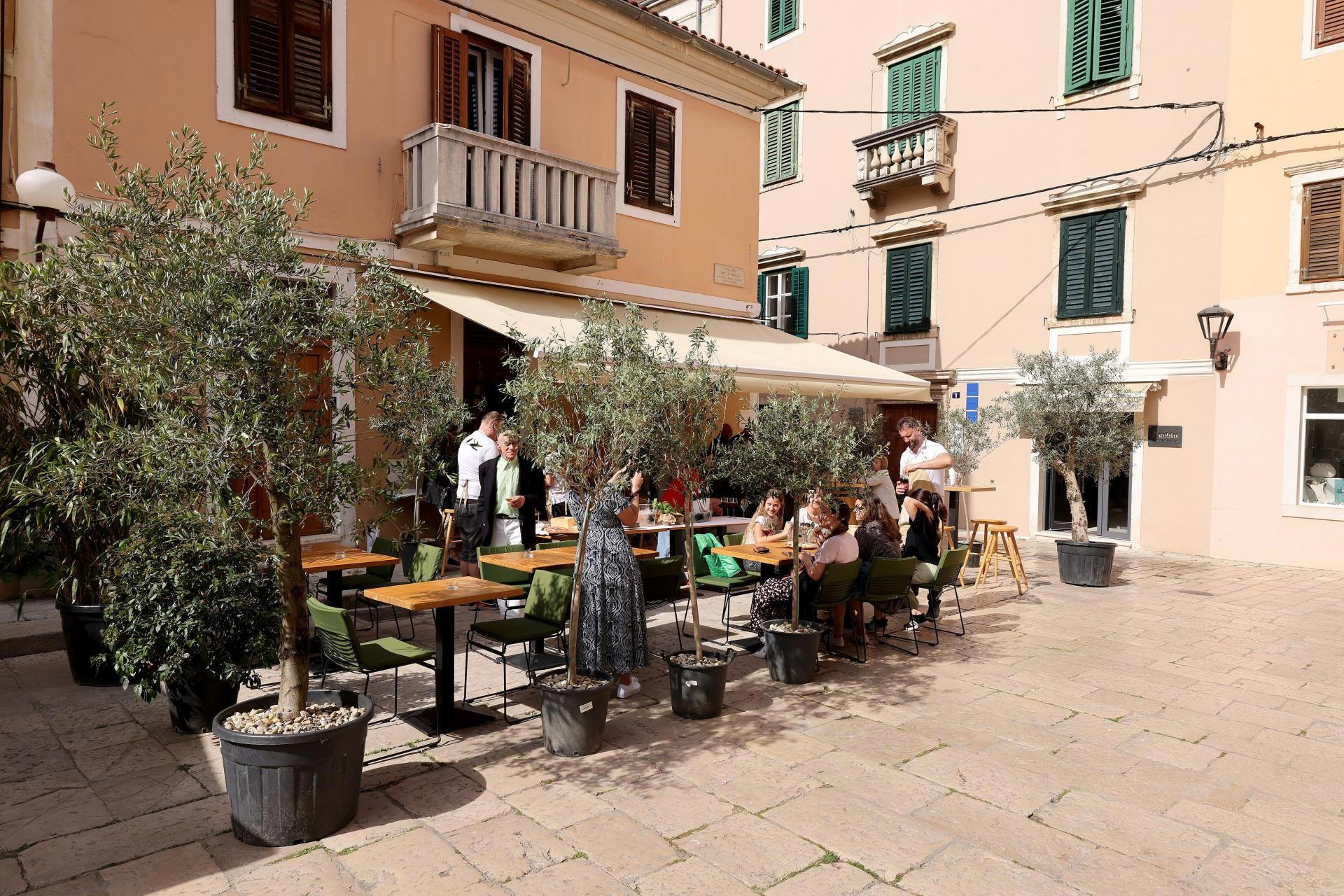
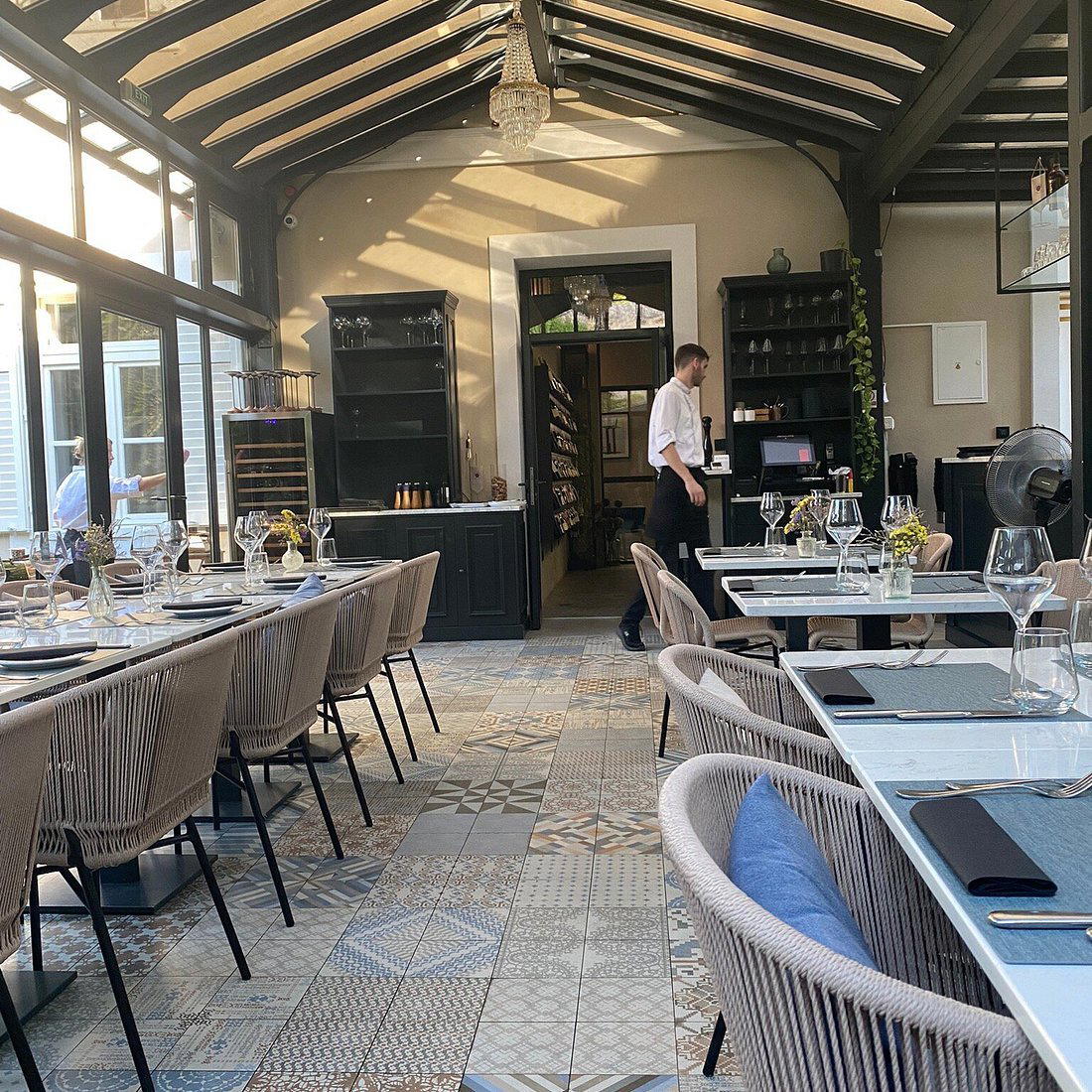
Restaurants in Zadar
All restaurants in Zadar →
Bars in Zadar
Browse all →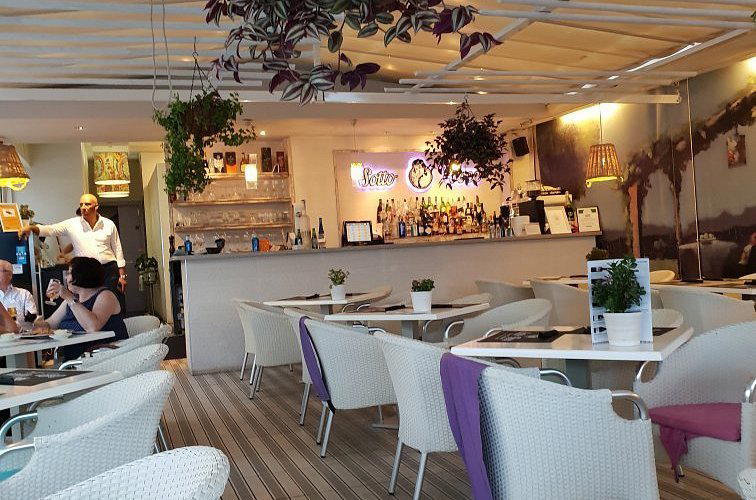
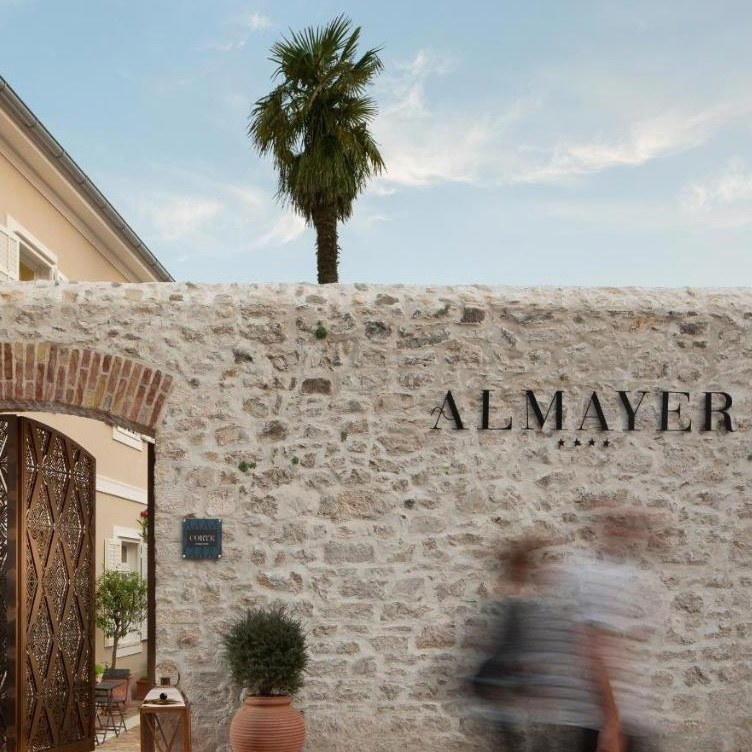
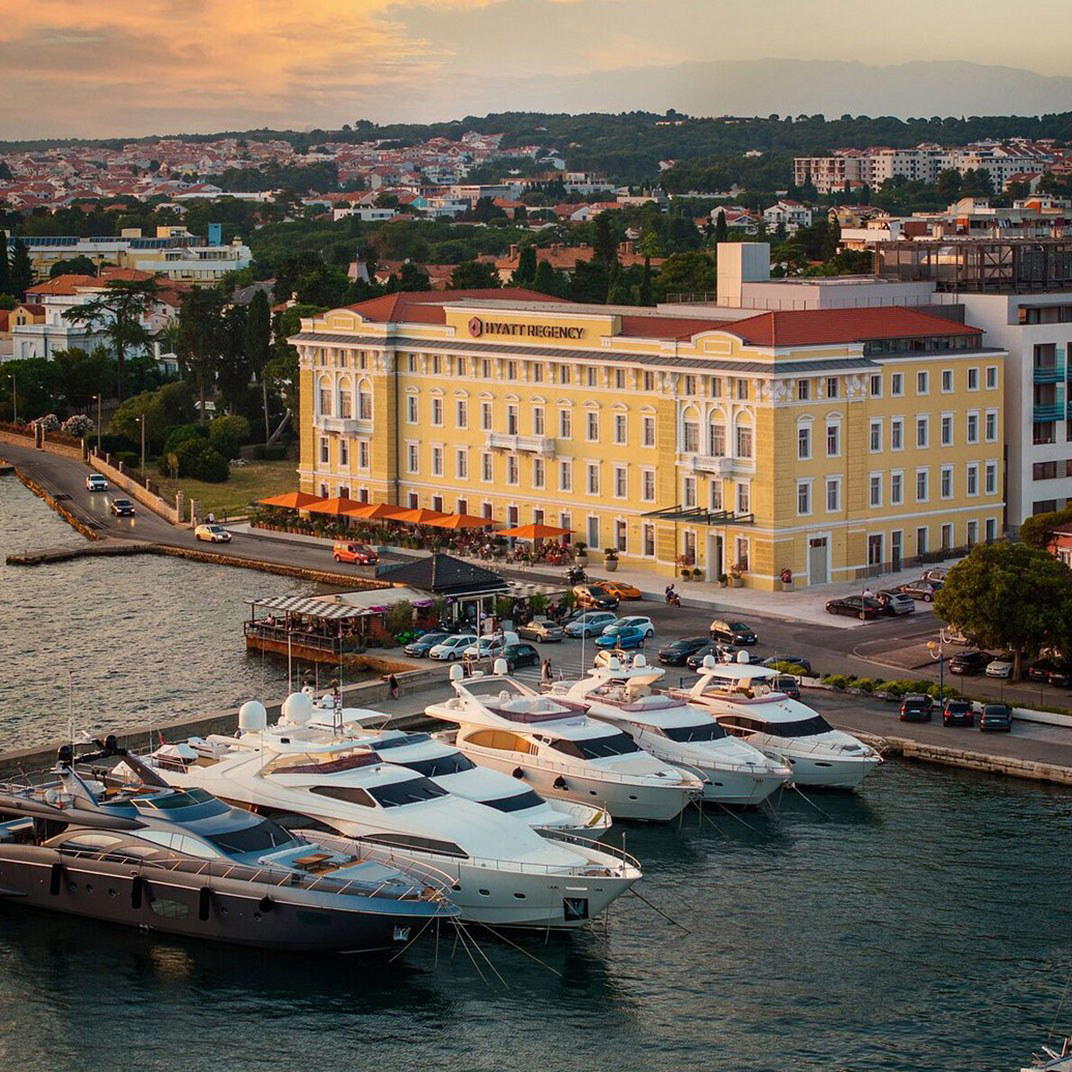
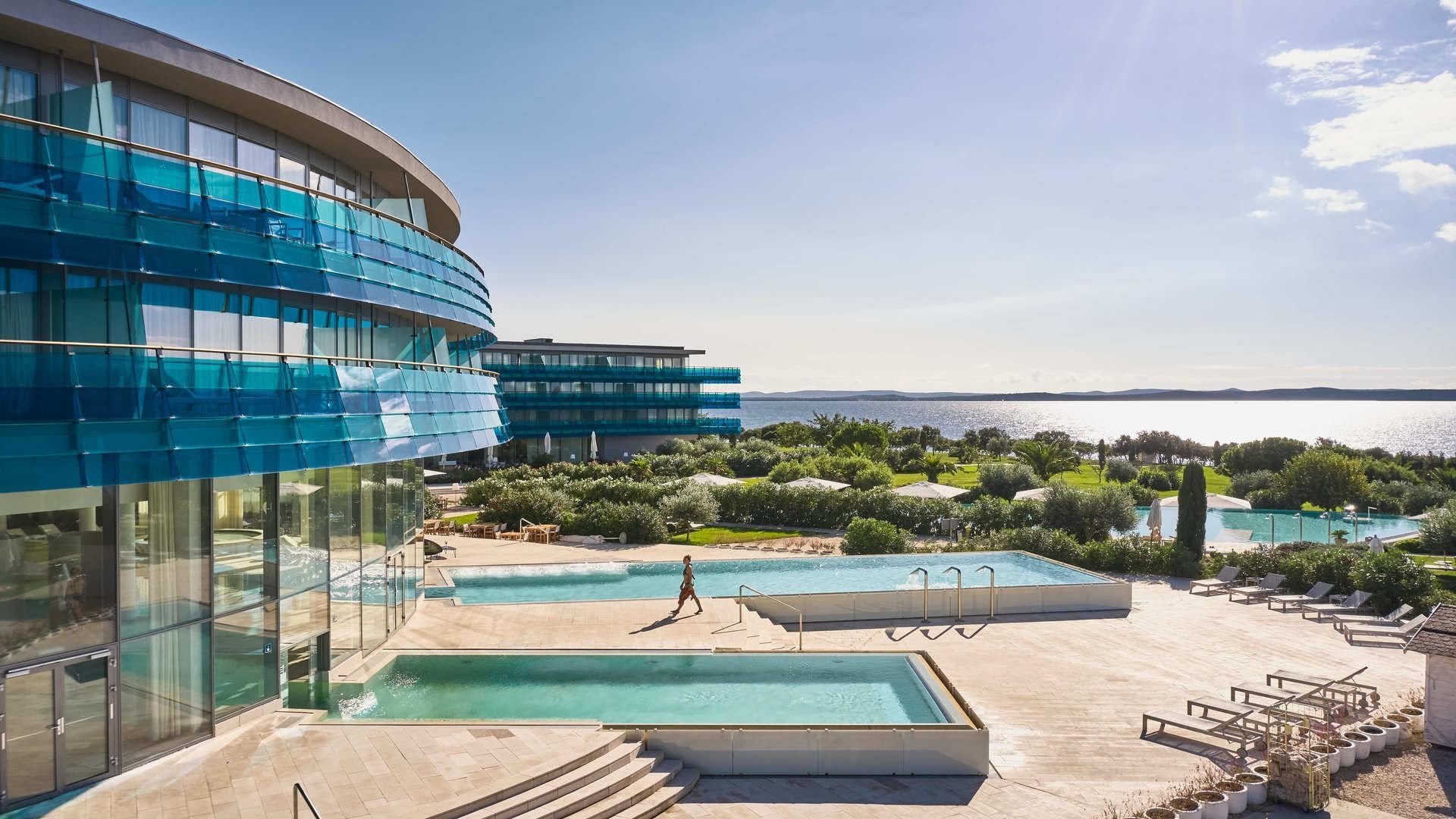
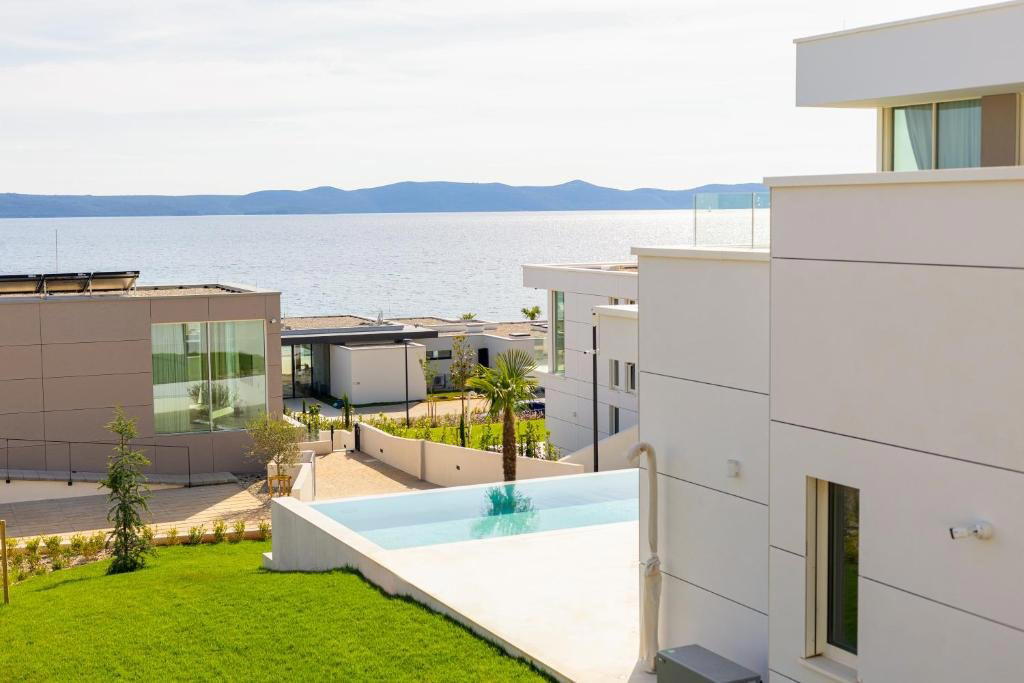
Hotels in Zadar
All hotels in Zadar →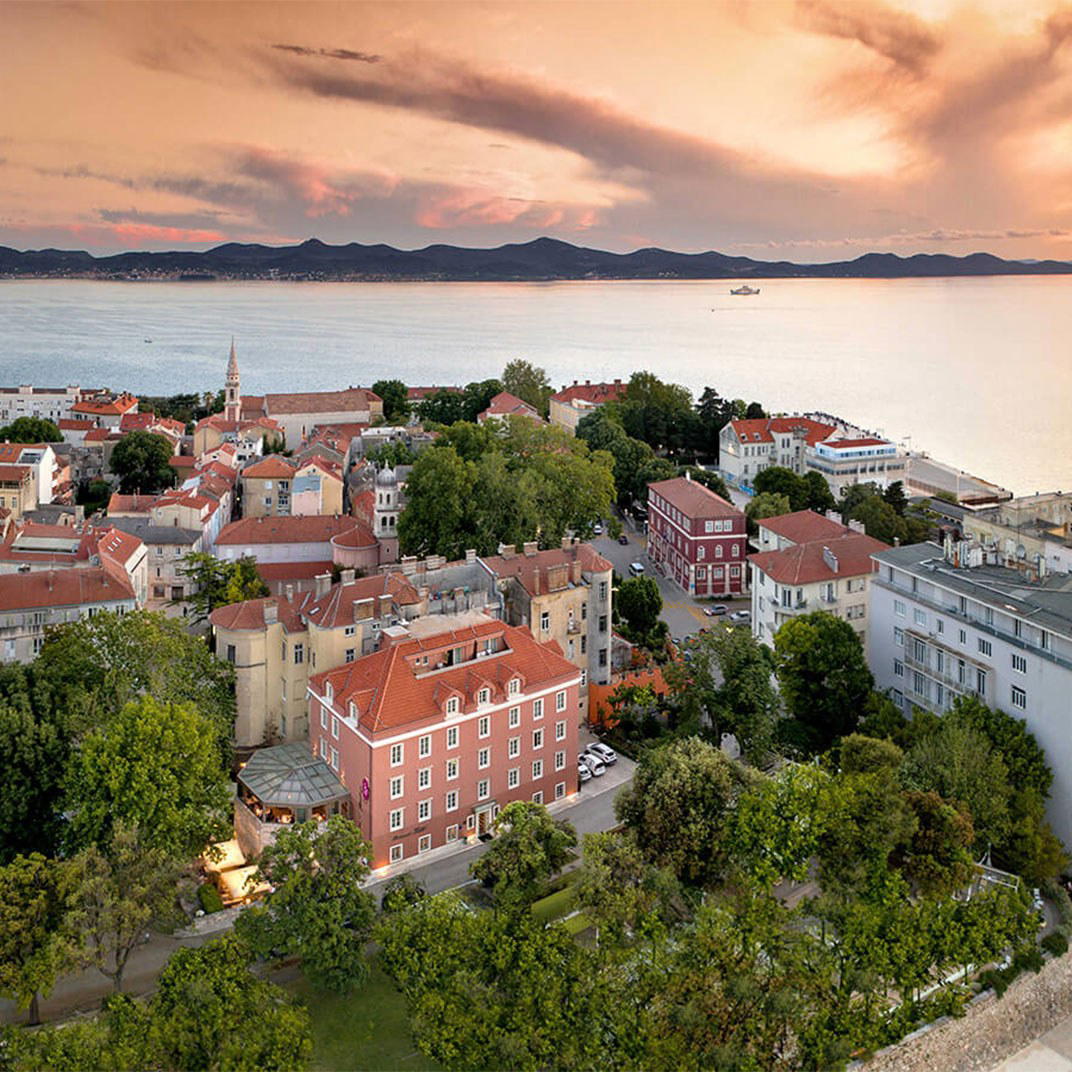
Wineries in Zadar
All wineries in Zadar →
Details
- Romantic
- Elegant
- Scenic
- Sophisticated
- Date Night
- Special Occasion
- Celebration
- Waterfront
- Terrace
- Extensive Wine List
- Waterfront
- A La Carte
- Vegetarian Friendly
Current opening hours
- Monday
- Closed
- Tuesday
- 12–11 p.m.
- Wednesday
- 12–11 p.m.
- Thursday
- 12–11 p.m.
- Friday
- 12 p.m.–1 a.m.
- Saturday
- 12 p.m.–1 a.m.
- Sunday
- 12–10 p.m.
Hours can change for holidays and private events. Hours as of .
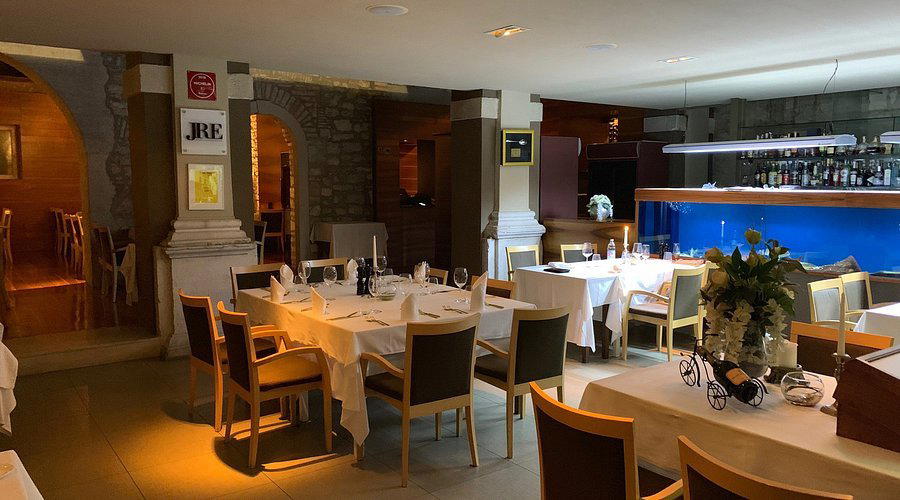
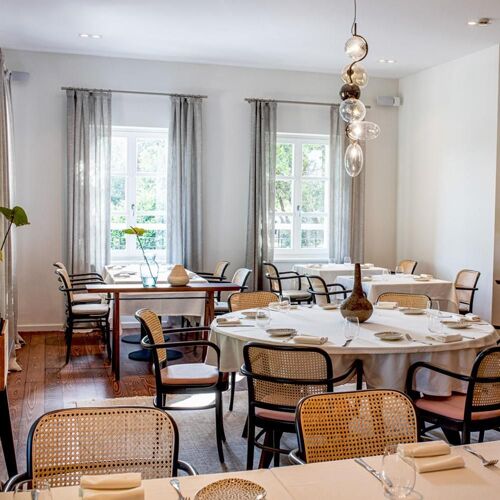
Warm cozy lighting with elegant decor, calm inviting atmosphere indoors and luxurious tranquil terrace setting by the sea.