Our verdict
It sits in a different tier from the €€€€ hotel dining of La Mirande, positioning itself closer to the everyday rhythms of the intra-muros food scene.

Pearl is the En Primeur Club membership app, where members save venues, book tables and use the concierge.

The menu
What to order
- Tartines with goat cheese
- Tartines with brie and walnuts
- Roasted pigeon with candied chard
- Beef ravioli Meurette
- Homemade desserts
Avignon's dining scene has a pronounced split between its heritage-driven formal tier, places like La Mirande and La Vieille Fontaine, which carry the full weight of Provençal fine dining tradition, and a more recent generation of mid-register addresses that have emerged to serve a different appetite. Pollen and Acte 2 belong to that modern current, as does Bibendum. L'Épicerie de Ginette occupies a slightly different niche within this broader middle ground: the Franco-casual, market-led address that reads more as a local fixture than a destination project. For the full picture of where this fits in the city's eating culture, the EP Club Avignon restaurants guide maps the tiers in detail.
How the Meal Takes Shape
The épicerie format, as it operates across southern France, implies a certain editorial logic to the meal. You are not moving through a tasting sequence designed by a brigade around a central creative argument, in the manner of the more architecturally conceived menus you encounter at, say, Mirazur in Menton or Pollen closer to home. The progression here is more horizontal than vertical, a spread of dishes that accumulate rather than build toward a resolution. That structure suits the square it occupies.
The Provence context matters to understanding what this kind of address typically serves. The region's pantry, its olives, charcuterie, fromages, anchoïade, tapenade, seasonal vegetables from the Vaucluse market gardens, provides natural material for a menu built around grazing and sharing rather than formal coursing. Where the fine-dining tier of Avignon tends to formalize these ingredients through precise technique, the épicerie register keeps them closer to their source, letting the supply chain speak. France's most ambitious kitchens, from Bras in Laguiole to Troisgros in Ouches, have long argued that the leading French cooking starts with what the land provides. At the épicerie end of the spectrum, that argument is made with less ceremony but no less conviction.
What Separates the Registers
Understanding L'Épicerie de Ginette requires calibrating your expectations against what Avignon's other rooms are doing. La Mirande's kitchen operates at the €€€€ tier, with a dining room that matches the grandeur of its Papal city address. This is a useful distinction for visitors who arrive in Avignon having read about the city's fine-dining credentials and want to understand the full range of what the intra-muros scene offers.
France's regional cities have, over the past decade, developed a more articulate casual tier, addresses that take sourcing seriously without adopting the full apparatus of tasting-menu dining. The same pattern is visible in Marseille, where AM par Alexandre Mazzia represents the apex of creative ambition while a parallel network of market-led bistros handles daily appetite. Avignon's version of this split is compressed by the city's size, but the logic holds. Venues like L'Épicerie de Ginette serve a function that the city's Michelin-tracked rooms cannot: they provide a point of entry into Provençal food culture that does not require reservation lead times of weeks or a formal dress calculation. The square has historically been a gathering point for the city's more bohemian constituency, artists, students, and the kind of long-term residents who treat a café table as an extension of their living room. That energy is not incidental to how an address like L'Épicerie de Ginette functions. Compare this with the Rue des Teinturiers axis on the other side of the old town, which carries a different ambient energy, or the more tourist-facing addresses clustered directly around the Palais des Papes. The terraces face west, which means the late-afternoon light hits them well in the warmer months. The Festival d'Avignon, which runs through July and draws tens of thousands of visitors to the city, puts significant pressure on every address inside the walls during that period, booking ahead during festival season applies even to casual neighbourhood rooms.
Placing It Against France's Broader Dining Map
Avignon sits within a region that has produced some of France's most referenced fine-dining addresses. The Rhône Valley's northern reaches connect to Paul Bocuse's Auberge du Pont de Collonges, and the wider French restaurant tradition runs through institutions like Auberge de l'Ill in Illhaeusern, Assiette Champenoise in Reims, and Au Crocodile in Strasbourg. At the other end of the prestige axis, Alléno Paris au Pavillon Ledoyen and Flocons de Sel in Megève represent the country's most technically ambitious current. L'Épicerie de Ginette operates at none of these altitudes, and that is precisely its function. It is the ground level of a food culture that, at its upper end, produces those kinds of rooms, and understanding the ground level is part of understanding why the peaks matter.
For visitors comparing options at a similar price and formality register within Avignon, the choice between an address like this and the city's other mid-range rooms ultimately comes down to what kind of meal architecture you want. Those looking for sharper technique and more composed plates within the same general price tier might look at Acte 2 or Bibendum. The square is accessible from the city's principal pedestrian arteries without significant navigation. Outside festival season, the square operates at a pace that generally suits walk-in dining, but specific booking policies for this address are best confirmed directly.
Frequently asked questions
Where is L'Épicerie de Ginette located?
L'Épicerie de Ginette is located at 25 Pl. des Corps Saints, 84000 Avignon, France, Avignon.
How does the épicerie format at L'Épicerie de Ginette differ from Avignon's formal dining rooms?
Where Avignon's more formal intra-muros addresses present structured multi-course menus, the épicerie model at 25 Place des Corps Saints puts the guest in a more self-directed position: smaller plates, market-led selection, and a pace set by the diner rather than the kitchen. This positions L'Épicerie de Ginette at the neighbourhood end of the city's dining spectrum, closer to a well-stocked local table than a choreographed restaurant experience. It is a format with a clear precedent across Provence and the Rhône corridor.
What dish is L'Épicerie de Ginette famous for?
The épicerie format, common across southern France, typically organises the meal around market availability rather than fixed house classics, so the menu shifts with season and supply. Arriving with an open brief rather than a specific dish in mind suits the format well.
Is L'Épicerie de Ginette reservation-only?
Casual neighbourhood addresses on Place des Corps Saints in Avignon tend to operate on a walk-in basis, particularly at lunch, though the square draws steady foot traffic during peak festival season in July and August. Arriving early or outside peak hours is the practical hedge.
Standing Among Peers
Comparable venues nearby, for context on price, style, and recognition.
| Venue | Cuisine | Price | Awards | Notes |
|---|---|---|---|---|
| L'Épicerie de GinetteThis venue (the venue you are viewing) | French Bistro Tartines | $20–30 | Not listed | Not listed |
| La Cour de Caro | Bistronomic French with Mediterranean Accents | $20–30 | Not listed | centre historique |
| L'Explo | Craft Beer Bar with Local Bites | $10–20 | Not listed | Intra-muros |
| O'Papilles | Traditional French Bistro with Local Produce | $30–50 | Not listed | historic center |
| L'Essentiel | Contemporary French Bistro | $50–100 | Not listed | Avignon City Center |
| La Kasba des Halles | Tunisian Couscous House | $20–30 | Relais Desserts Member Boutique | Les Halles |
Continue exploring
More in Avignon
Restaurants in Avignon
All restaurants in Avignon →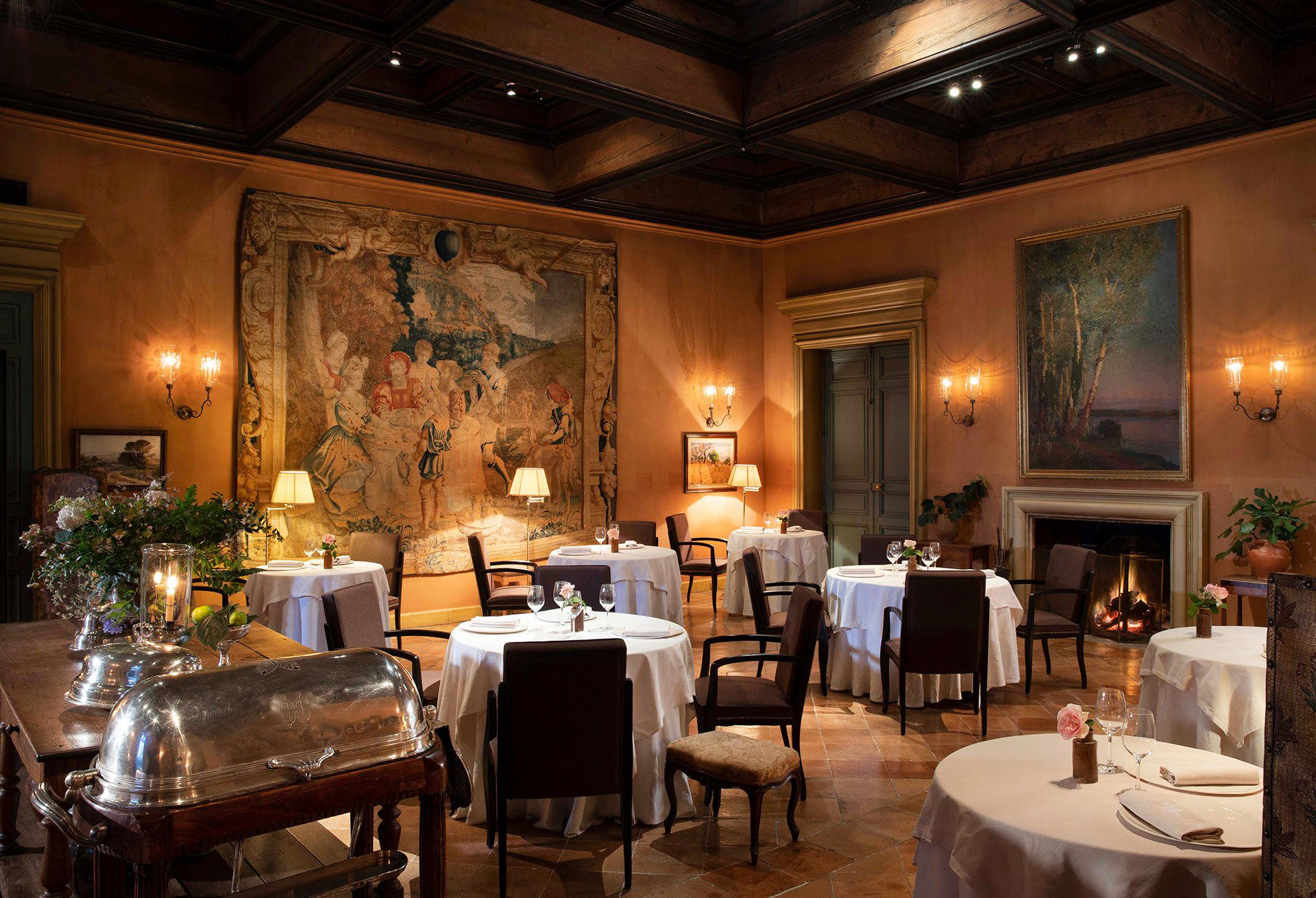
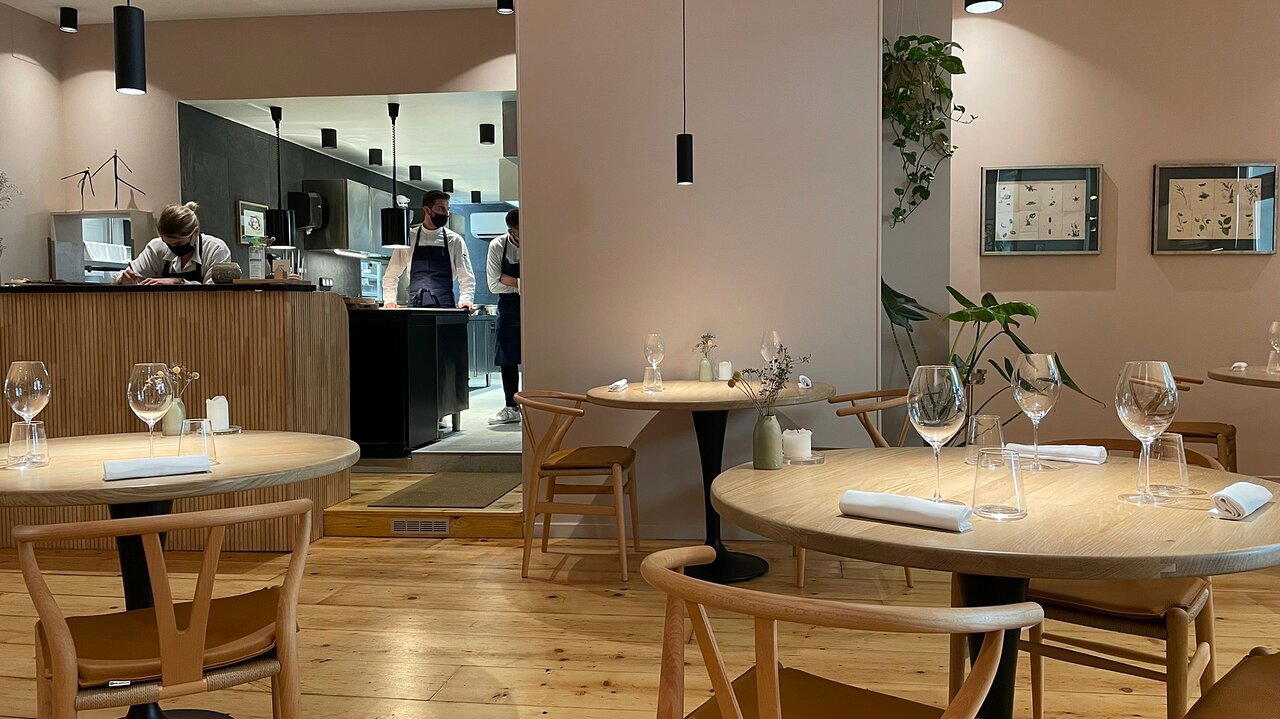
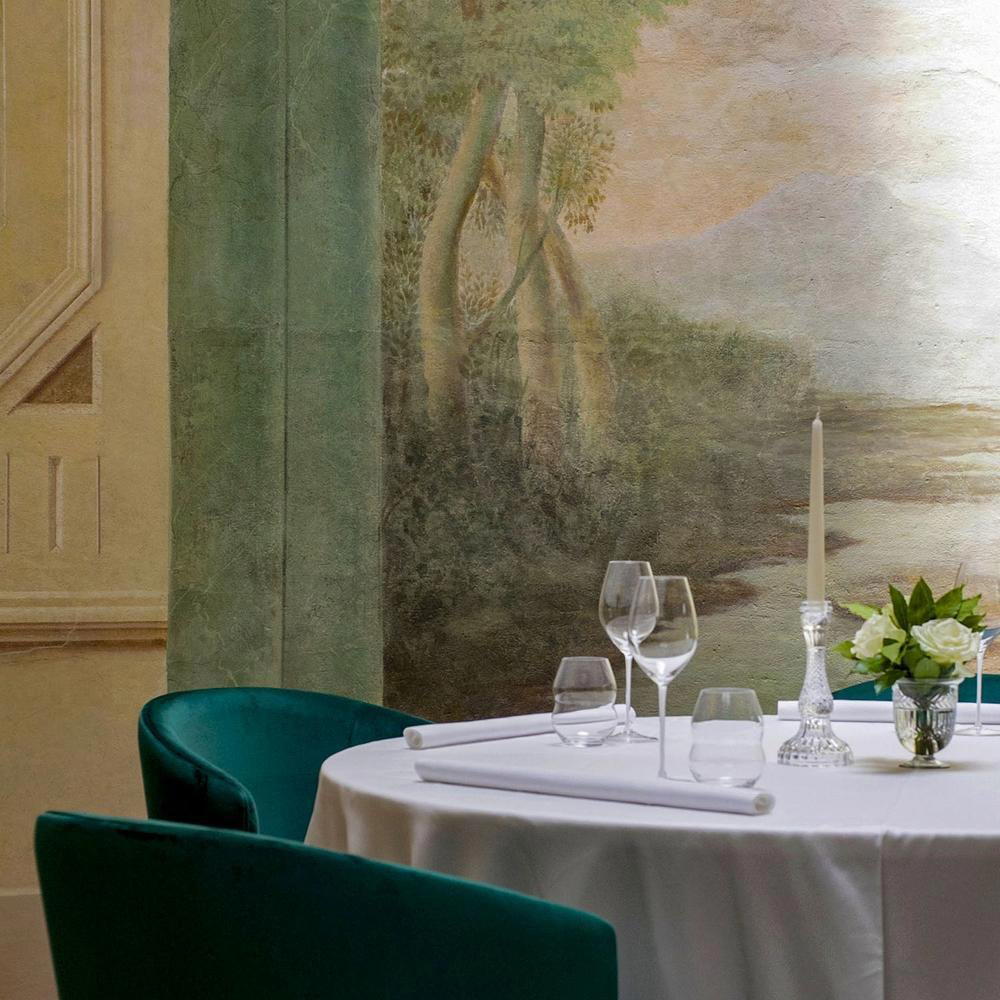
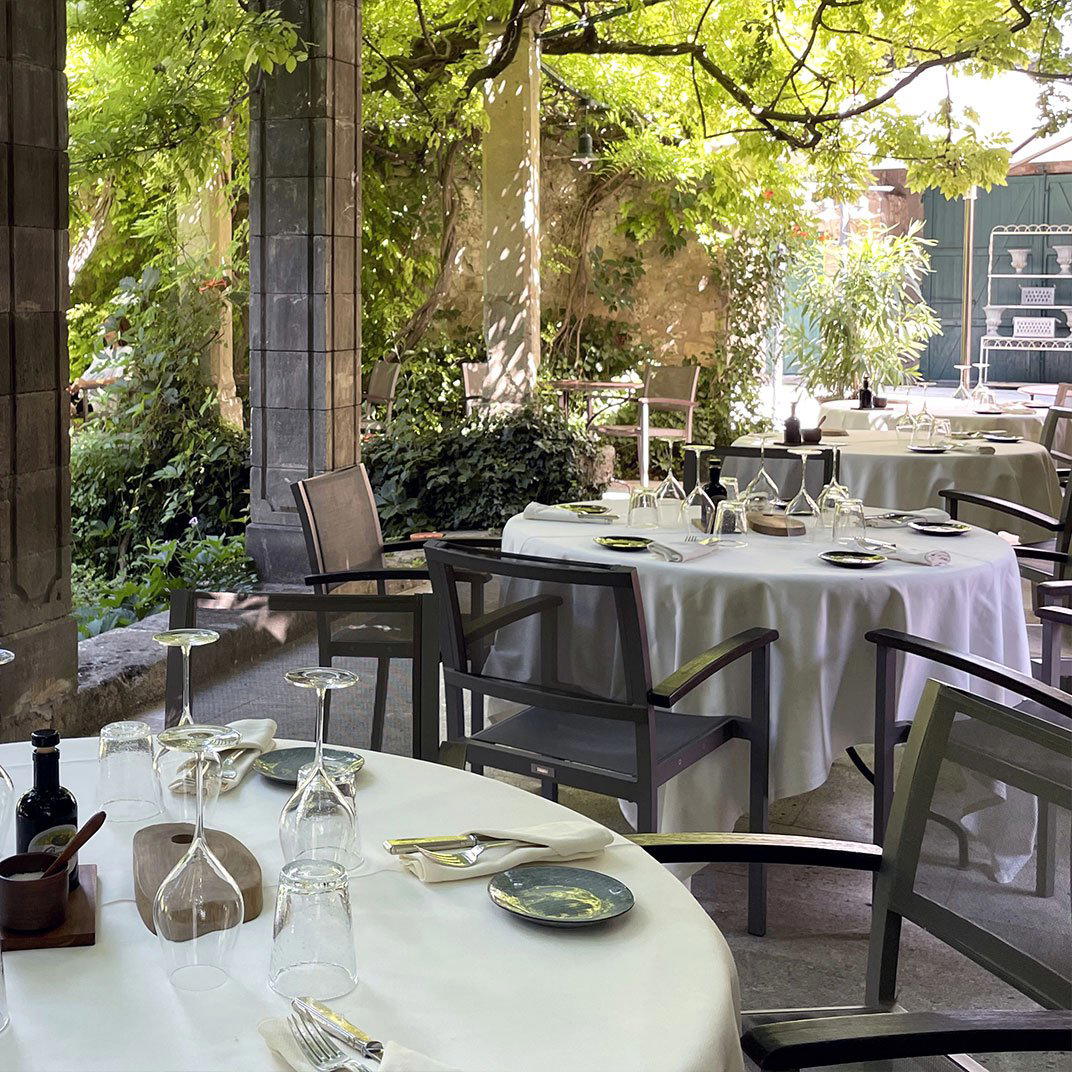
Bars in Avignon
Browse all →

Details
- Cozy
- Classic
- Rustic
- Intimate
- Casual Hangout
- Family
- Brunch
- Late Night
- Standalone
- Historic Building
- Beer Program
- A La Carte
- Wine
- Beer
- Vegetarian Friendly
- Vegan Options
Current opening hours
- Monday
- 10 AM–10:30 PM
- Tuesday
- 10 AM–10:30 PM
- Wednesday
- 10 AM–10:30 PM
- Thursday
- 10 AM–10:30 PM
- Friday
- 10 AM–10:30 PM
- Saturday
- 10 AM–10:30 PM
- Sunday
- 10 AM–10:30 PM
Hours can change for holidays and private events. Hours as of .
Warm, nostalgic 1940s bistro ambiance with soft lighting and a welcoming, lived-in aesthetic that evokes a traditional French neighborhood gathering place.