
On a market-facing street in Avignon's old city, La Kasba des Halles occupies a particular register in the local dining scene: informal enough for a midday stop after the morning market, considered enough to reward a longer look. The address at 67 Rue de la Bonneterie places it in the commercial heart of the intra-muros, where the city does its actual daily eating rather than its ceremonial dining.
Pearl is the En Primeur Club membership app — saves, bookings, and concierge access live there. Same editors, same standards.
- Address
- 67 Rue de la Bonneterie, 84000 Avignon, France
- Phone
- +33601535260
- Website
- lakasbadeshalles.fr
- Directions
- Get directions
 Saves & bookings on Pearl
Where the Market Quarter Eats
Avignon's dining scene divides fairly cleanly along one fault line: the restaurants built around the Festival crowds and the tourist circuit that surrounds the Palais des Papes, and the places where the city actually feeds itself. Rue de la Bonneterie sits on the second side of that line. It runs through the market quarter, close to Les Halles, Avignon's covered market, which draws serious producers from across the Vaucluse and the wider Provence-Rhône corridor. Restaurants in this orbit tend to answer to a different audience than those filling tables with festival visitors in July and August: they answer to regulars, to market vendors, to residents who know what's in season and what isn't.
La Kasba des Halles, at number 67 on that street, fits into this neighbourhood logic. The address alone places it in a tier of Avignon dining that's defined less by ceremony and more by proximity to ingredient supply. The covered market is the reference point; the restaurant's position relative to it is a statement about priorities before a single dish arrives.
Reading the Menu as Architecture
In provincial French cities of Avignon's scale, a restaurant's menu structure tends to reveal its actual ambitions more honestly than its decor or its pricing. Avignon has examples across that spectrum: at the formal end, places like La Mirande and La Vieille Fontaine operate with the architecture of the grand restaurant, where the menu is a curated statement and the tasting format signals commitment. At the other end, the brasseries around the Place de l'Horloge run standardised cartes largely indifferent to what's producing well that week in the Vaucluse.
A restaurant positioned steps from Les Halles occupies a specific middle ground. The market supplies both the highest-end kitchens in the city and particularly casual neighbourhood tables, what differentiates the two is what the kitchen does with access. For a place like La Kasba des Halles, the menu architecture is the editorial question worth asking: is the Maghrebi culinary register, the spice orientation, the slow-cooked formats, the grain-forward base, being applied as a fixed template, or is it being adjusted to what the adjacent market is offering at any given point in the season?
The name references both a North African architectural form (the kasba, or fortified quarter) and its proximity to the covered market halls. That pairing suggests a kitchen working at the intersection of Provençal ingredient culture and North African technique, a register that has real precedent in Southern France, where Maghrebi culinary traditions have been part of the regional cooking conversation since the mid-twentieth century. Avignon itself, with its position as a regional commercial centre drawing on both Alpine and Mediterranean supply lines, gives a kitchen in this mould more ingredient latitude than most French provincial cities of comparable size.
Avignon's Informal Register
The mid-range dining tier in Avignon has become more competitive and more considered over the past decade. Restaurants like Pollen, Acte 2, and Bibendum have raised the baseline expectation for what a serious but non-ceremonial lunch or dinner looks like inside the walls. That shift has pushed the entire informal tier upward, a restaurant at the market-adjacent end of the price spectrum now competes against kitchens that are genuinely engaged with sourcing and technique, not just trading on atmosphere.
This is the context in which a place like La Kasba des Halles earns or loses its regular audience. Festival season, July through August, centred on the Festival d'Avignon, floods the intra-muros with visitors who fill tables largely on the basis of location and availability. The months on either side of that window are when a neighbourhood restaurant's actual standing becomes legible: who is coming back, who is recommending it, and whether the kitchen is doing something that the immediate competition isn't. The market quarter provides a built-in audience of people who pay attention to what's on a plate, which is both an advantage and a constraint.
For broader context on the city's dining range, the EP Club Avignon guide maps the full spectrum from formal tasting-menu territory to neighbourhood tables. Elsewhere in France, the standard set by rooms like Mirazur in Menton, Bras in Laguiole, and AM par Alexandre Mazzia in Marseille defines what ambition looks like at the upper end of the regional register, the distance between those addresses and a market-quarter table in Avignon is what clarifies what an informal, ingredient-led proposition is actually trying to do.
Planning a Visit
The restaurant is at 67 Rue de la Bonneterie in Avignon's old city, within the medieval walls and a short walk from the main market hall at Les Halles. The location is practical for a midday table after a morning at the market, and the neighbourhood context, working commercial streets rather than tourist-facing squares, means the rhythm of service tends to follow local rather than visitor hours. The restaurant recommends reservations. The surrounding quarter has enough alternatives, including the broader range covered in our Avignon guide, that the area rewards spending time in rather than treating as a single destination.
Accolades, Compared
Comparable venues nearby, for context on price, style, and recognition.
| Venue | Cuisine | Price | Notes |
|---|---|---|---|
| La Kasba des HallesThis venue — the venue you are viewing | Tunisian Couscous House | $ | Not listed |
| Naka | Traditional Japanese Sushi | $$ | Intra-muros |
| Restaurant EAT | Modern French Bistro | $$ | Historic Center |
| La Cour d'Honneur | Seasonal French Bistronomique | $$ | Centre Ville |
| O'Papilles | Traditional French Bistro with Local Produce | $$ | historic center |
| L'Essentiel | Contemporary French Bistro | $$$ | Avignon City Center |
Recognition history
Dated appearances from independent guides and award organizations, with the underlying list record or original source where available.
Relais Desserts Member Boutique
Relais Desserts
Continue exploring
More in Avignon
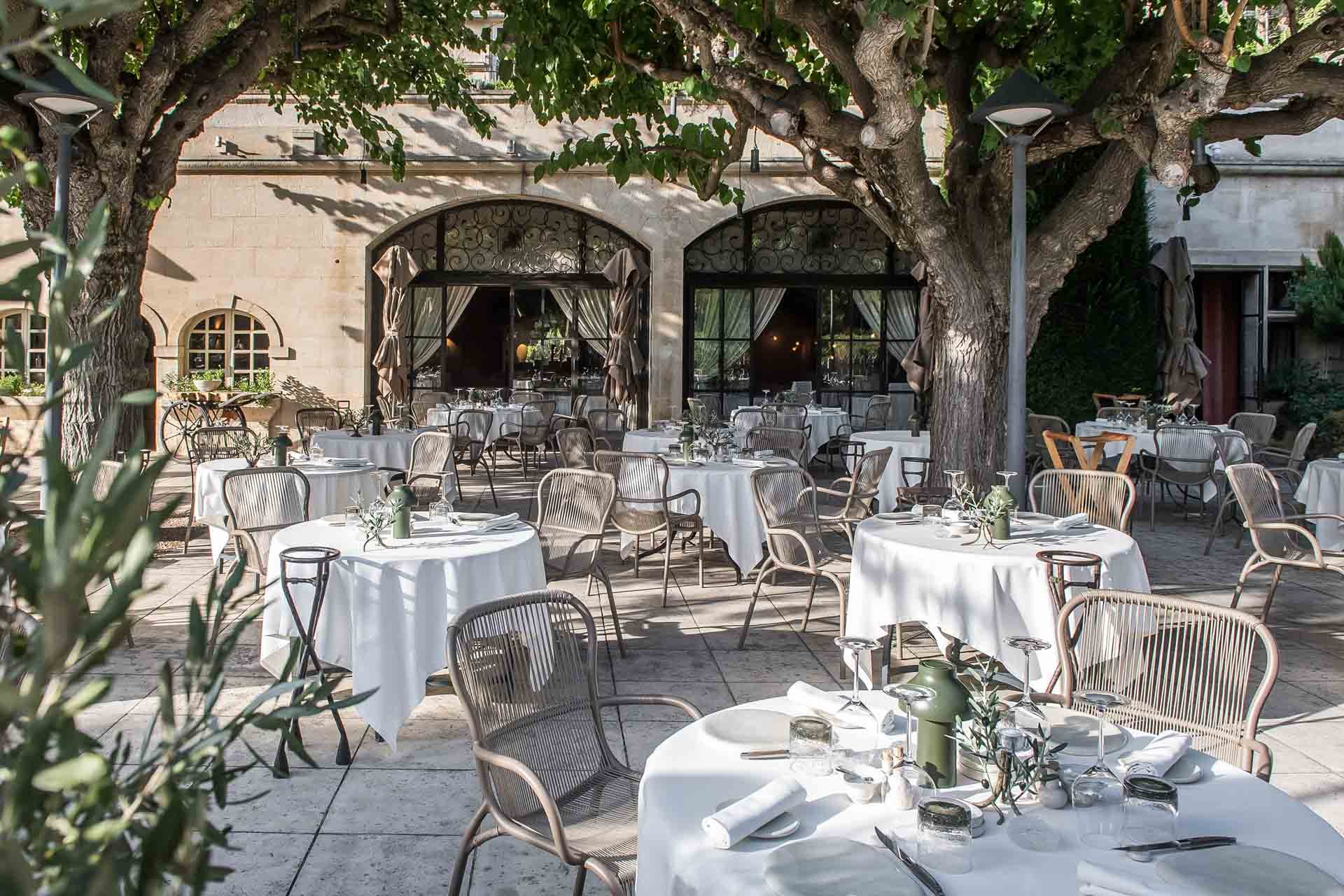
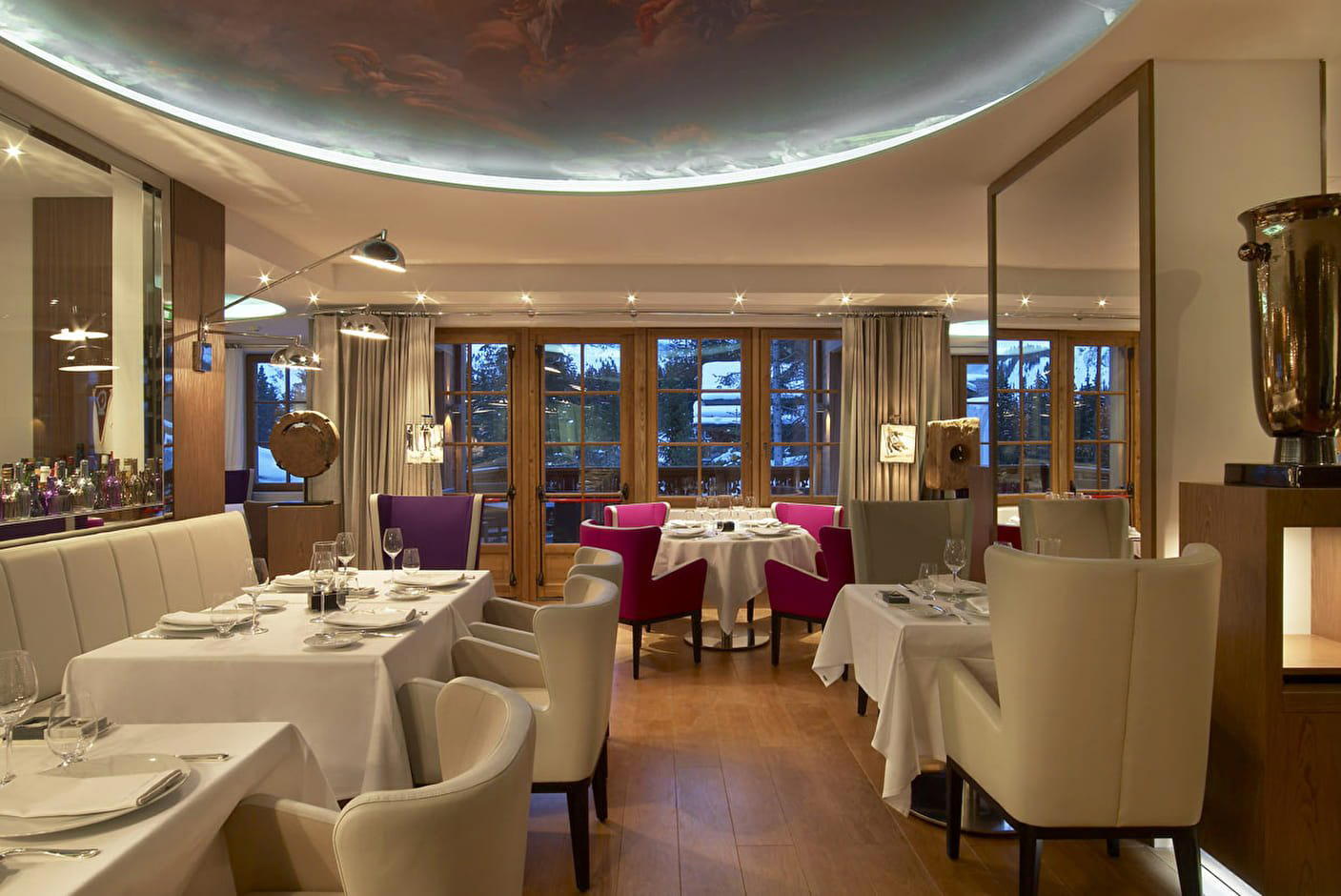
Restaurants in Avignon
Browse all →
Bars in Avignon
Browse all →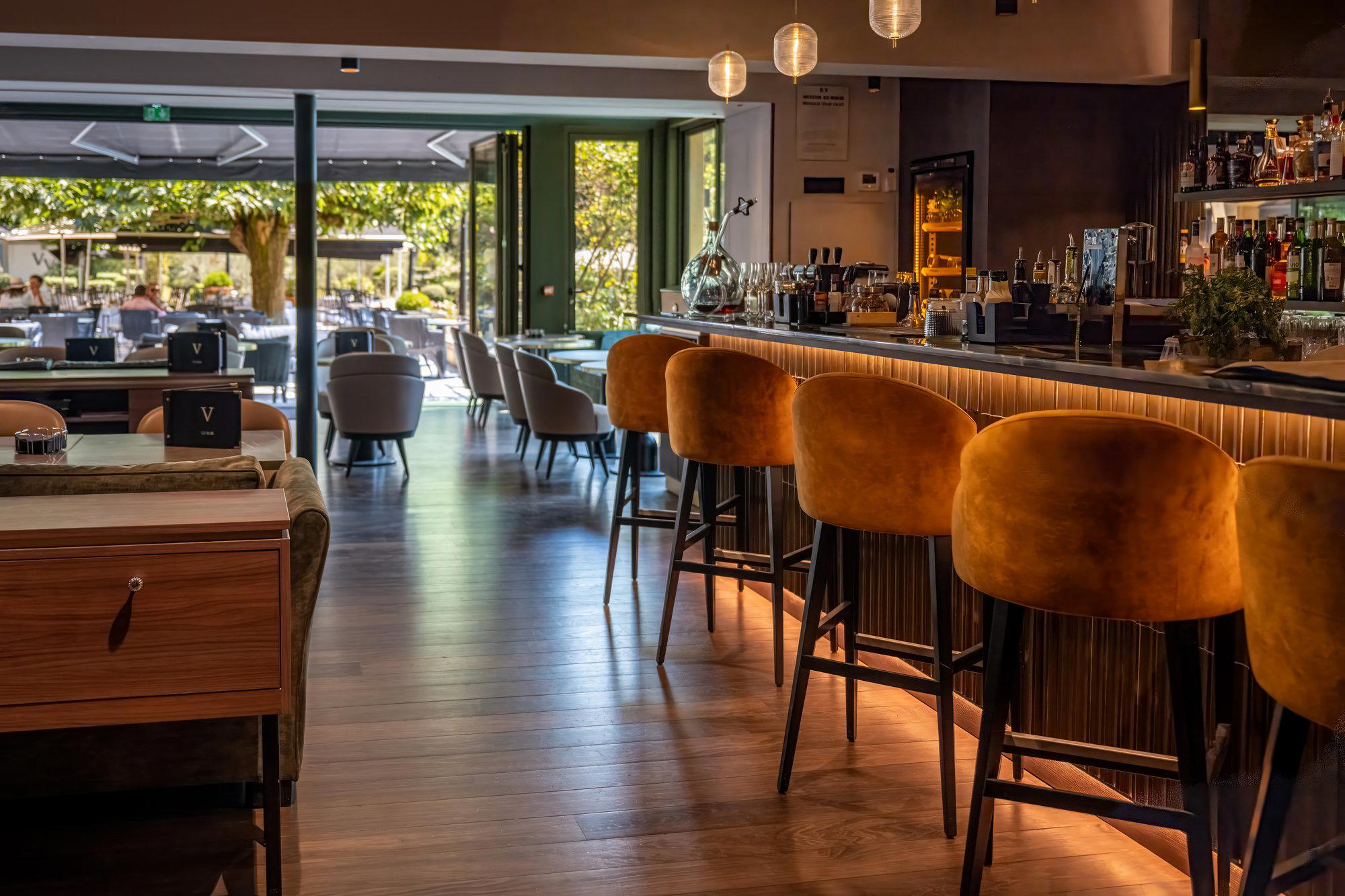
Hotels in Avignon
Browse all →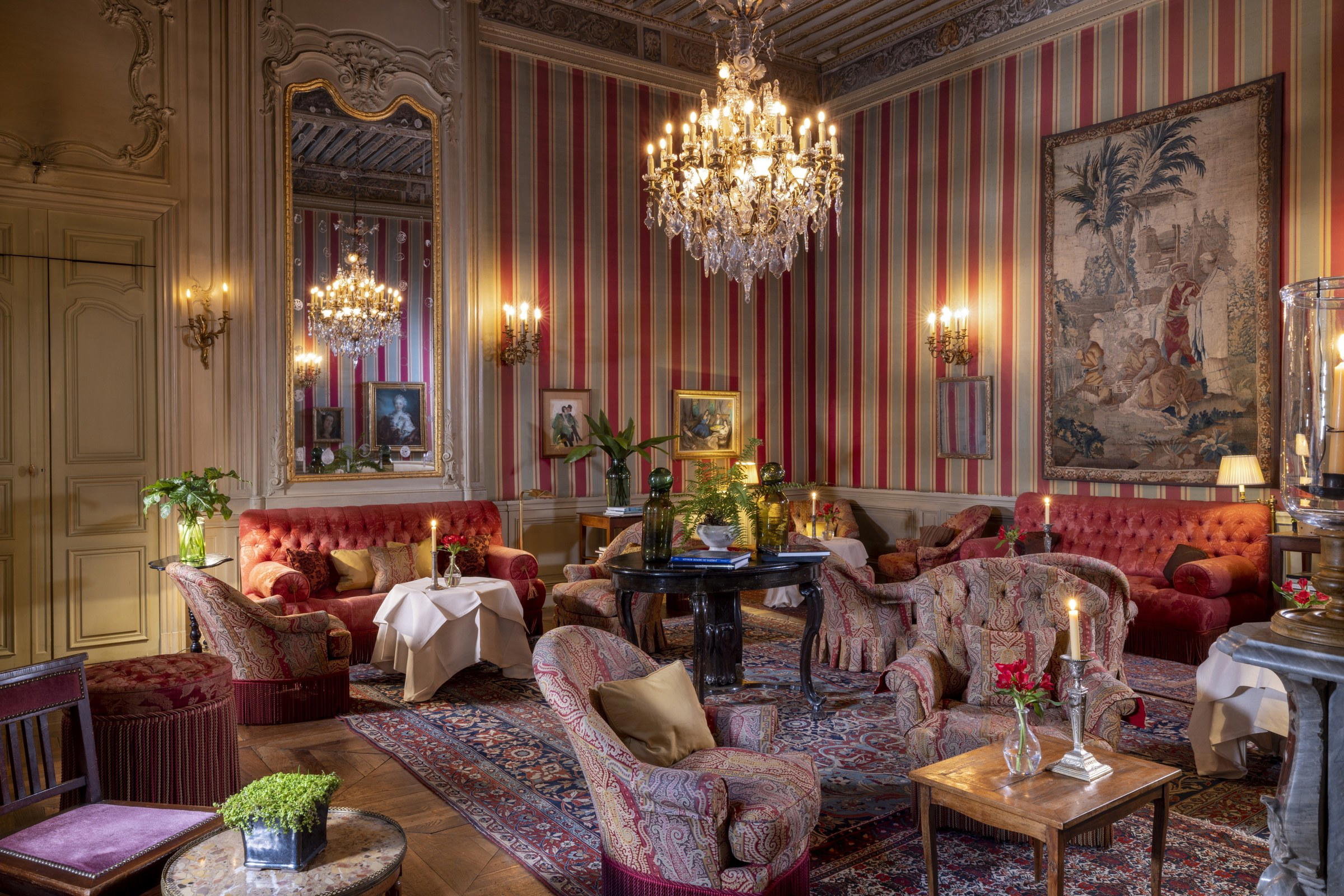
At a Glance
- Cozy
- Rustic
- Intimate
- Casual Hangout
- Family
- Historic Building
Current opening hours
- Monday
- 11 AM–11:30 PM
- Tuesday
- 11 AM–11:30 PM
- Wednesday
- 11 AM–11:30 PM
- Thursday
- 11 AM–11:30 PM
- Friday
- 11 AM–11:30 PM
- Saturday
- 11 AM–11:30 PM
- Sunday
- 11 AM–11:30 PM
Hours can change for holidays and private events. Last verified .
Chaleureuse et familiale with colorful decor and comfortable seating, creating a welcoming Tunisian atmosphere.