Love, Makoto
Our verdict
Love, Makoto brings a Japanese-inflected sensibility to Washington, D.C.'s Massachusetts Avenue corridor, drawing a loyal clientele that returns for the precision and quiet confidence of the cooking rather than spectacle. Located at 200 Massachusetts Ave NW, the restaurant occupies a tier of D.C. dining where technique and restraint do the talking. For those tracking where the capital's serious restaurant culture is heading, it belongs on the list.

Pearl is the En Primeur Club membership app — saves, bookings, and concierge access live there. Same editors, same standards.
Where D.C.'s Serious Diners Keep Coming Back
There is a particular kind of restaurant that never needs to announce itself. No promotional noise, no rotating celebrity chef pop-ups, no ambient hype cycle. Love, Makoto, at 200 Massachusetts Ave NW in Washington, D.C. operates in that quieter register. The address places it in the Massachusetts Avenue corridor, a stretch that bridges the city's institutional gravity near Union Station with the more residential calm of NoMa and Capitol Hill's fringe. Arriving here, the surrounding architecture is federal in scale and neutral in affect, which makes the deliberate intimacy of what's inside feel more considered by contrast.
Washington's dining culture has matured significantly over the past decade, moving beyond its long reputation as a power-lunch city defined by expense accounts and proximity to politics. The generation of restaurants that reshaped that perception, places like Jônt with its modern French tasting counter and minibar with its molecular ambition, established that D.C. could sustain technically demanding, chef-driven formats. Love, Makoto sits within that post-transition moment, at a point where the conversation has shifted from whether the city can support serious cooking to which rooms are earning sustained loyalty rather than opening-year attention.
The Regulars' Logic
The clearest signal of a restaurant's actual standing is not its press coverage in the first six months but who comes back after the first year, and why. At Love, Makoto, the returning audience is not chasing novelty. Japanese-inflected cooking of this type, built on precision and the discipline of restraint rather than accumulation of ingredients, rewards familiarity. The more often you eat in this register, the more you read the small decisions: the temperature of a dish, the weight of a sauce, the point at which acidity is introduced. Regulars at counters like this are, in a meaningful sense, better equipped to receive the cooking than first-time visitors.
This dynamic distinguishes Japanese-influenced fine dining from many European-rooted formats. The reference points are different, the vocabulary of appreciation develops differently, and the unwritten menu, the institutional knowledge that loyal guests accumulate about how to order, what to request, and which times of year the kitchen is operating at its peak, is genuinely useful here. That kind of accumulated knowledge is what keeps a core audience returning rather than cycling through to whatever opened last month.
Across American cities with serious Japanese-influenced dining, from Atomix in New York City to Providence in Los Angeles, the format that builds the deepest loyalty tends to be low in capacity and high in engagement between kitchen and guest. The counter or near-counter format, where the cooking is visible and the sequence of service carries narrative weight, creates the conditions for that kind of return behavior.
D.C.'s Current Fine Dining Map
The restaurant sits within a D.C. fine dining tier that has grown more varied in its reference points over the past several years. The city's premium dining no longer defaults to European classical training as its only credentialing system. Albi has brought Levantine cooking into the high-end conversation; Causa has done the same for Peruvian technique at the leading price tier; Oyster Oyster has built a case for plant-focused cooking at the serious end of the market. Each of these represents a different answer to the same question: what does premium dining mean when the reference tradition is not French?
Love, Makoto's Japanese-inflected answer to that question connects it to a national conversation happening at restaurants from Single Thread Farm in Healdsburg to Blue Hill at Stone Barns in Tarrytown, where the organizing principle of the meal is precision and seasonal attentiveness rather than classical European technique applied to luxury ingredients. That the capital now has a restaurant working in this mode, and building audience loyalty within it, is a meaningful data point about where the city's appetite has traveled.
For comparison outside D.C. Internationally, the approach resonates with what 8½ Otto e Mezzo Bombana in Hong Kong has achieved by applying European precision in a non-European context. The through-line is a commitment to craft that accrues value over time rather than peaking at opening.
What the Address Tells You
The suite address at 200 Massachusetts Ave NW is worth noting for practical reasons. Suite-format restaurants in Washington, particularly in this corridor, often operate with controlled access, smaller dining rooms, and a booking window that rewards planning. The surrounding neighborhood has changed considerably in the past decade as development around NoMa and the Union Station area has brought a more mixed-use character to what was once a largely transient zone. Restaurants that established themselves here during or just after that transition have generally benefited from a clientele drawn from both the professional class working in the area and destination diners who book specifically rather than walking in on impulse.
For those planning a visit, the address places Love, Makoto within reasonable distance of Union Station's transit hub, making it accessible from multiple points in the city without requiring a car. Given the format and the caliber of cooking that the restaurant's reputation suggests, booking in advance rather than attempting a walk-in is the practical approach. The restaurant's format, like that of comparable rooms at The Inn at Little Washington and Le Bernardin in New York City, rewards guests who arrive with a reservation and enough time to let the meal unfold at the kitchen's pace rather than the clock's.
Planning a Visit
Love, Makoto is located at 200 Massachusetts Ave NW, Suite 150, Washington, D.C. 20001. Given the suite format and the style of cooking that its positioning within D.C.'s serious dining tier implies, reservations made in advance are the recommended approach. The Massachusetts Avenue address is accessible via Union Station's Metro stop on the Red Line, making it reachable from most parts of the city. Those arriving from further afield, whether from New Orleans, the West Coast, or international points of origin, will find D.C.'s Union Station a practical arrival node. For context on the broader dining scene surrounding this restaurant, our full Washington, D.C. restaurants guide maps the capital's current options across cuisines and price tiers.
Frequently asked questions
What do people recommend at Love, Makoto?
Do they take walk-ins at Love, Makoto?
What makes Love, Makoto worth seeking out?
How does Love, Makoto fit into Washington, D.C.'s Japanese dining scene?
Side-by-Side Snapshot
Comparable venues nearby, for context on price, style, and recognition.
| Venue | Cuisine | Price | Notes |
|---|---|---|---|
| Love, MakotoThis venue — the venue you are viewing | Modern Japanese Food Hall | Not listed | Not listed |
| Sakedokoro Makoto | Tokyo-Style Kappo | Not listed | The Palisades |
| Uchi | Modern Japanese Omakase | $150–200 | Downtown |
| Omakase Room by Tadayoshi | Japanese Omakase | $200–300 | East End |
| Two Nine | Kaiseki-Inspired Japanese Omakase | $200–300 | East Village Georgetown |
| Uchi | Modern Japanese Omakase | $150–200 | Central Business District |
Continue exploring
More in Washington DC
Restaurants in Washington DC
All restaurants in Washington DC →
Bars in Washington DC
All bars in Washington DC →
Love, Makoto
The wine
- Wine program
- Curated wine list
- Sake program
- Craft cocktails
Details
- Modern
- Trendy
- Energetic
- Sophisticated
- Date Night
- Group Dining
- Business Dinner
- Celebration
- Open Kitchen
- Private Dining
- Sake Program
- Craft Cocktails
- Omakase
- A La Carte
- Small Plates
- Sake
- Highballs
Current opening hours
- Monday
- 11 AM–10 PM
- Tuesday
- 11 AM–10 PM
- Wednesday
- 11 AM–10 PM
- Thursday
- 11 AM–10 PM
- Friday
- 11 AM–10 PM
- Saturday
- 11 AM–10 PM
- Sunday
- 11 AM–10 PM
Hours can change for holidays and private events. Last verified .
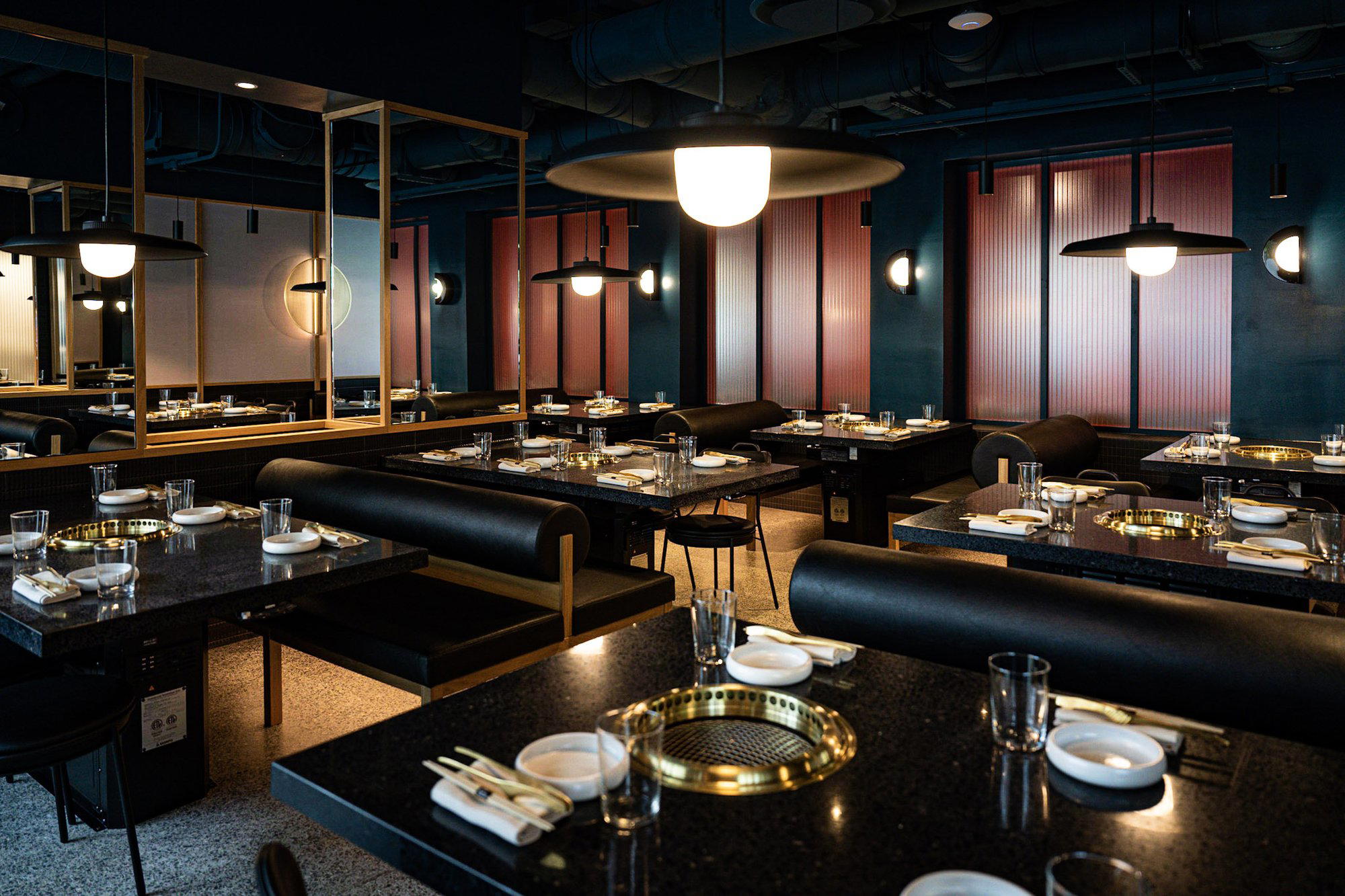
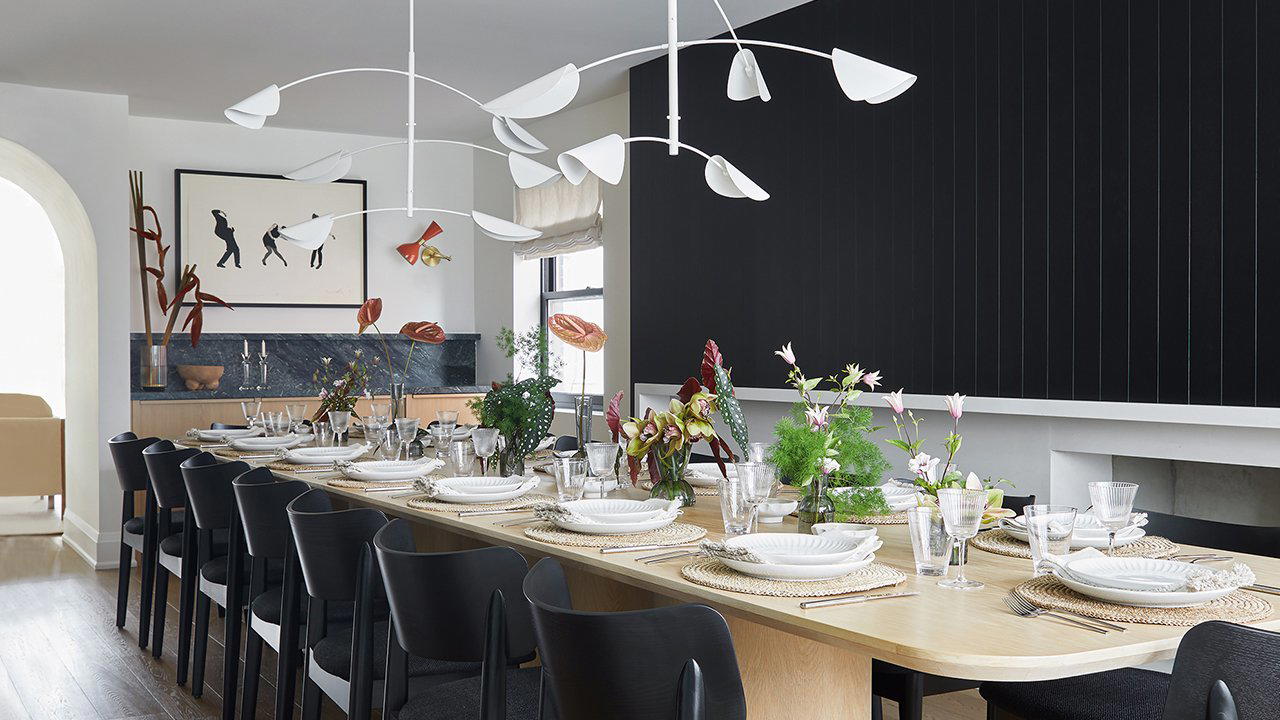
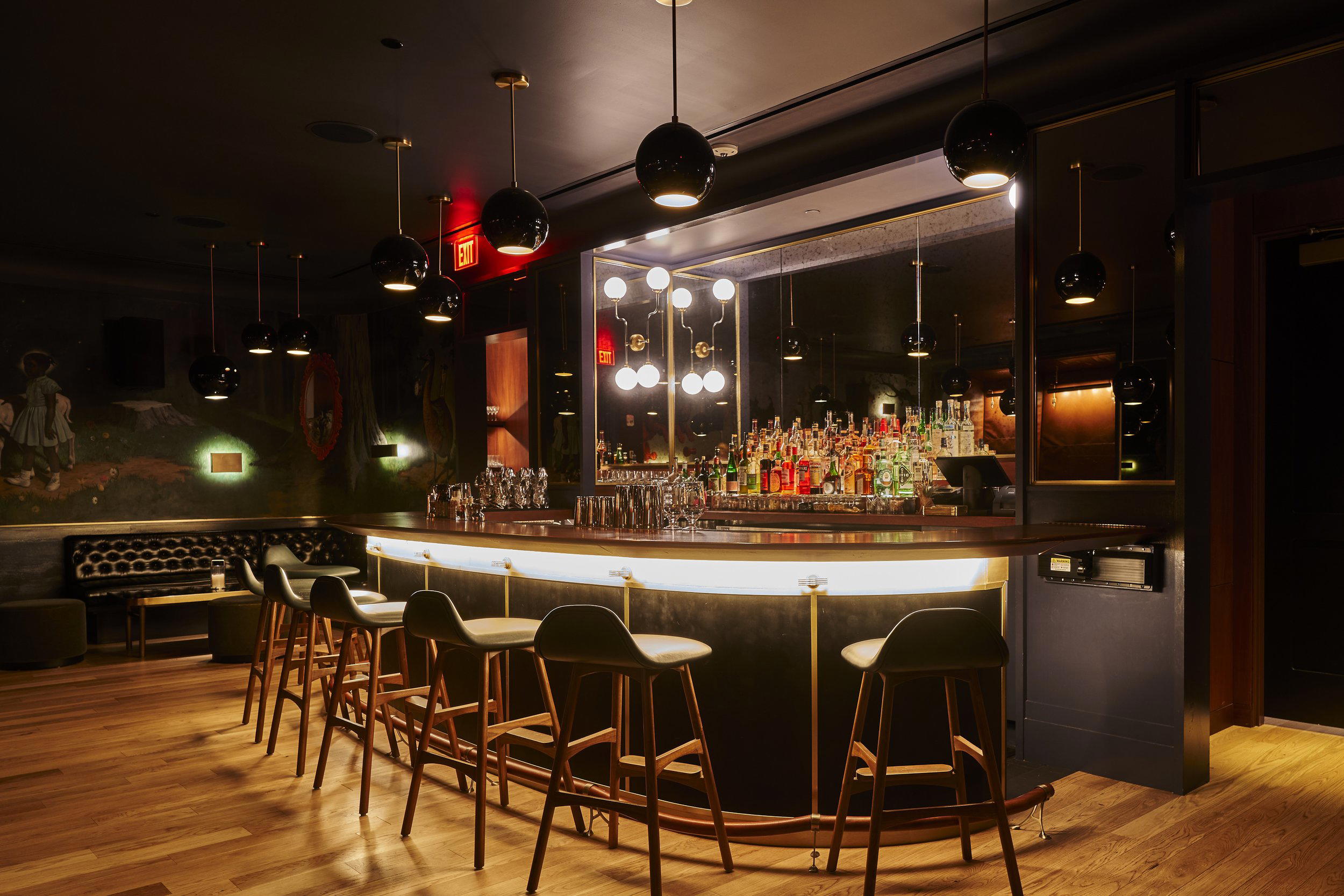
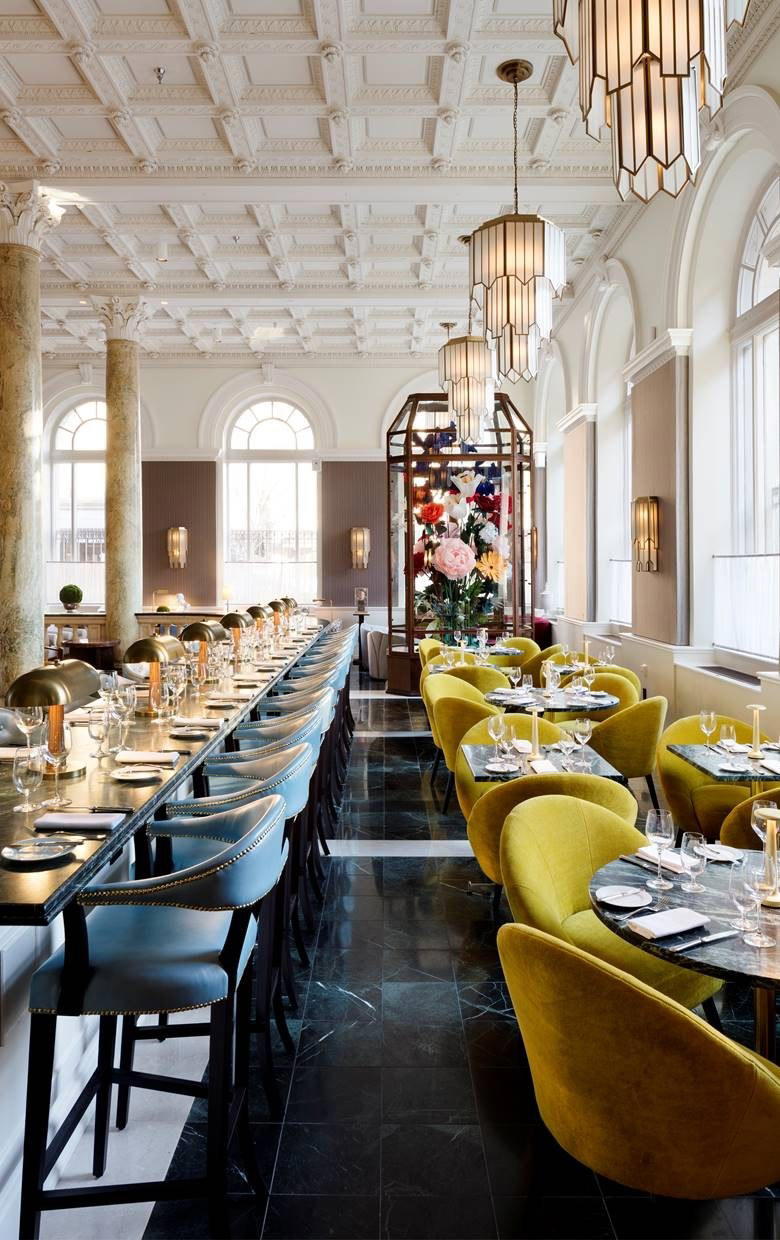
Striking with dark walls, neon hallway, and large tables with central circular grills for an energetic atmosphere.