L'Orée du bois
Set in the medieval village of Châteauneuf in Burgundy's Côte-d'Or, L'Orée du bois occupies a France where terroir is not a talking point but a daily working premise. The restaurant draws on the agricultural depth of Burgundy's countryside, situating itself in a regional dining tradition that prizes provenance over spectacle. For travelers moving through this corner of France, it offers a grounded alternative to the region's more celebrated tables.
Pearl is the En Primeur Club membership app — saves, bookings, and concierge access live there. Same editors, same standards.
- Address
- Gr Grande Rue, 21320 Châteauneuf, France
- Phone
- +33380492532
- Website
- ldb-chateauneuf.com
 Saves & bookings on Pearl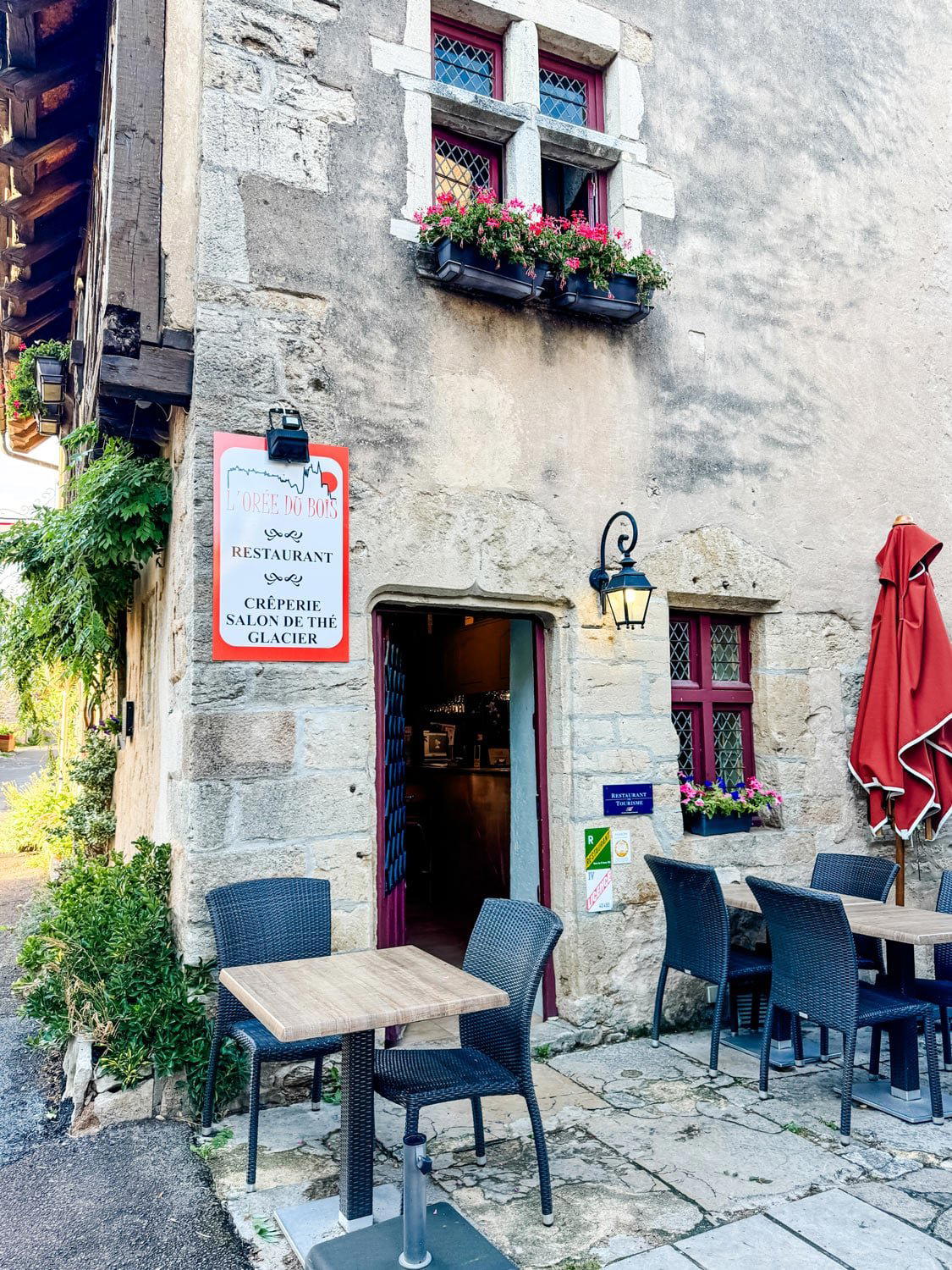
At the Edge of the Forest, at the Centre of Burgundian Terroir
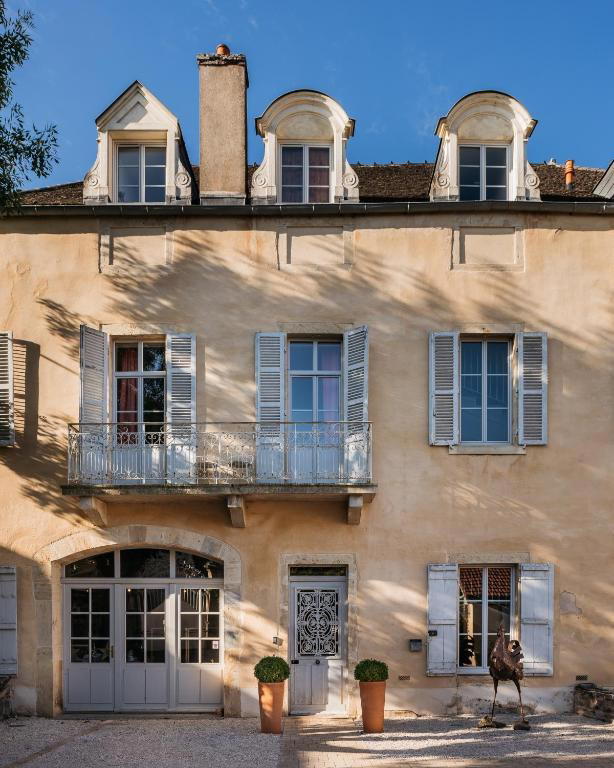
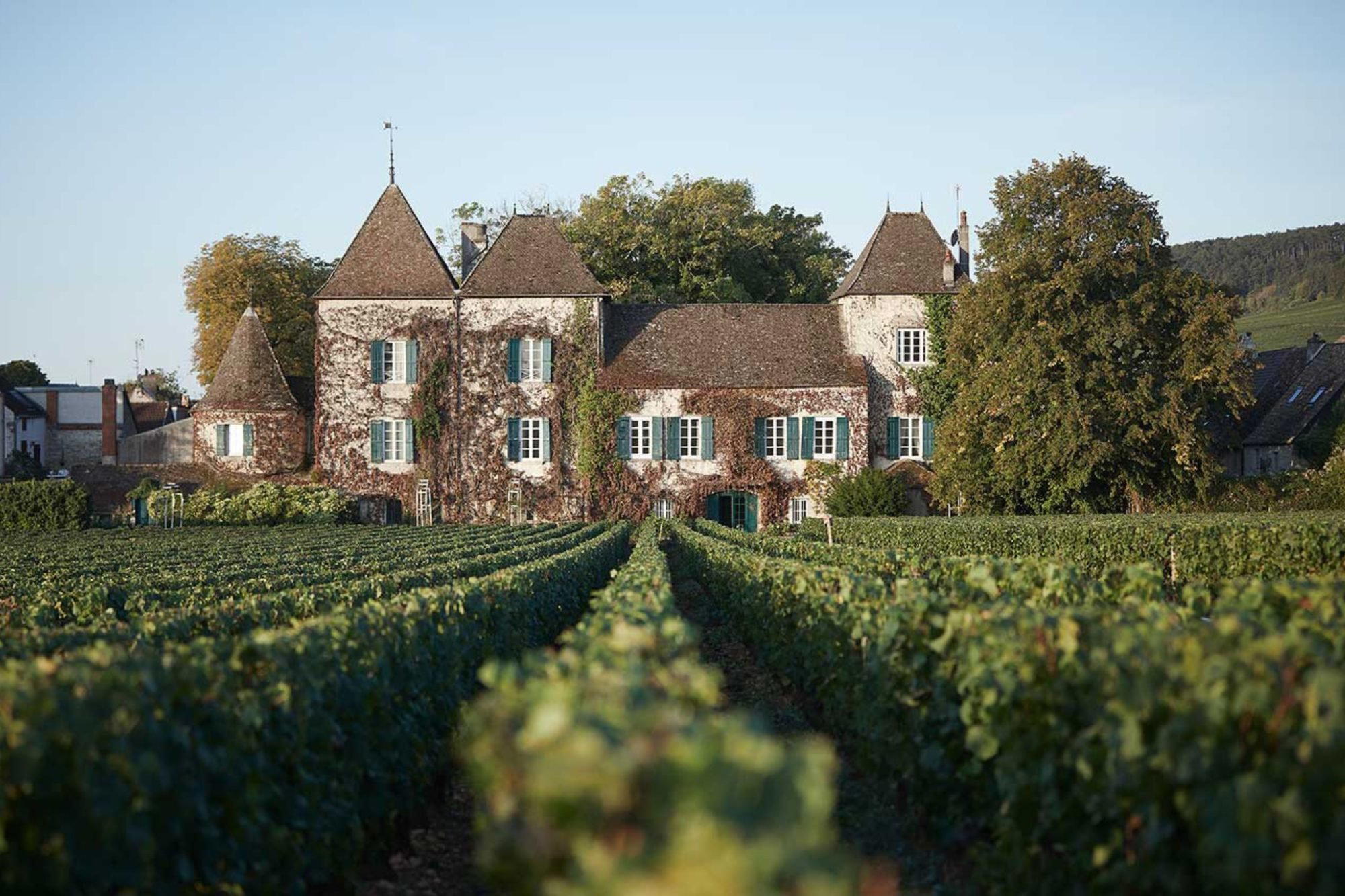
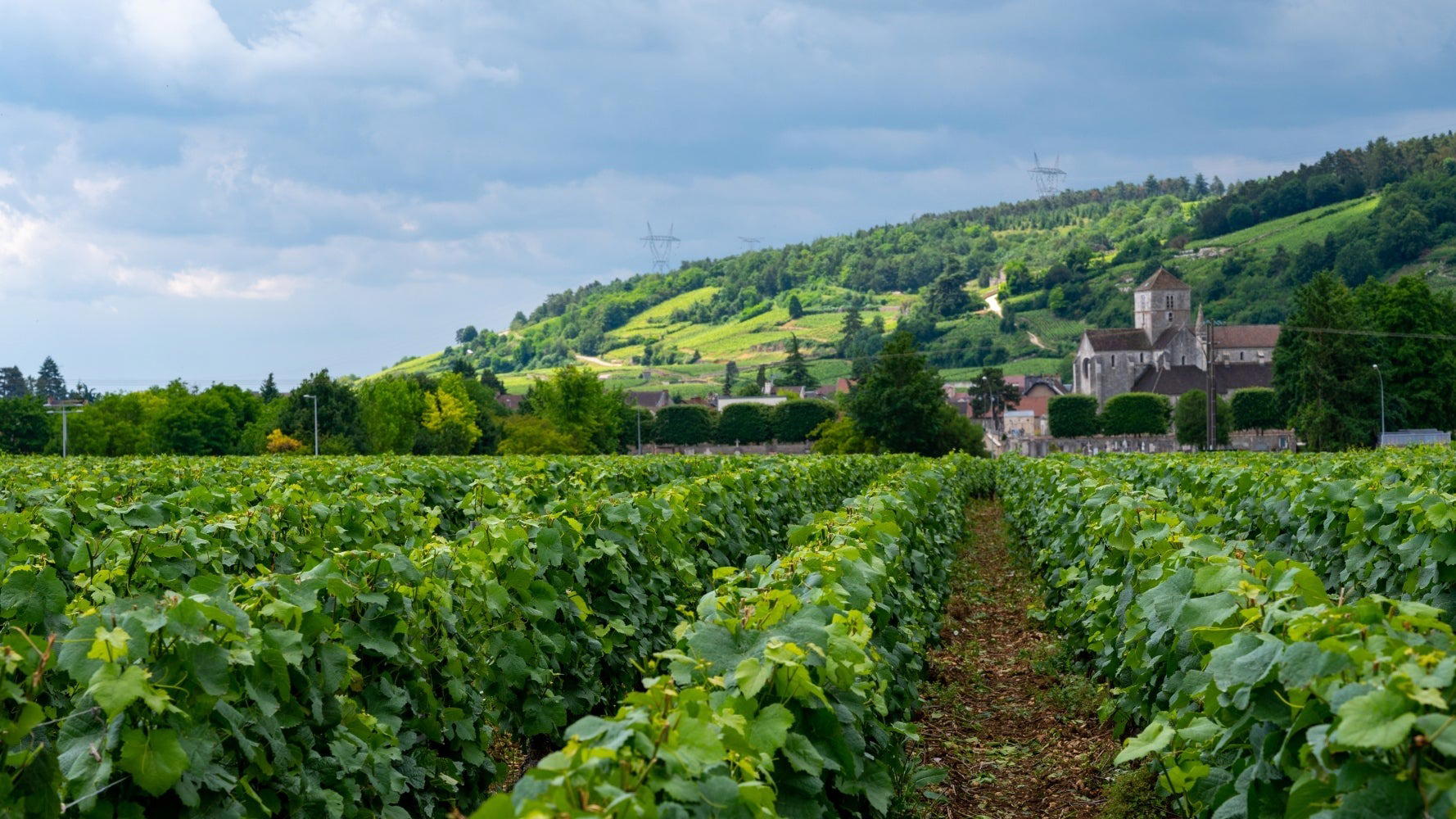
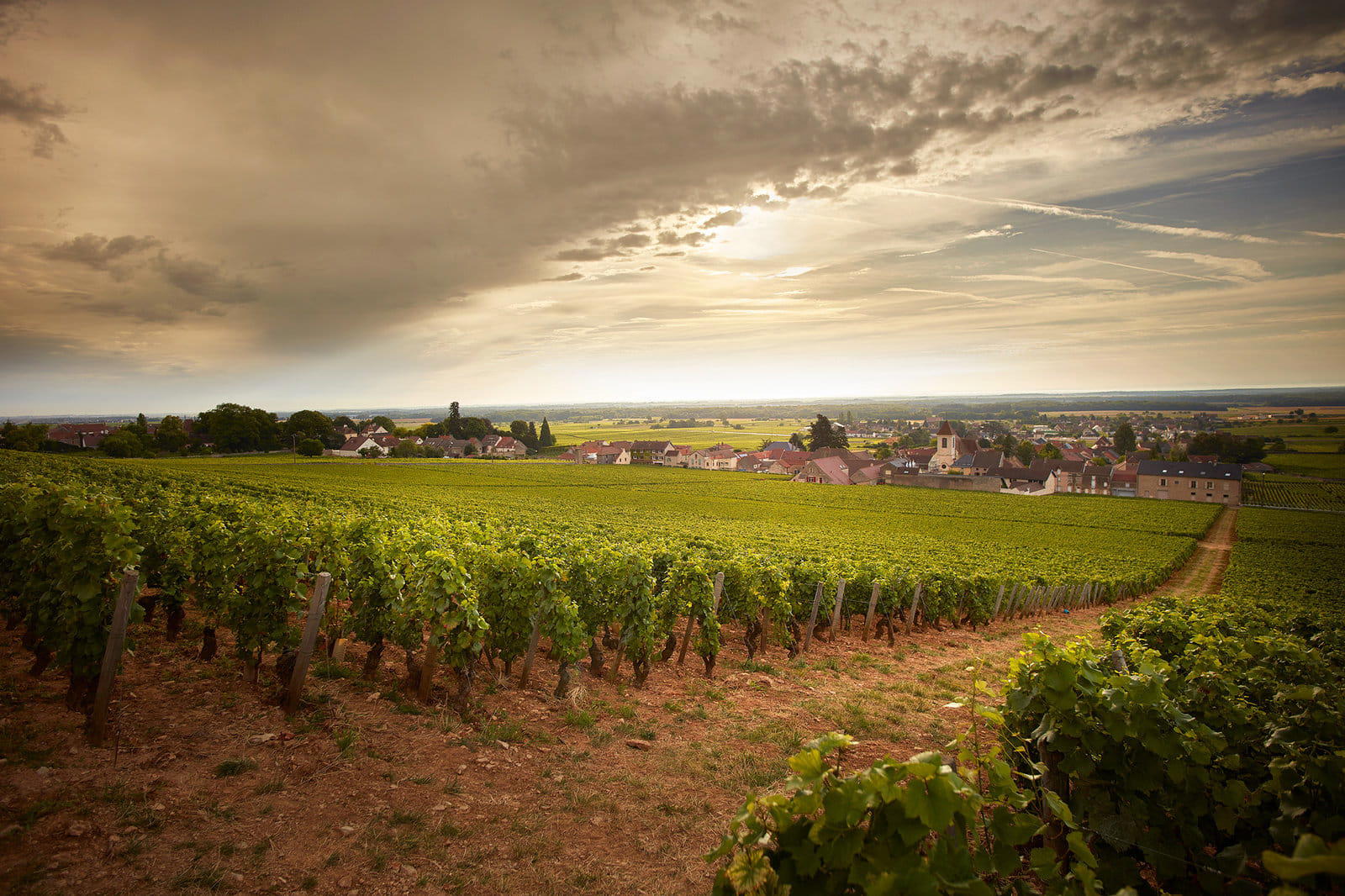
Châteauneuf is the kind of village that rewards a slow approach. The medieval stone ramparts appear above the plain of the Saône valley before you reach the village itself, and Grande Rue, the main artery threading through the commune, narrows to a width that makes the surrounding countryside feel deliberately close. It is on this street that L'Orée du bois sits, its address already speaking to its relationship with the land: orée du bois translates literally as the edge of the forest, a name that locates the restaurant at the threshold between cultivated and wild. In a region where dining rooms have historically been inseparable from the farms and forests that supply them, that framing is more than atmospheric.
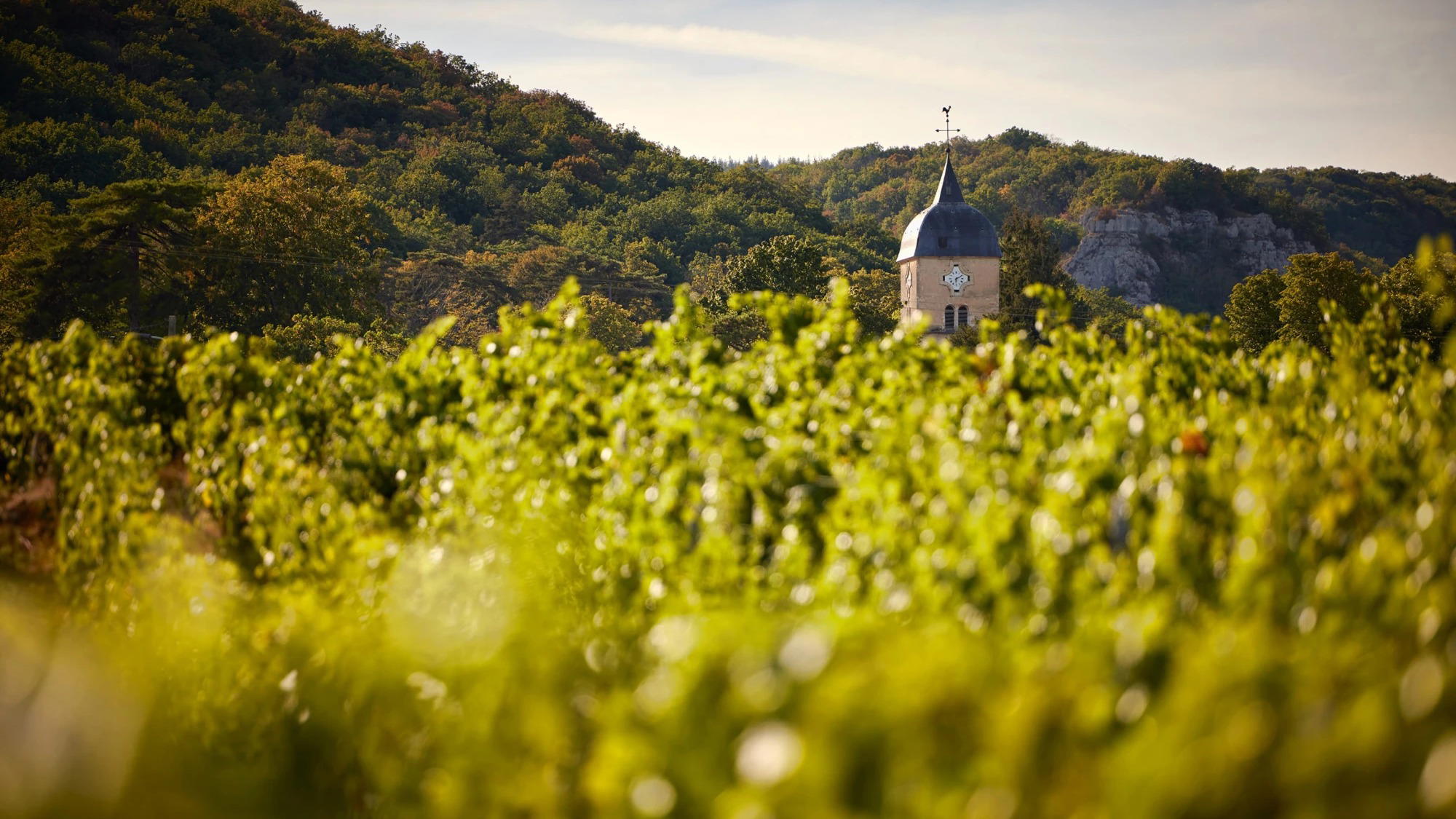
Burgundy's wider reputation rests on wine, and the Côte-d'Or corridor from Dijon south through Beaune commands most of the international attention. But the villages of the arrière-côte, the inland ridge running parallel to the famous limestone slope, have sustained their own, quieter agricultural traditions: small livestock operations, market gardens, woodland foraging, and the kind of direct supplier relationships that larger, more visible restaurants now construct elaborate narratives around. L'Orée du bois operates within that tradition rather than performing it.
Why Provenance Matters Here
Across France's contemporary dining circuit, sourcing claims are a standard marketing register, deployed with equal confidence at Alléno Paris au Pavillon Ledoyen and at neighborhood bistros with no particular agricultural relationships whatsoever. The distinction that matters is whether the geography of a restaurant's location actually compels sourcing depth, or whether sourcing is a choice layered on top of a location that could be anywhere.
Châteauneuf sits inside a Burgundy that is not organized around tourism in the way that Beaune or Vézelay are. The supply chains here are shorter because the alternatives are more inconvenient, and that inconvenience is, paradoxically, a quality signal. Restaurants in isolated medieval villages on the Côte-d'Or do not survive on passing trade; they survive because their cooking has a reason to be in that specific place. That logic has shaped French regional restaurants for generations, from Bras in Laguiole, where the volcanic plateau of the Aubrac is the explicit subject of the menu, to Auberge du Vieux Puits in Fontjoncouse, which built its identity around a village in the Corbières that most of its guests would otherwise never visit.
In that lineage, L'Orée du bois occupies the Burgundian branch: a table in a place with specific soil, specific seasons, and a specific agricultural calendar that a kitchen must either acknowledge or ignore. The cooking at this tier of French regional dining does not announce itself through architectural plating or multi-page tasting menus; it tends to speak in the register of classical Burgundian tradition, where the quality of the primary ingredient is the primary argument.
The Broader French Regional Dining Context
France's most discussed restaurants in recent years have concentrated in Paris and on the southern coasts. Mirazur in Menton brought the Ligurian border region into global conversation, and AM par Alexandre Mazzia in Marseille reframed what Mediterranean cooking could mean at the highest technical register. The interior of France, and Burgundy in particular outside its wine domaines, has received less editorial attention, which creates a predictable dynamic: the tables that remain quietly excellent in villages like Châteauneuf are less pressured by the performance expectations that recognition brings.
That quiet is not the same as stasis. Burgundian cuisine has its own technical demands. The classical preparations associated with the region, from œufs en meurette to dishes built around Charolais beef and Bresse poultry, require precise sourcing because the named ingredient carries most of the argumentative weight. A dish described simply as poulet de Bresse depends on that bird coming from a controlled appellation, and a kitchen in Côte-d'Or that takes those designations seriously is operating with an ingredient discipline that the more experimental registers of French cooking sometimes sidestep. For reference points at the haute end of that classical Burgundian sensibility, Georges Blanc in Vonnas and Auberge de l'Ill in Illhaeusern represent the tradition at its most institutionally developed.
The restaurant is not operating at that institutional scale, nor does a village address in Châteauneuf suggest it is positioning against those references. It belongs instead to the wider category of embedded regional restaurants where the quality of the experience is proportional to how seriously the kitchen takes its geography. That category produces particularly satisfying meals in France precisely because expectation and execution can align without the distortion that comes with celebrity recognition.
Planning a Visit
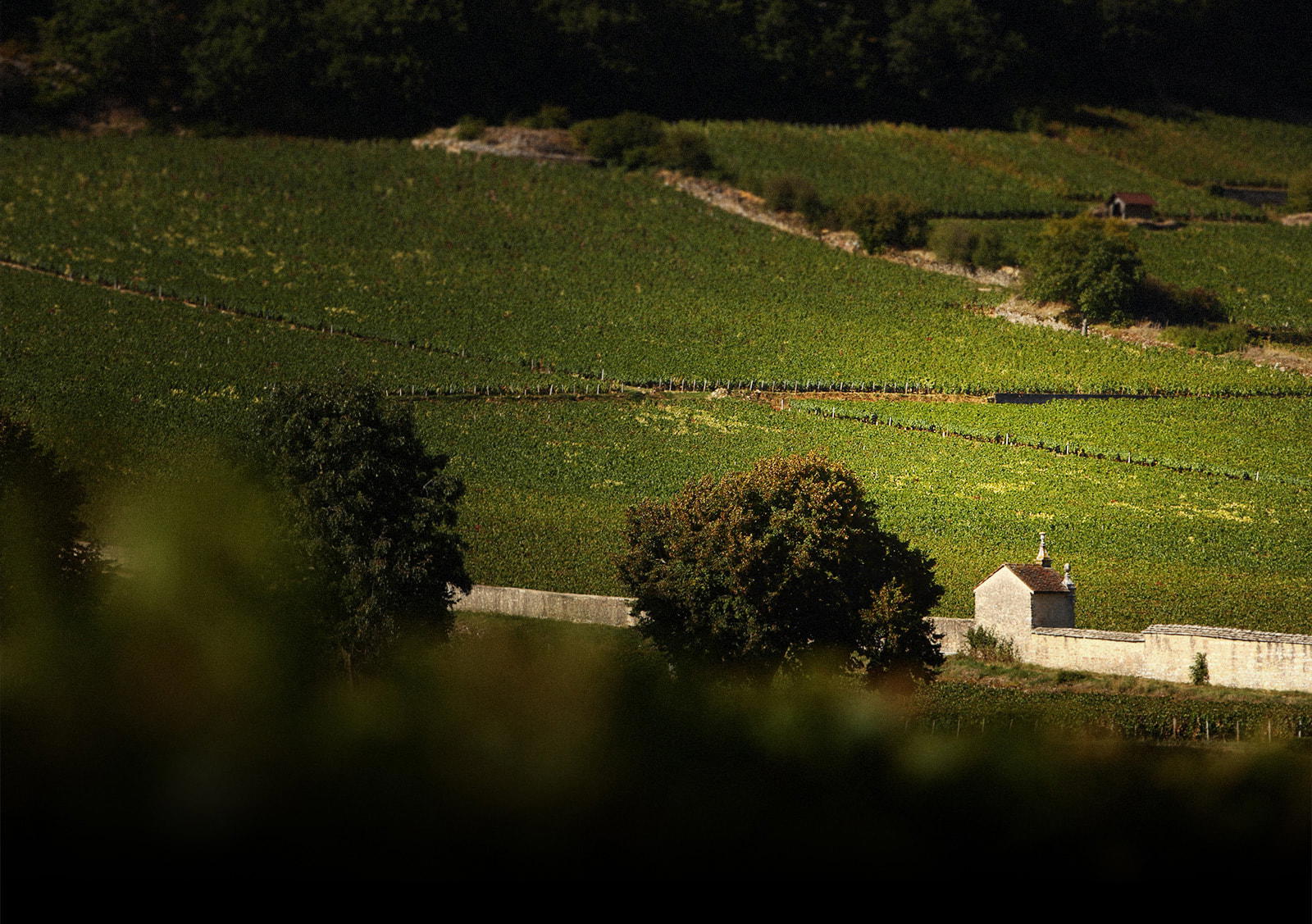
Châteauneuf is accessible from Dijon, roughly forty kilometers to the northeast, or from Beaune to the south, making it a realistic stop on any Côte-d'Or itinerary. The village itself is a classified Plus Beaux Villages de France site, and visiting on days when the medieval castle is open allows the meal to sit inside a broader afternoon. Burgundy's restaurant seasons track the agricultural calendar closely, with autumn bringing the full depth of the regional larder. Travelers combining wine visits to the Hautes-Côtes de Beaune with a meal at the restaurant will find the geography consistent: both the vines and the table are working with the same inland terroir, at a remove from the more tourist-saturated strip of the Côte proper.
For those building a broader French regional itinerary, the surrounding dining map is strong. Flocons de Sel in Megève and Troisgros in Ouches anchor the broader Burgundy and Rhône-Alpes dining circuit, while Assiette Champenoise in Reims and Au Crocodile in Strasbourg represent the northern French regional tradition for those traveling along a longer arc. A wider European comparison might extend to coastal producers-to-table formats like Christopher Coutanceau in La Rochelle or La Marine in Noirmoutier-en-l'île, and transatlantic equivalents with similar sourcing discipline appear at Le Bernardin and Atomix in New York. The full regional context for Châteauneuf is covered in our full Chateauneuf restaurants guide.
Comparable Venues
Comparable venues nearby, for context on price, style, and recognition.
| Venue | Cuisine | Price | Notes |
|---|---|---|---|
| L'Orée du boisThis venue — the venue you are viewing | Burgundian Crêperie & Regional French | $$ | Not listed |
| L’aventure | French Mountain Grill | $$ | Oz en Oisans |
| La Parenthèse | Regional French Bistro | $$ | Place Notre-Dame |
| Chez Léon | Traditional Burgundian Bistro | $$ | Historic Centre of Dijon, near Halles |
| Le Lamartine | Traditional French Maconnaise Bistro | $$ | Quai Lamartine |
| Au Clos Napoléon | Traditional Burgundian French Bistro | $$ | Fixin |
Continue exploring
More in Chateauneuf
Restaurants in Chateauneuf
Browse all →
Bars in Chateauneuf
Browse all →
Hotels in Chateauneuf
Browse all →
At a Glance
- Rustic
- Cozy
- Classic
- Intimate
- Casual Hangout
- Family
- Terrace
- Historic Building
- Local Sourcing
- Street Scene
Current opening hours
- Monday
- 11 AM–6 PM
- Tuesday
- Closed
- Wednesday
- Closed
- Thursday
- 11 AM–6 PM
- Friday
- 11 AM–6 PM
- Saturday
- 11 AM–6 PM
- Sunday
- 11 AM–6 PM
Hours can change for holidays and private events. Last verified .
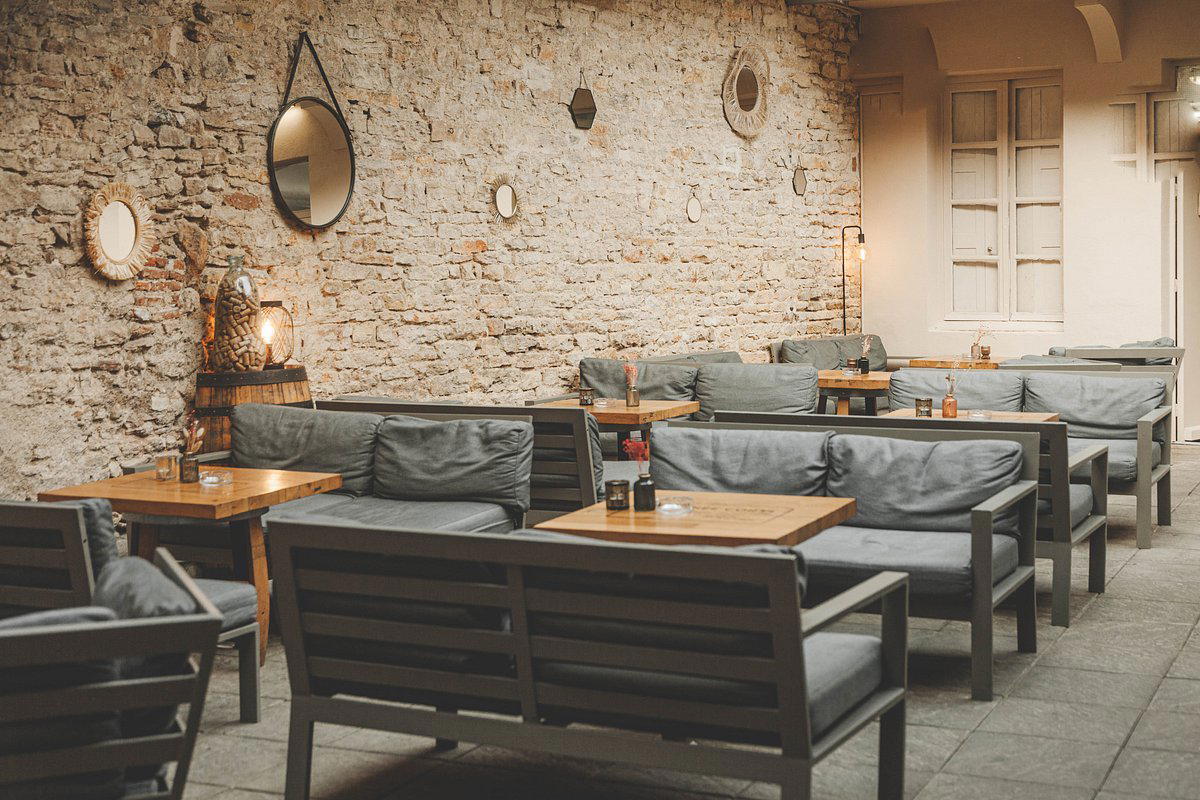
Cozy interior with a roaring central fire and shaded terrace, evoking medieval village charm.