Our verdict
Where Dijon's higher-end dining rooms lean toward creative modern formats, Chez Léon reads as a reference point for the more grounded register of French regional cuisine that the city has built its culinary identity around.

Pearl is the En Primeur Club membership app, where members save venues, book tables and use the concierge.

The menu
What to order
- Boeuf Bourguignon
- Escargots de Bourgogne
- Oeufs Meurette
- Crêpes Suzette
- Terrine Maison
Dijon's culinary character is shaped by two forces that don't always coexist easily: the weight of classical French technique inherited from centuries of ducal court cooking, and the more recent pull toward creative modern formats that have become the dominant mode at the city's higher-end addresses. William Frachot and Origine and L'Aspérule sit in a middle band that balances invention with accessibility.
What Burgundian Dining Means in Practice
The culinary identity Dijon claims is unusually specific. Burgundy's kitchen canon is built around a handful of preparations that have resisted dilution precisely because they depend on locally produced ingredients that cannot easily be substituted: Charolais beef, Bresse poultry, Époisses cheese, Dijon mustard from the mustard houses that still operate within the city, and the wines of the Côte de Nuits and Côte de Beaune that have defined the region's table for centuries. A restaurant operating in this tradition is not simply cooking French food, it is cooking a regionally specific repertoire where ingredient provenance carries as much weight as technique. It places the restaurant within walking distance of Les Halles, the covered market designed by Gustave Eiffel's firm and still the primary sourcing point for the city's serious kitchens. Proximity to that market is not a marketing point in Dijon; it is a practical signal about how a kitchen operates. The broader dining pattern in French provincial cities of this size shows that restaurants closest to their ingredient sources tend to run shorter, more seasonal menus, a structural discipline that often produces more coherent cooking than the expanded menus that larger-format restaurants maintain year-round.
Where Chez Léon Sits in Dijon's Dining Tiers
Dijon's restaurant scene has stratified more clearly in the past decade. At the leading, destination-format rooms like William Frachot (two Michelin stars) attract visitors travelling specifically for the meal. A step below, L'Aspérule and Origine serve a mixed local and visitor clientele at a price point that invites repeat visits. Further along the spectrum, Akatsuki represents the city's growing appetite for international formats that work alongside rather than in competition with the classical French rooms.
Chez Léon reads as part of the civic dining layer, the kind of address that a city like Dijon needs to maintain credibility as a food destination beyond its headline rooms. That pattern holds in Lyon, in Bordeaux, and in Dijon, and it explains why addresses like Chez Léon matter to the broader dining ecosystem of a city even when they operate without the recognition infrastructure of the rooms above them.
For reference on what destination-tier French regional cooking looks like at its most developed, the lineage runs through houses like Troisgros in the Loire, Paul Bocuse outside Lyon, Auberge de l'Ill in Alsace, Bras in the Aubrac, and Les Prés d'Eugénie in the Landes. These are the rooms that codified what French regional cuisine means at the highest level.enprimeurclub.com/restaurants/flocons-de-sel-megve-restaurant">Flocons de Sel in Megève, Mirazur in Menton, Alléno Paris au Pavillon Ledoyen, Georges Blanc in Vonnas, and La Table du Castellet in Le Castellet. Internationally, the EP Club also covers Le Bernardin in New York and EP Club Dijon restaurants guide maps the city's current scene in detail.
Frequently asked questions
How do I find Chez Léon?
Chez Léon is located at 20 Rue des Godrans, 21000 Dijon, France, Dijon.
What is it like to dine at a traditional bistro in Dijon's old merchant quarter?
Rue des Godrans runs through a part of Dijon where the built environment, stone facades predating the Revolution, proximity to Les Halles covered market, shapes the dining context as much as the menu does. Bistros in this quarter draw from one of France's most specific regional food identities, with Burgundy's wine culture and kitchen traditions operating as a shared reference point across the neighbourhood. Chez Léon at number 20 sits within that frame, a few minutes on foot from the Palais des Ducs, making the address itself part of what the meal is about.
What's the signature dish at Chez Léon?
Chez Léon sits on Rue des Godrans in the heart of Dijon's old merchant quarter, a neighbourhood where Burgundian kitchen canon, boeuf bourguignon, escargots, coq au vin, is taken seriously as a matter of local identity. What the address and setting signal clearly is a commitment to the regional preparations that define Burgundian dining rather than deviation from them.
What's the best way to book Chez Léon?
The restaurant is located at 20 Rue des Godrans, 21000 Dijon, and walking in to make a reservation in person remains a reliable approach at many Dijon bistros of this type. Checking aggregator platforms such as TheFork or Google Maps for up-to-date contact details is the most practical first step.
What has Chez Léon built its reputation on?
Chez Léon operates from one of Dijon's most historically significant streets, Rue des Godrans, steps from the Palais des Ducs and the covered market Les Halles. In a city whose culinary identity is defined by Burgundian specificity rather than culinary trend-chasing, restaurants on this corridor tend to hold their ground through consistency with the regional canon.
Is Chez Léon good for vegetarians?
Burgundian cuisine is built around meat-forward preparations, braised beef, game, charcuterie, snails, so vegetarian options at a traditional bistro in this tradition tend to be limited rather than a focus. Contacting the restaurant before visiting is advisable for anyone with dietary requirements.
Is Chez Léon overpriced or worth every penny?
As a point of context, Dijon's mid-tier bistros typically run €25–€45 per person for a two-course meal with wine, while destination rooms like the two-Michelin-star William Frachot operate at a different price level entirely. Verifying current pricing directly with Chez Léon at 20 Rue des Godrans before visiting is the straightforward approach.
The Minimal Set
Comparable venues nearby, for context on price, style, and recognition.
| Venue | Cuisine | Price | Notes |
|---|---|---|---|
| Chez LéonThis venue (the venue you are viewing) | Traditional Burgundian Bistro | $20–30 | Not listed |
| Le Coin Caché | French Bistronomique | $30–50 | Jouvence, French Bistronomique |
| Chez Septime | Traditional French Bistro | $20–30 | near the train station, Traditional French Bistro |
| BRASSERIE FRANCOIS | Classic French Brasserie | Not listed | central Dijon, Classic French Brasserie |
| Restaurant Jaipur | Authentic Indian Cuisine from Rajasthan | $10–20 | Dijon city center, Authentic Indian Cuisine from Rajasthan |
| Au Gre de mes envies | Authentic Taiwanese Asian | $30–50 | Centre-ville, Authentic Taiwanese Asian |
Continue exploring
More in Dijon
Restaurants in Dijon
All restaurants in Dijon →

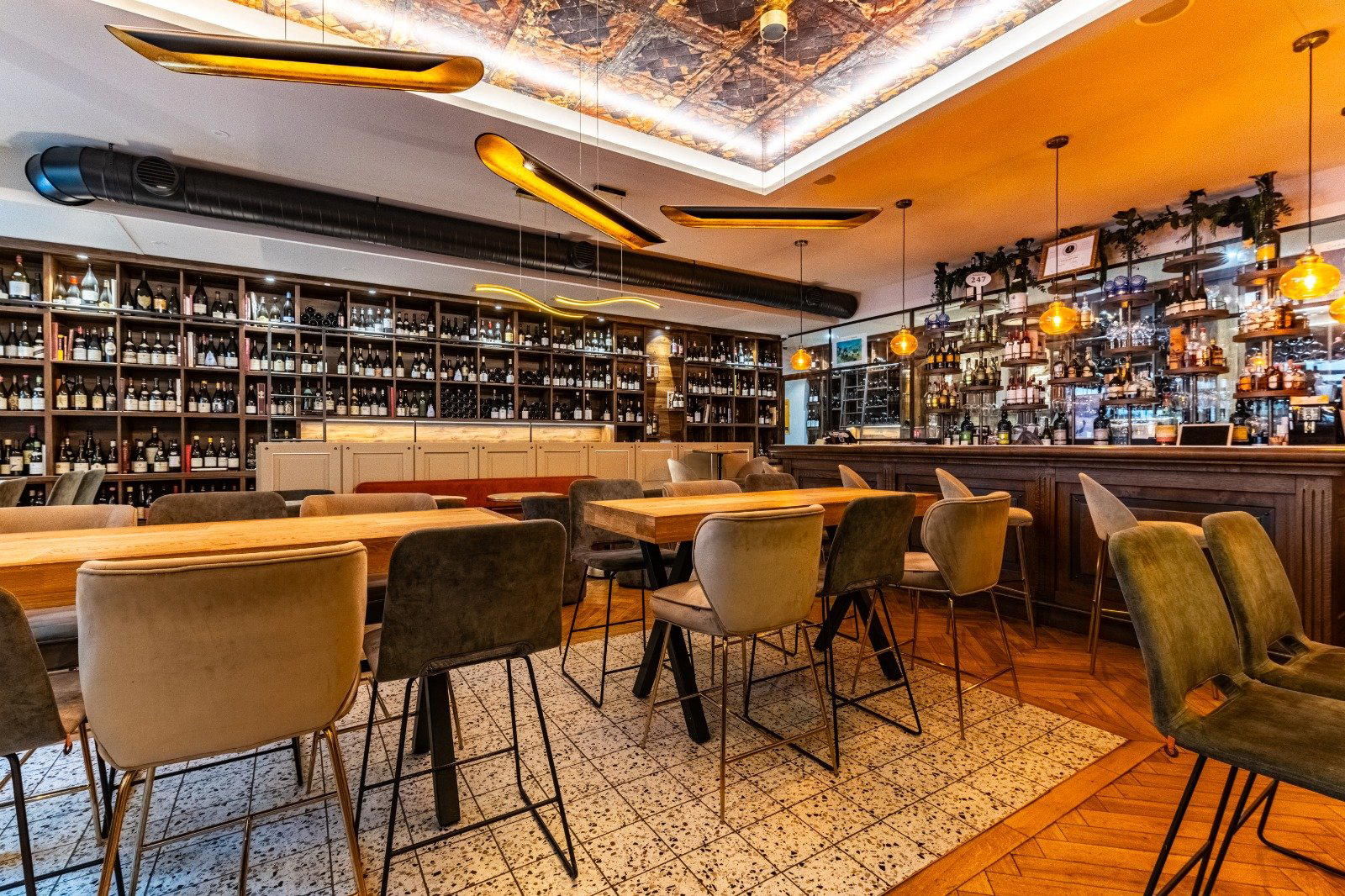
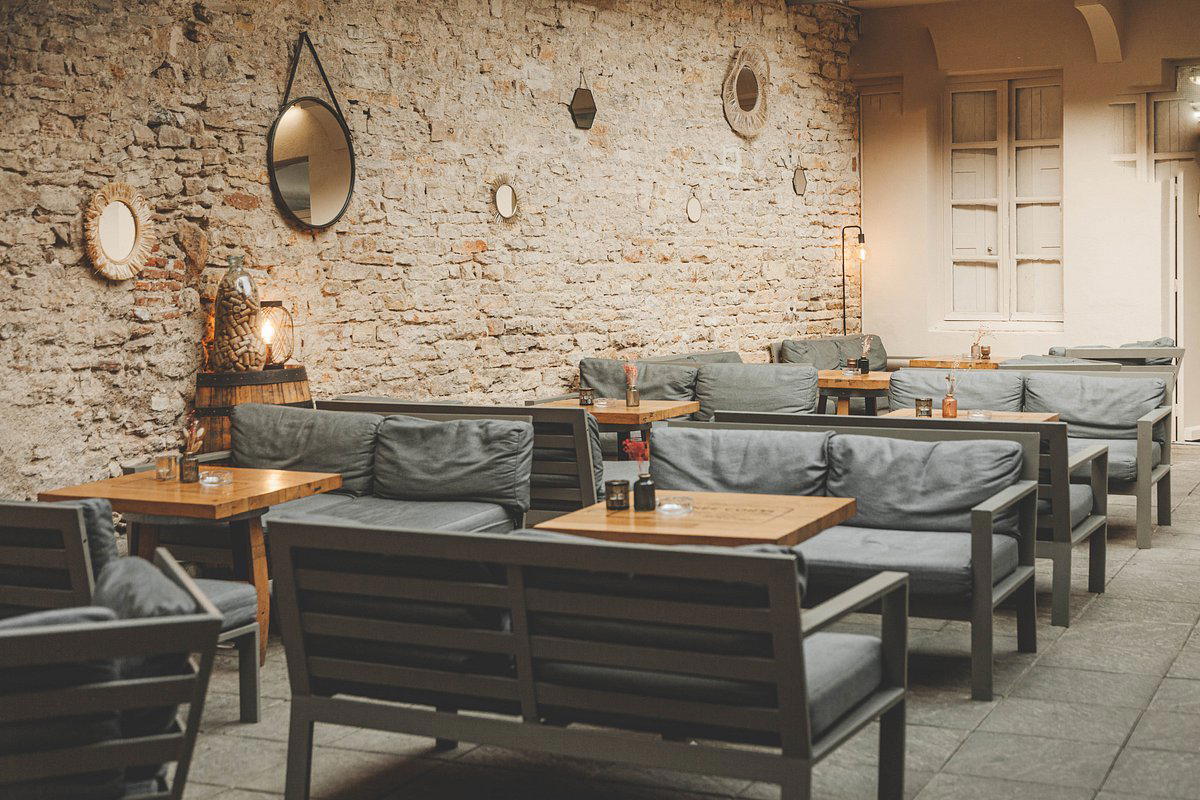
Bars in Dijon
Browse all →
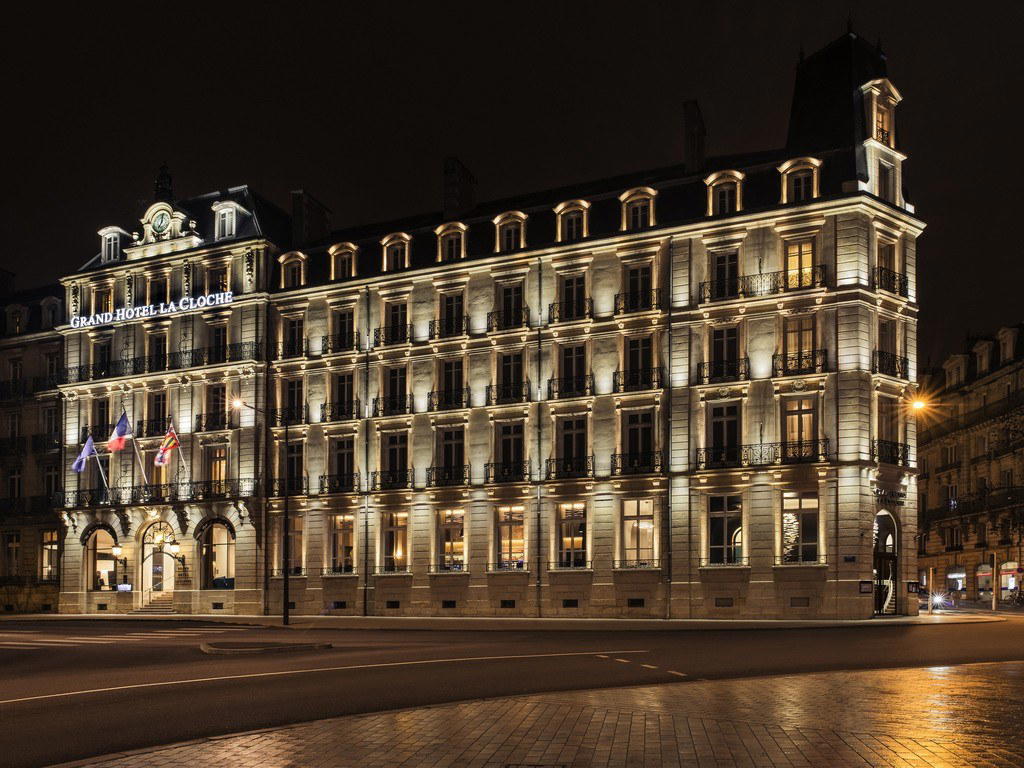
Hotels in Dijon
All hotels in Dijon →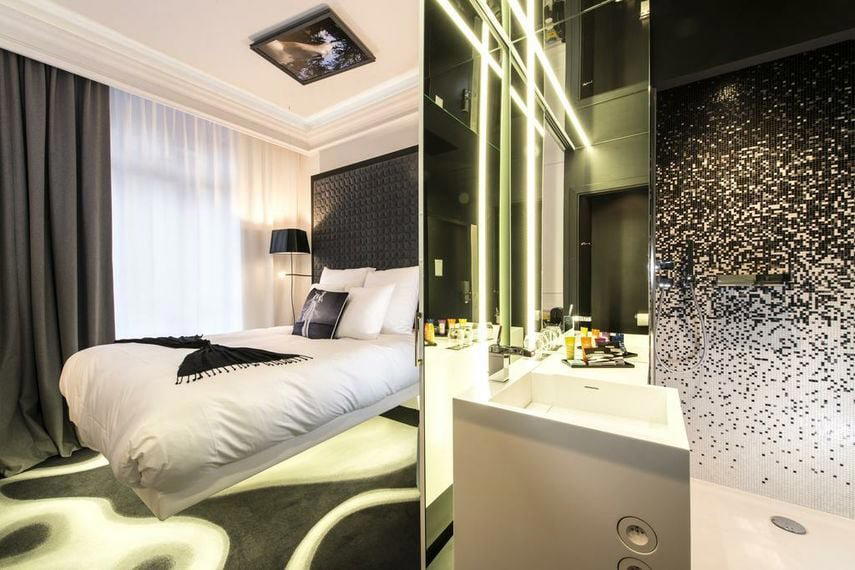
Details
- Classic
- Cozy
- Intimate
- Rustic
- Date Night
- Business Dinner
- Group Dining
- Casual Hangout
- Terrace
- Historic Building
- Standalone
- Extensive Wine List
- Local Sourcing
- Farm To Table
- A La Carte
- Prix Fixe
- Local Wines
- Burgundy Wines
- Allergy Accommodating
Current opening hours
- Monday
- Closed
- Tuesday
- 12–2 PM, 7–10:30 PM
- Wednesday
- 12–2 PM, 7–10:30 PM
- Thursday
- 12–2 PM, 7–10:30 PM
- Friday
- 12–2 PM, 7–10:30 PM
- Saturday
- 12–2 PM, 7–10:30 PM
- Sunday
- Closed
Hours can change for holidays and private events. Hours as of .
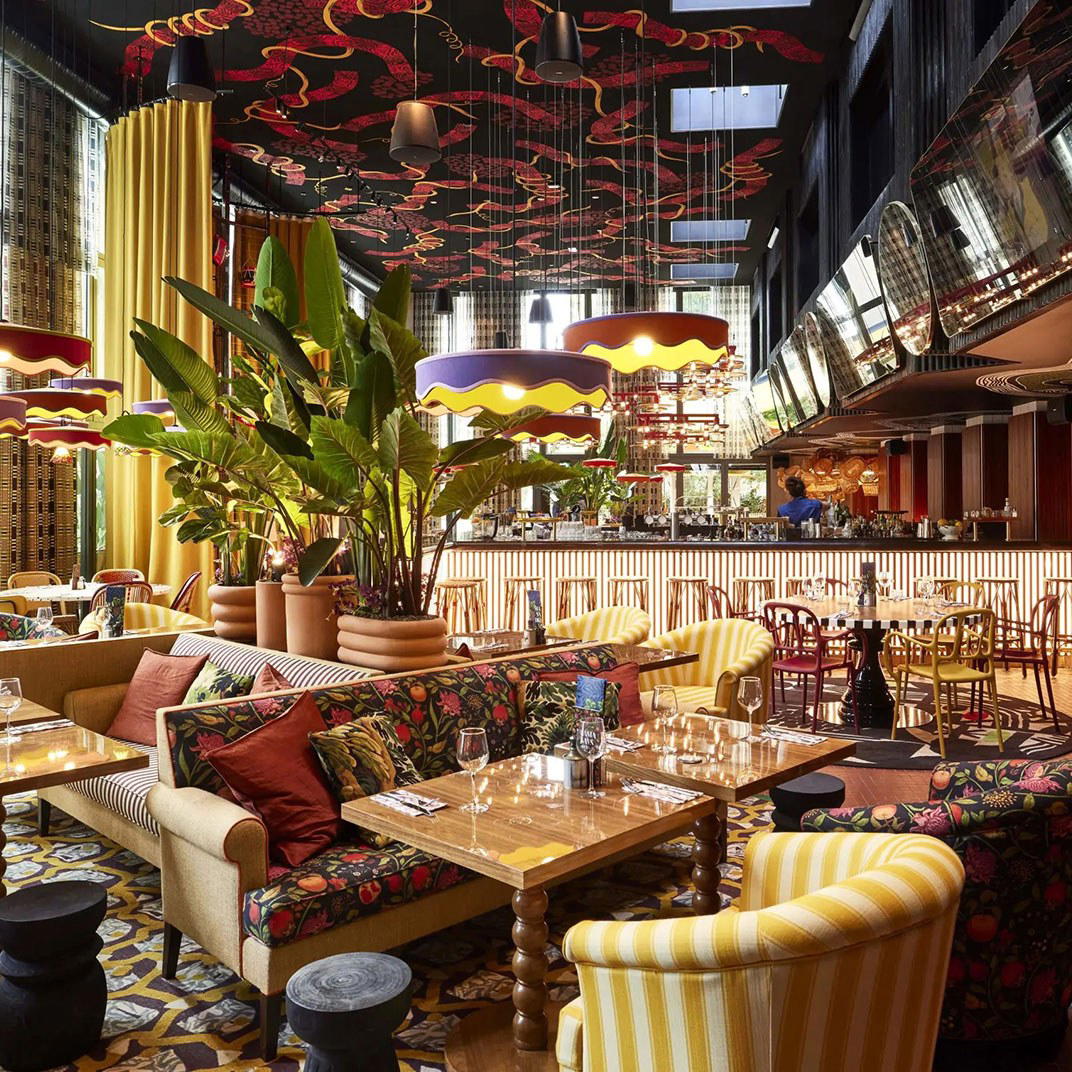
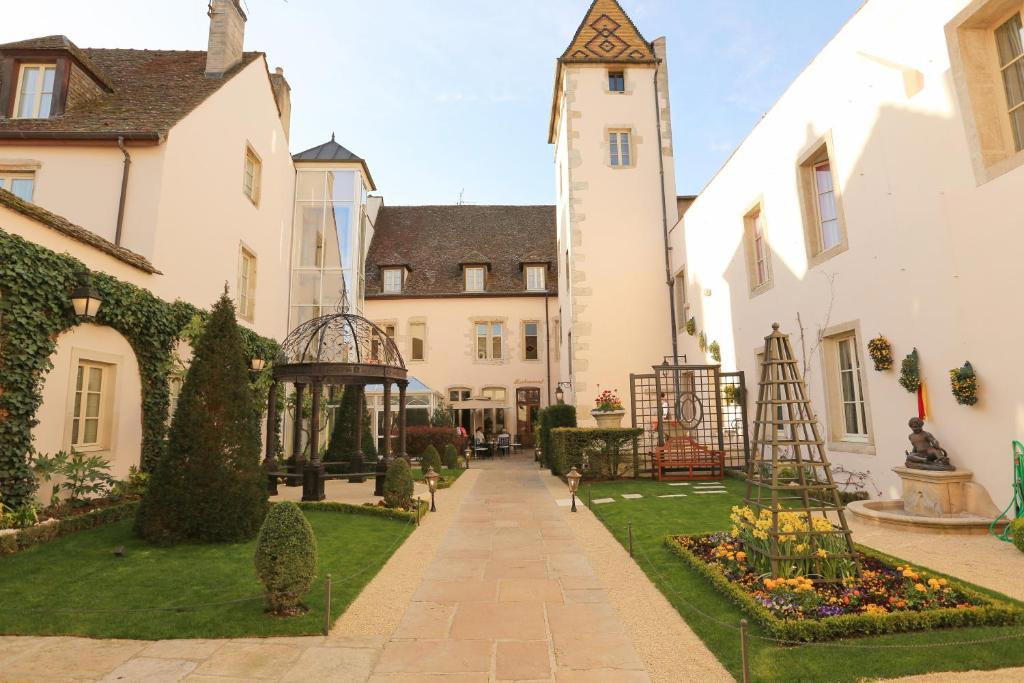
Warm, unpretentious atmosphere in a historic setting with a beautiful terrace; intimate dining room with simple, elegant presentation.