
Michelin Selected
A Michelin Selected property in the Burgundian hamlet of Pochey, Le Domaine des Prés Verts sits within the quiet hill country between Beaune and Autun. The address signals a deliberate withdrawal from the main wine-tourism circuit, placing it among a small cohort of rural French estates where setting and stillness are the primary offer. Michelin's 2025 selection places it in a credentialed tier of smaller regional properties.

Pearl is the En Primeur Club membership app — saves, bookings, and concierge access live there. Same editors, same standards.
- Address
- 10 Imp. des Prés Verts, 21230 Jouey, France
- Phone
- +33 3 45 44 05 60
- Website
- domainedespresverts.fr
- Directions
- Get directions
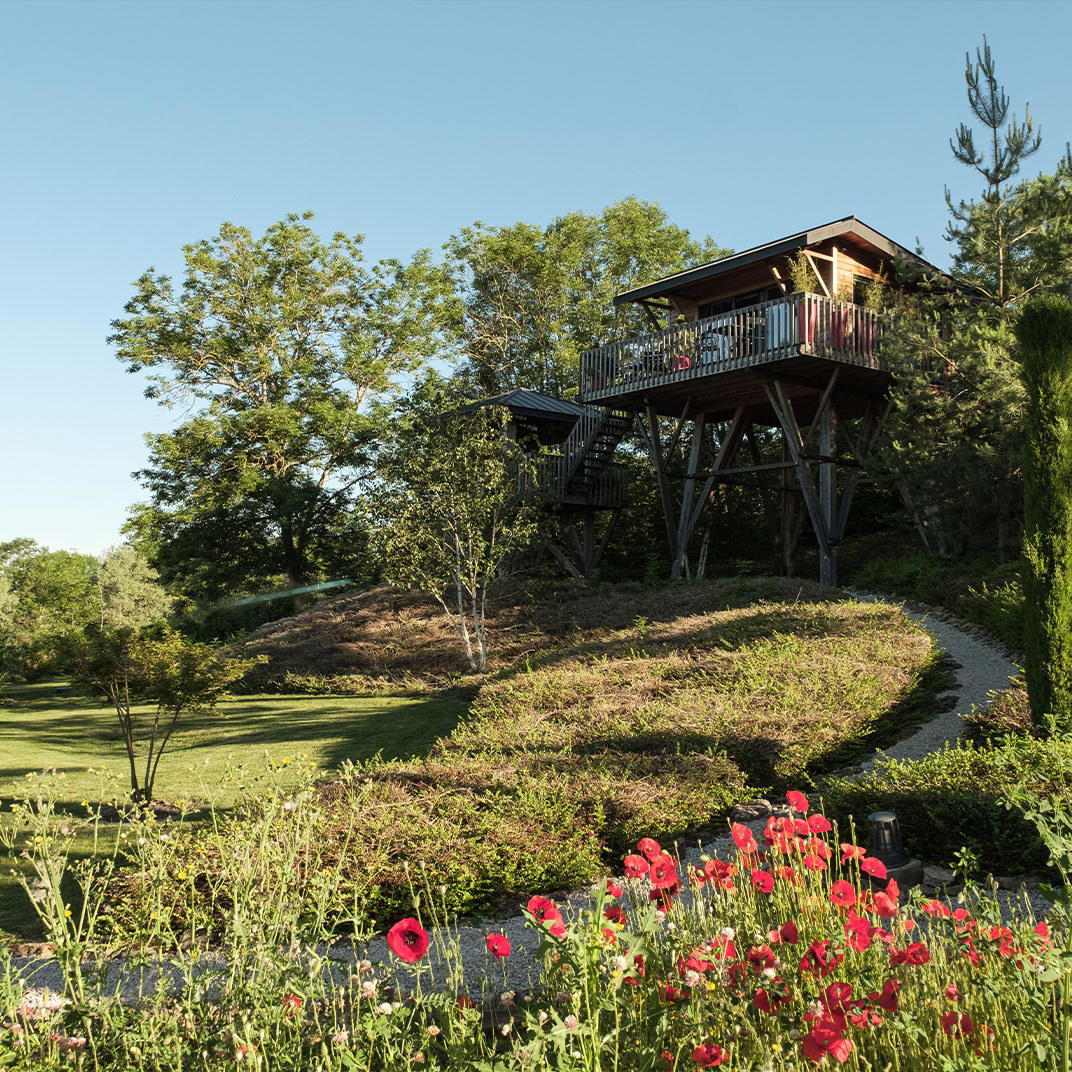
A Burgundian Hamlet, Far From the Circuit
The deeper you travel into the Côte-d'Or's interior, the more the landscape shifts from well-signed wine routes into something quieter and less mediated. Jouey sits in this inland pocket, several kilometres west of the Beaune-to-Autun road, and the hamlet of Pochey — where Le Domaine des Prés Verts occupies its address at 10 impasse des Prés Verts — is the kind of place that doesn't announce itself. There are no hotel-district neighbours, no clusters of restaurant awnings. The impasse designation is telling: this is a road that ends at the property.
That physical remove defines the format. French rural estates of this type, Michelin Selected, small in scale, set within working countryside rather than on a prestige appellation, occupy a distinct niche from the region's more visible luxury offer. The grandes maisons of Burgundy wine tourism tend to concentrate around Beaune, Pommard, and Meursault, where cellar visits, starred restaurants, and boutique hotels stack into a tight circuit. Le Domaine des Prés Verts operates at a different frequency, positioned for travellers who have already done that circuit and are looking for something that requires less performance from both sides.
Michelin's 2025 hotel selection, the same programme that evaluates properties across France for atmosphere, quality, and distinctiveness rather than simply star count, placed Le Domaine des Prés Verts within its current list. That selection is the primary credentialed signal available. It places the property in a category that includes estates ranging from restored farmhouses to design-driven rural retreats, with Michelin's editors applying the same critical framework they bring to the restaurant guide. Inclusion is not automatic; the guide declines most submissions.
The Physical Setting as the Architecture of the Stay
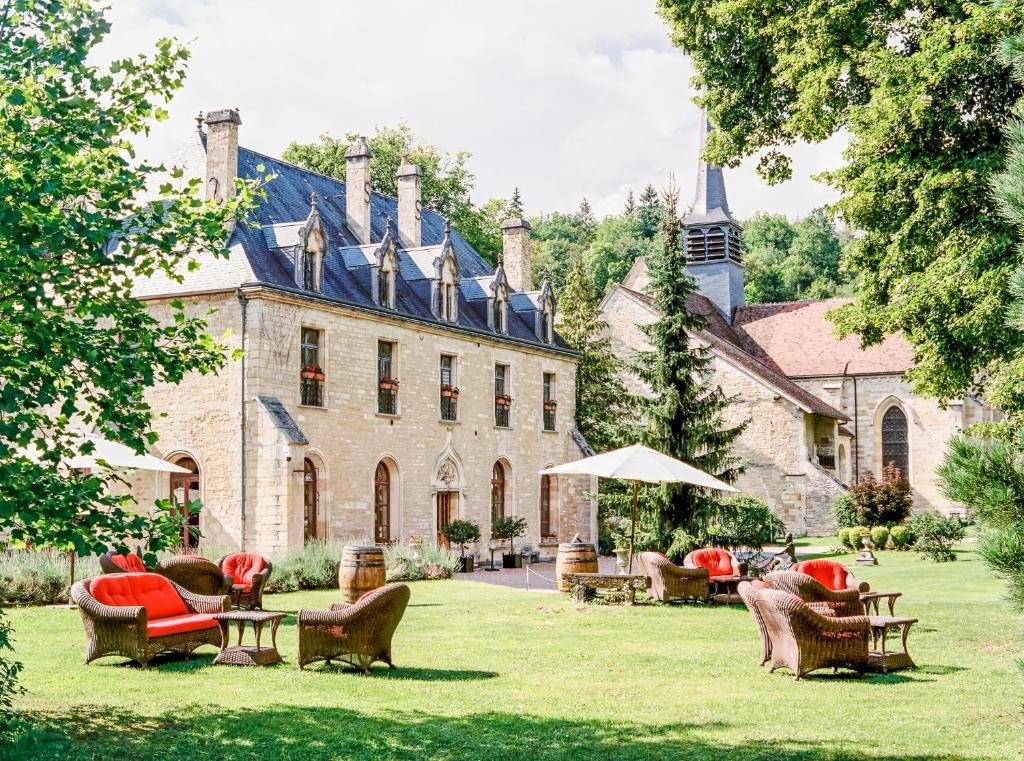
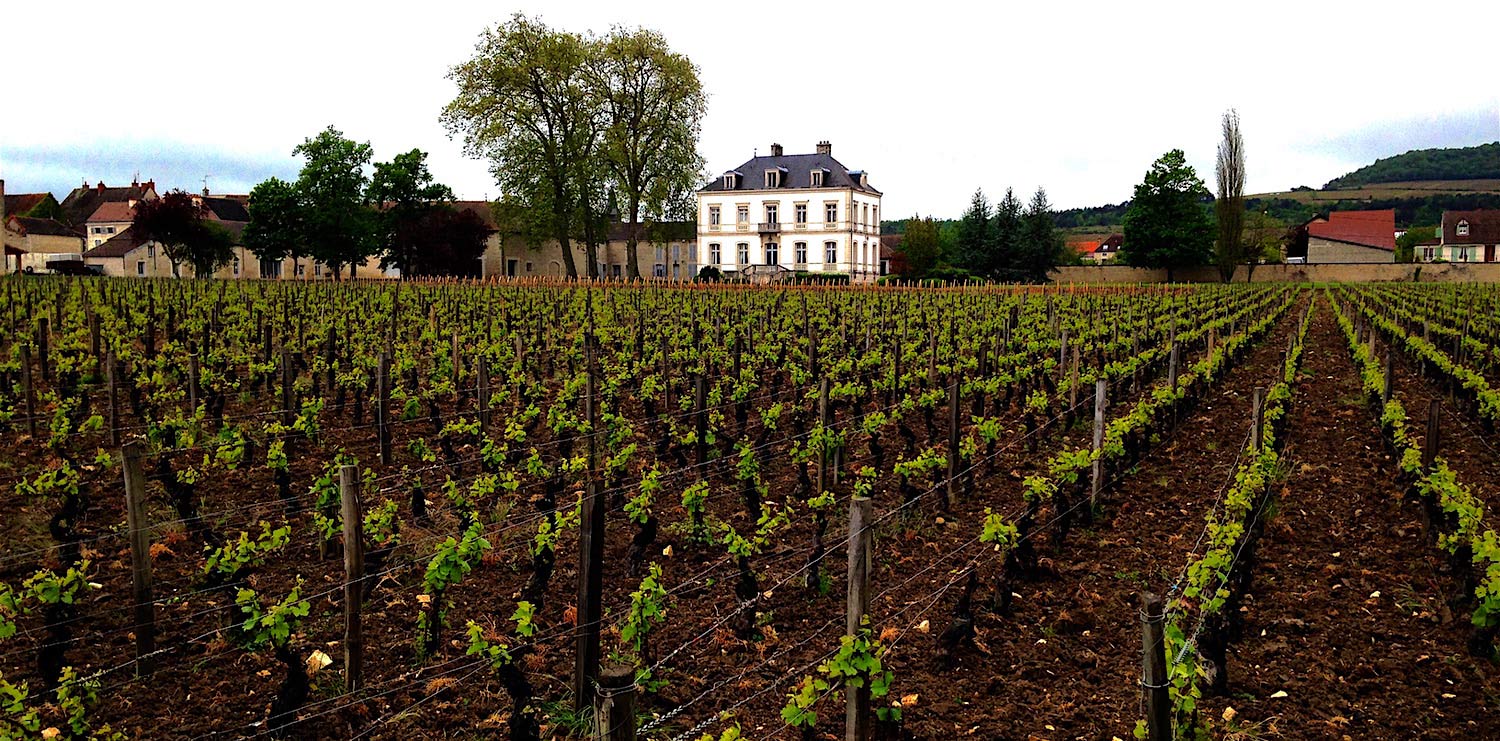
The editorial angle on a property like this one is inseparable from its spatial logic. In French rural hospitality, the relationship between building, land, and guest experience is the primary design decision. Properties in the Michelin Selected tier at this scale, away from branded hotel groups, operating without the infrastructure of a spa hotel or a destination restaurant, are essentially asking the guest to find value in the place itself. The prés verts of the name, the green meadows, frame that proposition: this is an estate whose surroundings do much of the architectural work.
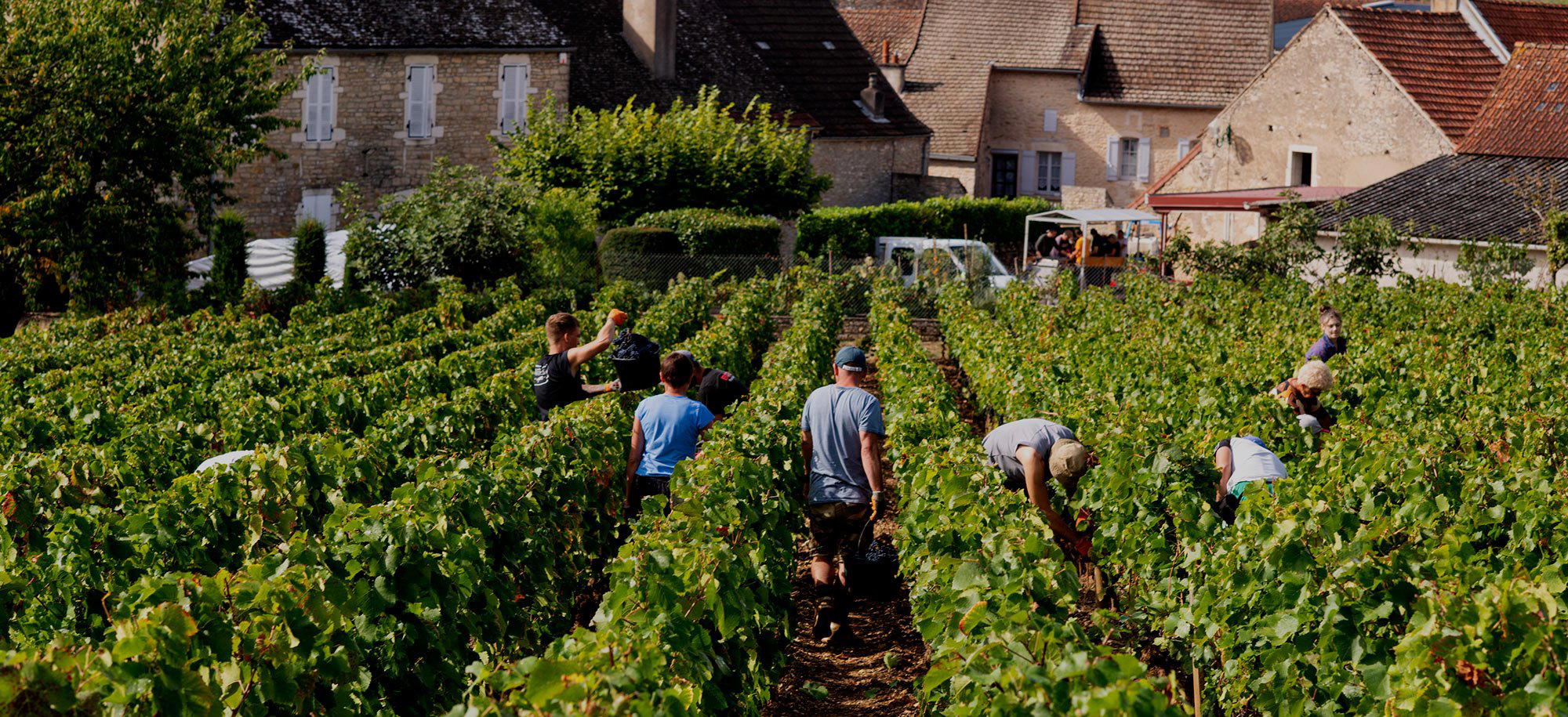
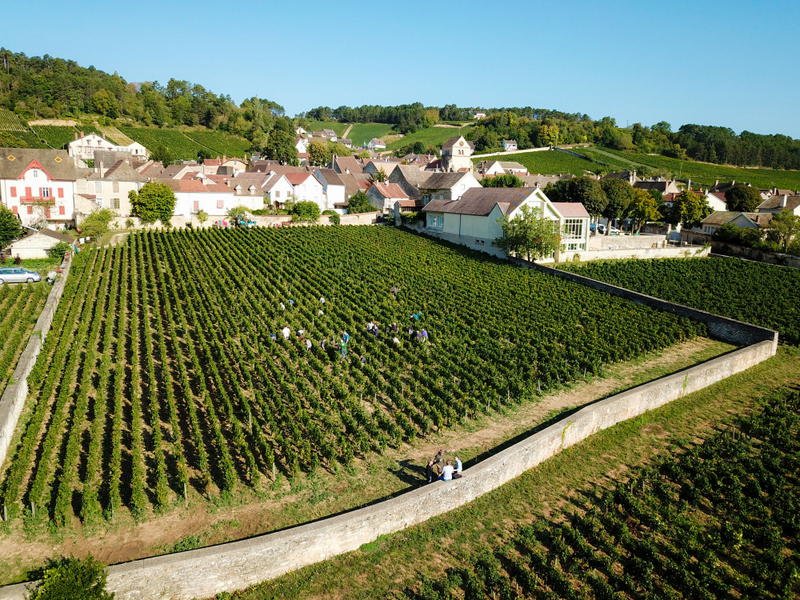
That approach has precedents across the French interior. The most coherent rural properties in this category share a design sensibility built around restraint, materials that read as local, spaces that prioritise quiet over amenity accumulation, and a relationship to the outdoor environment that makes season and light part of the room. Burgundy's interior countryside, with its rolling grassland, limestone outcrops, and mixed woodland, provides strong raw material for that kind of stay. The Hautes-Côtes de Beaune, which rises west of the main Côte, has seen growing interest from travellers willing to trade the prestige addresses for more breathing room and more direct contact with the landscape.
Within that broader shift, Le Domaine des Prés Verts sits as an early example of the form in this specific subregion. Properties of similar ambition elsewhere in France, La Bastide de Gordes in Gordes in Provence, or La Ferme Saint-Siméon in Honfleur in Normandy, demonstrate how rural French properties can achieve credentialed status by working with local architectural vernacular rather than against it. The comparative set for Le Domaine des Prés Verts is not Le Bristol Paris in Paris or Hôtel de Paris Monte-Carlo in Monte Carlo; it is the smaller, landscape-anchored rural estate format that Michelin has increasingly recognised as a distinct category of French hospitality.
Positioning Within the Burgundy Stay Market
Burgundy as a travel destination has broadened well beyond its traditional base of wine collectors and gastronomes. The post-pandemic return to slower, more regionally specific travel pushed a wider audience toward the Côte-d'Or's interior, and properties outside the main appellation villages started attracting travellers who wanted the wine-country context without the density of the Beaune centre. That demand has not yet produced an oversupply of high-quality rural properties in this western part of the département, which keeps the format relatively low-competition.
The comparison to wine-estate hotels is instructive: properties like Royal Champagne Hotel & Spa in Champillon or Les Sources de Caudalie in Bordeaux have built their offer explicitly around cellar access and wine programming. Le Domaine des Prés Verts, from its available data, does not present with that kind of wine-destination infrastructure, it reads instead as a countryside retreat where the broader Burgundy context is the draw, and the property is the quiet base for exploring it. That is a legitimate and, in some respects, more flexible position: guests are not obligated to the estate's own programme and can range freely into the surrounding wine villages, the Canal de Bourgogne, or the Hautes-Côtes producers who have steadily raised their profile over the past decade.
For direct regional comparisons in the Michelin Selected rural category, Château du Grand-Lucé in Le Grand-Lucé in the Loire and Château de la Gaude in Aix-en-Provence in Provence illustrate how French rural estates earn recognition through architectural coherence and setting quality rather than amenity lists. The lesson across all three is consistent: the physical environment and the internal spatial logic carry more weight than the number of facilities.
Planning the Visit
Jouey is most accessible by car. The nearest significant rail hub is Beaune, which sits on the Paris-Lyon TGV corridor and puts the property roughly 25 to 30 minutes' drive away through the Hautes-Côtes. The season window most rewarding for this kind of rural Burgundy stay runs from late spring through the harvest period in autumn; the Hautes-Côtes vineyards that ring this part of the département are at their most active and most visually distinctive from June through October. Winter in the Burgundian interior is quiet to the point of closure for many smaller properties, so confirming availability in advance is advisable. Given the property's small scale and Michelin Selected status, direct contact for booking is the expected approach, with lead times that reflect demand during the harvest and summer windows. For a broader view of the area's dining and stay options, see our full Jouey restaurants guide.
Quick Comparison
Comparable venues nearby, for context on price, style, and recognition.
| Venue | Cuisine | Price | Awards | Notes |
|---|---|---|---|---|
| Le Domaine des Prés VertsThis venue — the venue you are viewing | Modern rustic-chic eco-responsible domain with perched cabins and caravans | Not listed | Michelin Selected | Not listed |
| A Speranza | Eco-friendly boutique extension of A Cheda with original Corsican architecture. | $300–500 | Michelin Selected | Bonifacio |
| 70 Hectares & l'Océan - Fontenille Collection | Contemporary luxury resort with Californian surf lodge influences, blending modern elegance with natural forest surroundings. | $300–500 | Michelin Selected | Seignosse |
| Royal Emeraude - MGallery | Belle Epoque heritage boutique | Not listed | Michelin Selected | city center |
| Hotel Marcon | Contemporary eco-integrated luxury hotel | $300–500 | Michelin Selected | Saint-Bonnet-le-Froid |
| Le Morgane | Contemporary boutique hotel with urban design elements in a mountain setting | $200–300 | Michelin Selected | Chamonix City Centre |
Recognition history
Dated appearances from independent guides and award organizations, with the underlying list record or original source where available.
Michelin Selected
Michelin
Continue exploring
More in Jouey
Hotels in Jouey
Browse all →
Bars in Jouey
Browse all →
Restaurants in Jouey
Browse all →
Details
- Romantic
- Cozy
- Rustic
- Scenic
- Intimate
- Elegant
- Romantic Getaway
- Honeymoon
- Weekend Escape
- Anniversary
- Garden
- Terrace
- Wi Fi
- Spa
- Sauna
- Pool
- Restaurant
- Room Service
- Bicycle Rental
- EV Charging
- Garden
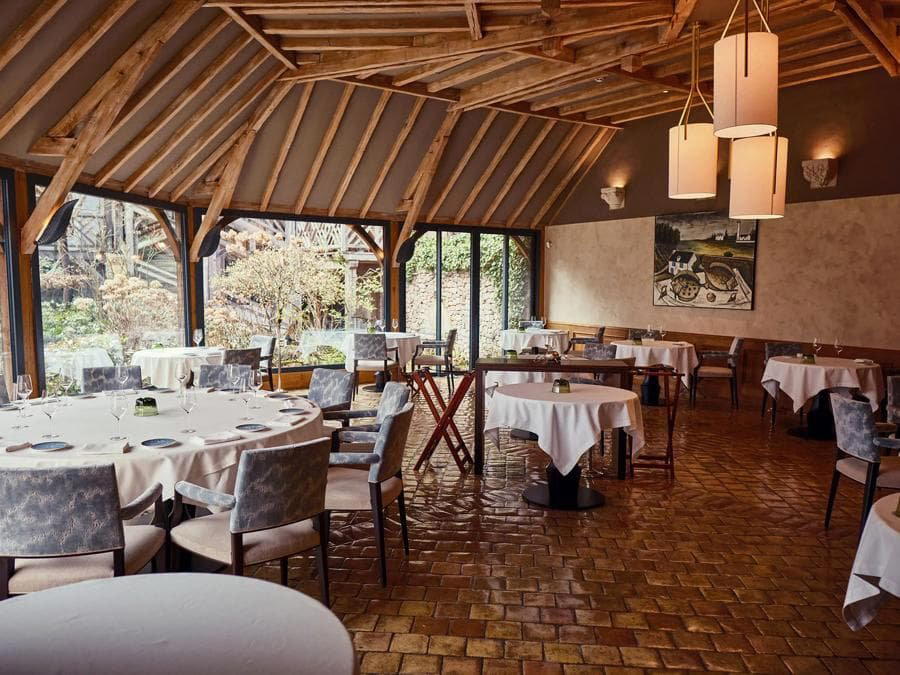
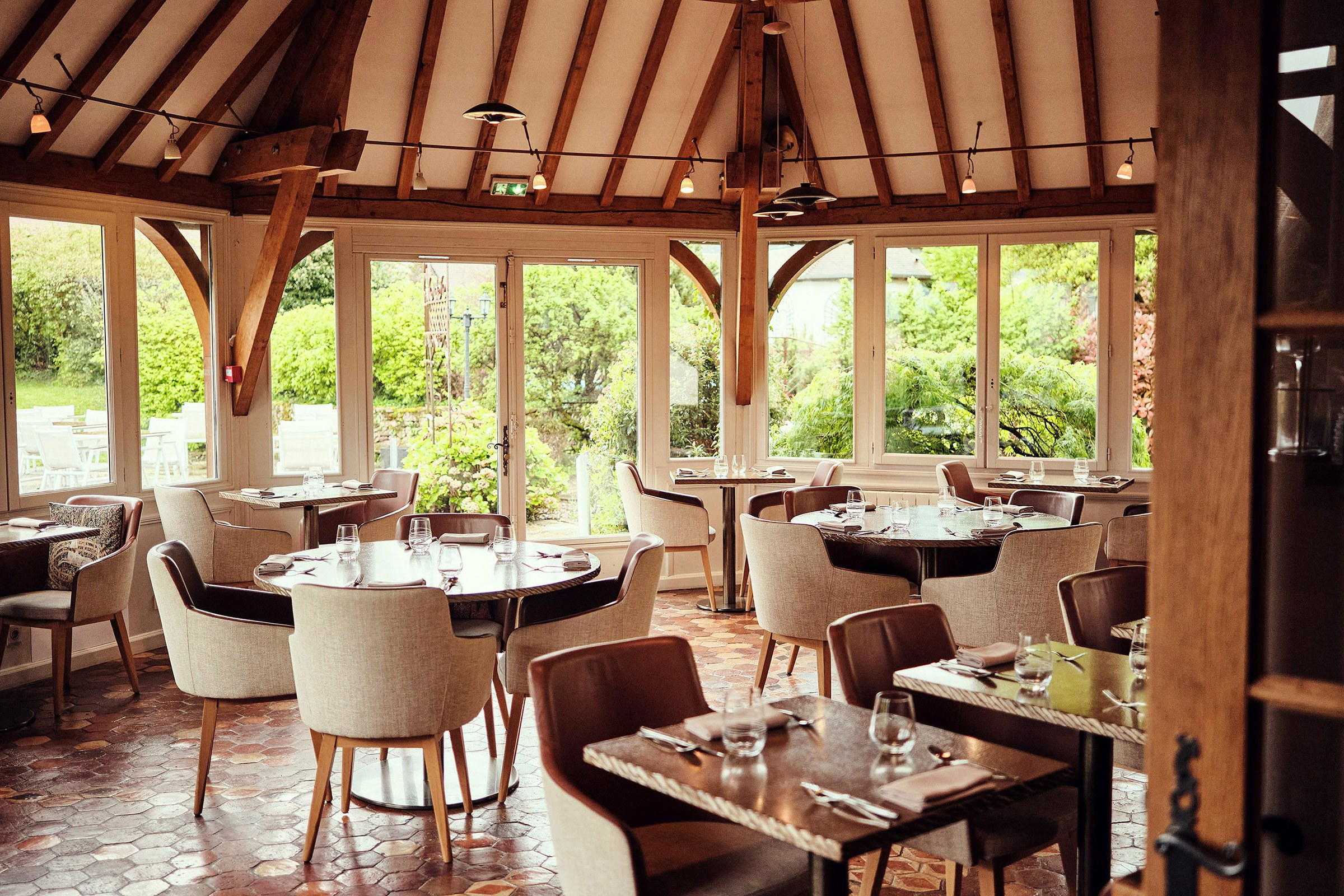
Chic and cosy atmosphere with natural materials like wood and stone, modern rustic-chic design, soundproofed rooms creating relaxing intimacy.