On the Quai Lamartine, where the Saône sets the tempo for Mâcon's dining scene, Le Lamartine occupies one of the city's most address-conscious positions. The restaurant draws on the agricultural depth of southern Burgundy, a region where the distance between field and plate is measured in kilometres rather than supply chains. For visitors working through Mâcon's mid-tier and upper dining options, it belongs on the shortlist alongside Pierre and Cassis.
Pearl is the En Primeur Club membership app — saves, bookings, and concierge access live there. Same editors, same standards.
- Address
- 259 Quai Lamartine, 71000 Mâcon, France
- Phone
- +33385351663
- Website
- lelamartine.fr
- Directions
- Get directions
 Saves & bookings on Pearl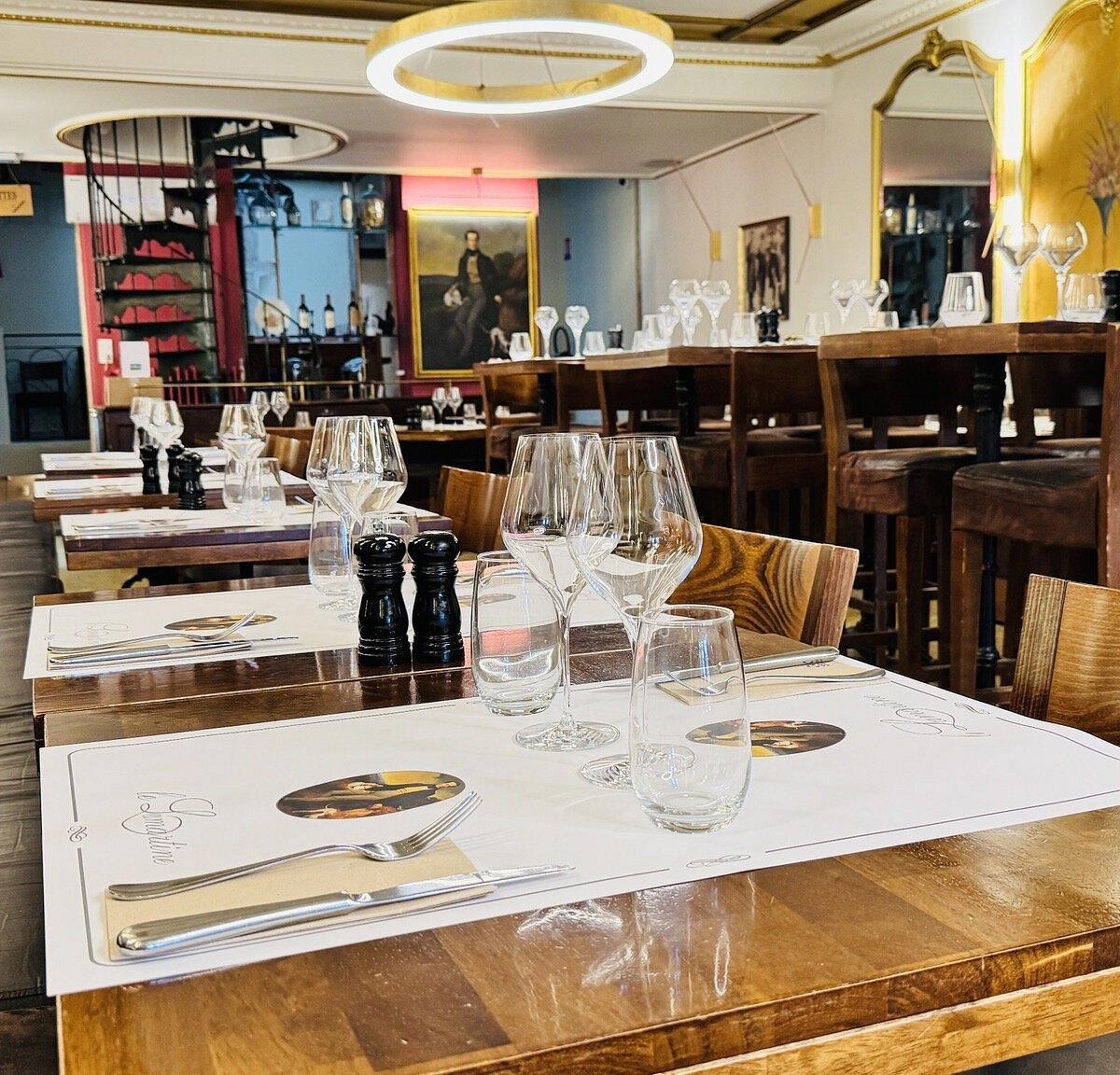
Where the Saône Meets Southern Burgundy's Table
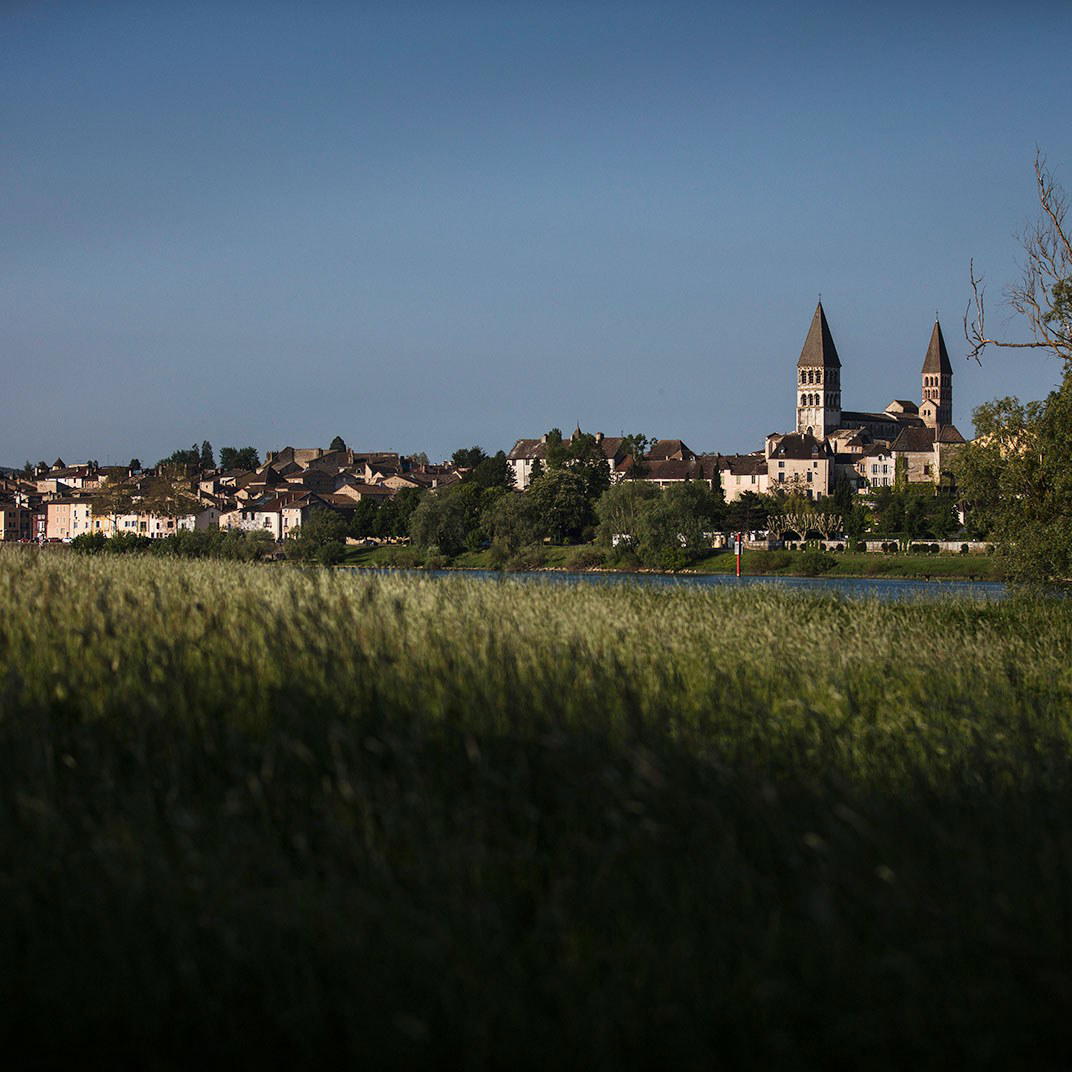
Mâcon's quayside has always functioned as the city's public room. The Quai Lamartine runs along the Saône with the unhurried confidence of a town that knows its agricultural hinterland is among the more productive in France. Approach Le Lamartine from the riverside and the setting does what Burgundian addresses do well: it places the meal inside a wider geography before you have ordered anything. The vineyard slopes of the Mâconnais begin just west of the city. The Bresse plain, France's most tightly regulated poultry-producing region, sits to the east. That dual proximity is not incidental to what ends up on the plate in this part of France.
Southern Burgundy operates as a kind of agricultural crossroads, and restaurants along this stretch of the Saône have historically reflected that positioning. The cooking traditions here are less codified than in Dijon or Lyon, which gives kitchens room to work between registers: the richness of Bresse products, the mineral restraint of Mâconnais wines, the garden-scale vegetables that come from the Charolais and Clunisois countryside. Le Lamartine, at 259 Quai Lamartine, sits inside that tradition rather than departing from it.
The Sourcing Logic Behind Mâconnais Cooking
To understand what distinguishes a serious restaurant in this part of Burgundy from a competent one, look at the sourcing architecture. The Mâconnais sits in a corridor where AOP-classified ingredients are available at a density that other French regions cannot match. Bresse chicken carries its own appellation, governed by specifications that cover breed, feed, and minimum outdoor time. Charolais beef originates from one of the oldest cattle breeds in France, raised on the limestone grasslands forty kilometres to the northwest. Crayfish historically came from the Saône itself, though wild stocks have declined significantly over recent decades.
The leading dining rooms in this city treat those ingredients as the grammar of the menu rather than as decoration. That approach puts Mâcon's upper tier in a different conversation from, say, the sourcing-light brasserie format that dominates French mid-market dining. When a kitchen in this city has access to genuine Bresse product, the question becomes one of restraint: how much technique do you apply before you start arguing with the ingredient? The strongest answer in southern Burgundy has consistently been: not much.
This is the cooking philosophy that connects Mâcon to the broader tradition of the French southeast, where kitchens from Troisgros - Le Bois sans Feuilles in Ouches to Paul Bocuse - L'Auberge du Pont de Collonges in Collonges-au-Mont-dOr built their reputations on the quality of what arrived at the kitchen door, not on concealing it. Further afield, the same sourcing-led logic governs different kitchens, from Mirazur in Menton to Bras in Laguiole, where terroir specificity anchors the menu even when the format is contemporary.
Mâcon's Dining Tier and Where Le Lamartine Sits
Mâcon is not a city with a deep bench of fine-dining options, which concentrates attention on a small number of addresses. The city's restaurant scene divides roughly into traditional bistro formats, a growing number of modern bistronomy operations, and a slim upper tier where ingredient quality and kitchen seriousness pull the experience above regional average. Pierre (Classic Cuisine) represents the classic cuisine anchor at the higher price point. Cassis (Modern Cuisine) operates in the contemporary register at a more accessible price. L'Ambroisie Mâconnaise and L'Ethym'Sel round out the options for visitors who want to move through more than one register during a stay.
Le Lamartine's quayside address gives it a positional advantage that matters in a city this size: visibility to visitors arriving along the Saône corridor, and proximity to the old town where most hotel accommodation is concentrated. Le Poisson d'Or occupies a comparable position in terms of waterfront access. The full picture of what Mâcon offers across formats and price points is mapped in our full Mâcon restaurants guide.
For context on what the region's most awarded addresses look like, the reference points are further along the TGV corridor or into the Alps: Flocons de Sel in Megève, Alléno Paris au Pavillon Ledoyen in Paris, Auberge de l'Ill in Illhaeusern, and Assiette Champenoise in Reims. Those kitchens operate at a different scale of ambition and price. Mâcon's value proposition is a different one: serious regional cooking at a price tier that those addresses cannot approach.
The Wine Dimension
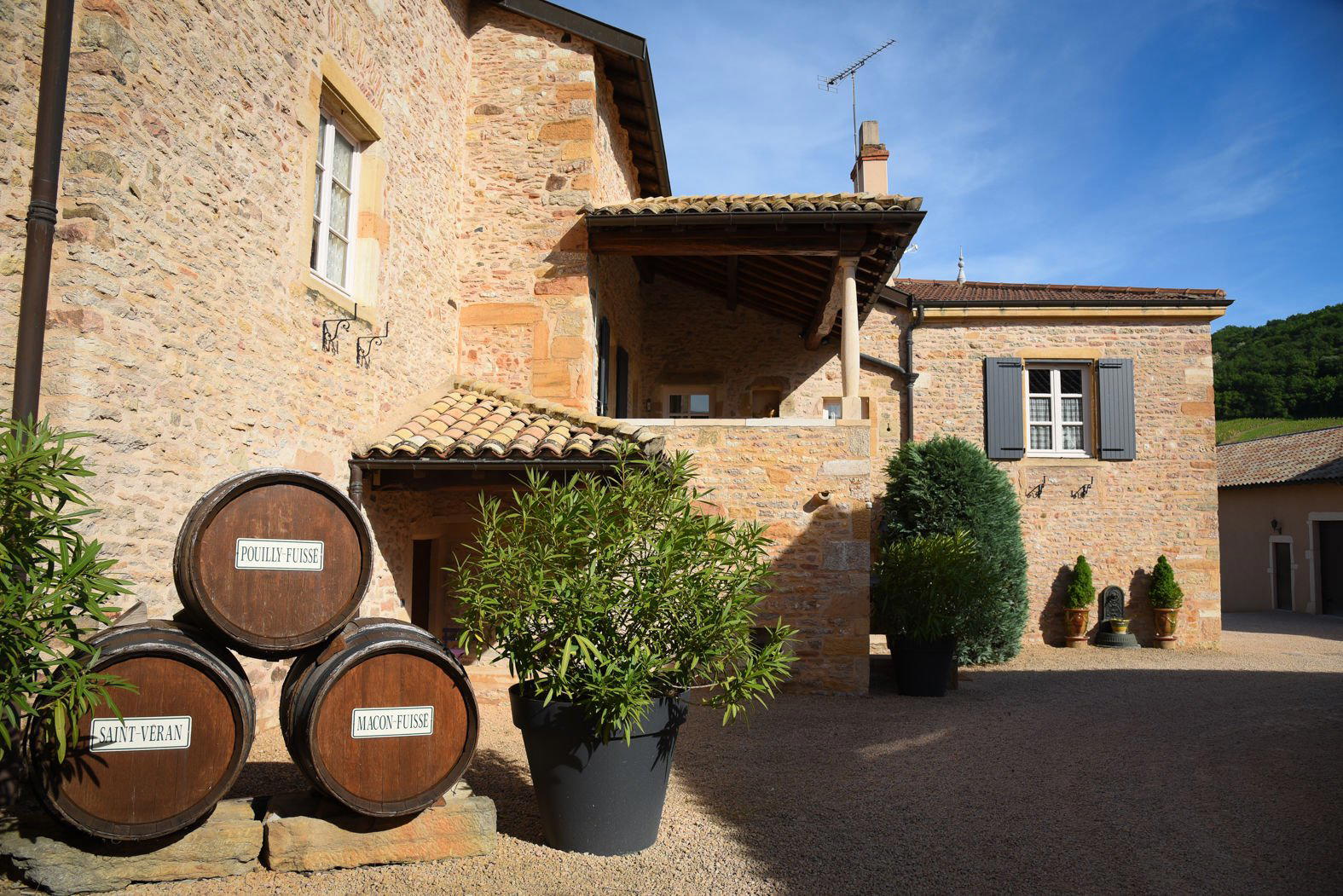
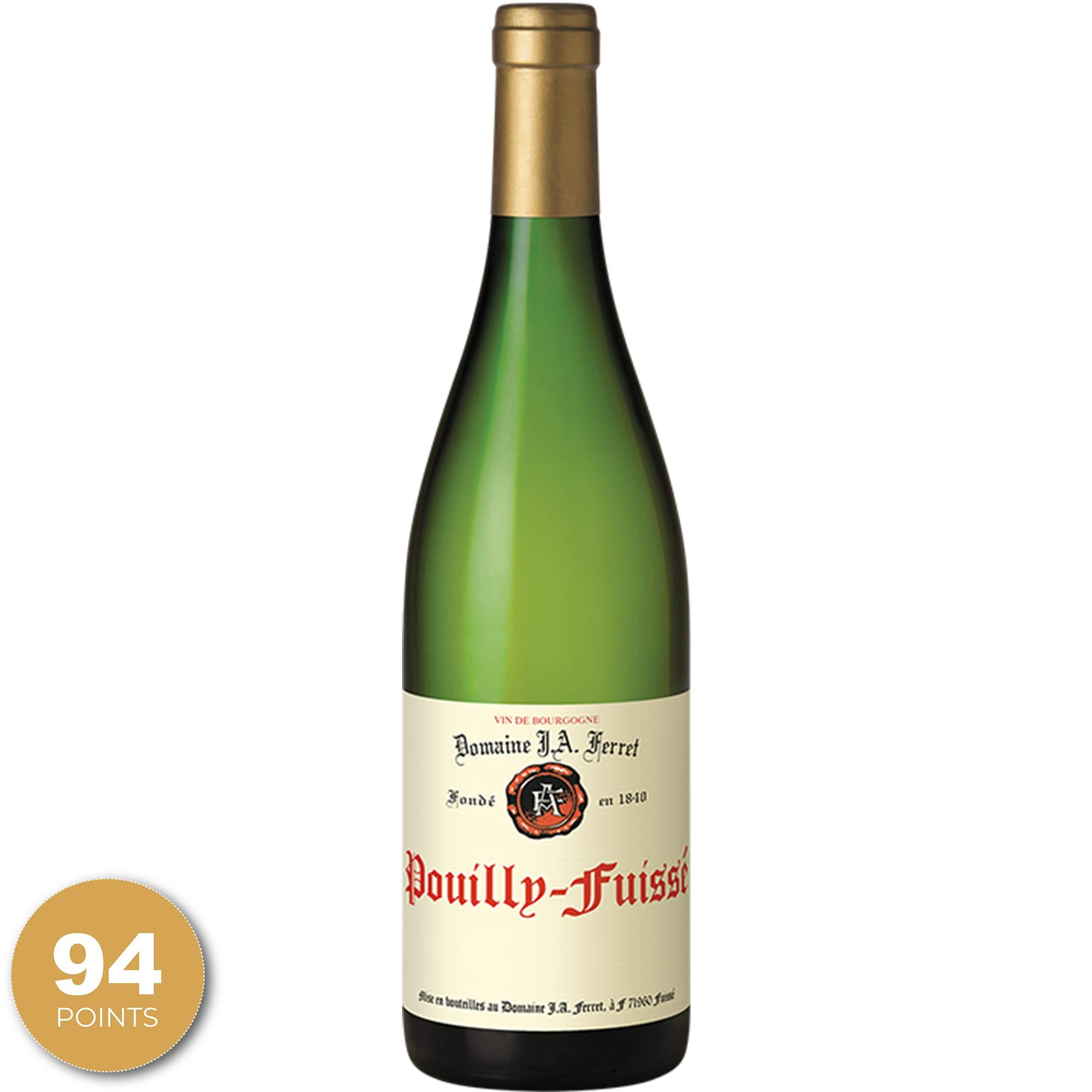
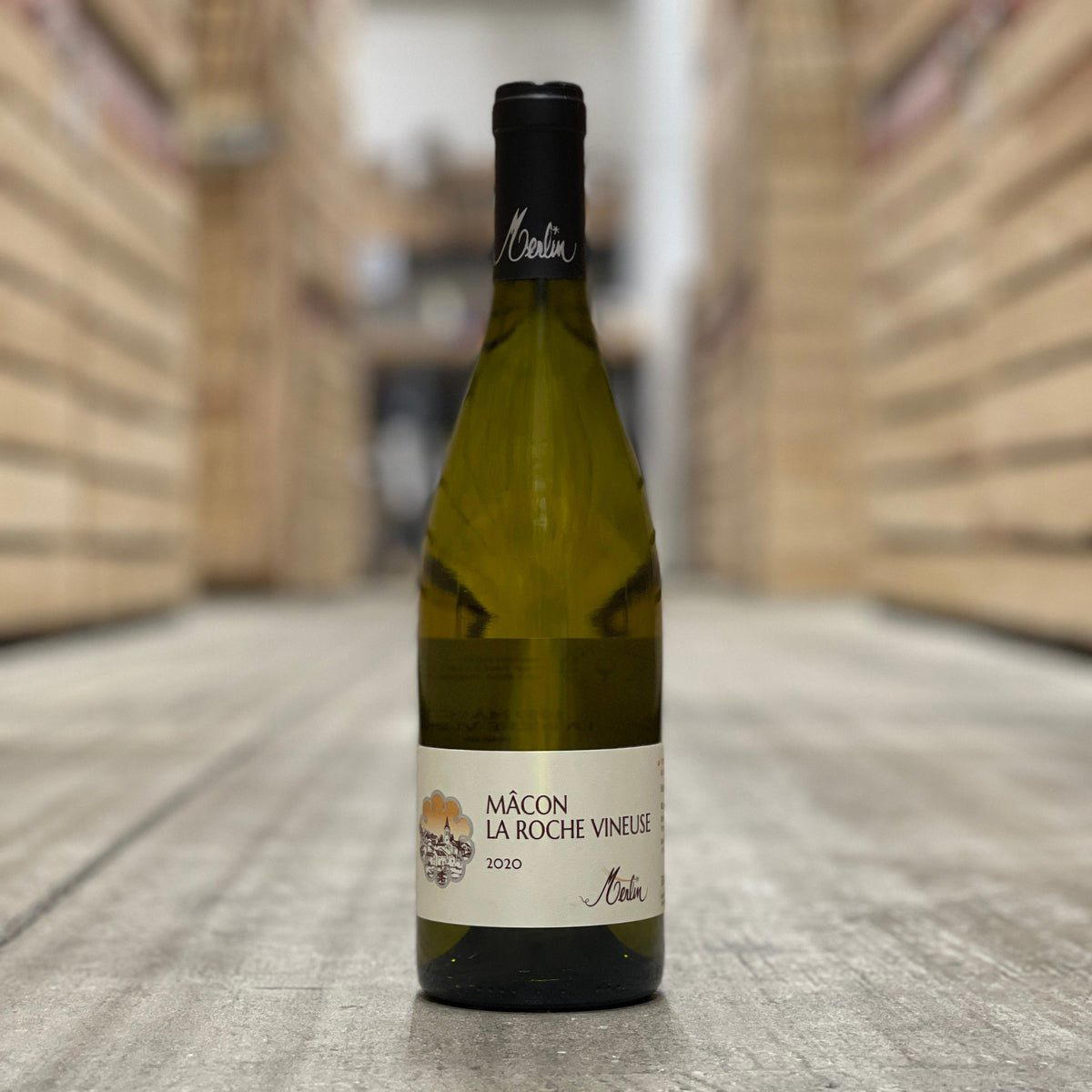
No meal on the Quai Lamartine makes complete sense without the Mâconnais wine context. The appellation sits immediately west of the city, producing Chardonnay-based whites ranging from the everyday Mâcon-Villages to the cru-level precision of Pouilly-Fuissé, which received its own appellation in 2020 after a long campaign by local producers. That elevation to full appellation status changed the commercial and prestige positioning of Mâconnais whites, and it affects what a restaurant in this city can place on the table with credibility. A wine list anchored in the local appellations, reaching into the Pouilly-Fuissé premier cru villages, is both a sourcing statement and a pricing opportunity that few other French regions can replicate at this altitude of quality-to-cost ratio.
Pairing that wine depth with Bresse and Charolais product is the structural logic of serious dining in this corridor, and it is a format that rewards visitors who approach Mâcon as a destination rather than a motorway stop on the Paris-Lyon-Marseille axis.
Planning Your Visit
Mâcon is fifty minutes south of Beaune by car and sits on the TGV line between Paris Gare de Lyon and Lyon Part-Dieu, making it accessible as a standalone stop or as part of a longer Burgundy itinerary. The quayside restaurants are concentrated in the central section of the Quai Lamartine, within walking distance of the old town and the main hotel cluster. Given the limited number of serious dinner options in the city, advance contact to confirm availability is advisable for weekend evenings, particularly during the summer tourist season and the harvest period in September and October when wine-region visitors increase demand on the better addresses.
How Le Lamartine Mâcon compares with similar nearby venues.
| Venue | Cuisine | Price |
|---|---|---|
| Pierre | Classic Cuisine | €€€ |
| Cassis | Modern Cuisine | €€ |
| Ma Table en Ville | Traditional Cuisine | €€ |
At a Glance
- Classic
- Cozy
- Elegant
- Date Night
- Casual Hangout
- Historic Building
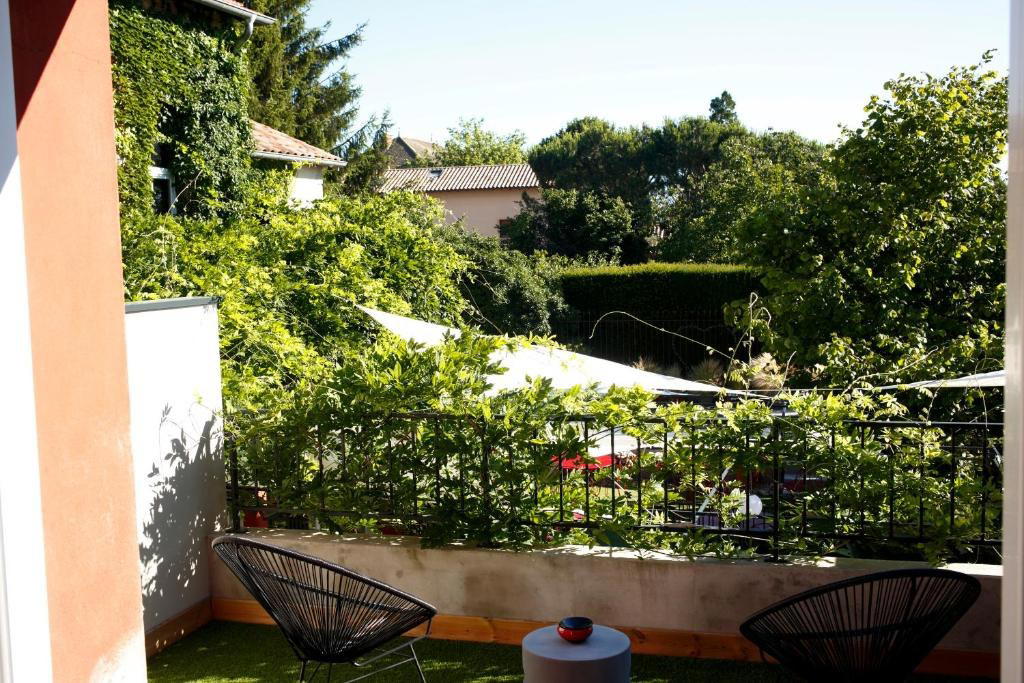
- Terrace
- Extensive Wine List
- Local Sourcing
Current opening hours
- Monday
- 12–2 PM, 7–10 PM
- Tuesday
- 12–2 PM, 7–10 PM
- Wednesday
- 12–2 PM, 7–10 PM
- Thursday
- 12–2 PM, 7–10 PM
- Friday
- 12–2 PM, 7–10 PM
- Saturday
- 12–2 PM, 7–10 PM
- Sunday
- 12–2 PM, 7–10 PM
Hours can change for holidays and private events. Last verified .
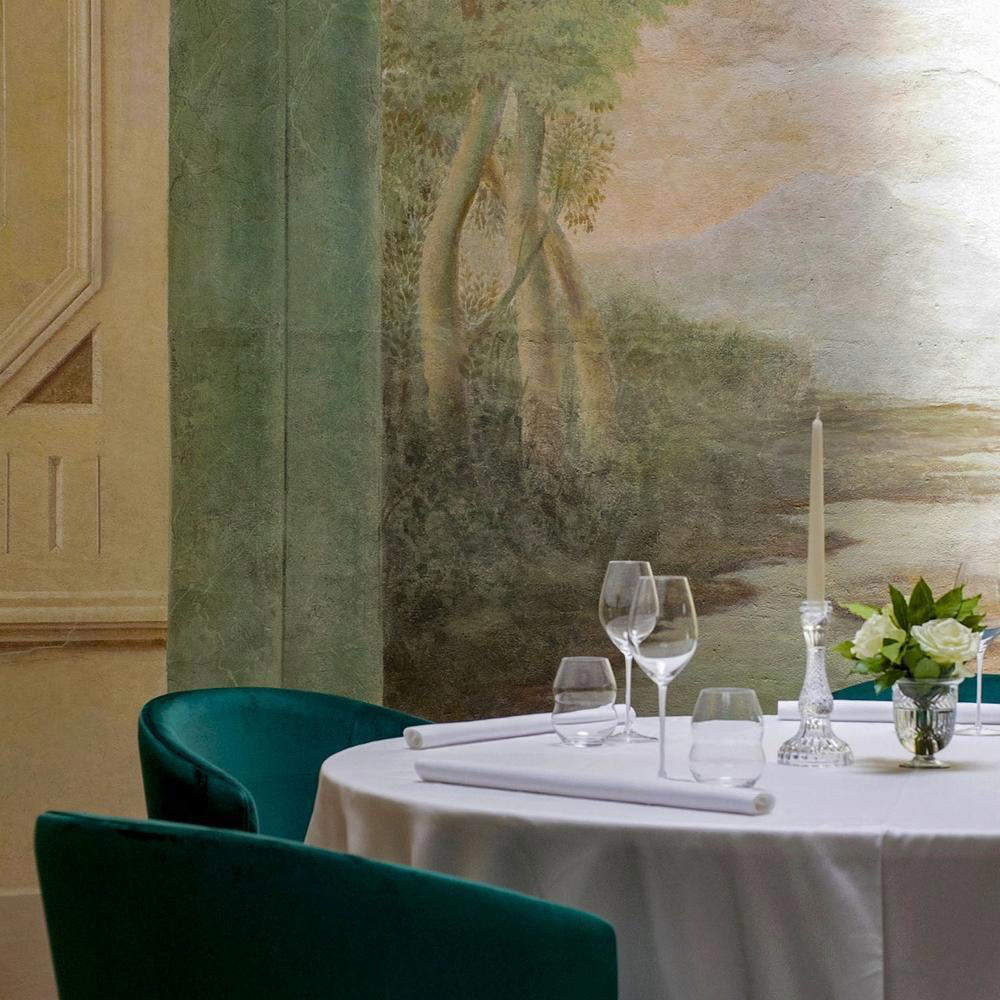
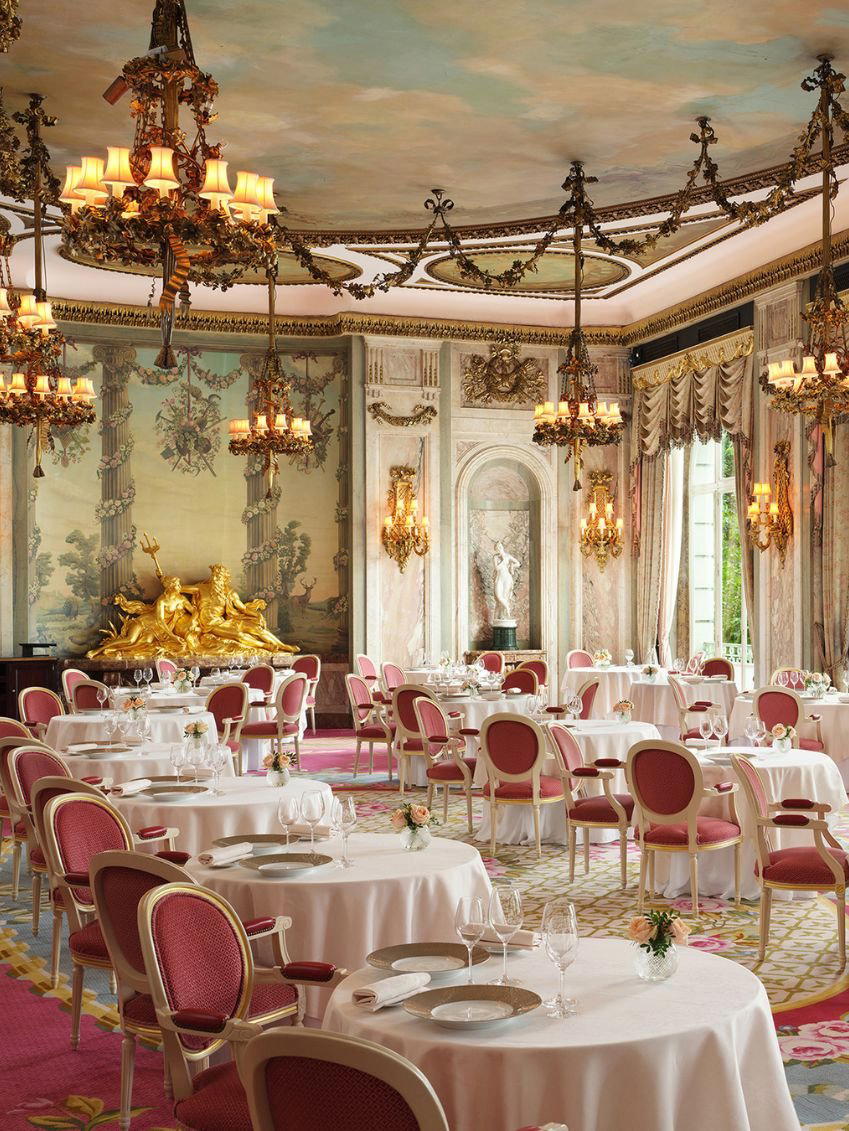
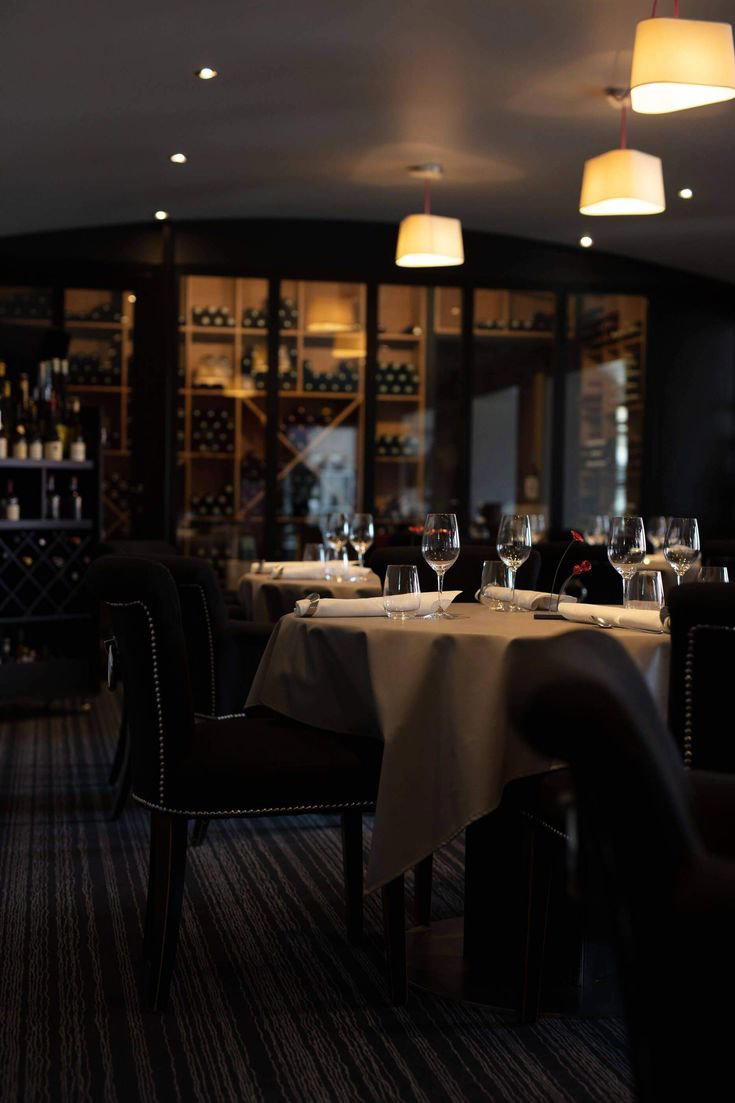
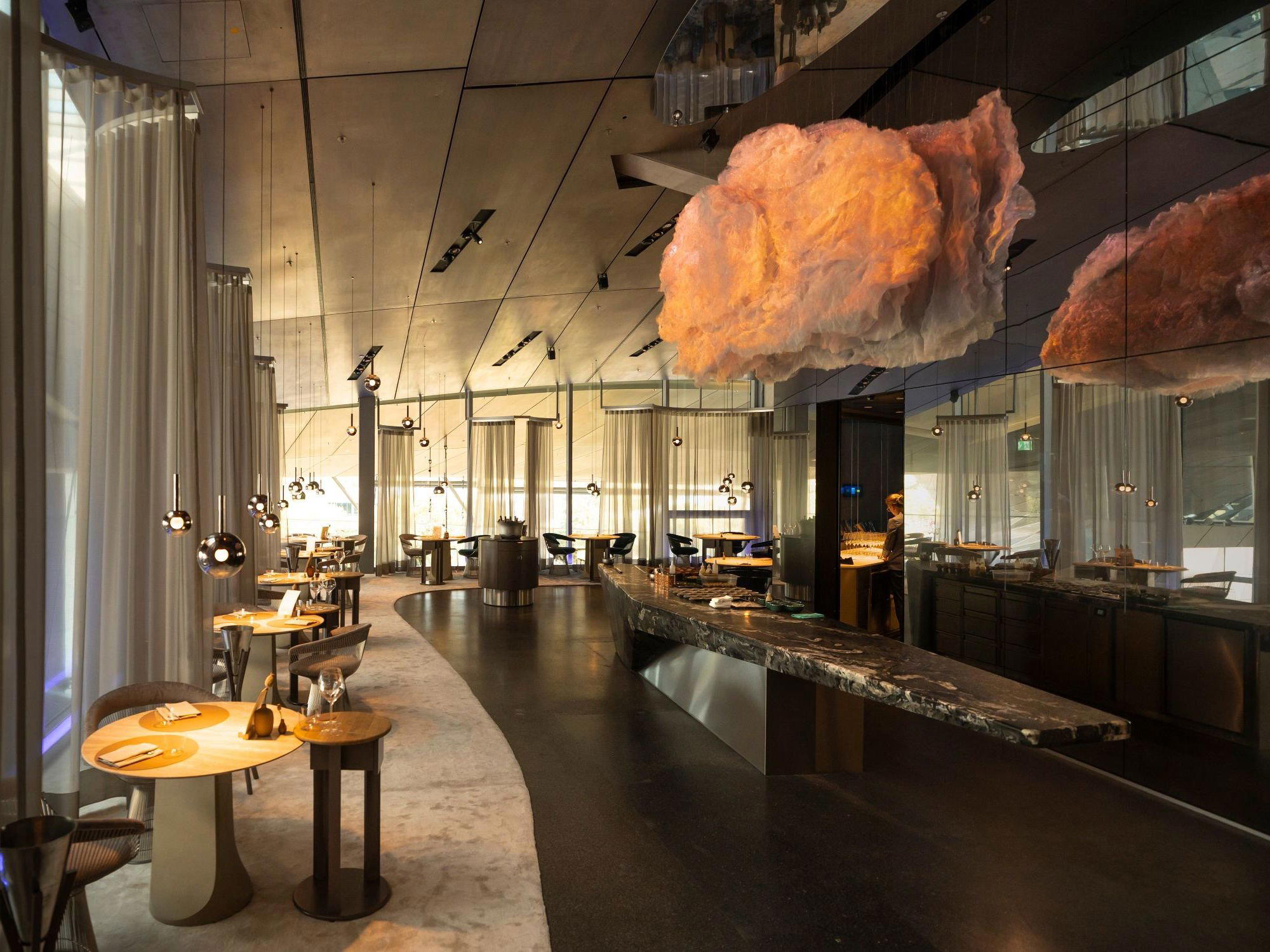
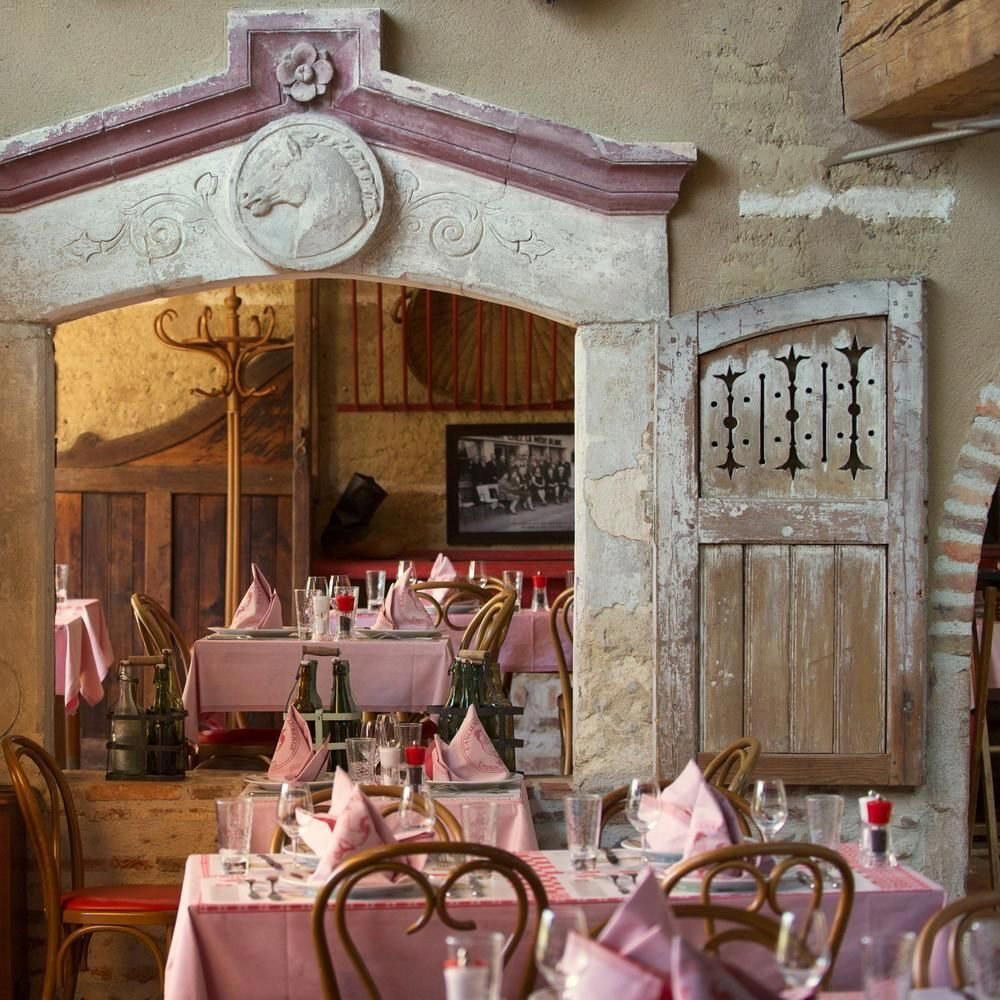
Cozy and elegant Art Deco interior with period charm, quiet and welcoming inside contrasting with traffic noise outside.