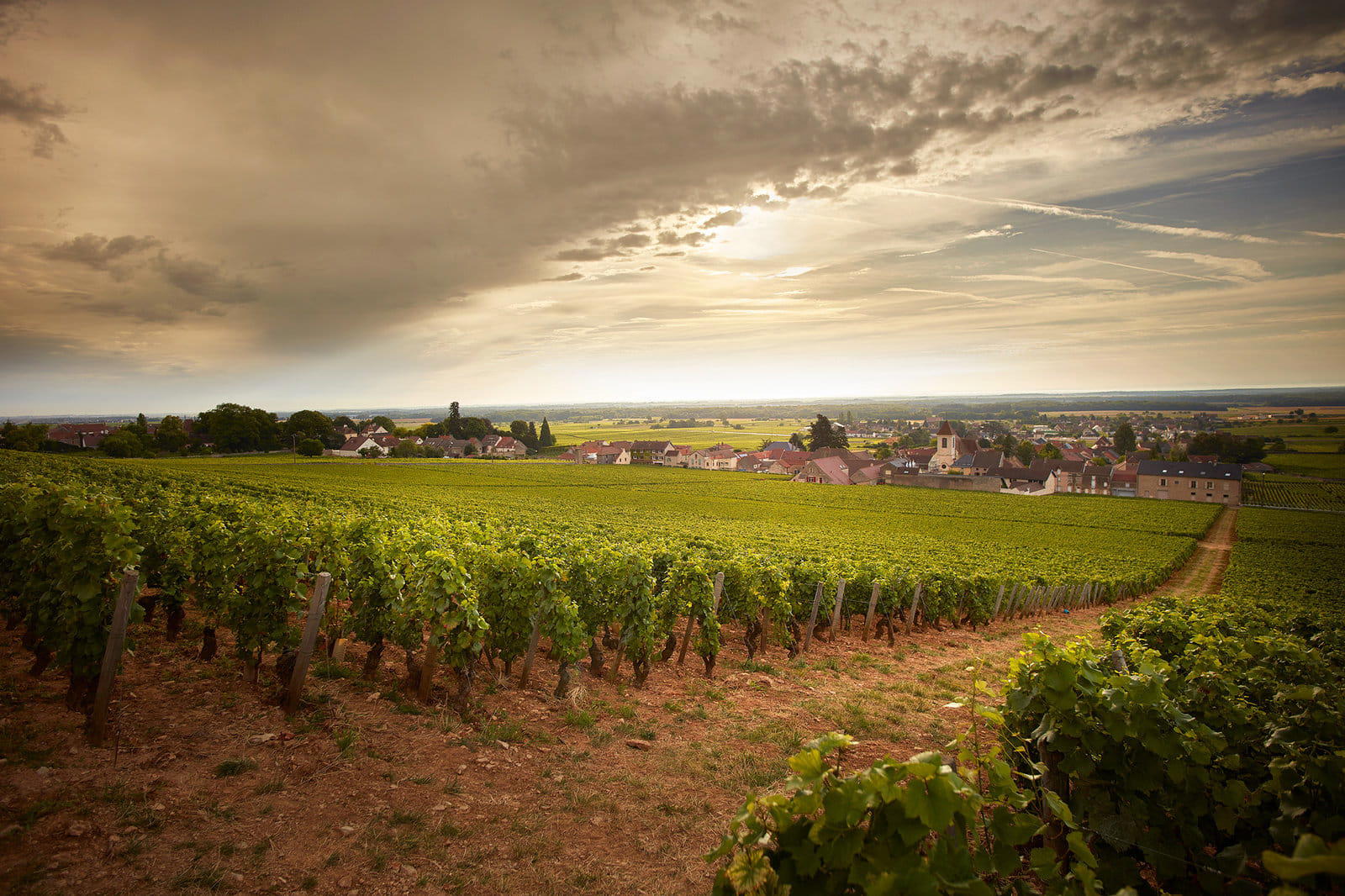
Au Clos Napoléon sits in Fixin, one of the quieter appellations at the northern tip of the Côte de Nuits, where Burgundy's village-level dining tradition runs closer to the land than the grand cru fanfare further south. The address places it inside a culinary geography defined by proximity to some of France's most closely watched vineyards, where what arrives on the plate tends to reflect what grows immediately outside.
Pearl is the En Primeur Club membership app — saves, bookings, and concierge access live there. Same editors, same standards.
- Address
- 4 Rue de la Perrière, 21220 Fixin, France
- Phone
- +33380524563
- Website
- clos-napoleon.com
- Directions
- Get directions
 Saves & bookings on Pearl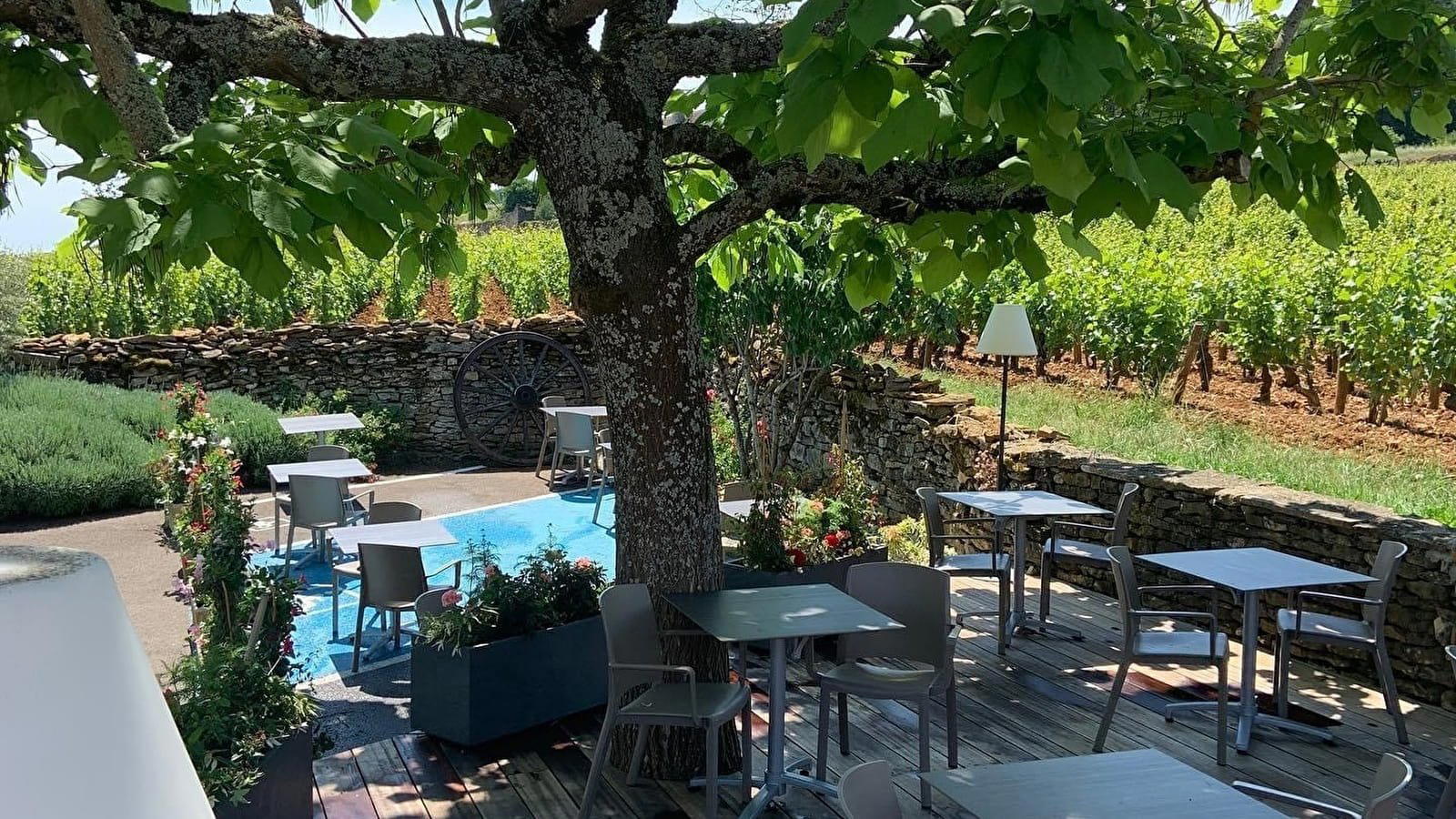
Fixin and the Northern Côte de Nuits: Eating Where Burgundy Begins
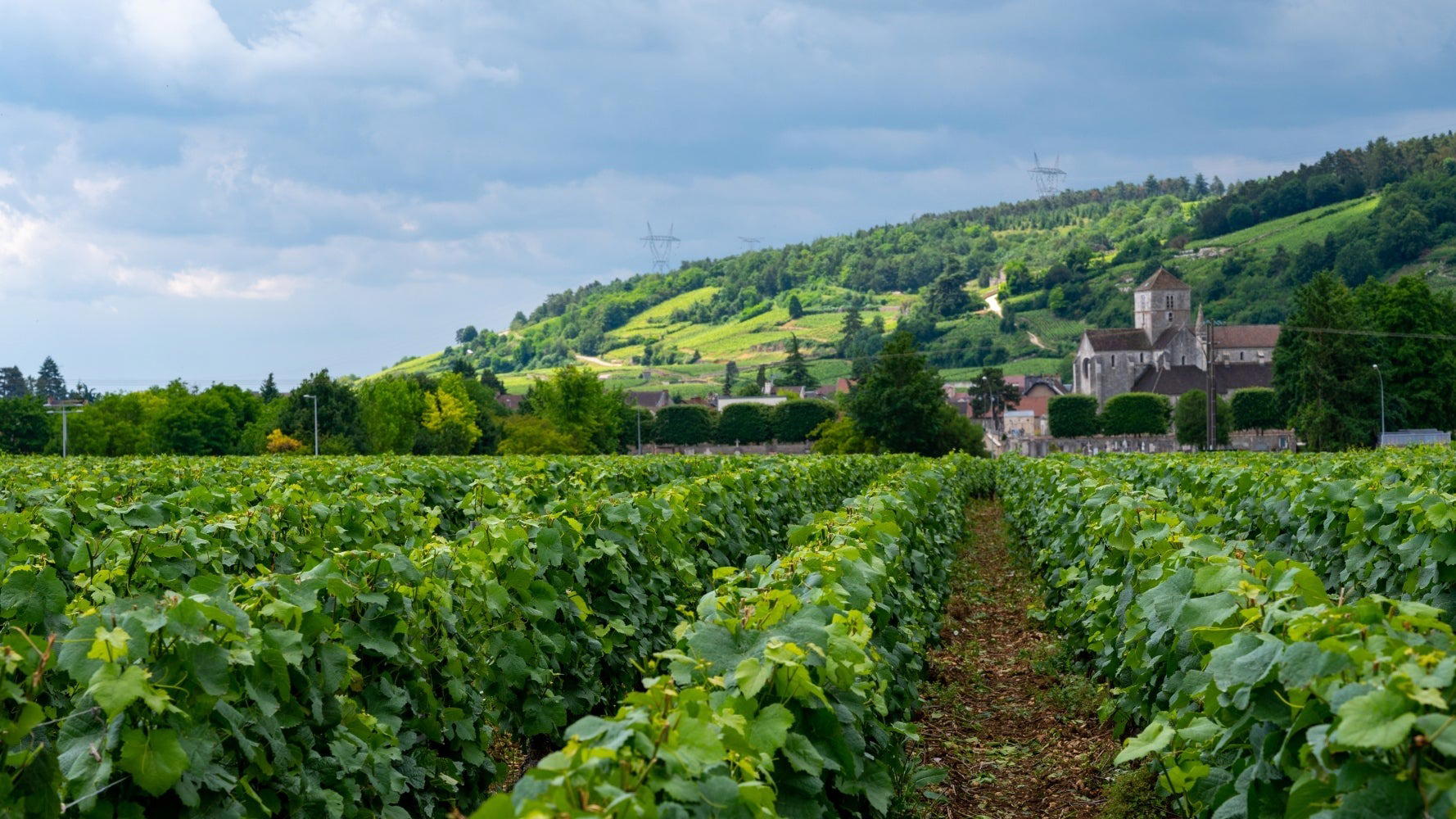
The village of Fixin rarely appears on the itineraries of visitors who arrive in Burgundy strictly for the appellations. Most traffic follows the Route des Grands Crus south toward Gevrey-Chambertin, Vosne-Romanée, and Beaune, bypassing the cluster of small communes at the appellation's northern edge where the land shifts, the tourist infrastructure thins, and dining settles into something more local in character. Au Clos Napoléon, addressed at 4 Rue de la Perrière, sits inside that quieter geography — a village restaurant operating in a context where the surrounding terroir, rather than the kitchen's ambition, tends to set the tone.
This matters editorially because Fixin represents a specific type of Burgundian dining experience: one where the relationship between the table and the land is not a concept deployed for branding, but a practical reality enforced by geography. The village's own appellation — Fixin AC, produces red wines from Pinot Noir that rarely reach the price points of neighbouring Gevrey-Chambertin premiers crus, and the local eating culture reflects that grounded relationship. Restaurants in villages like Fixin, Marsannay, and Brochon tend to operate closer to the agricultural calendar than their counterparts in Beaune or Dijon, where cellar-tour tourism and Michelin attention have reshaped expectations and price brackets considerably. For context on how Burgundy's highest-recognition tier operates, properties like Maison Lameloise in Chagny illustrate the three-Michelin-star end of regional French dining, a very different competitive set from a village address in Fixin.
Ingredient Geography: Why Sourcing at This Latitude Matters
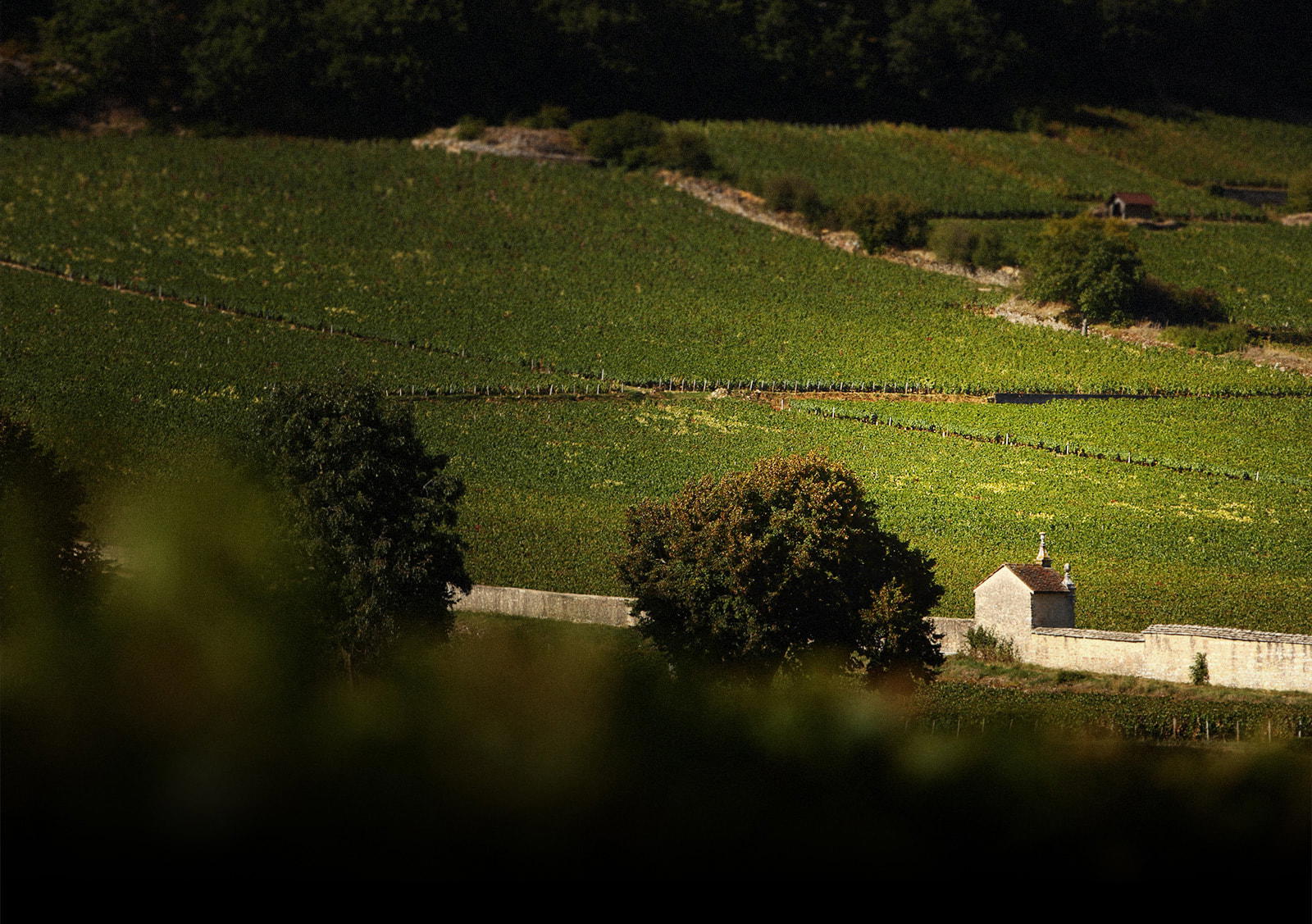
The Côte de Nuits runs roughly north to south for about 20 kilometres, and its northern terminus near Fixin and Marsannay sits in a pocket of countryside where market-garden agriculture, small-scale livestock farming, and vineyard management coexist within a short radius. This compression of land use has historically fed a style of regional cooking that draws on whatever is immediately available rather than importing luxury product from outside the region. Burgundy's classical kitchen depends on this hyperlocal logic: escargots from local farms, boeuf charolais from Saône-et-Loire just to the west, freshwater fish from regional rivers, and mushrooms gathered from the forest edges of the Hautes-Côtes above the scarp slope.
What distinguishes a restaurant operating within this sourcing radius from one in a larger French city is the absence of the intermediary supply chain. In Paris, even kitchens with serious ingredient commitments work through Rungis and the distribution networks it anchors. A village restaurant in Fixin has access to producers within cycling distance, and the menu's seasonal rhythm tends to be more immediate as a result. This is the ingredient logic that defines Burgundian village cooking at its most coherent, and it is the tradition Au Clos Napoléon operates within, whatever its current format and kitchen approach. For a sense of how the ingredient-sourcing philosophy plays out at the mountain end of French regional cooking, Flocons de Sel in Megève offers a useful high-altitude comparison.
The Room and the Setting
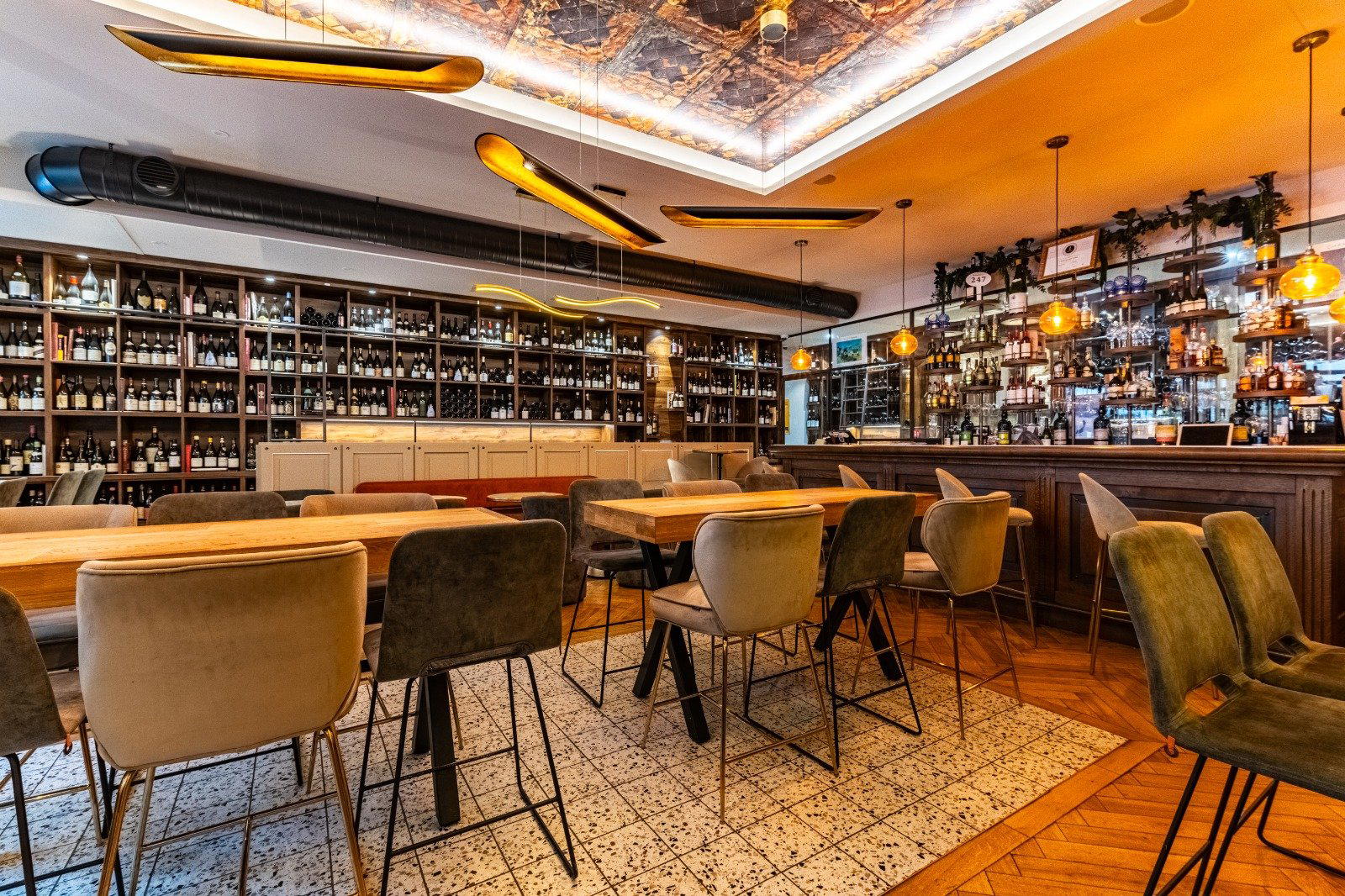
The address on Rue de la Perrière places Au Clos Napoléon within the historic fabric of a village that has been continuously settled since the Gallo-Roman period, Fixin is documented as one of the oldest inhabited sites along the Côte de Nuits. The Napoléon reference in the name connects to a local landmark: Fixin's Parc Noisot, which houses a notable monument to the Emperor and draws occasional visitors to a village that otherwise sees little tourist footfall. That context shapes the atmosphere in practical terms. The dining room here is not performing for a restaurant-tourism audience in the way that addresses in Beaune or on the outskirts of Dijon might. The room's likely register is that of a village establishment serving local clientele, with the ambience that comes from that function: probably quieter, probably more conservative in pace, and oriented around the rhythms of the surrounding community rather than the expectations of passing wine tourists.
For readers accustomed to the theatrics deployed at France's highest-recognition addresses, the service architecture at Alléno Paris au Pavillon Ledoyen or the setting drama of Mirazur in Menton, a village restaurant in Fixin represents a deliberate recalibration. The experience here belongs to a different French dining register: the auberge tradition, where generosity of portion, depth of regional product, and alignment with local wine producers tend to matter more than technical flourish or contemporary plating conventions.
Burgundy's Village Dining Tradition in Context
France's most celebrated regional restaurants are rarely in its most famous wine villages. Auberge de l'Ill in Illhaeusern is in a hamlet most visitors couldn't find without directions. Auberge du Vieux Puits in Fontjoncouse operates from a village of fewer than 200 residents. Bras in Laguiole sits on a plateau in the Aubrac that most French people would struggle to locate on a map. The auberge format, across all these examples, shares a structural logic: distance from urban supply chains forces a closer relationship with immediate territory, and that relationship, when well executed, produces cooking that feels like a direct translation of place rather than a curated approximation of it.
Within Burgundy specifically, the village-restaurant tier has sustained this tradition even as the region's appellation system has made certain addresses considerably more expensive and difficult to reach. Restaurants in Gevrey-Chambertin, Nuits-Saint-Georges, and Beaune now operate partly within a wine-tourism economy that can distort both price and format. Fixin, sitting above that circuit, offers dining in a context less shaped by the expectations of international wine collectors passing through on allocated-bottle pilgrimages. For additional reference points across France's destination-restaurant tradition, Georges Blanc in Vonnas, Les Prés d'Eugénie in Eugénie-les-Bains, and Troisgros in Ouches show how the auberge model has evolved across different regions and generations.
Planning a Visit
Fixin sits approximately six kilometres north of Dijon along the D122, accessible by car as part of a northern Côte de Nuits circuit that might also include Marsannay and Chenôve. The village is not served by direct train, and the practical approach for most visitors is to base in Dijon and drive. Burgundy's dining season runs year-round, but autumn brings the harvest calendar into alignment with the kitchen in ways that are specific to this region: game, mushrooms, and the first bottles from the new vintage shape menus from September through November. Spring visits offer a different ingredient register, with asparagus and early-season vegetables arriving from the market gardens of the Saône plain. See our full Fixin restaurants guide for additional options in the village and surrounding communes.
A Quick Peer Check
| Venue | Cuisine | Price | Awards |
|---|---|---|---|
| Au Clos NapoléonThis venue — the venue you are viewing | This venue | Not listed | Not listed |
| Mirazur | Modern French, Creative | €€€€ | Michelin 3 Star |
| Alléno Paris au Pavillon Ledoyen | Creative | €€€€ | Michelin 3 Star |
| Kei | Contemporary French, Modern Cuisine | €€€€ | Michelin 3 Star |
| L'Ambroisie | French, Classic Cuisine | €€€€ | Michelin 3 Star |
| Le Cinq - Four Seasons Hôtel George V | French, Modern Cuisine | €€€€ | Michelin 3 Star |
Continue exploring
More in Fixin
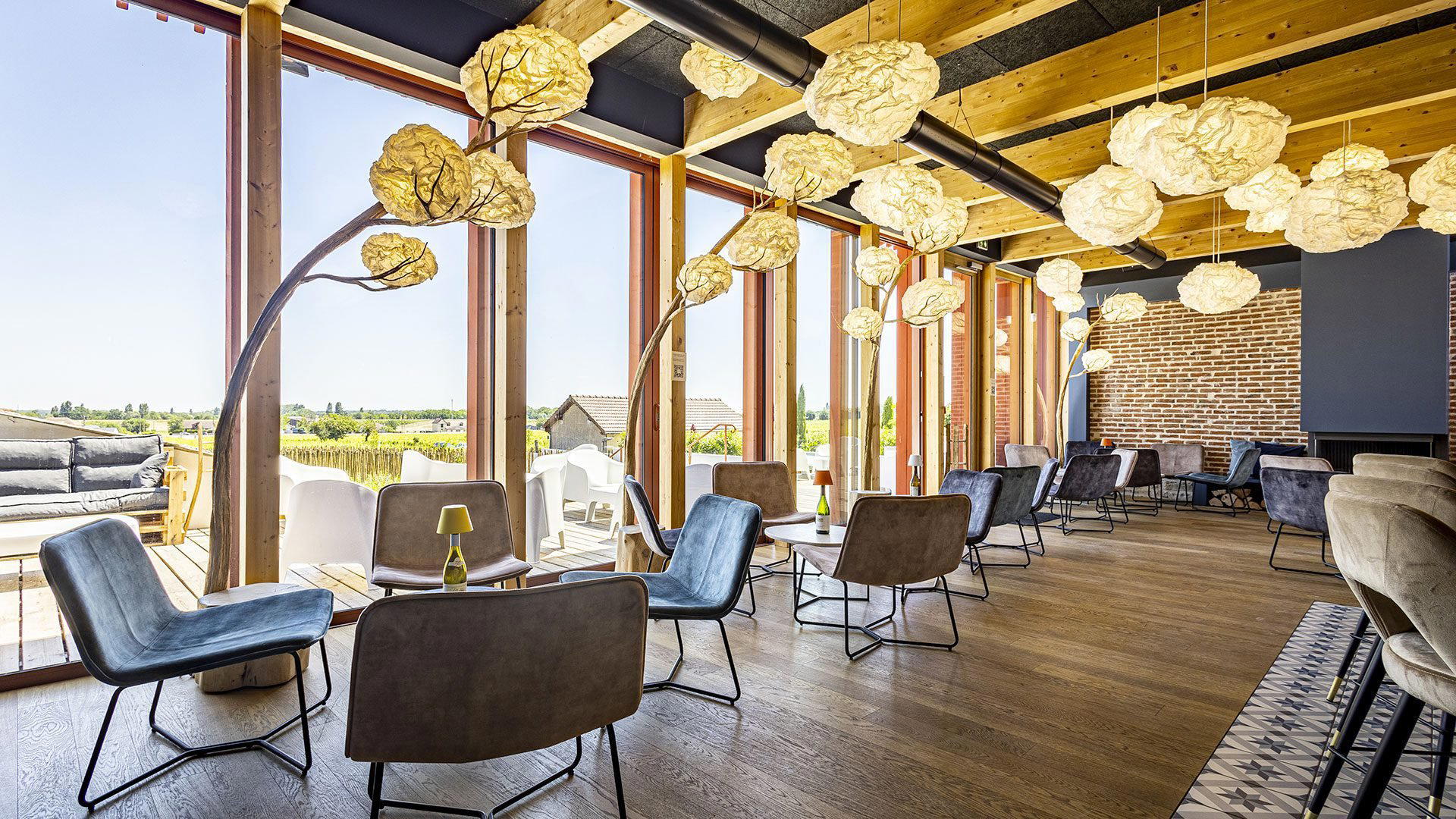
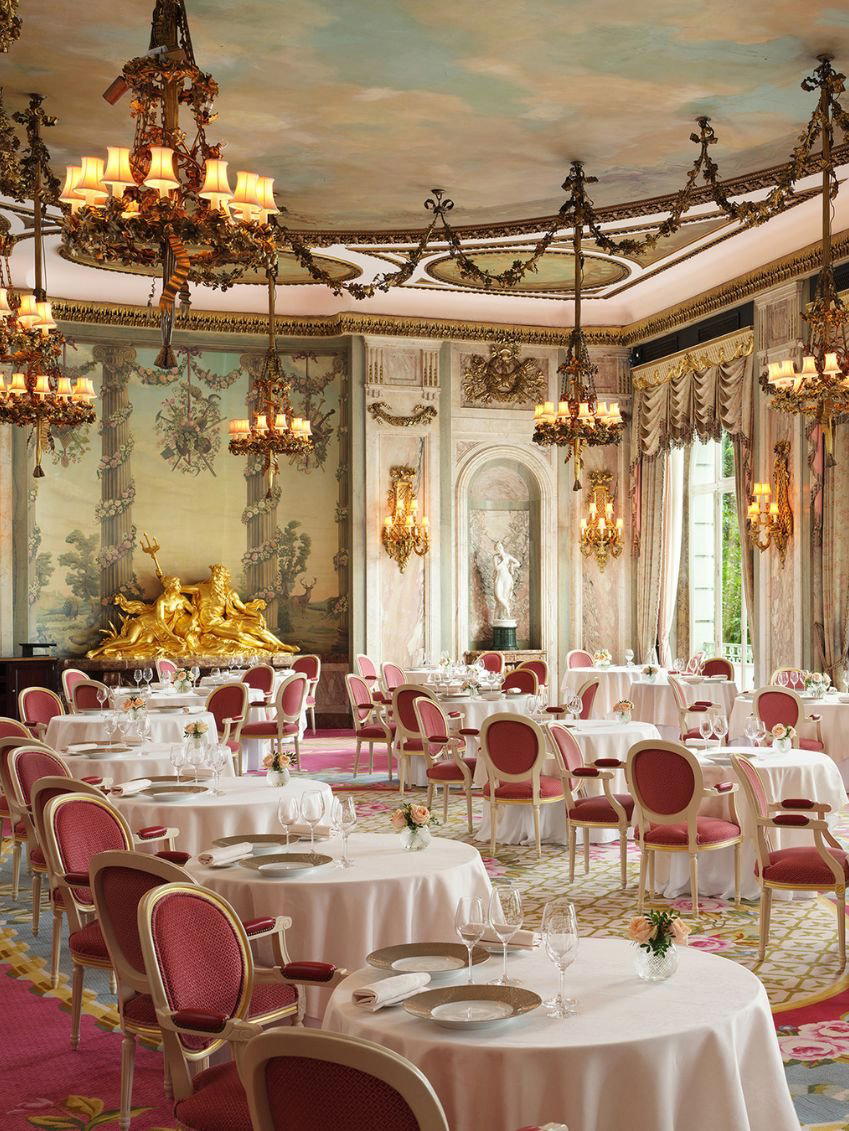
Restaurants in Fixin
Browse all →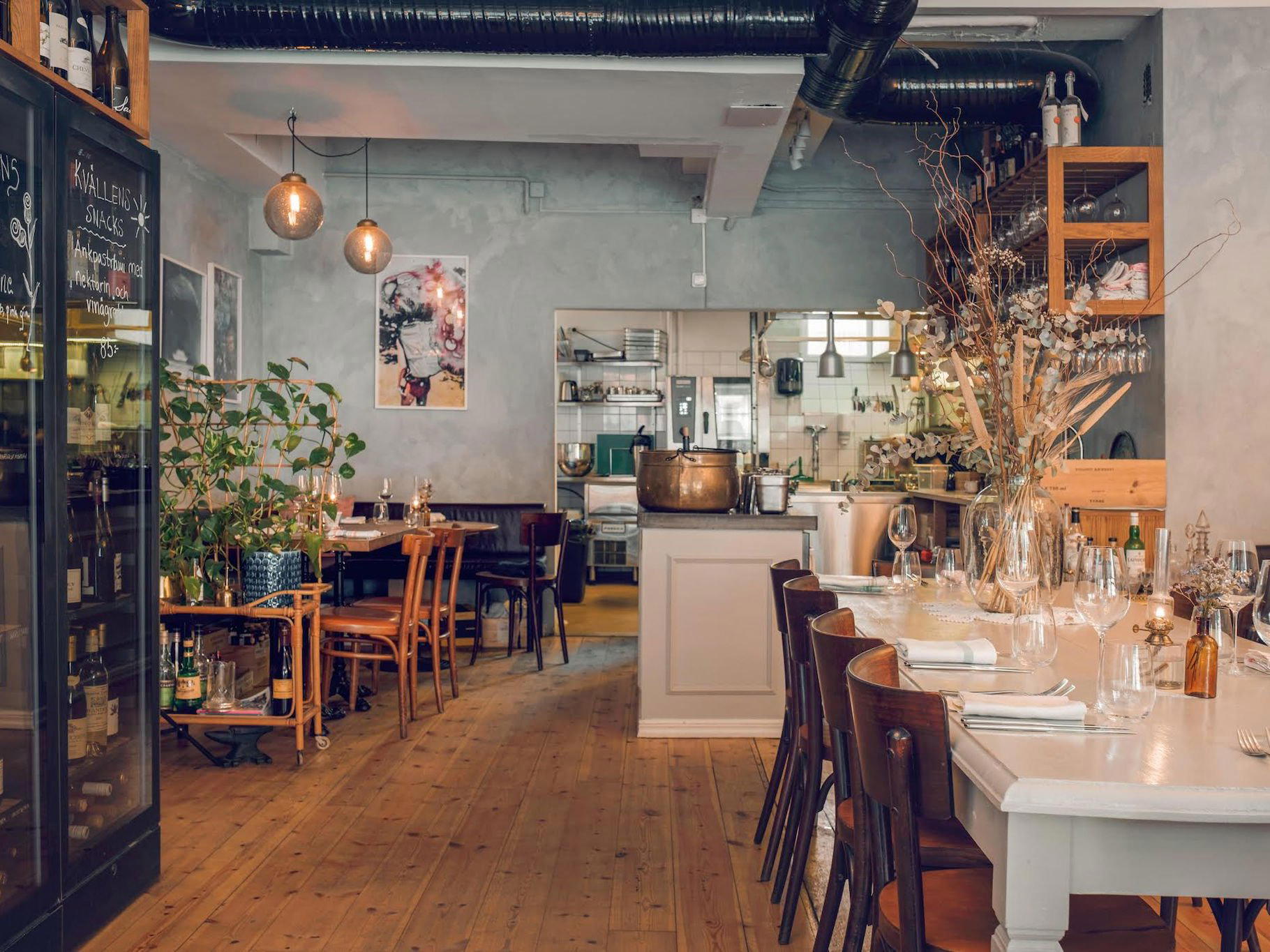
Bars in Fixin
Browse all →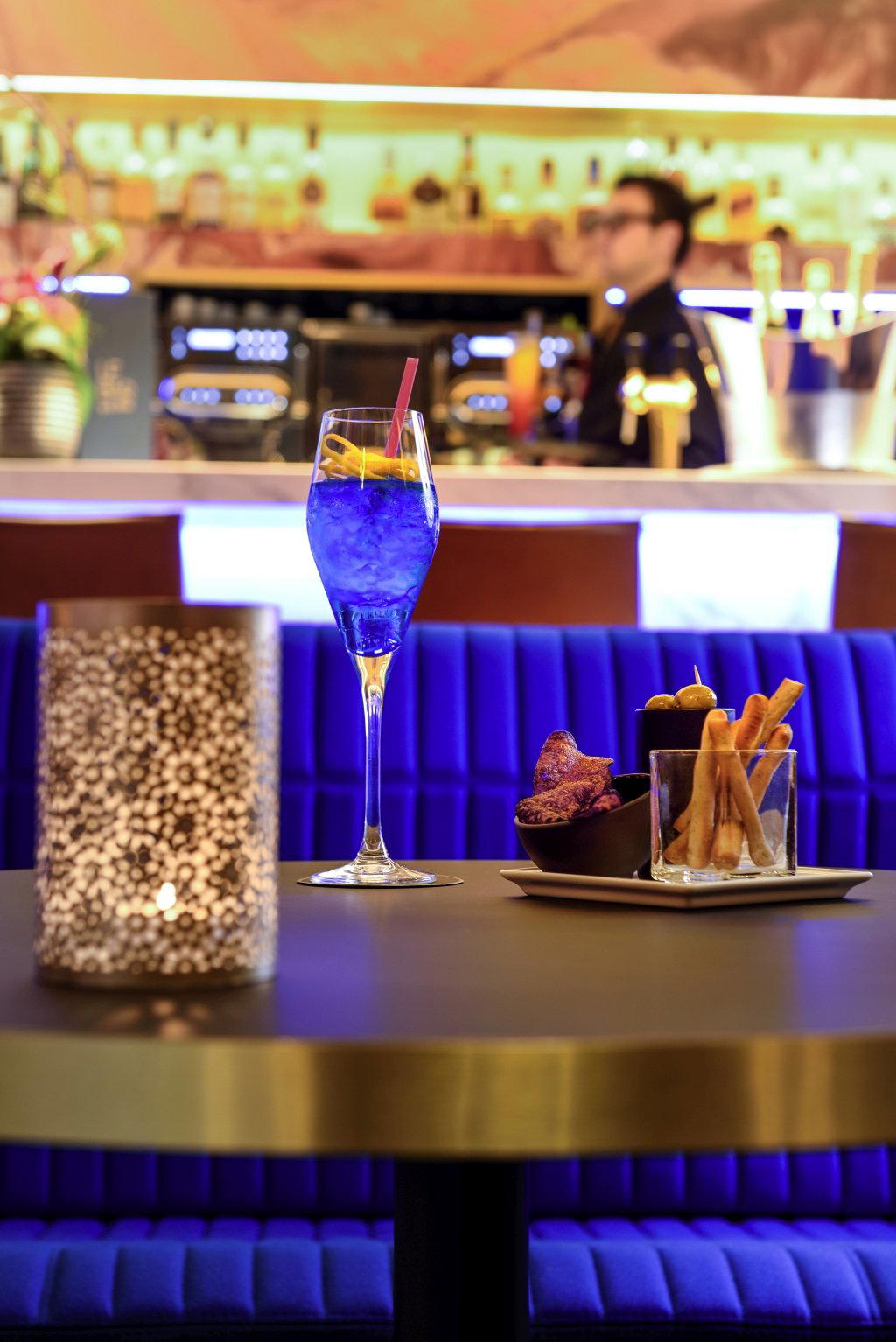
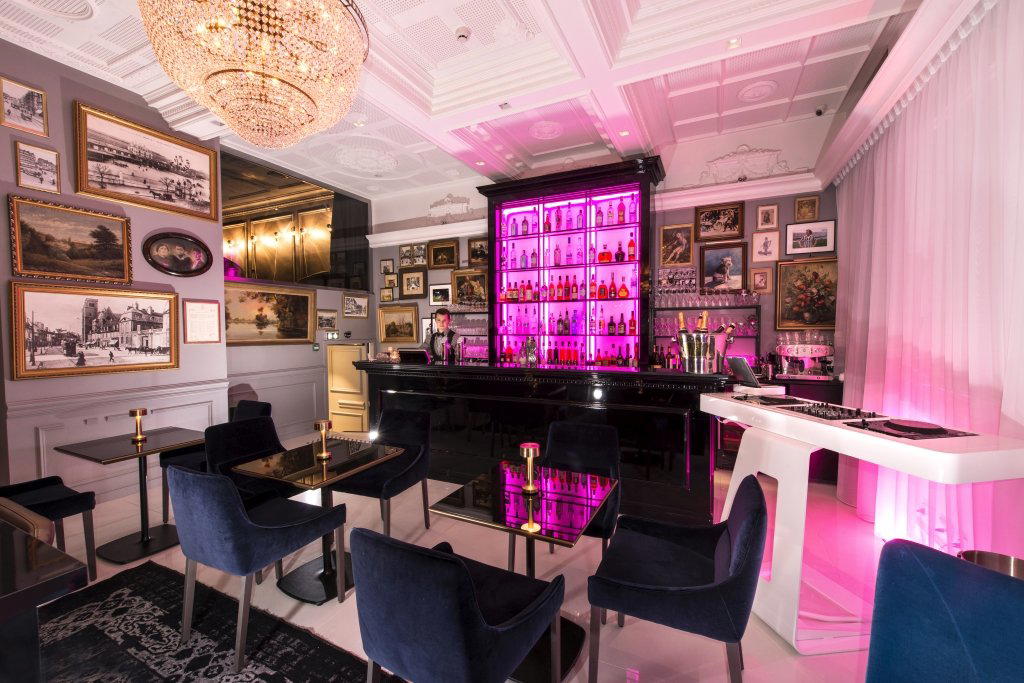
Hotels in Fixin
Browse all →
At a Glance
- Rustic
- Cozy
- Classic
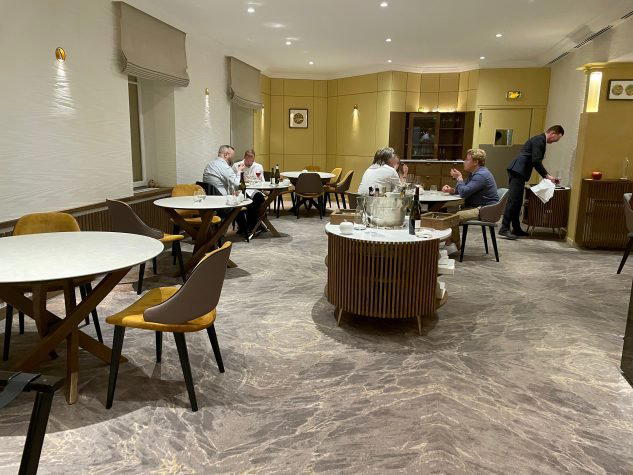
- Elegant
- Family
- Group Dining
- Special Occasion
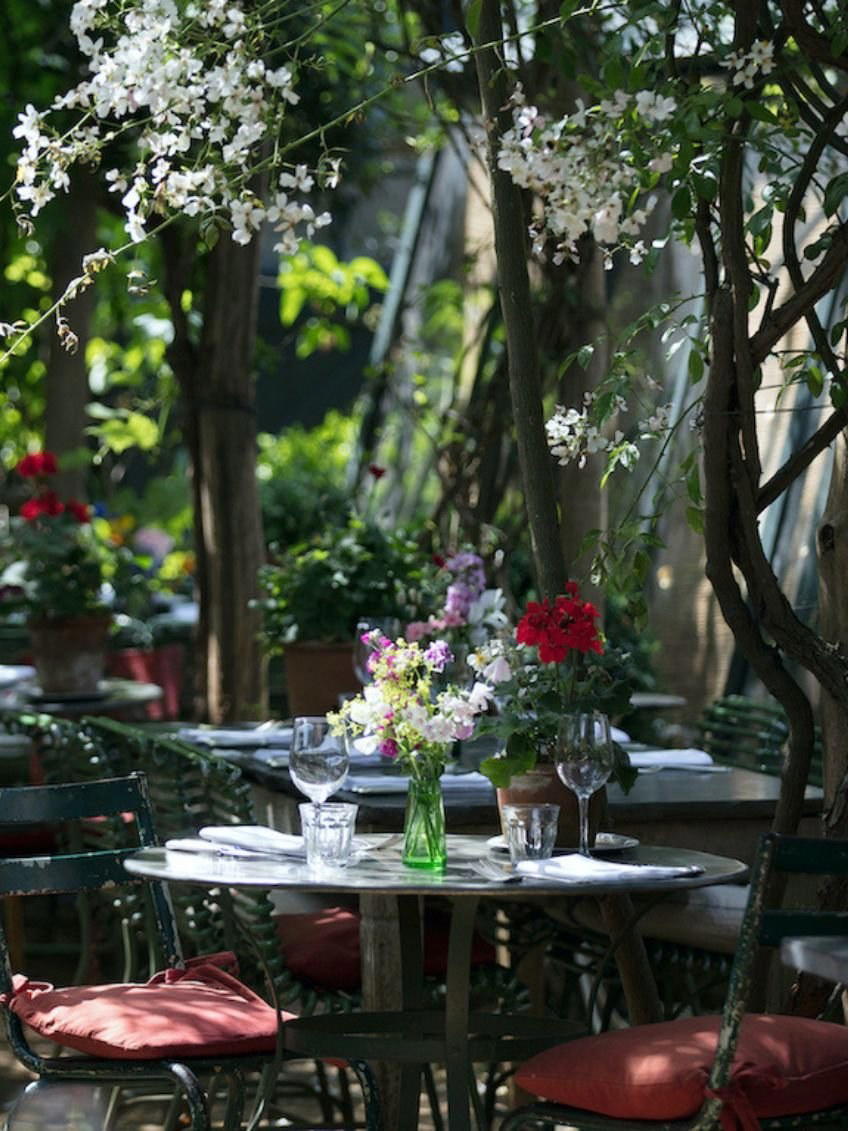
- Terrace
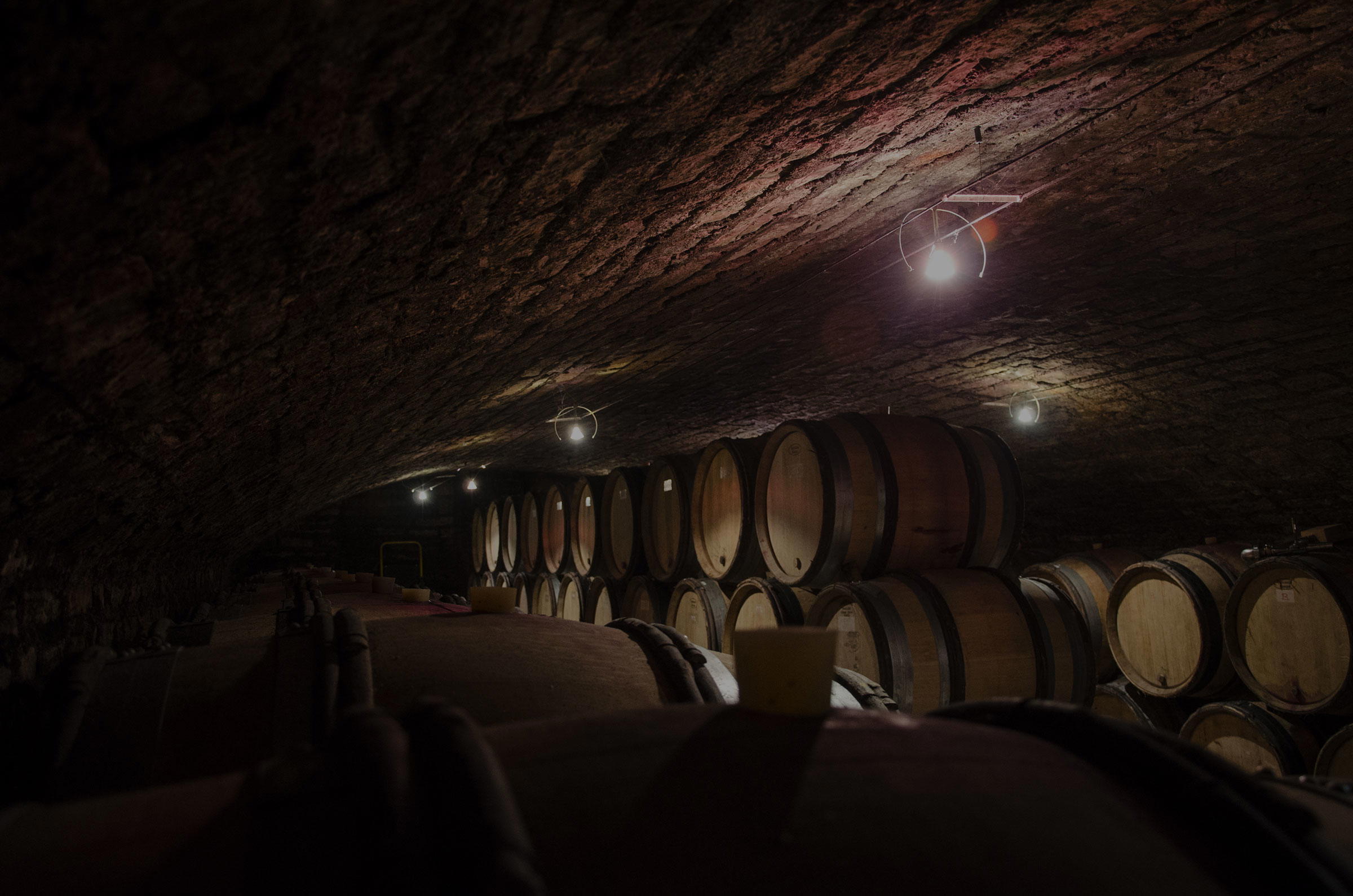
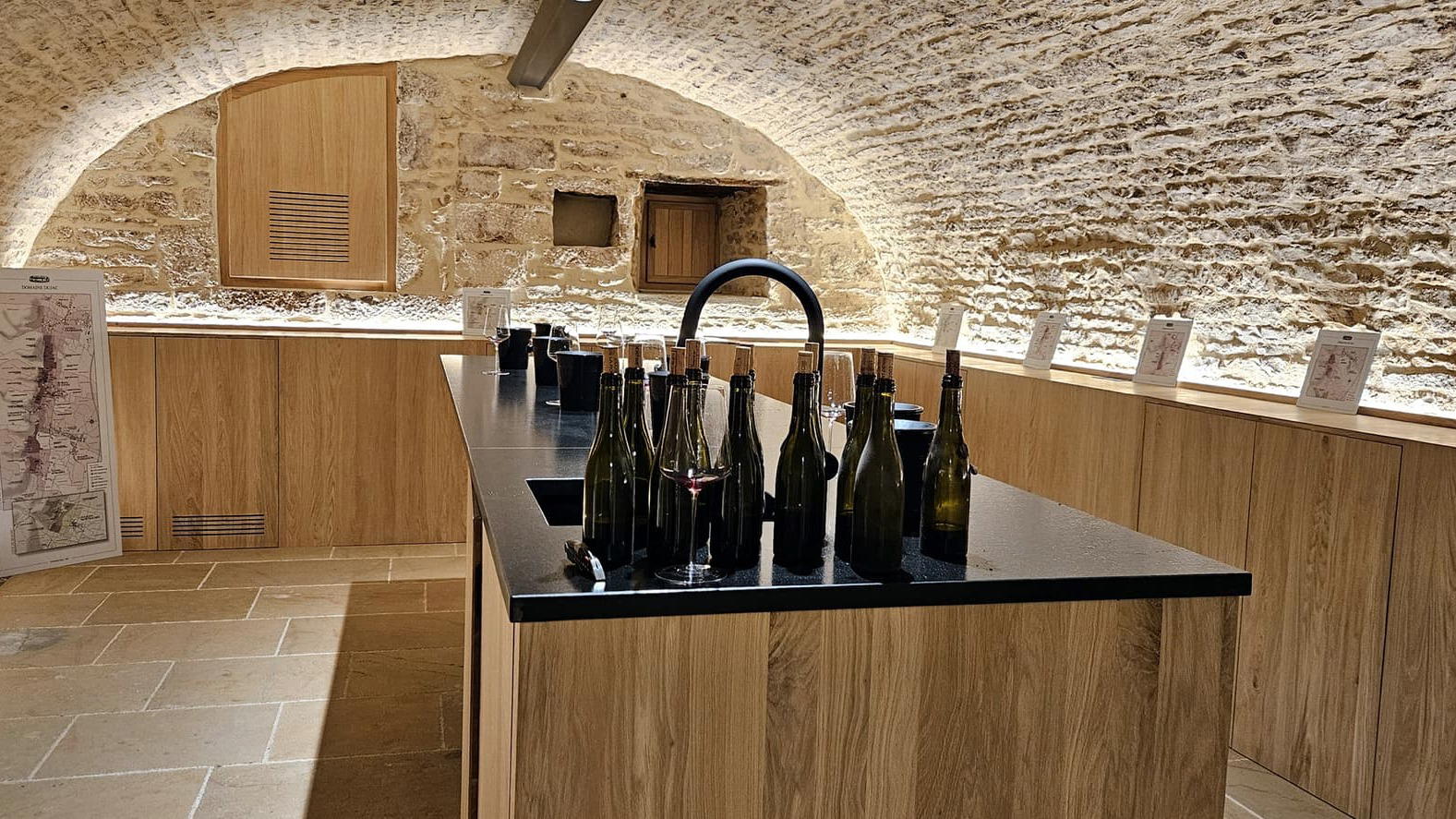
- Wine Cellar
- Private Dining
- Historic Building
- Extensive Wine List
- Local Sourcing
- Vineyard
Current opening hours
- Monday
- 9:30 AM–10:30 PM
- Tuesday
- 9:30 AM–10:30 PM
- Wednesday
- 9:30 AM–10:30 PM
- Thursday
- 9:30 AM–10:30 PM
- Friday
- 9:30 AM–10:30 PM
- Saturday
- 9:30 AM–10:30 PM
- Sunday
- 9:30 AM–10:30 PM
Hours can change for holidays and private events. Last verified .
Charming and authentic family ambiance with terrace shaded for pleasant outdoor dining.
Know Before You Go
- Getting there
- 4 Rue de la Perrière, 21220 Fixin, France