Abbaye de la Bussière


A 12th-century Cistercian abbey set on 17 acres of Burgundian countryside, Abbaye de la Bussière operates in a category of French heritage hotels where the architecture is the experience.
Pearl is the En Primeur Club membership app — saves, bookings, and concierge access live there. Same editors, same standards.
- Address
- D33, 21360 La Bussière-sur-Ouche
- Phone
- +33 3 80 49 02 29
- Website
- abbayedelabussiere.fr
- Directions
- Get directions
 Saves & bookings on Pearl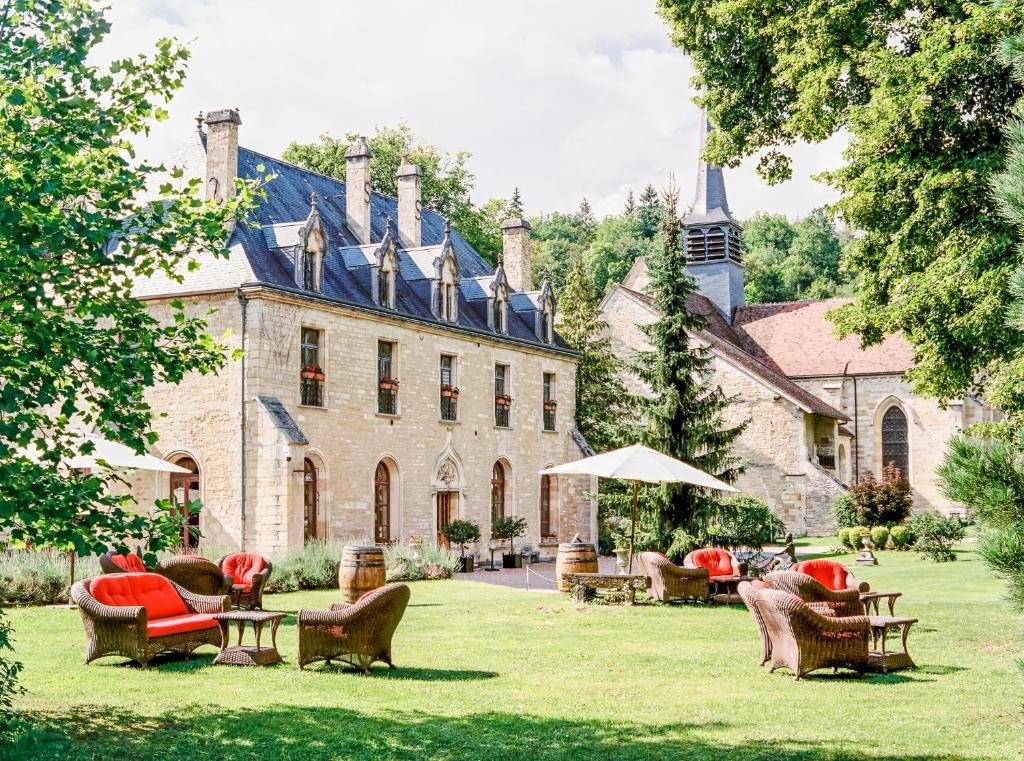
Stone, Silence, and Eight Centuries of Burgundian Architecture
There is a particular quality of light that enters a Cistercian nave in the late afternoon, falling through narrow windows in columns that seem almost architectural themselves. At Abbaye de la Bussière, that light still behaves the same way it did when Cistercian monks first raised these walls in the 12th century. The stone carries the weight of that history without performing it: the pointed arches, the cloister geometry, the proportions calibrated for contemplation rather than spectacle. This is not a building that has been reimagined as a hotel; it is a building that has absorbed hospitality into a much longer story.
The neo-Gothic interior character, layered over the Romanesque foundation, reflects the property's evolution across centuries rather than a single design intervention. Where many French château conversions attempt to reconcile period architecture with contemporary minimalism, the Abbaye leans into its accumulation of eras, letting the decorative vocabulary of different centuries coexist. The effect is closer to a living architectural document than to a styled hotel interior.
The Relais & Châteaux Tier and What It Signals
Membership in Relais & Châteaux positions Abbaye de la Bussière within a specific competitive bracket: French heritage properties where the physical place is a primary product, not a backdrop. That network includes châteaux, manor houses, and converted religious buildings across France, and the selection criteria weight architectural and culinary integrity alongside hospitality standards. Within Burgundy specifically, the Relais & Châteaux designation carries additional meaning, given the region's density of serious wine-focused properties competing for the same guest who plans a stay around cellar visits and tasting menus. Properties like Domaine Les Crayères in Reims and Royal Champagne Hotel & Spa in Champillon occupy analogous positions in their own appellations, where the surrounding terroir shapes the hotel's identity as much as the building does.
Rates starting from $274 per night place the Abbaye in a bracket that makes it accessible relative to flagship Relais & Châteaux properties in Paris or the Côte d'Azur, where properties like Cheval Blanc Paris or Hotel Du Cap-Eden-Roc operate at a substantially different price point. For the Burgundy region, the entry rate reflects a value proposition grounded in architectural provenance and culinary program rather than resort infrastructure.
Seventeen Acres and the Cistercian Logic of Landscape
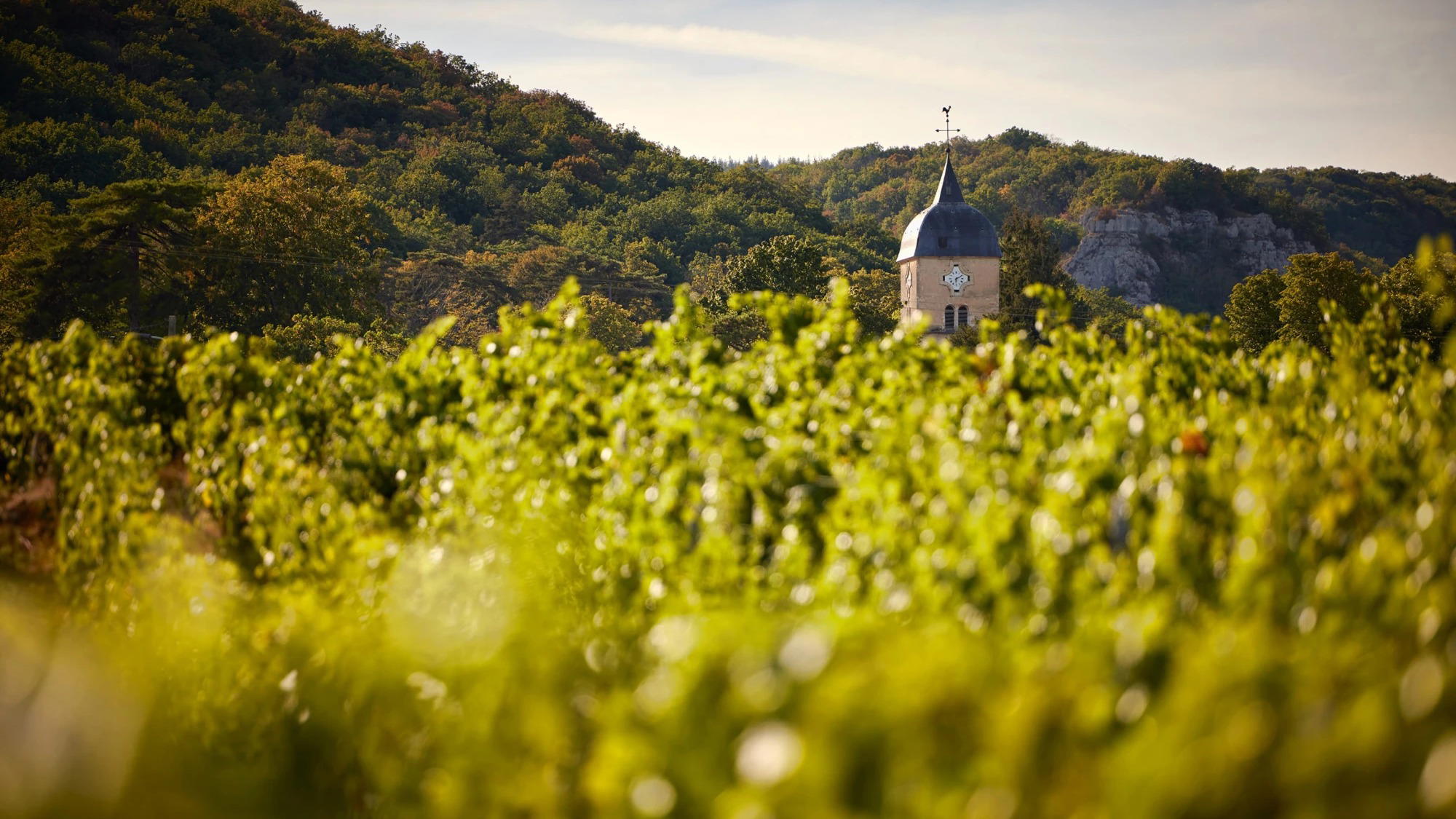
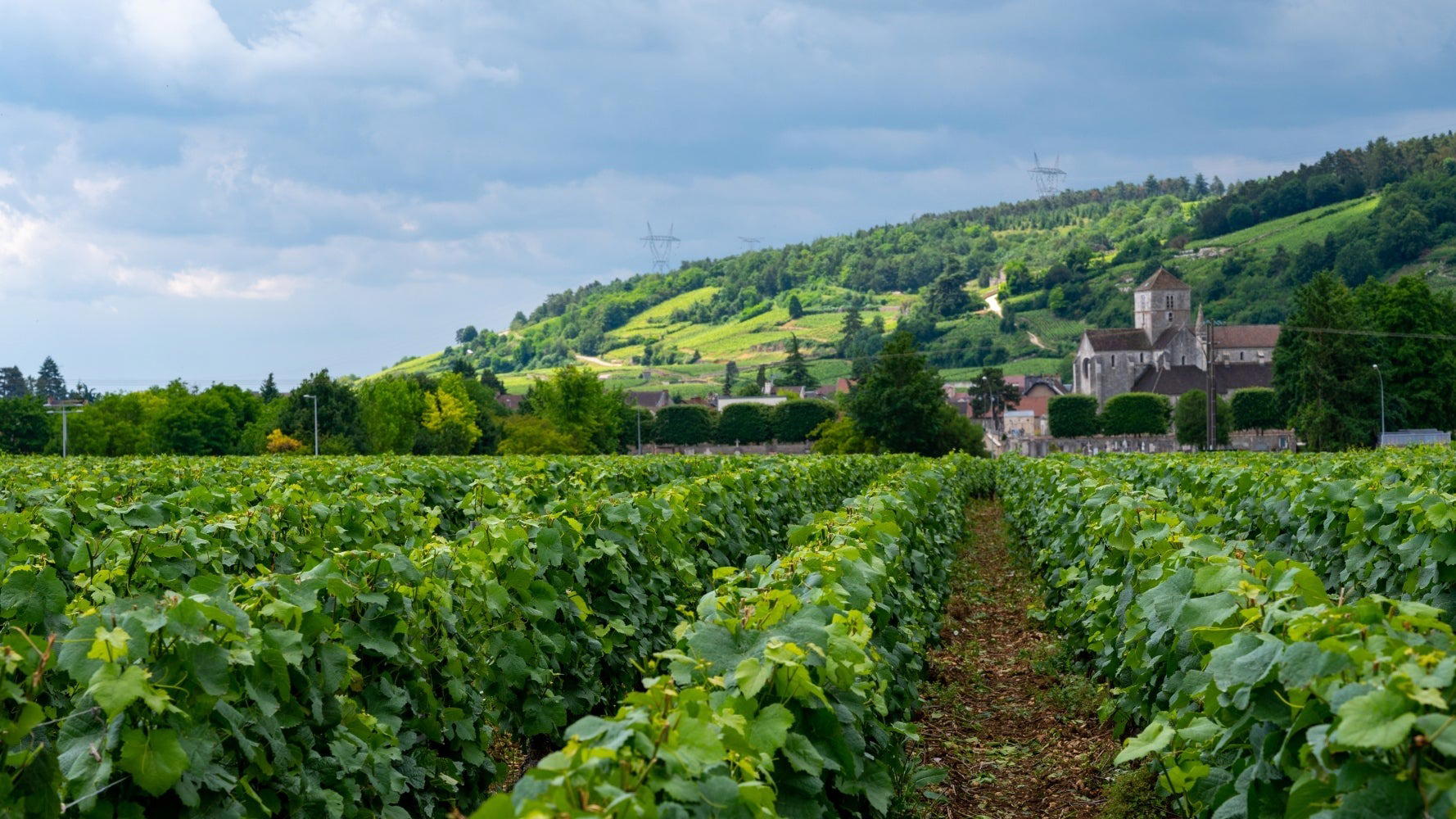
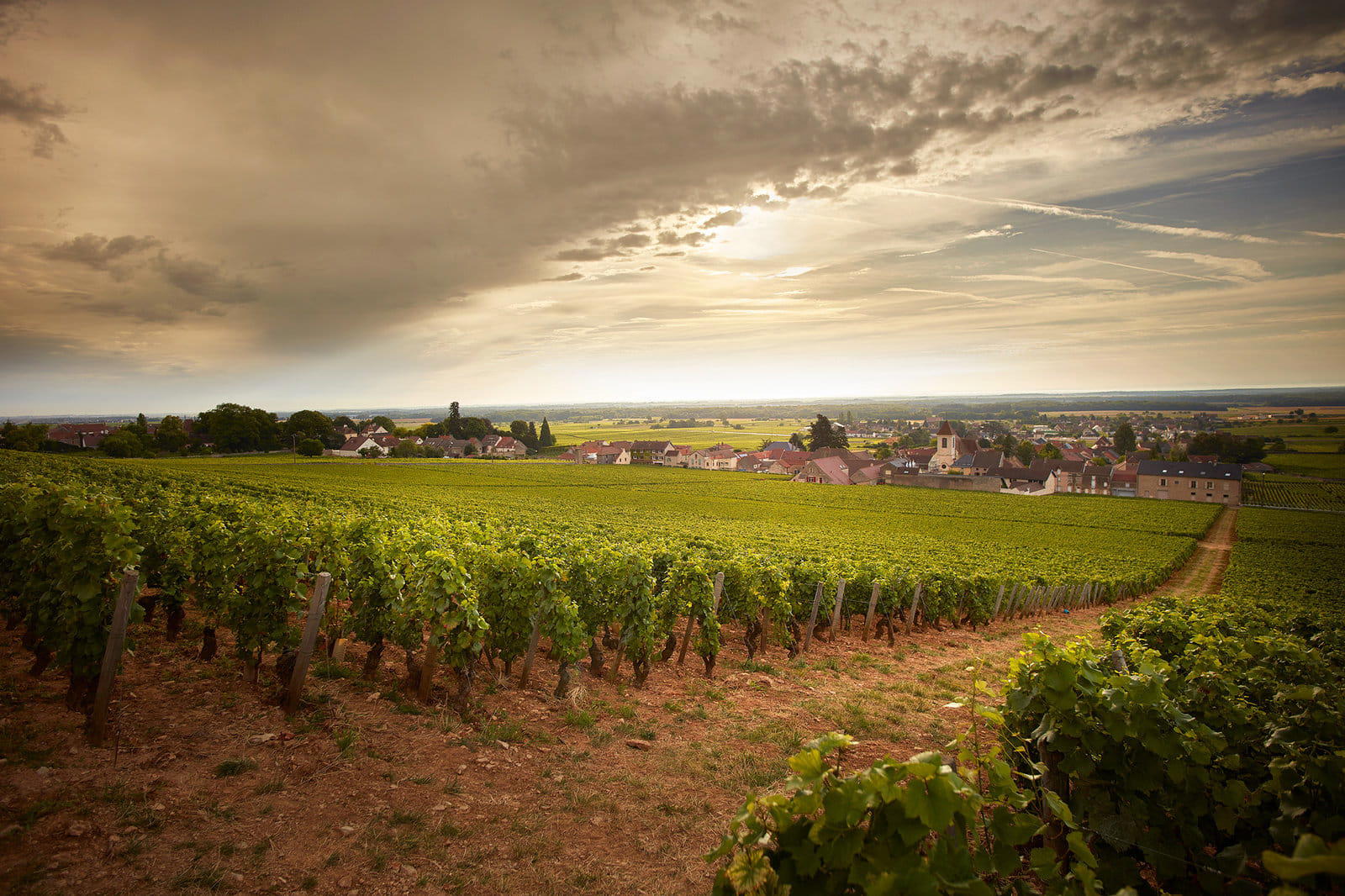
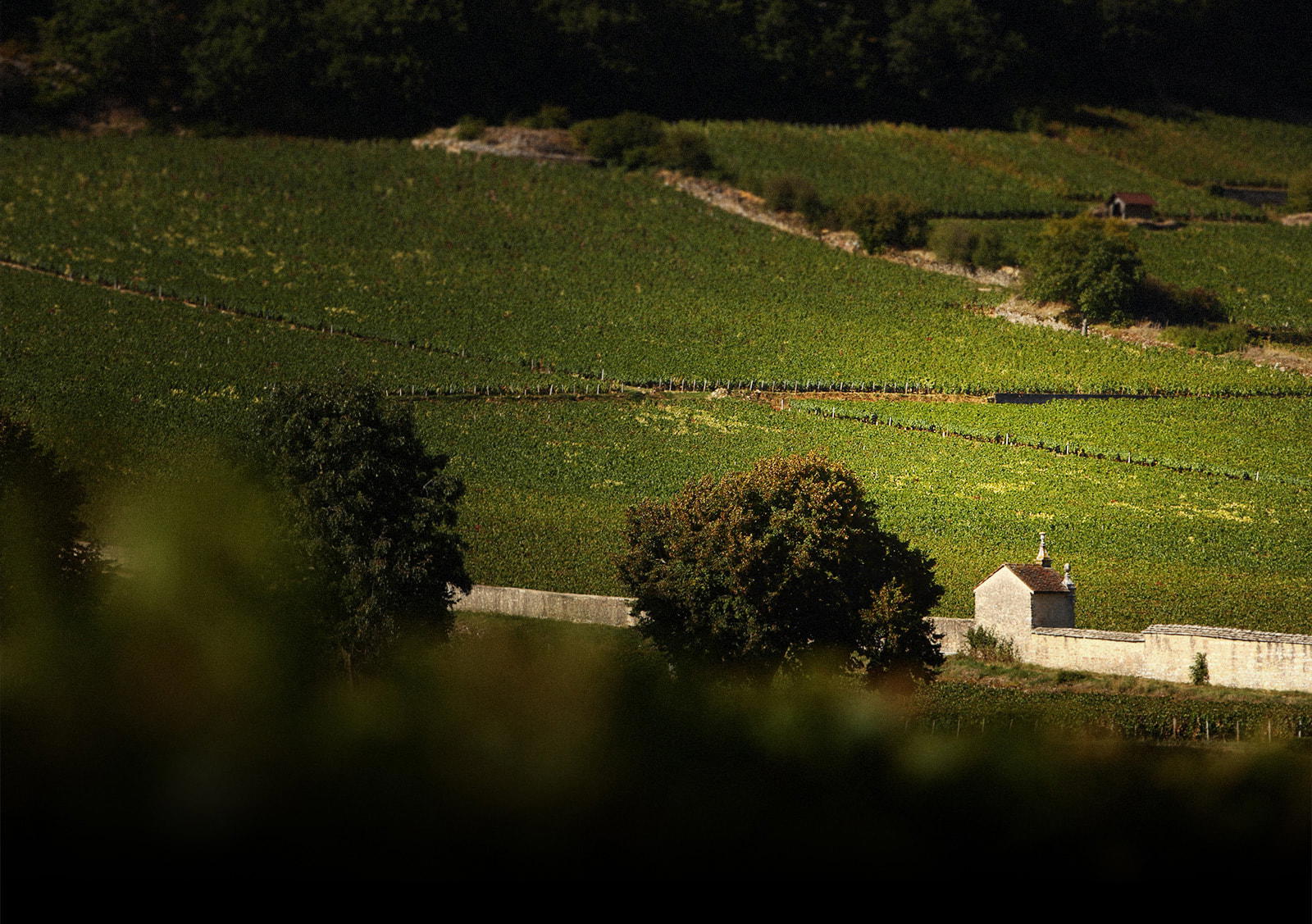
Cistercian monasteries were sited with deliberate attention to water, light, and agricultural utility. The 17-acre grounds at La Bussière-sur-Ouche carry that logic forward in the form of a setting that reads as intentional without being manicured into abstraction. The surrounding Burgundian countryside, with its characteristic mix of limestone, woodland, and vine-covered hillsides, provides the context that makes the property coherent. This is a region where landscape and gastronomy have been intertwined for long enough that the connection no longer requires explanation; it is simply present in the soil, the wine, and the kitchen.
The scale of the grounds also contributes to an acoustic quality that distinguishes this category of property from urban luxury hotels. Seventeen acres of monastic grounds absorb the ambient noise of contemporary life in a way that a city property cannot replicate. For guests arriving from Paris, that silence is itself a form of amenity that the architecture produces without trying.
The Kitchen and the Taste of Burgundy
The Taste of Burgundy designation on the property's culinary program signals an orientation toward regional ingredient sourcing and traditional preparation methods rather than a globally inflected contemporary menu. In Burgundy, this is a meaningful commitment: the region's gastronomic identity is specific, deeply local, and highly codified, built around products like Charolais beef, Bresse poultry, Époisses cheese, and a wine tradition that demands a kitchen capable of pairing seriously. Properties in this category succeed or fail based on how honestly their restaurant interprets regional materials, not on how ambitious their technique appears. A kitchen focused on the Taste of Burgundy is making a statement about restraint and provenance that aligns with what the architecture already communicates.
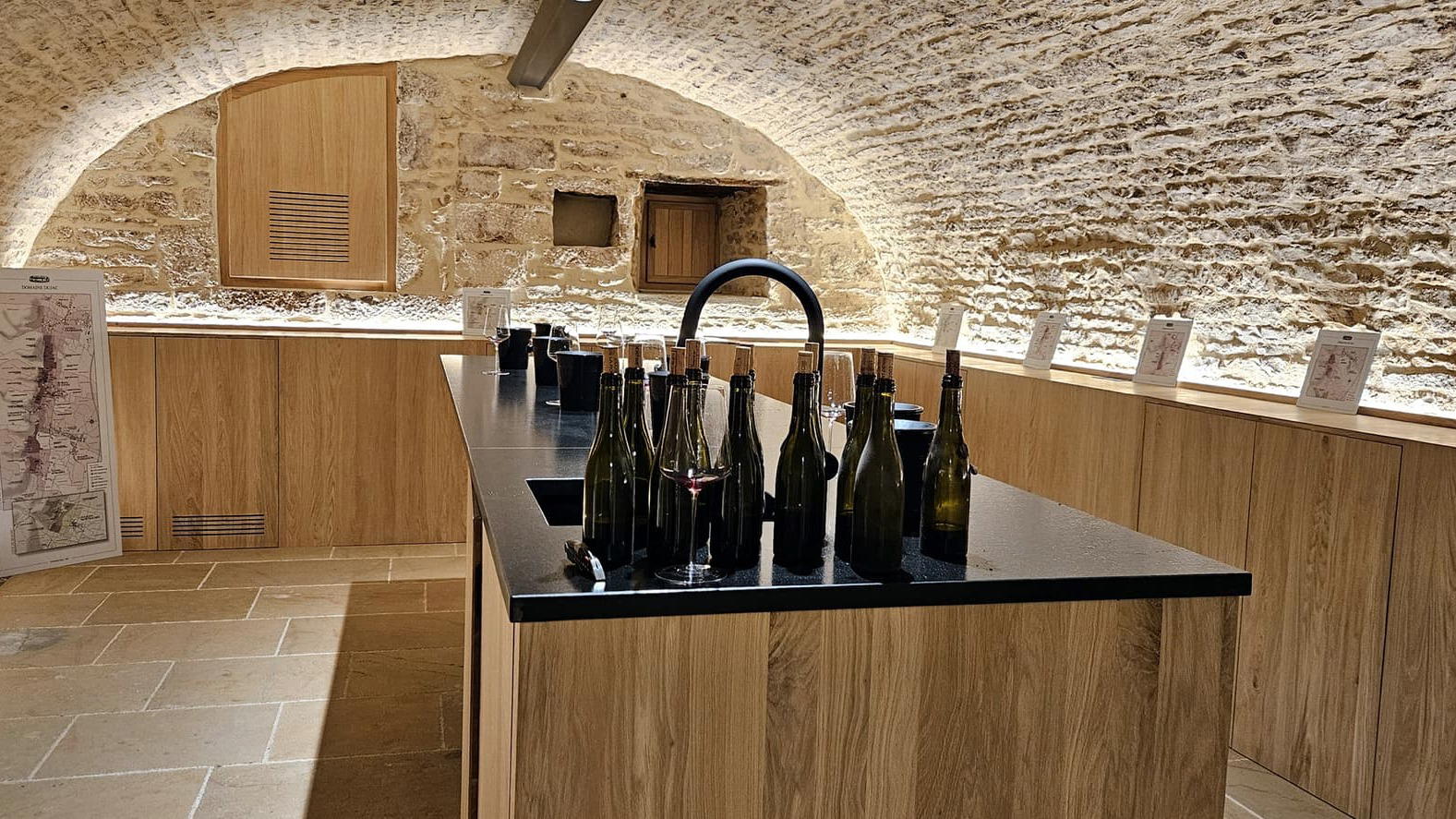
For guests planning around wine, the property's position in the Côte d'Or corridor puts the major appellations within reach. The villages of the Côte de Nuits and Côte de Beaune are accessible for day visits or extended tastings, which means the hotel functions as a genuine base for wine travel rather than a destination that happens to serve wine.
Planning a Stay: Timing, Access, and What to Know
One logistical point that requires attention: the hotel and restaurant observe an annual closure from 1 January 2026 through 31 March 2026. For guests considering a winter or early spring visit, this is a material constraint that affects planning significantly. The Burgundy region has its own seasonal rhythms tied to harvest, vine cycle, and the sparse but serious visiting season, and La Bussière-sur-Ouche is a small village that amplifies rather than buffers those rhythms. The open season, broadly from April through December, aligns with the periods when the grounds are at their most readable and the regional dining scene is fully active.
La Bussière-sur-Ouche sits southwest of Dijon, accessible from the A38 motorway. Dijon has direct TGV connections from Paris Gare de Lyon, and the drive from Dijon to the property is manageable for guests who prefer to arrive by rail and hire a vehicle locally. For guests drawing comparisons with wine-country properties elsewhere in France, the structural situation here resembles the positioning of Les Sources de Caudalie in Bordeaux or Château Lafaurie-Peyraguey in Sauternes: a property whose identity is inseparable from its wine-producing region, where the surrounding terroir provides the organizing logic for the stay. Our full La Bussière-sur-Ouche restaurants guide covers additional options in the area for guests planning a multi-day itinerary.
For context on the broader French château hotel category, the range of approaches is wide. At one end, properties like Château du Grand-Lucé in the Loire or Château de Montcaud in the Gard prioritize period restoration and formal garden settings. At the other, properties like Villa La Coste in Provence integrate contemporary art programs into their framework. Abbaye de la Bussière sits in a distinct position: a working piece of medieval religious architecture, not a noble residence, which gives the experience a gravity and material authenticity that the château category rarely matches.
Recognition history
Dated appearances from independent guides and award organizations, with the underlying list record or original source where available.
Michelin Selected
Michelin
Relais Chateaux Award
Relais Chateaux
Continue exploring
More in La Bussière-sur-Ouche
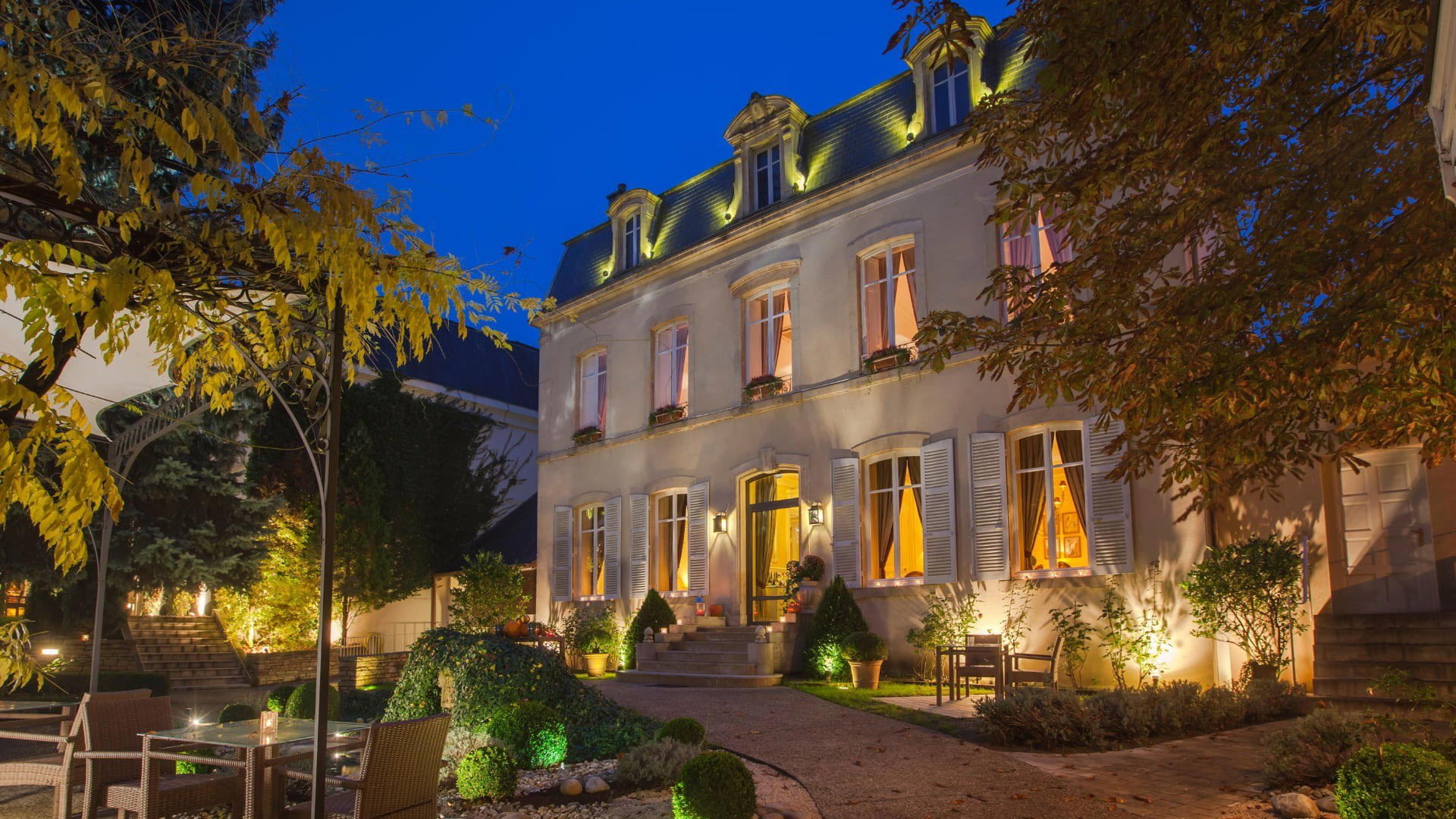
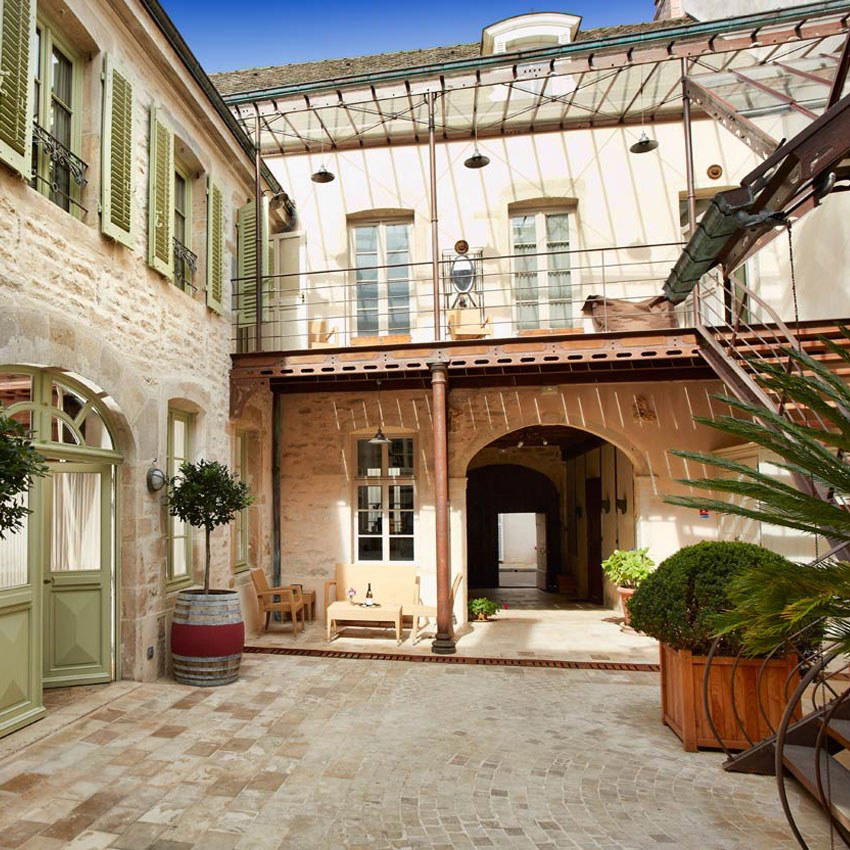
Hotels in La Bussière-sur-Ouche
Browse all →
Bars in La Bussière-sur-Ouche
Browse all →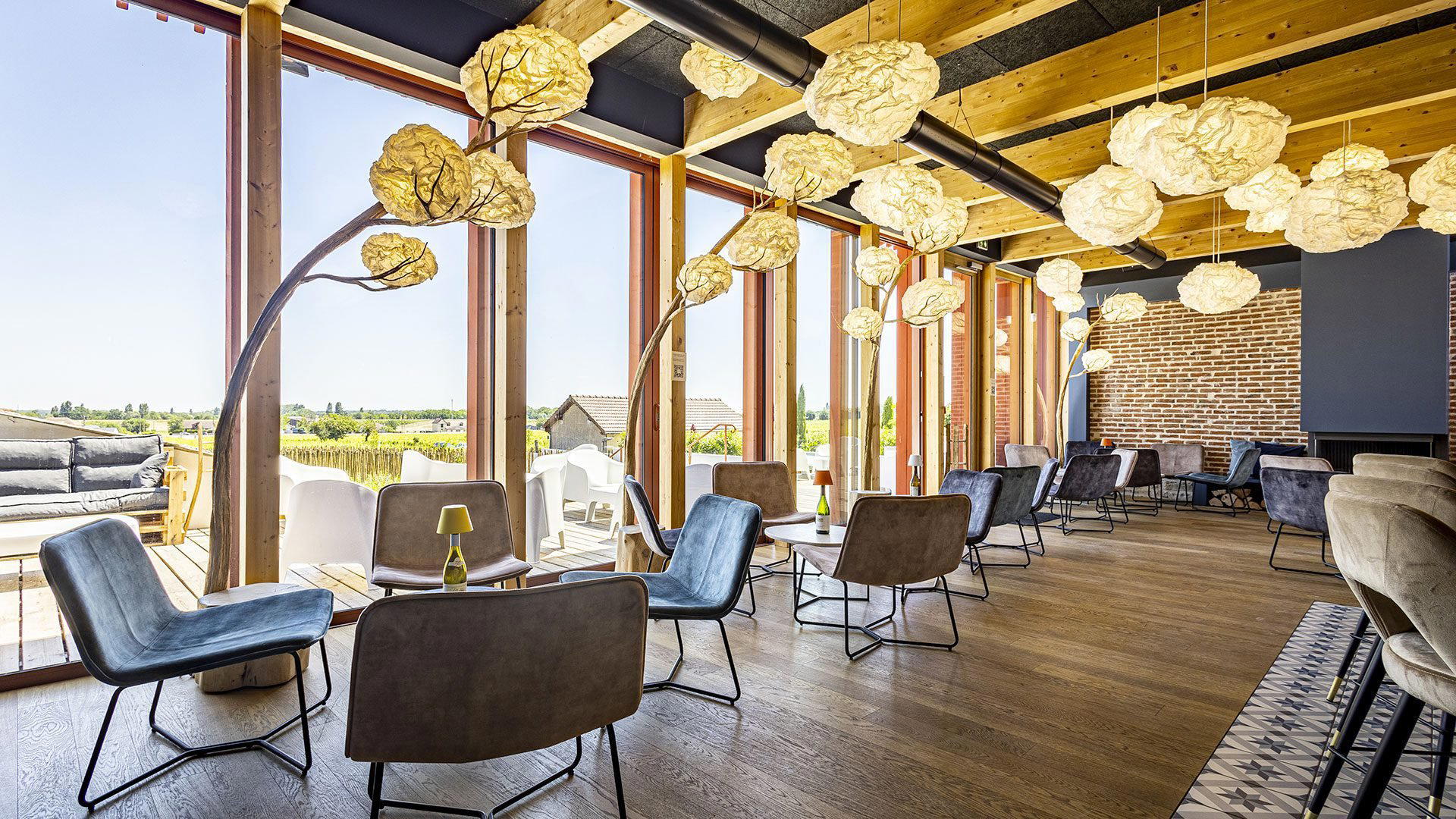
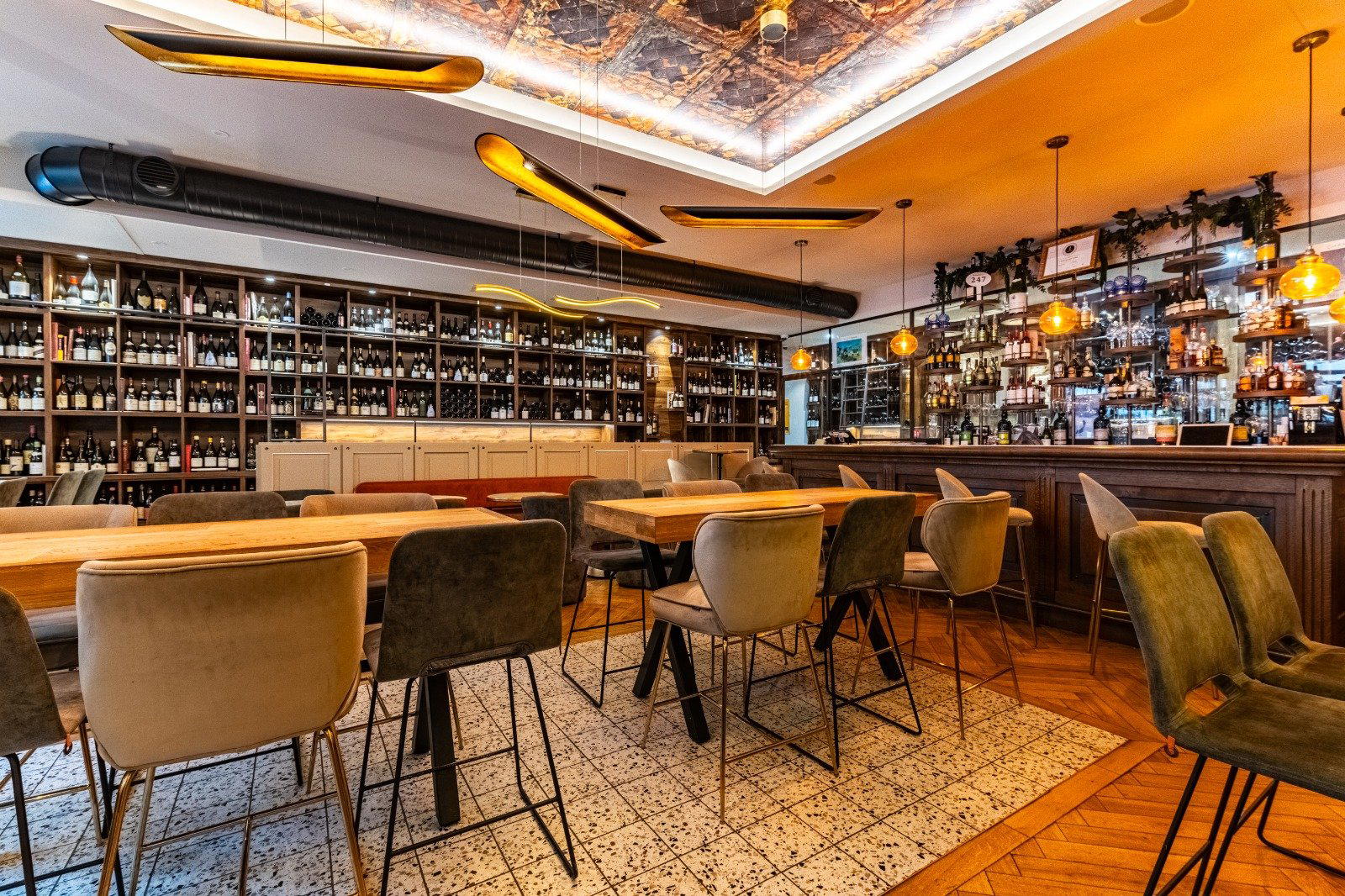

Restaurants in La Bussière-sur-Ouche
Browse all →
At a Glance
- Romantic
- Quiet
- Elegant
- Rustic
- Scenic
- Cozy
- Sophisticated
- Ornate
- Romantic Getaway
- Honeymoon
- Anniversary
- Weekend Escape
- Historic Building
- Garden
- Terrace
- Wi Fi
- Pool
- Hot Tub
- Spa
- Room Service
- Concierge
- Restaurant
- Bar
- Bicycle Rental
- Garden
- Meeting Rooms
- Garden
- Wi Fi
- Pool
- Hot Tub
- Spa
- Room Service
- Concierge
- Restaurant
- Bar
- Bicycle Rental
- Garden
- Meeting Rooms
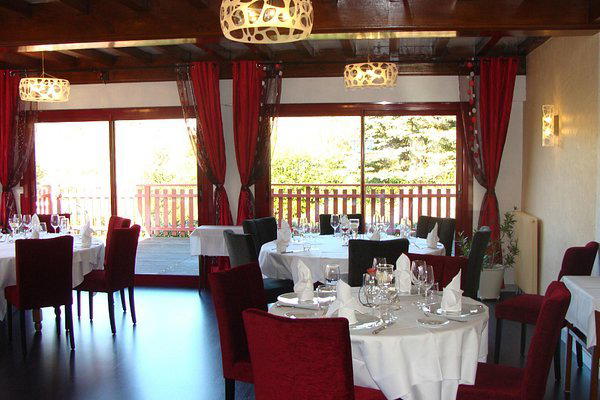
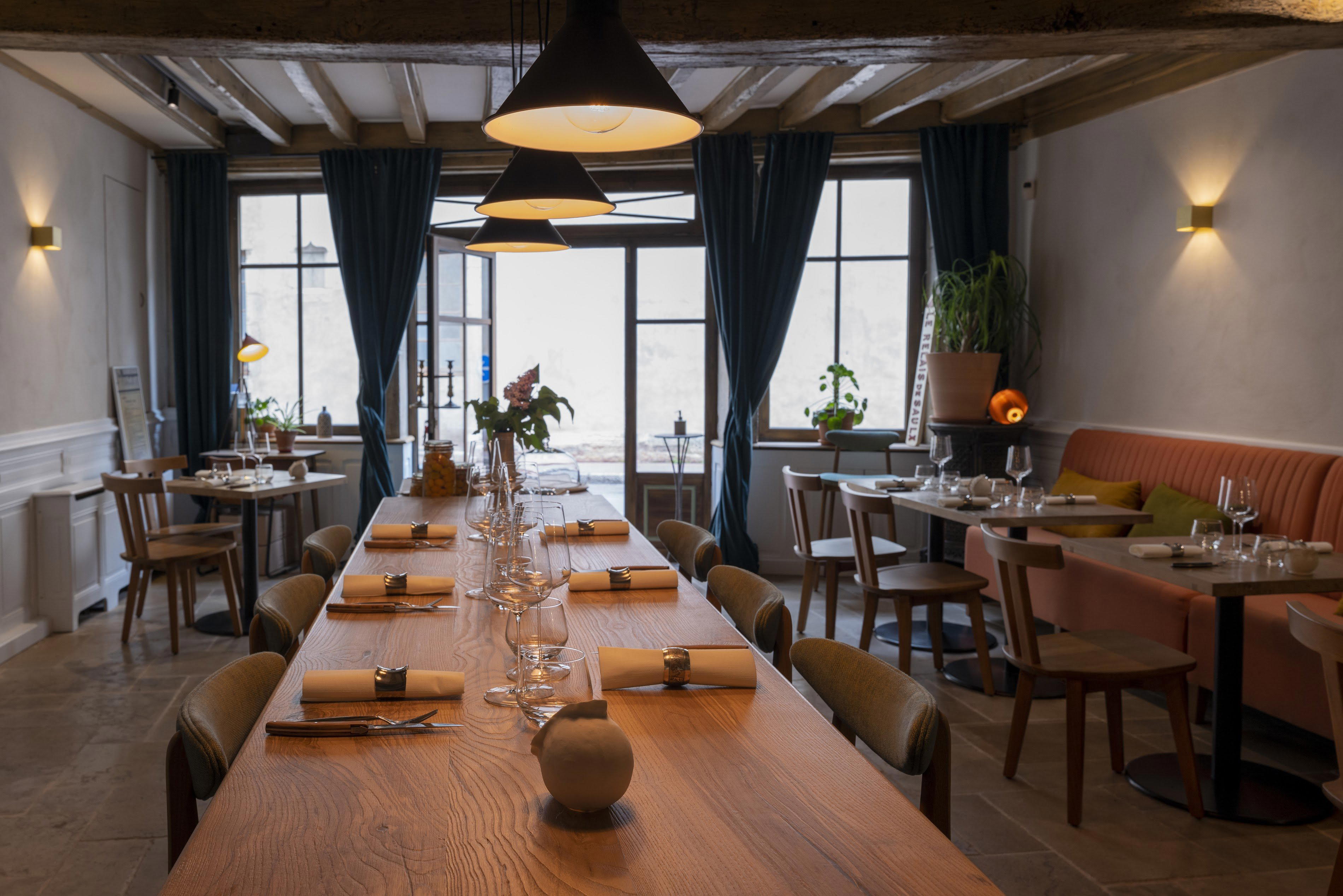
Tranquil and elegant atmosphere with beautiful interiors featuring antique furnishings, fine fabrics, and well-kept gardens evoking peaceful monastic history.
Know Before You Go
- Getting there
- D33, 21360 La Bussière-sur-Ouche