
Set in the rural Hainaut commune of Moulbaix, L'Orangerie de Moulbaix holds a Michelin Plate recognition for 2024 and 2025, signalling consistent kitchen standards within Belgium's French fine-dining circuit.
Pearl is the En Primeur Club membership app — saves, bookings, and concierge access live there. Same editors, same standards.
- Address
- Pl. Henri Stourme 1, 7812 Ath, Belgium
- Phone
- +32 68 80 01 33
- Website
- orangeriemoulbaix.be
- Directions
- Get directions
 Saves & bookings on Pearl
Rural Hainaut and the French Table
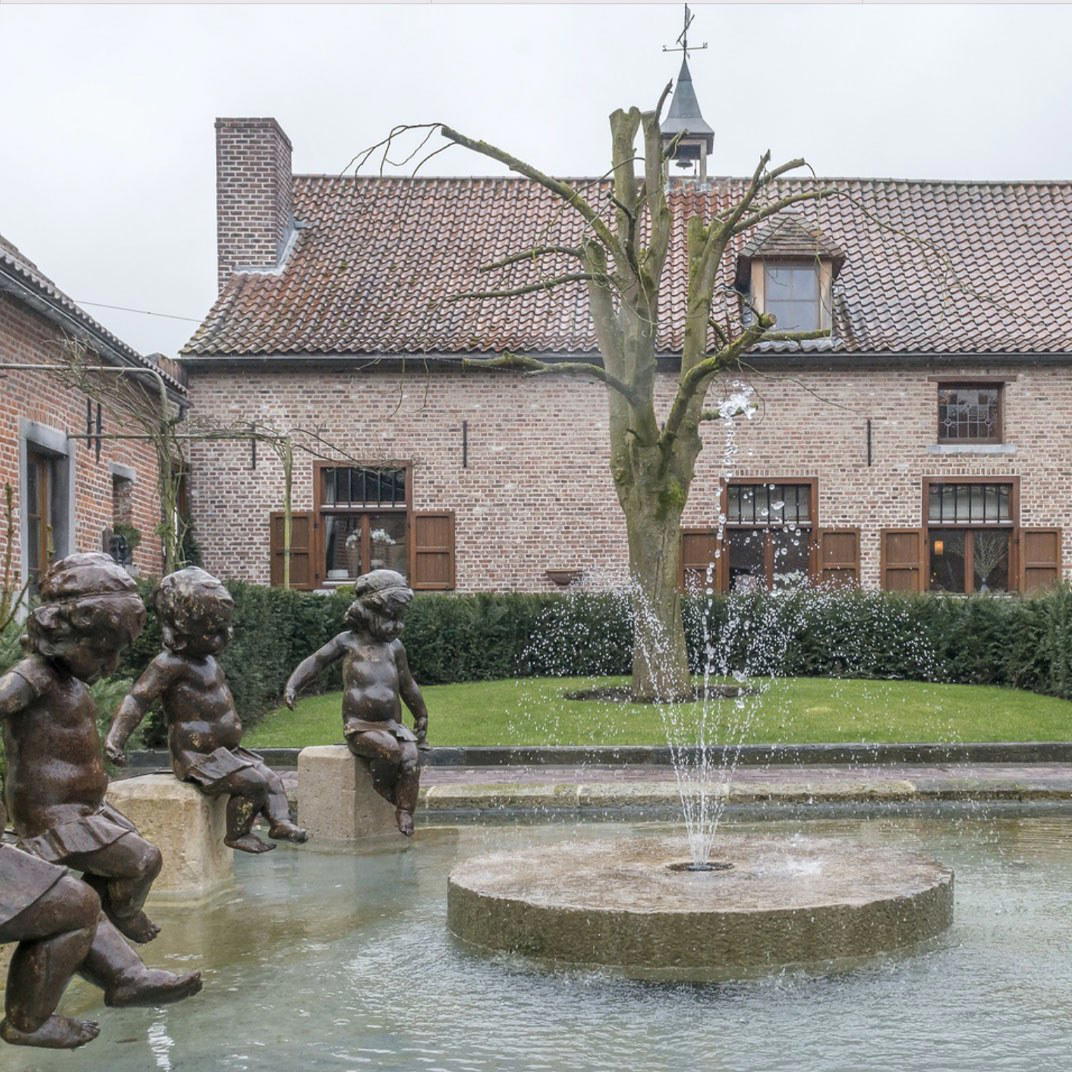
L'Orangerie de Moulbaix is a restaurant in Ath, Belgium, serving French brasserie cuisine at a €€€ price point. The land is flat and agricultural, with village squares that feel unhurried in a way that Brussels or Liège do not. It is precisely this context that makes a place like L'Orangerie de Moulbaix legible: classical French cooking planted in a farming region has a logic to it, a connection between what grows nearby and what lands on the plate. The address at Place Henri Stourme in Moulbaix is the kind of setting where the dining room is the event, not a stop between other events.
Belgium's French fine-dining scene fragments along a clear axis. At one end sit the high-capital, destination-grade tables: three-Michelin-star operations like Boury in Roeselare or two-star contemporaries such as Castor in Beveren and Cuchara in Lommel, all operating at €€€€ price points with kitchens that attract international press. At the other end sit the honest regional tables, where the cooking is disciplined and the ambition is about consistency rather than spectacle. L'Orangerie de Moulbaix occupies the latter position, at a €€€ price point and with Michelin Plate recognition in both 2024 and 2025, the Guide's marker for cooking that meets a quality threshold without the additional layers of innovation or technical complexity that stars require.
What the Michelin Plate Signals Here
The Michelin Plate, introduced formally in recent editions, is often misread. It is not a consolation prize below the star tier; it is a quality certification for restaurants cooking well within a defined register. For a French brasserie in this setting, that register is classical: sauces built from proper stocks, proteins handled with attention to temperature and resting, a wine list that supports rather than competes with the food.
Belgium has a deep tradition of French-rooted classical cooking that operates at this tier, away from the urban restaurant press. Tables like d'Eugénie à Emilie in Baudour, also in the Hainaut corridor, demonstrate that the province sustains an appetite for precise, unhurried French meals grounded in the agricultural output of the surrounding region. Hainaut's soil produces vegetables, grain, and livestock that feed both domestic tables and the kitchen economy of northern France across the border, a provenance chain that classical French cooking has always known how to use.
Terroir and the French Plate in Wallonia
The editorial angle of terroir is worth pressing here, because it explains something about why restaurants at this price level and in this geography can sustain quality without the resources of a destination-grade operation. When the supply chain is short, local farms, regional producers, seasonal calendars that mirror what is actually growing within a short radius, the kitchen's job shifts from sourcing logistics to technique. Wallonia's agricultural profile, which includes cattle farming in the Condroz and Ardenne, heritage vegetable varieties cultivated by small growers, and proximity to French regional markets across the border in Nord-Pas-de-Calais, gives a classically trained kitchen meaningful material to work with.
For comparison, the French tradition at its most terroir-conscious operates on exactly this principle at tables far from cities, Hôtel de Ville in Crissier built its reputation over decades on the interplay between Swiss-French agricultural produce and classical technique. The scale is different, but the logic is the same: proximity to good produce, applied through disciplined French method, produces a specific kind of meal that urban restaurants with complex supply chains can rarely replicate.
Placing L'Orangerie in the Belgian Fine-Dining Map
Belgium's serious restaurant circuit is well documented. The three-Michelin-star tier includes Hof van Cleve in Kruishoutem, and the creative-Flemish current runs strongly through kitchens like De Jonkman in Sint-Kruis and Willem Hiele in Oudenburg. Urban anchors like Zilte in Antwerp and Bozar Restaurant in Brussels operate in a different register entirely, shaped by metropolitan clientele and cultural programming. The restaurant is not in competition with any of these. It sits in a quieter category: the serious French provincial table that a certain kind of traveller specifically seeks out, where the absence of spectacle is itself the point.
That category has historical depth in Belgium. Wallonia in particular has long maintained French-language culinary traditions that operate at a remove from the Flemish creative wave that drew much of the international attention in the 2010s and 2020s. Tables like L'Air du Temps in Liernu and L'Effervescence in Tokyo, the latter a French-inspired kitchen that demonstrates how far Belgian culinary influence travels, represent different points on a wide spectrum. L'Orangerie operates at the more grounded end: local, classical, consistent.
Planning Your Visit
The restaurant sits at Place Henri Stourme 1 in Moulbaix, within the municipality of Ath in Hainaut province. Ath is accessible by train from Brussels in under an hour, and the drive from Tournai takes roughly 20 minutes. For those building a wider Hainaut itinerary, the area supports a full day's exploration. At €€€ pricing, expect a serious lunch or dinner.
Comparable Venues
Comparable venues nearby, for context on price, style, and recognition.
| Venue | Cuisine | Price | Awards | Notes |
|---|---|---|---|---|
| L'Orangerie de MoulbaixThis venue — the venue you are viewing | French Brasserie | $$$$ | Michelin Plate | Not listed |
| Auberge de Herborist | Creative Farm-to-Table Fine Dining | $$$$ | Michelin Plate | Sint-Andries |
| Goesepitte 43 | Modern Franco-Belgian Bistronomy | $$$$ | Michelin Plate | Belfort Hallen |
| Restaurant Rollier | French Cuisine with Asian Influences | $$$$ | Michelin Plate | Sint-Amands |
| Tablàvins | Modern Franco-Belgian Bistro | $$$$ | Not listed | Knokke |
| Lin’eau | Modern French | $$$$ | Michelin Plate | Sint-Baafs-Vijve |
Recognition history
Dated appearances from independent guides and award organizations, with the underlying list record or original source where available.
Michelin Plate
Michelin
Michelin Plate
Michelin
Michelin Plate
Michelin

At a Glance
- Elegant
- Classic
- Scenic
- Sophisticated
- Date Night
- Business Dinner
- Special Occasion
- Terrace
- Historic Building
- Garden
- Extensive Wine List
- Vineyard
- Garden
Current opening hours
- Monday
- Closed
- Tuesday
- Closed
- Wednesday
- 12–2:30 PM, 7–10:30 PM
- Thursday
- 12–2:30 PM, 7–10:30 PM
- Friday
- 12–2:30 PM, 7–10:30 PM
- Saturday
- 12–2:30 PM, 7–10:30 PM
- Sunday
- 12–2:30 PM, 7–10:30 PM
Hours can change for holidays and private events. Last verified .
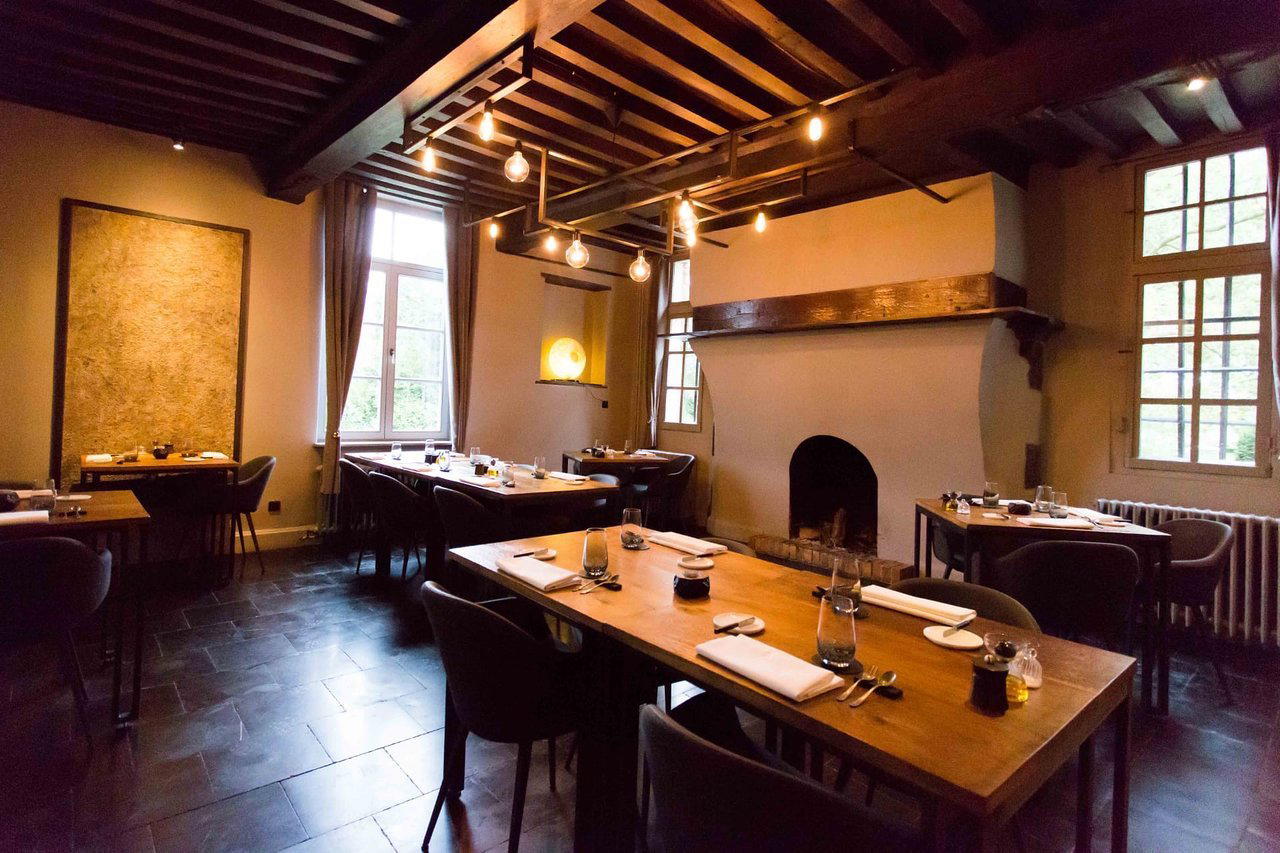
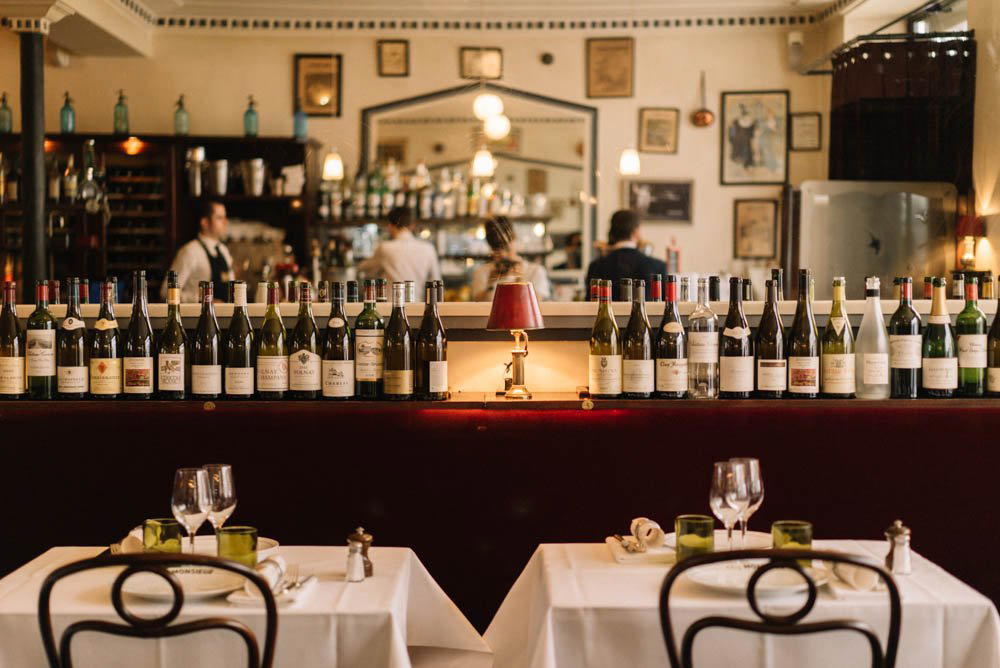
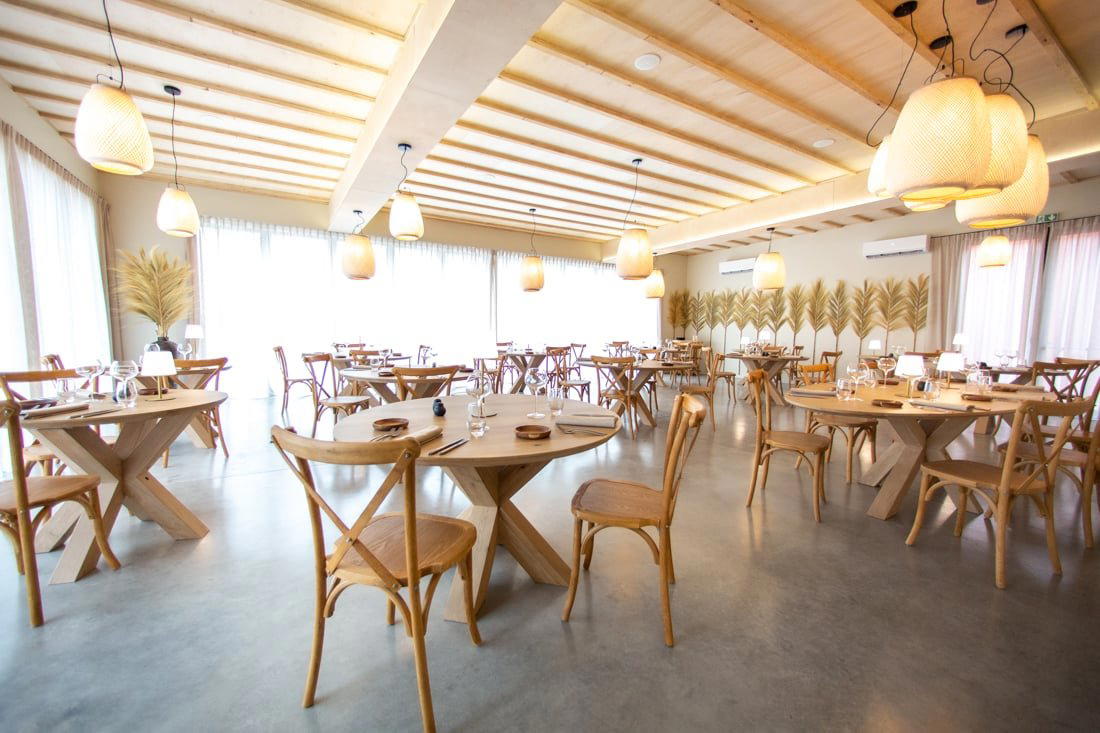
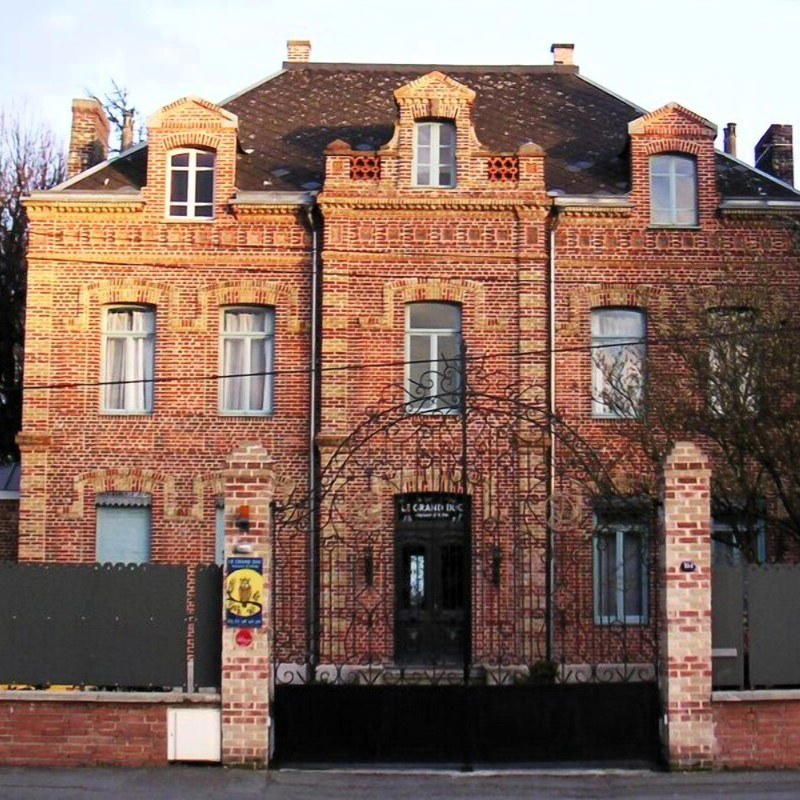
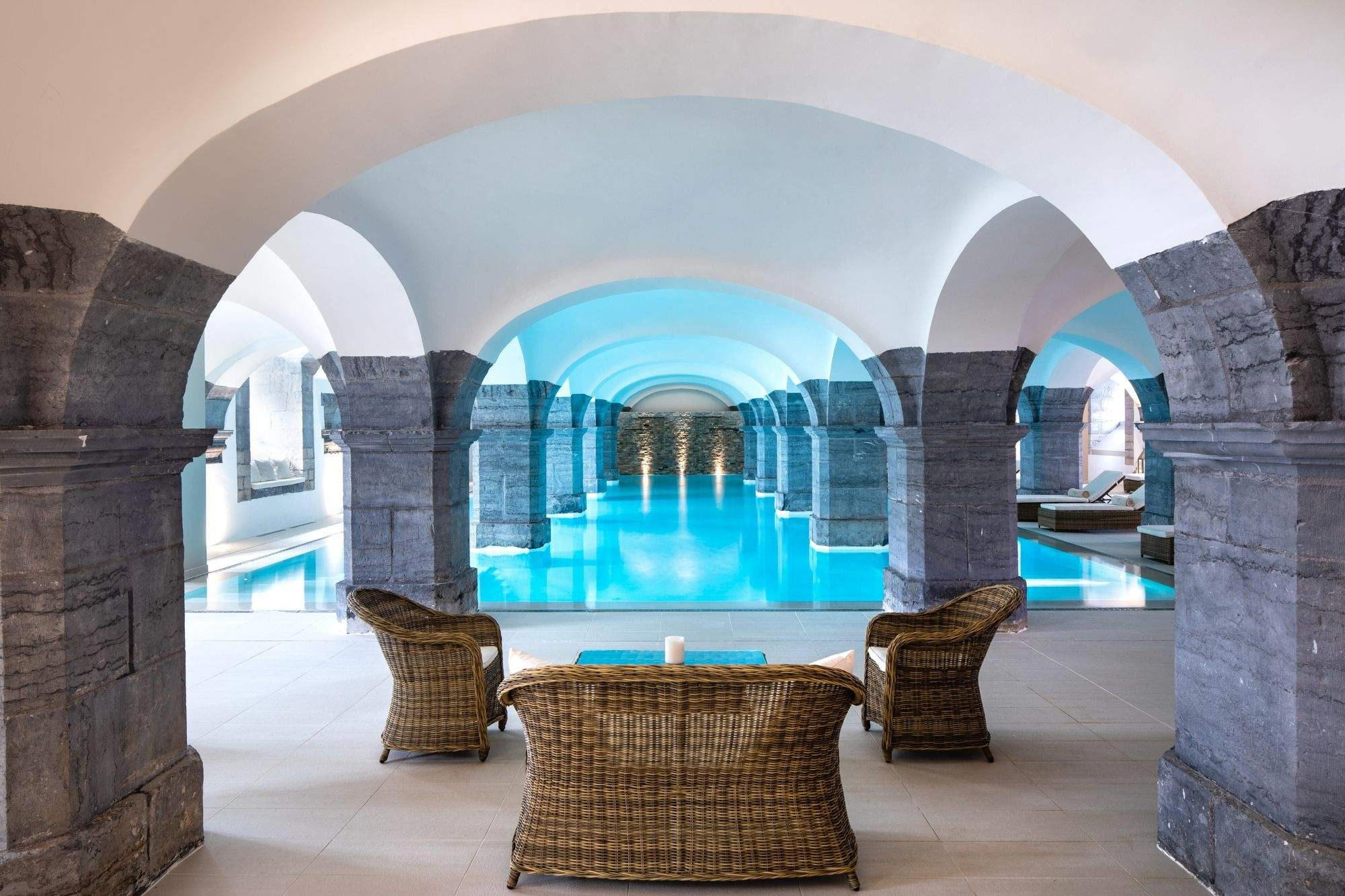
Bright, airy, and luminous space blending old and new in a peaceful, rustgevend setting amid vineyards.