Auberge de Herborist

Michelin Plate
Our verdict
Auberge de Herborist sits along De Watermolen in the quiet Zedelgem fringe of Sint-Andries, holding a Michelin Plate in both 2024 and 2025 for farm-to-table cooking that keeps ingredient provenance at the centre of every decision. The setting reads more rural auberge than city restaurant, and the kitchen's commitment to sourcing places it in a small but growing cohort of West Flemish tables that treat the surrounding agricultural region as the menu itself.

Pearl is the En Primeur Club membership app, where members save venues, book tables and use the concierge.
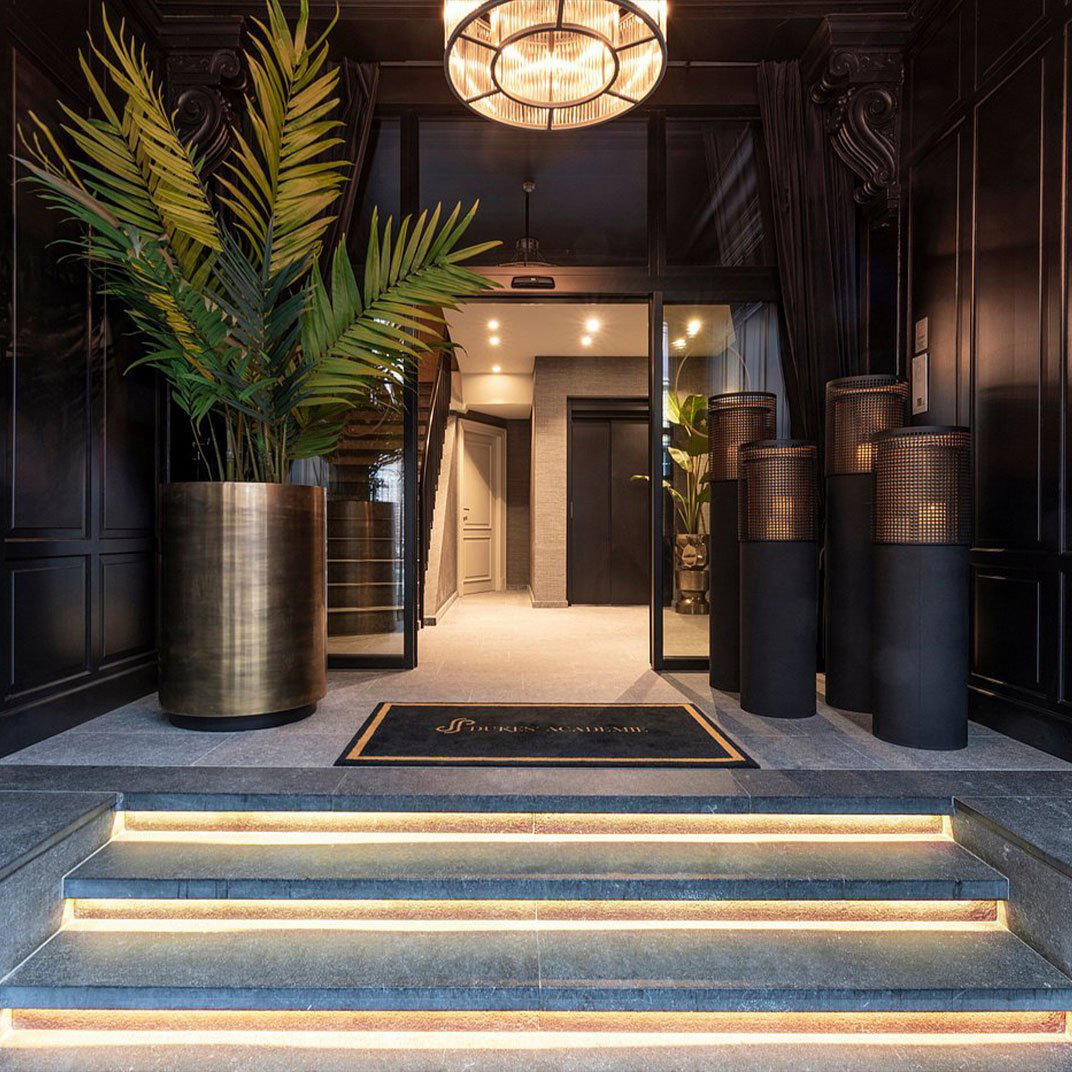
Where the Polders Meet the Plate
There is a particular kind of restaurant that makes its address an argument. Auberge de Herborist, on De Watermolen in Zedelgem on the quiet outer edge of Sint-Andries, is one of them. Arriving here, you are not in a city dining room; you are in the agricultural corridor that runs between Bruges and the coast, where waterways cut through flat green fields and the surrounding countryside makes an immediate case for what will appear on the table. The physical approach does much of the communication before a single dish arrives.
This matters because farm-to-table cooking, as a category, has become one of the most abused labels in European dining. At one end of the spectrum are city restaurants that gesture at provenance through a menu footnote; at the other are kitchens that genuinely organise their cooking around what the surrounding land produces and when. Auberge de Herborist operates closer to the latter end of that spectrum, and its Zedelgem address is not incidental to that positioning. West Flanders is not just scenic backdrop; it is one of Belgium's most productive agricultural zones, with a long tradition of market gardening, dairy, and freshwater cultivation that gives a kitchen serious raw material to work with.
Ingredient Sourcing as Editorial Statement
The farm-to-table format in West Flanders carries specific logic that distinguishes it from the same label applied in, say, Brussels or Antwerp. Urban farm-to-table operations typically source regionally and present that sourcing as a differentiator. In a location like Zedelgem, proximity to production is structural rather than aspirational. The farms, market gardens, and waterways are within the immediate radius. What the kitchen offers is shaped by what the region can actually yield in a given season, which means the menu is answerable to the agricultural calendar in a direct way that longer supply chains rarely produce.
This approach places Auberge de Herborist in a cohort of Belgian restaurants rethinking what regional cooking can mean when sourcing discipline is applied at the level of proximity. Willem Hiele in Oudenburg has pushed this further than almost anyone else on the Flemish coast, treating the North Sea and its immediate hinterland as a closed sourcing loop. De Jonkman in Sint-Kruis and Bartholomeus in Heist represent different inflections of the same West Flemish commitment to place-driven cooking. Auberge de Herborist sits within this broader regional pattern, though at the €€€ price tier rather than the €€€€ bracket occupied by most of its award-heavy peers.
That price differential is worth noting. In Belgium, the dominant mode of serious cooking remains within the €€€€ tier: Boury in Roeselare at three Michelin stars, Castor in Beveren at two, Cuchara in Lommel at two, De Jonkman in Sint-Kruis at two. The Michelin Plate, awarded to Auberge de Herborist in both 2024 and 2025, signals quality cooking without stars, and the €€€ positioning suggests a table that is accessible relative to its recognisable peers. That combination is relatively rare in this part of Flanders.
Michelin Recognition and What It Means Here
The Michelin Plate is not a star, but its two consecutive appearances on Auberge de Herborist's record (2024 and 2025) communicate something specific: the guide's inspectors have eaten here more than once and found consistently good food. In Michelin's own framing, a Plate denotes fresh ingredients prepared with care. In the context of a rural auberge format at the €€€ tier, that recognition positions the kitchen clearly above casual dining while remaining outside the starred ecosystem occupied by Hof van Cleve in Kruishoutem or Zilte in Antwerp.
At that volume, a 4.8 is not a statistical fluke; it reflects sustained execution and a consistent guest experience. Among farm-to-table tables in the Bruges-coast corridor, that combination of Michelin and public-facing consistency is a reliable indicator that the kitchen's sourcing ambitions translate into satisfying plates.
The Auberge Format in Belgian Context
Word auberge carries specific connotations in Belgian and northern French dining culture. It implies a table rooted in its locality, with a format closer to an extended lunch than a formal tasting progression, and a relationship to regional produce that precedes the contemporary farm-to-table marketing cycle by several decades. The leading Belgian auberges have always organised their kitchens around what the surrounding land delivers; the current vocabulary of provenance and seasonality is, for many of them, simply a description of what they have always done.
Auberge de Herborist fits that framing more naturally than a city restaurant adopting farm-to-table as a positioning strategy. Its address on De Watermolen in Zedelgem, away from the competitive urban restaurant cluster of Bruges itself, is consistent with an operation whose identity is genuinely tied to the agricultural character of its location rather than to the foot traffic of a city centre. For a broader picture of what Sint-Andries and its surroundings offer, our full Sint-Andries restaurants guide covers the range from this tier to the higher end, and Floris (Modern French) represents the area's more French-leaning formal dining option.
For those comparing farm-to-table formats further afield, Au Gré du Vent in Seneffe and BOK Restaurant in Münster offer instructive points of reference for how the format operates across different regional contexts. The Bozar Restaurant in Brussels and d'Eugénie à Emilie in Baudour round out a picture of Belgian fine dining across its different registers and price tiers.
Planning Your Visit
Auberge de Herborist is at De Watermolen 15, 8200 Zedelgem, which places it in the quiet residential and agricultural edge of the Sint-Andries area, more practically accessed by car than on foot from central Bruges. The €€€ pricing puts a meal here at a meaningful but not prohibitive spend relative to the starred Belgian tables in the region. Given the Michelin Plate recognition and the 4.8 Google average, booking ahead is advisable; this is not a table that depends on walk-ins. If you are building a wider West Flanders itinerary, our Sint-Andries hotels guide, bars guide, wineries guide, and experiences guide provide context for the broader area.
Frequently asked questions
Can I bring kids to Auberge de Herborist?
The auberge format at the €€€ price tier in Belgium typically accommodates families more comfortably than a formal tasting-menu environment would. Zedelgem's residential and agricultural setting reinforces that register, this is not a high-pressure city dining room. The farm-to-table focus, with its grounded, seasonal cooking recognised by Michelin's inspectors in 2024 and 2025, tends to suit a table that includes younger guests.
What's the vibe at Auberge de Herborist?
De Watermolen 15 in Zedelgem sets the tone before you sit down: flat West Flemish farmland, away from the retail and traffic of central Sint-Andries. Inside, the auberge format implies locality and informality over performance, closer to a working farm table than a destination restaurant. Two consecutive Michelin Plate listings signal that the kitchen is taken seriously, but the address and format keep the atmosphere grounded in rural Flanders rather than urban fine dining.
Does Auberge de Herborist have a Michelin star or similar recognition?
Auberge de Herborist has received recognition including: Michelin Plate (2025); Michelin Plate (2024).
What's the best thing to order at Auberge de Herborist?
Auberge de Herborist operates a farm-to-table kitchen, which means the seasonal and locally sourced dishes are the clearest expression of what the kitchen is doing at any given moment. Michelin's inspectors recognised that approach in both 2024 and 2025, awarding consecutive Plate listings, a signal that the cooking meets a consistent standard worth seeking out. Dishes tied directly to West Flemish producers and the surrounding agricultural area are where that recognition is best earned.
| Venue | Cuisine | Price | Awards | Notes |
|---|---|---|---|---|
| Auberge de HerboristThis venue (the venue you are viewing) | Creative Farm-to-Table Fine Dining | $100–150 | Michelin Plate | Not listed |
| Boury | Creative French Fine Dining | $300–500 | 3 Michelin Stars · La Liste Top Restaurants | Modern Frlemish, Creative French |
| Comme chez Soi | French - Belgian, Classic Cuisine | Not listed | Michelin 1 Star | Not listed |
| Hertog Jan at Botanic | Modern Japanese Omakase Fine Dining | Not listed | 2 Michelin Stars · La Liste Top Restaurants | Modern Flemish, Creative |
| L'Eau Vive | Modern French Fine Dining | $150–200 | 2 Michelin Stars · La Liste Top Restaurants | French, Modern French |
| La Durée | Modern French Fine Dining | $150–200 | 2 Michelin Stars · La Liste Top Restaurants | French-Belgian, Creative |
Recognition history
Dated appearances from independent guides and award organizations, with the underlying list record or original source where available.
Michelin Plate
Michelin
Full recognition history (3 entries)
Michelin Plate
Michelin
Michelin Plate
Michelin
Continue exploring
More in Sint-Andries
Restaurants in Sint-Andries
All restaurants in Sint-Andries →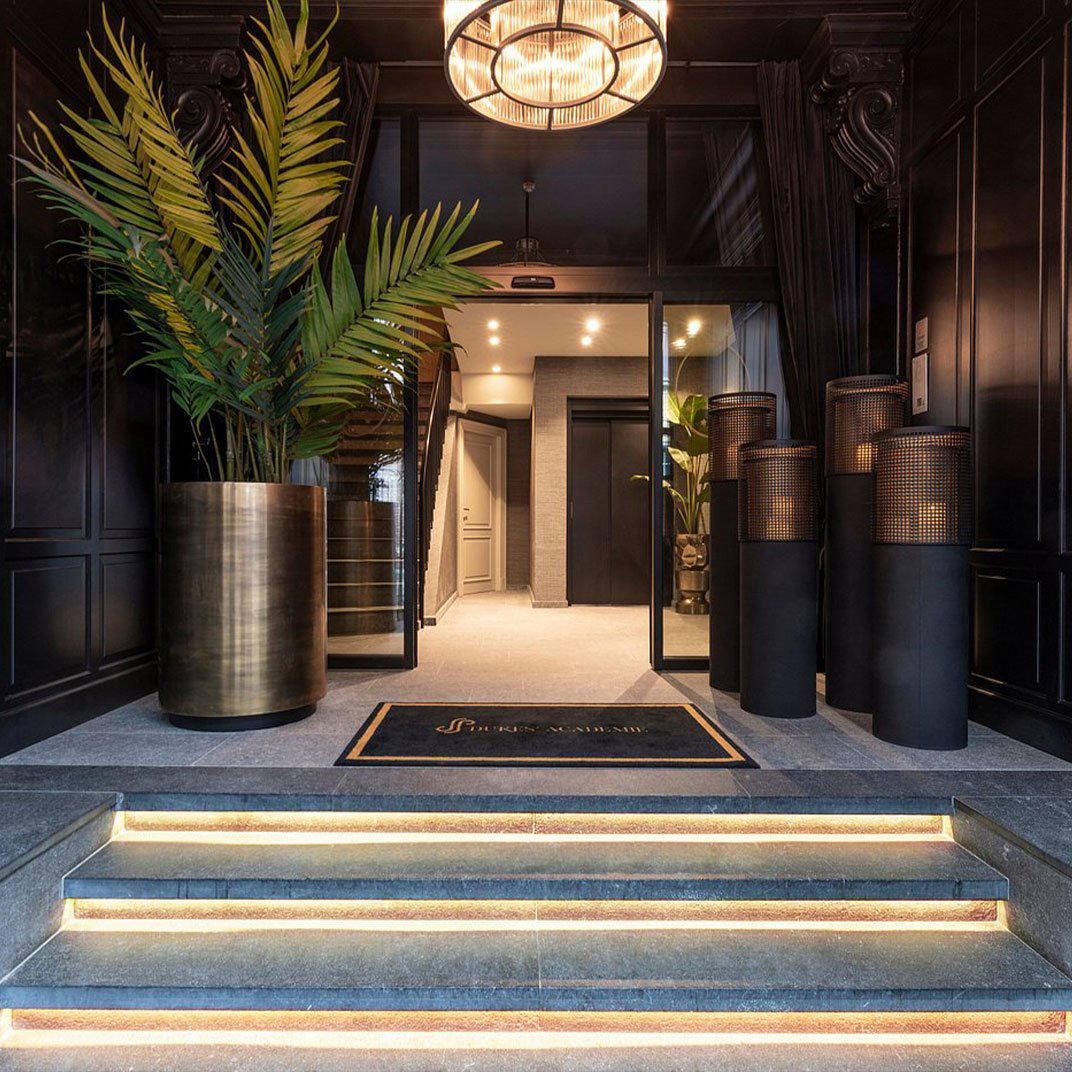
Bars in Sint-Andries
Browse all →
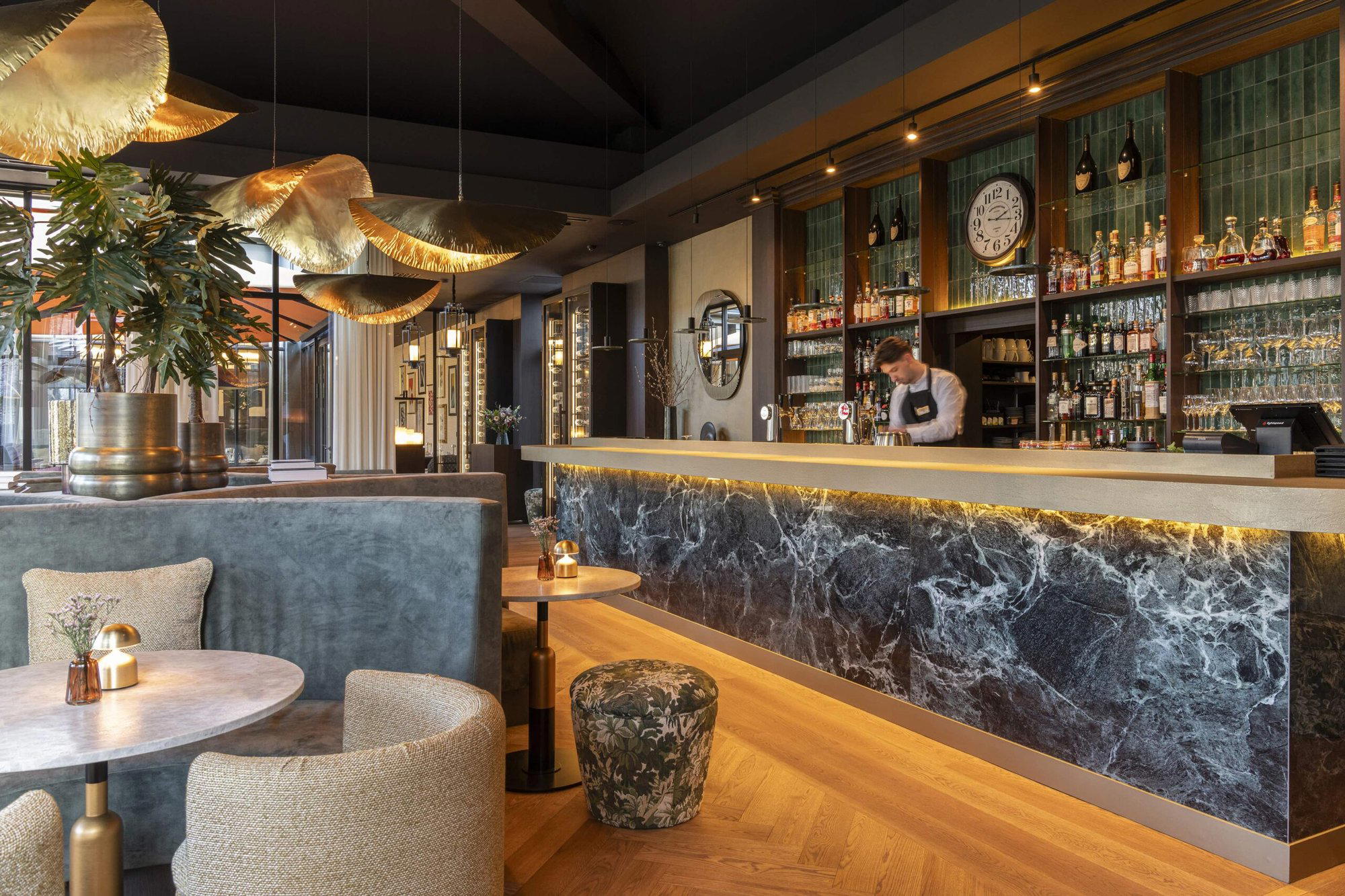
Hotels in Sint-Andries
Browse all →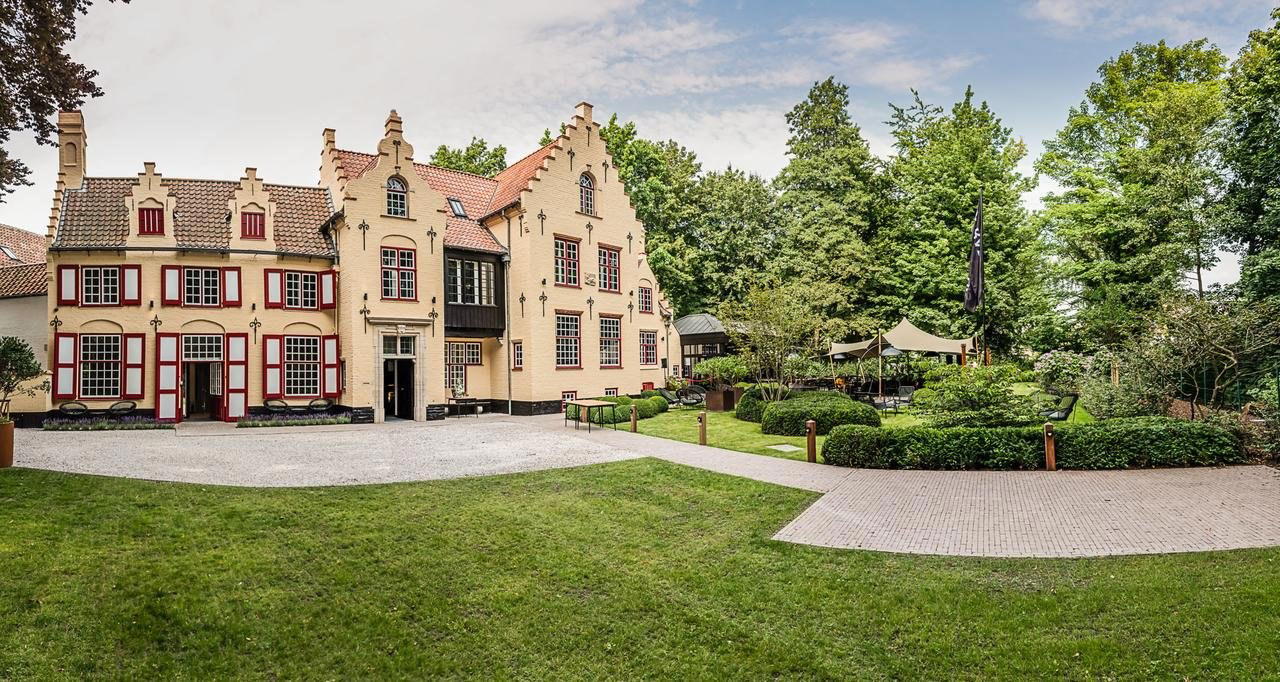
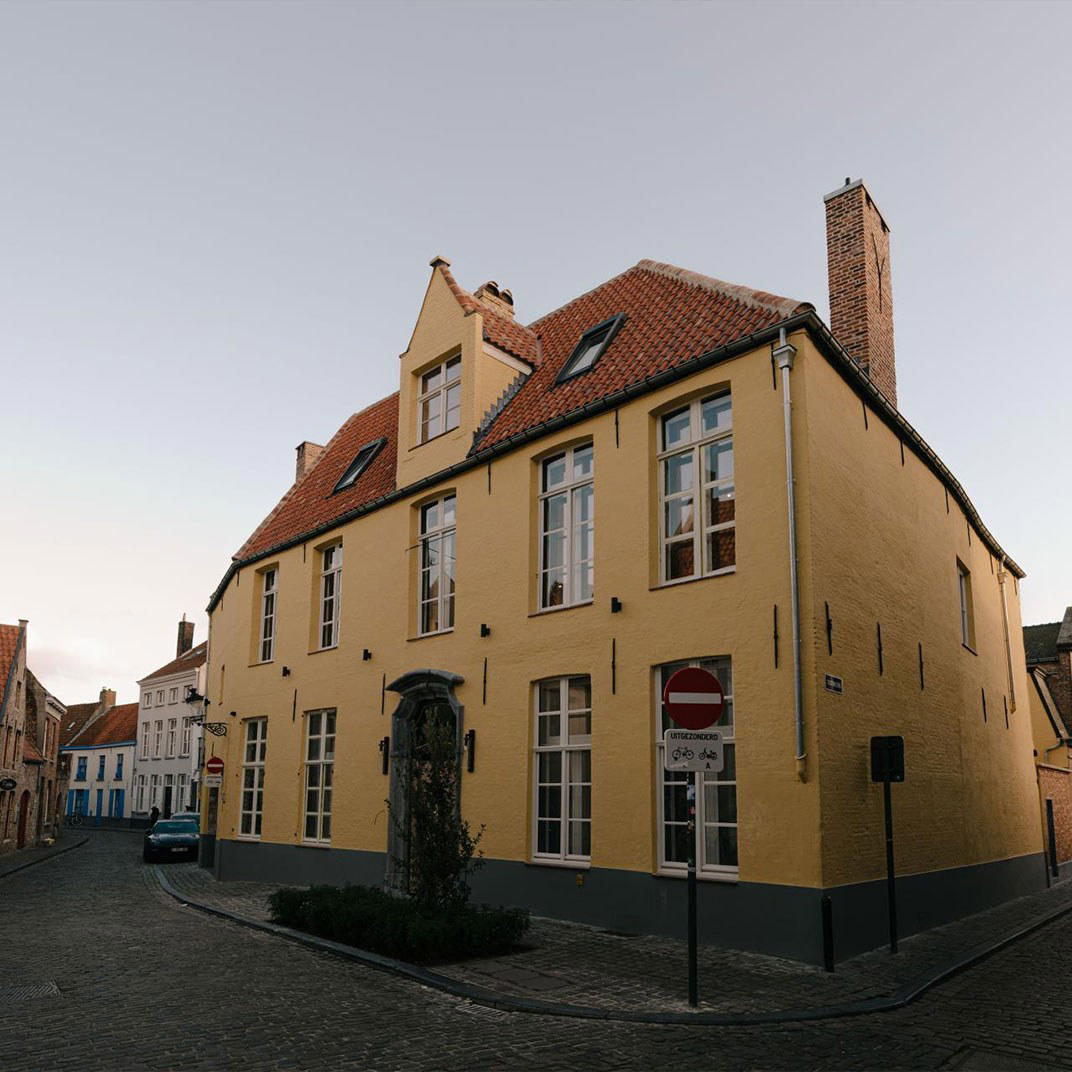
Wineries in Sint-Andries
Browse all →
Details
- Romantic
- Cozy
- Elegant
- Rustic
- Intimate
- Date Night
- Special Occasion
- Garden
- Open Kitchen
- Private Dining
- Extensive Wine List
- Sommelier Led
- Farm To Table
- Local Sourcing
- Garden
- Tasting Menu
- A La Carte
- Vegetarian Friendly
Current opening hours
- Monday
- Closed
- Tuesday
- Closed
- Wednesday
- 12–2 PM, 7–9 PM
- Thursday
- 12–2 PM, 7–9 PM
- Friday
- 12–2 PM, 7–9 PM
- Saturday
- 12–2 PM, 7–9 PM
- Sunday
- Closed
Hours can change for holidays and private events. Hours as of .
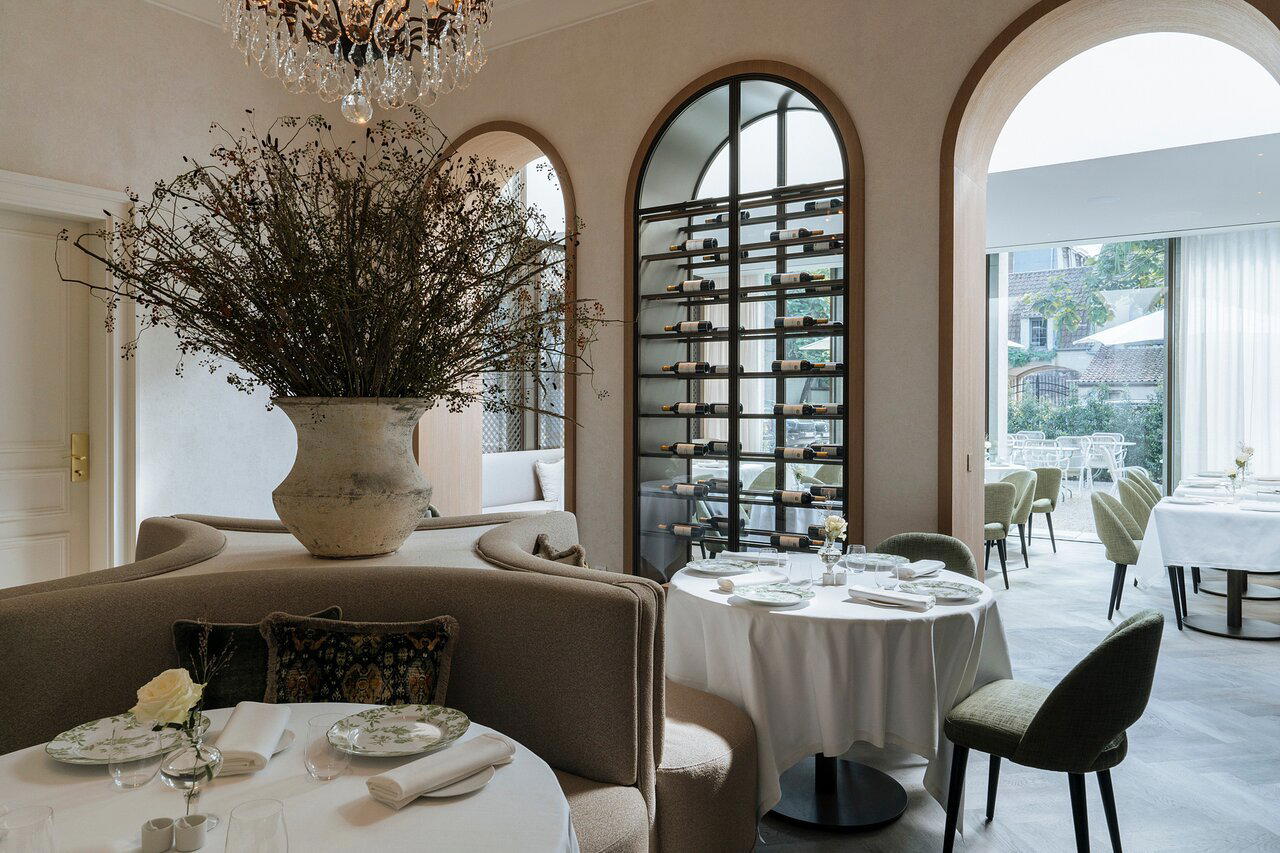
Serene and luxurious farmhouse atmosphere with pale woods, linen-draped tables, natural light, romantic open fireplace, and garden views from the patio and orangerie.