Restaurant Rollier

A Michelin Plate-recognised French restaurant in the quiet Scheldt-side village of Sint-Amands, Restaurant Rollier draws diners from across the Flemish countryside with classical French technique applied to regional produce. It occupies a clear position in Belgium's mid-tier fine dining tier: serious cooking in an unhurried setting, without the ceremony of a full tasting menu house.
Pearl is the En Primeur Club membership app — saves, bookings, and concierge access live there. Same editors, same standards.
- Address
- Emile Verhaerenstraat 14 a, 2890 Puurs-Sint-Amands, Belgium
- Phone
- +32 487 16 59 10
- Website
- restaurant-rollier.be
- Directions
- Get directions
 Saves & bookings on Pearl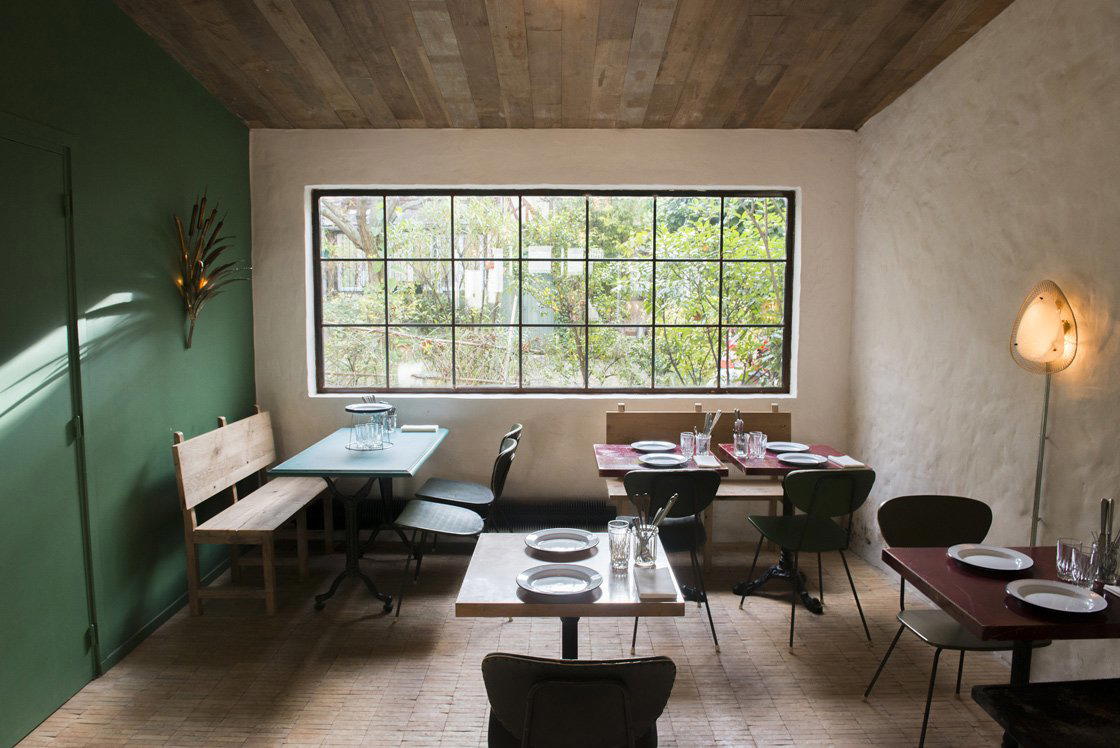
French Technique in the Flemish Polder
Sint-Amands sits on a bend of the Scheldt river roughly midway between Antwerp and Ghent, a village more associated with the symbolist poet Emile Verhaeren, whose grave overlooks the water, than with destination dining. That relative obscurity is precisely what shapes the proposition at Restaurant Rollier, which occupies an address on the street that bears Verhaeren's name. In rural Flanders, French-classical restaurants operating at this level tend to draw from a tight geographic radius of loyal regulars supplemented by deliberate pilgrims. The surrounding polders, with their flat agricultural land and river-estuary proximity, historically supplied Flemish kitchens with freshwater fish, lamb grazed on salt-touched meadows, and market-garden produce. A French-trained kitchen in this setting has direct access to that material and a culinary tradition that expects it to appear on the plate.
Belgium's position in European fine dining is often read through its Michelin density relative to population, which is among the highest on the continent. Within that context, the Michelin Plate, awarded to Rollier in both 2024 and 2025, is a specific signal: the inspectors are noting quality cooking that does not yet meet star criteria, or a kitchen that has chosen not to position itself in the full tasting-menu format that typically drives star accumulation. Consistent recognition across two consecutive years indicates a stable kitchen rather than a one-season spike. For comparison, the higher-priced Belgian French houses, Boury in Roeselare and L'Eau Vive in Arbre, both operate at €€€€ and carry star-level recognition. Rollier's €€€ pricing places it a bracket below that tier, which makes the Michelin acknowledgement more significant: it signals that the cooking punches above its price point.
Where Rollier Sits in the Belgian French Dining Map
Belgium's French-tradition restaurants cluster in two modes. The first is the grand urban address, exemplified by Bozar Restaurant in Brussels, where the dining room and the cultural institution around it are inseparable. The second is the countryside destination, a house that asks you to drive into the Flemish or Walloon interior, where the food is the entire point of the journey. Restaurant Rollier belongs to the second category, in a village that offers few competing distractions. That format has a long tradition in Belgium: the country's eating culture has always accommodated the idea of a serious meal as its own occasion, detached from urban activity.
Within Flanders specifically, the French classical approach has coexisted with the modern Flemish cooking championed by restaurants like Hof van Cleve in Kruishoutem. The distinction matters for understanding what Rollier represents. French technique applied to Belgian and regional ingredients is not a compromise position; it is, historically, how much of the country's leading cooking developed. The classical vocabulary, reductions, butter-based sauces, precise protein cookery, translates well to Scheldt-region produce, where the ingredients reward exactly that kind of treatment. Restaurants further afield, such as Zilte in Antwerp, apply comparable seriousness to seafood from the coastal and estuary regions. In that broader context, Rollier operates as a regional node in a network of serious Flemish and Franco-Belgian kitchens: Willem Hiele in Oudenburg, Bartholomeus in Heist, and Sir Kwinten in Sint-Kwintens-Lennik each anchor their own sub-region. For those building a longer itinerary, Ralf Berendsen in Neerharen, La Durée in Izegem, and d'Eugénie à Emilie in Baudour round out a picture of serious French-inflected cooking spread across the country's quieter addresses.
The Scheldt Corridor as Culinary Context
The Scheldt valley between Antwerp and Ghent is not a well-marketed food tourism corridor, which makes it useful to frame. The river's agricultural hinterland produces lamb, poultry, and root vegetables with the kind of local specificity that French classical technique was designed to handle. Proximity to Antwerp's port historically meant access to imported ingredients alongside regional ones, a combination that characterised Flemish bourgeois cooking for centuries. A French restaurant operating here is drawing on a layered provenance: the direct sourcing from the polders and river valley, and the longer cultural exchange between French culinary practice and Flemish material. That connection is more substantive than the decorative localism that sometimes appears in menu language at restaurants of this type.
In a village the size of Sint-Amands, a review base of that depth indicates repeat visitors and deliberate travellers rather than casual tourist traffic. The score is consistent with Michelin Plate positioning: broad approval without the divisive edge that sometimes accompanies more experimental cooking.
Planning a Visit
Sint-Amands is accessible by car from Antwerp in under 40 minutes and from Brussels in approximately 50 minutes, making Rollier viable as a lunch or dinner destination without requiring an overnight stay. That said, the village has its own character worth time: the Verhaeren museum and the Scheldt riverfront are both within walking distance of the restaurant's address on Emile Verhaerenstraat. The restaurant's €€€€ price tier places it above casual dining and into full fine-dining territory; expect a bill around $120 per person. Booking in advance is recommended. For those extending into the French dining tradition across borders, Hotel de Ville Crissier in Crissier and Sézanne in Tokyo represent the range that French classical cooking currently spans globally.
Fast Comparison
Comparable venues nearby, for context on price, style, and recognition.
| Venue | Cuisine | Price | Awards | Notes |
|---|---|---|---|---|
| Restaurant RollierThis venue — the venue you are viewing | French Cuisine with Asian Influences | $$$$ | Michelin Plate | Not listed |
| Colonel Louise | Modern French Steakhouse | $$$$ | Michelin Plate | Saint-Gilles |
| Caillou | Modern French Creative | $$$$ | Michelin Plate | Knokke-Heist |
| L'Orangerie de Moulbaix | French Brasserie | $$$$ | Michelin Plate | Moulbaix |
| Le Mont-à-Gourmet | Modern French-Belgian Fine Dining | $$$$ | Michelin Plate | Gouy-lez-Piéton |
| Dante | Modern French with Asian Influences | $$$$ | Michelin Plate | Haacht |
Recognition history
Dated appearances from independent guides and award organizations, with the underlying list record or original source where available.
Michelin Plate
Michelin
Michelin Plate
Michelin
Michelin Plate
Michelin
Continue exploring
More in Sint-Amands
Restaurants in Sint-Amands
Browse all →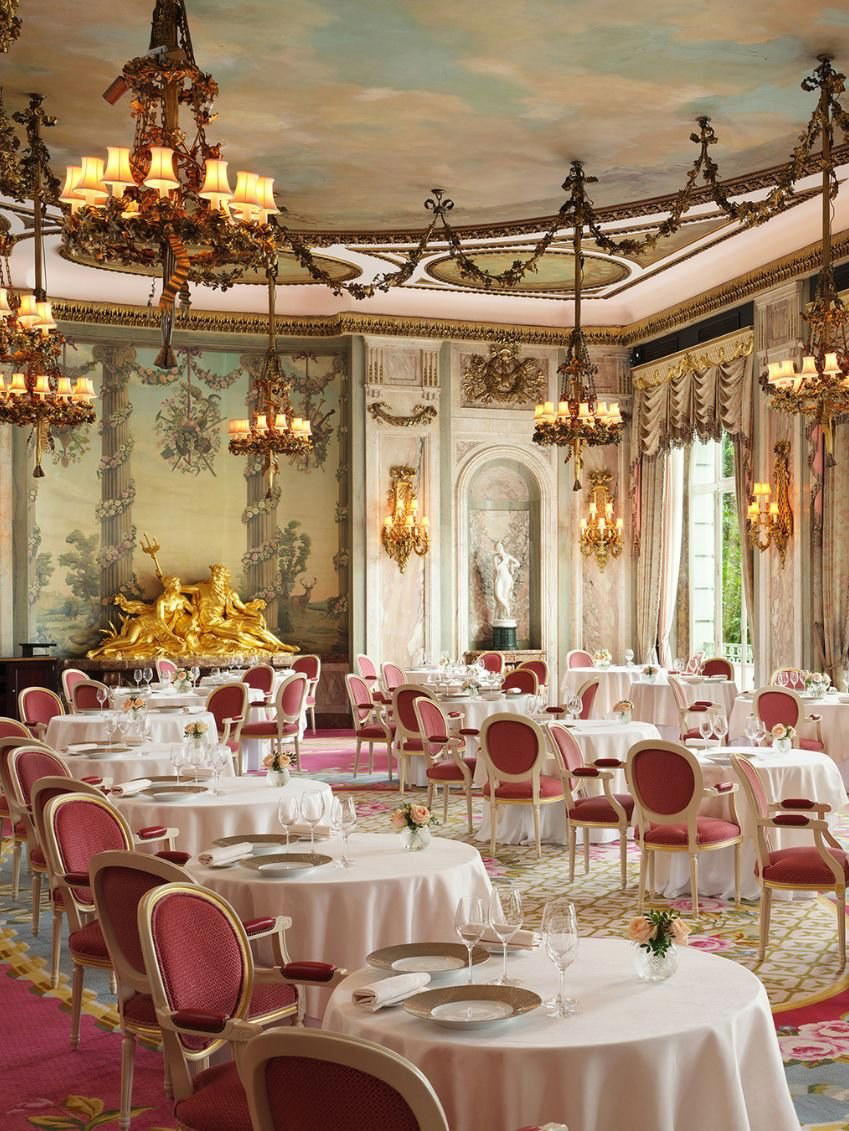
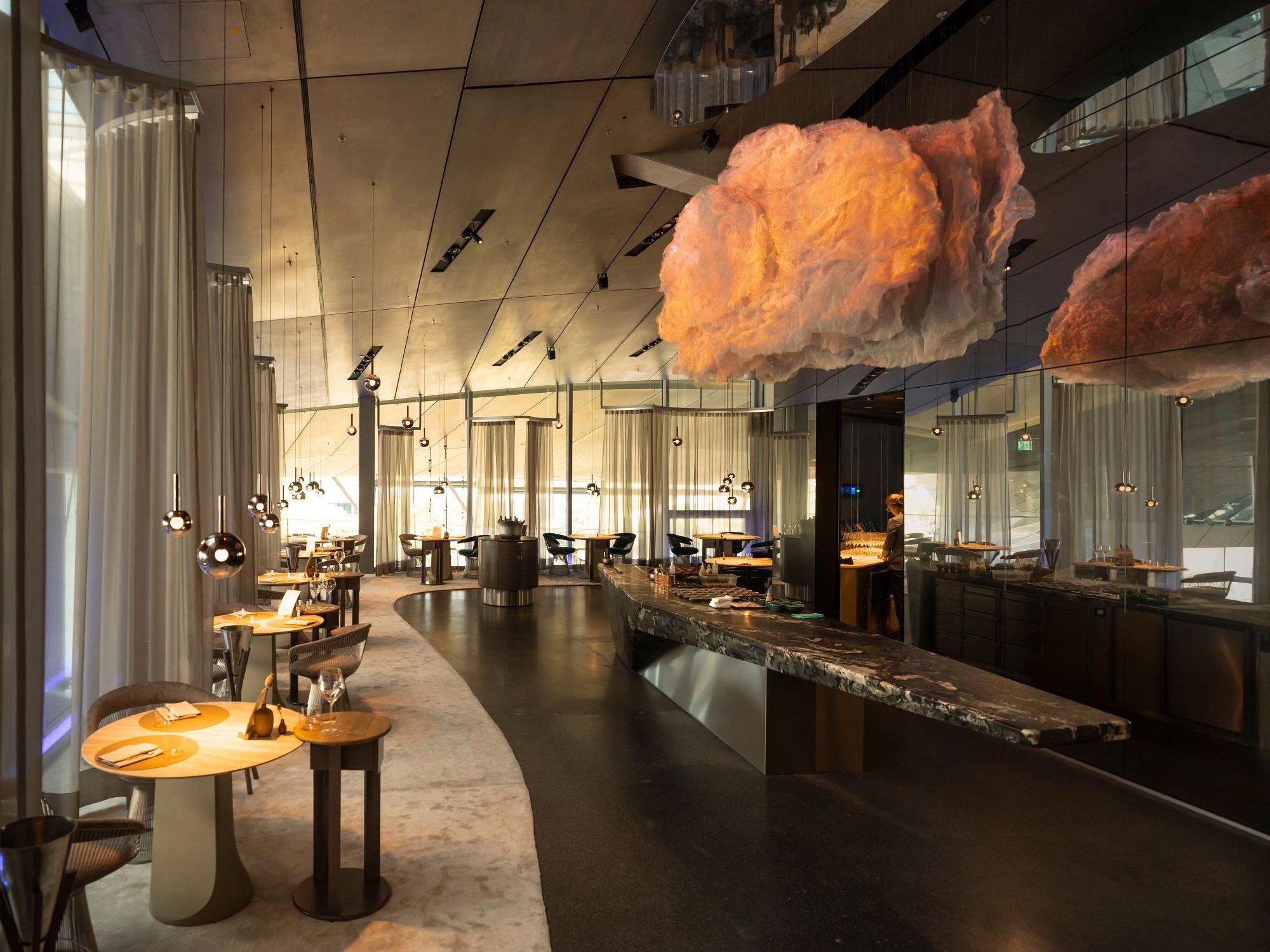
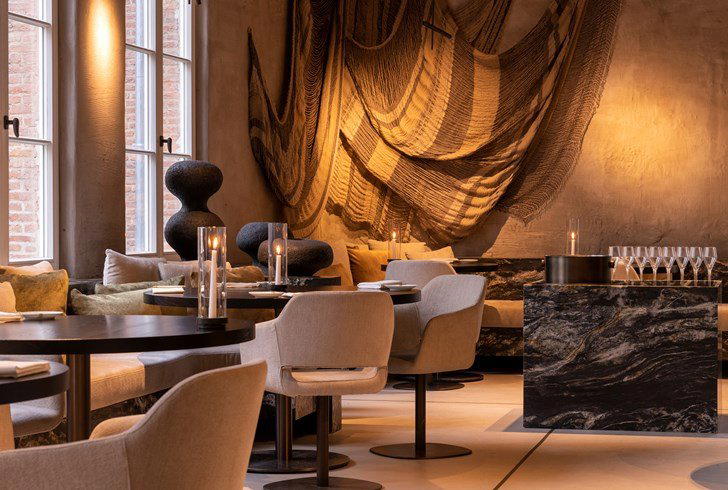
Bars in Sint-Amands
Browse all →

At a Glance
- Scenic
- Elegant
- Sophisticated
- Romantic
- Date Night
- Business Dinner
- Special Occasion
- Celebration
- Terrace
- Panoramic View
- Standalone
- Sommelier Led
- Local Sourcing
- Waterfront
Current opening hours
- Monday
- Closed
- Tuesday
- Closed
- Wednesday
- Closed
- Thursday
- 12–2 PM, 7–9 PM
- Friday
- 12–2 PM, 7–9 PM
- Saturday
- 7–9 PM
- Sunday
- 12–2 PM, 7–9 PM
Hours can change for holidays and private events. Last verified .
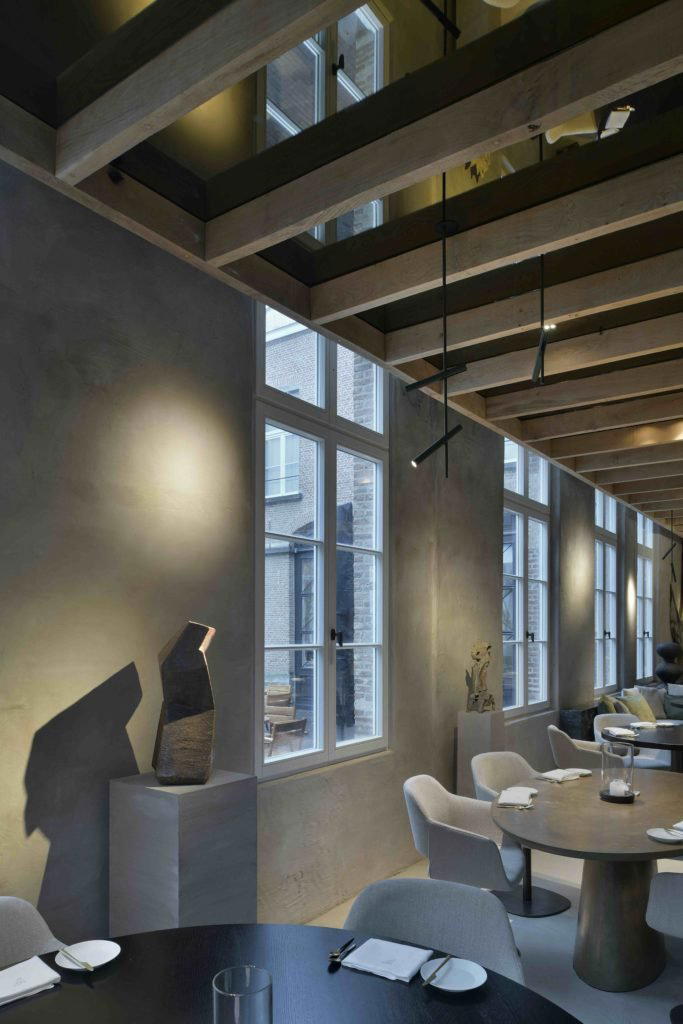
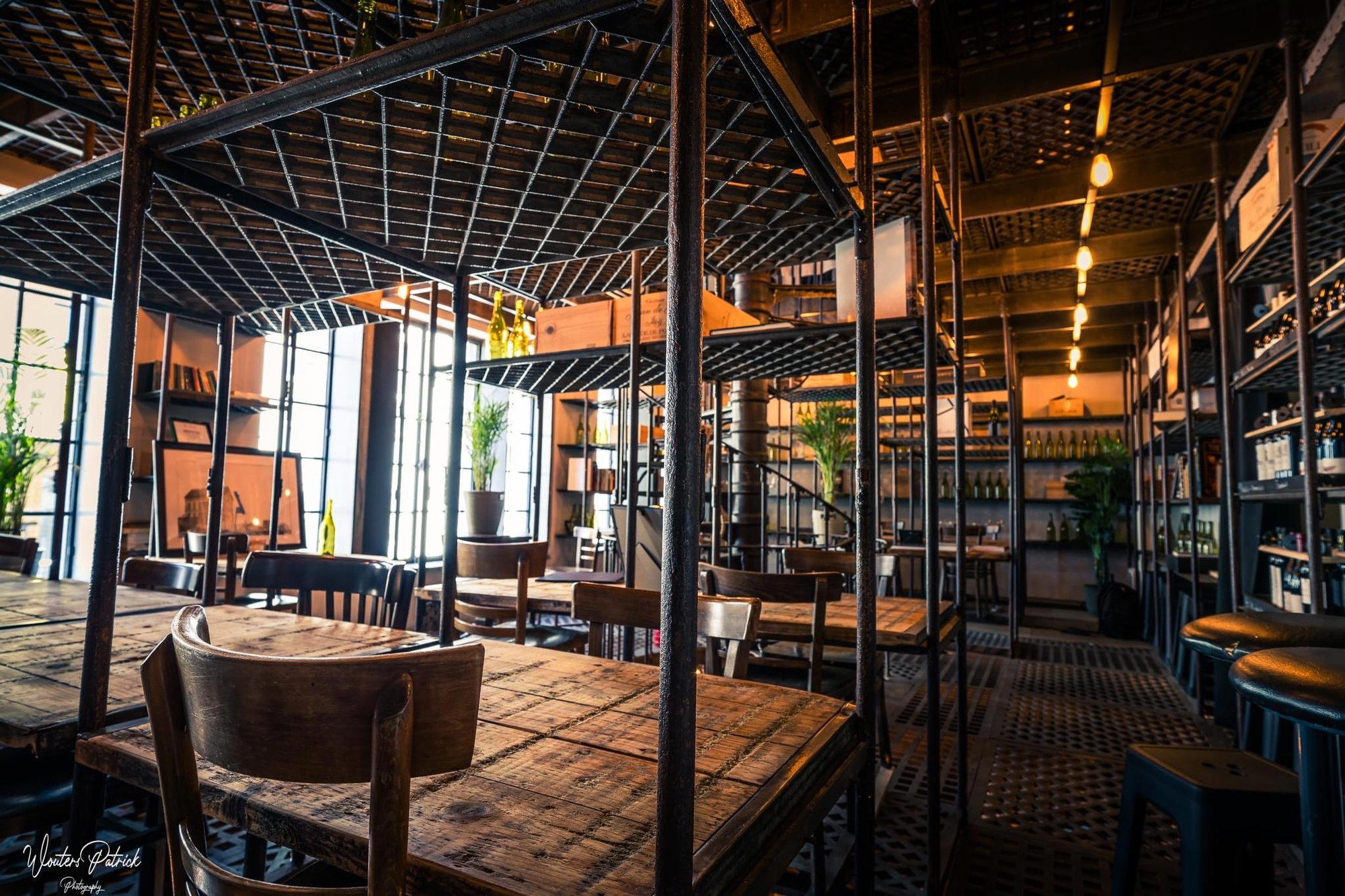
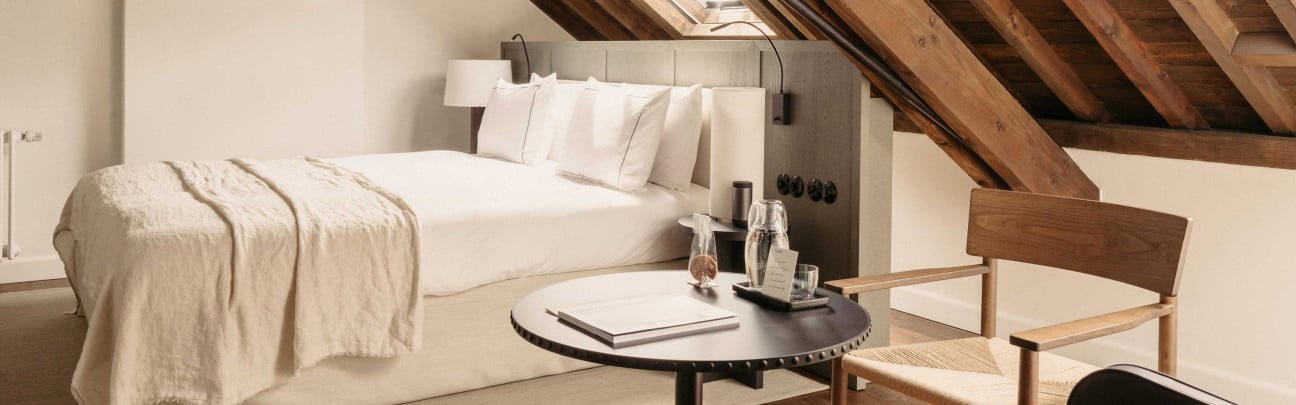
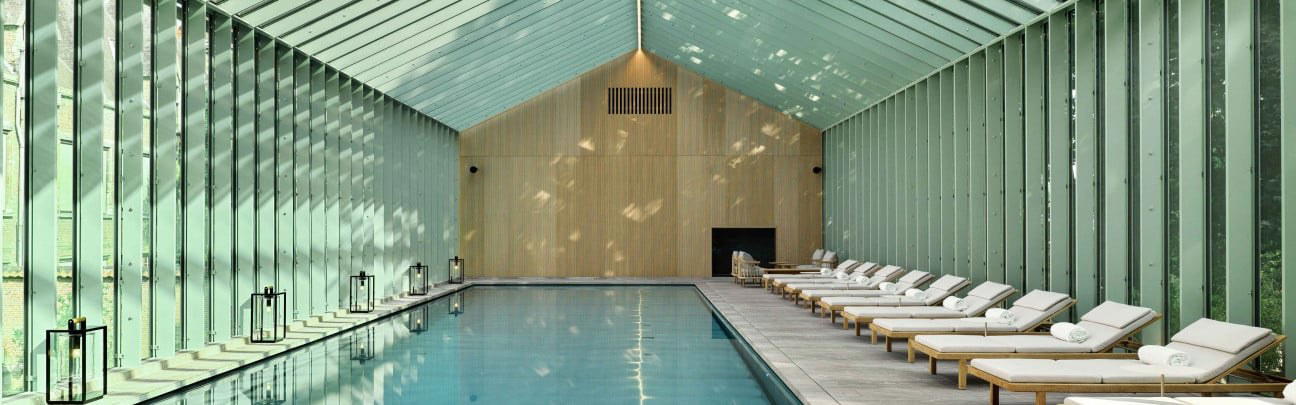
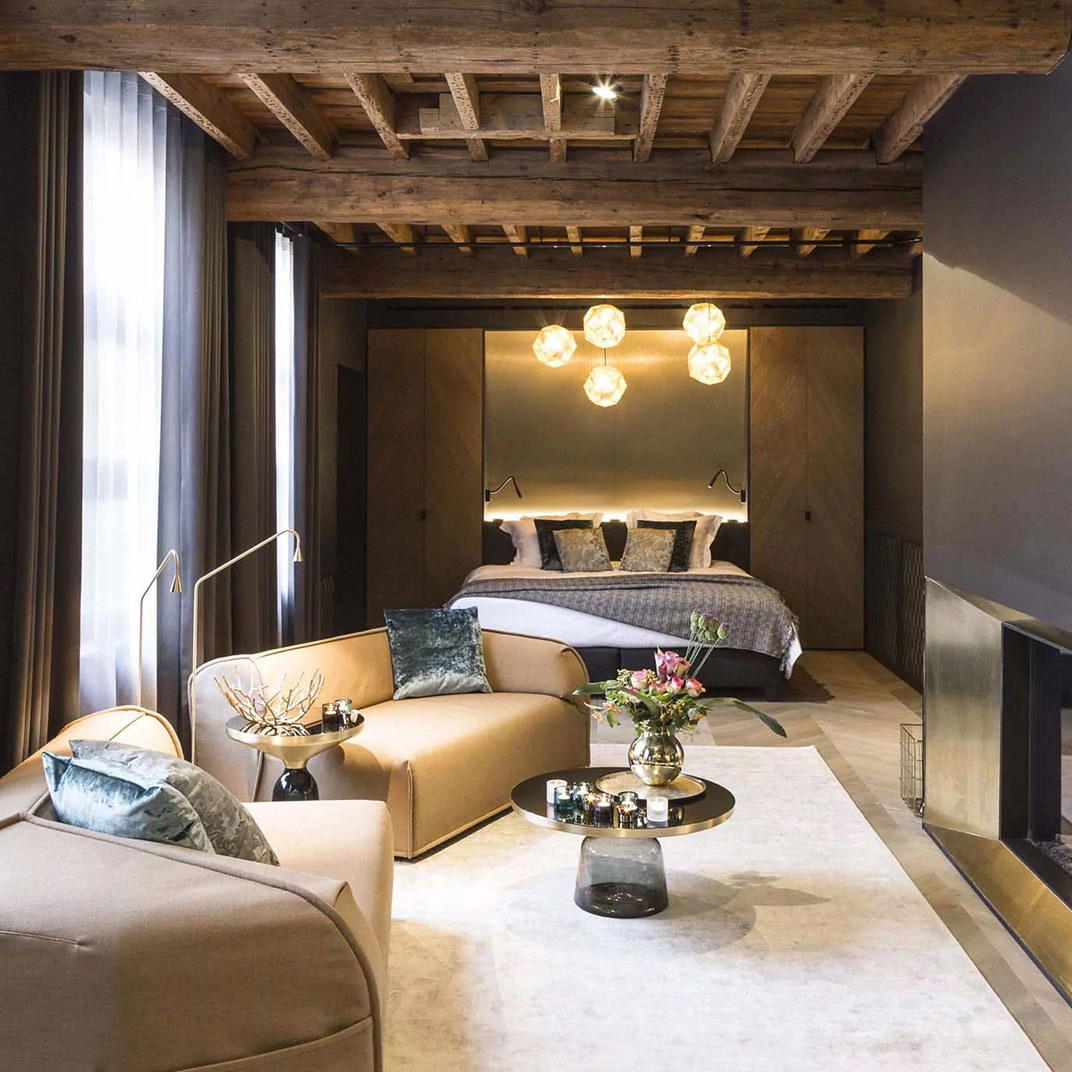
Warm and refined with natural light from expansive windows overlooking the Scheldt; elegant yet welcoming atmosphere suitable for special occasions and business dining.