Les Gourmands

1 Michelin Star
Our verdict
Holding a Michelin star since 1996, Les Gourmands in Blaregnies operates at the intersection of classical technique and premium Belgian produce. Chef Didier Bernard and pastry lead Lydia Glacé anchor a menu where age-old recipes receive careful contemporary revision, while sommelier-owner Carlo Zecchin's wine program adds considered depth. Priced at €€€, it occupies a serious but accessible tier within Belgium's broader fine-dining circuit.

Pearl is the En Primeur Club membership app, where members save venues, book tables and use the concierge.
The menu
What to order
- Lobster carbonara
- Scallop carpaccio
- Burgaud duck
Classic French-Belgian Cuisine in Rural Hainaut
Belgium's fine-dining scene divides, broadly, into two camps: the high-intervention creative kitchens clustered in Flanders and Brussels, and a quieter tradition of classical French-Belgian cooking that runs through the Walloon countryside. Les Gourmands, situated in Blaregnies on the edge of the Quévy municipality in Hainaut province, belongs firmly to the second tradition. The village itself, farmland, stone buildings, modest roads, offers none of the urban signposting that usually surrounds a Michelin-starred address, and that absence is part of the point. This is the kind of restaurant that rural Belgium has historically done well: a destination anchored in technique and produce rather than setting or spectacle.
Across Belgium, the €€€€ tier has increasingly moved toward creative Flemish and Modern French formats. Restaurants like Boury in Roeselare and Hof van Cleve in Kruishoutem represent a particular strand of contemporary ambition. Les Gourmands sits a price tier below at €€€ and operates with a different set of priorities: the commitment here is to classical method, premium sourcing, and an accumulated depth of knowledge that only comes from decades at a single address.
A Michelin Star Since 1996
Longevity at this level is not a given. Belgium's Michelin landscape has seen its share of openings, closures, and reinventions, and a kitchen holding a star continuously from 1996, still recognized in the 2024 Michelin Guide, carries a different kind of authority than a recently awarded address. That sustained recognition signals consistency above all else: the same technical standards applied across twenty-eight years of service, through changing food fashions and generational shifts in how diners eat.
The kitchen is led by Didier Bernard, with Lydia Glacé responsible for desserts. The division of labour matters in a classical French-Belgian context, where the pastry section is not an afterthought but a discrete discipline. Glacé's work on desserts is framed, in the Michelin record, as a defining element of the experience, the kind of role that, in the classical tradition, sits alongside the main kitchen as a co-equal expression of the restaurant's identity.
For comparison, other Wallonian addresses working in related territory, d'Eugénie à Emilie in Baudour and L'Eau Vive in Arbre, operate at the €€€€ level, which positions Les Gourmands as an accessible entry point into serious French-Belgian cooking in the region without sacrificing the credentials that make an address worth the detour. Outside Belgium, Maison Rostang in Paris and KOMU in Munich offer useful comparative reference points for how classical cuisine operates across different European contexts.
The Classical Tradition on the Plate
French-Belgian classical cuisine, at its most precise, is built on a clear hierarchy of values: premium primary ingredients, technically correct preparation, and sauces that function as the measure of a kitchen's seriousness. The Michelin record for Les Gourmands documents this clearly. Burgaud duck, a premium breed favoured in classical French kitchens for its fat distribution and depth of flavour, arrives cooked to just rare, accompanied by a duck jus and a duck shepherd's pie described as rich with buttery character. The combination of a primary preparation, a reduced jus, and a secondary preparation from the same animal reflects a classical structure that has governed French-Belgian kitchen logic for generations.
Orange marmalade alongside the duck jus points to another classical convention: the use of sweet-sharp counterpoint to balance richly reduced game sauces. This is not innovation for its own sake. It is the application of textbook technique to high-quality material, executed with the precision that the Michelin star represents. The broader editorial point in the Michelin description is that the kitchen applies a contemporary spin to age-old recipes while remaining faithful to technique at every level of detail. That is a specific and demanding position to hold: it requires equal command of the classical foundations and the editorial judgment to know where a contemporary revision adds clarity rather than noise.
For diners arriving from Brussels, the contrast with Bozar Restaurant or the creative programs found at Zilte in Antwerp is instructive. Those kitchens work in a register of visual invention and technical complexity that serves a different kind of expectation. Les Gourmands operates in the register of depth and restraint, where the cooking earns its authority through precision rather than novelty.
The Wine Program as a Structural Element
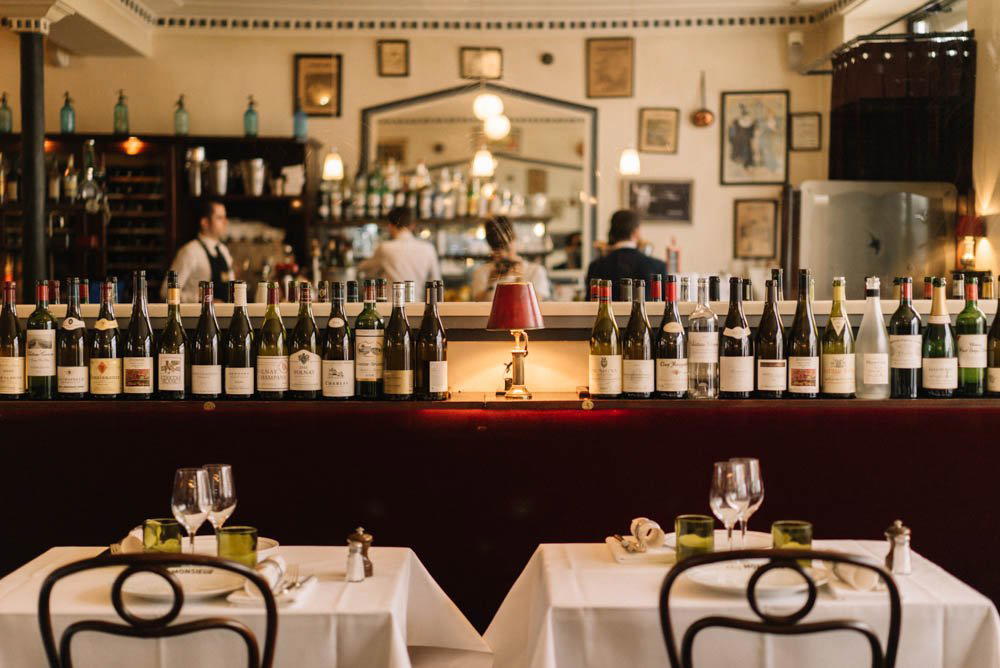
In classical French-Belgian restaurants, the wine list is not supplementary to the kitchen. It is part of the architecture. Carlo Zecchin, who functions as both sommelier and owner, holds the wine program as his specific domain, and the Michelin record notes that his pairings are built to add depth to each course rather than merely accompany them. A sommelier-owner configuration is relatively uncommon and typically signals that wine is treated with the same seriousness as the kitchen's output.
The list is described as extensive, which at a Hainaut address at the €€€ price point likely reflects a depth of classical French and Belgian selections rather than a globally comprehensive cellar. The role of the sommelier here, offering insight and guiding pairings, aligns with the classical service tradition in which the front of house is as skilled as the back. This is a distinct approach from the wine-by-the-glass trend that has reshaped urban wine bars across Belgium's cities; here, the pairing conversation between diner and sommelier is the intended format.
The Blaregnies Setting and How to Approach It
Blaregnies sits in the Quévy municipality of Hainaut, close to the French border south of Mons. The address, Rue de Sars 15, 7040 Quévy, places it in a small rural commune well outside the main dining circuits of Brussels, Ghent, or Liège. For visitors already in the region, Mons is the logical base; from there, the drive is short and the surrounding countryside provides a context that reinforces the classical, produce-centred character of the cooking.
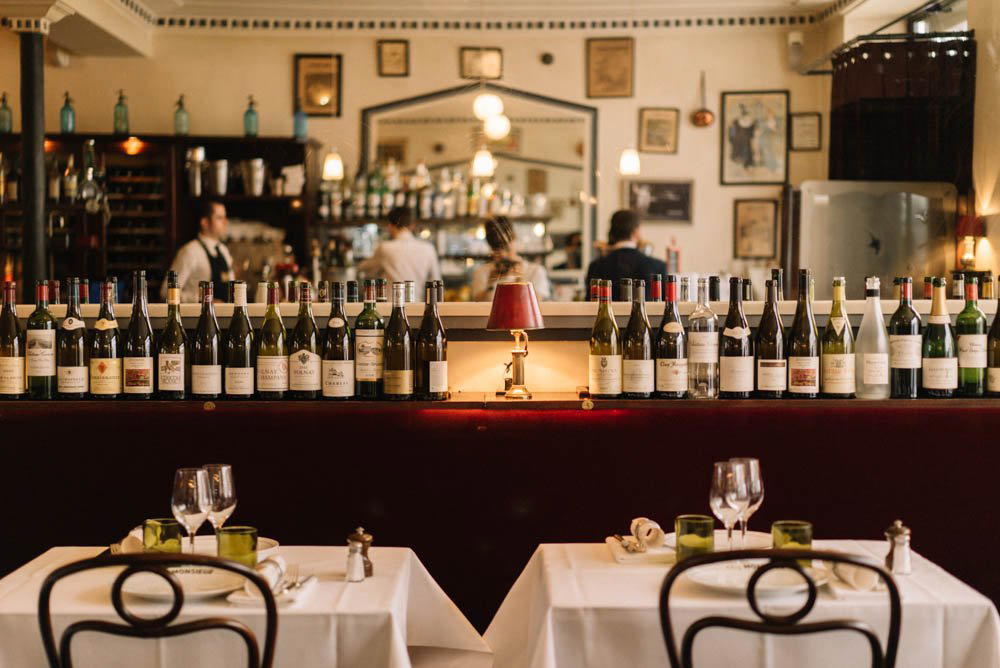
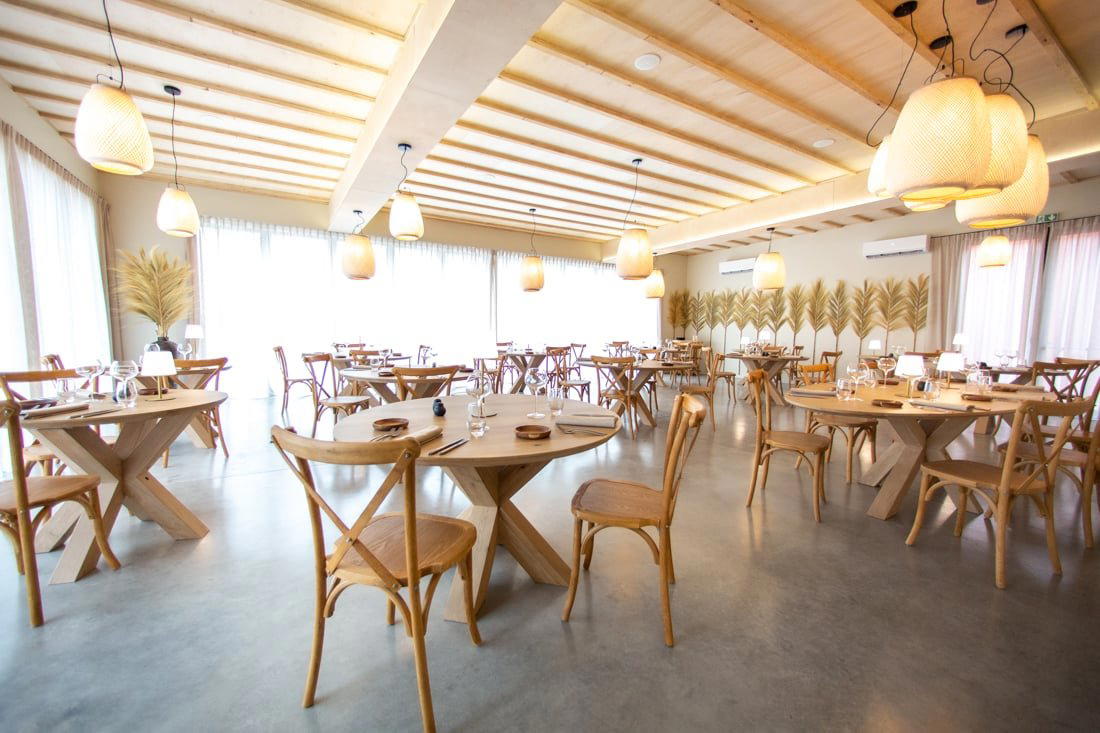
The interior is described in the Michelin record as charming and authentic, which in the context of rural Wallonian dining typically means stone or warm-toned rooms, traditional furniture, and a scale that keeps service personal. This is not a large-capacity operation. Reservations are necessary for any meal at a Michelin-starred address at this level, and at a location as specific as Blaregnies, advance planning is straightforwardly sensible, a wasted journey here is a longer one than a wasted journey to a Brussels address.
For those building a broader Hainaut itinerary, La Marelle Café in Blaregnies offers an accessible counterpart in traditional cuisine at the same location. Our full Blaregnies restaurants guide covers the broader dining picture, and for accommodation planning, the Blaregnies hotels guide is the practical starting point. The bars, wineries, and experiences guides complete the regional picture for visitors spending time in Hainaut. Beyond the region, Willem Hiele in Oudenburg, Bartholomeus in Heist, and Ralf Berendsen in Neerharen represent the range of serious Belgian cooking across different regional traditions and price tiers. La Durée in Izegem offers another point of reference in French-Belgian creative cooking at the €€€€ level.
Frequently asked questions
Is Les Gourmands child-friendly?
What is the atmosphere like at Les Gourmands?
What is the signature dish at Les Gourmands?
Cost and Credentials
| Venue | Cuisine | Price | Awards | Notes |
|---|---|---|---|---|
| Les GourmandsThis venue (the venue you are viewing) | Classic French Fine Dining | $100–150 | 1 Michelin Star | Not listed |
| Boury | Creative French Fine Dining | $300–500 | 3 Michelin Stars · La Liste Top Restaurants | Modern Frlemish, Creative French |
| Comme chez Soi | French - Belgian, Classic Cuisine | Not listed | Michelin 1 Star | Not listed |
| Hertog Jan at Botanic | Modern Japanese Omakase Fine Dining | Not listed | 2 Michelin Stars · La Liste Top Restaurants | Modern Flemish, Creative |
| L'Eau Vive | Modern French Fine Dining | $150–200 | 2 Michelin Stars · La Liste Top Restaurants | French, Modern French |
| La Durée | Modern French Fine Dining | $150–200 | 2 Michelin Stars · La Liste Top Restaurants | French-Belgian, Creative |
Recognition history
Dated appearances from independent guides and award organizations, with the underlying list record or original source where available.
Michelin 1 Star
Michelin
Full recognition history (3 entries)
Michelin 1 Star
Michelin
Michelin 1 Star
Michelin
Continue exploring
More in Blaregnies
Restaurants in Blaregnies
All restaurants in Blaregnies →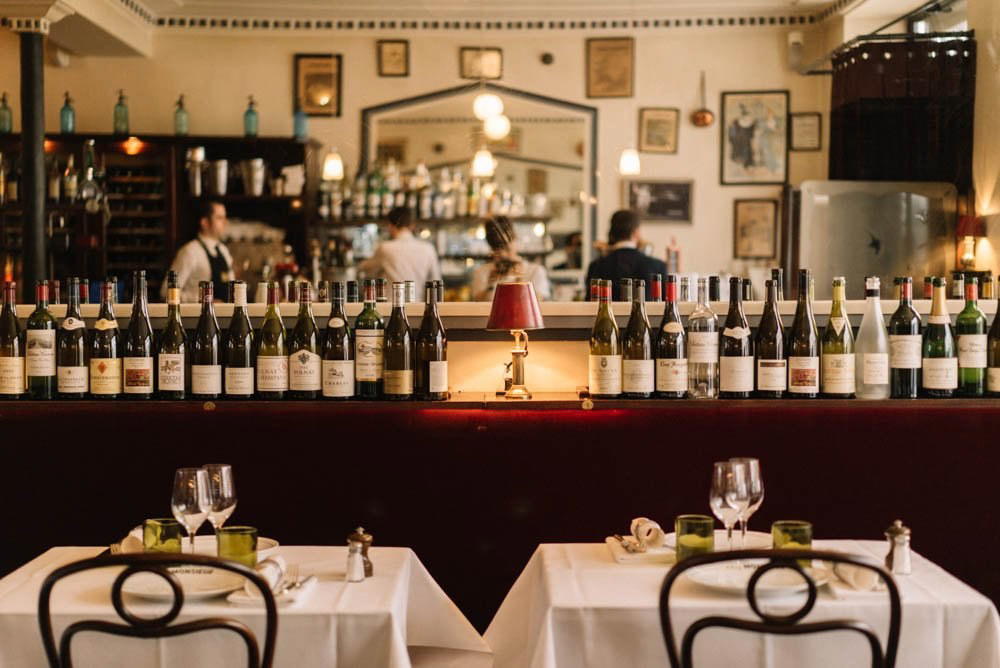
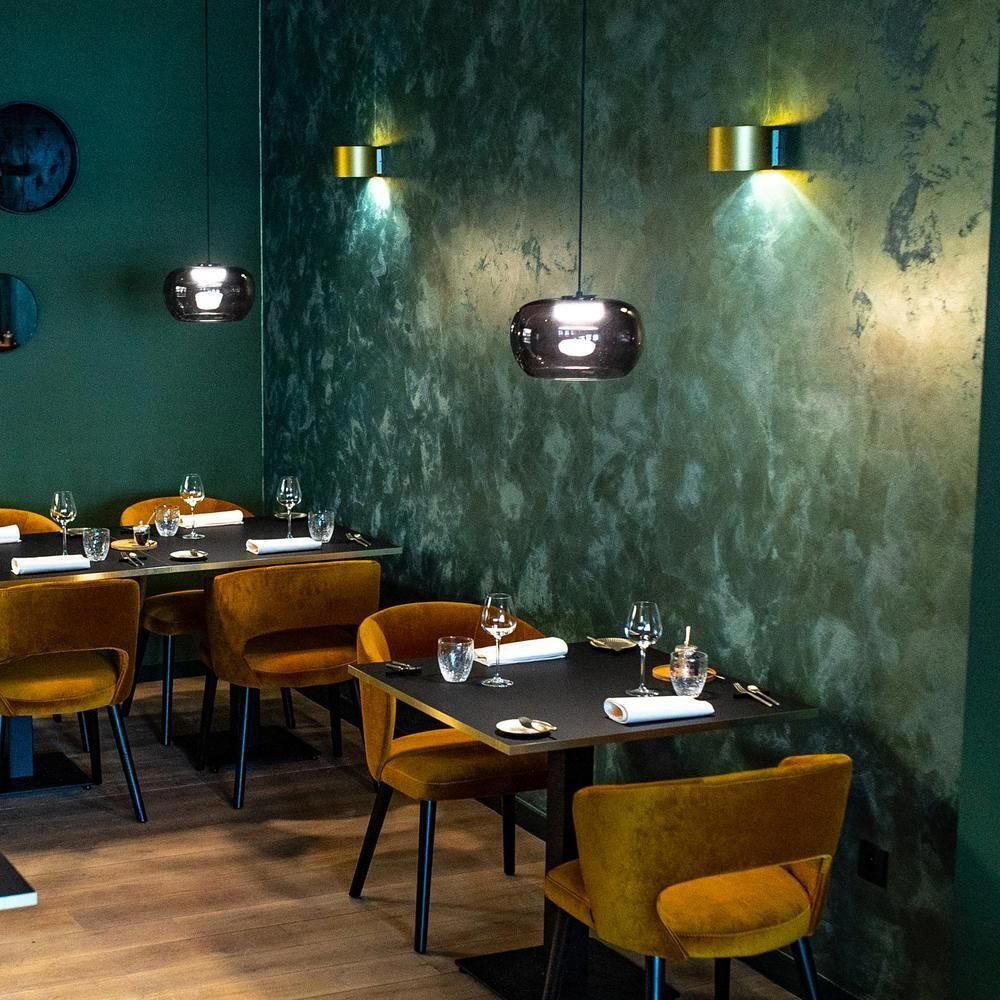
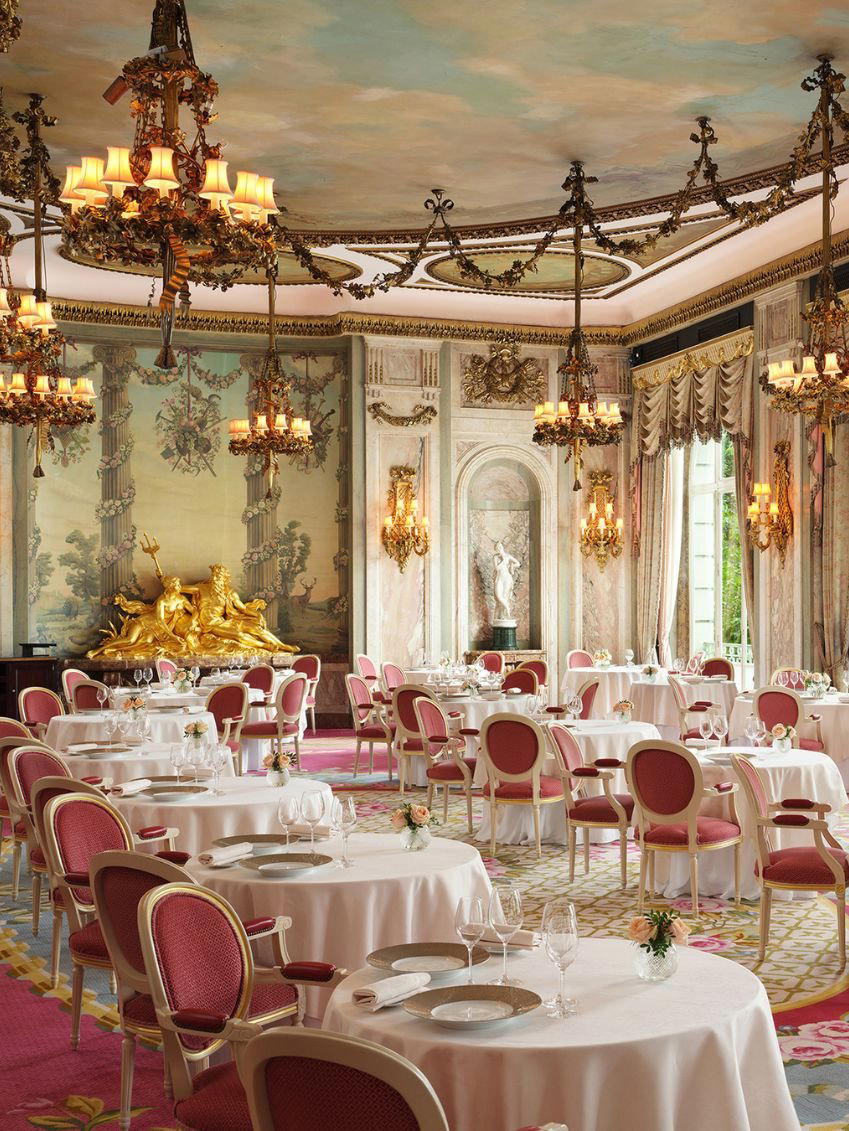
Bars in Blaregnies
Browse all →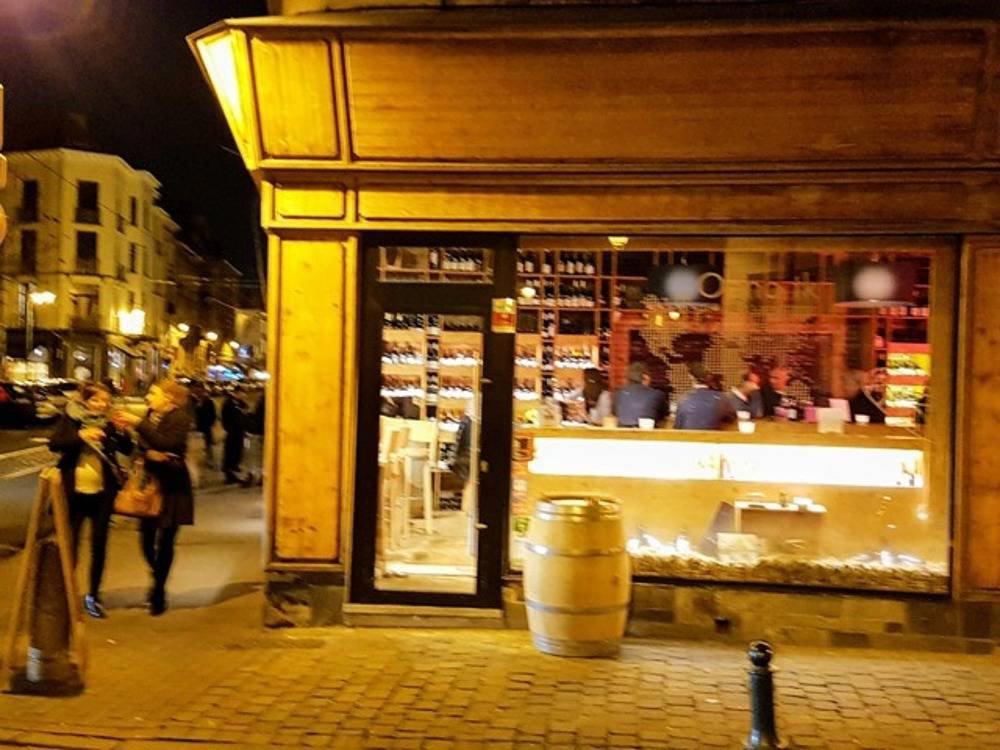
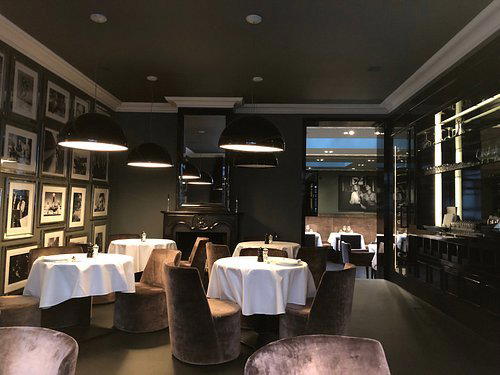
Hotels in Blaregnies
Browse all →
Wineries in Blaregnies
Browse all →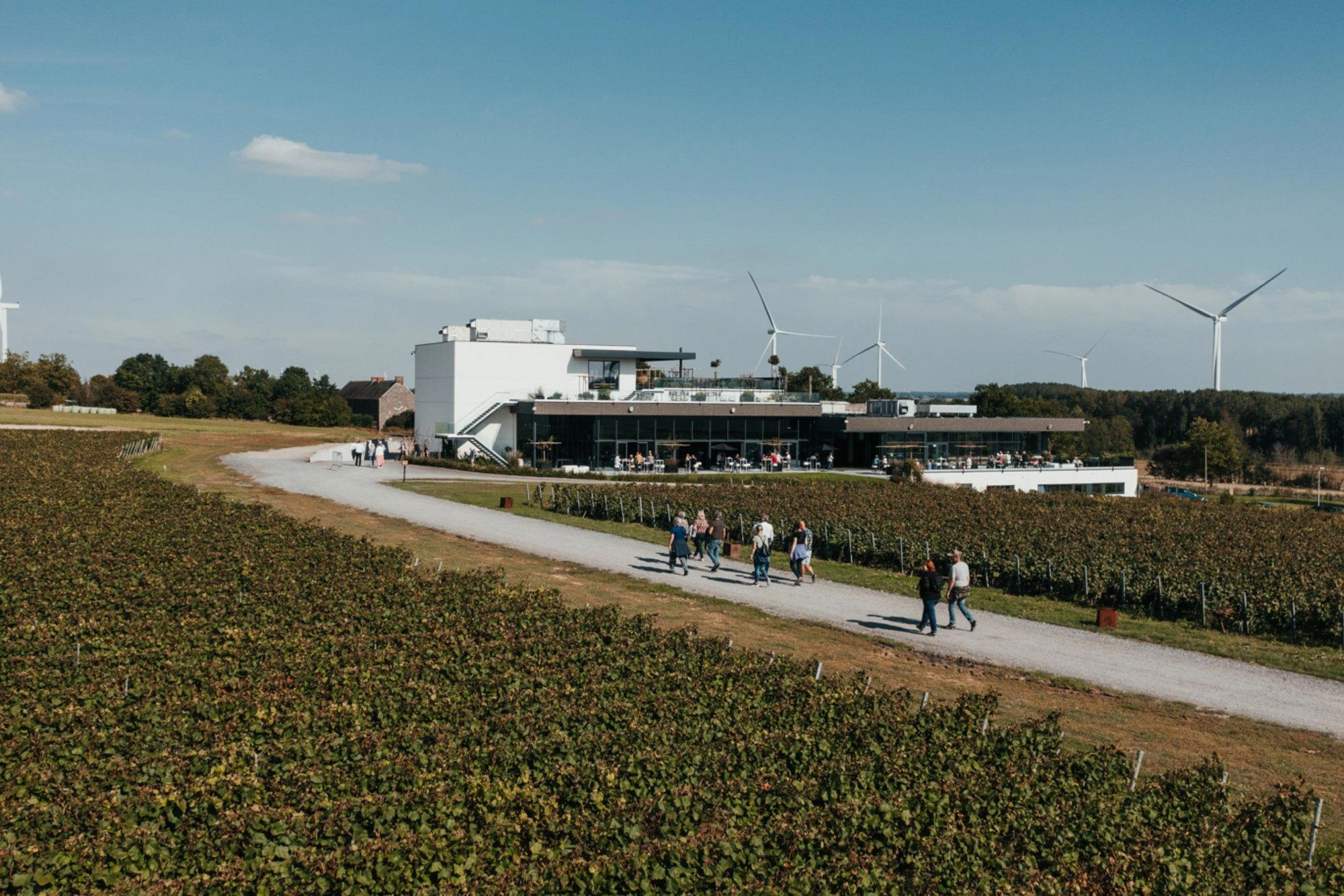
Les Gourmands
The wine
- Wine program
- Deep wine list
- Extensive wine list
- Sommelier-led
Details
- Elegant
- Sophisticated
- Cozy
- Modern
- Intimate
- Special Occasion
- Date Night
- Business Dinner
- Private Dining
- Extensive Wine List
- Sommelier Led
- Local Sourcing
- A La Carte
- Wine
Current opening hours
- Monday
- Closed
- Tuesday
- Closed
- Wednesday
- Closed
- Thursday
- 12–1:30 PM, 7–8:30 PM
- Friday
- 12–1:30 PM, 7–8:30 PM
- Saturday
- 7–8:30 PM
- Sunday
- 12–1:30 PM
Hours can change for holidays and private events. Hours as of .
Contemporary and welcoming interior with a warm, sophisticated atmosphere balancing elegance and conviviality, though some note aggressive lighting.