Kujna Restaurant
Our verdict
Kujna Restaurant operates out of Mithatpaşa, Çağlayan Sokak in Eyüpsultan, one of Istanbul's most historically layered districts on the Golden Horn's northern shore. The address places it squarely within a neighbourhood where Ottoman-era mosque complexes and local market culture set the tone for how food is consumed and what it means. For visitors piecing together Istanbul's less-toured dining geography, Eyüpsultan offers a counterpoint to the city's high-concept restaurant circuit.

Pearl is the En Primeur Club membership app — saves, bookings, and concierge access live there. Same editors, same standards.
- Address
- Mithatpaşa, Çağlayan Sk. No
- Phone
- +902123601780
- Hours
- Mon ClosedTue 11 AM–8 PMWed 11 AM–7:45 PMThu–Fri 11:15 AM–7:45 PMSat–Sun 11:15 AM–8:45 PM
- Website
- kujna.com.tr
- Directions
- Get directions
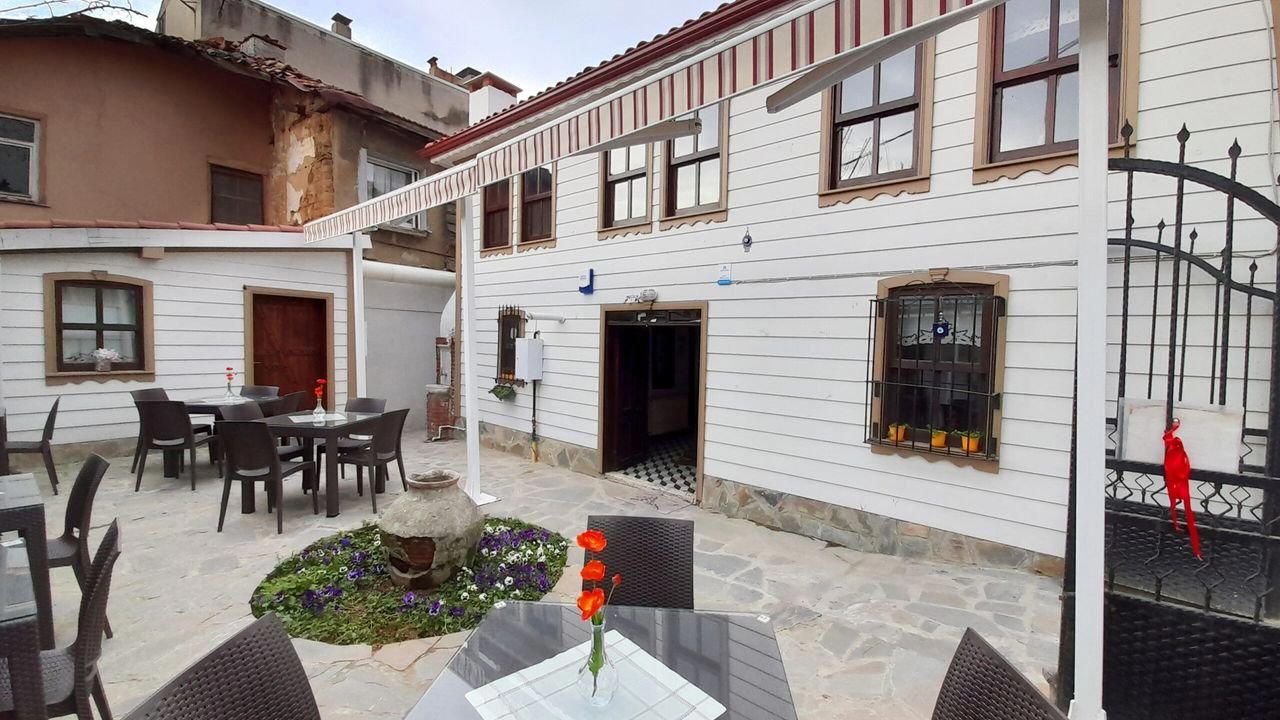
Eating in Eyüpsultan: What the District Signals Before You Sit Down
Approach Eyüpsultan from the Golden Horn waterfront and the neighbourhood announces itself through minarets and the slow rhythm of a district that has never positioned itself for tourist itineraries. This is one of Istanbul's oldest continuously inhabited quarters, anchored by the Eyüp Sultan Mosque complex and a street culture built around pilgrimage, local commerce, and the kind of cooking that serves both. Restaurants here do not compete in the register occupied by Turk Fatih Tutak in Istanbul, where the ₺₺₺₺ price bracket and modernist Turkish cuisine signal an entirely different set of ambitions. What Eyüpsultan offers instead is a grounded, neighbourhood-specific food culture where the dining room is rarely the destination in isolation.
Kujna Restaurant sits on Çağlayan Sokak in the Mithatpaşa quarter, an address that positions it within the district's residential and commercial interior rather than along the waterfront promenade. Streets like this one carry a character shaped by the local tradespeople, mosque visitors, and families who constitute Eyüpsultan's daily population. The physical approach through these streets is as much a part of the experience as the meal itself. Turkey's food culture has always been deeply tied to place, and in districts like Eyüpsultan, the architecture of the neighbourhood functions as context for what arrives on the table.
The Cultural Framework: What Anatolian Neighbourhood Cooking Actually Means
Turkish cuisine is routinely flattened into a short list of internationally recognisable exports: kebab, baklava, meze. But the more accurate picture is of a cuisine that operates across sharply differentiated regional and social registers. The upscale modern Turkish canon, represented by restaurants such as Neolokal, Mikla, and Maçakızı in Bodrum, draws on Ottoman court tradition and Aegean ingredient culture, often at price points that exclude most of the population those traditions originally served. At the other end, neighbourhood restaurants like those found in Eyüpsultan maintain a cooking tradition that is less documented and less exported but no less coherent.
This neighbourhood tier is where Turkish home cooking most directly intersects with commercial food culture. Dishes common to Istanbul's working districts, such as etliekmek, lahmacun, and slow-cooked stews built on the logic of using every part of the animal, carry the accumulated knowledge of generations of cooks operating under real constraints. Compare this to what Kısmet Etliekmek ve Lahmacun Salonu in Karaman represents in its own regional context, and a pattern becomes visible: across Turkey, these formats sustain specific cultural identities that cannot be replicated by fine dining interpretations, however technically accomplished those interpretations may be.
Eyüpsultan's proximity to the historic peninsula and its dense local population means the district has, by necessity, sustained a cooking culture oriented around the everyday rather than the ceremonial. Restaurants operating in this context are accountable to regulars in a way that tourist-facing venues are not. That accountability tends to produce food with a different kind of reliability than a kitchen performing for an audience that will visit once and never return.
Where Kujna Sits in the District's Dining Geography
Eyüpsultan's restaurant offer is not catalogued in the way that Beyoğlu or Karaköy venues are. There is no Michelin Guide coverage for this district, no 50 Best presence, no international press circuit conducting regular reassessments. This means that venues like Kujna operate largely on local reputation, passed between residents and regular visitors rather than broadcast through editorial channels. For the reader accustomed to triangulating restaurant choices through award tiers and critic consensus, Eyüpsultan requires a different approach.
The Mithatpaşa neighbourhood, where Kujna is located, sits within walking distance of the Eyüp Sultan complex and the Pierre Loti Hill cable car, making it accessible to visitors who structure their day around the district's cultural sites rather than its food alone. This geographic logic matters: the leading use of a restaurant like Kujna is probably as part of a half-day or full-day engagement with Eyüpsultan rather than as a standalone dining destination reached by taxi from Beyoğlu. For context on the wider dining offer in the area, Lokanta Göktürk provides another reference point within the same district.
Across Turkey more broadly, the neighbourhood lokanta format, which Kujna's address and setting suggest it may occupy, functions as the connective tissue between home cooking and restaurant culture. Unlike the meyhane tradition documented in venues such as Kritikos Meyhane in Mudanya, or the specialist kebab-house model seen at Konya Kebap Evi in Selcuklu, the lokanta is organised around daily-changing ready-cooked dishes, a format that rewards repeat visits and penalises those expecting a static menu. Understanding this format is essential to understanding what the dining experience in a place like Eyüpsultan actually looks like.
Situating Eyüpsultan Within Istanbul's Broader Dining Circuit
Istanbul's premium dining concentration sits in Beyoğlu, Nişantaşı, and the Bosphorus-facing districts on both the European and Asian shores. Restaurants such as Asitane in Fatih represent the closest geographic neighbours to Eyüpsultan that operate at a documented editorial level, with Asitane's Ottoman cuisine research making it a reference point for anyone interested in the cuisine's historical depth. The contrast is instructive: Eyüpsultan's neighbourhood restaurants do not claim historical reconstruction; they simply continue a living tradition.
For visitors building a multi-day Istanbul itinerary, Eyüpsultan functions as the kind of addition that rebalances a trip otherwise weighted towards the well-documented. The district sits outside the standard tourist circuit without being inaccessible; a tram or ferry from the historic peninsula takes under thirty minutes. Those who have used similar logic to seek out Dürümzade in Beyoglu for its specific format, or who have made detours for Bayramoğlu Döner in Beykoz on the Asian side, will recognise the pattern. The reward is a meal that exists in context, not in isolation from it.
Turkey's food culture is deep enough to sustain this kind of geographic dispersal. From the dessert-specific institutions of Kocak Baklava in Gaziantep to the organic produce approach at Kartepe Organic Foods in Kartepe and the Aegean localism of Hiç Lokanta in Urla and Narımor in Izmir, the country's dining offer is built on regional specificity rather than a single centre. Eyüpsultan, and Kujna within it, occupies one node in that wider network. See our full Eyüpsultan restaurants guide for a broader map of what the district offers.
Planning Your Visit
Given the neighbourhood context and the typical operating model of lokanta-style venues in Istanbul's residential districts, turning up without a reservation during peak lunch hours carries risk, particularly on weekends when Eyüpsultan draws significant foot traffic from visitors to the mosque complex. A phone call or early arrival is the standard approach for this tier of venue across Turkey. For international visitors, the district is leading approached via the T1 tram to Eyüp, followed by a short walk through the market streets towards Mithatpaşa. The logistics are direct once you accept that this part of Istanbul runs on its own timetable rather than the one set by hotel concierges in Taksim.
Frequently asked questions
How do I find Kujna Restaurant?
Kujna Restaurant is located at Mithatpaşa, Çağlayan Sk. No, Eyupsultan.
Is Kujna Restaurant in Eyüpsultan worth a detour from central Istanbul for visitors unfamiliar with the district?
Eyüpsultan sits along the Golden Horn on the European side, accessible from Eminönü by ferry or bus, making it a realistic half-day detour rather than a dedicated expedition. The draw is not Kujna in isolation but the district itself: a functioning neighbourhood with a consistent local customer base that has no particular orientation toward tourism. For a visitor whose Istanbul dining has been confined to Beyoğlu or Karaköy, eating on Çağlayan Sokak registers as a meaningful shift in register — quieter, more routine, and closer to how most of Istanbul actually eats.
What do regulars order at Kujna Restaurant?
Kujna sits on Mithatpaşa in Eyüpsultan, a district where the kitchen repertoire runs to slow-cooked meat dishes, pulse-based stews, and vegetable preparations that shift with the market rather than a fixed printed menu. The operative word in this part of Istanbul is 'günlük' — daily — meaning what the regulars order is whatever arrived from the supplier that morning.
How far ahead should I plan for Kujna Restaurant?
Eyüpsultan's neighbourhood restaurant tier operates on walk-in or same-day logic for most of the week, with Friday and weekend lunches carrying the highest demand given the district's proximity to the Eyüp Sultan Mosque complex. Booking windows of weeks or months ahead are standard for Istanbul's Nişantaşı and Bosphorus-facing venues, not for Mithatpaşa-area lokantas. Arriving at opening or shortly after remains the practical strategy for securing a table without prior arrangement.
Budget and Context
Comparable venues nearby, for context on price, style, and recognition.
| Venue | Cuisine | Price | Awards | Notes |
|---|---|---|---|---|
| Kujna RestaurantThis venue — the venue you are viewing | Turkish Restaurant | Not listed | Not listed | Not listed |
| Lokanta Göktürk | Modern Turkish Anatolian | Not listed | Michelin Plate · Gault & Millau Türkiye 1 Toque | Eyüpsultan, Modern Anatolian |
| Van Kahvaltı Evi | Traditional Turkish/Kurdish Breakfast | $10–20 | Not listed | Kilicali Pasa, Traditional Turkish/Kurdish Breakfast |
| Dürüm Max Zurna Dürüm (Beyoğlu/Taksim) | Turkish Zurna Dürüm | Not listed | Not listed | Beyoğlu/Taksim, Turkish Zurna Dürüm |
| Baklavaci Zeki Inal | Traditional Turkish Baklava | $10–20 | Not listed | Şahinbey, Traditional Turkish Baklava |
| Emek Saray Restaurant | Authentic Turkish Barbecue | $10–20 | Not listed | Fatih, Authentic Turkish Barbecue |
Continue exploring
More in Eyupsultan
Restaurants in Eyupsultan
Browse all →
Bars in Eyupsultan
Browse all →
Details
Current opening hours
- Monday
- Closed
- Tuesday
- 11 AM–8 PM
- Wednesday
- 11 AM–7:45 PM
- Thursday
- 11:15 AM–7:45 PM
- Friday
- 11:15 AM–7:45 PM
- Saturday
- 11:15 AM–8:45 PM
- Sunday
- 11:15 AM–8:45 PM
Hours can change for holidays and private events. Last verified .