Locanda Casaversa 1834
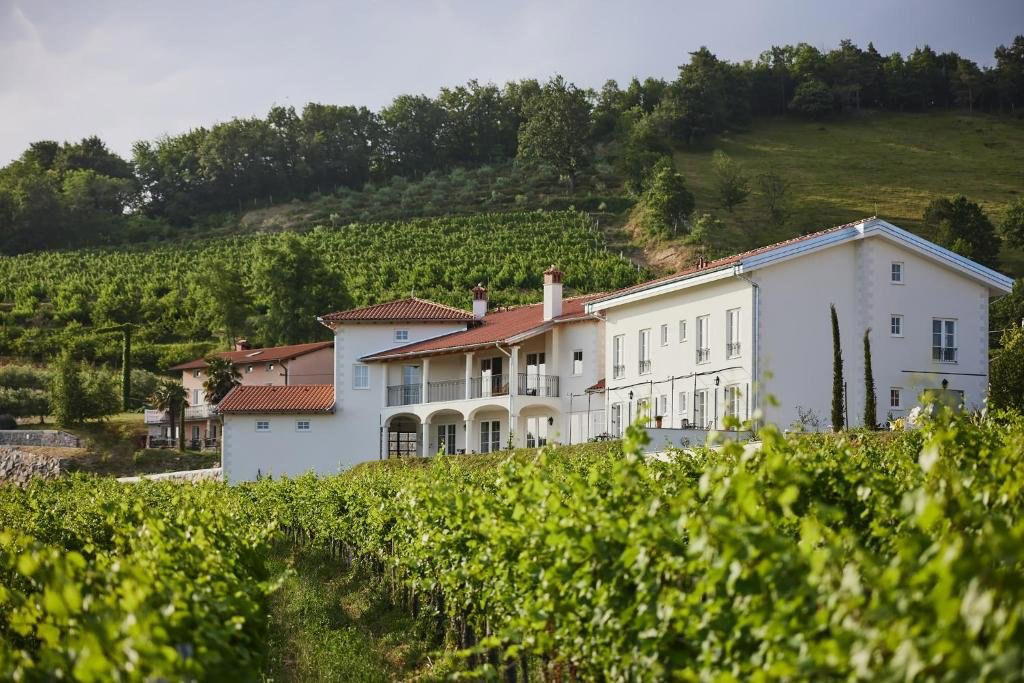
Locanda Casaversa 1834 occupies a structure dating to the nineteenth century in Romans d'Isonzo, a small town in Friuli-Venezia Giulia where the Isonzo river plain meets the Collio wine zone. The address places it inside one of Italy's most agriculturally serious corners, where proximity to Slovenia and a tradition of ingredient-led cooking shape what reaches the table. For travellers moving between Gorizia and Trieste, it functions as a grounded local alternative to the region's more publicised dining circuit.
Pearl is the En Primeur Club membership app — saves, bookings, and concierge access live there. Same editors, same standards.
- Address
- Via Gorizia, 25, 34076 Romans d'Isonzo GO, Italy
- Phone
- +393485160895
- Directions
- Get directions
 Saves & bookings on Pearl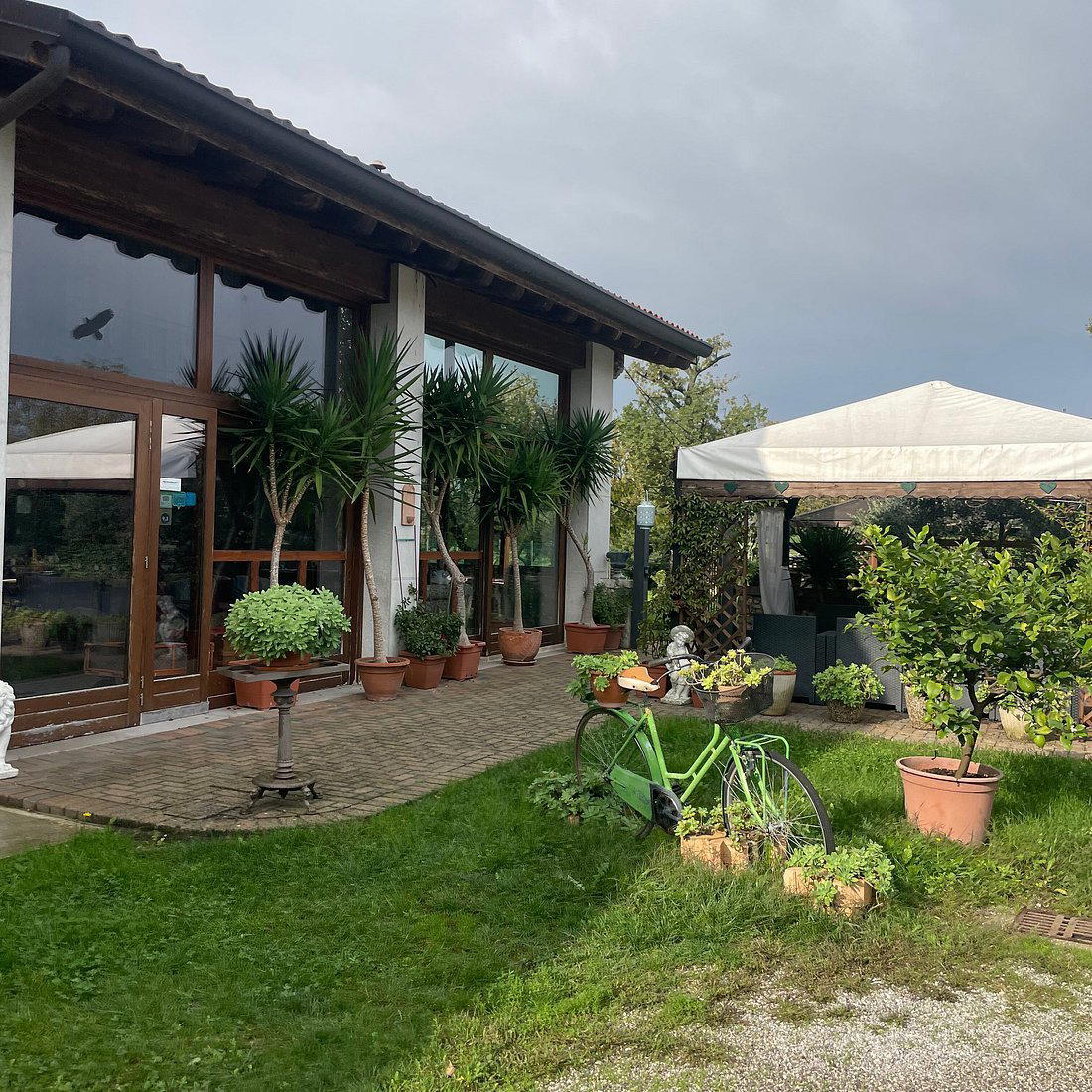
Romans d'Isonzo and the Friulian Table
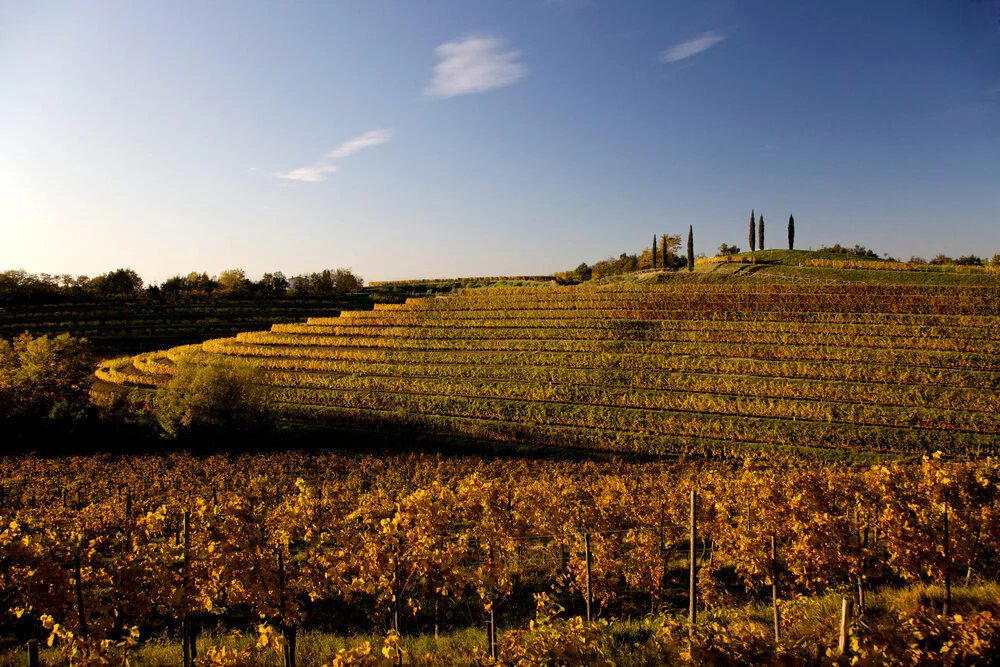
The towns strung along the Isonzo river between Gorizia and the Adriatic coast are not where most Italy itineraries begin, but they produce some of the country's most argument-worthy ingredients. The Collio and Isonzo DOC zones sit directly above this strip of plain, and the flatlands themselves support vegetable growing, cattle grazing, and small-scale foraging traditions that have been continuous for generations. In this context, an address like Locanda Casaversa 1834, a name anchoring itself to the nineteenth century, belongs to a specific type of Italian establishment: the locanda that frames its cooking around what the surrounding land reliably delivers rather than what a seasonal tasting menu concept requires.
Friuli-Venezia Giulia occupies an unusual position in Italian food culture. It sits at the intersection of Central European, Slavic, and Mediterranean influences, which means its larder looks different from both the Veneto to the west and Trentino to the north. San Daniele prosciutto cures in the hills a short drive from Romans d'Isonzo. The Isonzo plain supplies white asparagus in spring and maize for polenta through autumn. The Adriatic, reachable in under an hour, keeps seafood supply chains short. Restaurants working within this geography, at any price point, have access to raw material that more celebrated dining destinations often source from further away. That proximity is the structural advantage of eating in this part of Italy, and it is the context against which Locanda Casaversa 1834 should be read.
What the 1834 Founding Date Signals
An establishment naming itself after a founding year in the early nineteenth century is making an implicit argument about continuity. In the Friulian context that argument carries weight, because the region's culinary identity was consolidated across exactly that period, when the Habsburgs were administering Trieste as a free port, Gorizia was a prosperous regional capital, and the surrounding countryside was feeding both. Locanda formats from that era were defined by their relationship to local supply: they served what arrived, preserved what lasted, and built menus around the rhythm of the agricultural calendar rather than the logic of a printed prix fixe. Whether Locanda Casaversa 1834 maintains a version of that operating model is something a visit will answer. The founding date, at minimum, signals an institutional identity separate from the destination-restaurant wave that has reshaped dining in Modena, Milan, and Rome over the past two decades.
Italy's highest-profile restaurants, Osteria Francescana in Modena, Enoteca Pinchiorri in Florence, La Pergola in Rome, operate as cultural institutions with international reservation queues. So do stronger examples from northern Italy's regional flagships: Le Calandre in Rubano, Dal Pescatore in Runate, Villa Crespi in Orta San Giulio, Da Vittorio in Brusaporto. These are €€€€ propositions with extensive wine cellars, multi-course formats, and staffing ratios calibrated to the experience. Locanda Casaversa 1834, in a small Friulian town with a Via Gorizia address, belongs to a different tier entirely, one where the credential is the ingredient sourcing chain and the depth of local knowledge, not the awards cabinet.
Ingredient Geography as the Central Argument
The Friuli-Venezia Giulia region makes a compelling case for source-led cooking because the supply chain is unusually transparent. Producers in the Collio and Carso zones are small enough to be named individually. The San Daniele Consortium, based thirty kilometres northwest, enforces provenance standards that make the prosciutto traceable to specific farms. Montasio cheese, the region's DOP-protected aged variety, is produced by dairies scattered across the Friulian plain. For a locanda with nearly two centuries of documented presence in the area, the relationship with these suppliers is unlikely to be transactional. It is more probably structural, the kind built across multiple generations of the same families on both sides of the table.
This type of sourcing relationship produces a different dining experience from the kind available at, say, Piazza Duomo in Alba or Reale in Castel di Sangro, where ingredient sourcing is orchestrated as part of a high-concept culinary program. At a locanda of this type, the sourcing tends to be invisible, present in the quality of what arrives rather than announced through the menu language. That is a different kind of discipline, and one that rewards a reader willing to calibrate expectations accordingly. The Collio wine zone's whites, Friulano, Ribolla Gialla, Malvasia Istriana, are a logical pairing axis for this food, produced by estates within direct sight of the plain where Romans d'Isonzo sits.
Romans d'Isonzo in the Regional Circuit
Romans d'Isonzo is a comune of roughly four thousand people in the Province of Gorizia, positioned between the wine-tourist circuits of Collio to the north and the urban draw of Gorizia and Trieste to the south and east. It does not attract the volume of food tourism that Modena, Brusaporto, or Senigallia, home to Uliassi, receive, which means the dining experience is calibrated for a local and regional audience rather than an international one. That calibration generally produces more honest pricing, fewer concessions to tourist expectation, and food that answers to the tastes of the people who live nearby rather than the imagined preferences of a foreign visitor.
For travellers building a Friuli-Venezia Giulia itinerary around food, the province of Gorizia is logically paired with the Collio wine estates and the seafood-forward tables of Trieste. Gorizia itself, split into Italian and Slovenian halves until recently, is a more complex cultural destination than its size suggests. Romans d'Isonzo sits a short drive south, making it a practical lunch stop or dinner destination for anyone moving through the corridor.
Travellers who want to understand the Friulian approach to ingredient-led cooking in a wider Italian frame might also consider how the model differs from the Adriatic seafood tradition at Quattro Passi in Marina del Cantone, the mountain-sourcing discipline at Atelier Moessmer Norbert Niederkofler in Brunico, or the coastal focus of Gambero Rosso in Marina di Gioiosa Ionica. Each represents a distinct regional sourcing logic, and placing the restaurant alongside them clarifies what the Isonzo plain, specifically, contributes to Italy's ingredient map. For comparison further afield, the technical precision of Le Bernardin in New York City or the fermentation-forward program at Atomix in New York City illustrate how source integrity translates across different cooking cultures. Closer to home, Enrico Bartolini in Milan and Casa Perbellini 12 Apostoli in Verona represent how northern Italian fine dining formats have evolved in larger urban centres, a useful reference point for understanding what Romans d'Isonzo deliberately is not.
Planning a Visit
It is located at Via Gorizia 25 in Romans d'Isonzo, in the Province of Gorizia. The town is most easily reached by car; public transport connections from Gorizia are limited. Direct contact in advance is advisable given that locande of this type typically operate with smaller kitchens and less surplus capacity than urban restaurants. Visiting as part of a Collio wine day, tastings in the morning, lunch here, is a logical sequence that uses the geography efficiently.
Comparable Venues
Comparable venues nearby, for context on price, style, and recognition.
| Venue | Cuisine | Price | Notes |
|---|---|---|---|
| Locanda Casaversa 1834This venue — the venue you are viewing | Traditional Friulian Italian | $$ | Not listed |
| Al Postiglione | Traditional Italian Trattoria | $$ | Corno di Rosazzo |
| Osteria Solder | Friulian Osteria with Seasonal Twists | $$ | Corno di Rosazzo |
| Da Catine | Friulian Trattoria | $$ | Aonedis di Qua |
| Gelateria La Romana | Artisanal Italian Gelato | $$ | Sallustiano |
| Suban | Traditional Triestine & Istrian | $$ | San Giovanni |
Continue exploring
More in Romans D Isonzo
Restaurants in Romans D Isonzo
Browse all →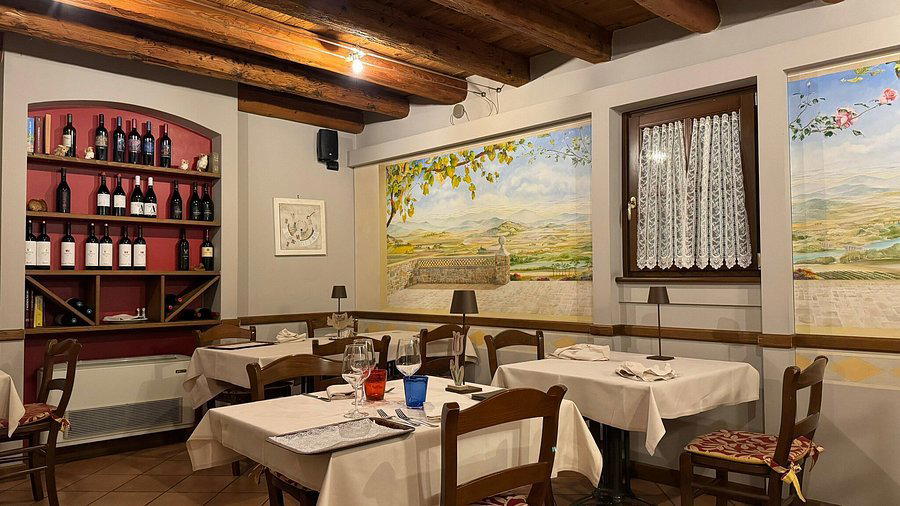
Bars in Romans D Isonzo
Browse all →
Hotels in Romans D Isonzo
Browse all →
At a Glance
- Rustic
- Cozy
- Classic
- Intimate
- Family
- Group Dining
- Date Night
- Casual Hangout
- Historic Building
- Local Sourcing
Current opening hours
- Monday
- Closed
- Tuesday
- Closed
- Wednesday
- 5–10 PM
- Thursday
- 5–10 PM
- Friday
- 11 AM–3 PM, 5–10 PM
- Saturday
- 11 AM–3 PM, 5–10 PM
- Sunday
- 11 AM–10 PM
Hours can change for holidays and private events. Last verified .
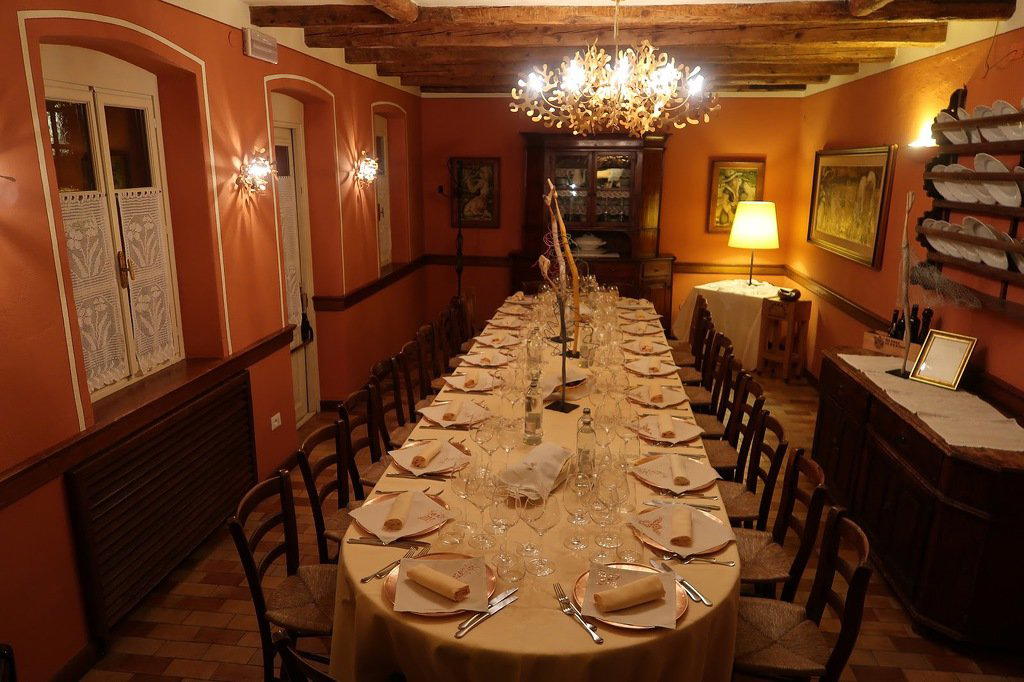
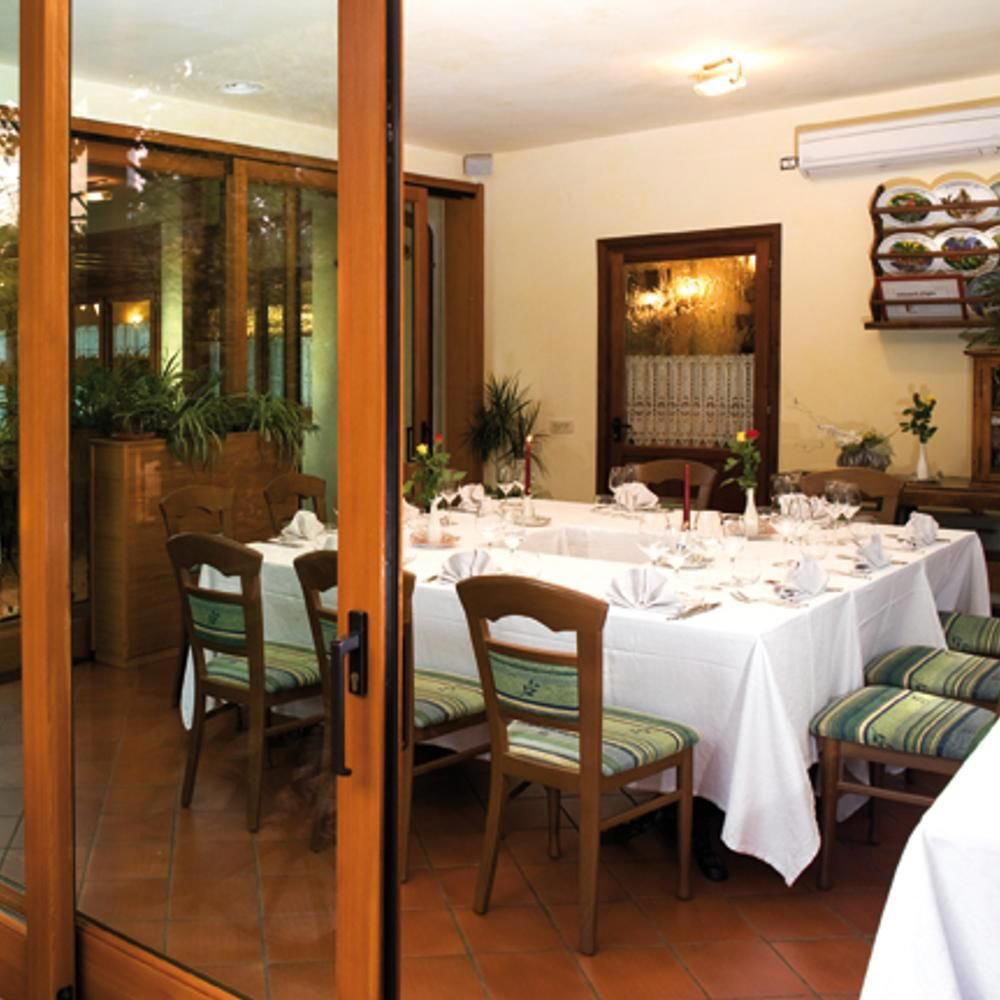
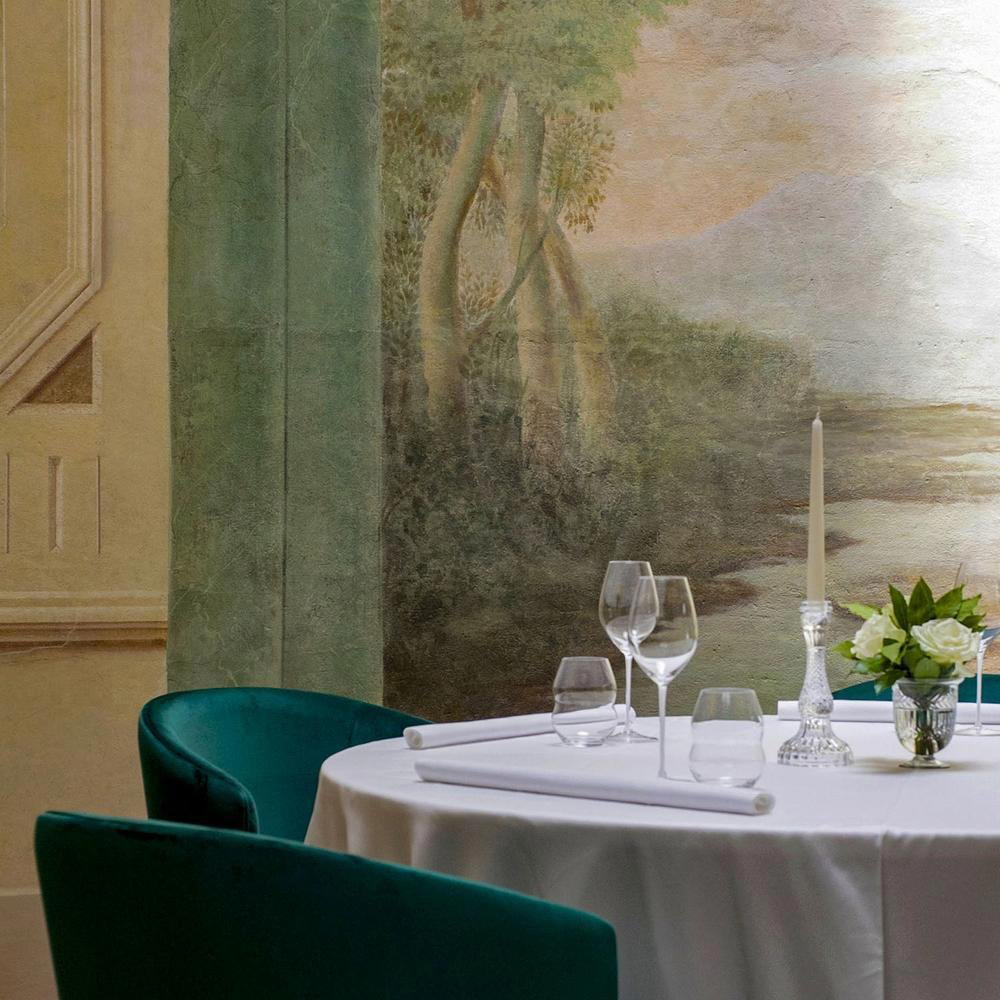
Warm and welcoming classic Friulian peasant atmosphere with historic decor, Christmas decorations, and soft background music creating a cozy, homey feel.