Al Postiglione
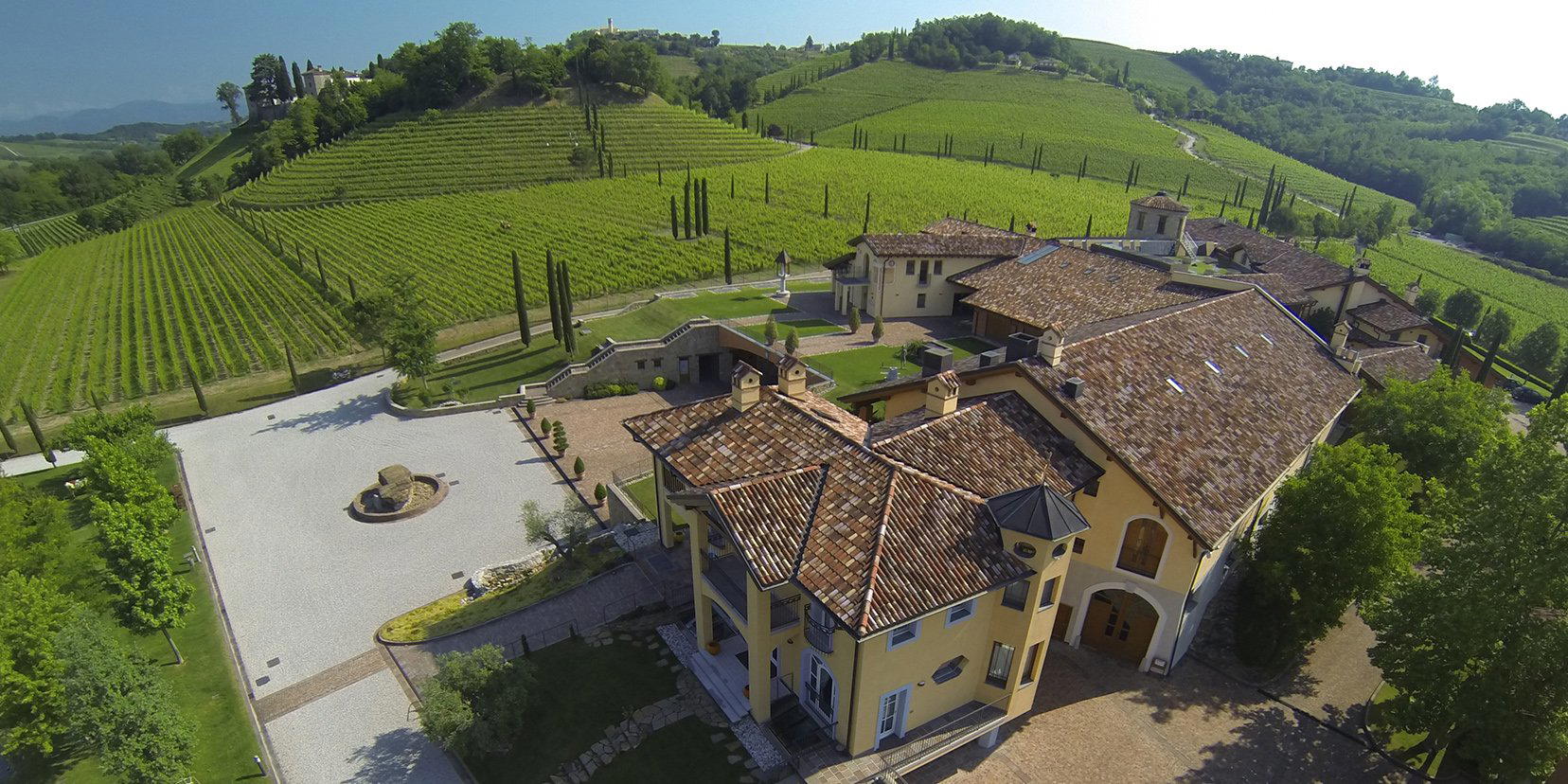
In the wine-threaded hills of Corno di Rosazzo, Al Postiglione sits in Località Gramogliano, a hamlet where Friulian agriculture and viticulture have shaped the table for generations. The kitchen draws from a tradition that treats the surrounding countryside as larder first, with ingredient sourcing rooted in the Collio and Colli Orientali del Friuli. For those tracing Italy's quieter regional dining circuits, this is a address worth tracking.
Pearl is the En Primeur Club membership app — saves, bookings, and concierge access live there. Same editors, same standards.
- Address
- Località Gramogliano, 19, 33040 Corno di Rosazzo UD, Italy
- Phone
- +39432759022
- Website
- perusini.com
- Directions
- Get directions
 Saves & bookings on Pearl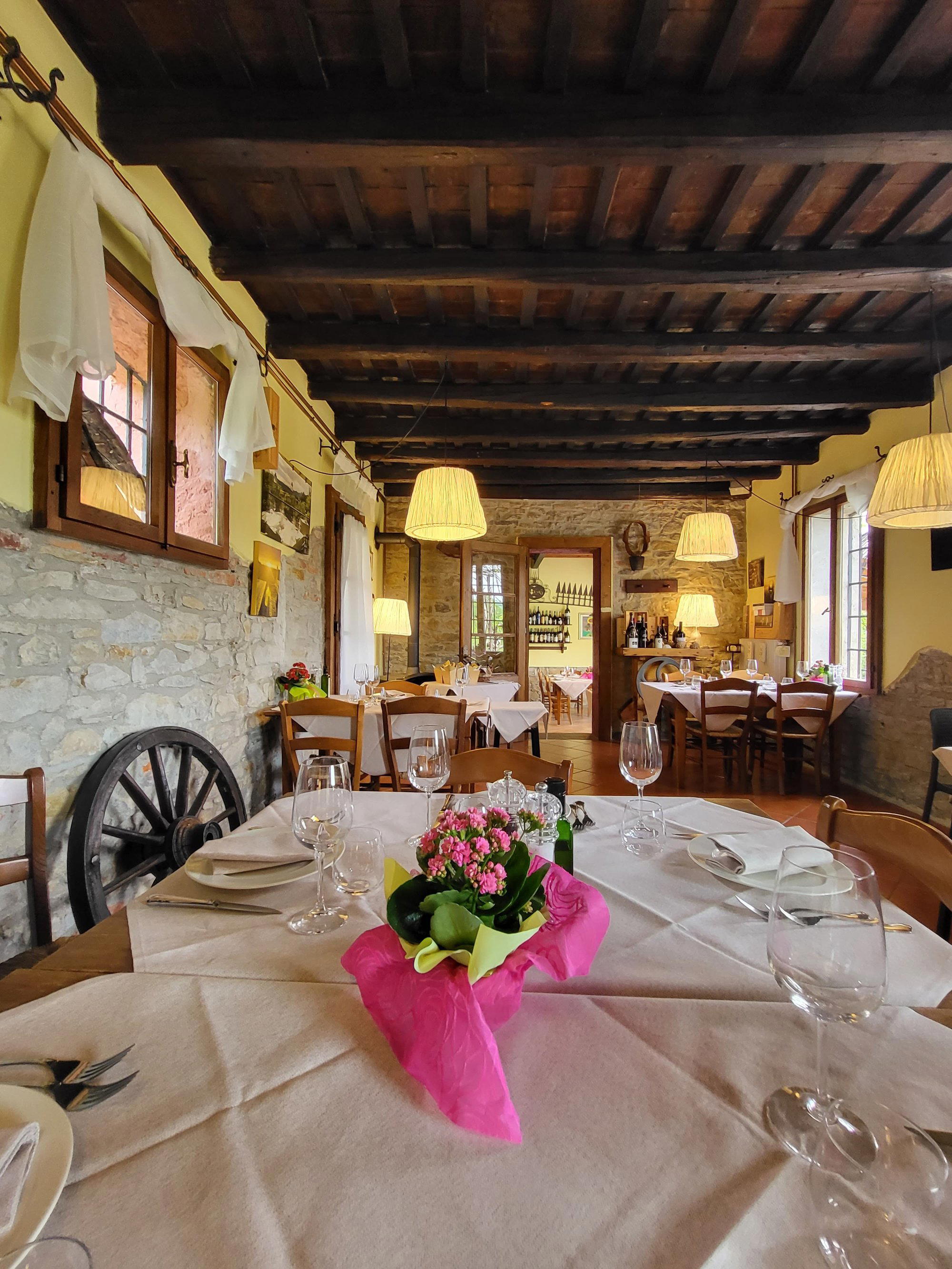
Where Friuli's Collio Countryside Meets the Table
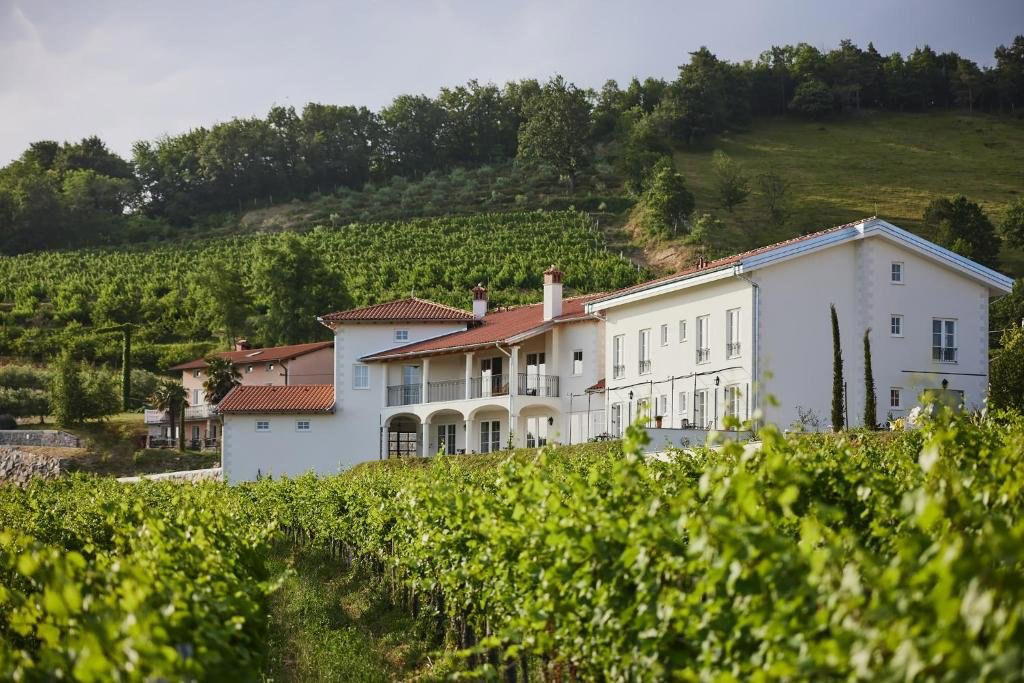
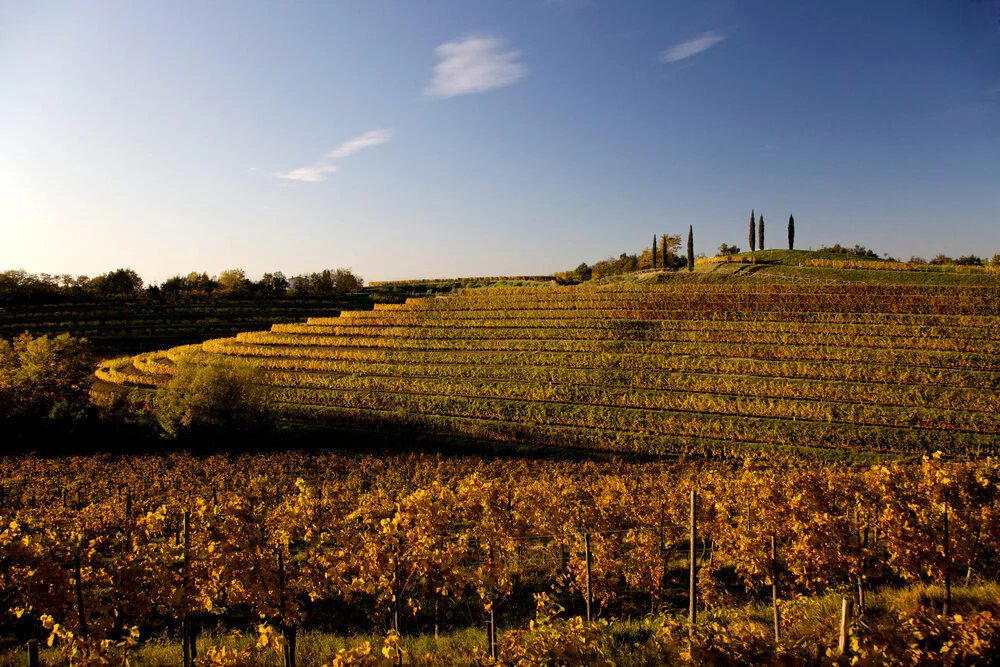
The road into Località Gramogliano, the small hamlet where Al Postiglione sits within the municipality of Corno di Rosazzo, passes through a landscape that explains the cooking before you arrive. Vineyards press close to the road on both sides. The Collio DOC and the Colli Orientali del Friuli overlap in these hills, producing some of northern Italy's most minerally precise white wines, and the farms between the rows supply the kind of seasonal produce that does not need to travel far to reach a kitchen. That geographical proximity, between source and plate, is the defining logic of this part of Friuli-Venezia Giulia's dining tradition.
Al Postiglione is a traditional Italian trattoria in Corno di Rosazzo, in Friuli-Venezia Giulia, serving a relaxed countryside setting. It is not a city with a critical mass of restaurants competing across price tiers; it is a wine-producing commune where eating well is almost always tied to the agricultural identity of the place. Restaurants here, by the nature of their setting, operate closer to their ingredient sources than almost any urban counterpart. The seasonal rhythms of the Collio hills, with white asparagus in spring, wild herbs through summer, and game and cured pork through autumn and winter, shape what appears on plates in ways that are structural, not decorative.
The Sourcing Logic of the Collio and Colli Orientali
Understanding why ingredient sourcing matters in this part of Friuli requires a brief detour into the region's food identity. Friuli-Venezia Giulia sits at the junction of Italian, Slovenian, and Austro-Hungarian culinary traditions, and the result is a cuisine that does not fit cleanly into any single national narrative. Cured meats, in particular prosciutto di San Daniele and the regional salumi tradition, are produced within short distances of these hills. Frico, the fried or baked cheese dish made from Montasio, is a Friulian staple that connects directly to the dairy farms of the plateau to the north. The corn-based polenta that underpins much of the region's peasant cooking comes from fields that still operate across the province of Udine.
Al Postiglione's address in Gramogliano places it inside this agricultural web. Restaurants in Corno di Rosazzo that take their sourcing seriously are drawing from a producer ecosystem that has been sustained by the wine industry's economic stability. The same smallholders who supply grapes to the Collio's wine estates tend kitchen gardens and rear animals that end up on local menus. This interconnection between viticulture and gastronomy is not incidental; it is the structural reason that the area around Corno di Rosazzo produces a coherent dining tradition rather than isolated restaurants.
For context on how ingredient-led Italian regional cooking operates at the decorated end of the spectrum, restaurants such as Dal Pescatore in Runate and Atelier Moessmer Norbert Niederkofler in Brunico demonstrate how deep sourcing commitments can shape kitchen identity at the highest levels. Closer in spirit to a trattoria or osteria register, the restaurant operates in the tradition of Friulian hospitality where the sourcing story is told through simple preparations rather than technical complexity.
Placing Al Postiglione in Corno di Rosazzo's Dining Circuit
Corno di Rosazzo is a small commune, and the dining options reflect that scale. The relevant comparable set for the restaurant is not Italy's decorated fine-dining tier, which includes Michelin-starred addresses such as Osteria Francescana in Modena, Piazza Duomo in Alba, or Le Calandre in Rubano, but rather the category of place-specific, agriculture-rooted trattorias and osterias that form the backbone of Italian regional eating. In that category, Friulian restaurants carry particular authority because the region's culinary traditions have not been smoothed out by mass tourism in the way that Tuscan or Venetian cooking has been.
Within Corno di Rosazzo itself, the restaurant sits alongside Osteria del Pinot Grigio Ramato and Osteria Solder as part of a small cluster of restaurants serving Friulian cooking in a setting where the wine list and the kitchen draw from the same postcode.
For those whose Italian dining circuit extends further, the country's other ingredient-committed regional houses include Quattro Passi in Marina del Cantone, Uliassi in Senigallia, and Reale in Castel di Sangro, each anchored to a specific territory's produce in ways that make geography legible on the plate. The format and price point differ sharply from the restaurant, but the underlying sourcing logic is the same.
Planning a Visit to Gramogliano
Corno di Rosazzo sits in the province of Udine in northeastern Friuli-Venezia Giulia, reachable by car from Udine in under thirty minutes and from Gorizia in a similar window. The area is best reached by car, as the wine estate and restaurant circuit through the Collio hills is not served by meaningful public transport. The restaurant's address at Località Gramogliano, 19 places it in the agricultural core of the commune, which means arriving by car is the practical standard for visitors from outside the area. Those building a longer stay in the region should note that the Collio and Colli Orientali harvest season in autumn brings the densest activity across both wineries and local tables, though the spring asparagus window is a compelling alternative draw.
For wider Italian reference points that sit at quite different scales and price tiers but share a commitment to regional identity, Enoteca Pinchiorri in Florence, Enrico Bartolini in Milan, Casa Perbellini 12 Apostoli in Verona, Da Vittorio in Brusaporto, and Villa Crespi in Orta San Giulio represent the decorated tier of Italian regional cooking that operates in a different bracket. For those whose reference frame extends to international comparisons, Le Bernardin in New York City and Lazy Bear in San Francisco demonstrate how sourcing-led narratives translate into fine-dining formats in different markets.
A Quick Peer Check
Comparable venues nearby, for context on price, style, and recognition.
| Venue | Cuisine | Price | Notes |
|---|---|---|---|
| Al PostiglioneThis venue — the venue you are viewing | Traditional Italian Trattoria | $$ | Not listed |
| Osteria del Pinot Grigio Ramato | Friuli Osteria with Regional Italian Cuisine | $$$ | Corno di Rosazzo |
| Osteria Solder | Friulian Osteria with Seasonal Twists | $$ | Corno di Rosazzo |
| Ristorante da Cherubino | Traditional Venetian Trattoria | $$ | San Marco |
| Al Ponte | Italian Seafood with Friulian Specialties | $$ | Gradisca d'Isonzo |
| Ai Tre Canai | Traditional Italian Seafood | $$ | Marano Lagunare |
Continue exploring
More in Corno Di Rosazzo
Restaurants in Corno Di Rosazzo
Browse all →
Bars in Corno Di Rosazzo
Browse all →
Hotels in Corno Di Rosazzo
Browse all →
At a Glance
- Rustic
- Cozy
- Classic
- Family
- Casual Hangout
- Special Occasion
- Historic Building
- Extensive Wine List
- Local Sourcing
- Vineyard
Current opening hours
- Monday
- Closed
- Tuesday
- Closed
- Wednesday
- Closed
- Thursday
- 7:30–11 PM
- Friday
- 12:30–3:30 PM, 7:30–11 PM
- Saturday
- 12:30–3:30 PM, 7:30–11:30 PM
- Sunday
- 12:30–3:30 PM, 7:30–11 PM
Hours can change for holidays and private events. Last verified .
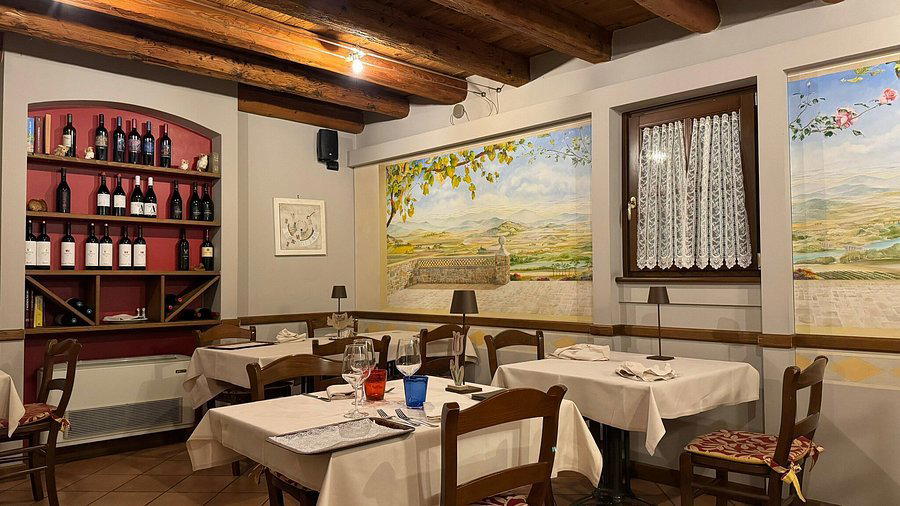
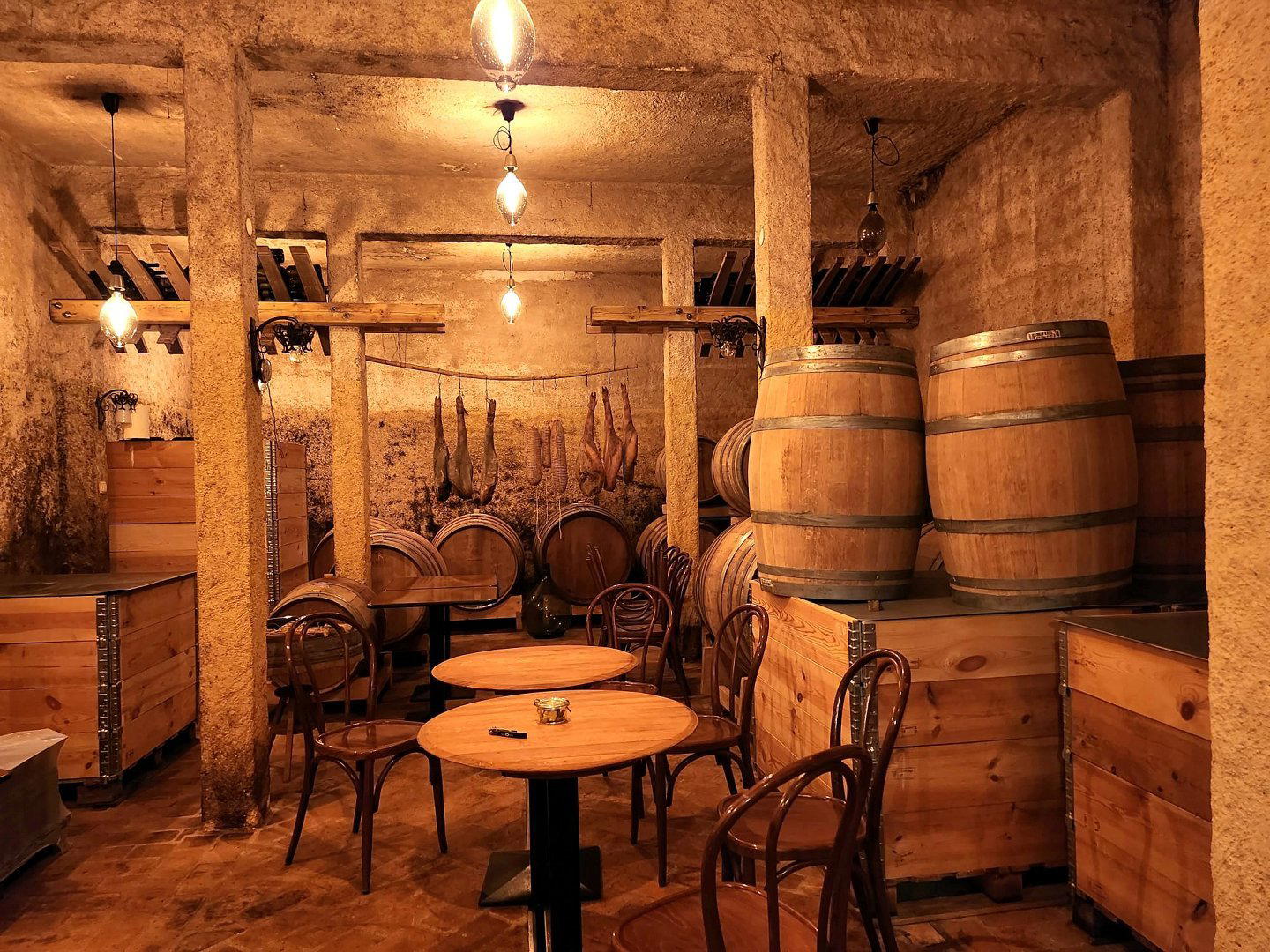
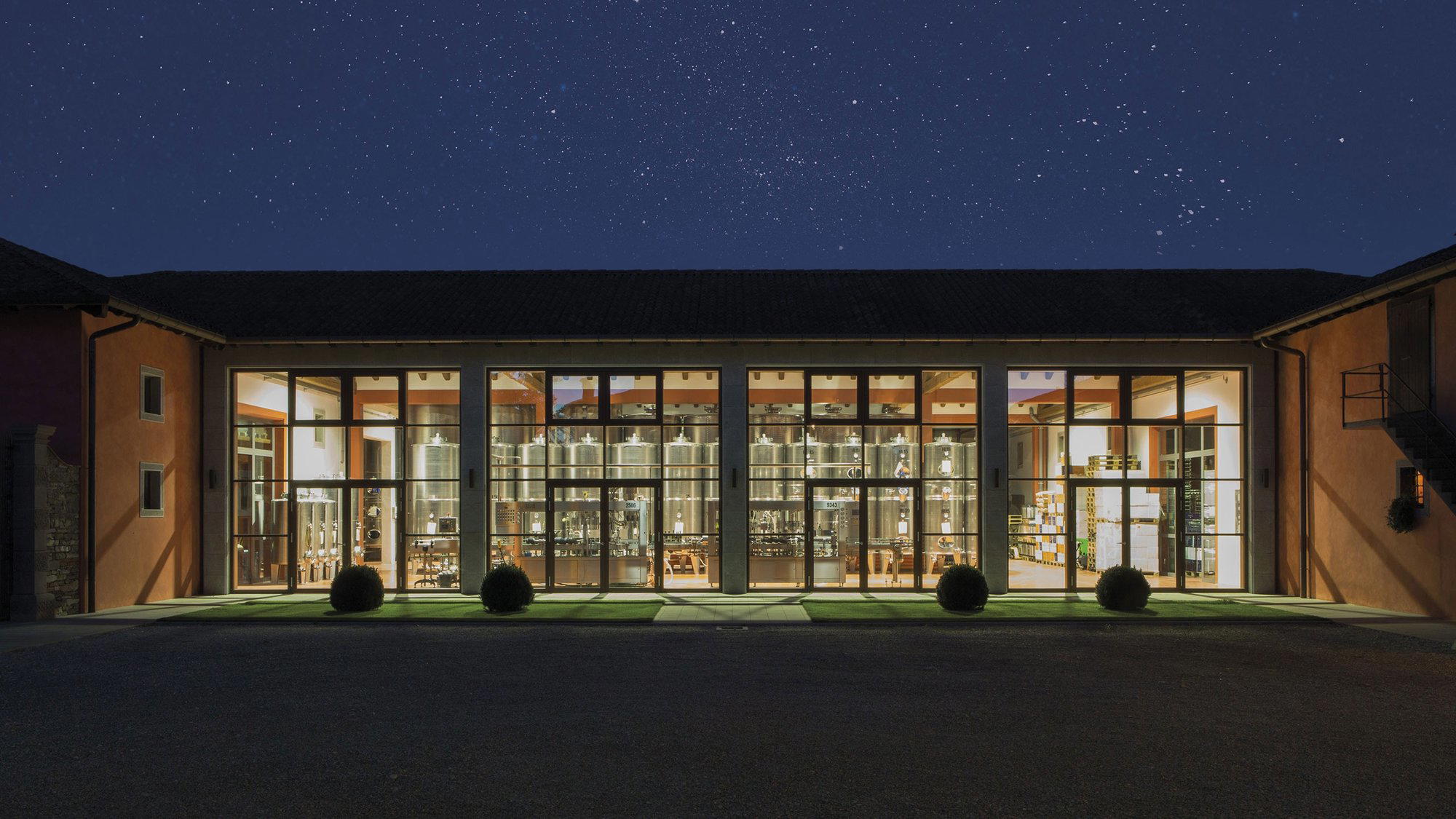
Welcoming and tranquil atmosphere in a carefully restored historic casale, with a relaxed, homey feel praised by guests.