
A polished hotel lounge on the Kamogawa side of Nakagyo-ku, this Kyoto café sits in the city’s upper hotel-tea tier rather than the quick coffee circuit. Recognition in Tabelog 100 Cafe WEST 2025 and a 42-seat format point to a room built for repeat afternoon tea, careful service, and lingering meetings rather than turnover.
Pearl is the En Primeur Club membership app — saves, bookings, and concierge access live there. Same editors, same standards.
- Address
- 京都府京都市中京区鴨川二条大橋畔 ザ・リッツ・カールトン京都 1F
- Phone
- +81757465522
 Saves & bookings on Pearl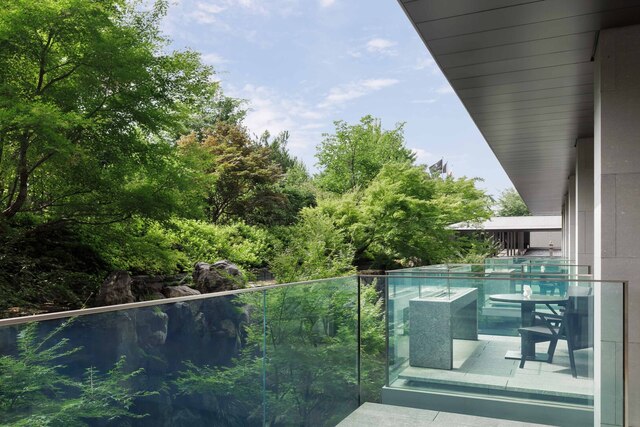
Arriving at a Kyoto hotel lounge changes the tempo before the first order. The city outside runs on temple itineraries, department-store basements, coffee counters, and taxi timing; inside, the lobby-lounge format asks for a slower read. Contemporary art, broad seating, and the Kamogawa-side hotel setting give the room a social function that Kyoto has long understood: tea is not only a pause between appointments, it is where appointments happen.
That distinction matters in a city where cafés split into several tribes. There are kissaten with decades of patina, patisserie-led rooms built around cake sets, specialty coffee shops with tight counter choreography, and hotel lounges where the regulars are not chasing novelty. They return for predictability: space to talk, staff who can handle mixed-generation parties, and a menu that can move from afternoon tea to wine or cocktails without forcing the table into a full restaurant commitment.
Kyoto's hotel-tea circuit, seen through the regular table
Lobby Lounge Za rittsu kaaruton kyoto belongs to the high-comfort end of Kyoto café culture. Its selection for Tabelog 100 Cafe WEST 2025 places it within a curated regional café field, but the more useful reading is behavioral. A 42-seat lounge in a luxury hotel operates differently from a narrow independent café: it rewards people who need a reliable room, not only a drink. Families, visiting relatives, hotel guests between check-in and dinner, and Kyoto residents using the room for celebrations all fit the format.
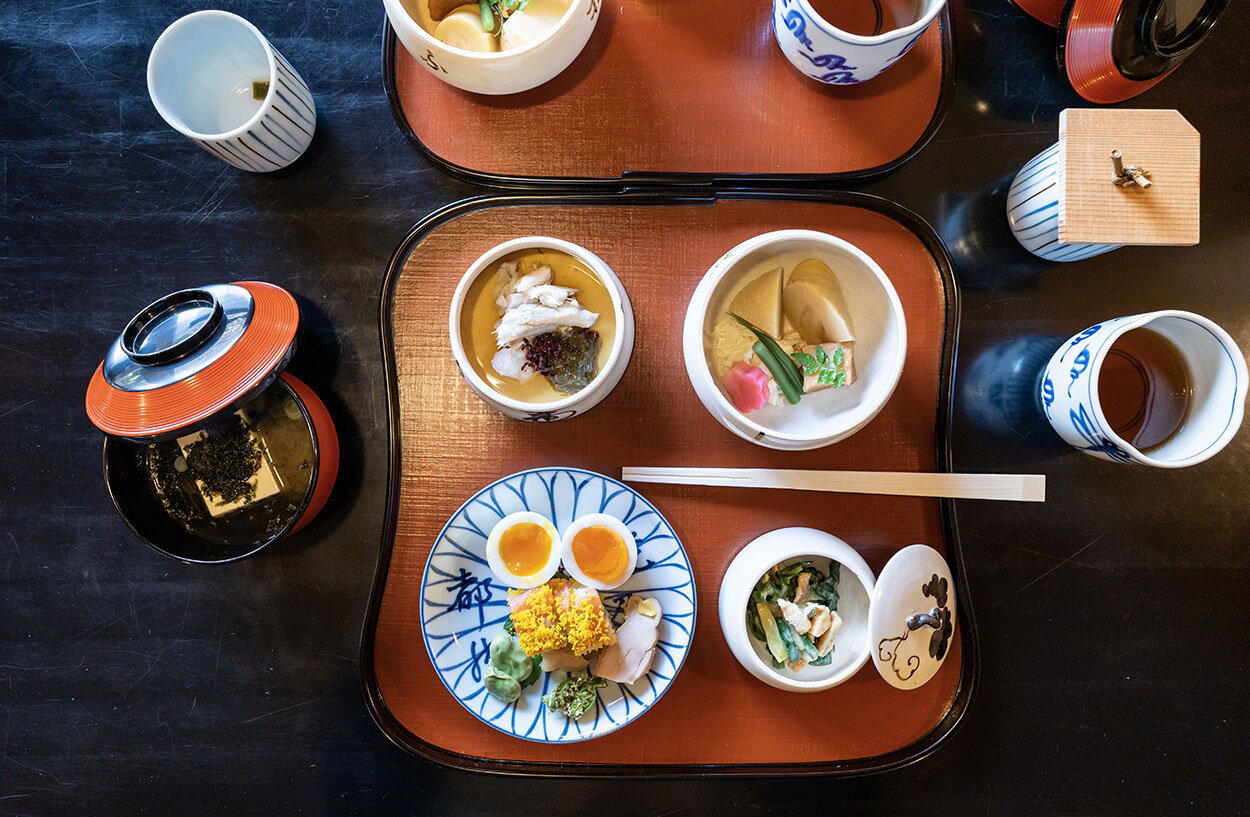
The unwritten menu at this kind of lounge is logistical as much as edible. Afternoon tea gives the room its ceremonial spine, while café and tea service keep it useful for less formal visits. Wine and cocktails widen the afternoon into early evening, which is why the lounge category in Kyoto can overlap with hotel bar culture without becoming a bar. For readers mapping a full day, the comparison is less with a destination dinner than with the city’s other interstitial pleasures: a sweet stop after Imamiya Shrine’s aburi mochi at Aburi Mochi Honke Nemoto Kazariya, a café-led pause before dinner at Abbesses, or a casual detour toward 551蓬莱.
Kyoto’s luxury hotels have also changed how visitors use the city. The old model treated the hotel lobby as a waiting room; the current model turns it into a low-friction dining address with reservations, multilingual menus, and service polished enough for birthdays or family gatherings. Within the Ritz-Carlton orbit, the lounge sits below the formality of La Locanda Za rittsu kaaruton kyoto, Tempura Mizuki, Kaiseki MIZUKI, and Chef’s Table by Katsuhito Inoue @Ritz Carlton, but that is not a demotion. It is a different kind of utility: lower commitment, broader occasion range, and easier to fold into a day that already includes museums, riverside walks, and dinner elsewhere.
Why repeat guests value the format more than novelty
Regulars tend to protect rooms that solve recurring Kyoto problems. The city is dense with quality, but not every address suits a stroller, an English-language menu, a celebration plate, or a mixed party in which one guest wants tea and another wants a cocktail. Here, the service architecture carries as much weight as the menu category. Children are welcome, high chairs are available, and the hotel setting reduces the uncertainty that can make Kyoto dining difficult for larger or intergenerational groups.
The room’s appeal also comes from what it refuses to become. It is not a fast café, not a chef-counter performance, and not a tasting-menu restaurant disguised as tea. That restraint makes it useful. In Kyoto, where serious dining can be reservation-heavy and etiquette-sensitive, a polished lounge gives travelers a softer landing. It can take the place of a late lunch, a pre-dinner meeting, or a composed break between temple districts without requiring the emotional bandwidth of another formal meal.
For a sharper read on Kyoto’s dining range, place the lounge against nearby categories rather than against a single peer. 3TOKU6MI Shijo karasuma ten sits in a different casual urban lane, [ki:] speaks to Kyoto’s smaller-format contemporary dining, and La Locanda brings Italian hotel dining into a higher spend bracket. The lounge’s role is not to outdo those meals; it gives the day structure around them.
That is why the Tabelog 100 Cafe WEST 2025 recognition is meaningful. Café awards in Japan can capture places that are not chasing the same signals as starred restaurants. A hotel lounge earning attention in that field suggests that execution, comfort, and repeat usability count alongside independent character. The score listed on Tabelog, 3.60, reinforces the point without needing drama: this is a room with enough public traction to matter in a category where regular use is a stronger signal than spectacle.
How it fits a Kyoto itinerary without taking over the day
The smarter use is to treat the lounge as a hinge. Pair it with a morning around central Kyoto, a riverside walk, or a museum visit, then let dinner carry the heavier culinary argument. Kyoto rewards this pacing. Too many travelers stack formal meals until the city becomes a checklist; a lounge break keeps the day legible and gives conversation room to breathe.
Readers building a broader Kyoto plan should use Our full Kyoto restaurants guide for dining structure, Our full Kyoto hotels guide for stay context, Our full Kyoto bars guide for after-dark planning, Our full Kyoto wineries guide for wine-led detours, and Our full Kyoto experiences guide for cultural pacing. For a wider Japan and overseas casual-dining contrast, compare the everyday formats at -Grilled beef Sukiyaki- KAMAKURA TANUKIAN 鎌倉 たぬき庵 in Kamakura. 鮪と炭火焼き うお炭 秋葉原店 in Tokyo.cafe in Osaka.know in Kumamoto, (Shoku) Vietnam in Kawasaki, [Curry Senmon Ten] Maruyama Kyoju. in Sapporo, Jōdo Saké Bar in Los Angeles, and Onigiri Time in Pasadena.
Where the Accolades Land
Comparable venues at the same tier.
| Venue | Cuisine | Price | Notes |
|---|---|---|---|
| Lobby Lounge Za rittsu kaaruton kyotoThis venue — the venue you are viewing | Luxury hotel lounge & afternoon tea | $$$$ | Not listed |
| Calvador | Specialty Calvados & spirits bar | $$$ | Nakagyō |
| 京、静華 | Modern Chinese Fine Dining | $$$$ | Okazaki |
| ELEPHANT FACTORY COFFEE | Specialty Coffee & Cafe | $$ | Nakagyō |
| 天ぷら 京星 | Kyoto-Style Tempura | $$$$ | 祇園 |
| Salon de the FRANCOIS | Historic Kyoto kissaten & classic café | $$ | Shimogyō |
Recognition history
Dated appearances from independent guides and award organizations, with the underlying list record or original source where available.
Tabelog 100 #19 · No. 19
Tabelog · Tabelog 100 - Cafe - WEST - 2025
Continue exploring
More in Kyoto
Restaurants in Kyoto
Browse all →

Bars in Kyoto
Browse all →

Hotels in Kyoto
Browse all →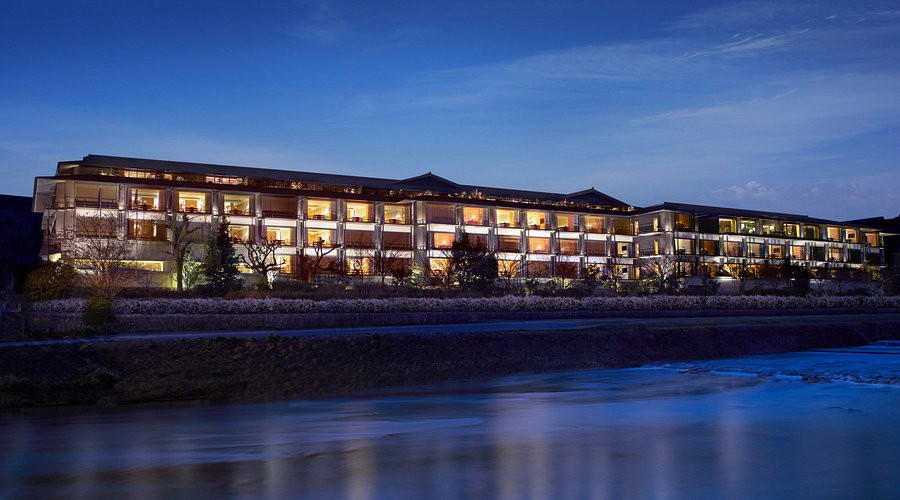

Wineries in Kyoto
Browse all →
At a Glance
- Elegant
- Sophisticated
- Modern
- Classic
- Scenic
- Intimate
- Date Night
- Business Dinner
- Family
- Casual Hangout
- Special Occasion
- After Work
- Hotel Restaurant
- Design Destination
- Waterfront
- Historic Building
- Craft Cocktails
- Waterfront
- Garden
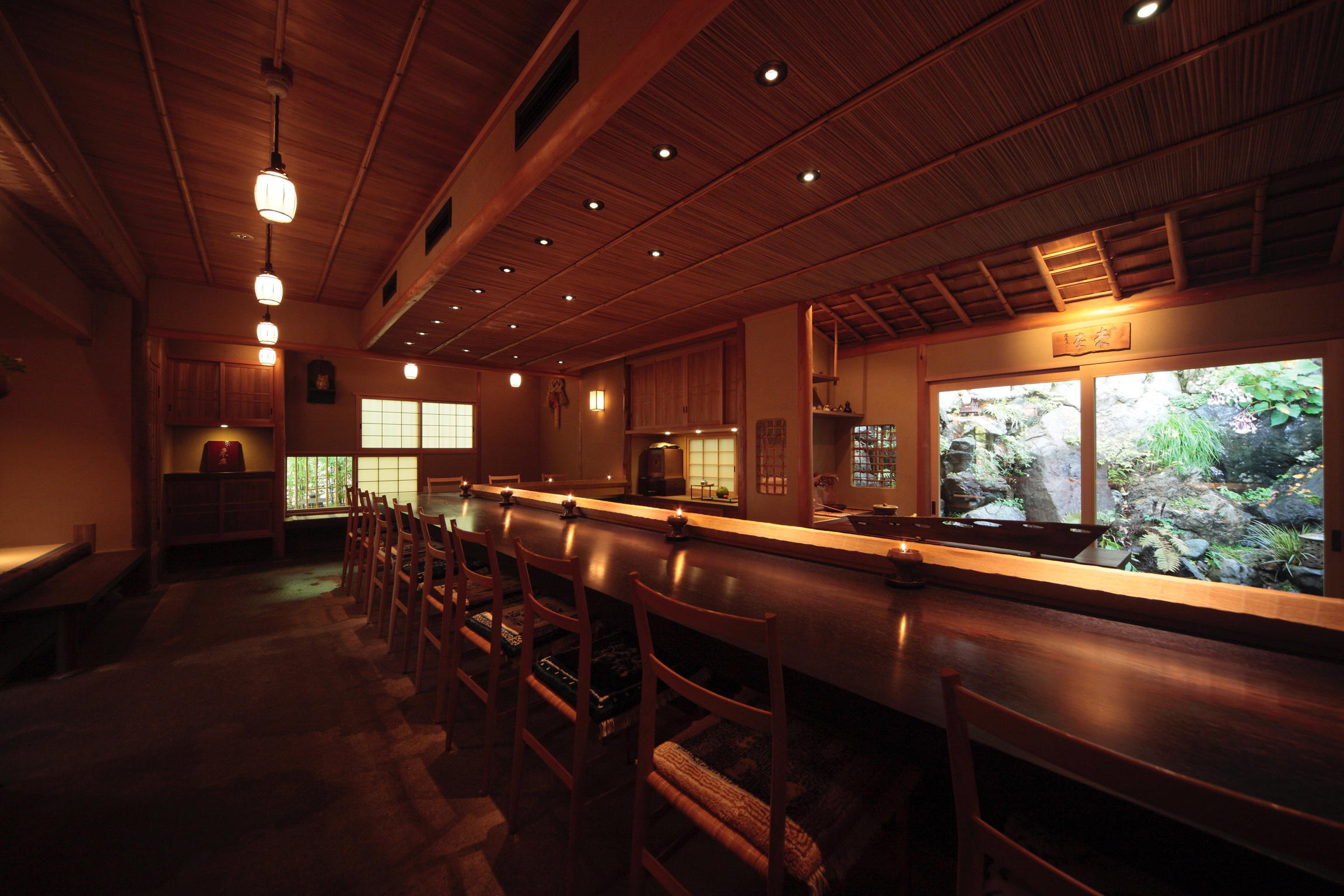
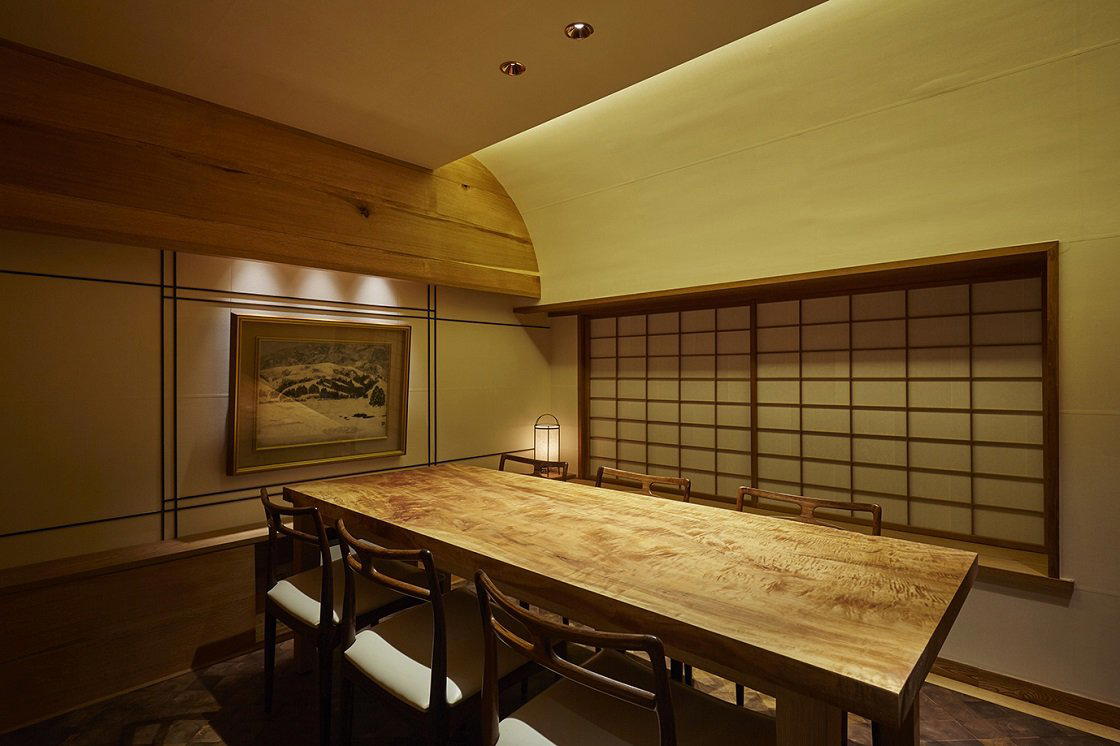
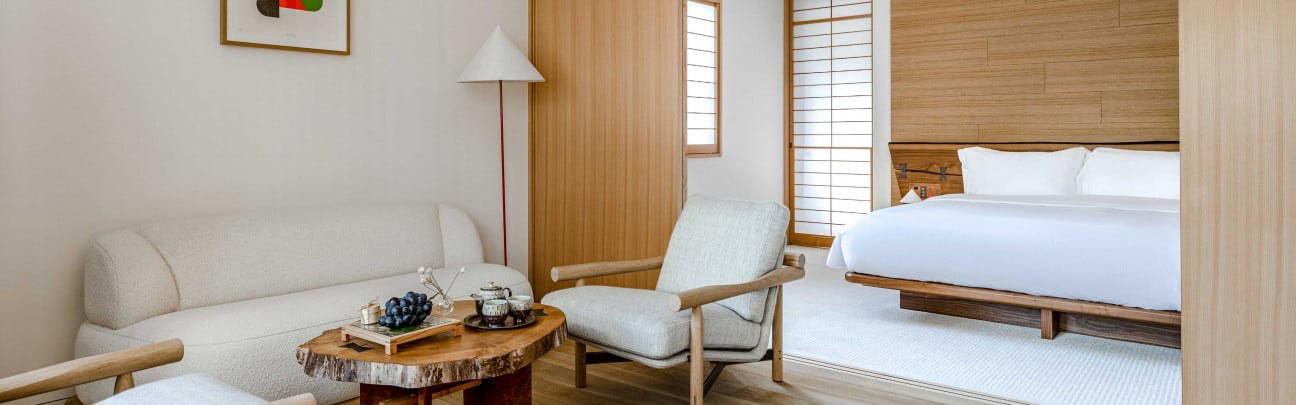
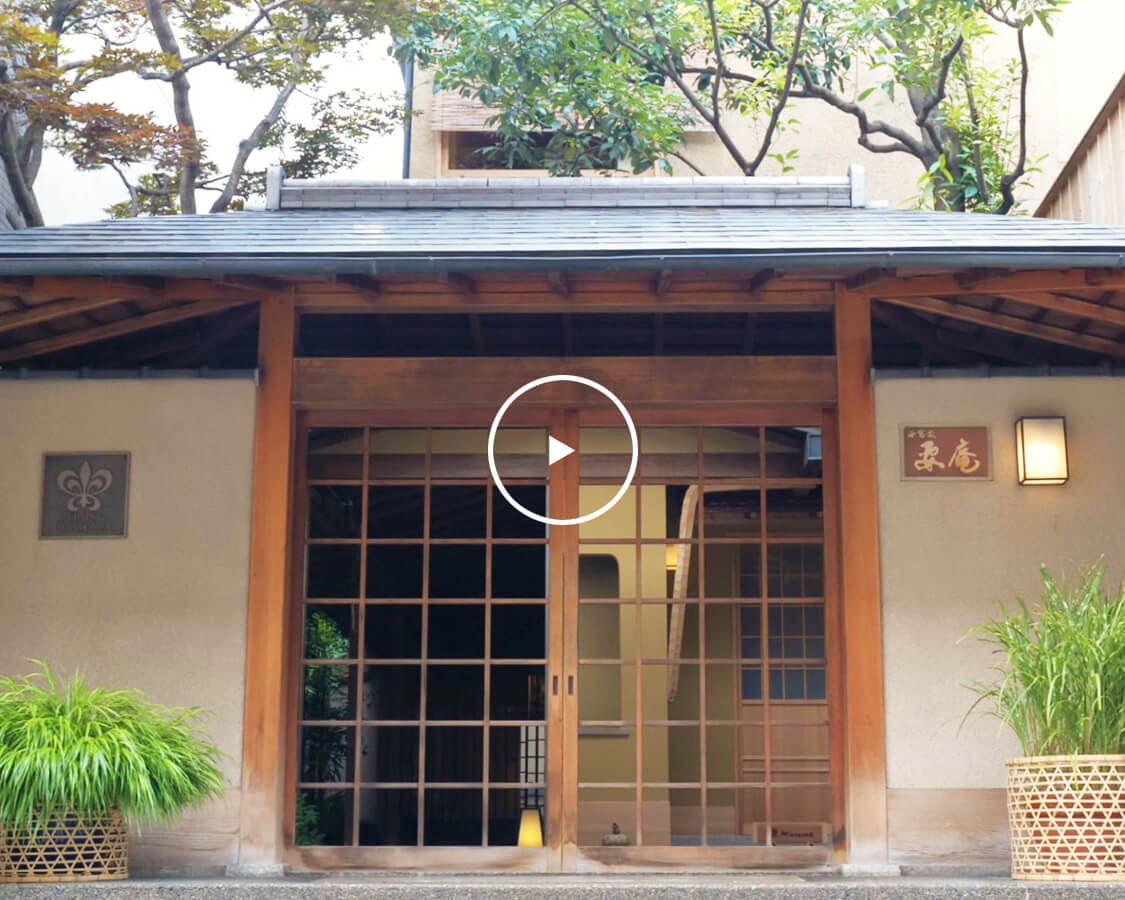
A serene, luxurious tea lounge that blends contemporary art and Kyoto machiya-inspired design, with warm refined lighting, river views, and a calm hotel-lounge atmosphere suited to relaxed conversations and afternoon tea.