In the medieval village of Desaignes in the Ardèche, L'Âne Têtu occupies a spot on the old fountain square where the sourcing philosophy running through rural Ardèche cooking is on full display. The setting signals what the kitchen prioritizes: proximity, seasonality, and the kind of ingredient relationships that define serious regional French cooking far outside the Michelin circuit.
Pearl is the En Primeur Club membership app — saves, bookings, and concierge access live there. Same editors, same standards.
- Address
- 80 place de la Fontaine Barbière, 07570 Désaignes, France
- Phone
- +33475093043
- Website
- lanetetu.fr
- Directions
- Get directions
 Saves & bookings on Pearl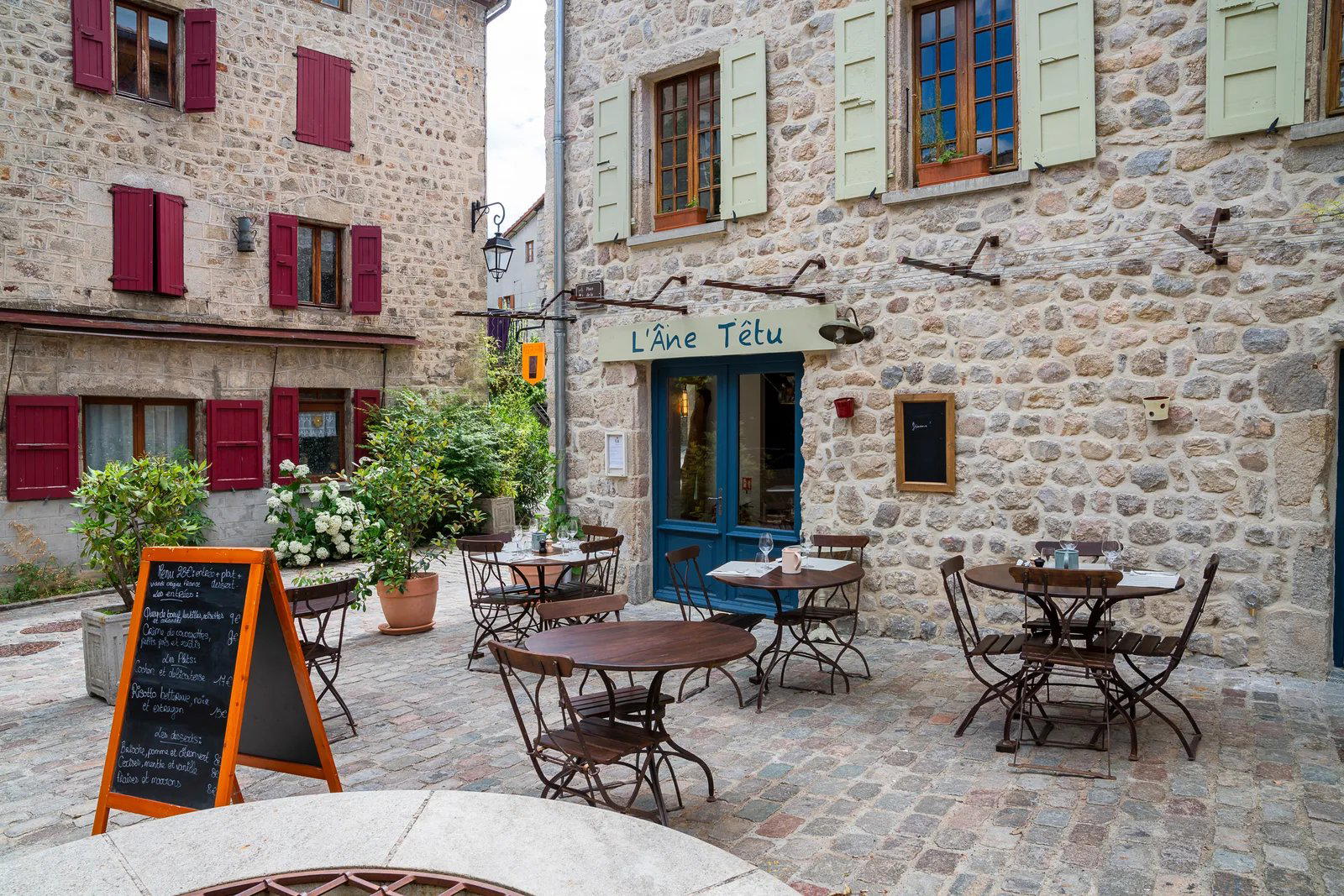
A Village Square and What It Promises
L'Âne Têtu is a vegan French fine dining restaurant in Désaignes, France, with. Arrive at 80 place de la Fontaine Barbière and you are standing in one of the more quietly persuasive arguments for rural French dining. The village of Désaignes sits in the Ardèche, a department that has resisted the kind of gastronomic branding that concentrates food tourism around a handful of headline cities. There are no neon-lit brasseries here, no wine-bar concepts aimed at weekending Parisians. What the Ardèche offers instead is a denser relationship between kitchen and land than almost anywhere else in the French interior, and L'Âne Têtu, whose name translates roughly as the Stubborn Donkey, signals its position in that tradition from the outside in.
The fountain square setting is medieval in its bones, the kind of place where produce has changed hands for centuries. That continuity is not incidental to the food. In this part of the Ardèche, the sourcing conversation that high-end urban restaurants simulate at considerable cost is simply the default mode of operation. Farmers, foragers, and small-hold producers are neighbours, not suppliers in the logistical sense. For the traveller used to tracking ingredient provenance through menu footnotes at Mirazur in Menton or Bras in Laguiole, visiting a village kitchen in the Ardèche reframes the whole question of where sourcing culture actually originates.
Ingredient Territory: The Ardèche as Kitchen Garden
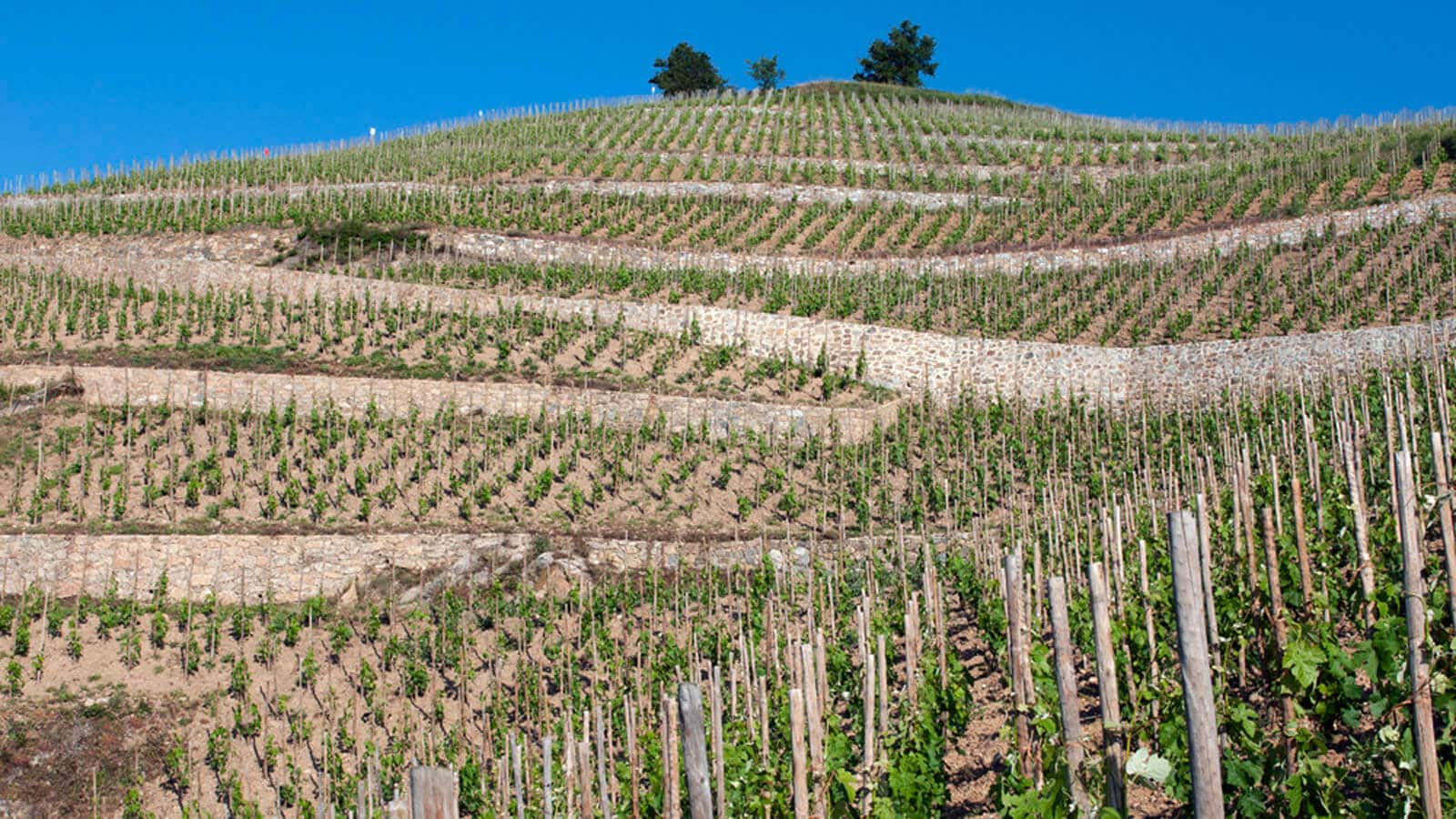
The Ardèche valley corridor running north from the Rhône has particularly varied micro-climates in southern France. Chestnuts, wild mushrooms, river fish, small-farm cheeses, stone fruits, and heritage legumes all move through local markets and direct-from-producer relationships that have defined the cooking here long before farm-to-table became a culinary category. This is the context in which L'Âne Têtu operates: not as a departure from local norms but as a direct expression of them.
That grounding in local supply chains places the restaurant in a different competitive register from the grand country houses of French gastronomy. Where Flocons de Sel in Megève or L'Oustau de Baumanière in Les Baux operate as destination properties with significant infrastructure behind their sourcing programs, a village address in Désaignes implies a different scale, a tighter radius. The proximity is the point. What reaches the kitchen does so because it could not be more local, not because it has been curated across a wider territory.
The Ardèche chestnut, for example, carries a protected designation of origin and has structured regional cooking for generations. It appears in savoury and sweet registers, in everything from soups to desserts, and its seasonality, harvest runs from October through December, sets a calendar that shapes menus in ways that purely market-driven buying cannot replicate. Similarly, the Ardèche's rivers supply freshwater fish that do not travel far before reaching the plate. This kind of embedded seasonality is not a menu concept; it is a physical constraint that produces cooking with a specific character.
For context on how the broader French dining circuit treats terroir and sourcing, the contrast with Parisian institutions is instructive. Alléno Paris au Pavillon Ledoyen or Assiette Champenoise in Reims build extraordinary sourcing networks precisely because they must reach across regions to achieve what a well-placed village kitchen in the Ardèche inherits by geography.
Désaignes in the Wider French Village Dining Pattern
Small-village restaurants in the French interior occupy an increasingly distinct niche. As urban fine dining has concentrated investment and critical attention, the village auberge format has evolved into something that rewards a specific kind of traveller: one who treats the journey as inseparable from the meal. Désaignes, perched above the Doux river valley at an elevation that brings cooler summers than the Rhône plain below, is the kind of place you reach by intention. There is no passing traffic that accidentally discovers it.
That self-selection produces a particular dining room atmosphere. The guests at a table in Désaignes have generally made choices about pace, about prioritizing the particular over the convenient. This is in some ways the opposite dynamic from the destination restaurant circuit, where venues like Paul Bocuse's Auberge du Pont de Collonges or Georges Blanc in Vonnas draw visitors primarily because of institutional reputation. In a village setting, the reputation is more local, more word-of-mouth, and the clientele reflects that.
The broader Desaignes restaurant scene supports this reading. Ferme Auberge de Jameysse, another address in the same village, operates on the farm-auberge model that has long anchored rural Ardèche hospitality. Together they suggest a village that sustains more serious food than its size would imply.
Planning the Visit
Désaignes sits roughly between Lamastre and Saint-Agrève in the northern Ardèche, accessible by car from the A7 autoroute via the Tournon-sur-Rhône exit, a drive that takes the better part of an hour from the valley floor. The village has no train connection; a car is effectively required. The fountain square address, 80 place de la Fontaine Barbière, is in the historic centre, walkable from any point in the upper village.
Village restaurants in this part of France frequently close on at least two weekdays, and many adjust their winter schedule around the chestnut harvest season. Pairing the visit with a broader Ardèche itinerary, the Gorges de l'Ardèche are within easy reach to the south, and the market towns of Lamastre and Tournon sit on the valley road below, makes the logistics more manageable for visitors travelling from outside the region.
That informality is part of its appeal, but it places a small premium on advance contact and flexibility.
How It Stacks Up
Comparable venues nearby, for context on price, style, and recognition.
| Venue | Cuisine | Price | Notes |
|---|---|---|---|
| L'Âne TêtuThis venue — the venue you are viewing | Vegan French Fine Dining | $$$ | Not listed |
| Ferme Auberge de Jameysse | Traditional Ardèche Farm Cuisine | $$ | Désaignes |
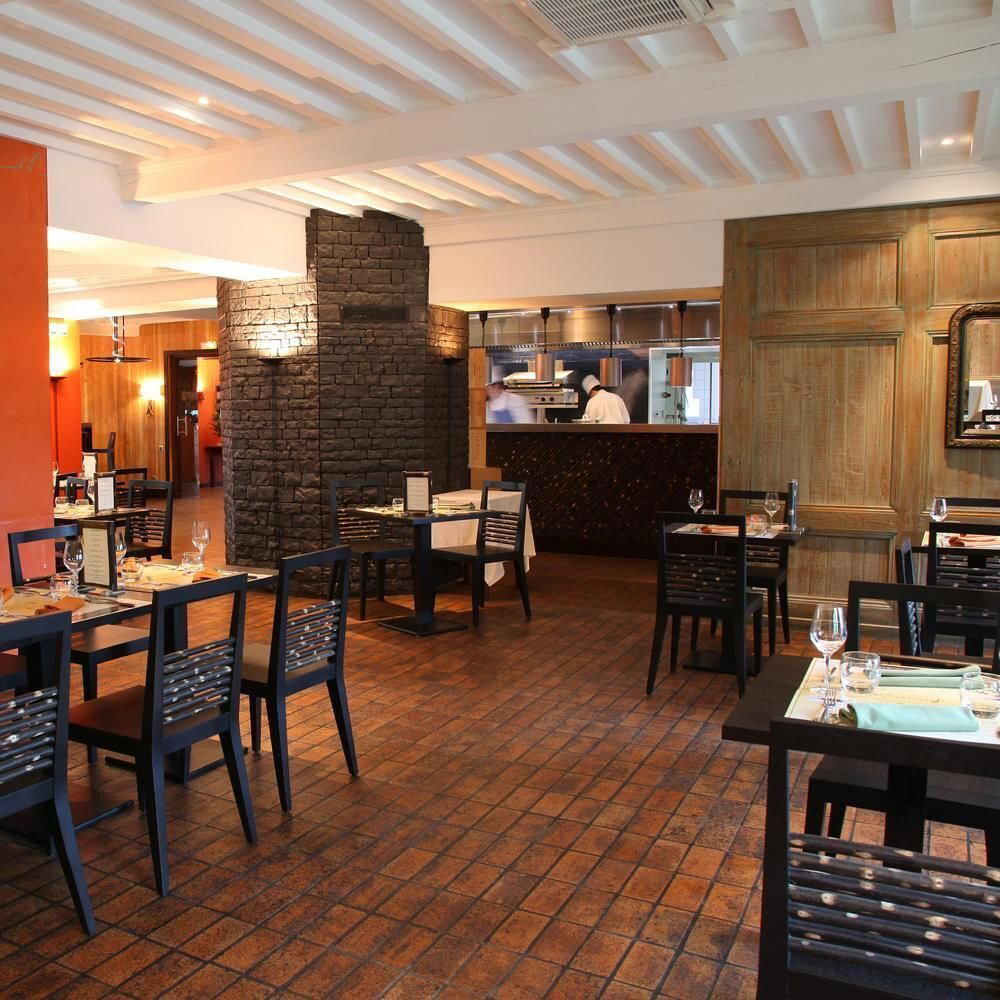
| Restaurant le Tournesol en ARDECHE | French Bistronomique | $$$ | Tournon-sur-Rhone |
| Saturne | Modern French with Nordic Influences | $$$ | 2nd Arrondissement |
| Comptoir De Vie | Modern French Tasting Counter-Bar | $$$ | 2nd Arrondissement |
| L'Écume | Modern French Bistro | $$$ | Quartier Gerland |
Continue exploring
More in Desaignes
Restaurants in Desaignes
Browse all →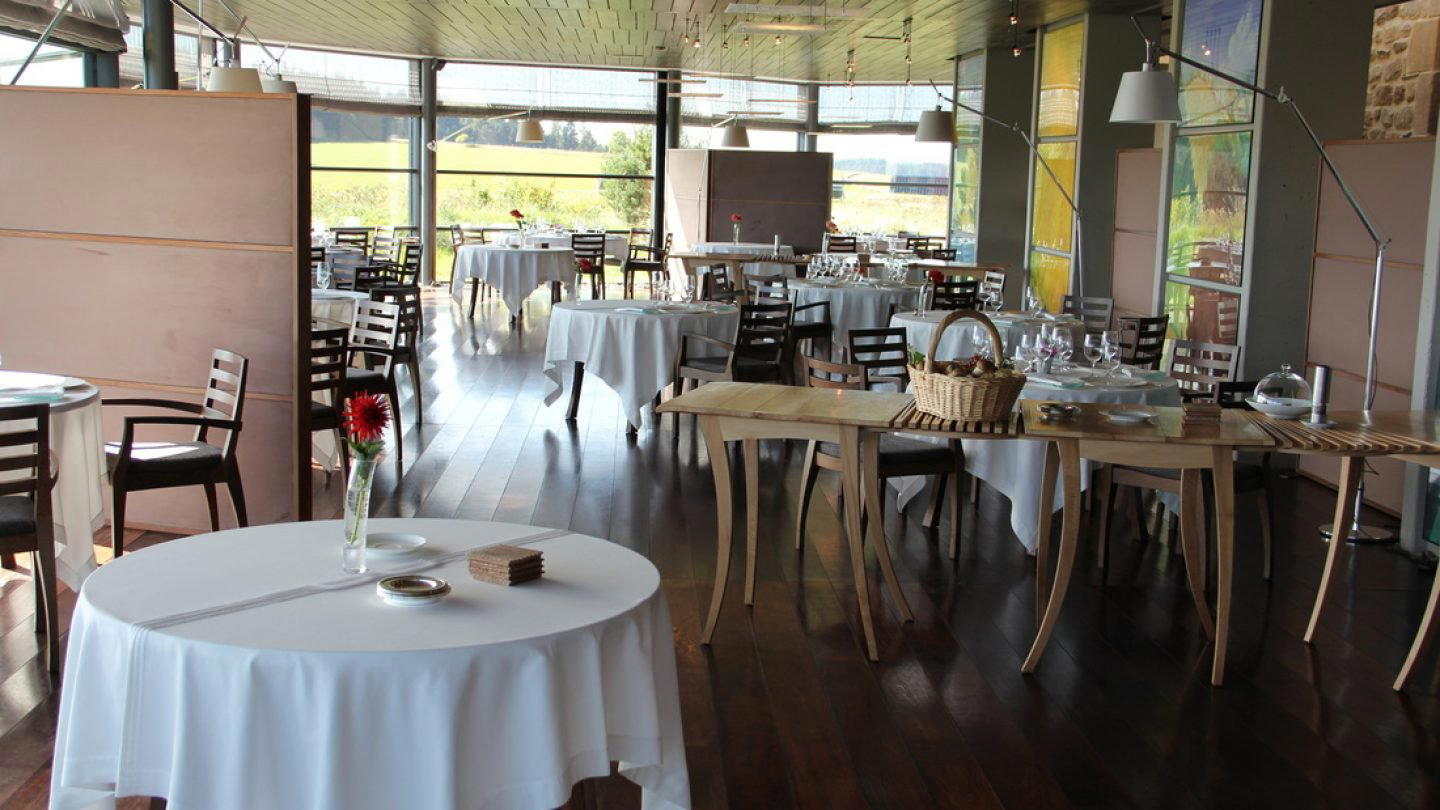
Hotels in Desaignes
Browse all →

At a Glance
- Rustic
- Cozy
- Intimate
- Elegant
- Date Night
- Special Occasion
- Terrace
- Historic Building
- Extensive Wine List
- Local Sourcing
- Street Scene
Current opening hours
- Monday
- 10 AM–3 PM, 7–9 PM
- Tuesday
- Closed
- Wednesday
- Closed
- Thursday
- 7:30–9 PM
- Friday
- 10 AM–2:30 PM, 7:30–9 PM
- Saturday
- 10 AM–2:30 PM, 7:30–9 PM
- Sunday
- 10 AM–3 PM, 7–9 PM
Hours can change for holidays and private events. Last verified .
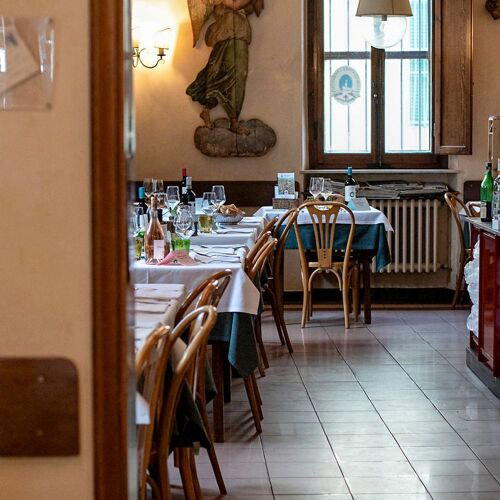
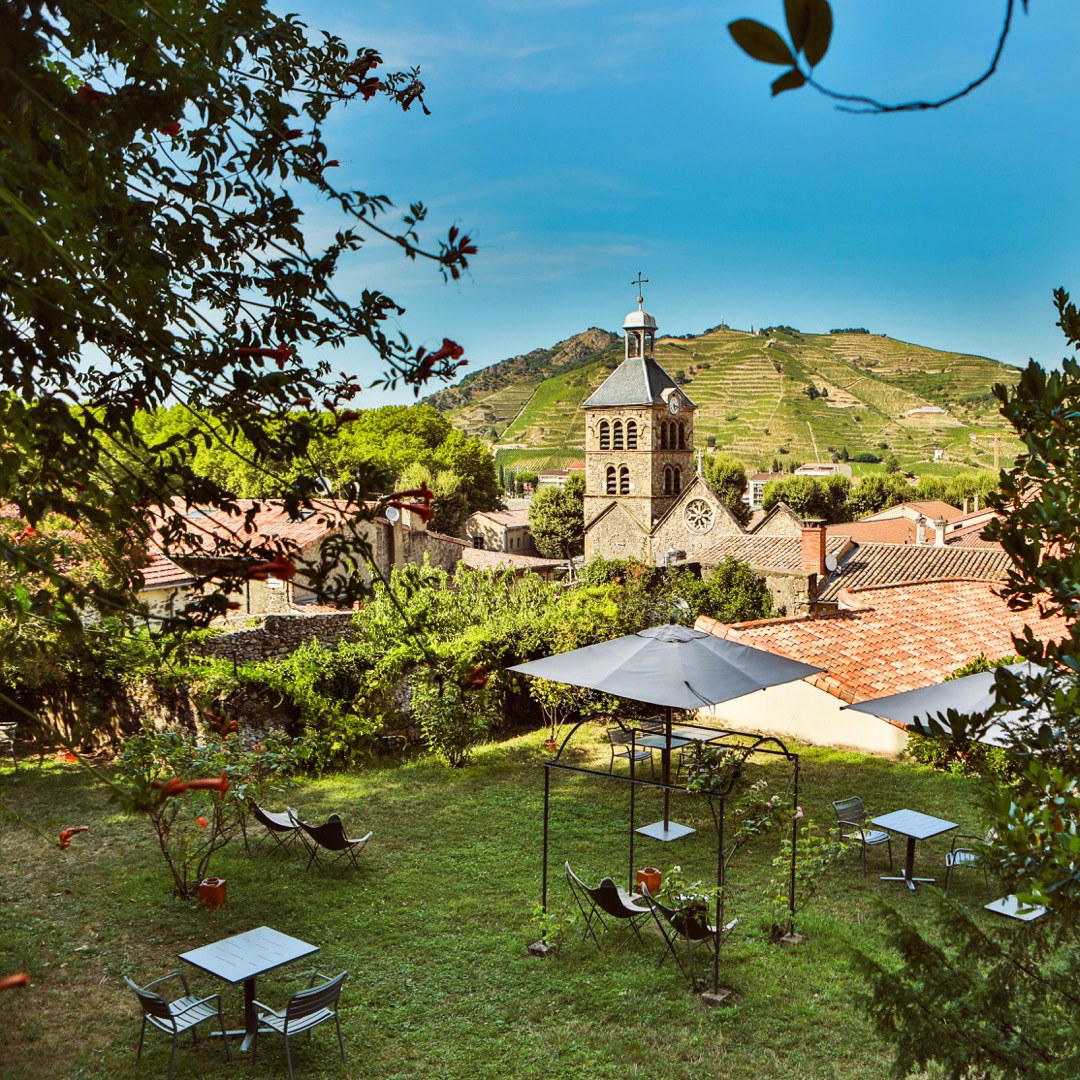
Cozy and tranquil atmosphere in a historic medieval setting with terrace seating on a pedestrian square.