Bistrot la Coulemelle

Bistrot la Coulemelle earns its Michelin Bib Gourmand recognition, held consecutively in 2024 and 2025, by anchoring traditional French cuisine to the volcanic plateau of the Haute-Loire, in a village that has quietly become one of France's most concentrated dining destinations. Under chef Benjamin Bajeux, the bistrot delivers the kind of honest, ingredient-led cooking that the Bib Gourmand category was designed to reward, at a price point that remains accessible in a town where the room rates can run considerably higher.
Pearl is the En Primeur Club membership app — saves, bookings, and concierge access live there. Same editors, same standards.
- Address
- Place de l'Eglise, 43290 Saint-Bonnet-le-Froid, France
- Phone
- +33 4 71 65 63 62
- Website
- lesmaisonsmarcon.fr
- Directions
- Get directions
 Saves & bookings on Pearl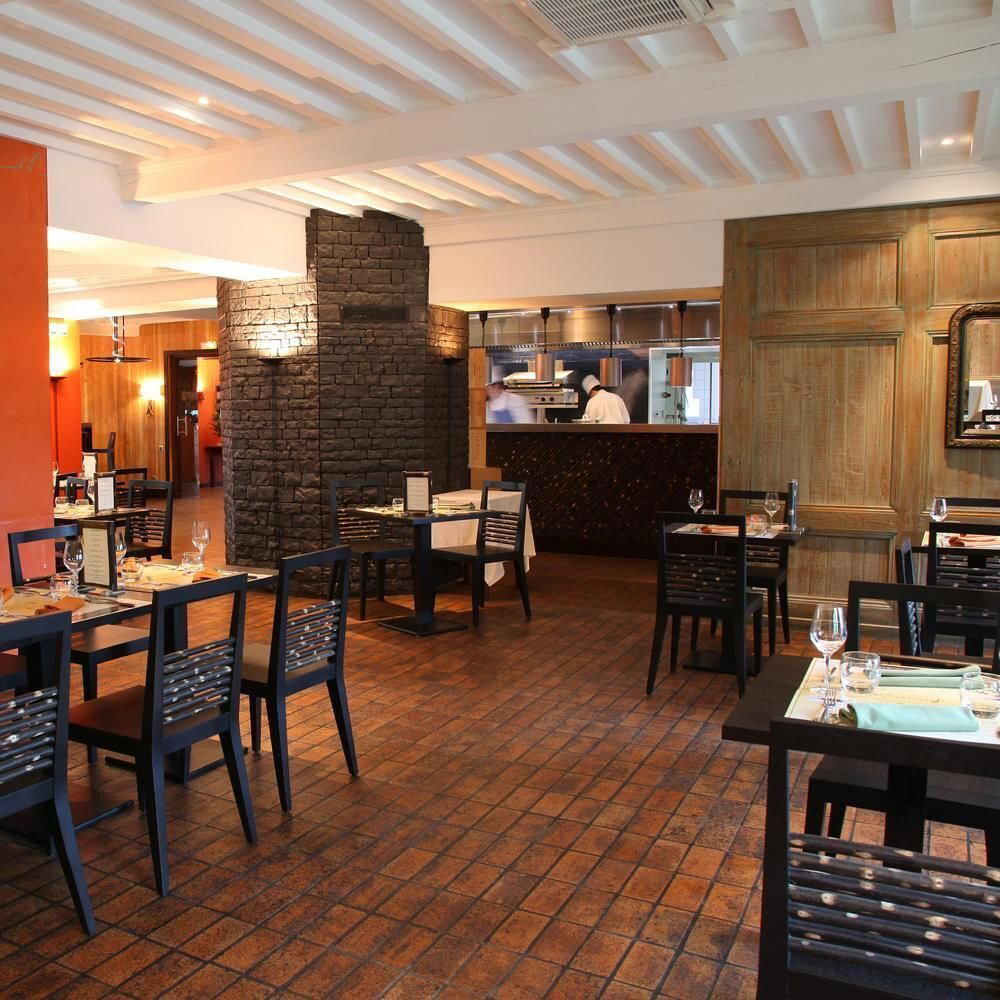
A Village That Takes Dining Seriously
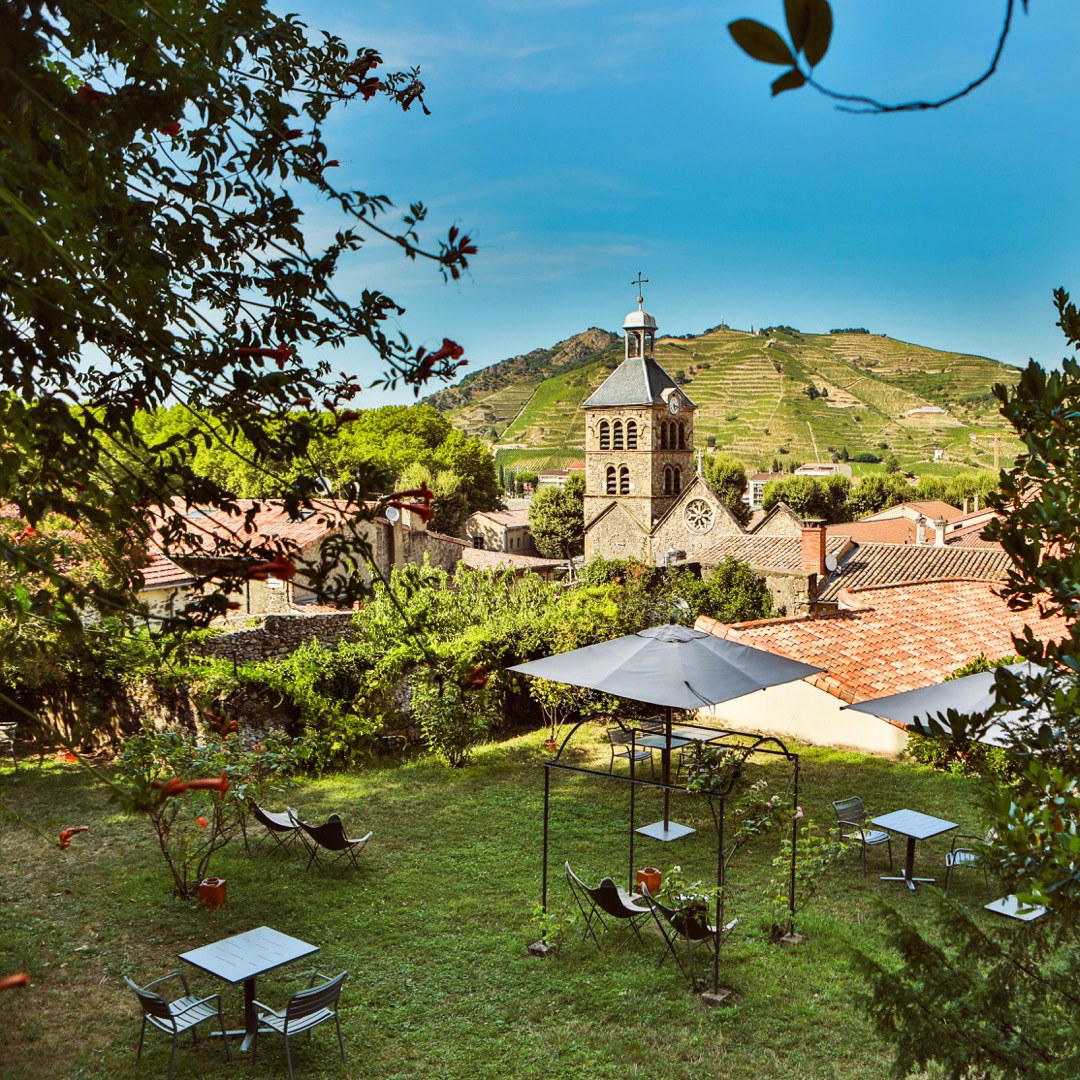
Saint-Bonnet-le-Froid sits at roughly 1,150 metres in the Haute-Loire, a compact mountain settlement where the restaurant-to-resident ratio is, by any reasonable measure, absurd. The village has produced more Michelin recognition per square kilometre than almost anywhere else in provincial France. That concentration is not accidental: it reflects decades of serious investment in produce, technique, and the kind of culinary culture that draws young cooks to apprentice here and visitors to plan weekends around a single address. Arriving in winter, when the plateau is under snow and the population of tourists has thinned, the stakes feel clearer. The restaurants that stay open through November and December do so because the food justifies the drive, not because the scenery does the heavy lifting.
Within that context, the bistrot format occupies a particular position. Saint-Bonnet-le-Froid is anchored at its upper end by Restaurant Marcon, which carries three Michelin stars and sets the reference point for the village's ambitions. Below that sits a tier of more accessible addresses, of which Bistrot la Coulemelle is among the more consistently recognised. It holds the Michelin Bib Gourmand for both 2024 and 2025, a designation that rewards cooking of genuine quality at moderate prices rather than sheer technical complexity. The bistrot and L'Acte 2 together demonstrate that the village's dining culture extends well beyond its headline act.
What the Bib Gourmand Actually Signals Here
The Michelin Bib Gourmand is a more exacting standard than its informal reputation suggests. Inspectors are looking for cooking that demonstrates real skill and sourcing discipline, not just affordability. In a region like the Haute-Loire, where the produce calendar is defined by harsh winters, short growing seasons, and a strong tradition of mushroom foraging and livestock farming, that means working with what the land provides rather than importing prestige ingredients to fill a menu. The consecutive Bib awards in 2024 and 2025 indicate consistency rather than a single strong season, which at a small bistrot level is the harder thing to maintain.
Chef Benjamin Bajeux leads the kitchen at Bistrot la Coulemelle. The more instructive lens is the category itself. France produces hundreds of Bib Gourmand addresses, from urban brasseries in Lyon to farmhouse tables in the Aveyron. What separates the ones that hold the award across multiple years from the ones that lose it is usually the same factor: a kitchen that keeps its focus on the food rather than on the audience. The €€ price point at Bistrot la Coulemelle places it firmly in the accessible bracket for a Michelin-recognised address in rural France, which adds value in the context of a Saint-Bonnet-le-Froid visit.
Traditional Cuisine in the French Highlands
The cuisine type listed for the restaurant is traditional, and in the Haute-Loire that carries specific meaning. This is auvergnate country at its edge, where the Massif Central's culinary logic bleeds into the volcanic uplands of the Loire's headwaters. Lentils from Le Puy, mushrooms gathered from the surrounding forests, cured pork, dairy from plateau herds: these are the base materials of a cooking tradition that predates the gastronomic ambitions the village has since layered on leading. A bistrot operating in this register is working within a framework that French diners understand instinctively, one where the skill lies in execution and seasonal timing rather than in novelty of concept.
That framework also explains the seasonal search pattern that frames visits here. November and December are the peak months for this kind of address, not because of any one event, but because the winter table in this part of France is at its most coherent then. Game, mushrooms, root vegetables, and warming preparations built for altitude: the season and the tradition align, and the short days in a mountain village focus the mind on what is on the plate in a way that a summer terrace lunch does not quite replicate.
Placing the Bistrot in the Wider French Dining Map
Understanding where the restaurant fits requires some sense of where it does not fit. The upper register of French destination dining runs from addresses like Alléno Paris au Pavillon Ledoyen and Mirazur in Menton down through three-star provincial institutions such as Troisgros in Ouches, Auberge de l'Ill in Illhaeusern, and Bras in Laguiole. These are reference-class addresses where the tasting menu format, the price, and the occasion are inseparable. The restaurant operates in a structurally different mode: shorter menu, lower spend, fewer covers in the sense of a relaxed bistrot rhythm, and a set of expectations calibrated to everyday pleasure rather than special-occasion theatre.
That positioning matters for trip planning. Visitors who build a Saint-Bonnet-le-Froid visit around Restaurant Marcon as the anchor experience may find the bistrot a natural complement, either as a second meal or as the main table for a companion in the group who wants good food without the ceremony. Both the Flocons de Sel in Megève model of integrated mountain resort dining and the more accessible bistrots in the Massif Central tradition suggest that the leading high-altitude dining towns sustain themselves by offering multiple entry points. Saint-Bonnet-le-Froid has done that deliberately, and the Bib Gourmand tier is where that strategy is most evident.
For those planning around the broader French traditional table, useful reference points include Auberge Grand'Maison in Mûr-de-Bretagne and Paul Bocuse's Auberge du Pont de Collonges, both of which anchor themselves in regional culinary identity in ways that illuminate what the traditional cuisine category demands at its most committed. Three-star technical ambition, as demonstrated by AM par Alexandre Mazzia in Marseille or Assiette Champenoise in Reims, is a separate register entirely.
Planning a Visit
The restaurant sits on Place de l'Eglise in Saint-Bonnet-le-Froid. The €€ price bracket makes it one of the more accessible options in a destination where accommodation costs tend to dominate the budget. Booking in advance is advisable, particularly for November and December visits.
Comparison Snapshot
Comparable venues nearby, for context on price, style, and recognition.
| Venue | Cuisine | Price | Awards | Notes |
|---|---|---|---|---|
| Bistrot la CoulemelleThis venue — the venue you are viewing | Traditional French Bistro | $$ | Bib Gourmand | Not listed |
| L'Acte 2 | Creative French Bistro with Local Terroir | $$$ | Bib Gourmand | Saint-Bonnet-le-Froid |
| Restaurant Marcon | Creative French Fine Dining | $$$$ | Michelin 3 Star | Saint-Bonnet-le-Froid |
| Le Kitchen | Modern French Bistro | $$ | Bib Gourmand | Quartier Jean Macé |
| La Maison de Celou | Traditional French Bistro | $$ | Bib Gourmand | Châteauneuf-de-Gadagne |
| Au Petit Relais | Traditional French Gastronomic Bistro | $$ | Bib Gourmand | Coligny |
Recognition history
Dated appearances from independent guides and award organizations, with the underlying list record or original source where available.
Michelin Bib Gourmand
Michelin
Michelin Bib Gourmand
Michelin
Michelin Bib Gourmand
Michelin
Continue exploring
More in Saint-Bonnet-le-Froid
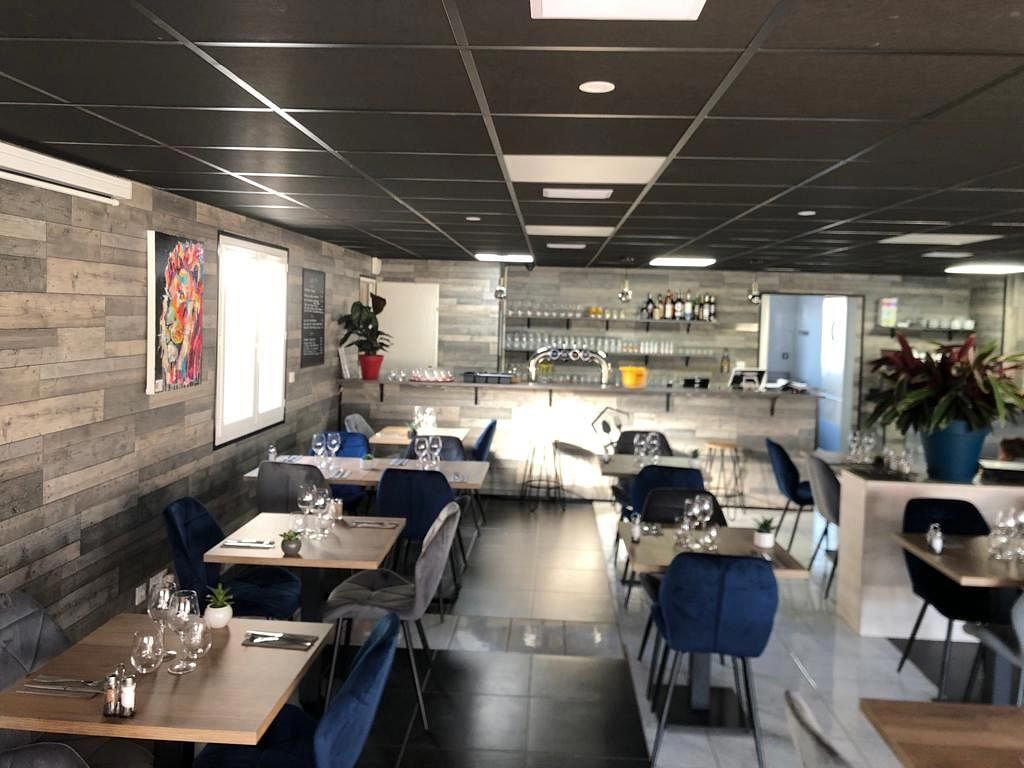
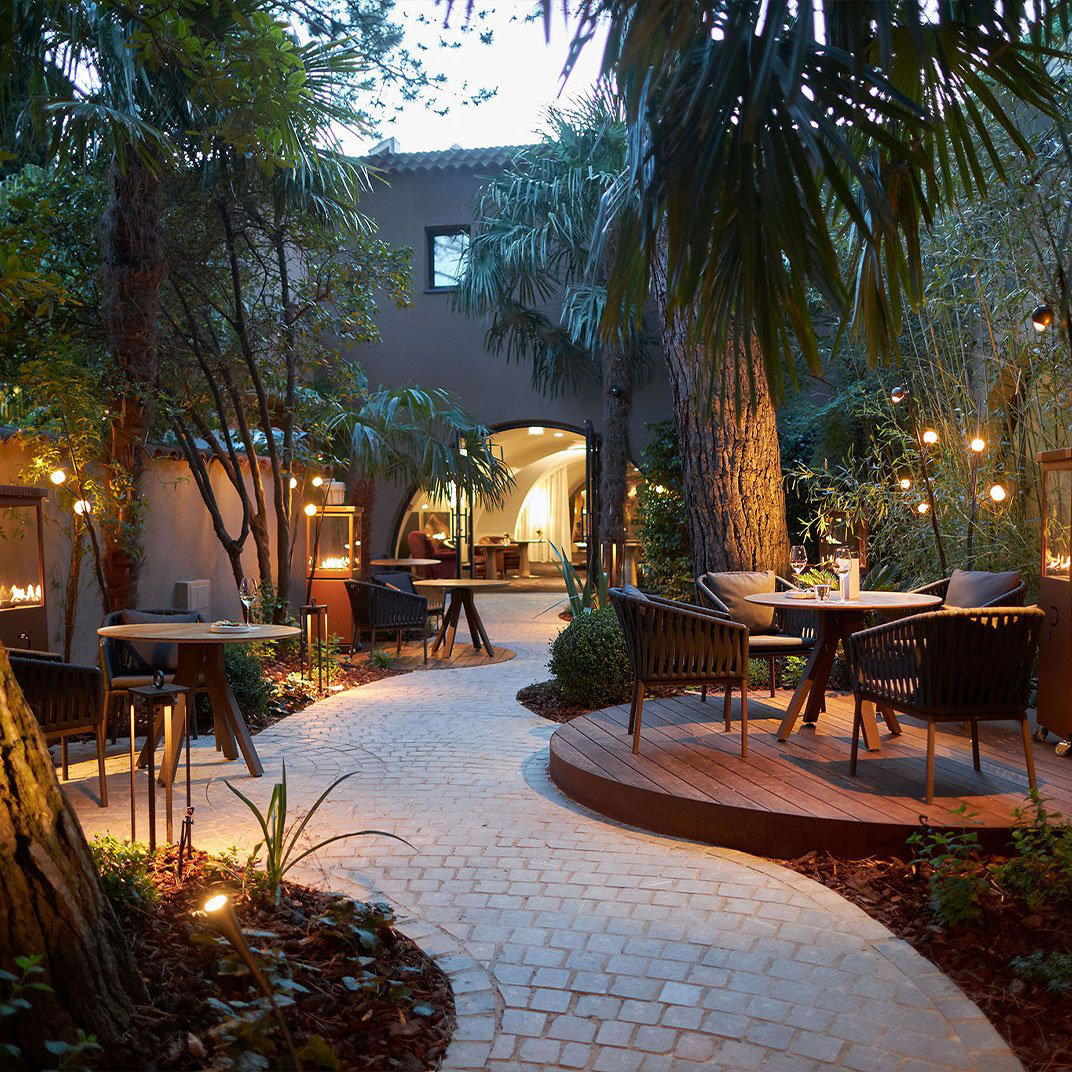
Restaurants in Saint-Bonnet-le-Froid
Browse all →
Bars in Saint-Bonnet-le-Froid
Browse all →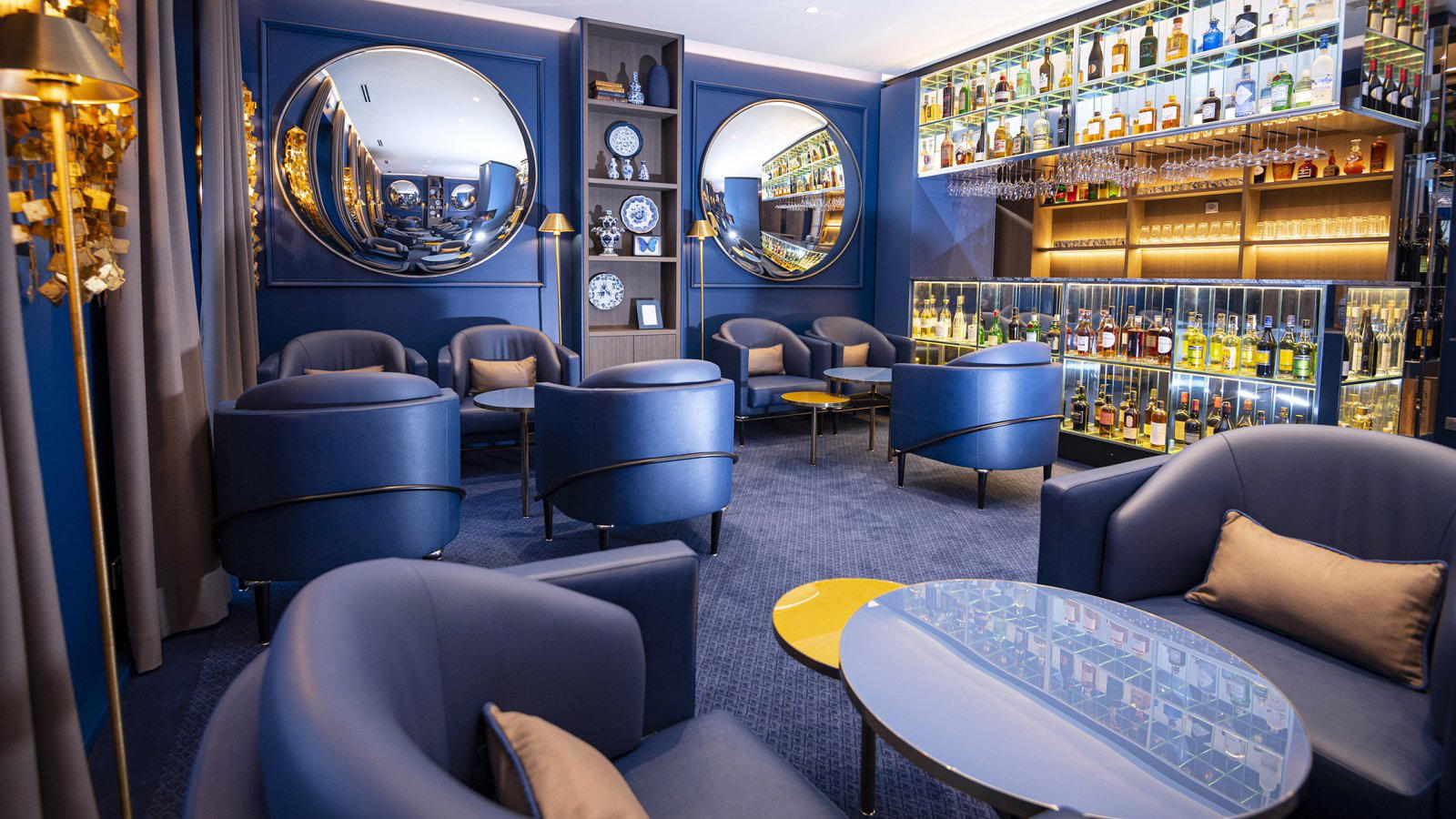
Hotels in Saint-Bonnet-le-Froid
Browse all →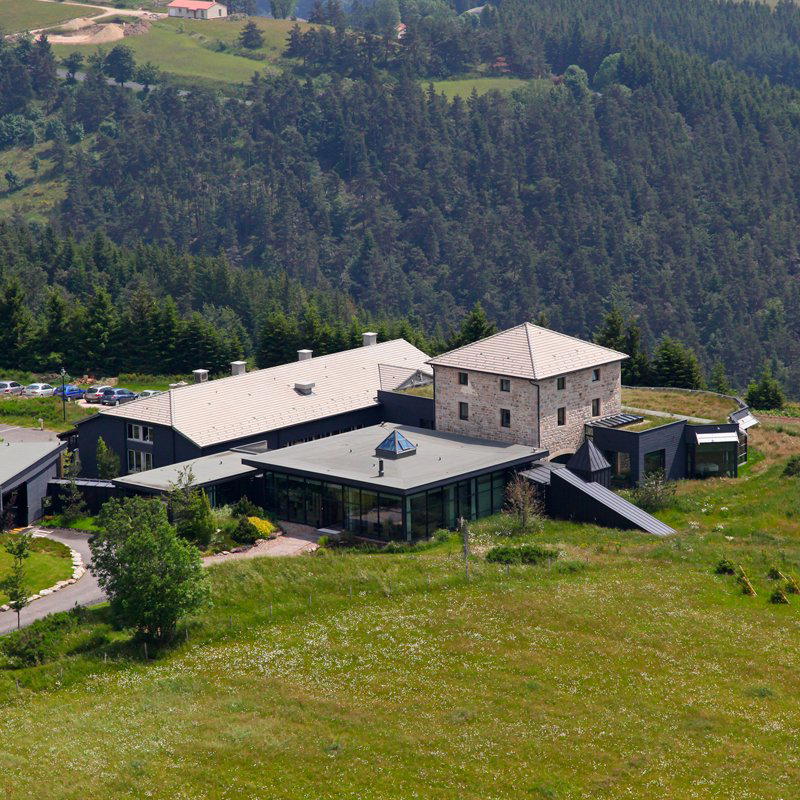

At a Glance
- Cozy
- Rustic
- Classic
- Intimate
- Casual Hangout
- Family
- Group Dining
- Celebration
- Open Kitchen
- Standalone
- Extensive Wine List
- Local Sourcing
Current opening hours
- Monday
- Closed
- Tuesday
- Closed
- Wednesday
- Closed
- Thursday
- 12–1 PM, 7:30–9 PM
- Friday
- 12–1 PM, 7:30–9 PM
- Saturday
- 12–1 PM, 7:30–9 PM
- Sunday
- 12–1 PM, 7:30–9 PM
Hours can change for holidays and private events. Last verified .
Warm and relaxed setting with an open kitchen visible from the dining room, creating an intimate yet lively atmosphere that balances fine dining sensibilities with casual comfort.