A working farm turned rural auberge in the Ardèche highlands above Désaignes, Ferme Auberge de Jameysse represents a category of French dining built on direct sourcing from the land beneath your feet. The food here is inseparable from its address: the Ardèche plateau, where livestock grazing, chestnut harvests, and seasonal rhythms still determine what appears on the table.
Pearl is the En Primeur Club membership app — saves, bookings, and concierge access live there. Same editors, same standards.
- Address
- Jameysse, 07570 Désaignes, France
- Phone
- +33475066294
- Website
- fermeauberge-ardeche.fr
- Directions
- Get directions
 Saves & bookings on Pearl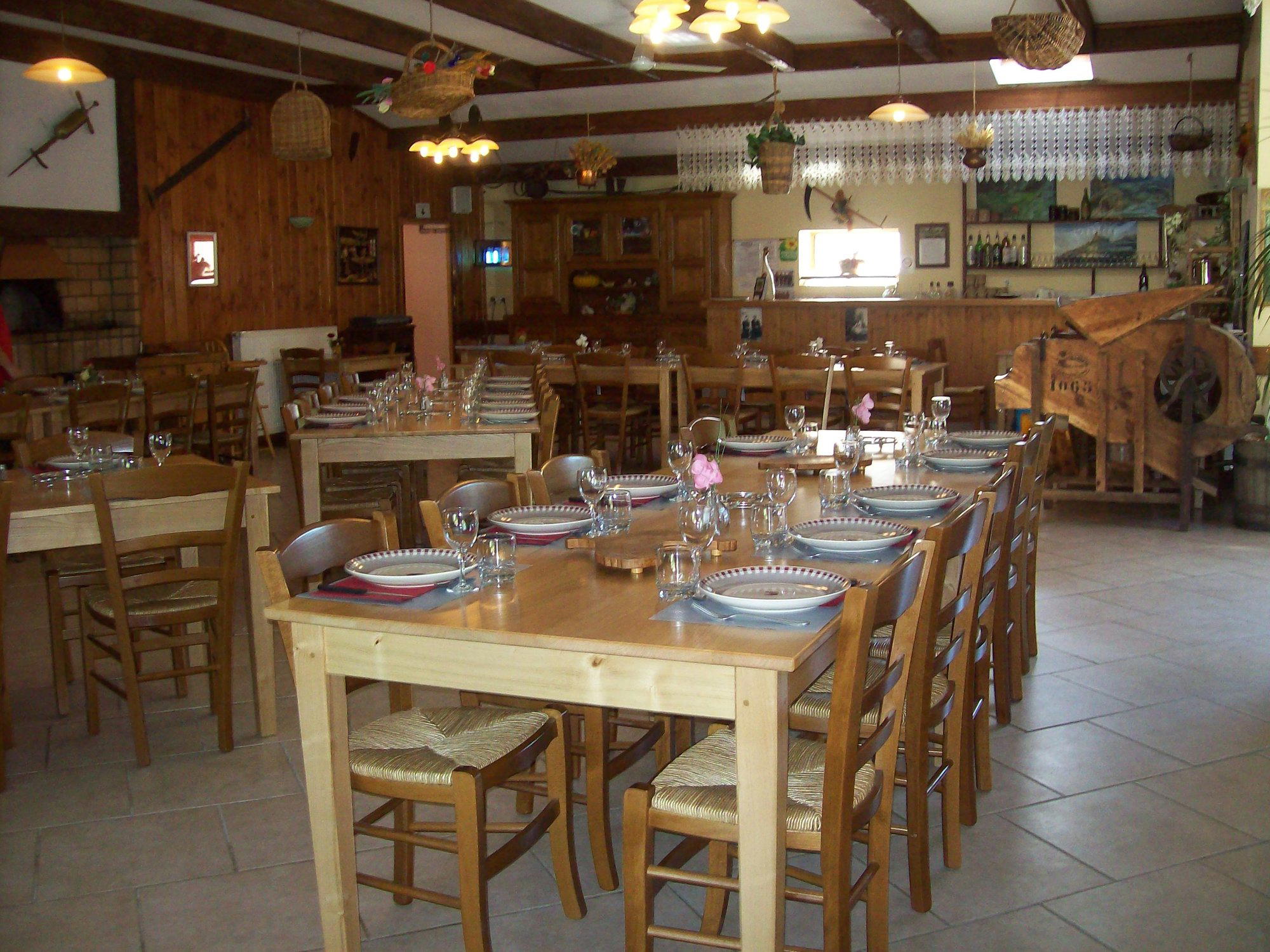
Where the Ardèche Plateau Sets the Menu
The road to Désaignes climbs through chestnut forest and open grazing land before the Ardèche valley opens below. This is the Haut-Vivarais, a stretch of highland France where the agricultural tradition is not a marketing device but an economic fact. The ferme auberge as a category exists precisely here, in these rural departments where farms that once fed only the household gradually opened their tables to outside guests, serving food grown, raised, or foraged on the property itself. Ferme Auberge de Jameysse, on the Jameysse plateau above Désaignes, belongs to that tradition directly. The address tells you most of what you need to know before you arrive.
That category distinction matters when you are orienting yourself among French rural dining options. A ferme auberge operates under specific national guidelines: the food served must originate substantially from the farm itself, not from wholesale suppliers or broader regional markets. The chef is, in effect, the farmer. That constraint, which would be a limitation in another context, becomes the editorial point here. The ingredient provenance is not a choice made for ethical positioning or trend alignment — it is a structural requirement of the classification, and one that forces a seasonal discipline that tasting-menu restaurants in cities can only approximate.
The Logic of Local Ingredients in a Highland Setting
The Ardèche has a particular agricultural identity that shapes what any ferme auberge in the department can plausibly offer. Chestnuts are the region's historical staple — the chestnut tree was called the bread tree in the Vivarais because it fed populations through winters when grain crops failed. Goat and sheep cheeses from the plateau carry a mineral character produced by limestone grazing land. Pork reared at altitude develops a density of flavour associated with slower finishing and cooler temperatures. Wild mushrooms, particularly in autumn, move from woodland floor to table with almost no intermediary step in this kind of setting.
This is the sourcing logic that defines what appears at a table in Jameysse, and it places the kitchen in a different conversation from the fine-dining circuit in Lyon or the starred rooms of the Auvergne. The ferme auberge tradition operates closer to the ground, and that is the point of it.
The Setting as Part of the Experience
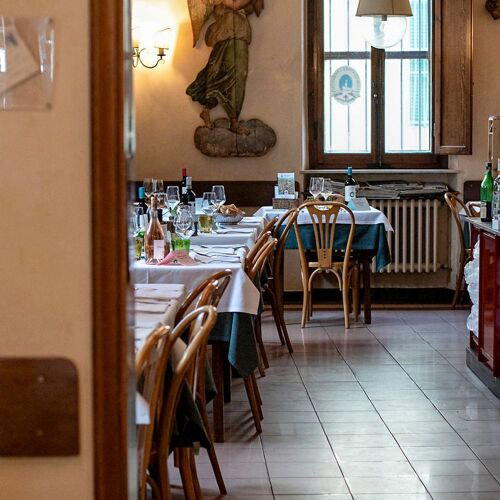
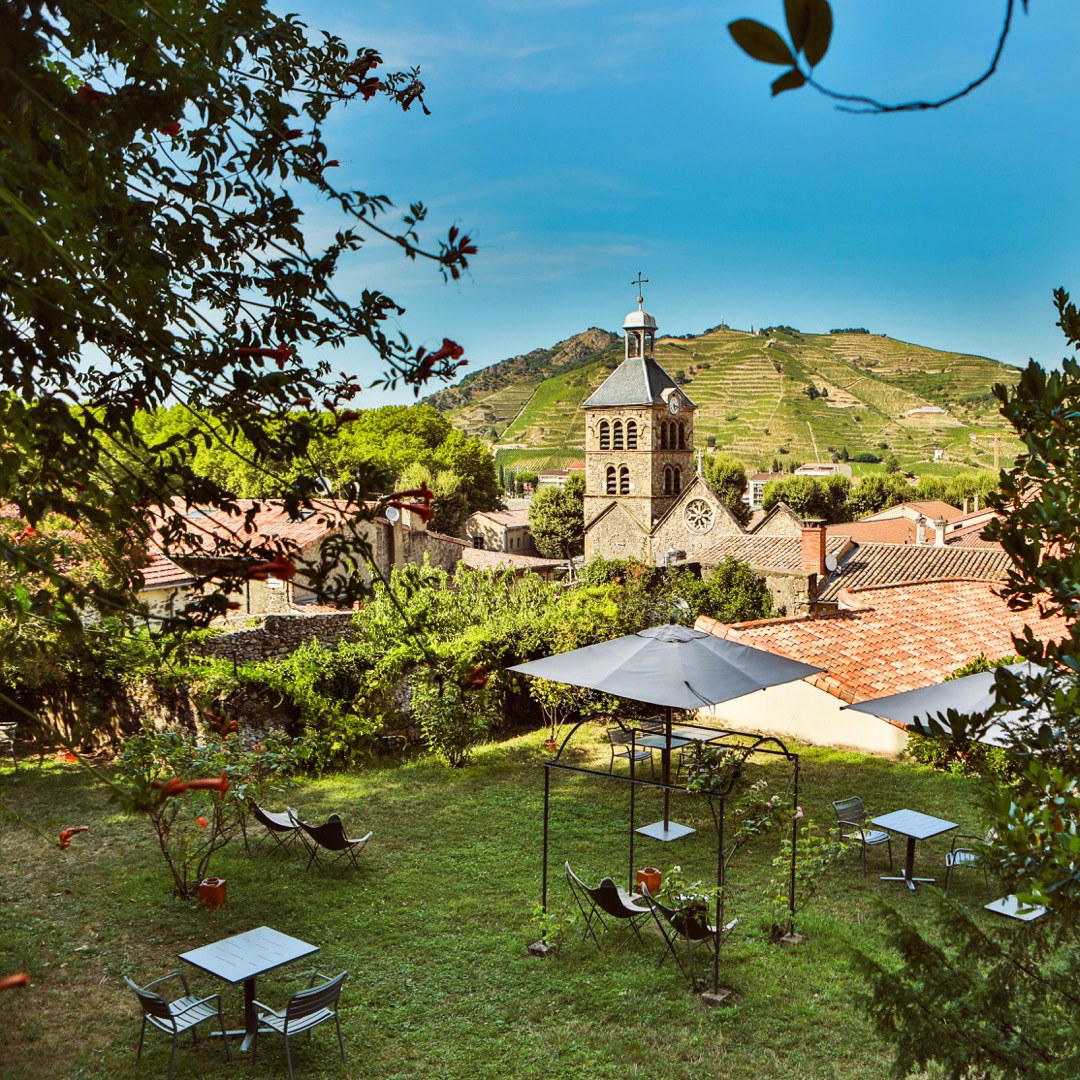
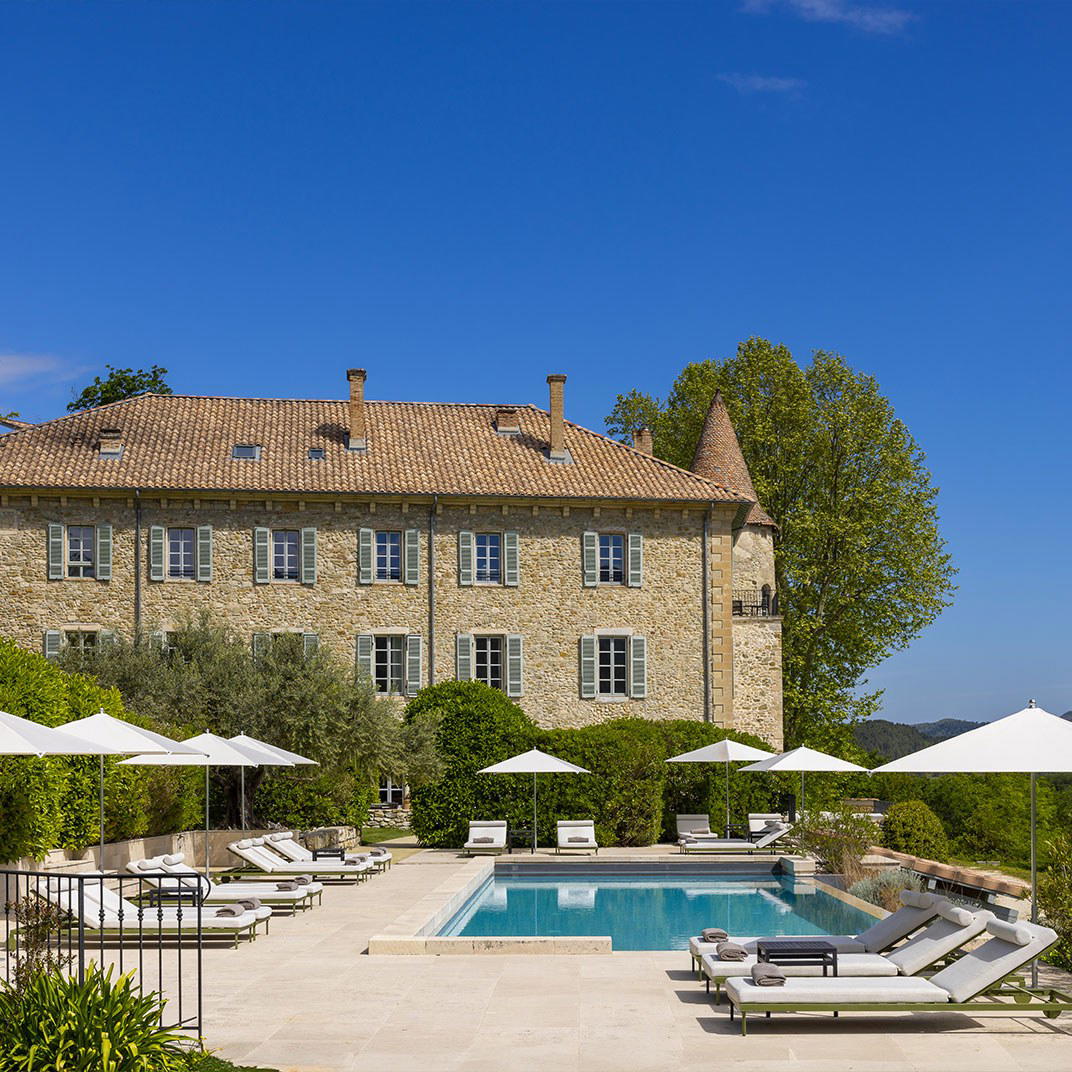
Arriving at a ferme auberge in the Ardèche highlands is not like arriving at a restaurant. The farm infrastructure is present and visible: outbuildings, land, the evidence of production. The dining room is typically inside the farmhouse itself, which means low ceilings, thick stone walls, and a proximity to the working life of the property that no amount of rustic-styled interior design in a city bistro can replicate. Désaignes itself is one of the oldest villages in the Ardèche, with a medieval core and a market square that functions as the social centre of this part of the Haut-Vivarais. The plateau above it, where Jameysse sits, adds altitude and the specific quality of highland light that makes the Ardèche feel remote from the Rhône valley even when the river is only thirty kilometres east.
For visitors coming from larger regional cities, the drive is part of the transition into the pace this kind of dining requires. Lyon sits roughly two hours north via the A7 and secondary roads. Valence, the nearest significant city, is under an hour to the east. Neither route is complicated, but both require leaving the motorway system well before arrival, which serves as a natural decompression from urban schedule logic.
Désaignes in the Context of Ardèche Dining
Désaignes has a small but coherent dining presence for a village of its scale. L'Âne Têtu is the other entry point in the village, and together the two addresses represent a different approach to the question of what rural French dining can offer at a time when urban restaurants have colonised most of the vocabulary of local sourcing.
Placed against the wider French auberge tradition, Ferme Auberge de Jameysse occupies a specific and relatively rare position. The country-inn format at its most elaborated end runs from places like Auberge de l'Ill in Illhaeusern and Georges Blanc in Vonnas, multi-generational institutions with Michelin histories and accommodation attached, down through a long continuum to working farm tables where the menu reflects harvest and slaughter rather than creative ambition. Jameysse sits toward the working-farm end of that continuum, which is precisely where its authority comes from. The more elaborated options for rural French dining with starred recognition include Auberge du Vieux Puits in Fontjoncouse and Les Prés d'Eugénie - Michel Guérard in Eugénie-les-Bains, both of which operate with significantly greater infrastructure and corresponding price levels.
For those whose French regional dining frame of reference is built primarily around the Parisian end of the spectrum, Alléno Paris au Pavillon Ledoyen in Paris or Le 1947 à Cheval Blanc in Courchevel, the ferme auberge format requires a shift in expectations. Here it is not technique or innovation that anchors the value, but proximity: the measurable distance between the animal or plant and the plate.
Planning a Visit
Advance reservation is essential, and the farm's production capacity determines cover numbers rather than the other way around. Visiting in autumn brings the leading alignment between the Ardèche's most distinctive products, chestnuts, autumn mushrooms, pork after summer fattening, and the table. Spring and summer offer the plateau at its most accessible in terms of road conditions and daylight. Given the rural setting and the farm-determined menu structure, arriving without a confirmed booking is not advisable; the nature of the category means that capacity is genuinely limited by supply, not by a policy decision.
Désaignes sits within reach of a broader touring circuit through the Ardèche that takes in the Gorges de l'Ardèche to the south and the volcanic Velay plateau to the west. This part of France rewards slow travel, and a meal at Jameysse fits that pace rather than a rushed itinerary built around maximising sites.
- charcuterie
- tarte au fromage de chèvre
- criques
- gratin de cardon
- caillettes
- cochon farci
- volailles de la ferme
A Quick Peer Check
Comparable venues nearby, for context on price, style, and recognition.
| Venue | Cuisine | Price | Notes |
|---|---|---|---|
| Ferme Auberge de JameysseThis venue — the venue you are viewing | Traditional Ardèche Farm Cuisine | $$ | Not listed |
| L'Âne Têtu | Vegan French Fine Dining | $$$ | Désaignes |
| Le Signal 2108 | Bistronomic French with Regional Specialties | $$ | Signal Mountain |
| L Aile ou la Cuisse | French Rôtisserie | $$ | Place Jean Jaurès |
| Bistrot Compa | Modern French Bistro with Asian Influences | $$ | Quartier Bellecour Carnot |
| Le Comptoir d'Ainay - Fermé Définitivement | French Bistronomic with Lyonnais Specialties | $$ | Quartier Bellecour Carnot |
Continue exploring
More in Desaignes
Restaurants in Desaignes
Browse all →
Hotels in Desaignes
Browse all →

At a Glance
- Rustic
- Cozy
- Classic
- Group Dining
- Family
- Casual Hangout
- Terrace
- Garden
- Standalone
- Farm To Table
- Local Sourcing
Warm, familial atmosphere in a traditional stone farmhouse with spacious dining room and summer terrace overlooking verdant countryside.