Llauna occupies a quiet stretch of Paseo del General Martínez Campos in Chamberí, one of Madrid's most composed residential districts. The address places it at some remove from the tourist-facing dining corridors of Sol and Retiro, situating it instead within a neighbourhood that rewards those already comfortable with the city's rhythms. For readers building a serious Madrid itinerary, it belongs in the same conversation as the capital's more considered mid-to-upper dining options.
Pearl is the En Primeur Club membership app — saves, bookings, and concierge access live there. Same editors, same standards.
- Address
- P.º del Gral. Martínez Campos, 42, Chamberí, 28010 Madrid, Spain
- Phone
- +34660909672
- Website
- restaurantellauna.com
- Directions
- Get directions
 Saves & bookings on Pearl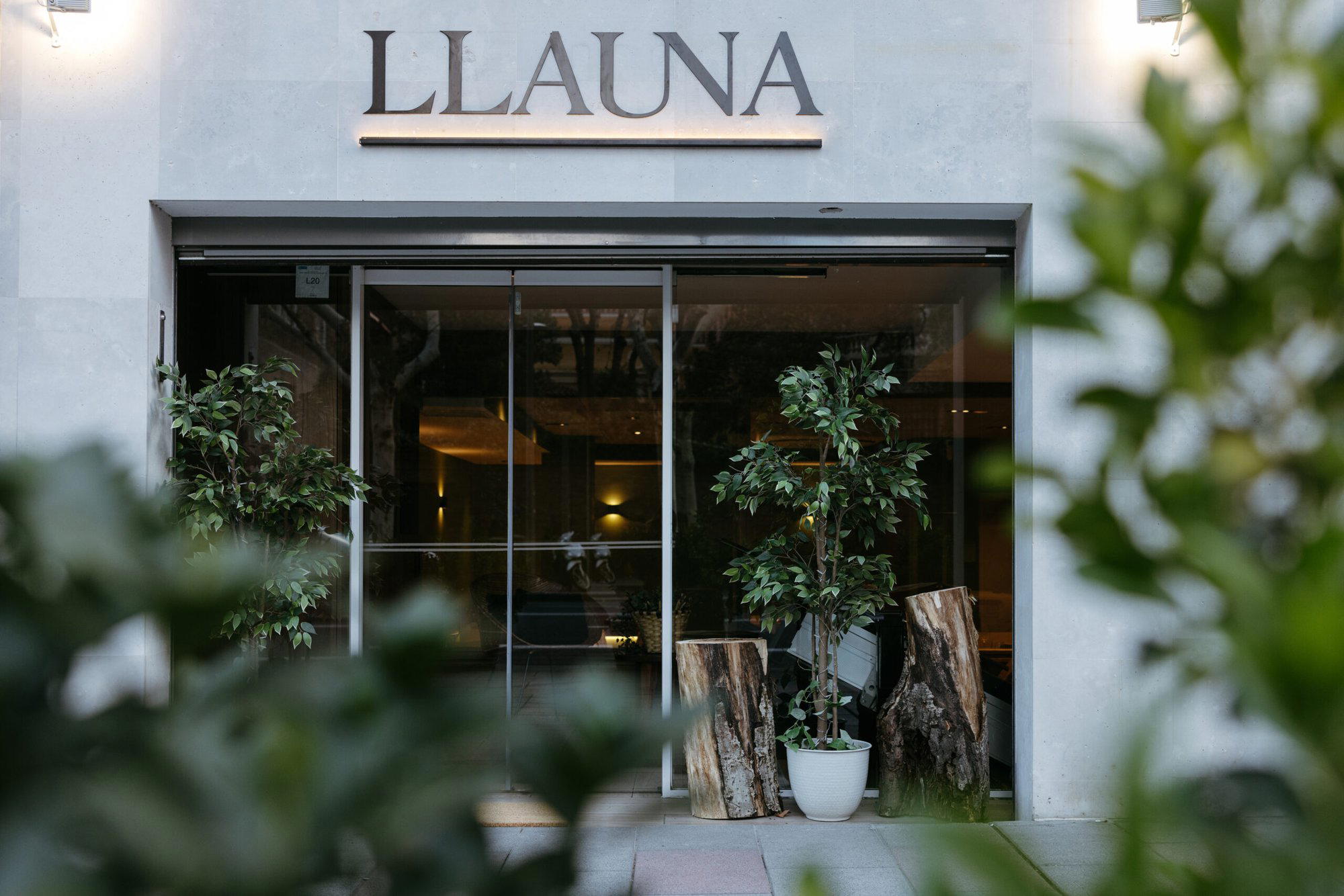
Chamberí's Quieter Register
Madrid's dining geography has a clear hierarchy of visibility. The grand tasting-menu addresses, DiverXO, Coque, Deessa, DSTAgE, and Paco Roncero, draw international visitors and tend to concentrate in a handful of high-profile postcodes. Then there is a second register: the Chamberí addresses that serve a more residential, professionally rooted clientele who eat out not as an occasion but as a habit. Llauna, at Paseo del General Martínez Campos 42, operates in this second register. It is a restaurant in Madrid’s Chamberí district, priced at about $45 per person. The paseo itself is wide and tree-lined, the buildings along it solidly Restoration-era bourgeois. Approaching from the Alonso Martínez metro, the avenue reads as a residential artery rather than a dining destination, which is precisely the character the neighbourhood has managed to preserve despite Madrid's expanding food culture.
The Wine-Forward Frame
In Madrid's upper-middle dining tier, the cellar is increasingly the differentiator. Kitchens across the city have reached a reasonably consistent level of technical competence; what separates a considered dining room from a competent one is often the depth and intelligence of the wine program. Chamberí has historically attracted the kind of clientele, lawyers, architects, long-established families, who know what they want from a list and will notice when it is thin on producers of consequence or weighted too heavily toward the obvious Rioja and Ribera del Duero defaults.
Spain's wine geography is, in any case, more complex than its international reputation suggests. The country's DO system covers everything from the relatively well-understood appellations of the north to the less-trafficked zones of Galicia, Castile, and the Levant. A list that takes this seriously, one that moves across Galician Albariño and Godello, through Garnacha-based wines from the Sierra de Gredos and Calatayud, into the structured reds of Priorat and Bierzo alongside the inevitable Rioja Gran Reservas, tells you something meaningful about the kitchen's ambitions. It signals that the room is oriented toward guests who eat and drink as a single decision rather than as two separate transactions. Llauna's Chamberí address primes that expectation.
For context on how seriously Spain's leading addresses treat the cellar, it is worth noting that operations like Atrio in Cáceres have built reputations almost as much on their wine holdings as on the kitchen. The principle scales down the price ladder: rooms that understand wine tend to understand hospitality more broadly.
Reading the Address
Paseo del General Martínez Campos is a less-discussed artery in Madrid's internal geography, running through the northern part of Chamberí between the Alonso Martínez and Gregorio Marañón metro stations (both on Line 7, the Gregorio Marañón stop also serving Lines 5 and 10). The neighbourhood sits between Malasaña to the south and the more residential Ríos Rosas quarter to the north, giving it a character that is neither aggressively trendy nor purely domestic. It has a density of private schools, medical practices, and long-established family businesses that tends to produce exactly the kind of local dining clientele most restaurants of any ambition would want: return visitors with institutional knowledge of what a kitchen can do over time.
That local character matters when assessing what kind of dining experience a room like this is actually built for. The Chamberí model is less about theatre and more about consistency, a room where the person two tables over is likely to be a regular, and where the staff have calibrated their service to suit guests who do not need the menu explained at length. This is a materially different dining posture from the high-tension tasting-menu formats that dominate Madrid's award-chasing tier.
Madrid in the Wider Spanish Context
Spain's restaurant culture has undergone a sustained reorientation over the past two decades, and Madrid's role within it has shifted accordingly. For much of the late twentieth century, the country's most watched kitchens were concentrated in the Basque Country and Catalonia: Arzak in San Sebastián, El Celler de Can Roca in Girona, Mugaritz in Errenteria, and later Martín Berasategui in Lasarte-Oria and Azurmendi in Larrabetzu. The Mediterranean seaboard contributed its own strand through names like Quique Dacosta in Dénia, Ricard Camarena in València, and Cocina Hermanos Torres in Barcelona. Aponiente in El Puerto de Santa María extended the conversation southward into Andalusia.
Madrid's own contribution to that story has been less about a single cooking style and more about absorbing and redistributing. The capital functions as a clearinghouse: it draws chefs trained elsewhere, imports techniques from across the peninsula, and serves a population large and diverse enough to sustain formats that smaller cities cannot. The result is a dining scene with breadth rather than a single signature identity, which means the more locally rooted Chamberí rooms occupy a different but coherent place within it, less about national statement, more about the daily practice of eating well.
What to Expect in This Part of the City
Visitors arriving at Llauna from a hotel base in central Madrid will find the journey to Chamberí direct by metro. The neighbourhood has the density of a functioning residential quarter, with wine shops, delicatessens, and neighbourhood bars operating alongside its restaurants. Evening service in this part of the city tends to start later than northern European or North American visitors may expect: kitchens in Chamberí are calibrated to a dining culture where 9:30 or 10pm is an entirely normal reservation time, Arriving at the Spanish hour rather than the tourist hour changes the atmosphere substantially.
Know Before You Go
- Address: P.º del Gral. Martínez Campos, 42, Chamberí, 28010 Madrid, Spain
- Nearest Metro: Alonso Martínez (Lines 4, 5, 10) or Gregorio Marañón (Lines 5, 7, 10)
- Neighbourhood: Chamberí, residential, mid-to-upper professional clientele
- Booking: Reservation recommended
- Dining Hour: Expect peak service from 9:30pm onwards, in line with Madrid norms
- Price Range: About $45 per person
- Arròs a la Llauna
- Llauna fish with salsa
- Grilled seafood
- Cured-meat croquettes
- Black rice with octopus
- Roasted peppers with eggplant
Cuisine Context
Comparable venues nearby, for context on price, style, and recognition.
| Venue | Cuisine | Price | Notes |
|---|---|---|---|
| LlaunaThis venue — the venue you are viewing | Catalan & Spanish Mediterranean with Wood-Fired Specialties | $$ | Not listed |
| Gallobúho | Modern Spanish Tapas | $$ | Justicia |
| perretxiCo Narváez | Basque Pintxos and Traditional Spanish | $$ | Ibiza |
| Ana la Santa | Modern Spanish Tapas | $$ | Barrio de las Letras |
| Marcelino, Vinos y Ultraporcinos | Traditional Spanish Wine Bar & Tapas | $$ | Sol |
| LA MADREÑA Santa Lucrecia | Traditional Asturian | $$ | Opanel |
Continue exploring
More in Madrid
Restaurants in Madrid
Browse all →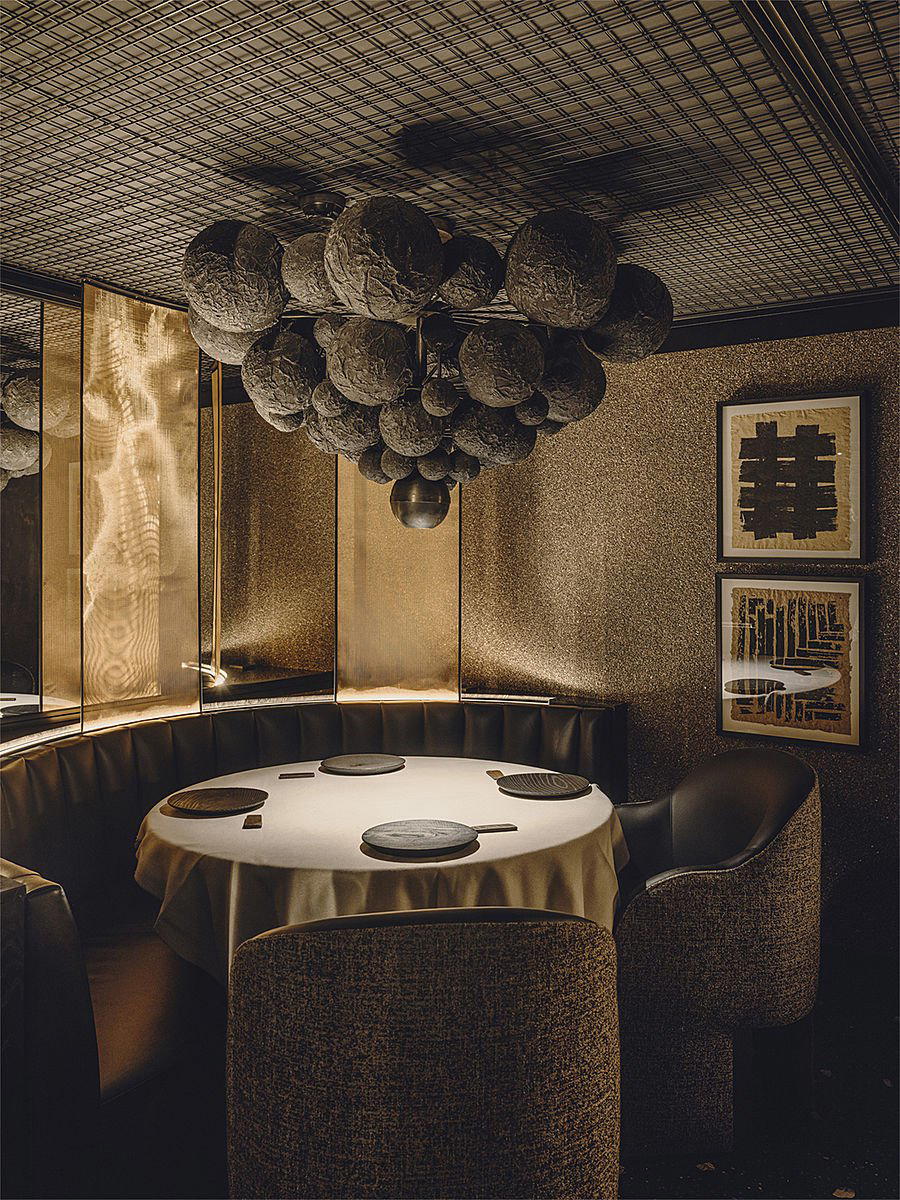
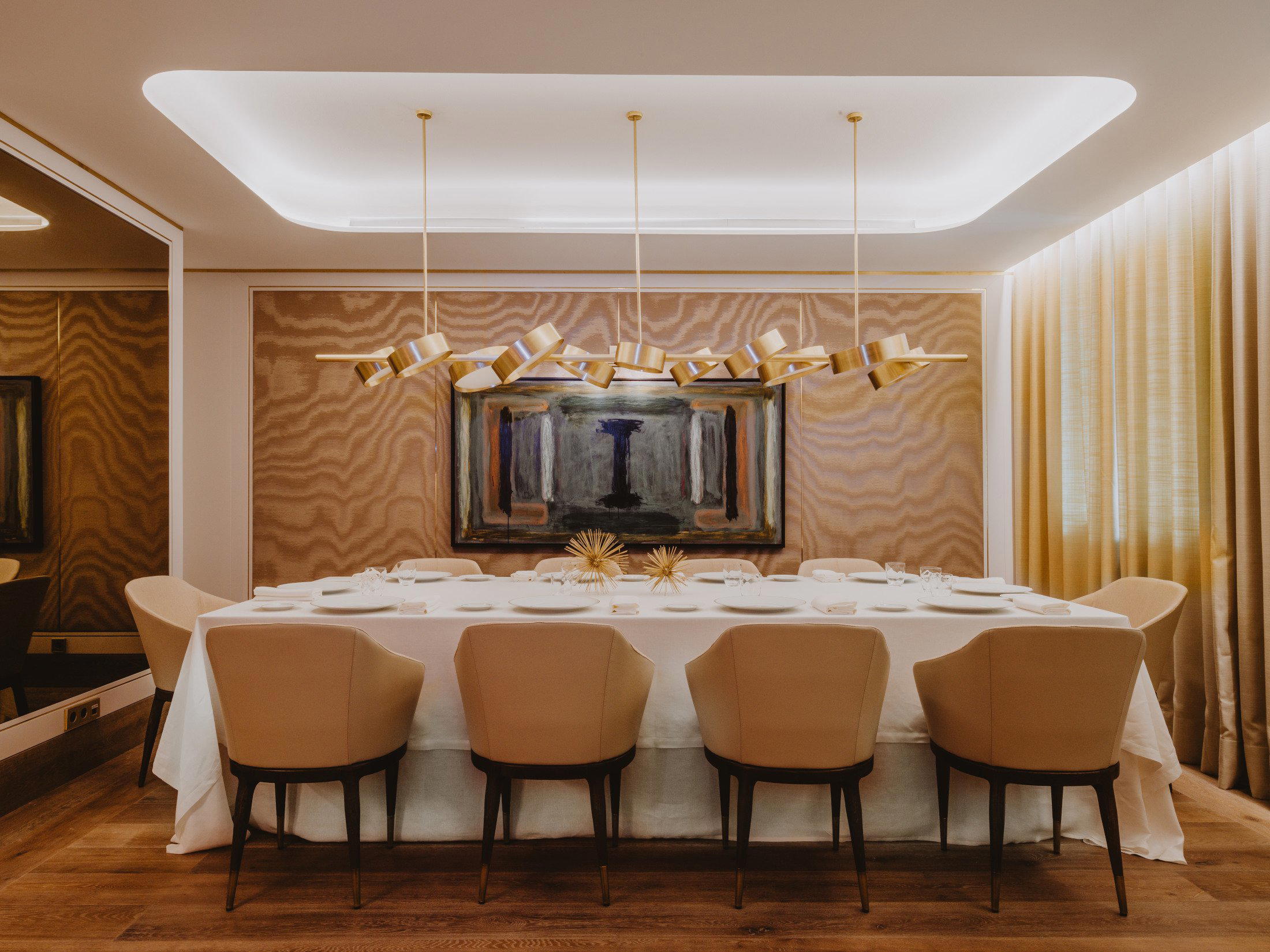
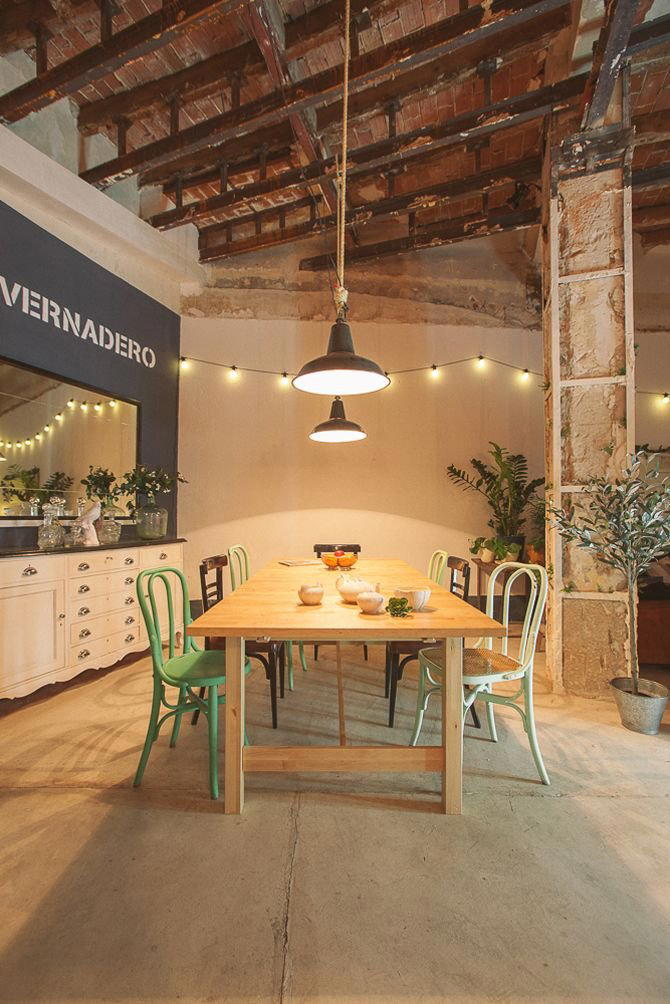
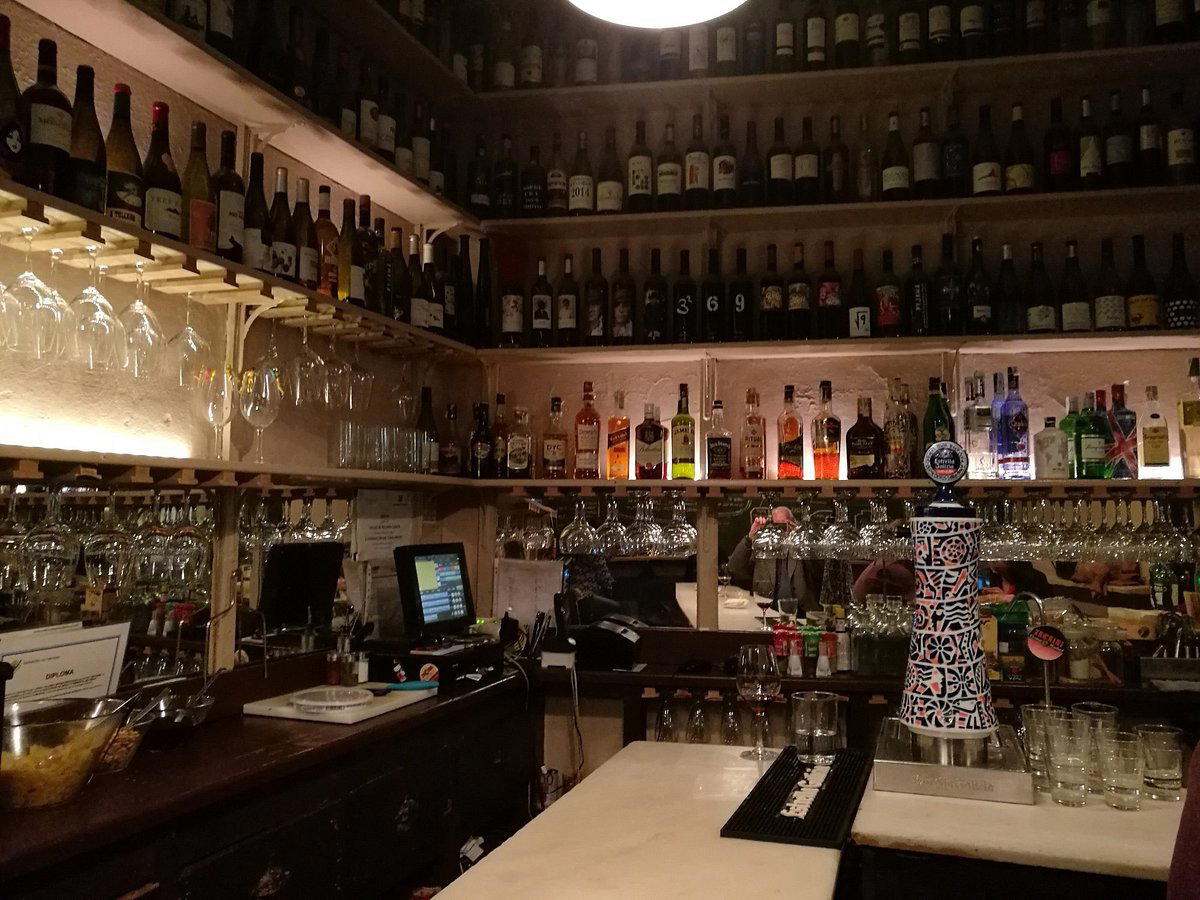
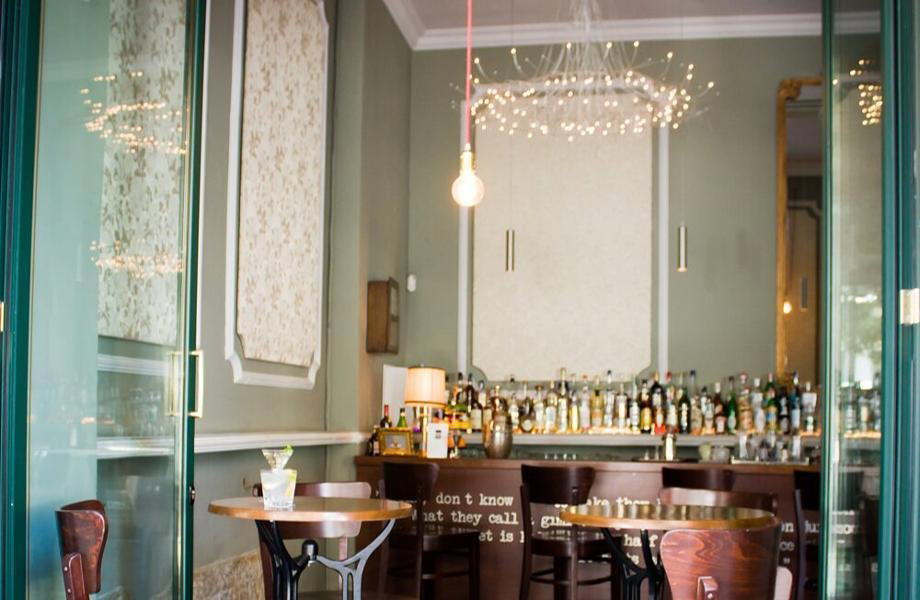
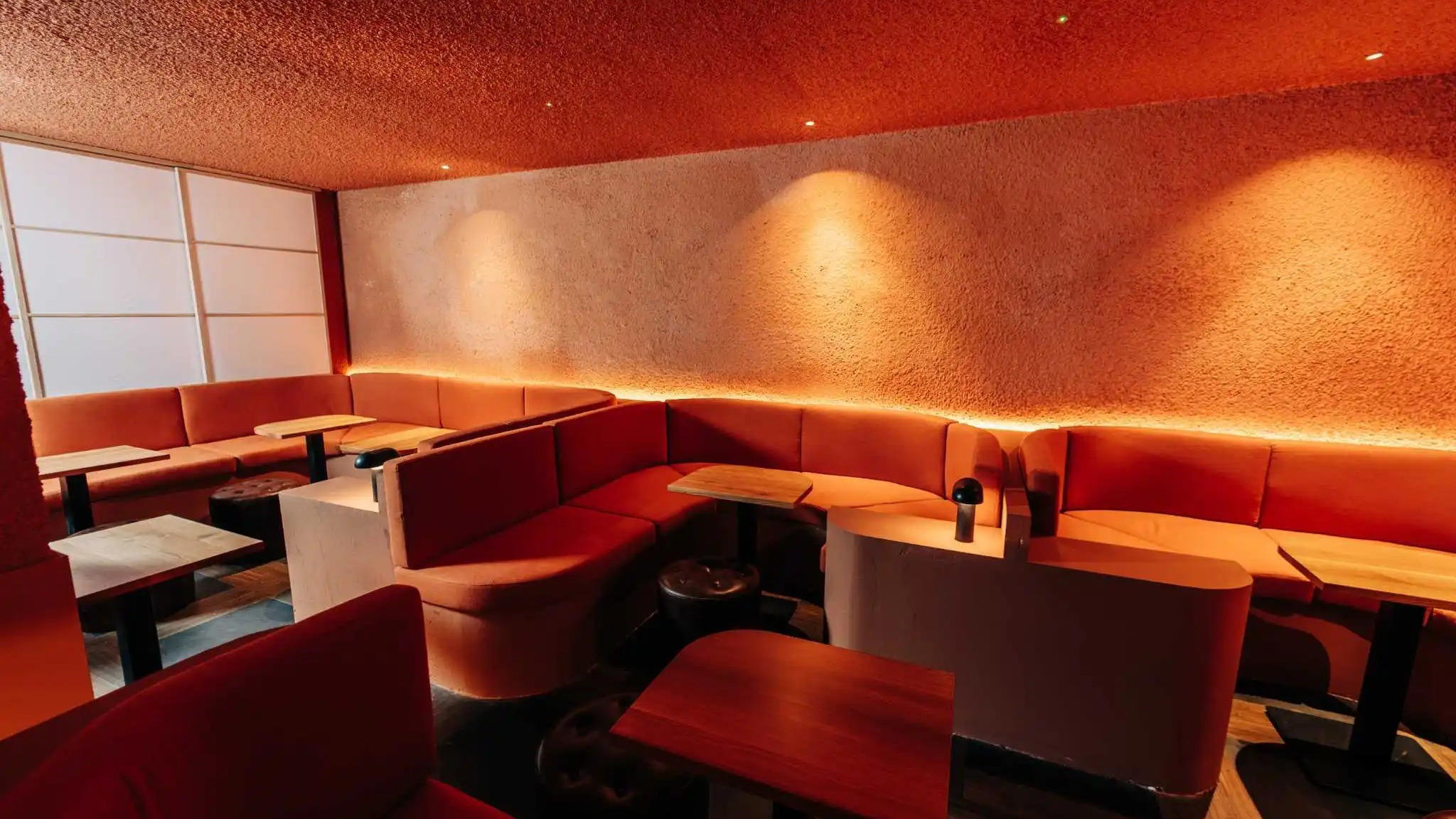
Bars in Madrid
Browse all →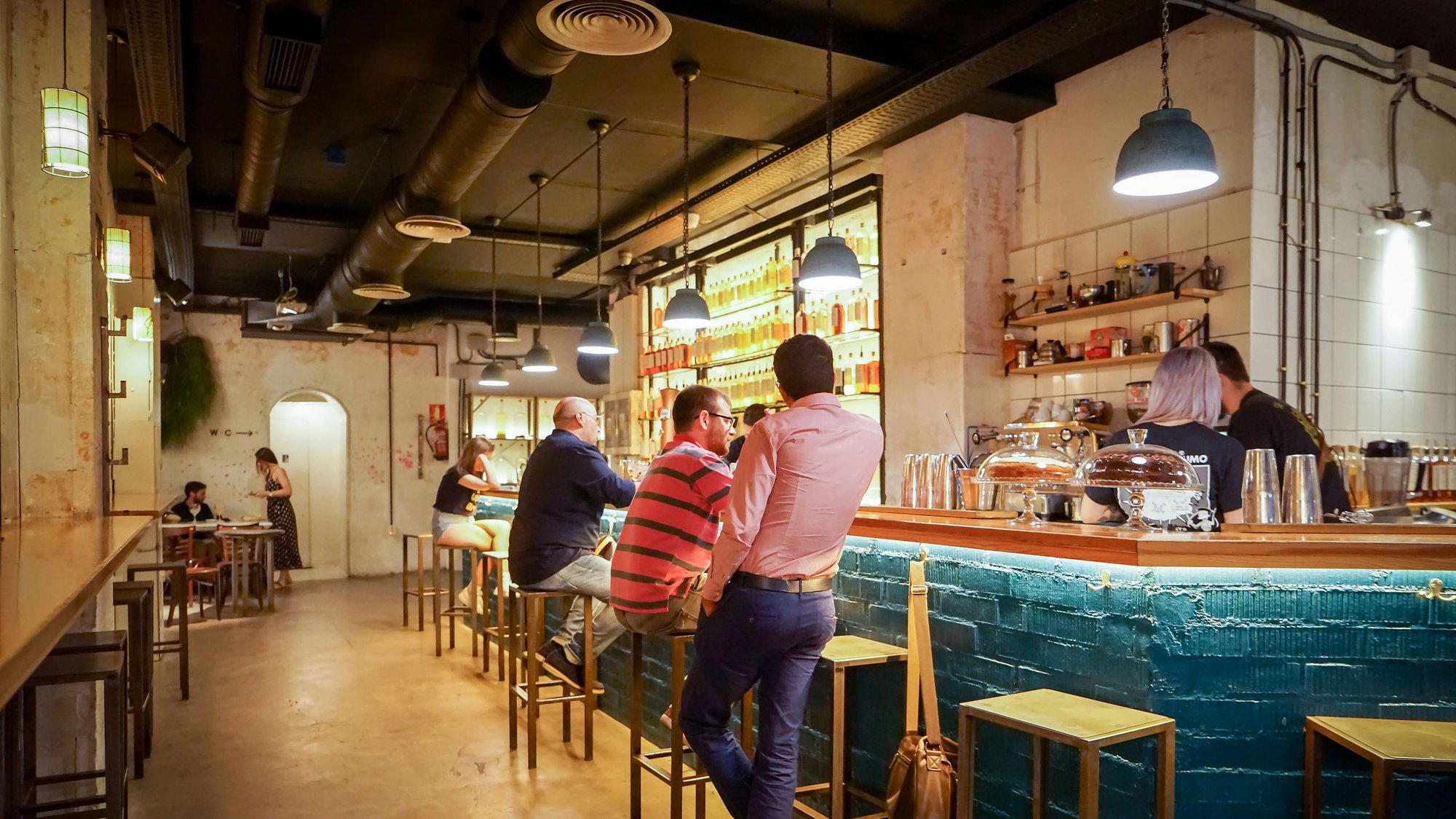
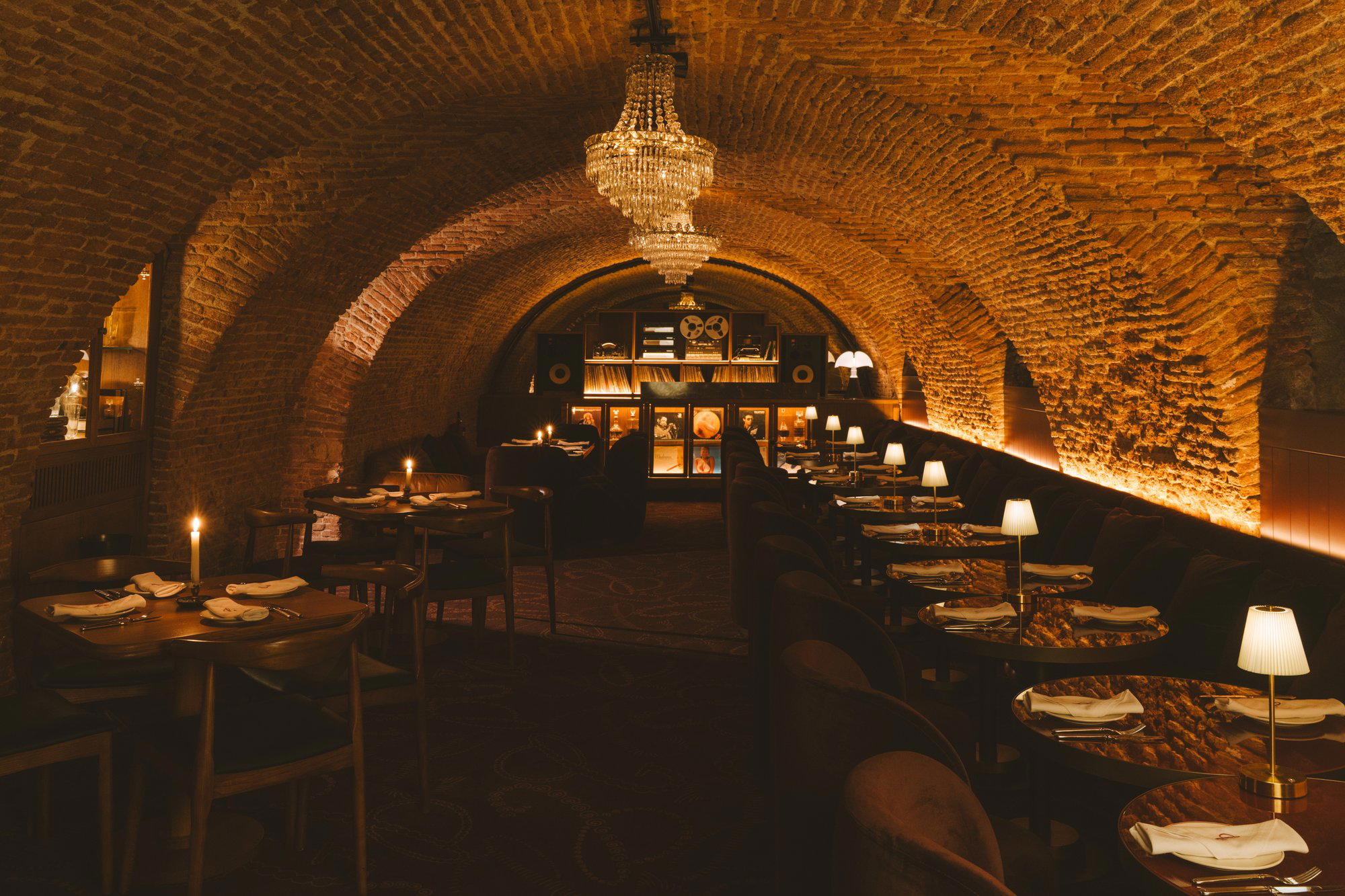
Hotels in Madrid
Browse all →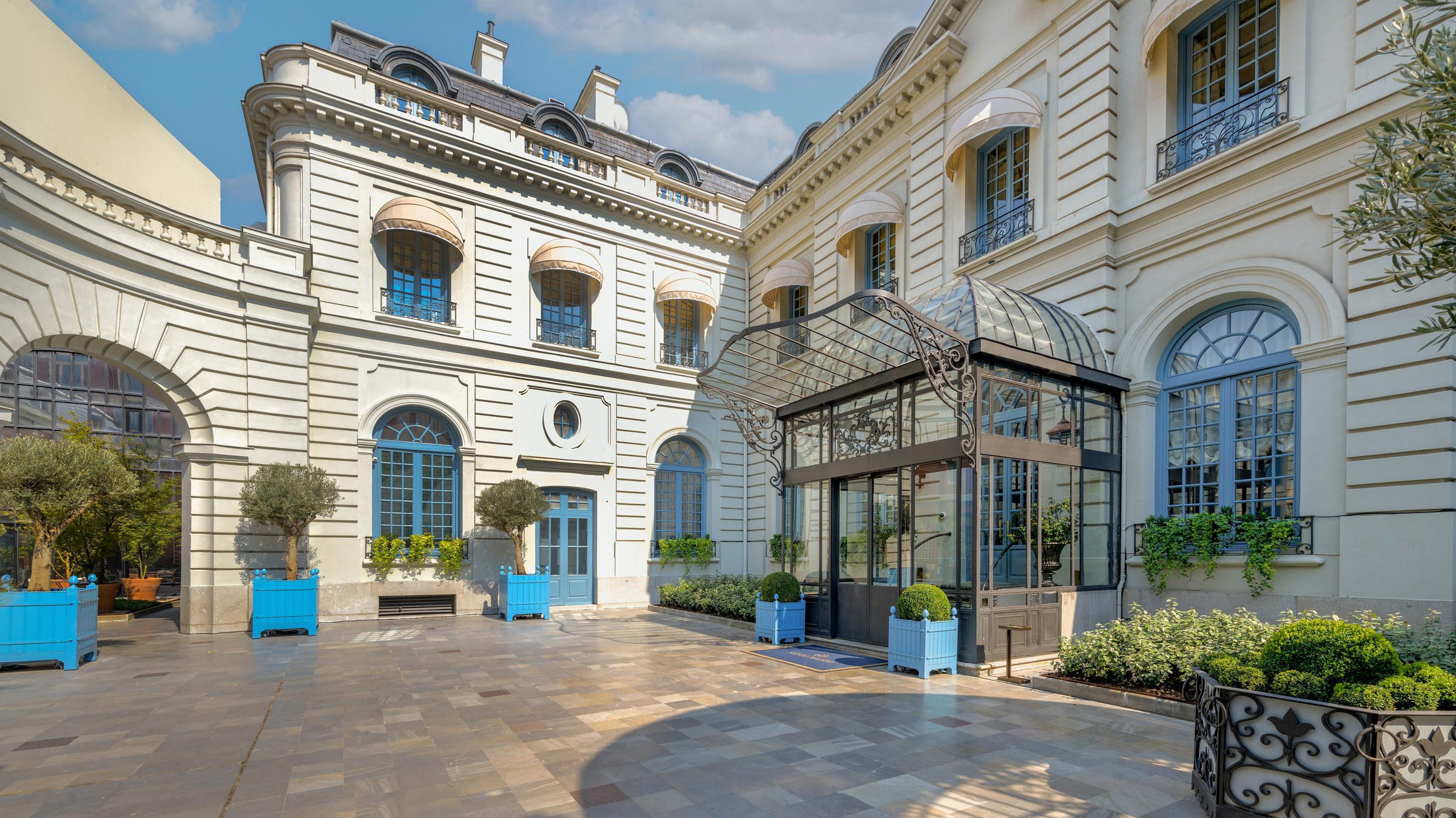

At a Glance
- Elegant
- Rustic
- Modern
- Cozy
- Date Night
- Group Dining
- Business Dinner
- Casual Hangout
- Terrace
- Open Kitchen
- Standalone
- Extensive Wine List
- Local Sourcing
Current opening hours
- Monday
- Closed
- Tuesday
- 1–5 PM
- Wednesday
- 1–5 PM, 8 PM–12 AM
- Thursday
- 1–5 PM, 8 PM–12 AM
- Friday
- 1–5 PM, 8 PM–12 AM
- Saturday
- 1–5 PM, 8 PM–12 AM
- Sunday
- 1–5 PM
Hours can change for holidays and private events. Last verified .
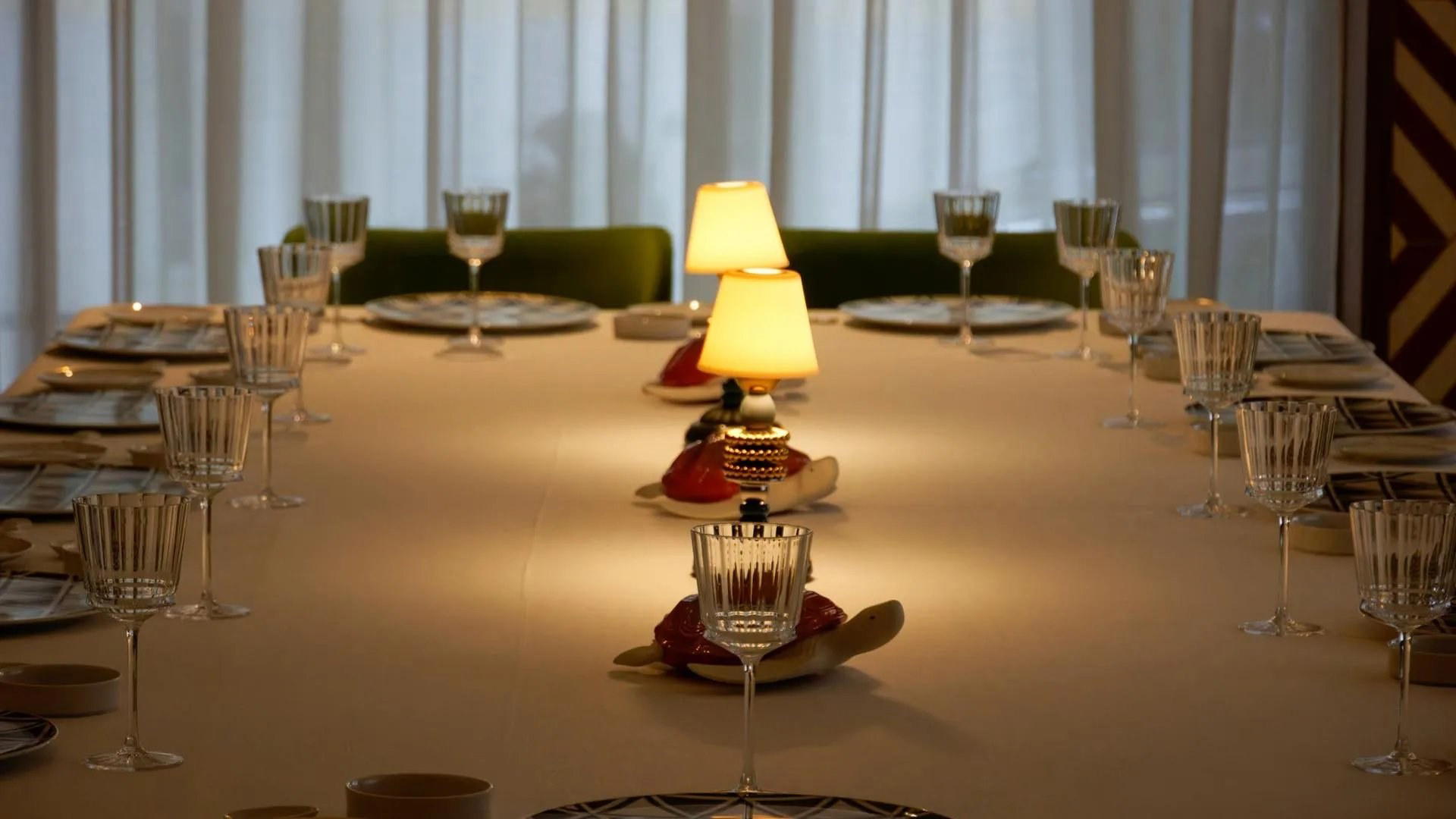
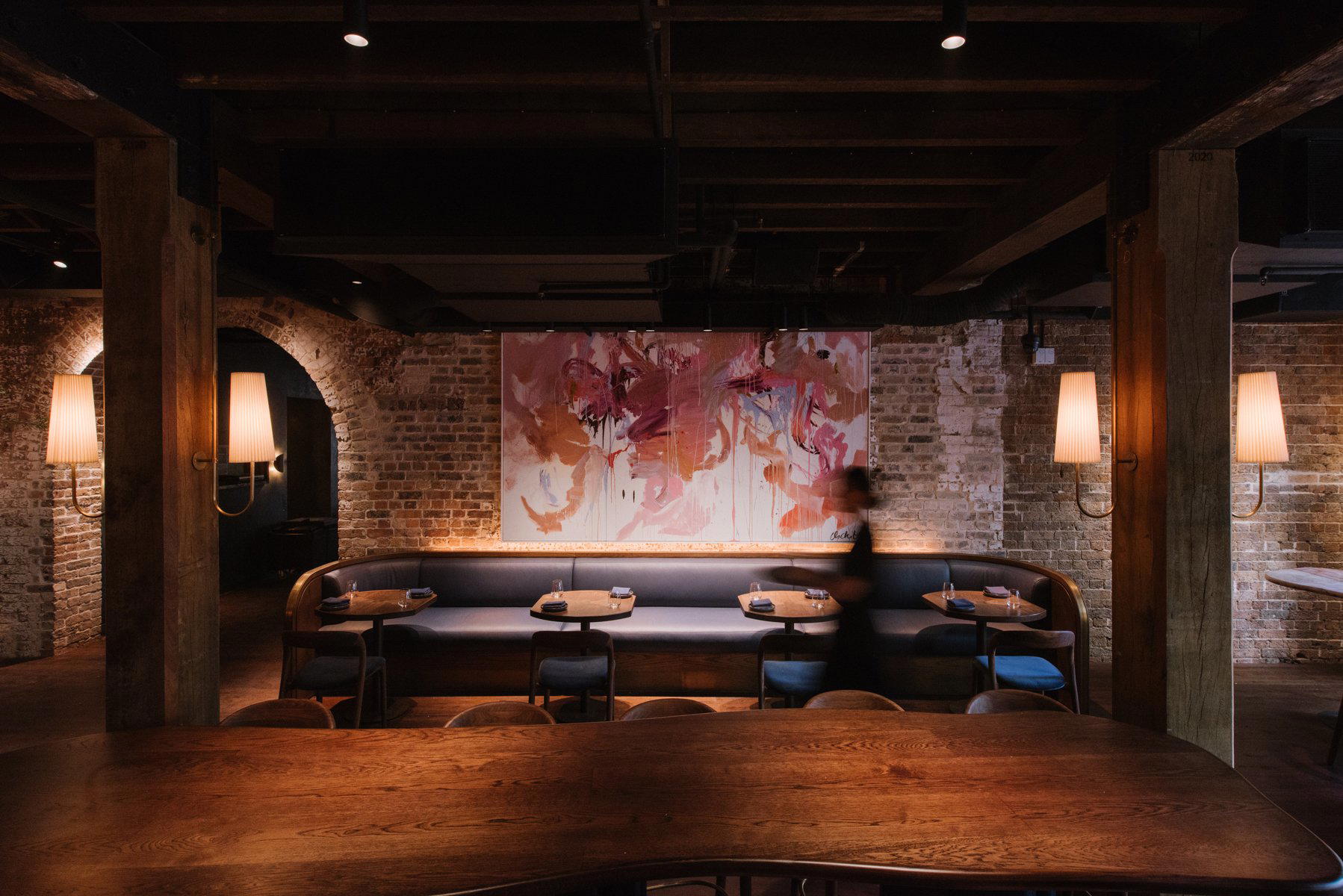
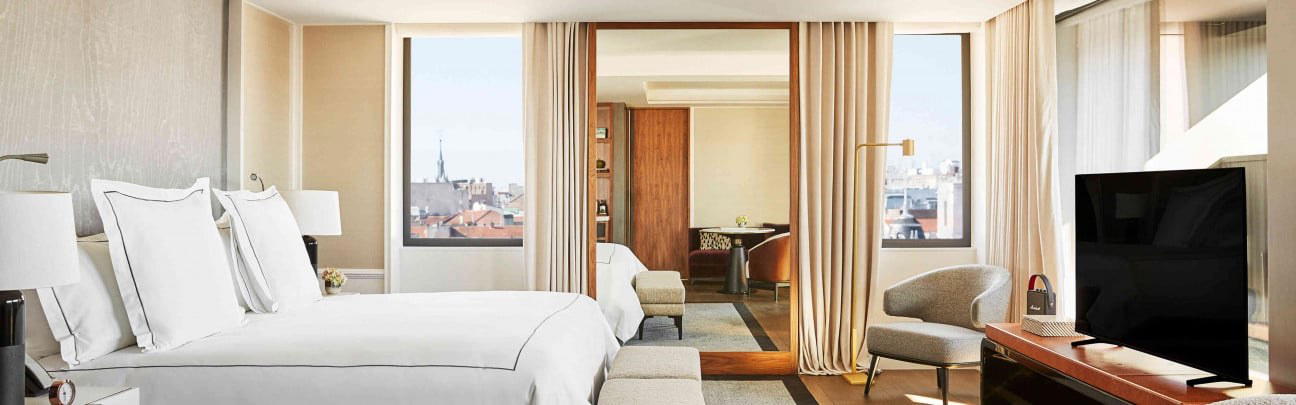
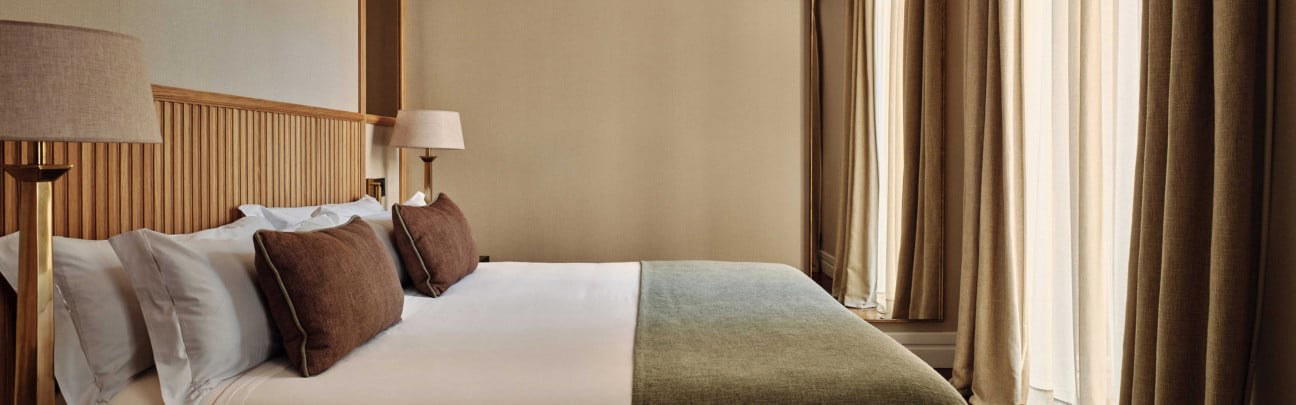
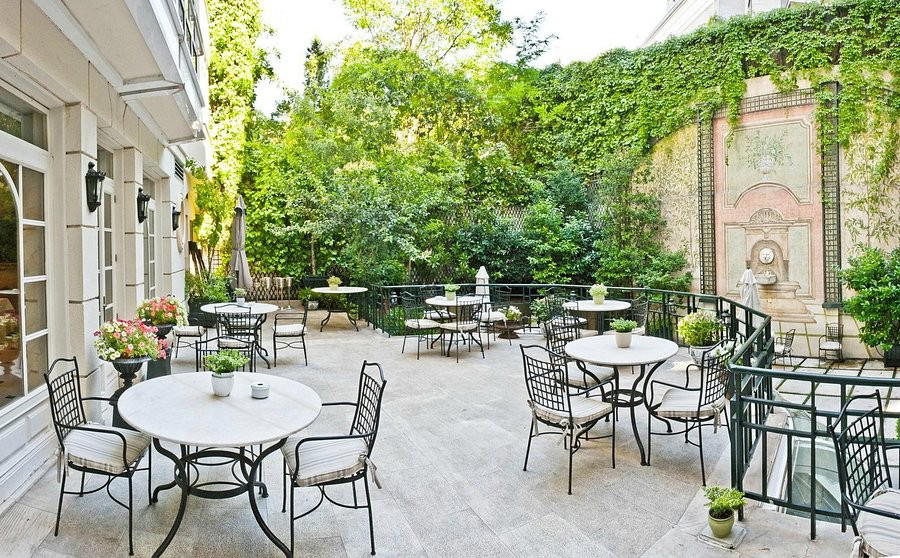
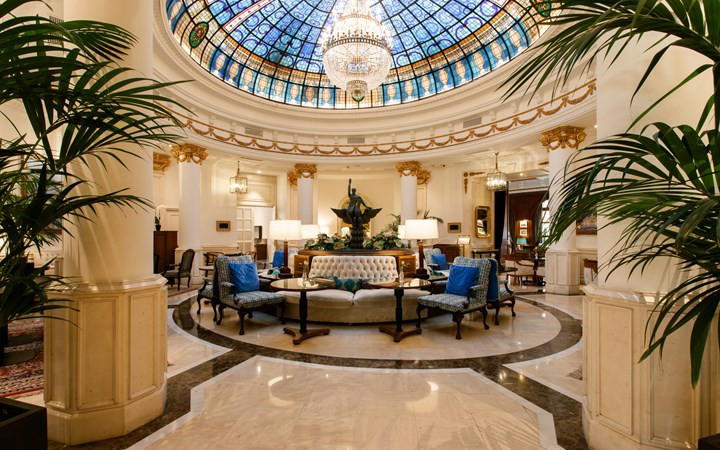
Casually elegant dining room with neutral tones and rustic touches; warm and inviting atmosphere reflecting Mediterranean tradition with contemporary touches.