Gallobúho occupies a quietly considered position in Madrid's Salesas neighbourhood, a district where the city's appetite for creative cooking meets its deeply rooted café culture. The setting at Plaza de las Salesas signals a venue pitched at locals who track the scene rather than tourists following a list. Whether lunch or dinner, the rhythms here reward those who pay attention.
Pearl is the En Primeur Club membership app — saves, bookings, and concierge access live there. Same editors, same standards.
- Address
- Pl. de las Salesas, 7, Centro, 28004 Madrid, Spain
- Phone
- +34915644303
- Website
- opentable.com
- Directions
- Get directions
 Saves & bookings on Pearl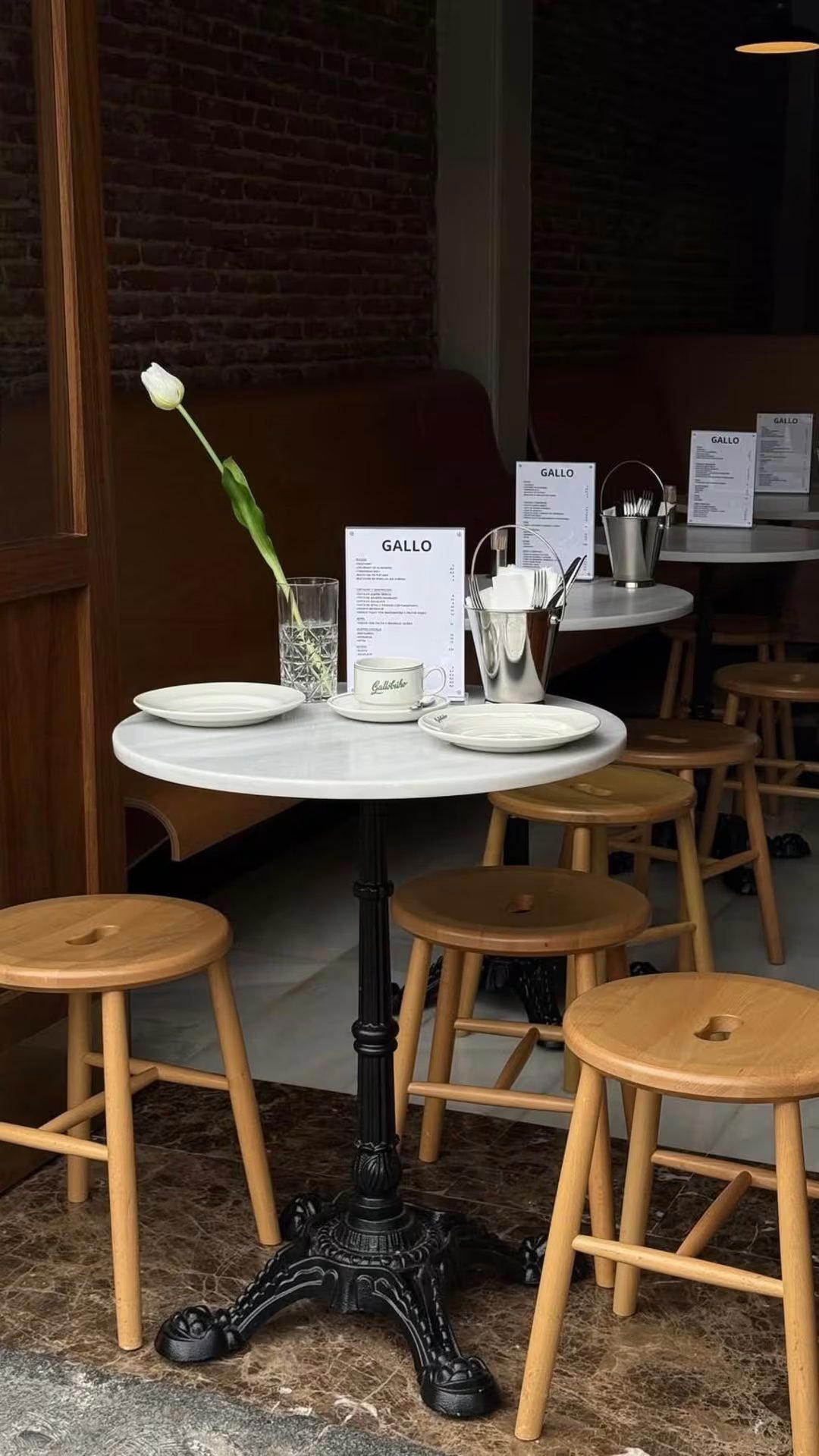
Salesas and the Shape of Madrid's Mid-Tier Dining Scene
Madrid's restaurant conversation tends to polarise around two points: the multi-Michelin theatre of DiverXO and Coque at one end, and the neighbourhood taverna at the other. What fills the space between those poles is a set of smaller, less-catalogued addresses that the city's working food public actually uses on a weekly basis. Gallobúho, on Plaza de las Salesas in the Centro district, belongs to that intermediate tier, a category that Madrid has historically underserved relative to Barcelona, but which has been quietly expanding since the mid-2010s as chefs trained in high-end kitchens began opening more approachable rooms.
Salesas itself has become one of the more reliable coordinates for this kind of eating. The neighbourhood sits between Chueca and Alonso Martínez, and its character has shifted over the past decade from boutique retail into something with genuine dining substance. The plaza fronting the Tribunal de las Aguas provides outdoor seating culture that Madrid's climate permits for a longer season than most northern European cities, roughly March through November, with autumn afternoons in particular offering conditions that make an unhurried lunch feel like the correct use of the day.
Lunch vs. Dinner: Two Distinct Modes at Gallobúho
In Madrid, the lunch-dinner divide carries more cultural weight than in almost any other European capital. The midday meal retains its structural importance here in ways that Paris and London largely surrendered decades ago. A sit-down lunch in Madrid is not a truncated version of dinner, it is frequently the primary meal, and kitchens that understand the city pitch their lunchtime offering accordingly.
Gallobúho occupies a position where this divide is felt in practice. Lunch at venues in this neighbourhood tier tends to draw a local professional crowd: measured pacing, table conversation that runs long, and an expectation of value that the menú del día format has conditioned across the city. The menú del día remains among the more democratic institutions in Spanish dining, a set-price formula that allows kitchens to move seasonal product efficiently while giving diners a composed, multi-course experience at a fraction of evening prices. For visitors accustomed to eating their main meal at dinner, rerouting that instinct toward lunch in Madrid is one of the more useful adjustments to make.
Evening service at addresses like Gallobúho shifts in register. The crowd changes, the pace slows further, and the expectation moves from value efficiency toward something more open-ended. Spanish dinner rarely begins before 9pm in practice, and kitchens in the Salesas area typically see their dining rooms fill properly between 9:30pm and 11pm. That late rhythm is not affectation, it follows the city's social architecture, which runs evening activities later than most visitors initially expect. The consequence is that dinner here is genuinely nocturnal, and the experience of eating at 10pm in a room that is just reaching its energy peak is quite different from the early-sitting quietness that a 7:30pm arrival would produce.
For the comparison set that operates at the highest end, Deessa, DSTAgE, and Paco Roncero among them, the lunch-dinner divide operates differently. Those rooms are predominantly dinner-format, with tasting menus that demand full evenings and price points that place them outside casual midday use. Gallobúho operates at a different tier and, consequently, with more flexibility in how a visit can be structured.
Madrid in the Broader Spanish Fine Dining Conversation
Understanding where Gallobúho sits requires some sense of the national context it operates within. Spain's restaurant system is unusually geographically distributed at the leading end. The three-Michelin-star addresses span the country: El Celler de Can Roca in Girona, Mugaritz in Errenteria, Martin Berasategui in Lasarte-Oria, Quique Dacosta in Dénia, Aponiente in El Puerto de Santa María, and Arzak in San Sebastián. Madrid competes with Azurmendi in Larrabetzu and Cocina Hermanos Torres in Barcelona for the density of serious cooking within a single city, but it has historically lost that comparison. The capital's dining identity has been built more on volume and variety than on concentration of technical excellence at the leading.
That context matters because it explains the market into which mid-tier Madrid addresses like Gallobúho enter. There is genuine appetite in the city for cooking that sits above the taverna but below the tasting-menu monument. Internationally, the closest structural parallel might be something like Lazy Bear in San Francisco or the mid-register addresses that sit below Le Bernardin in New York: venues doing considered cooking without demanding the full ceremony of a destination restaurant. In Ricard Camarena's Valencia and Atrio's Cáceres, one sees how Spanish regional cooking at this level uses proximity to producers as a structural advantage. Madrid, further from coastline and primary agriculture, has historically compensated with technique and eclecticism rather than raw ingredient provenance.
The Salesas Location and When to Visit
Plaza de las Salesas rewards visits timed to the neighbourhood's rhythm rather than the tourist calendar. September through November sees Madrid's restaurant scene at its most active, the August closure period has passed, kitchens have refreshed their approach for the autumn season, and the outdoor terrace culture returns in force as temperatures drop from summer peaks to something genuinely comfortable. Spring offers comparable conditions from late March onward.
The address at Plaza de las Salesas, 7 places Gallobúho within walking distance of the Chueca and Alonso Martínez metro stations, making it accessible from the city centre without requiring a taxi. The plaza itself is among the calmer outdoor spaces in central Madrid, a consideration that matters at lunchtime when street-level noise is at its peak elsewhere in the district.
Planning Your Visit
Reservations are recommended. Lunch service in Madrid typically runs 2pm–4pm; dinner from 9pm onward. Budget: expect about $25 per person. Dress: business casual.
Similar Picks
Comparable venues nearby, for context on price, style, and recognition.
| Venue | Cuisine | Price | Notes |
|---|---|---|---|
| GallobúhoThis venue — the venue you are viewing | Modern Spanish Tapas | $$ | Not listed |
| perretxiCo Chueca | Modern Basque Pintxos Taberna | $$ | Chueca |
| Taberna La Carmencita | Traditional Spanish Taberna Classics | $$ | Chueca |
| 11 Nudos Madrid | Modern Atlantic & Galician Cuisine | $$ | Chueca |
| Restaurante Adrede | Traditional Spanish Tapas | $$ | Jeronimos |
| La Tape | Spanish Tapas & Craft Beer | $$ | Arapiles |
Continue exploring
More in Madrid
Restaurants in Madrid
Browse all →
Bars in Madrid
Browse all →
Hotels in Madrid
Browse all →

At a Glance
- Cozy
- Modern
- Intimate
- Casual Hangout
- Date Night
- Open Kitchen
Current opening hours
- Monday
- 8:30 AM–12 AM
- Tuesday
- 8:30 AM–12 AM
- Wednesday
- 8:30 AM–12 AM
- Thursday
- 8:30 AM–1:30 AM
- Friday
- 8:30 AM–1:30 AM
- Saturday
- 9 AM–1:30 AM
- Sunday
- 10 AM–4:30 PM
Hours can change for holidays and private events. Last verified .
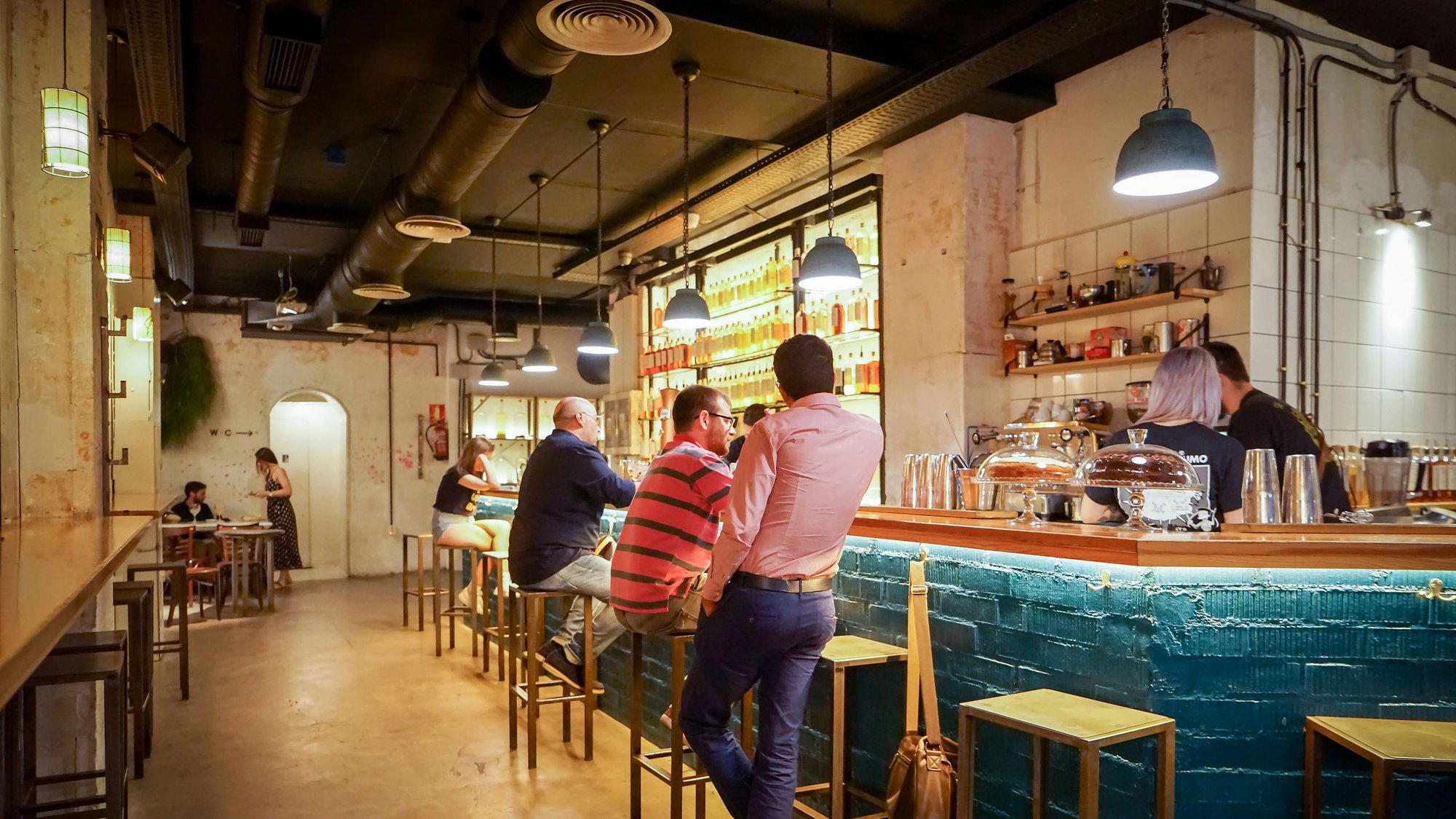
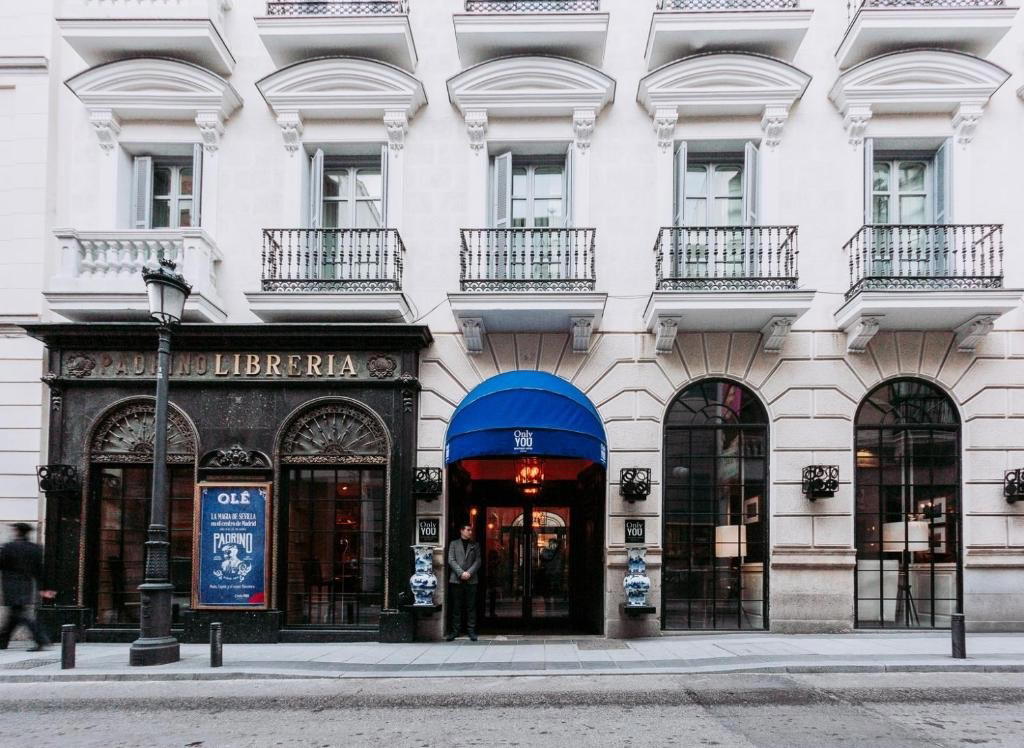
Minimalist interior with an elegant bar area and natural lighting creating a cozy and intimate neighborhood atmosphere.