Ginza Nagaoka

Michelin Plate
Our verdict
A Michelin Plate-recognised Japanese restaurant inside Okada Manila, Ginza Nagaoka brings the precision of Japanese culinary tradition to Parañaque's integrated resort corridor. Operating within one of Metro Manila's most prominent luxury complexes, it occupies the upper tier of the city's Japanese dining scene, where ingredient provenance and technical discipline set the standard rather than spectacle.

Pearl is the En Primeur Club membership app — saves, bookings, and concierge access live there. Same editors, same standards.
- Address
- Okada, Manila, Metro Manila, Philippines
- Phone
- +63 2 8555 5799
- Hours
- Mon ClosedTue–Sat 5–11 PMSun Closed
- Website
- okadamanila.com
- Directions
- Get directions
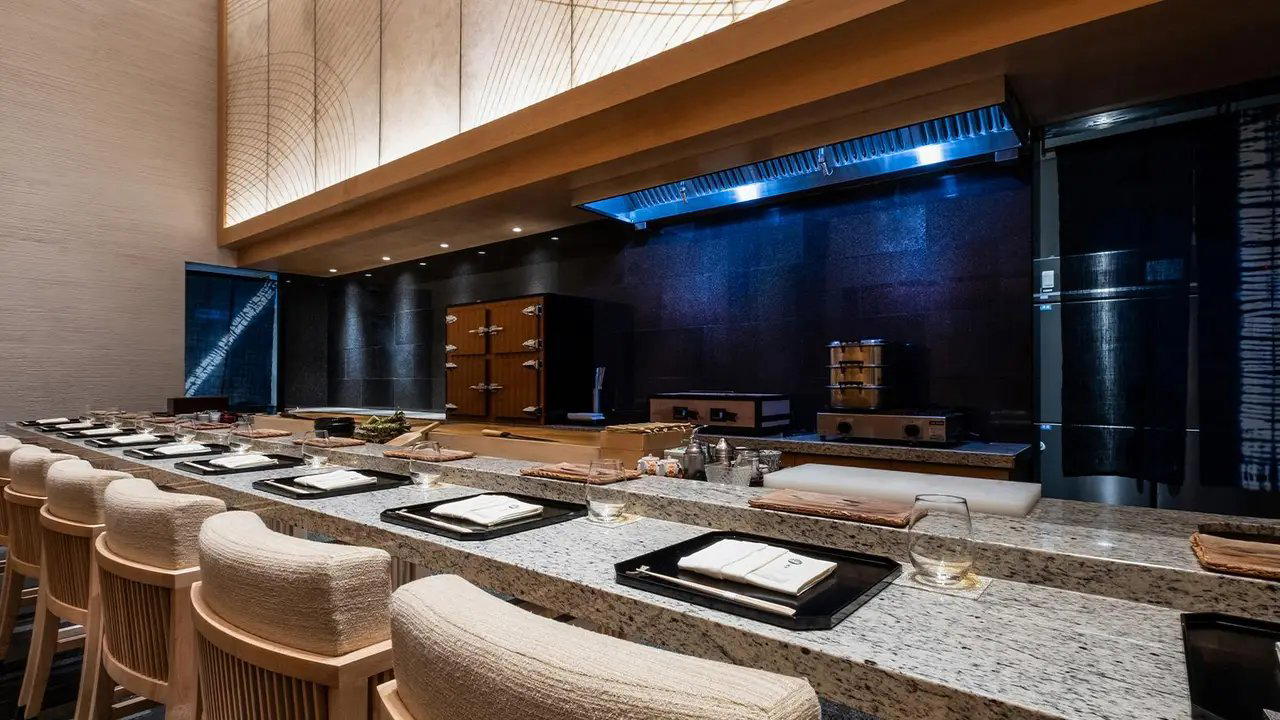
Where Okada's Resort Strip Meets Japanese Culinary Discipline
The integrated resort corridor along Manila Bay has become one of Southeast Asia's more unusual dining destinations: a concentrated strip where casino-anchored developments have, perhaps counterintuitively, produced some of the region's more serious restaurant programmes. Okada Manila sits within that corridor, and the restaurants it houses compete less with neighbourhood bistros than with the kind of precision-driven concepts you'd expect in Tokyo, Hong Kong, or Singapore. Ginza Nagaoka, which holds a Michelin Plate as of the 2026 Michelin Guide Philippines, operates inside that frame. The Plate recognition signals cooking that meets Michelin's standard for quality without yet reaching starred territory — a meaningful credential in a guide still in its early Philippine editions, where inclusion itself carries weight.
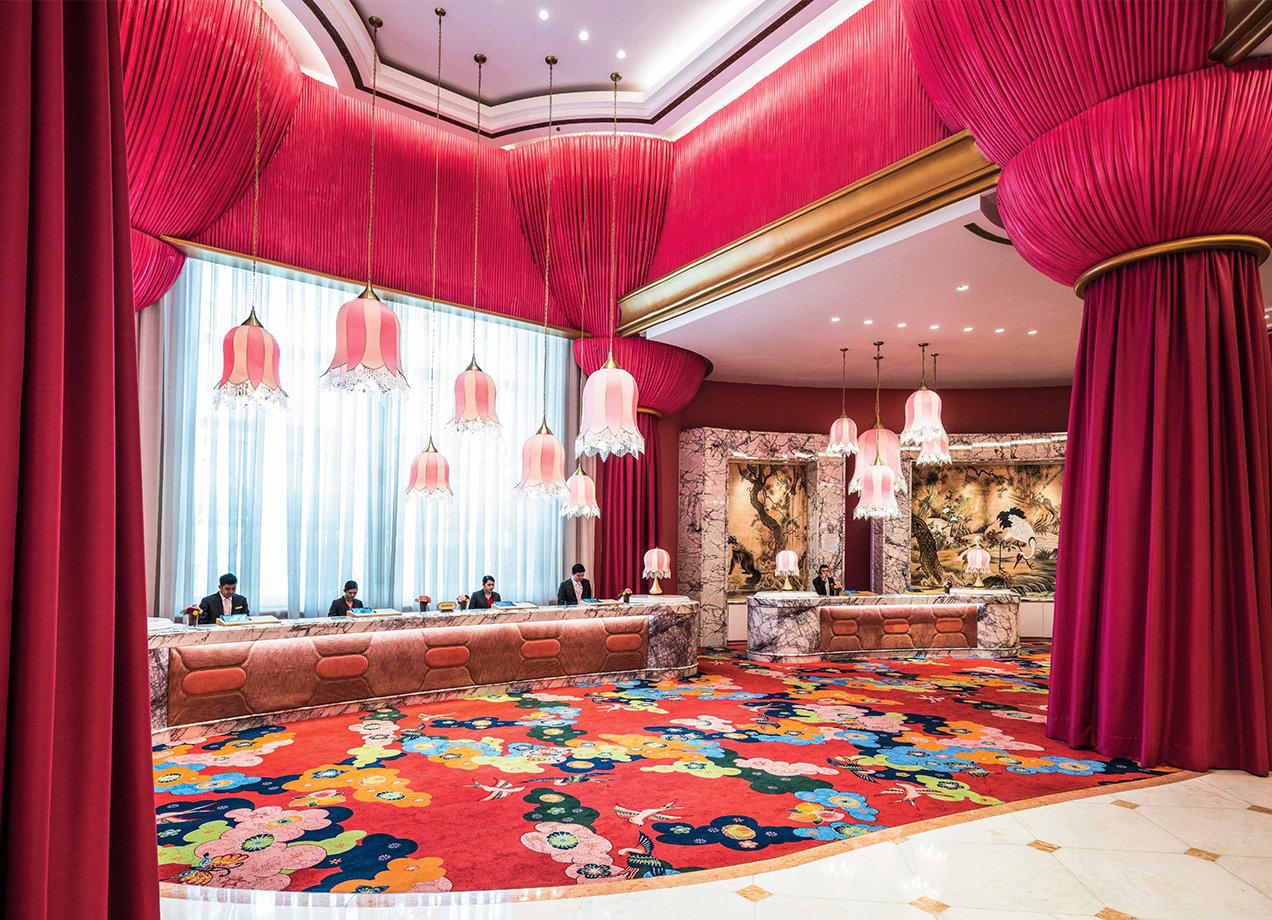
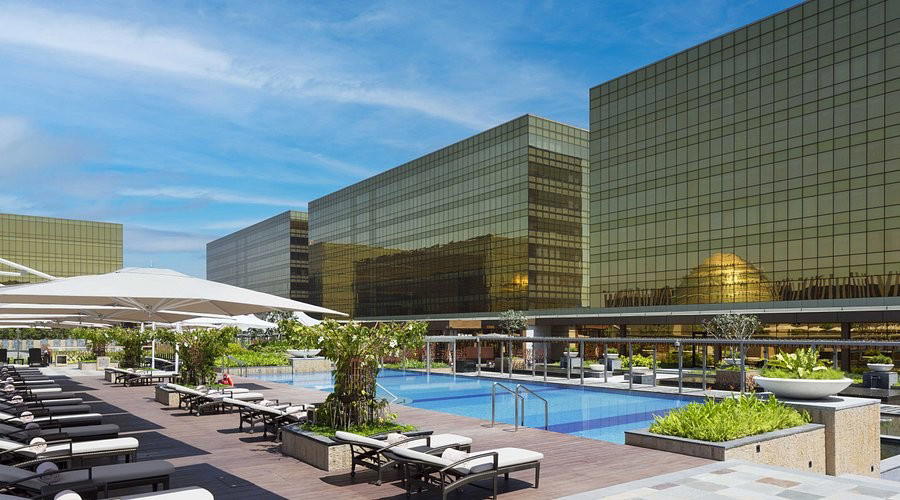
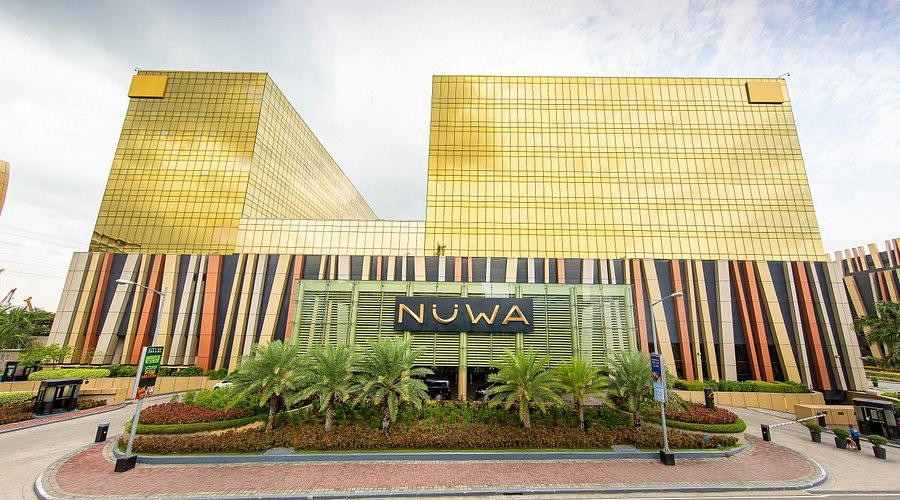
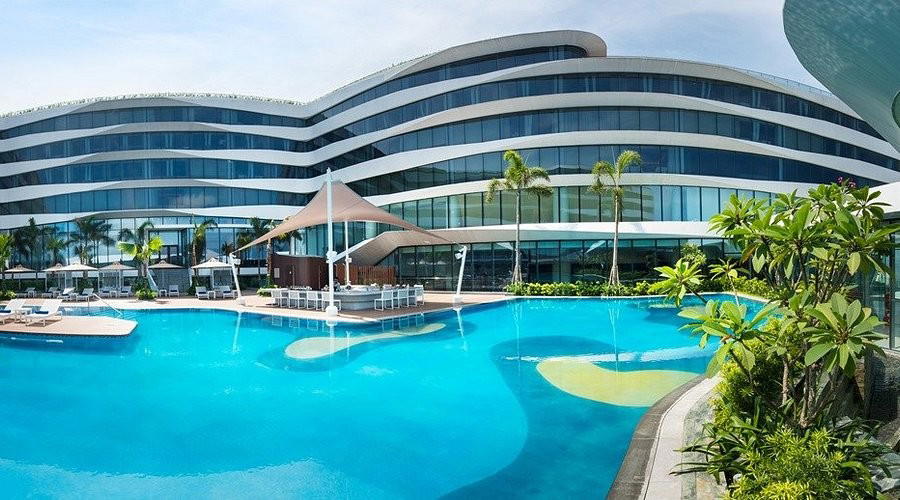
Arriving through Okada's resort architecture, the shift from casino-floor energy to a Japanese dining context is part of the experience's internal logic. The property's scale means that the restaurant exists in a kind of curated remove from the broader complex — the environment calibrated for a different register of attention than the gaming floors below.
Japanese Tradition in a Metro Manila Setting: What Ingredient Sourcing Signals
The sourcing question matters more in Japanese cuisine than in almost any other tradition, and it matters especially when that cuisine is practised outside Japan. The discipline at the top of the Japanese restaurant tier, whether at Le Bernardin in New York City or Atomix in New York City, both of which operate at the intersection of tradition and diaspora context, rests on a consistent answer to the sourcing question: how close can you get to the original supply chain, and what local materials can substitute without compromising the technique?
For Japanese restaurants operating in the Philippines, that question has a specific texture. Metro Manila's fish markets offer access to tropical species and, through import channels, to Japanese product that moves through the region's expanding cold-chain infrastructure. Premium Japanese wagyu, A5-grade cuts, and selected seafood now move into the Philippines with greater regularity than a decade ago, supported by direct import arrangements that the leading hotel-anchored Japanese restaurants have been among the first to establish. A Michelin Plate recognition at a venue in this context implies that the kitchen is sourcing at a level consistent with the guide's quality threshold, not decoratively Japanese but operationally aligned with the ingredient standards the cuisine demands.
This is the tier where sourcing discipline and kitchen execution converge. The gap between a Japanese restaurant that performs the aesthetic and one that delivers the substance usually shows at the product level: the temperature of fish before it reaches the counter, the grade of rice, the age and composition of soy-based condiments. Michelin's assessors, who apply consistent criteria across markets, would have evaluated Ginza Nagaoka against those standards.
Parañaque's Premium Dining Tier and Where Ginza Nagaoka Sits
Parañaque's restaurant identity is inseparable from its integrated resorts. Unlike Makati or BGC, where standalone restaurants drive the scene, Parañaque's upper dining bracket is almost entirely housed within the resort properties: Okada, Solaire, and City of Dreams collectively anchor a tier of dining that operates on hotel economics, with the pricing, service structure, and sourcing budgets those economics allow. Within that bracket, Japanese cuisine holds a consistent position. The technical demands and ingredient costs of serious Japanese cooking map naturally onto the resort model, where high average checks are standard rather than exceptional.
Ginza Nagaoka sits within that context. For comparison, Linamnam and Kumba, both operating within Parañaque's premium dining scene, take different approaches to the city's culinary range, but the Japanese fine-dining tier that Ginza Nagaoka occupies sits at a specific price point that reflects both ingredient costs and the resort setting.
The broader Philippine Michelin conversation is still forming. The guide entered the market recently, and its starred tier, Gallery By Chele in Manila is among the most discussed starred addresses, currently represents a small cohort. Plate-level recognition, in that context, marks a restaurant as part of the guide's acknowledged quality range: not the very apex, but operating at a standard the guide's assessors found consistent. That's a more honest signal than many marketing claims in the market.
The Philippine Japanese dining scene has parallels elsewhere in Southeast Asia: in Bangkok, Kuala Lumpur, and Singapore, Japanese restaurants in luxury hotel settings have consistently performed above their local competition in guide assessments, partly because the sourcing infrastructure and kitchen investment those settings enable. Parañaque's resort corridor follows that pattern. For a broader picture of where Ginza Nagaoka fits within the region's restaurant hierarchy, the work being done at Celera in Makati, Blackbird Makati in Manila, and Bolero in Taguig each illustrates a different tier and style within Metro Manila's premium dining range.
Planning a Visit: What to Know Before You Go
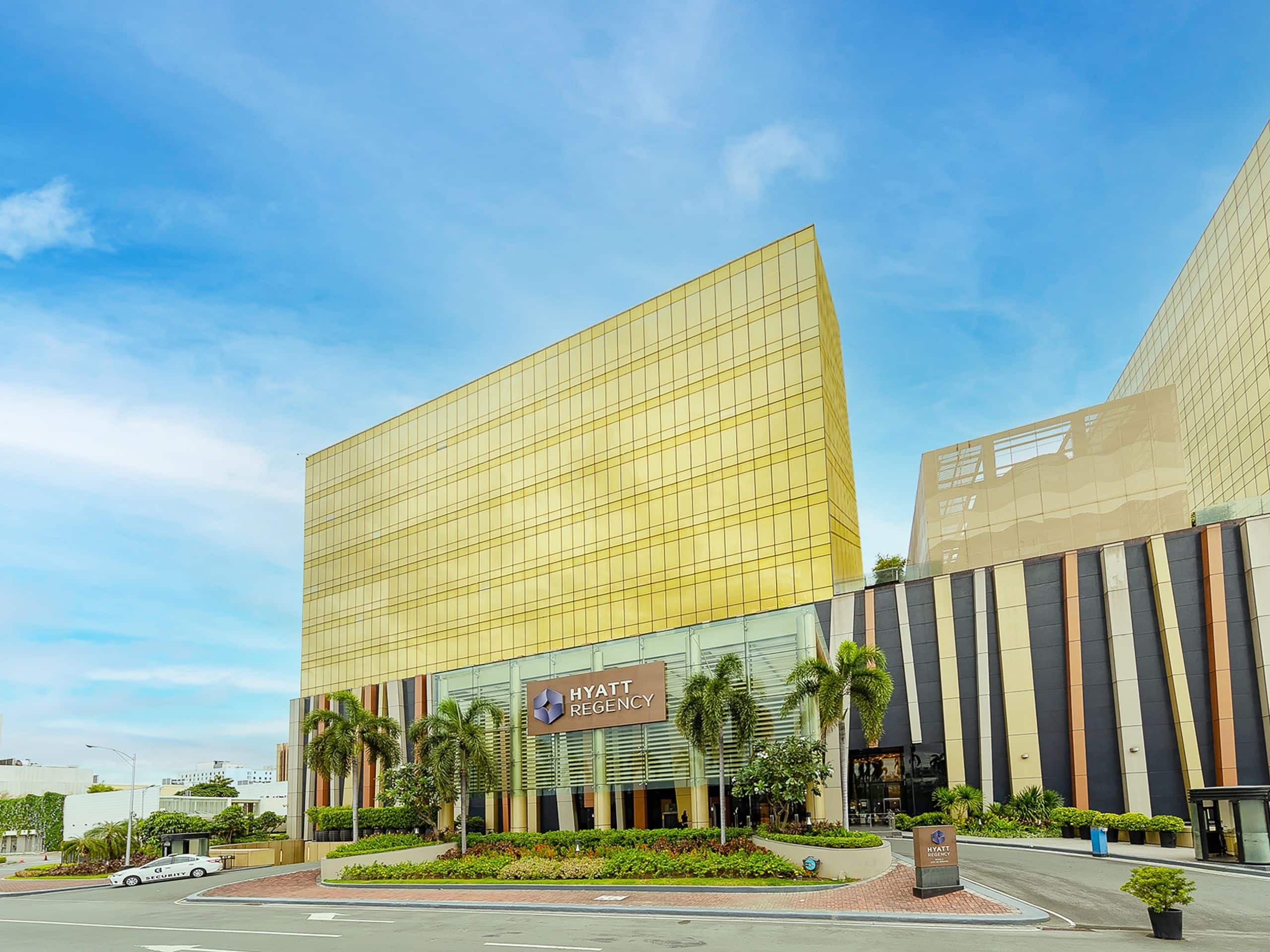
Ginza Nagaoka is located inside Okada Manila in Parañaque, accessible via the resort's main entrance on Entertainment City's bay-facing strip. Given the venue's Michelin recognition and its position within a major resort property, securing a reservation in advance is the practical approach, particularly for weekend evenings and public holidays when the resort's occupancy and dining demand peaks. The Okada property itself hosts several dining concepts, so confirming specifically for Ginza Nagaoka when booking avoids any ambiguity at the front desk.
For context on the surrounding area's full dining and hospitality range, our full Parañaque restaurants guide maps the neighbourhood's options across price tiers and cuisines. If your visit extends beyond dining, our full Parañaque hotels guide, our full Parañaque bars guide, our full Parañaque wineries guide, and our full Parañaque experiences guide cover the broader picture. For those building a wider Metro Manila itinerary, Cantabria by Chele Gonzalez in Mandaluyong, China Blue in Pasay, Asador Alfonso in Cavite, Abaseria Deli and Cafe in Cebu, and CIBO in Quezon City represent a cross-section of the region's recognised restaurants at different price points and in different culinary traditions.
Frequently asked questions
Does Ginza Nagaoka work for a family meal?
The resort setting inside Okada Manila makes it practically accessible for families, with the bay-facing Entertainment City strip easy to reach from the main entrance. That said, a Michelin Plate recognition signals a level of culinary seriousness that tends to suit adults focused on the food. Families with older children comfortable in a formal Japanese dining environment will find it more fitting than those with young children seeking a casual meal.
What's the overall feel of Ginza Nagaoka?
Ginza Nagaoka sits inside Okada Manila, one of the Philippines' largest integrated resorts, which frames the experience within a polished, casino-resort environment. The restaurant itself holds a 2026 Michelin Plate, pointing toward a focused approach to Japanese culinary discipline rather than resort-casual dining. Expect a composed, formal atmosphere where the food takes precedence over spectacle.
What awards or recognition does Ginza Nagaoka have?
Ginza Nagaoka has received recognition including: Michelin Plate (2026).
What dish is Ginza Nagaoka famous for?
Contacting Okada Manila directly before your visit is the reliable way to get current menu details.
How do I find Ginza Nagaoka?
Ginza Nagaoka is located at Okada, Manila, Metro Manila, Philippines, Parañaque.
Do I need a reservation for Ginza Nagaoka?
Reaching out through Okada Manila's concierge or the resort's dining desk is the practical first step. Walk-in availability on quieter weeknights is plausible but can change without current floor data. Check the venue's official channels for the latest details.
Quick Comparison
Comparable venues nearby, for context on price, style, and recognition.
| Venue | Cuisine | Price | Awards | Notes |
|---|---|---|---|---|
| Ginza NagaokaThis venue — the venue you are viewing | Edomae Omakase Sushi | $200–300 | Michelin Plate | Not listed |
| Kumba | Creative Asian Fusion | $20–30 | Michelin Bib Gourmand | BF Homes |
| Linamnam | Progressive Filipino Fine Dining | $300–500 | 1 Michelin Star | Marcelo Green Village, Parañaque |
| 12/10 | Modern Japanese Izakaya | Not listed | Michelin Plate | Makati |
| Gordon Ramsay Bar & Grill | British Grill | $50–100 | Michelin Plate | Newport World Resorts |
| iai | Modern Japanese Sushi Kappo Omakase | $200–300 | Michelin Plate · The Best Chef One Knife | Bonifacio Global City |
Recognition history
Dated appearances from independent guides and award organizations, with the underlying list record or original source where available.
Michelin Plate
Michelin
Continue exploring
More in Parañaque
Restaurants in Parañaque
Browse all →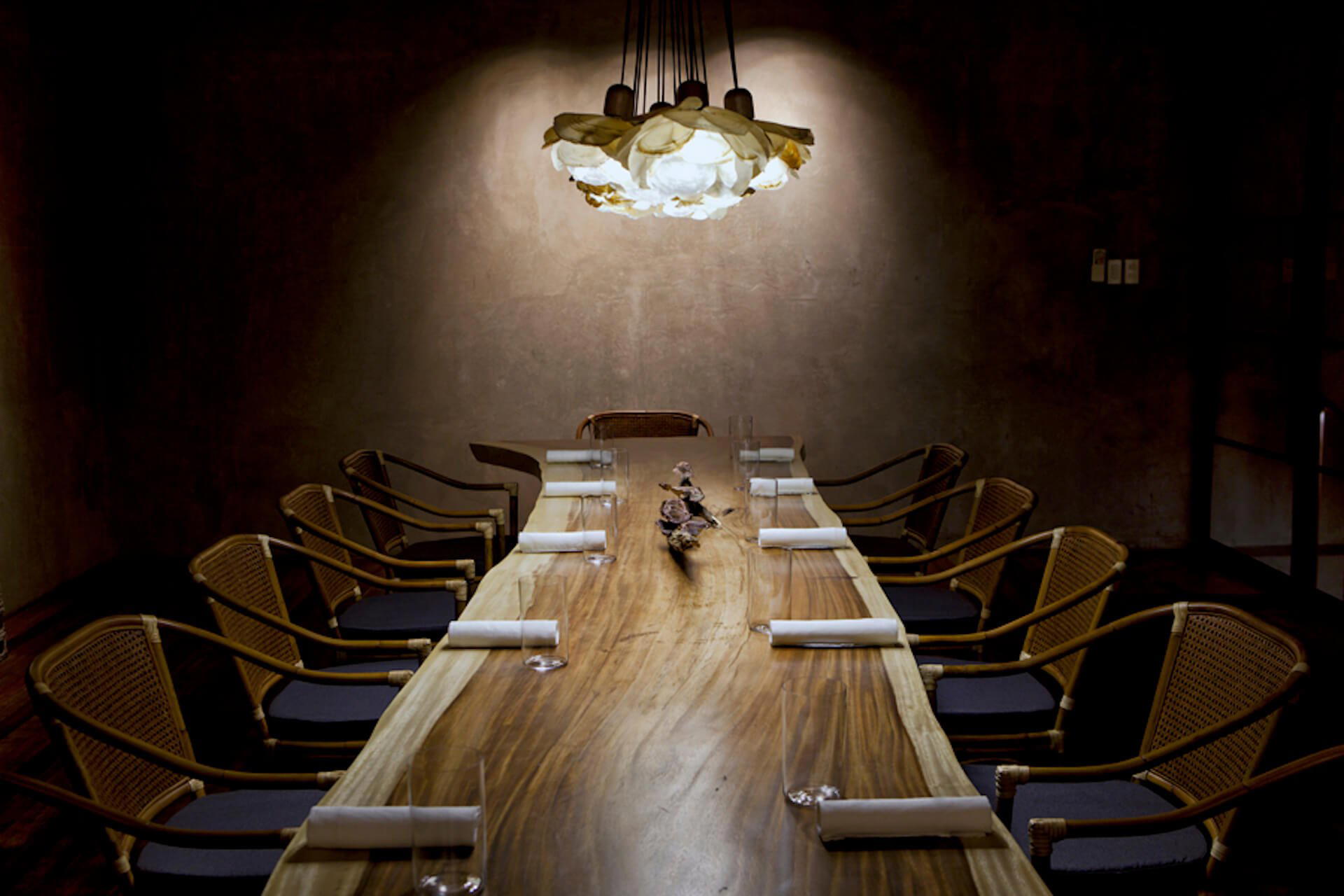
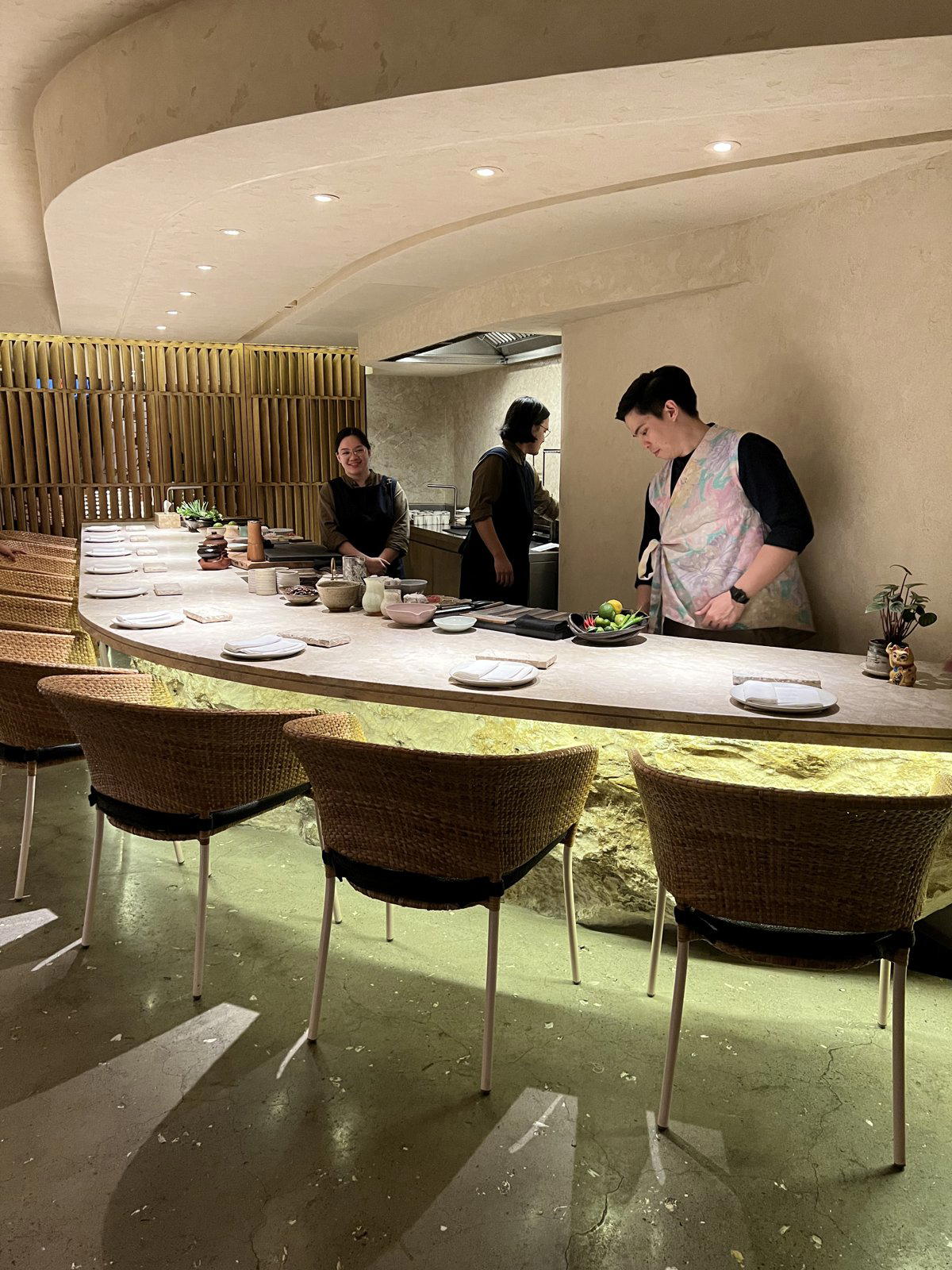
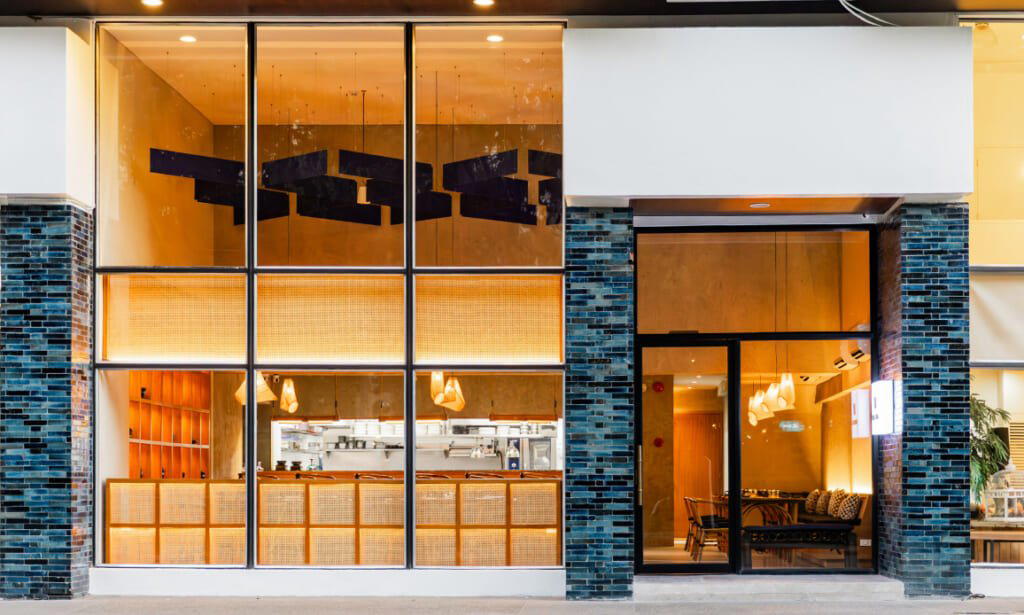
Bars in Parañaque
Browse all →

Details
- Intimate
- Elegant
- Sophisticated
- Minimalist
- Special Occasion
- Solo
- Date Night
- Chefs Counter
- Open Kitchen
- Sake Program
- Sustainable Seafood
- Omakase
- Counter Dining
- Sake
Current opening hours
- Monday
- Closed
- Tuesday
- 5–11 PM
- Wednesday
- 5–11 PM
- Thursday
- 5–11 PM
- Friday
- 5–11 PM
- Saturday
- 5–11 PM
- Sunday
- Closed
Hours can change for holidays and private events. Last verified .
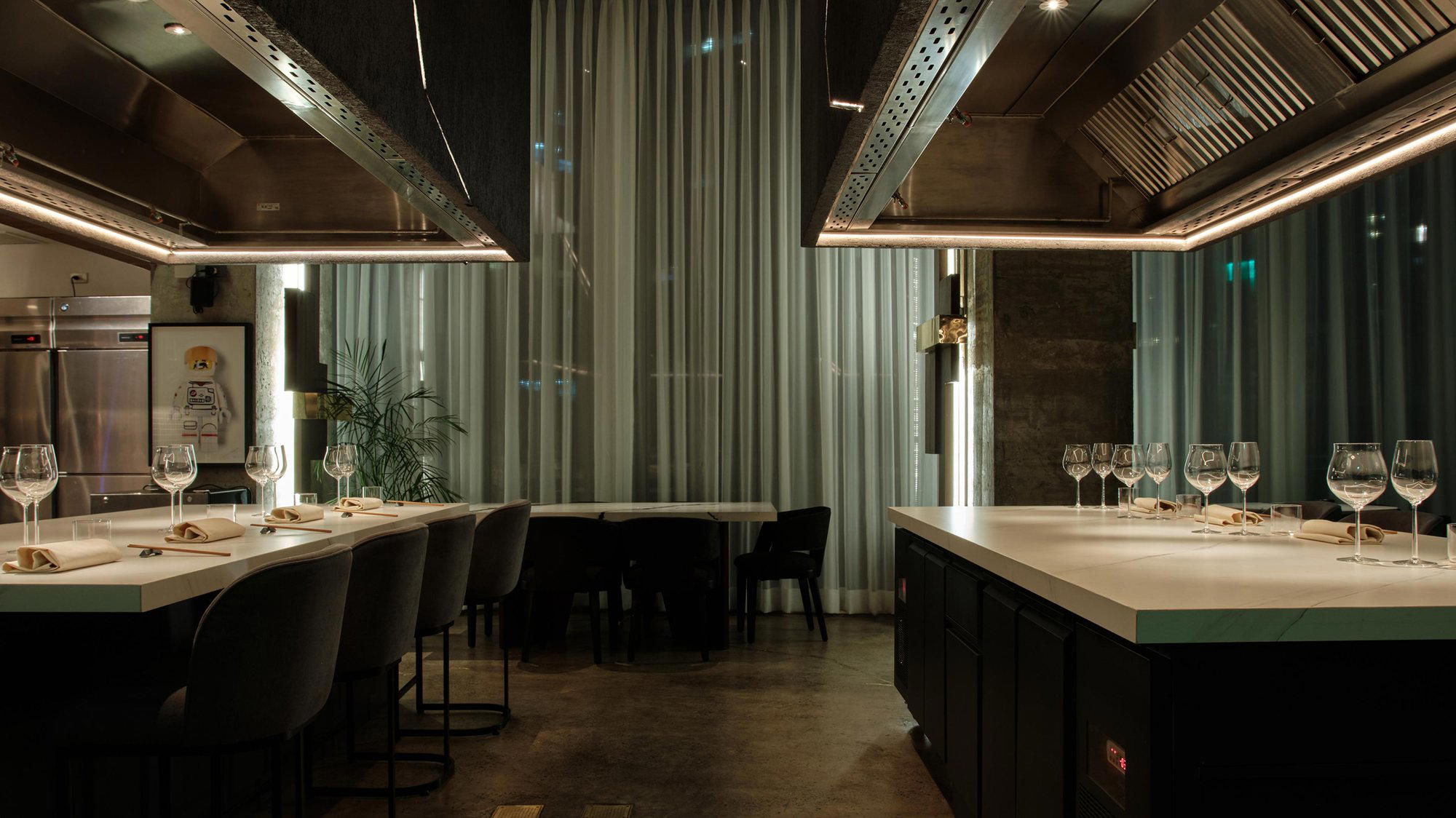
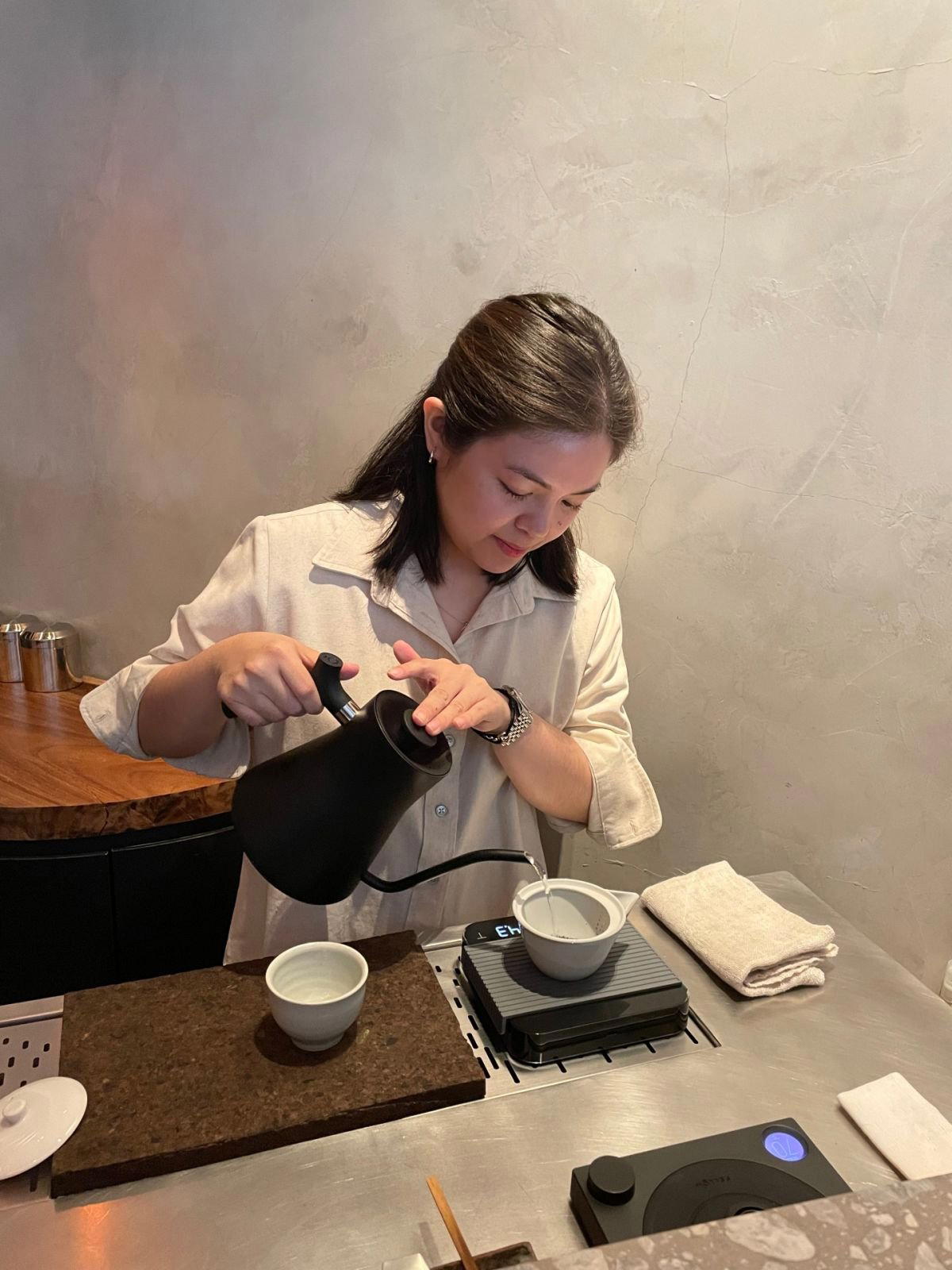
Sophisticated yet understated atmosphere with refined minimalist design, creating an intimate personal encounter with the chef's artistry at the counter.